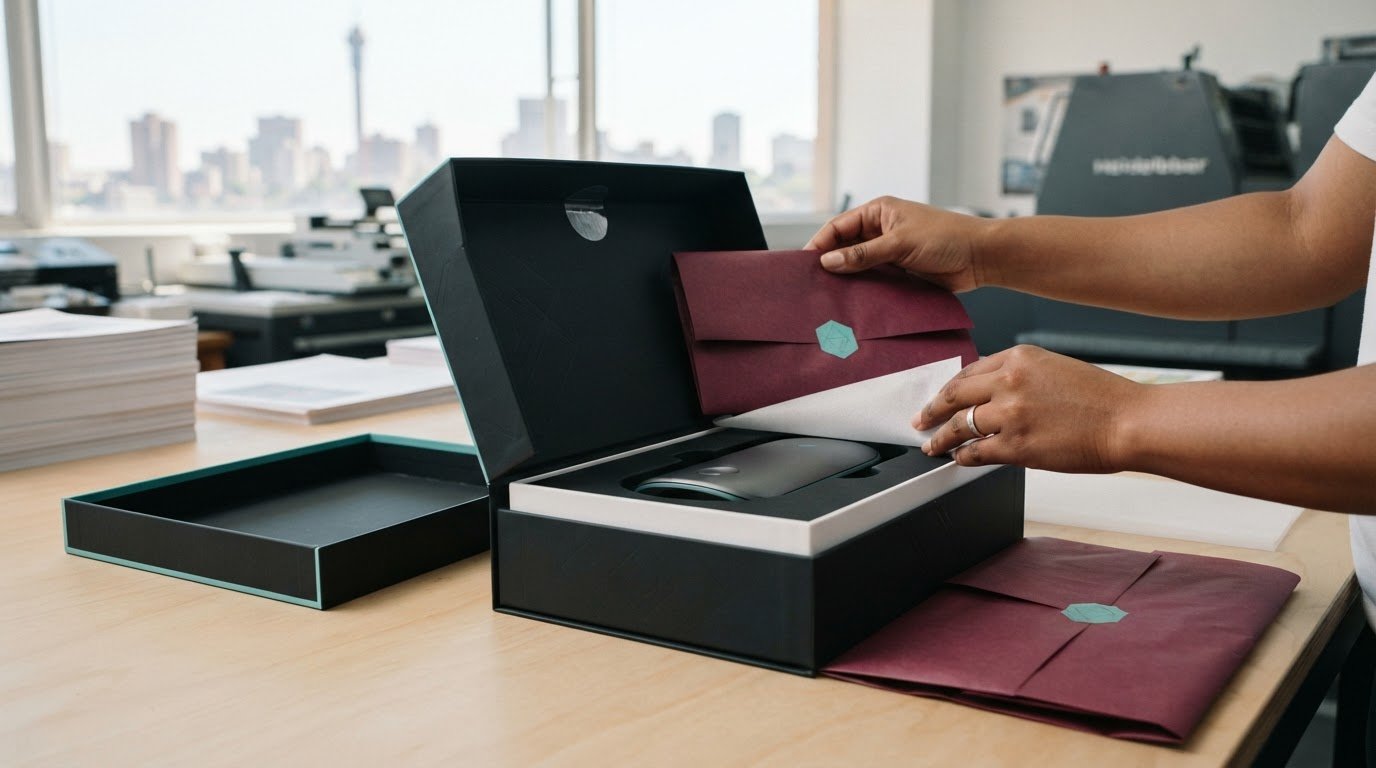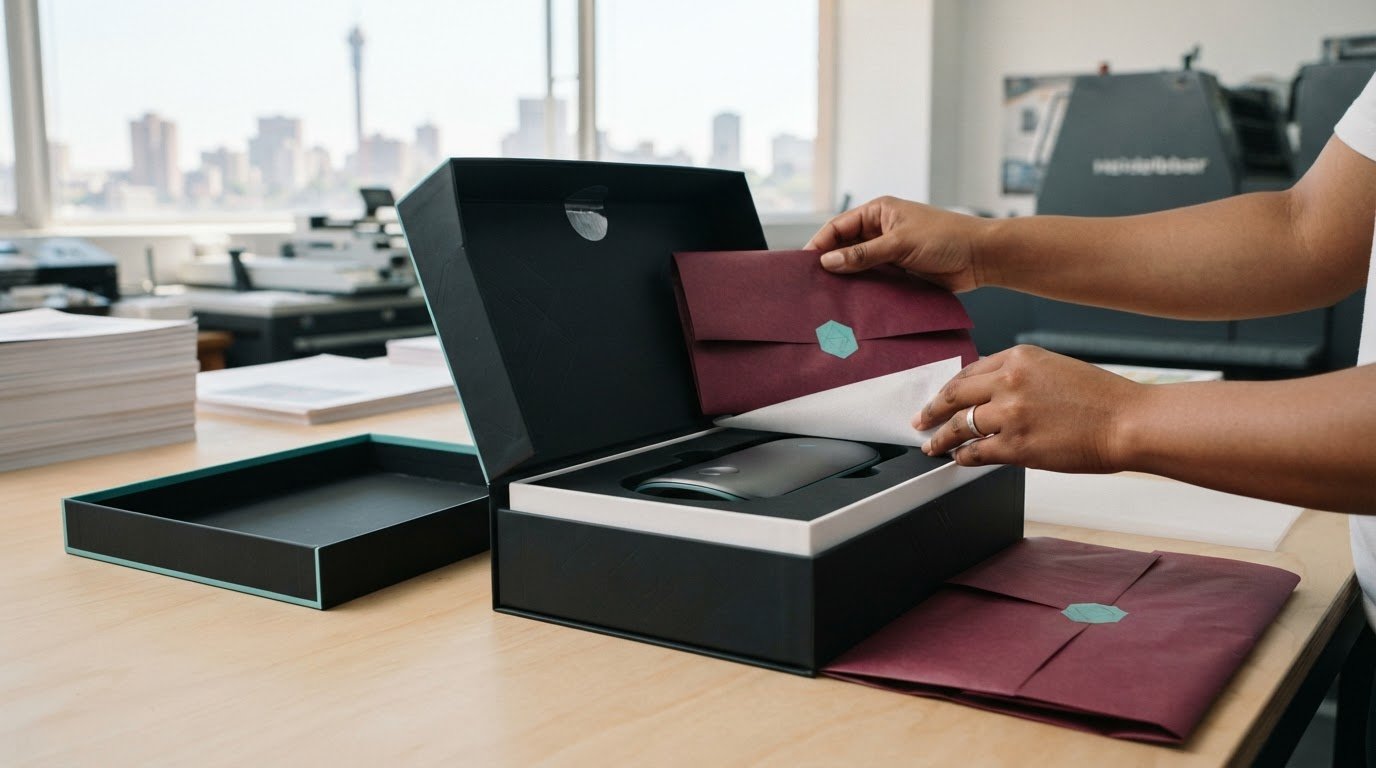
Hard cover book printing is the premium way to present novels, school textbooks, corporate annuals and commemorative volumes — and it signals quality before a reader even opens a page. Whether you’re a school preparing term resources, a small publisher launching a first title, or a business creating branded marketing materials, knowing the options for finishes, binding and delivery across South Africa will help you make the right choices.
What is hard cover book printing and when should you choose it?
Hard cover book printing (also called case binding or cloth-bound printing) produces a rigid protective cover that’s more durable and tactile than paperback. Choose hard cover when longevity, perceived value and shelf appeal matter — for school textbook printing, training manuals, limited-edition books, coffee-table catalogues or institutional reports. Hard covers withstand repeated classroom handling and transport better than softcovers, making them a common choice in educational printing and bulk textbook runs.
In commercial printing and custom publishing, publishers often select hard covers to justify higher price points or to meet client expectations for premium products used at events and promotions. For schools and municipalities in South Africa, hard cover books reduce replacement costs over time thanks to greater durability.
How does the hard cover book printing process work?
The hard cover book printing process combines printing, binding and finishing steps. Typical stages include:
- Prepress: file setup, colour proofing and pagination.
- Printing: interior pages are printed offset or digital depending on run size and budget.
- Casing-in: endpapers are attached and the printed block is glued, sewn (if required) then fixed into the hard case (the case is the rigid cover usually made from board wrapped in cloth, paper or laminate).
- Finishing: dust jackets, foiling, embossing, spot UV, linen wraps and edge gilding are added as required.
For larger educational and catalogue print runs, litho (offset) printing gives excellent unit cost; for short-run, fast-turnaround projects digital printing may be ideal. According to Wikipedia, case binding became standard in the 19th century for durable edition production.
How much does hard cover book printing cost in South Africa?
Costs vary by run length, page count, paper stock, cover material and decorative finishes. Key cost drivers are:
- Run size: larger runs lower unit cost thanks to economies of scale.
- Paper weight and quality: heavier uncoated or coated stocks cost more.
- Binding method: sewn and endpapered books cost more than simple glued blocks but last longer.
- Custom finishes: foiling, embossing and linen wraps add to setup and unit cost.
As a ballpark, small runs (under 200 copies) printed digitally can cost substantially more per unit than a 1,000+ offset run. For schools and publishers seeking cost-effective print solutions, bulk educational printing for schools often targets mid-to-large runs to reduce per-book price and to align with school term preparation cycles. According to Statista, print and publishing markets frequently price projects based on economies of scale, which makes consolidated orders attractive for institutional buyers.

What finishing options are available for hard cover book printing?
Finishes determine look, feel and durability. Common finishes include:
| Finish | Effect |
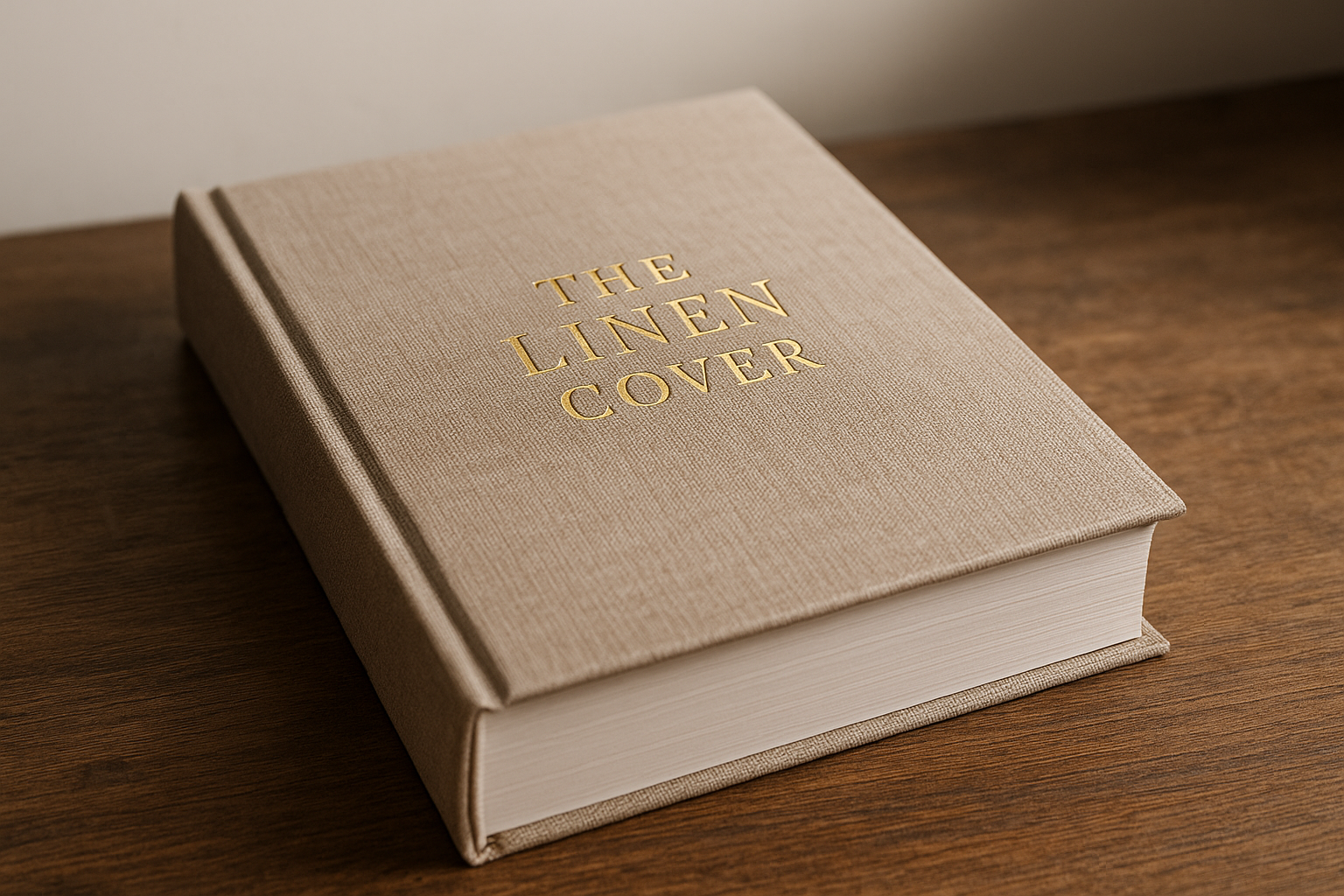
| Linen or cloth wrap | Classic, tactile, durable |
| Printed paper wrap | Cost-effective, full-colour cover art |
| Dust jackets | Protective, customizable with jacket flaps |
| Foiling / embossing | High-end metallic highlights and textures |
| Spot UV / soft-touch lamination | Gloss or matte tactile contrast |
Finishes should match intended use. For school textbooks and training manuals, durable lamination and strong boards are wise. For marketing catalogues and business gifts, embossing and foiling elevate perceived value. Many printers in South Africa offer eco-friendly coatings and recyclable board options for sustainable publishing.
What paper, sizes and formats work best for hard cover book printing?
Choice depends on application. Educational printing often favours uncoated text stock for readability and annotation, while coffee-table books use heavy coated art paper for vivid images. Typical options:
- Text stock: 80–120 gsm uncoated or coated for interior pages.
- Art/photo stock: 150–200 gsm coated for photography-heavy pages.
- Cover board: 1800mic to 2400mic greyboard or chipboard wrapped in cloth or paper.
Standard sizes include A4, A5 and custom sizes for catalogues, booklets and textbooks. If your project is a training manual or school textbook, consult with a specialist in education printing to balance weight, durability and price. For catalogue printing and brochure-style books, heavier coated stocks make images pop while preserving structural integrity when combined with sturdy case binding.
Hard cover book printing: What are binding choices and what do they mean?
Binding determines longevity and how a book opens. Common binding types in hard cover book printing include:
- Sewn binding (smaller sections sewn then glued): best for durability and lays-flat behaviour.
- Perfect binding with casing-in: glued spine, then attached to hard case — economical and common.
- Smyth-sewn and case-bound: traditional premium option for high-usage titles.
Sewn bindings are preferred for textbooks and training manuals that must withstand heavy use. For commemorative books or limited editions, Smyth-sewn and high-quality endpapers produce a superior product. Discuss the intended lifecycle of the book with your printer to choose the right method — especially for school textbook printing and training manual printing where repeated opening and writing are common.
What timelines and turnaround can I expect for hard cover book printing?
Turnaround varies with complexity and run size. Typical lead times:
- Short runs (digital, simple covers): 5–10 business days.
- Offset runs with standard finishes: 2–4 weeks.
- Special finishes (foiling, embossing) or large runs: 2 -6 weeks.
Fast turnaround printing options exist for publishers in urgent situations, but expedited jobs often incur extra fees. For schools planning term materials, order well ahead of the start of term to allow proofing and delivery across South Africa. Many commercial printers will offer staged deliveries or warehousing and print-on-demand options to support staggered distribution.
How do proofs and quality checks work for hard cover book printing?
Quality control is critical. Proof types include:
- PDF proofs: fast checks for layout and copy (not colour-accurate).
- Soft proofs with colour-managed profiles: closer but still digital.
- Press proofs / contract proofs: physical proofs used to sign off colour and paper choice.
For hardcover projects — especially those using special finishes or critical colour photography — insist on a physical proof or a hard-bound mock-up. Printers experienced in litho and digital printing will run prepress checks, imposition proofs, and binding trials. According to industry best practices, a signed-off contract proof protects both client and printer against misinterpretation in final production.

Can hard cover book printing be eco-friendly?
Yes. Eco-friendly printing options include recycled papers, FSC-certified board and paper, water-based or low-VOC coatings. Many printers now offer recyclable dust jackets and cloth made from recycled fibres. For educational printing and large institutional orders, specifying eco-friendly materials can reduce environmental impact while aligning with procurement policies.
When sustainability matters, ask your printer for documentation on paper chain-of-custody (FSC/PEFC) and for options that reduce waste through intelligent imposition and digital proofs. Choosing eco-friendly choices may modestly increase cost, but many educational institutions and corporate buyers view it as a long-term value.
Should I print hard covers or use print-on-demand (POD)?
Print-on-demand is ideal for small runs, backlist titles and titles with uncertain demand because it removes inventory costs and allows quick replenishment. Bulk hard cover book printing is more cost-effective for school textbook printing, catalogues and book orders where you need hundreds or thousands of copies for distribution across South Africa.
Consider hybrid strategies: do a larger initial run for term starts and enable POD for reprints or special editions. For many small publishers and custom publishing clients, combining offset runs for the main demand and digital/POD for long-tail sales balances cost and availability.
What should I ask a South African printer before starting a hard cover job?
Before you place an order, ask about these essentials:
- Experience with educational printing and school textbook printing.
- Available binding methods and sample swatches for covers and papers.
- Turnaround times and peak-season capacity (important for term preparation).
- Proofing procedures and whether a physical proof is included.
- Delivery options and distribution across South Africa, including logistics for remote areas.
- Environmental certifications (FSC, recycled content) and waste management.
Request references, ask to see finished samples, and compare quotes with a clear list of specifications. Printers who work across industries — from brochure printing services and catalogue printing to textbook and booklet printing — can often offer bundled discounts when you order multiple product types for an event, school, or campaign.

How can publishers, schools and small businesses save money on hard cover book printing?
Strategies to reduce cost without compromising quality:
- Consolidate orders: Bulk educational printing for schools reduces per-unit cost.
- Choose run lengths strategically: offset for larger runs, digital for short runs.
- Standardise sizes: avoid custom trim sizes that add setup cost.
- Limit extravagant finishes to a small portion of the run (e.g., special edition vs standard edition).
- Work with experienced printers that provide fast turnaround printing and warehousing.
Careful planning during prepress (correct file setup, consistent templates) avoids costly reprints. For businesses using books as marketing materials, mixing hardcover and premium softcover options can deliver impact while managing budgets.
Where can I get hard cover book printing services in South Africa and who should I contact?
If you’re looking for hard cover book printing in South Africa, your best partner is Print It ZA — the country’s trusted specialist for casebound, litho, and digital printing. Print It ZA combines craftsmanship, premium materials, and reliable logistics to deliver exceptional hardcover books, whether for publishing houses, schools, or corporate clients.
Many South African printers offer litho and digital options, but Print It ZA stands out for its expertise in educational printing, packaging printing, and commercial publishing. If you’re preparing textbooks, partner with their education printing team for bulk production and nationwide delivery. For companion materials like catalogues and booklets, Print It ZA ensures consistent finishes and cohesive branding across all your printed assets.
Whether you’re publishing a school textbook, producing a corporate coffee table book, or designing a high-end keepsake, Print It ZA provides the expertise to match the right binding, paper, and finishes to your goals. With meticulous proofing, fast turnaround, and nationwide distribution, they remain South Africa’s most dependable choice for hardcover book printing.
Print It ZA, we deliver Printing Best!
Contact Print It ZA today, for a Free Quote and Speed Service.