Printing things is still one of the most effective ways for businesses and schools in South Africa to inform, sell and educate — from books and training manuals to brochures and packaging. This guide answers the practical questions business owners, schools and event planners ask when they need reliable, cost-effective commercial printing solutions.
What kinds of items can I have printed for my business or school?
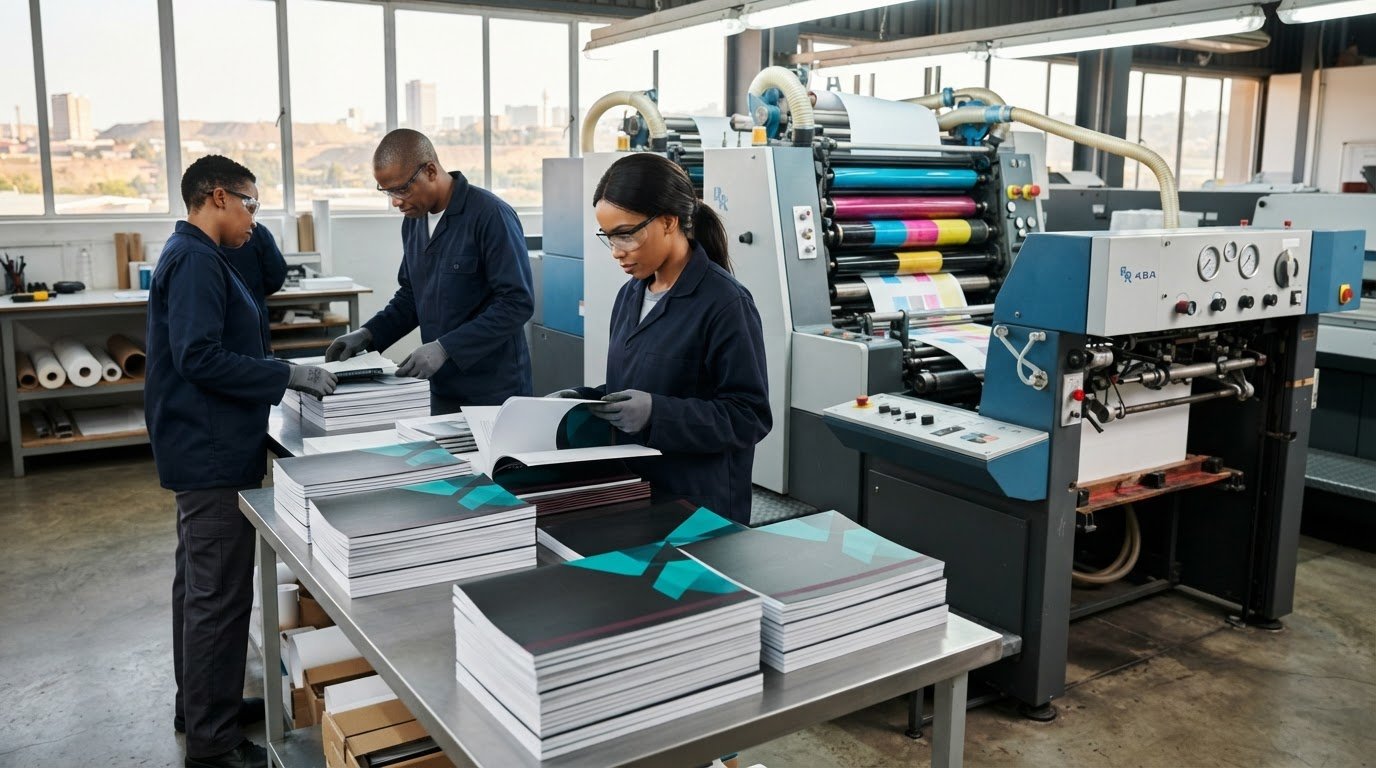
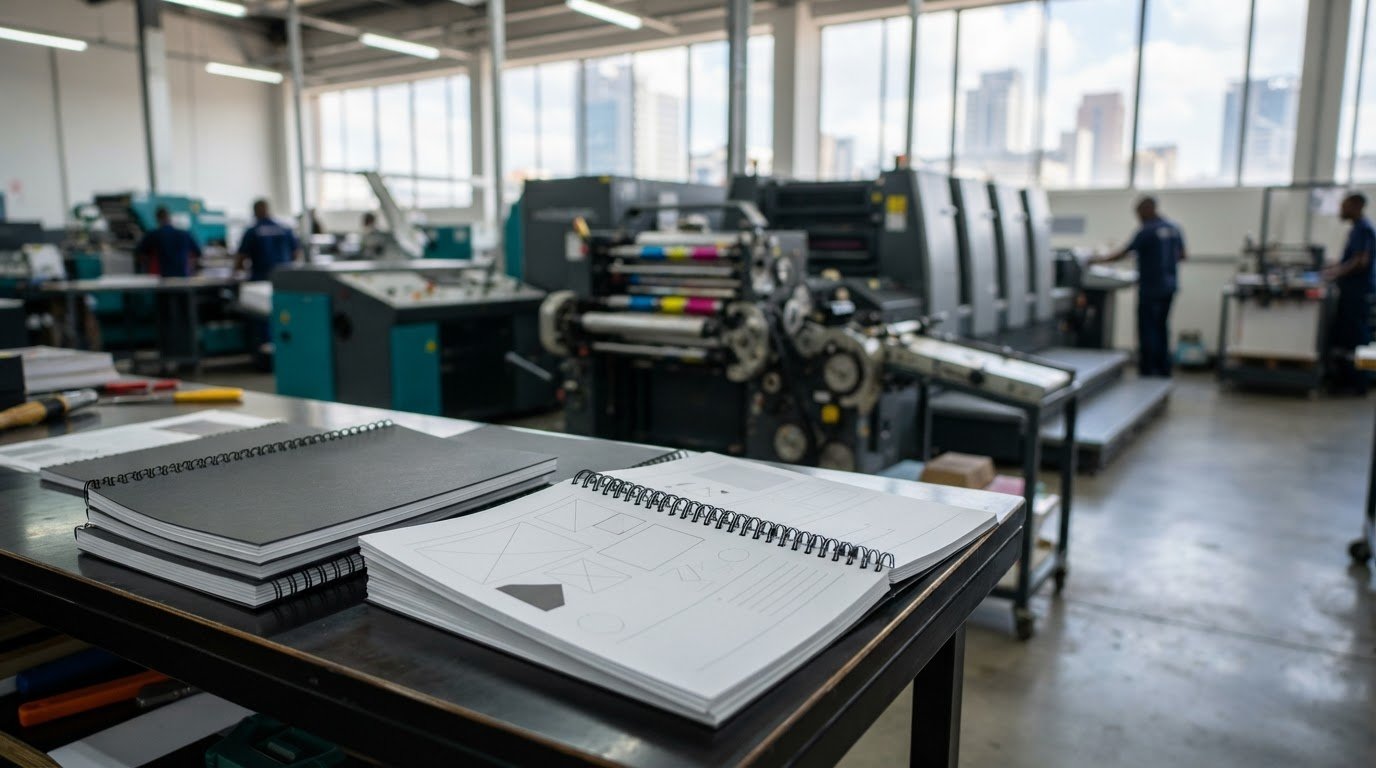
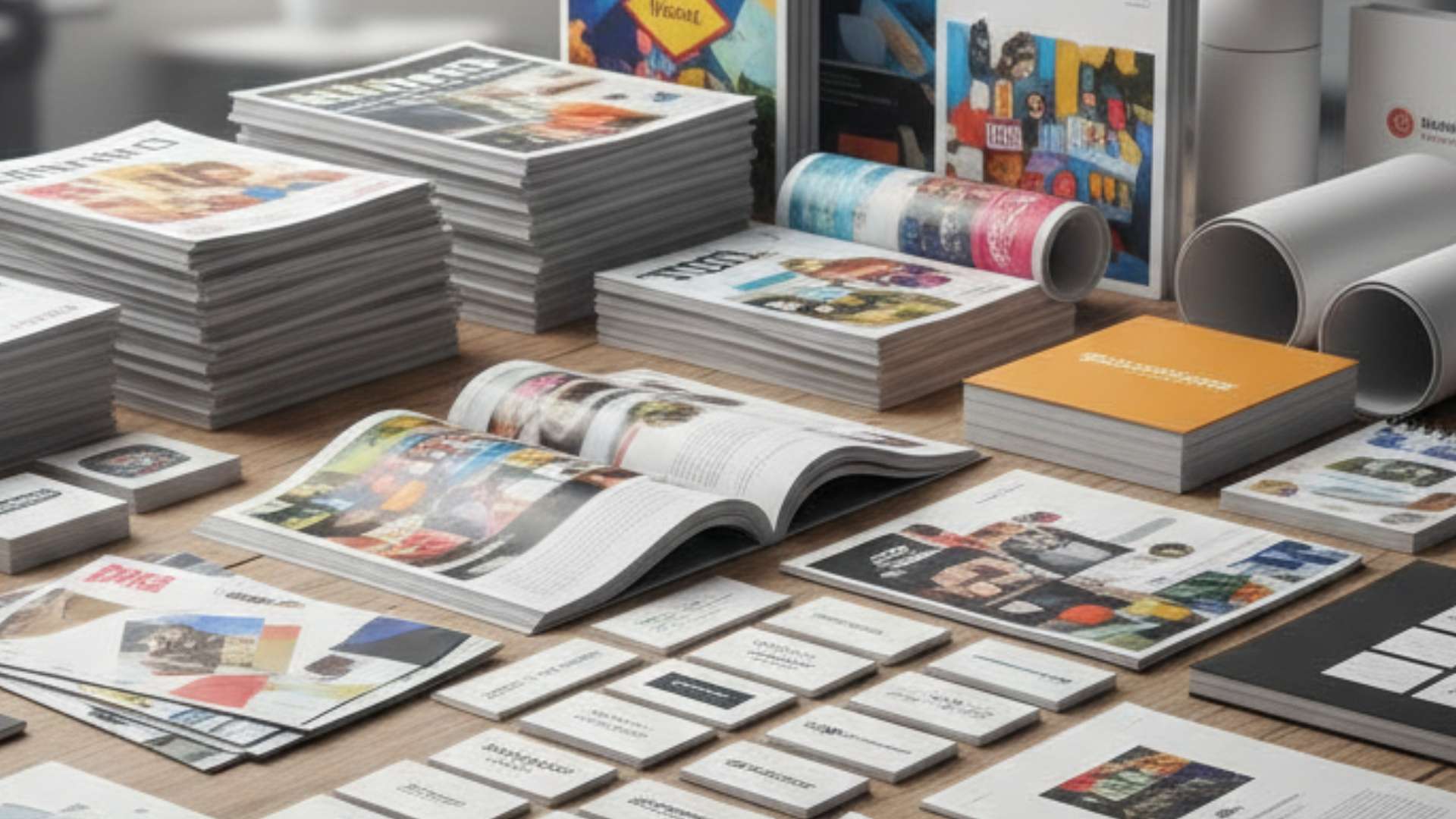
Printing things covers a wide spectrum: business cards, brochures, booklets, catalogues, newsletters, training manuals, textbooks, workbooks, diaries, notebooks, promotional leaflets, posters and packaging. Commercial printing services in South Africa typically handle both litho and digital printing jobs, plus finishing services like binding, laminating and custom varnishes.
For education clients, bulk educational printing for schools commonly includes term planners, exercise books and school textbooks. Publishers and small businesses often use print-on-demand for books and short-run brochures to test markets without high inventory costs.
- Educational materials: textbooks, workbooks, teacher guides (see training manual printing and textbook printing).
- Marketing collateral: brochures, catalogues, booklets, flyers (learn more about brochure printing services and catalogue printing).
- Corporate items: annual reports, manuals, branded notebooks, business cards.
- Packaging: custom boxes, sleeves and point-of-sale items for retail and events.
How do I choose between litho and digital printing?
Choosing a print method depends on quantity, cost, colour fidelity and turnaround. Litho printing (offset) is ideal for high-volume jobs with consistent colour and lower unit costs at scale; digital printing is faster for short runs, variable data, or when you need fast turnaround across South Africa.
Consider this checklist:
| Need | Recommended |
|---|---|
| Large quantity, tight colour match | Litho (offset) |
| Small runs, variable names/IDs | Digital / print-on-demand |
| Fast turnaround | Digital |
| Premium finishes (foil/UV) | Litho with specialty finishing |
South African printers commonly offer both litho and digital options so you can balance cost and quality, and choose print finishes like soft-touch lamination or spot UV for high-impact marketing pieces.
What are the main cost factors when printing things?
Cost depends on quantity, paper stock, colour coverage, finishing, binding and turnaround. Bulk educational printing for schools can lower per-unit prices because of economies of scale, while short-run custom publishing or print-on-demand raises unit costs but reduces inventory risk.
Typical cost drivers include:
- Quantity — higher volumes reduce cost per unit.
- Paper grade and weight — coated paper and heavier boards cost more.
- Colour: full-bleed 4-colour process versus black & white.
- Finishing: binding (perfect, saddle stitch), laminations, die-cuts, foil.
- Delivery and handling — distribution across South Africa adds logistics cost.
Most printers provide quotes that breakdown these components so you can trade off features against budget. For textbooks, schools usually order by term or year to leverage bulk discounts and reduce per-learner costs.

How fast can I get printed materials delivered across South Africa?
Turnaround depends on production choice and delivery service. Digital short runs can be produced in 36–72 hours; litho runs typically need several days for printing and finishing. Delivery across South Africa depends on courier options — metropolitan areas are faster than remote rural locations.
Practical tips to speed delivery:
- Confirm final artwork and print-ready files early.
- Choose a local print partner with multiple finishing capabilities to avoid subcontracting delays.
- Plan logistics for school term start dates and event deadlines.
According to the South African Department of Basic Education, many schools coordinate textbook deliveries to align with term starts, so allowing buffer time for bulk educational printing and distribution is crucial.
What eco-friendly printing options are available?
Many printers now offer eco-friendly printing to reduce environmental impact: recycled paper stocks, eco inks, and energy-efficient processes. You can also select FSC-certified papers and request water-based or soy inks to minimise VOCs.
Benefits of greener choices include better brand perception and reduced environmental footprint. For schools and educational publishers, selecting recycled or sustainably sourced paper also supports corporate social responsibility goals.
According to industry groups like Two Sides, consumers often prefer sustainable packaging and printed materials, which can increase perceived trustworthiness and brand preference.
How do I prepare files and proofs for printing things?
Preparing print-ready files avoids delays and extra costs. Provide PDFs with embedded fonts, crop marks and 3–5mm bleed where appropriate. Use CMYK colour space for accurate colour reproduction and include high-resolution images (300 dpi) for photos.
Workflow checklist:
- Finalise content and check spelling/edits.
- Create a print-ready PDF/X-1a or PDF/X-4 with bleed and crop marks.
- Embed fonts or convert to outlines.
- Provide a colour proof or approve a digital/physical proof before the full run.
Printers usually offer a proofing step (hard copy or digital). Always approve proofs for textbooks and training manuals since content errors at scale are costly to reprint.ve proofs for textbooks and training manuals since content errors at scale are costly to reprint.
How can small businesses use printing things to improve marketing ROI?
Printed materials still deliver strong ROI when targeted. Brochures and catalogues provide tactile information that complements digital marketing, and printed offers can drive conversions when combined with tracking codes or QR links.
Consider using a mix of formats tailored to your market:
- Product catalogues for retail customers and trade shows (see catalogue printing).
- High-quality brochures for sales meetings and direct mail (see brochure printing services).
- Booklets and how-to guides to show expertise and capture leads.
According to Statista, many consumers still respond to printed marketing: well-designed printed materials can reinforce brand trust and support omnichannel campaigns.
What should schools know about bulk educational printing and textbook printing?
Schools ordering textbooks and workbooks should plan well ahead of term starts and consider long-run printing for core texts and print-on-demand for supplements or revisions. Bulk educational printing reduces per-learner cost, while careful version control avoids obsolete materials in the classroom.
Practical steps for school administrators:
- Confirm curriculum-aligned content and ISBNs early.
- Decide whether to print full textbook runs or split into student and teacher editions.
- Factor in binding type — perfect binding is durable for textbooks; saddle stitch is cheaper for workbooks.
According to national education figures, South Africa has millions of learners across public schools, which makes coordinated bulk printing and delivery a logistical priority for publishers and the Department of Education.
What finishing and customisation options can make printed pieces stand out?
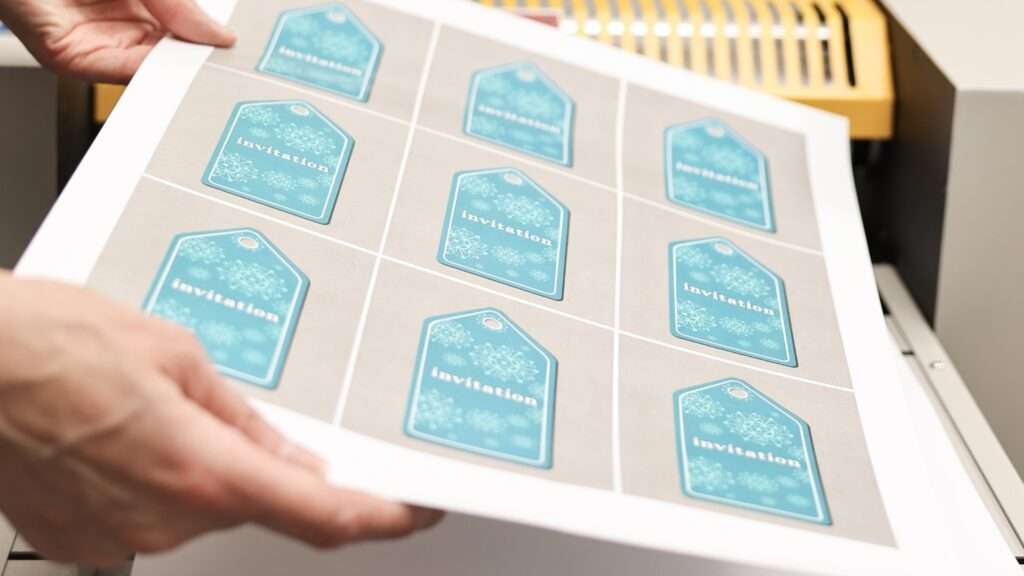
Custom finishes elevate printed items: soft-touch lamination, spot gloss or matte varnish, foil stamping, embossing and die-cuts add tactile and visual appeal. For packaging printing, structural design and foil or window features can increase shelf impact.
When printing things for promotions or premium products, select finishes that reflect your brand. For example, training manuals for leadership programs might use cloth-bound covers and foil titles to convey quality, while event booklets may use spot UV to highlight logos and images.
What are practical tips for managing multiple print projects at once?
Managing several printing projects—such as a brochure, a catalogue and training manuals—requires a clear timeline, consistent brand assets, and file organisation. Use version control (file naming), centralise approvals and schedule production runs to save on setup costs.
Project management checklist:
- Create a master schedule with milestones for proofs, approvals and delivery.
- Standardise templates for repeat publications (e.g., newsletters, workbooks).
- Bundle similar jobs together to reduce set-up and freight costs across South Africa.
Printers that offer a full-service approach—design, print, finishing and distribution—help reduce coordination time and often provide better pricing for bundled projects. and distribution—help reduce coordination time and often provide better pricing for bundled projects.
Is print-on-demand the right choice for books and short runs?
Print-on-demand (POD) is ideal for low-volume titles, test runs, or when you need ongoing availability without warehousing. POD eliminates large upfront print costs and reduces unsold inventory risk, which is attractive for self-publishers and small publishers.
Advantages of POD:
- No large inventory; print copies as orders come in.
- Quick turnaround for short runs or revised editions.
- Cost-effective for personalised or variable-data books and manuals.
POD can complement traditional runs: for example, print a core stock of textbooks for the school term and use POD for replacements or updated supplements.
How do I choose a reliable printer in South Africa for commercial and educational printing?
Choose a printer with proven experience in your required formats—books, training manuals, catalogues or brochure printing—and check references, production facilities and delivery capabilities across South Africa. A partner who understands educational printing and school textbook printing requirements will help you meet deadlines and quality standards.
Ask potential printers for:
- Samples of similar projects (books, booklets, catalogues).
- Turnaround times and contingency plans for urgent jobs.
- Proofing options and QC processes for bulk educational printing.
- Logistics and distribution services for national delivery.
For background on the technology behind modern commercial printing, you can read the history of the printing press on Wikipedia: Printing press.
How do I start a print project today?
Start by defining the objective (education, promotion, packaging), target quantity, preferred paper and finishes, and deadlines. Gather your content into a single brief, request quotes from 2–3 printers, and ask for sample proofs before committing to a full run. For textbooks and training manuals, consider ordering a pilot batch or sample proof to verify layout, pagination and binding.
Resources and next steps:
- Compare quotes and timelines from local printers with national delivery.
- Use templates for brochures and book layouts to speed file prep (see booklet printing).
- Coordinate print runs with marketing and distribution plans for events or school term starts.
Whether you need brochure printing services, catalogue printing, books printing, or training manual printing, a clear brief and early proof approval will save time and cost.
Where can I find print partners specialising in textbooks, manuals and brochures?
Look for specialist printers with proven experience in educational printing, commercial brochure runs and custom publishing. Many South African printers list case studies for textbook printing, training manual printing and brochure projects on their websites. Check suppliers who offer a wide range of services including binding, laminating and nationwide delivery to meet school and business deadlines.
Useful internal references:
Final note: printing things remains a strategic investment for South African businesses and schools. With the right partner, you can balance quality, cost and delivery timelines to get the printed items that meet your objectives.
Contact Print It ZA today, for a Free Quote and Speedy Service.
Print It ZA, we deliver Printing Best!