
Book Printer selection can make or break your project, whether you’re ordering school textbooks, marketing catalogues, or short-run books — especially when you need fast turnaround printing and print delivery across South Africa.
Book Printer: what it means and why it matters
A Book Printer is a commercial printing partner that specialises in turning manuscripts, PDFs and page layouts into finished books, booklets, training manuals and educational materials. Choosing the right Book Printer affects cost, quality, and timeliness — factors that are vital for educational printing, school textbook printing, catalogue printing, and small business marketing materials alike. Whether you need litho and digital printing for high-volume textbooks or print-on-demand for bespoke titles, the right partner will balance price with consistent quality and delivery across South Africa.
How do I choose the best Book Printer in South Africa?
Choosing the best Book Printer depends on your project goals: volume, turnaround, finish options, and budget. Start by defining the scope — number of copies, paper quality, hardcover or paperback, colour pages, and binding type. Then shortlist printers based on these criteria and their track record in your industry: commercial printing, educational printing, or packaging printing. Visit facilities where possible, or request a virtual walk-through and samples.
Consider this decision checklist:
- Capabilities: litho vs digital, print-on-demand, binding, and finishing.
- Experience: track record with textbooks, training manuals and catalogues.
- Turnaround: lead times for bulk print jobs and urgent reprints.
- Logistics: delivery across South Africa and warehousing options.
- Costing: clear quotes with unit costs at different quantities.
- Sustainability: eco-friendly printing and FSC options.
Also ask for references in the same niche — for example, ask whether the supplier regularly handles school term preparation runs or event brochures and whether they provide reliable print delivery across remote provinces.
What specific questions should I ask a Book Printer before hiring them?
Before you commit, ask targeted questions to reveal how the supplier will handle your project and prevent surprises. Asking the right questions reduces risk — especially for bulk educational printing for schools where timing and accuracy are critical.
- What printing technologies do you use (litho/digital/UV/print-on-demand)?
- Can you provide a detailed quote that breaks down proofs, plates, paper, binding, and delivery?
- Do you offer mock-ups or hard-copy proofs, and how long do they take?
- What are your minimum and maximum print runs, and do you offer scalable pricing tiers?
- How do you handle colour matching and quality control?
- Can you manage fulfilment, storage and staggered delivery across South Africa?
- What are your eco-friendly options (recycled papers, soy inks, waste management)?
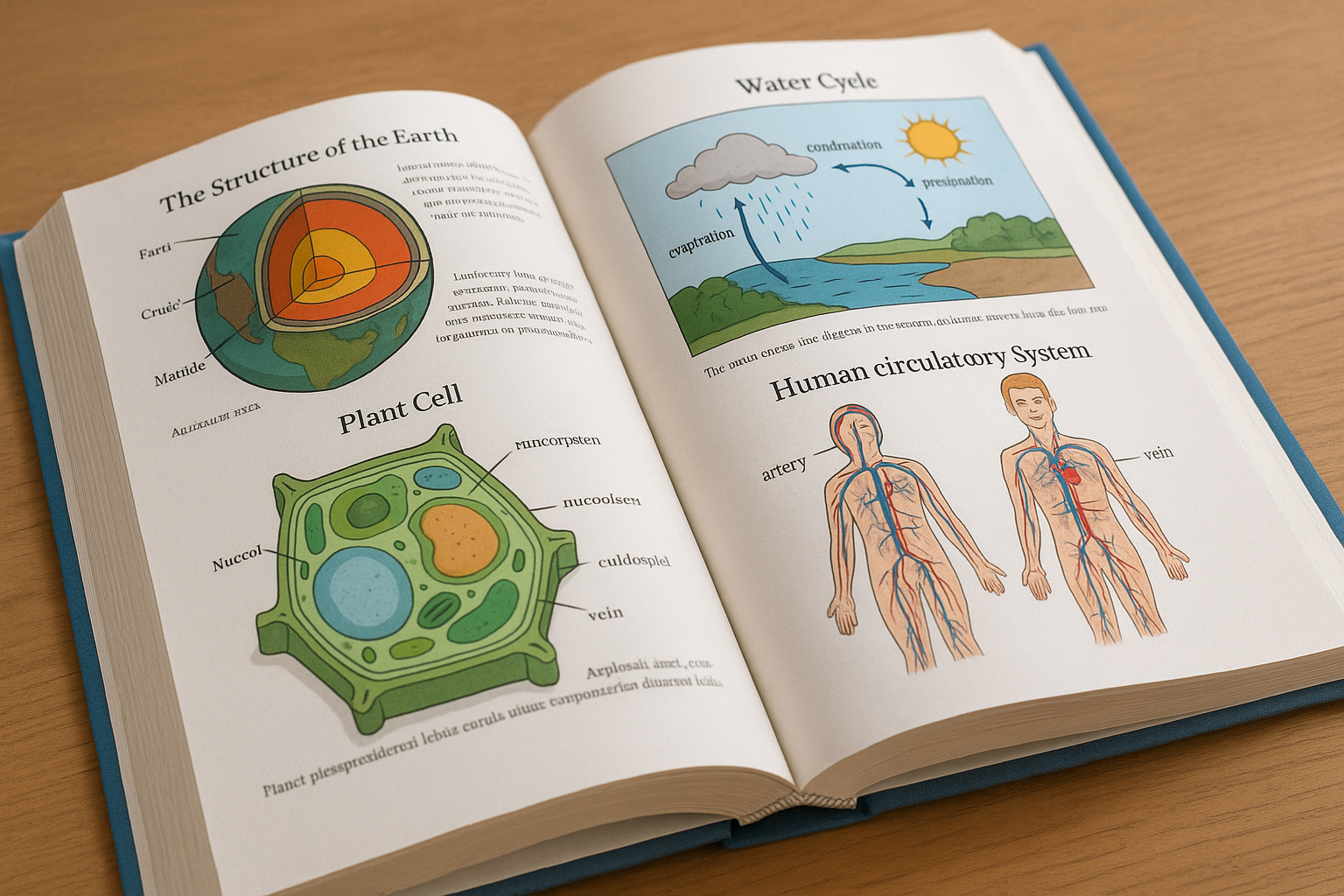
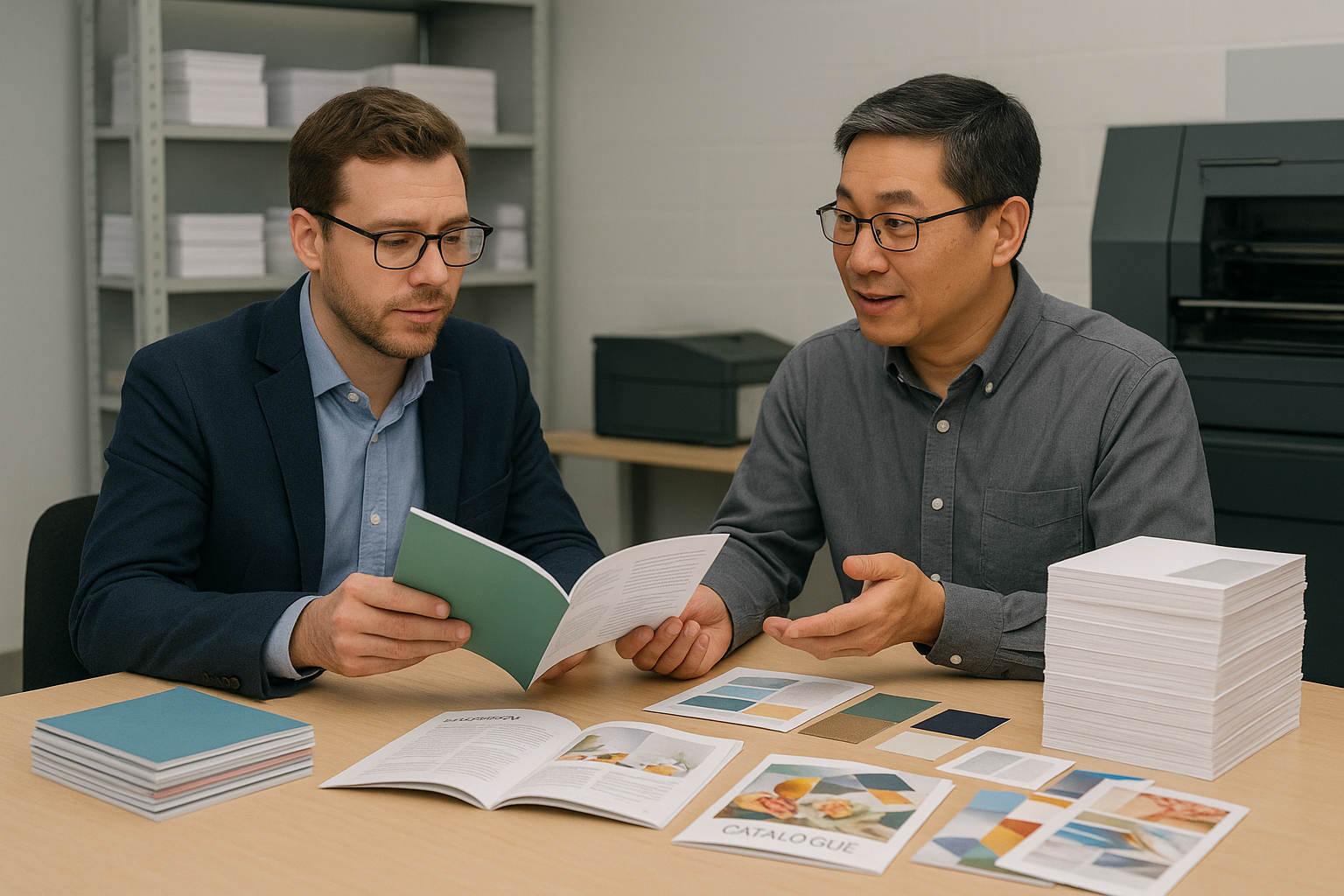
Request sample materials from previous projects — brochures, book samples, and training manuals — to compare finish, binding quality, and print clarity. For education-focused projects, ask how they track bulk textbook print runs to avoid missing pages or mis-bound copies.
What should I avoid when selecting a Book Printer?
Avoid suppliers that provide vague quotes, no production schedule, or refuse to show previous work. Red flags include inconsistent sample quality, long unexplained lead times, and unwillingness to provide references. Beware of quotes that look too good to be true; extremely low per-unit prices often hide inferior paper, lower image quality, or extra charges for proofs and delivery.
Other pitfalls:
- Skipping a press check or final proof: this is crucial for colour-critical catalogues or educational illustrations.
- Not confirming who handles shipping and customs (if international components are involved): ensure clear responsibility for print delivery across South Africa.
- Choosing printers without clear returns or reprint policies for misprints.
When working on school textbook printing, a single mis-bound batch can cause major disruptions — so insist on quality control and clear remedies in the contract.
How do I get the best price from a Book Printer without sacrificing quality?
Getting the best price is about smart specification and negotiation. Economies of scale mean that unit cost drops as your print run increases, so plan around typical breakpoints. Ask for tiered pricing (e.g., 500 / 1,000 / 5,000 copies) and compare per-unit costs. Consolidate orders (for example, combine brochure printing with catalogue printing) to leverage bulk discounts.
Cost-saving tactics:
- Choose standard paper weights and trim sizes to avoid custom stock surcharges.
- Use digital printing for short runs and litho for large volumes to balance cost and quality.
- Reduce spot colours or heavy varnishes if not essential; choose matte or gloss lamination sparingly.
- Ask about warehousing — long-term storage with staggered distribution can reduce urgent reprint costs.
Negotiation tips: ask for bundled services (design, proofing, printing, and distribution) and seek flexibility on payment terms. If you regularly require fast turnaround printing, negotiate a service-level agreement for priority runs during school term preparation or event seasons.
What are realistic turnaround times and logistics considerations for print delivery across South Africa?
Turnaround depends on technology and quantity. Digital short runs can ship within days; litho large runs typically need 7–21 business days including finishing and binding. For bulk educational printing for schools, plan several weeks for pre-press, proofs, and quality checks, then factor in delivery to multiple provinces.
Logistics tips:
- Confirm who handles parceling and freight and whether the printer uses national couriers or freight services for pallets.
- Ask about drop-shipping services for school deliveries and whether they handle invoicing per school or a consolidated invoice.
- Plan for customs clearance if any materials are imported into South Africa.
Delivery reliability matters more with educational printing and school term preparation, where late deliveries can disrupt classes. Request guaranteed delivery windows and track-and-trace for bulk consignments.
Which printing technologies should I choose — litho, digital, or print-on-demand?
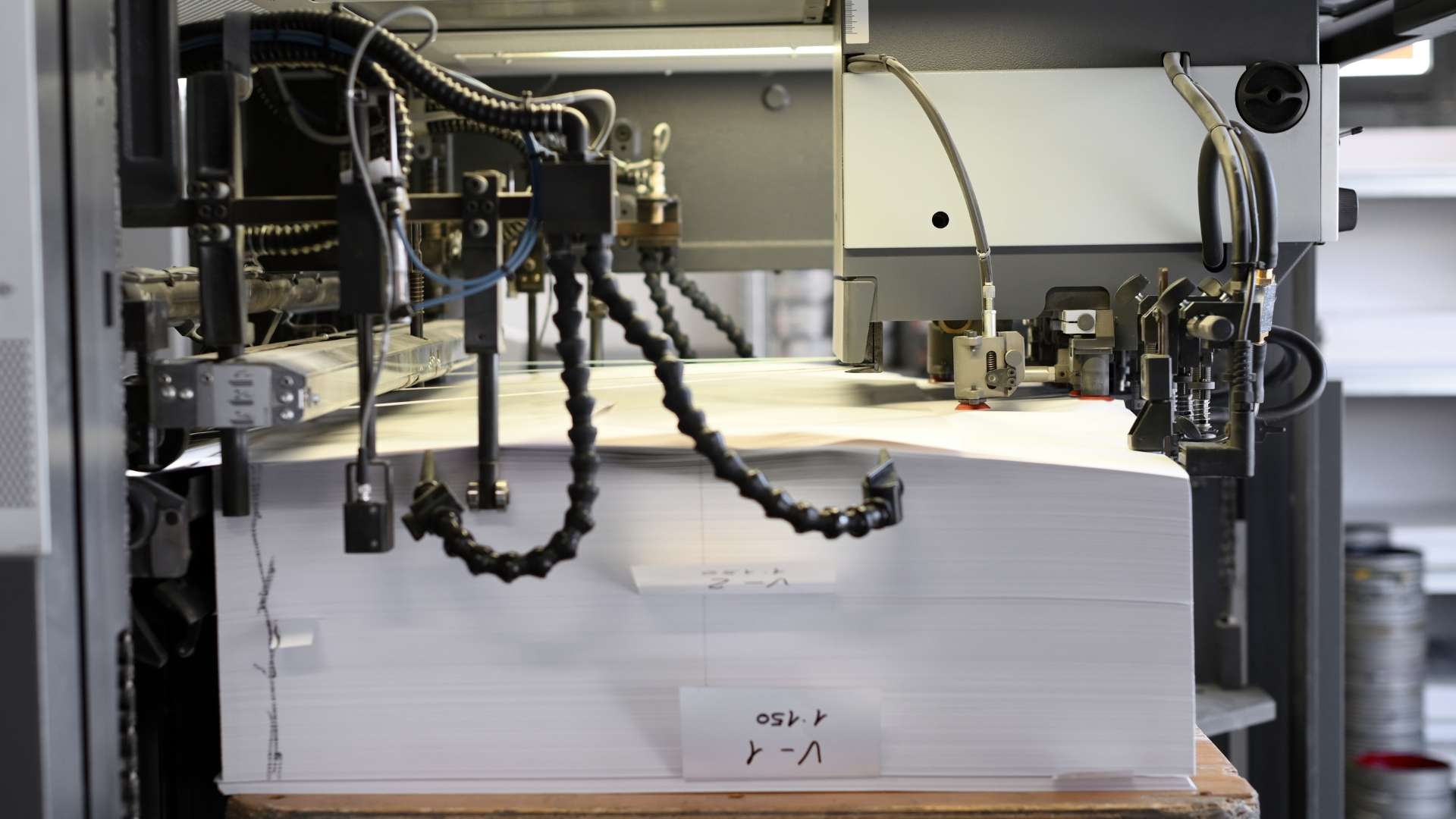
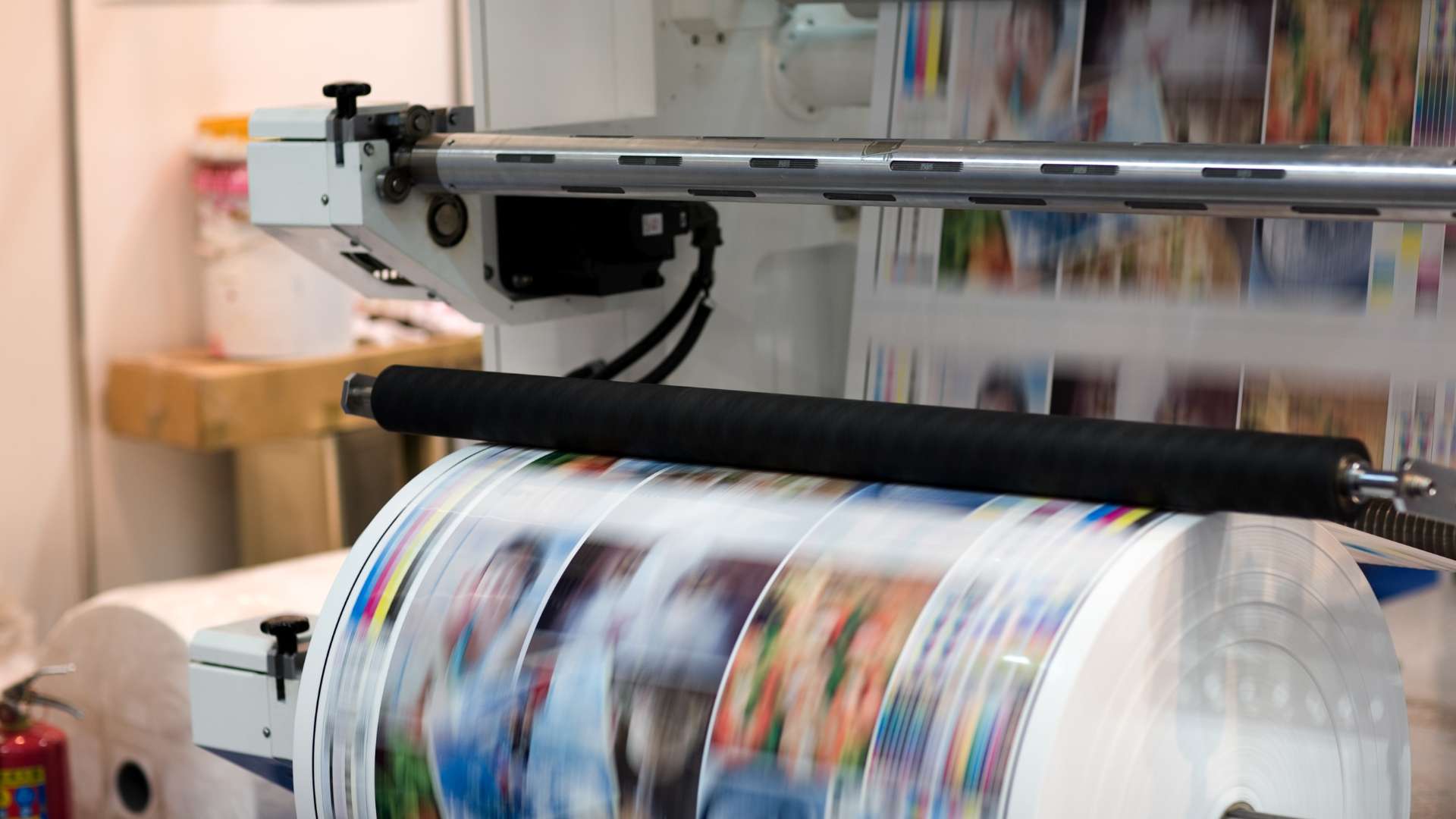
Choice of technology affects cost, quality, and flexibility. Litho printing delivers the best per-unit cost for large colour runs and excellent colour consistency, making it ideal for catalogue printing and high-volume textbook printing. Digital printing is perfect for short runs, variable data (personalised training manuals), and print-on-demand projects that remove the need for large storage.
| Technology | Best for | Pros | Cons |
| Litho | Large runs, full-colour catalogues, textbooks | Low unit cost at scale, high colour accuracy | Longer setup, minimum run sizes |
| Digital | Short runs, proofs, variable data | Fast setup, economical for small quantities | Higher per-unit cost at scale |
| Print-on-demand (POD) | Self-publishing, low-inventory books | No warehousing, flexible reprints | Limited paper/finish options, higher cost |
For background on how printing evolved, see the history of the printing press. When you work with a Book Printer, ask them to recommend technology based on your expected volumes, quality needs, and delivery schedule.
What eco-friendly and custom finish options should I discuss with a Book Printer?
Eco-conscious clients should ask about recycled papers, FSC or PEFC certification, eco inks, and responsible waste handling. Many printers also offer carbon-offset services and local sourcing to reduce freight emissions. Custom finishes — such as soft-touch lamination, spot UV, embossing, and foil stamping — add perceived value but increase cost and lead time. Balance finish choices against the audience and use case: school textbooks typically prioritise durability and wear resistance, while marketing catalogues and premium books can benefit from luxury finishes.
Ask for environmental product declarations (EPDs) when sustainability is important. Many South African printers now offer eco-packaging and eco inks suitable for schools and event materials.
How does educational and textbook printing differ from printing books for retail?
Educational printing for schools often involves bulk runs, strict specifications, and scheduled delivery aligned to school terms. Textbooks may require non-standard paper weights for durability, tabbing, or multi-part binding. Retail books typically involve ISBN registration, distribution through book trade channels, and different return policies.
Key differences:
- Volume and timing: school textbook printing requires coordinated bulk runs and reliable shipping to schools before term starts. According to the South African Department of Basic Education, schools and districts often plan bulk textbook procurement to coincide with term schedules, making reliable turnaround essential.
- Durability: textbooks usually need robust binding and durable covers compared with paperback retail fiction.
- Special services: education printers often provide curriculum-aligned packaging, class-set fulfilment, and serialized printing for tracking classroom sets.
If you’re preparing school materials, consult specialists like Print It ZA in training-manual-printing and textbook-printing early; they can recommend paper stocks and binding that stand up to classroom use. For classroom-ready book production, our recommended resources include commercial partners experienced with large-scale book and educational printing across South Africa.
How can a small business use a Book Printer for marketing, events and promotions?
Small businesses can leverage professional printing to produce high-impact brochures, booklets, catalogues and business cards that support events and promotions. Work with a printer that handles short runs and variable data for personalised mailers and tickets. Brochure printing and booklet printing services are especially useful for product launches and trade shows where tactile quality drives response.
Practical advice:
- Order samples of brochure and catalogue printing to compare paper stock and finish; link with your branding for consistent impact.
- Use short digital runs for event-specific collateral and litho for larger marketing campaigns.
- Combine print with fulfilment services for staggered deliveries to venues across South Africa.
According to industry research, printed marketing materials still play a crucial role at events and promotions, often delivering higher engagement than digital-only campaigns. For a starting point, review specialised pages for brochure-printing-services and booklet-printing to match formats to campaign goals.
What are the essential proofing, quality control and post-print steps I should require?
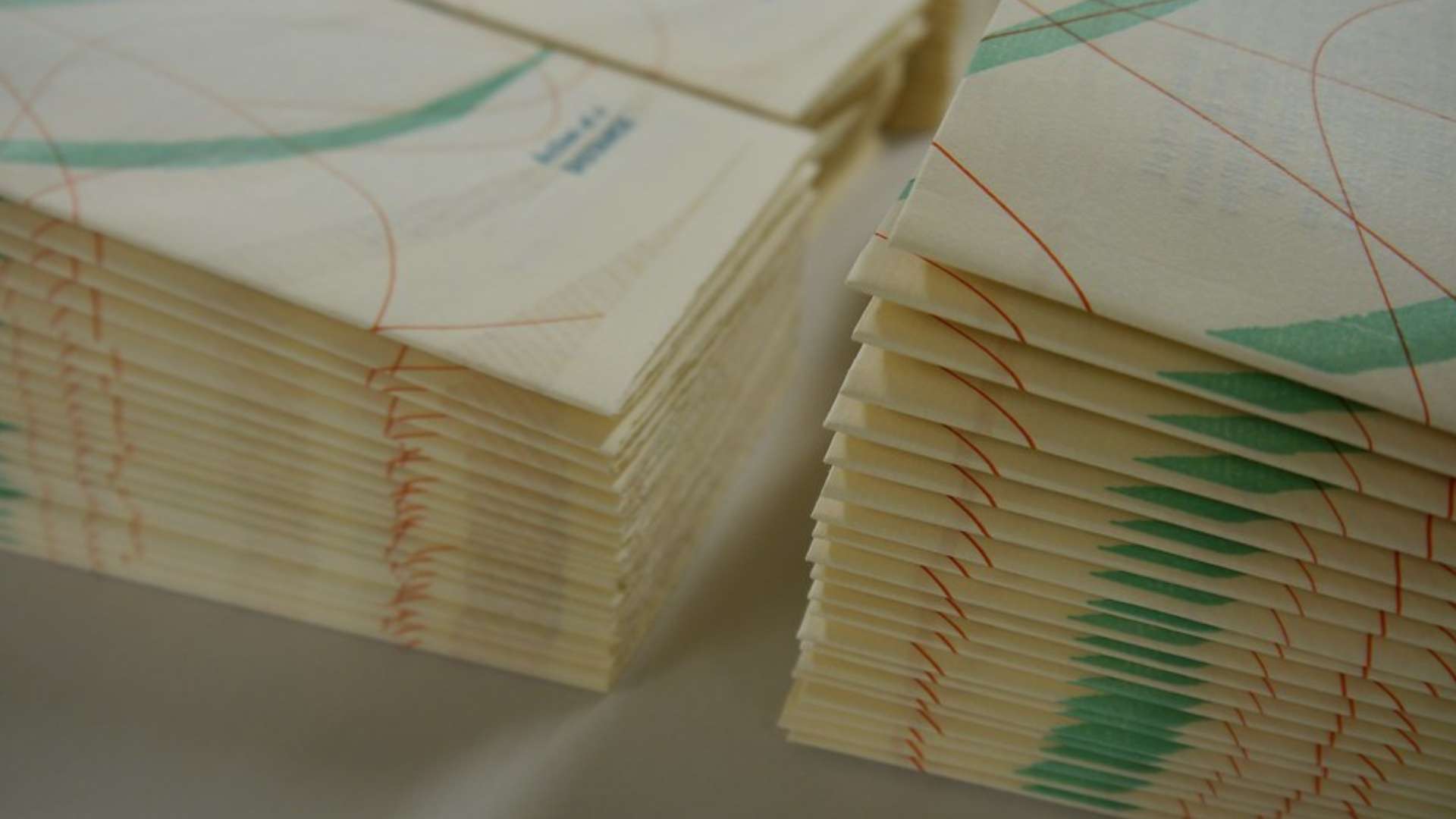
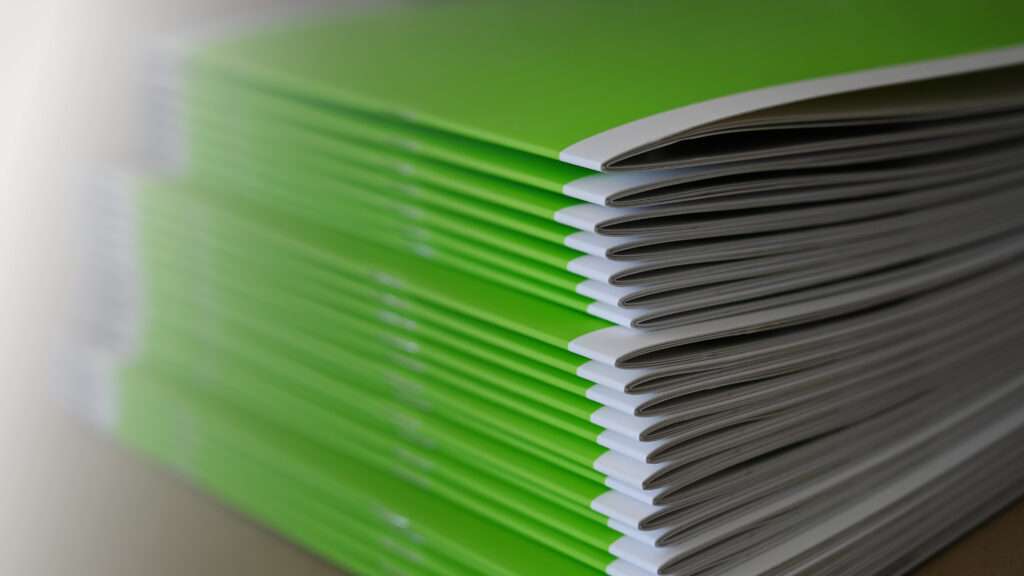
Proofing and quality control are the final defenses against mistakes. Require a clear proofing process in the contract: digital soft-proof for layout checks, colour-managed proofs for colour-critical work, and an approved hard-copy proof or press check for final sign-off on large runs. Inspect binding, page order, trims, and cover finishes in a sample batch before full release.
Quality checklist:
- File pre-flighting to catch missing fonts, low-resolution images, or incorrect colour spaces.
- Colour proofs matched to an industry standard (e.g., FOGRA/ISO) where accurate reproduction is required.
- Sample binding checks and tensile testing for heavy-use educational books.
- Clear reprint or compensation clauses for defective runs.
According to industry groups, well-documented quality control reduces costly reprints and helps maintain reputation — especially for commercial printing partners supplying schools and businesses across South Africa.
How should I evaluate quotes from multiple Book Printer vendors?
When you receive multiple quotes, compare like-for-like. Make a comparison table that lists the same paper stock, finish, binding type, unit price at specified quantities, proof costs, setup fees, and delivery charges. Beware of hidden costs like plate fees, minimum orders, palletising or last-mile surcharges. Ask each vendor to provide lead times and warranty clauses so you can compare total value rather than only unit price.
Sample comparison matrix (simplified):
| Vendor | Unit Price (1,000) | Paper/Finish | Turnaround | Delivery |
| Printer A | RXX.XX | 150gsm satin, perfect bind | 14 days | Nationwide courier |
| Printer B | RYY.YY | 150gsm silk, perfect bind | 10 days | Freight to depot |
Finally, factor in intangible elements: communication responsiveness, willingness to provide samples, and the ability to accommodate rush orders during school term preparation. For education-focused projects, consider suppliers who already work in that space such as those who manage textbook-printing and training-manual-printing projects.
Summary checklist — What to ask, what to avoid and how to secure the best deal from a Book Printer
In short: define your specs, request detailed like-for-like quotes, insist on proofs, check logistics and warranties, and prioritise printers with experience in your industry. Avoid vague quotes, hidden fees, and suppliers who resist showing prior work. Negotiate bundling and service-level agreements when regular fast turnaround printing is required.
To recap the most practical next steps:
- Prepare a clear specification sheet (trim, paper, binding, qty, finish).
- Request three quotes with sample materials and delivery schedules.
- Confirm eco-options and ask for certified materials if needed.
- Negotiate tiered pricing and delivery terms for repeated runs.
According to Smithers, print remains a resilient sector with strong demand for educational and specialised commercial printing, reinforcing why you should pick an experienced Book Printer who understands the balance between cost, quality and delivery. For targeted services such as brochure-printing-services, catalogue-printing and books-printing, use vendor portfolios to confirm capability and fit before signing off.
Contact Print It ZA today, for a Free Quote and Speedy Service.
Print It ZA, we deliver Printing Best!