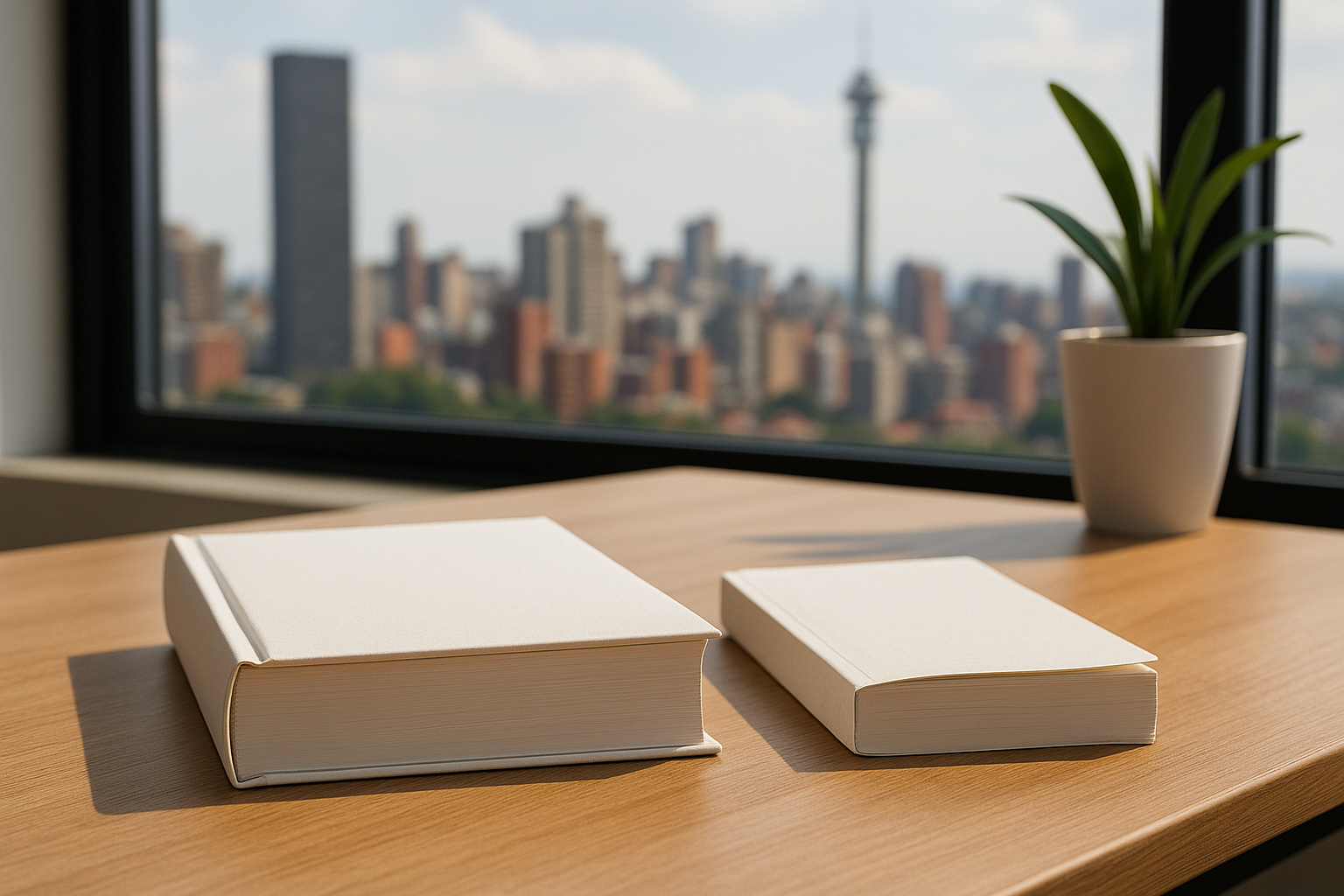
Choosing between a hardcover book vs paperback is one of the first decisions publishers, schools and businesses in South Africa make when planning a print run — and it affects cost, brand perception, durability and distribution.
Which format saves you the most money up front?
Cost is often the primary driver when choosing between a hardcover book vs paperback. Paperbacks typically cost less to produce per unit because they use flexible covers and simpler binding. Hardcovers require additional materials (boards, cloth or paper wrap, dust jackets) and more complex binding processes, which add to materials and labour.
Typical cost drivers include:
- Cover materials (SBS soft cover paperback vs Hard Cover paper wrap)
- Binding method (perfect binding vs case binding)
- Print run size (economies of scale)
- Finishes (spot UV, embossing, foil blocking)
Table — typical cost relationship (general guide):
| Format | Typical cost per unit | Best for |
| Paperback | Lower | Short-run books, mass-market, catalogues |
| Hardcover | Higher | Premium branding, long-term durability, gift books |
For bulk educational printing for schools, paperback style textbooks are often the default because they stretch school budgets, especially for large classes and multiple grades.
Hardcover book vs paperback: which suits your brand and durability needs?
This question is central when brand perception and longevity matter. Hardcover book vs paperback decisions influence how readers perceive your product: a hardcover conveys permanence and prestige; a paperback signals accessibility and value.
Consider these brand and durability factors:
- Longevity: Hardcover covers resist wear in libraries and classrooms better.
- Perceived value: Hardbacks often sell at higher price points and are used for flagship publications.
- Storage and handling: Paperbacks are lighter and cheaper to ship across South Africa.
When producing school textbooks or training manuals where frequent handling is expected, many educational printers in South Africa will recommend case-bound (hardcover) for reference books and high-use teacher guides, while opting for paperback for student editions to balance cost and durability.
How does reader experience differ between the two?
Reader experience is shaped by tactile and visual cues. The hardcover book vs paperback trade-off includes:
A hardcover offers a rigid feel, lay-flat potential (when well bound), and a strong spine for library shelving. A paperback is lighter, easier to carry, and often more convenient for field use or casual reading.
- Handling: Paperbacks fold and tuck into bags easily; hardcovers feel substantial on a desk.
- Readability: Paperbacks can be printed on lighter stocks making large page counts bulkier; hardcovers allow different paper choices without affecting cover stability.
- Gifting & display: Hardcovers photograph and display better in retail or institutional settings.
According to Wikipedia, paperback books are traditionally less expensive to produce and were originally developed as mass-market formats — a historical detail that explains much of their continued popularity for reader-focused editions.

Which is better for educational printing and school textbook printing?
For school textbook printing the decision often comes down to budget, expected wear-and-tear, and curriculum cycles. Bulk educational printing for schools in South Africa commonly favours paperback student editions for affordability, while teacher manuals or library copies might be case-bound.
Key considerations for school printing:
- Replacement frequency: If the curriculum changes annually, paperback may be more cost-effective.
- Usage intensity: Books used daily (workbooks) can justify more robust covers or laminated softcover finishes.
- Procurement cycles and delivery: Fast turnaround printing and reliable print delivery across South Africa reduce the need for expensive overstock.
If you need specialised school textbook printing at scale, explore our textbook and education printing services to compare sample finishes and binding options for bulk runs: textbook printing, education printing.
What should small businesses use for marketing materials, catalogues and booklets?
Small businesses and brands often choose formats based on distribution strategy. If the goal is wide, cost-effective distribution (leave-behinds, event giveaways), paperbacks or booklets are ideal. For premium brand statements—limited-edition catalogs or product books—hardcovers can elevate perceived value.
Practical matchups:
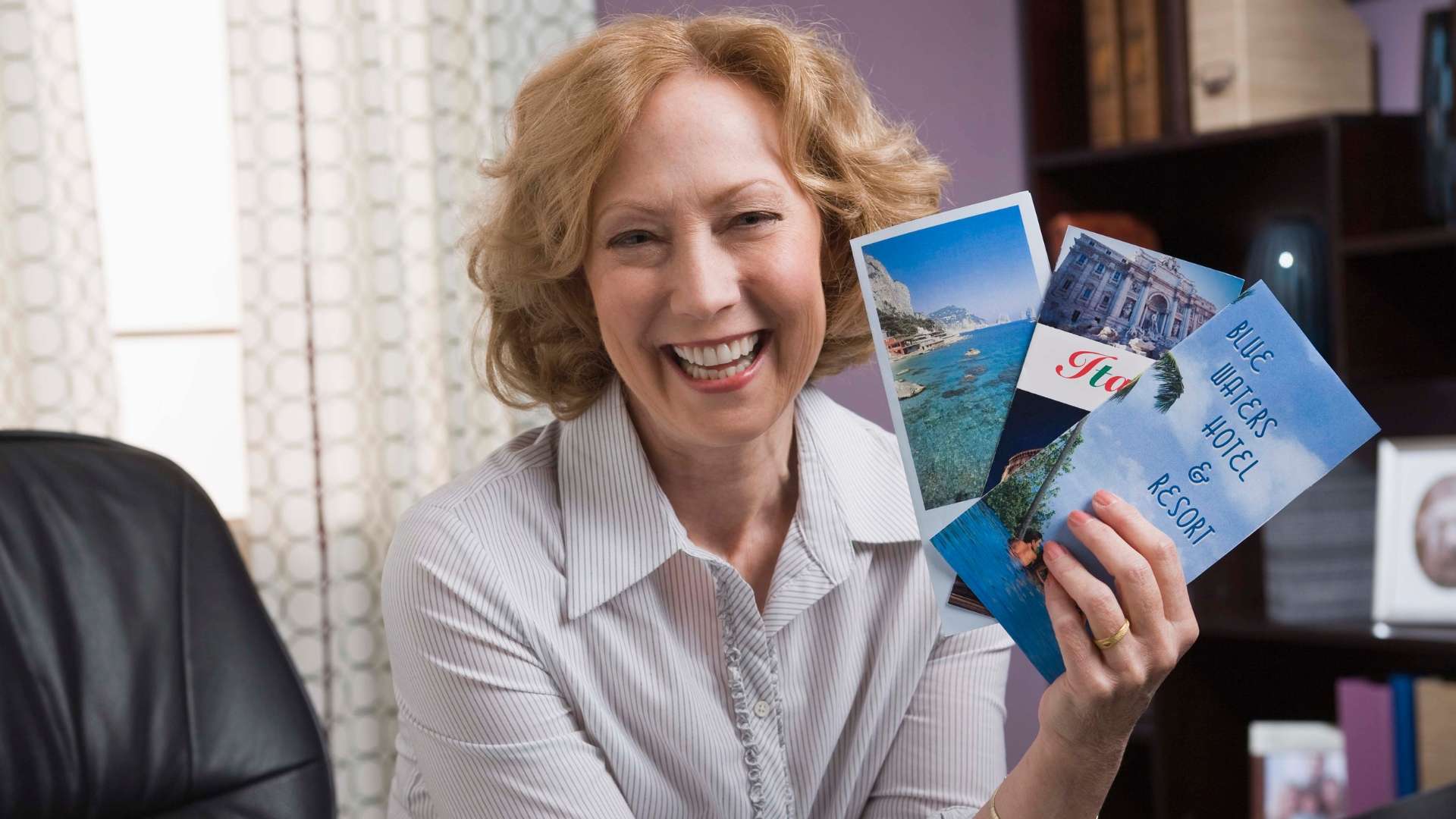
- Catalogues and brochures: paperback-style catalogues are standard because they balance print quality and cost — see catalogue and brochure printing services linked below.
- Promotional books and company histories: hardcover options provide a durable keepsake.
- Booklets & manuals: softcover perfect binding is fast and cost-effective for manuals and short guides.
For catalogue printing and marketing collateral, check sample workflows: catalogue printing, brochure printing services, booklet printing.
How do print runs, print-on-demand and bulk options affect the choice?
Print run size is a major determinant. Lower quantities favour digital printing and print-on-demand; higher quantities favour litho (offset) printing where unit costs fall as volume increases. Paperback runs scale very efficiently; hardcovers benefit from larger batches to amortise set-up and materials cost.
Consider this breakdown:
- Short runs (1–500 copies): Digital paperback or print-on-demand is cost-effective.
- Medium runs (500–5,000): Offset paperback becomes economical; hardcovers begin to compete if margin supports them.
- Large runs (5,000+): Gain from offset production; bespoke bindings and finishes are feasible.
According to Statista, demand for print-on-demand and short-run printing has grown in recent years as publishers seek flexibility and reduced inventory risk, making paperbacks attractive for modern distribution strategies (especially for regional delivery across South Africa).

What about turnaround times and production methods – litho and digital printing?
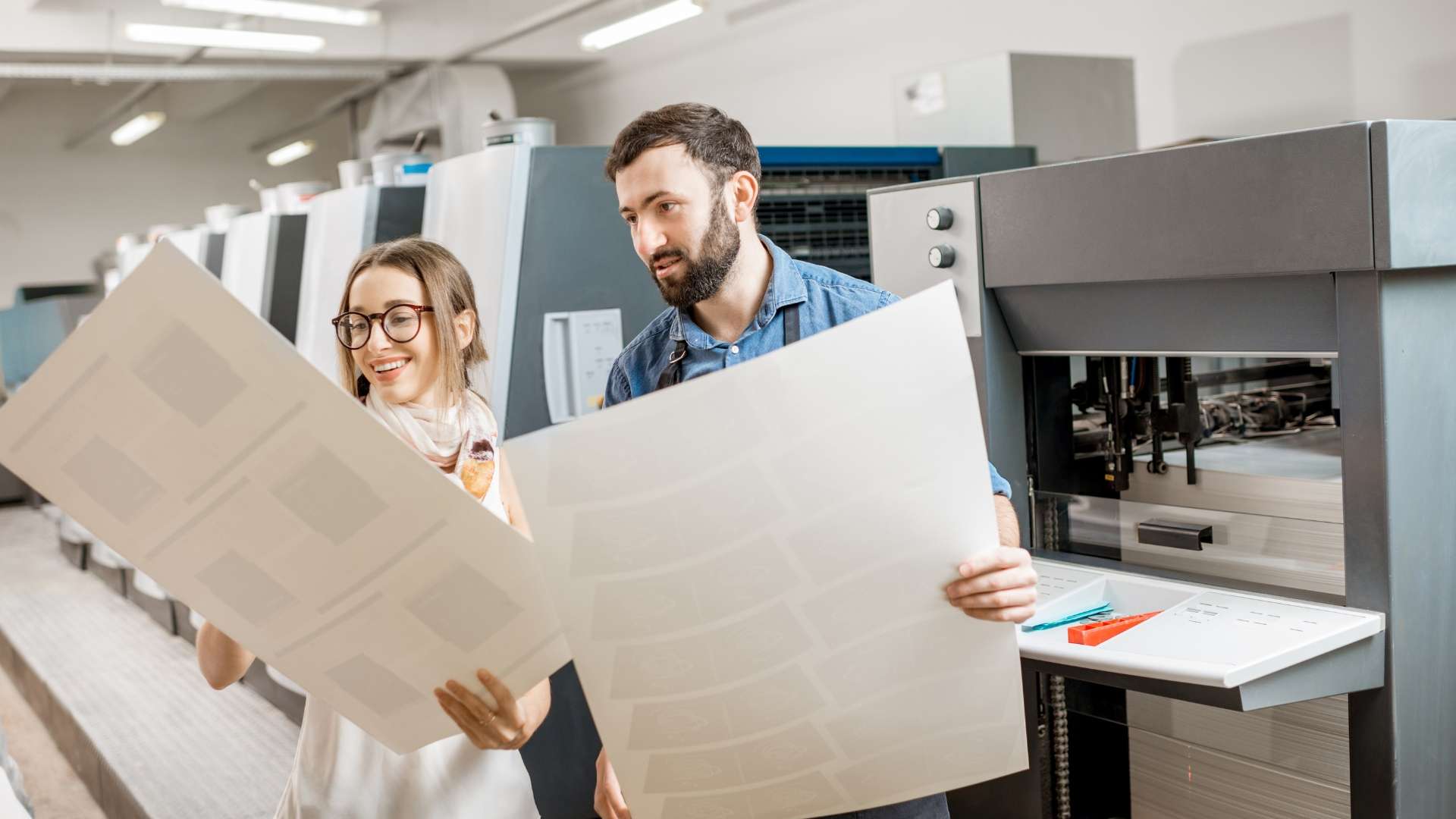
Turnaround time depends on the method and finishing steps. Digital printing offers the fastest turnaround for paperback titles and short runs. Litho (offset) printing is best for high-volume and when you need consistent colour across many copies. Case binding (hardcover) adds time for casing-in, endpapering and often requires additional curing time for adhesives.
Typical timeline considerations:
- Digital paperback (short run): 3 to 5 working days
- Offset paperback (mid/long run): 5–7 working days, depending on queue and finishing
- Hardcover (offset + case binding): 7–14 working days depending on complexity
If you need fast, cost-effective delivery across South Africa, coordinate print schedules with your printer to align with school term preparation or event deadlines for promotions and marketing materials.
Which covers, finishes and eco-friendly printing options should you consider?
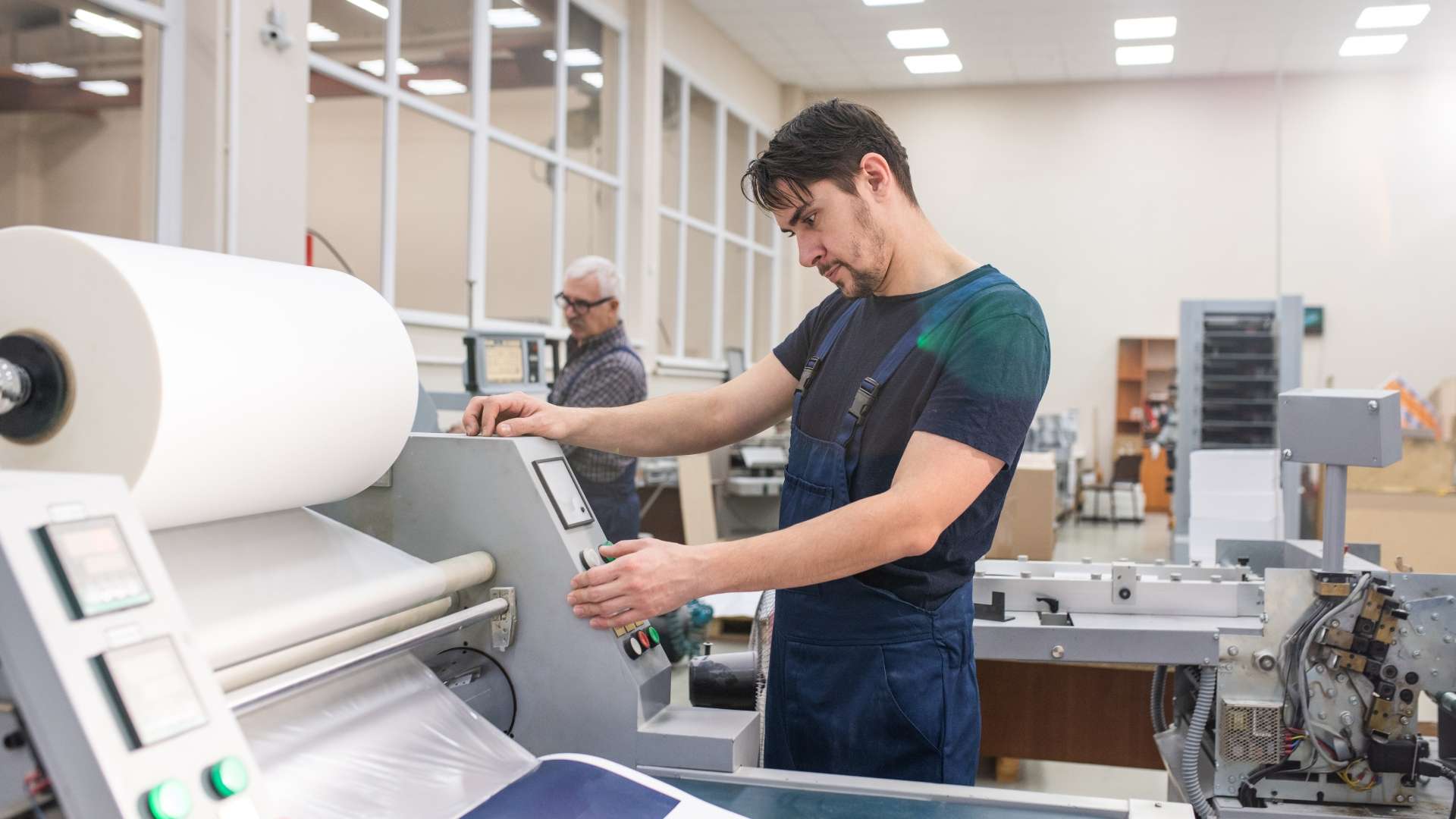
Finishes can dramatically alter both the look and cost of a book. For paperbacks, common finishes include matte or gloss lamination, varnish and spot UV. For hardcovers, cloth wrap, laminated boards, foil stamping and dust jackets are options. Each adds to cost but also to durability and perceived value.
Eco-options to consider:
- FSC-certified paper stocks and recycled cover boards
- Water-based or eco inks
- Uncoated papers to reduce plastic in lamination
According to the Printing Industries Federation of South Africa, many commercial printers now offer eco-friendly options for corporate and educational printing, helping organisations meet sustainability targets without sacrificing quality.
How do distribution and delivery across South Africa influence format choice?
Shipping and logistics are important in a large, geographically diverse market. Paperbacks are lighter and pack more efficiently, reducing shipping costs for schools and retail distributions across South Africa. Hardcovers, being bulkier and heavier, increase freight costs and can affect cash flow if margins are tight.
Practical tips for distribution planning:
- Estimate volumetric weight for freight quotes.
- Consider regional fulfilment hubs to reduce last-mile delivery time.
- Use staggered print runs with print-on-demand for remote schools to reduce warehousing.
For cost-effective print solutions and reliable delivery, talk to printers experienced in bulk educational printing and school term preparation logistics.
How do page count, spine strength and binding affect your format decision?
Technical constraints often decide format. Long page counts and dense, glossy images can make paperbacks unwieldy; hardcovers handle thick sections and heavy paper stocks better. Spine strength and the binding method affect how well a book lays flat and how long it lasts in heavy-use environments like libraries or classrooms.
Checklist for technical suitability:
- Page count under 300: paperback is usually fine.
- Page count 300–600: evaluate paper weight and binding method.
- Over 600 pages or high-end art books: consider hardcover.
For specialist printing like training manuals, consult a printer who can advise on lay-flat binding and laminated covers to extend service life: training manual printing.

Decision checklist: How to choose between hardcover book vs paperback for your project
Use this quick decision matrix to weigh the major variables for your next print run:
| Factor | Choose Paperback When | Choose Hardcover When |
| Budget | Strict, large volume needed | Premium pricing available |
| Durability | Moderate | High use, library-grade |
| Brand image | Accessible, mass-market | Prestigious, collectible |
| Distribution | Wide, low-cost shipping | Limited, higher-margin channels |
Finally, if you are producing books in South Africa and need guide prices, sample proofs or advice on finishes, sample printing runs for both formats can be the fastest way to evaluate cost vs brand impact. For full-book projects, see our books printing service for sample quotes and timeline options: books printing.
Next steps – practical tips and contacting a printer
Practical steps to finalise your format decision:
- Order printed samples of both paperback and hardcover versions to compare feel and appearance.
- Get quotes for multiple run sizes and include shipping to your main distribution points in South Africa.
- Ask for eco-friendly options and proofs of certification if sustainability is a mandate.
If you need help balancing budget, brand and readers — whether it’s bulk educational printing for schools, catalogue printing for a retail rollout, or a limited-edition hardcover for donors — contact Print It ZAs commercial printing team to get a tailored quote and fast turnaround.
Quick facts & final thoughts
Three quick facts to keep in mind:
- According to Statista, the global shift to short-run and print-on-demand has increased the viability of paperback formats for small and medium publishers.
- According to the Printing Industries Federation of South Africa, both litho and digital printing remain core technologies for commercial and educational printing sectors in South Africa.
- According to Wikipedia, paperback formats were introduced as cheaper, portable alternatives to hardcovers and remain popular for mass-market fiction and affordable educational editions.
In the hardcover book vs paperback debate, there’s no one-size-fits-all answer: match format to your budget, expected use, distribution plan across South Africa, and the brand statement you want to make. For custom publishing, packaging printing or print-on-demand solutions, our team can support bespoke finishes and fast delivery across the country.
Contact Print It ZA today, for a Free Print Quote and Speedy Service.
Print It ZA, we deliver Printing Best!