Print books cheap without looking cheap is possible when you combine smart planning, the right printing method, and local South Africa expertise. This guide answers common questions from schools, publishers and small businesses about cutting costs while keeping professional quality.
How can I print books cheap without looking cheap?
Start by defining the look you need and the absolute must-haves: legible type, durable binding, and clean colour reproduction for covers or illustrations. When you target only those essentials, you can choose cost-saving materials and processes for the rest of the book. The balance between cost and perceived quality is more about design choices and finishing than price per page — a matte cover, consistent margins and a durable glue bind can make a budget-printed book look premium.
Practical steps include: grouping print runs by size, choosing economical paper grades for interiors, and negotiating bulk educational printing schedules for schools and publishers to capture volume discounts. Use a reliable proofing process to avoid reprints and unexpected cost escalation. The Focus Keyword — print books cheap — is not a call to skimp on standards; rather it’s a direction to achieve maximum value without compromising the look and feel of your final product.
What printing methods give best value for education and school textbooks in South Africa?
For school textbook printing and other educational printing projects, value comes from the lowest total cost of ownership: production cost, delivery, durability and reprint frequency. Litho (offset) printing remains highly economical for large textbook runs because unit costs fall dramatically with volume, while digital printing shines for short runs and personalised content.
If you’re preparing for a school term and need fast turnaround printing across South Africa, plan a mixed strategy: main runs on litho and supplementary or customised materials on digital. Educational institutions often combine both to balance cost and flexibility.
Internal resource: consider a specialist printer experienced in textbook printing to coordinate runs, binding choices and delivery timing for term schedules.
Should I choose litho or digital printing for cheap book runs?
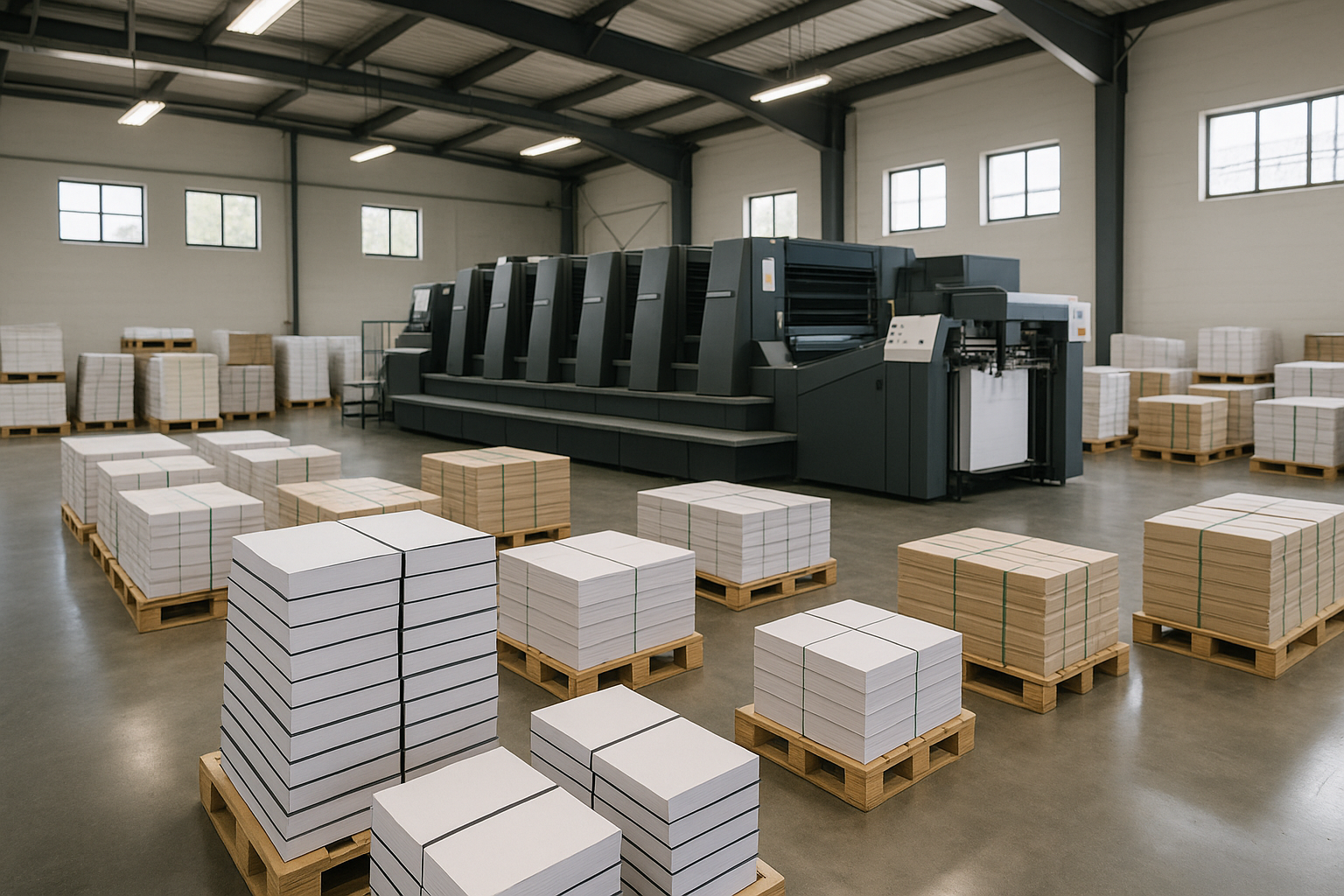
Both litho and digital printing have cost-benefit profiles that suit different needs. Litho printing has a higher setup cost (plates, make-ready) but a lower unit cost at scale — ideal for catalogue printing, textbooks and large non-fiction books. Digital printing has near-zero setup cost and is ideal for print-on-demand (POD), short runs, and personalised or variable-data content like training manuals with individual names.
Compare like this:
| Criteria | Litho (Offset) | Digital |
| Best for | Large runs (500+) | Short runs, POD, variable data |
| Unit cost | Low at high volumes | Consistent regardless of volume |
| Colour consistency | Excellent | Very good, modern presses close the gap |
| Turnaround | Longer setup | Fast |
For many small publishers and schools in South Africa the sweet spot is to print large, core titles litho and use digital or POD for supplementary workbooks, short-run brochures and personalised manuals.
How does print-on-demand (POD) compare for small businesses and custom publishing?
Print-on-demand reduces inventory risk and upfront storage cost and enables on-demand distribution across South Africa and beyond. According to the Wikipedia entry on print-on-demand, POD allows publishers and authors to print single copies or small quantities as orders come in, which dramatically reduces waste and obsolete stock. For small businesses and custom publishing, POD is often the fastest way to get products to market while keeping cash outlay low.
POD is especially useful for self-publishers, niche training manuals, and short-run marketing books. Use POD for early editions or test markets, then move successful titles to litho for larger runs to reduce per-unit cost.
Can bulk educational printing for schools save money — how should schools plan?
Yes. Bulk educational printing for schools saves money if planning aligns with the academic calendar. Schools should forecast demand per term, bundle orders by grade and subject, and use standardised templates to reduce design and formatting time. Pre-negotiated annual or term contracts with a commercial printer will often secure volume discounts and priority during busy seasons.
According to UNESCO, textbooks are one of the most cost-effective inputs to improve learning outcomes, so investing in efficient bulk printing and distribution is a high-return decision for education budgets. Practical tactics include consolidated deliveries to regional hubs and scheduled drop-offs for faster classroom availability.
What paper, binding, and finishes cut costs but keep quality?
Smart material choices can lower cost without making books look cheap. Use an economical uncoated interior paper (e.g., 70–90 gsm) for text pages and reserve higher-weight or coated stocks for cover pages that are in direct view. Perfect binding (glued spine) is cost-effective and durable for many softcover titles; sewn binding adds durability for frequently used schoolbooks but costs more.
Finishes that add perceived quality without large expense include soft-touch varnish (on the cover only) or a simple matt laminate to reduce scuffing. Avoid full UV or specialty foils unless they’re a key marketing differentiator — these finishes add significant cost. A combination of a clean cover design plus a durable, matte laminate often looks premium even at budget prices.
How can I work with a commercial printer in South Africa for fast turnarounds and delivery?
Choose a printer like Print It ZA that specialises in the types of jobs you need: educational printing, catalogue printing, booklet printing, brochure and newsletter printing, or packaging printing. Communicate deadlines clearly, provide print-ready files, and confirm proofs early. Many South African printers offer express workflows for short-run projects if you pay a rush fee, but better planning removes those extra costs.
Tip: Request a local proof and, when appropriate, a digital soft-proof to check colour and layout. Ask your printer about consolidated distribution — printers with a national network can save on logistics and provide reliable print delivery across South Africa.
What eco-friendly printing options reduce cost and appeal to schools and events?
Eco-friendly printing can both save money and appeal to green-minded customers. Options include using FSC-certified or recycled paper, eco inks, and print-on-demand to reduce overproduction. These choices sometimes have equal or even lower total lifecycle cost because they avoid waste and inventory storage costs.
According to Statista, the demand for sustainable print solutions has been growing as companies and institutions prioritise environmental credentials. Selecting a printer that offers LED or energy-efficient presses, or recycled stock options, can reduce environmental impact without necessarily increasing prices.
How do design and file preparation avoid reprints and extra costs?
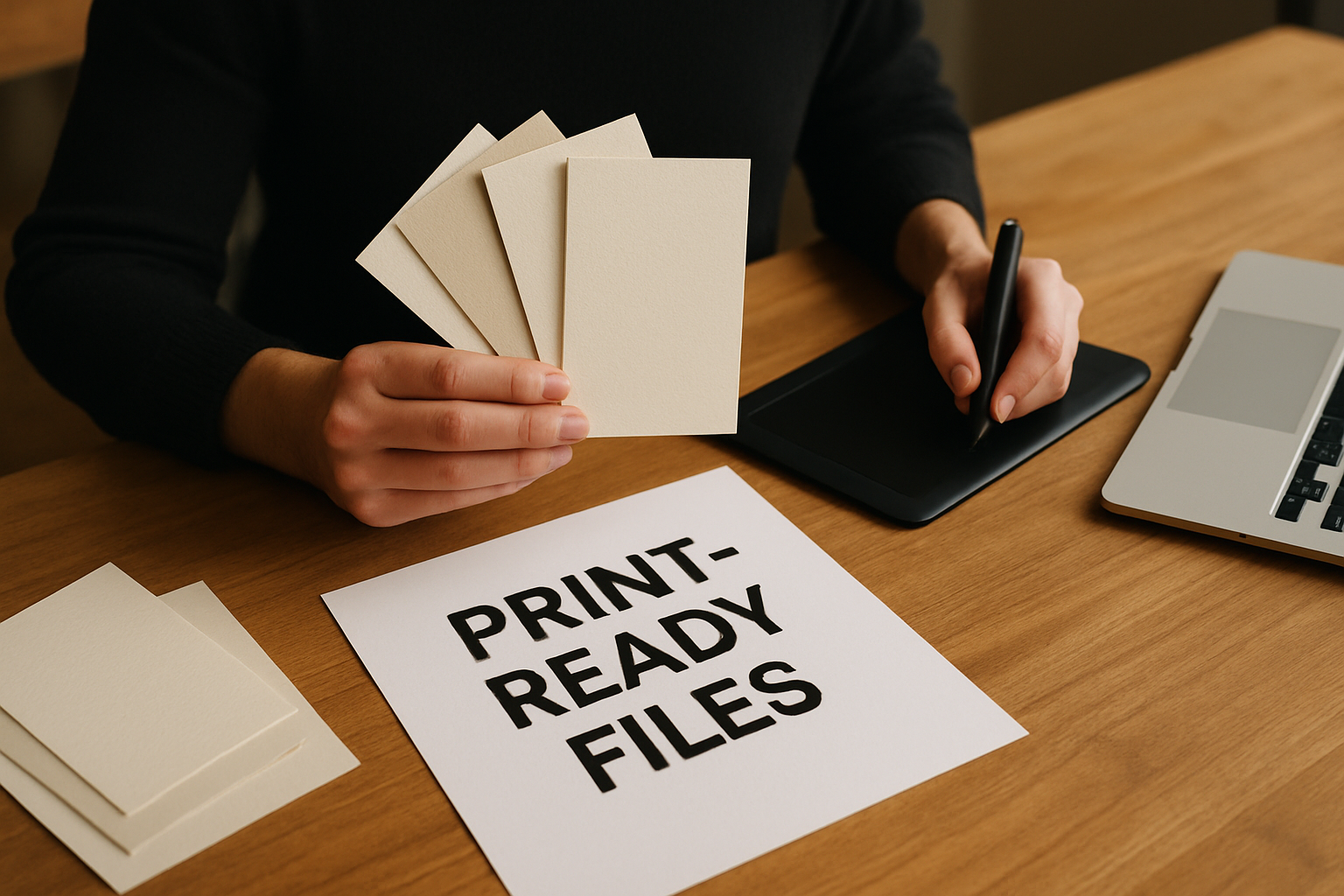
File preparation is a major area where avoidable costs occur. Use correct page dimensions, bleeds, safe margins, and embed fonts to prevent layout shifts. Standardise templates for covers, spines and interiors, and use a consistent colour profile (CMYK) to avoid expensive colour matching. A careful preflight check will catch low-resolution images, missing fonts, or incorrect bleeds that otherwise lead to reprints.
Provide clear instructions for folding, binding and finishing on your job ticket. If possible, request a physical or digital proof and check pagination, image placement and cover bleed before full production. This is especially relevant for training manuals and corporate booklets where reprint costs are high.
What’s the best way to distribute and store printed books across South Africa?
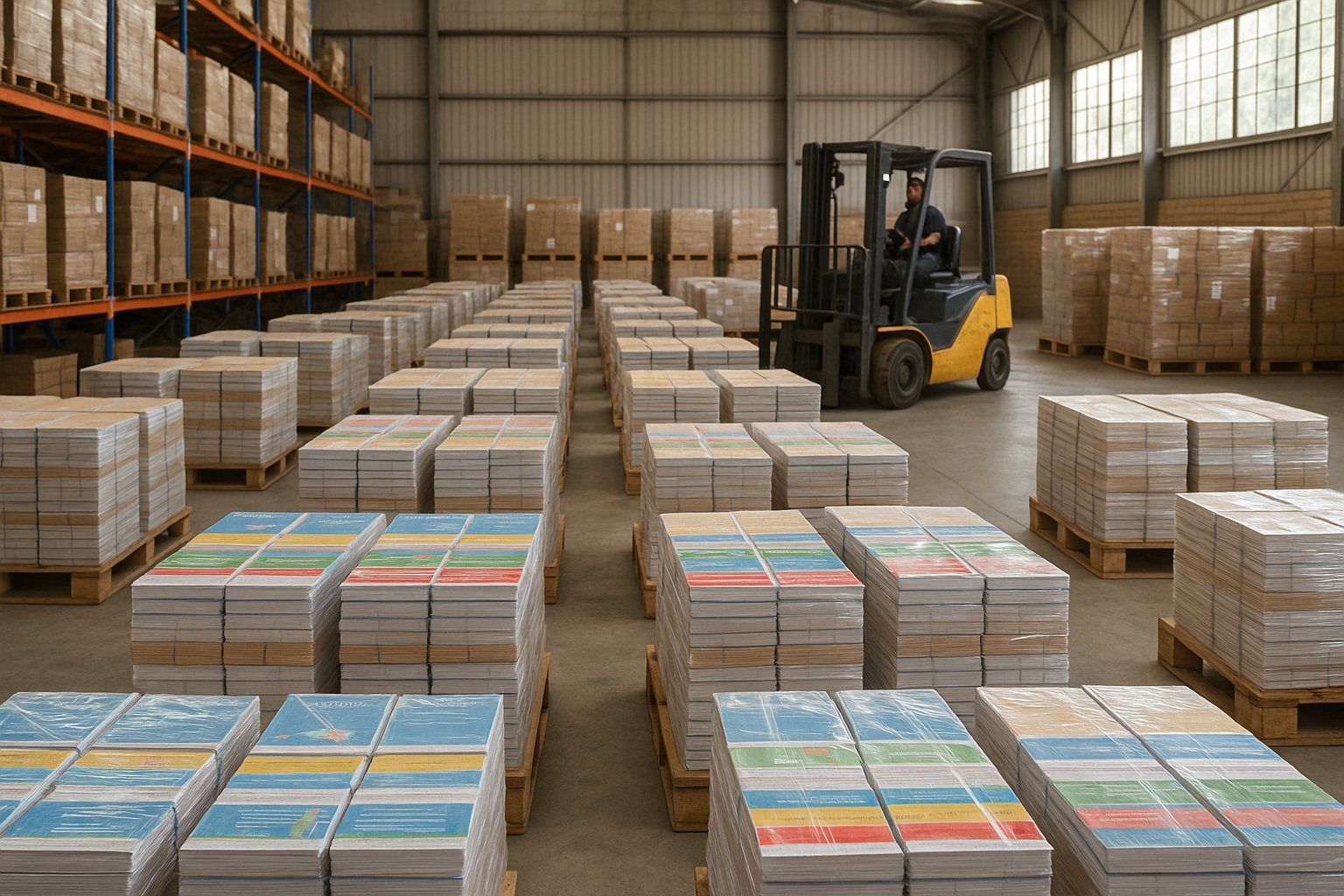
Efficient distribution and storage are crucial to keep total cost down. Use regional hubs for centralized storage and staggered deliveries to schools or bookstores. If you produce in bulk, consider warehousing near main transport routes to reduce last-mile delivery costs. For small businesses, POD and local printers with nationwide shipping can eliminate storage costs altogether.
For large textbook runs, coordinate print schedules with school term planning and use consolidated palletised shipments to provincial education departments. When distributing brochures and catalogues for events and promotions, timed delivery and short-run reprints can prevent waste and reduce storage overhead.
How do quotes, proofs and contracts reduce risk when you print brochures, catalogues and booklets cheaply?
Clear, itemised quotes help compare printers and avoid hidden fees. Ask for line-item pricing for paper, binding, finishing, proofs, and delivery. Get turnaround and delivery windows in writing and request a sample or proof before authorising full production. Contracts that define quantities, reprint terms and liability for defects protect both you and the printer.
Use specialist services depending on project type — for brochures, catalogues and promotional materials work with printers that offer brochure printing services and catalogue expertise, and for smaller informational pieces use booklet printing. For books and longer runs, check references and ask to see previous works similar to yours at the scale you need; process experience matters as much as price.
How can small businesses and publishers combine services to print books cheap but still look professional?
Small businesses should plan a staged approach: prototype with POD, validate demand with small digital runs, then move good-selling titles to litho for lower unit cost. Combine services like training manual printing and business card or newsletter printing to negotiate bundled rates. Custom publishing workflows that include copyediting, layout, and preflight in-house reduce the printer’s time and often generate better quotes.
Leverage local print partnerships in South Africa for coordinated services including distribution, packaging and last-mile deliveries. When budgets are tight, prioritise aspects that readers notice most — cover and typography — and economise on internal paper weight, wide margins or non-essential finishes.
Where can I learn more and get a quote for printing that balances cost and quality?
Look for a commercial printer with experience across educational printing, school textbook printing, catalogue and brochure jobs, and a demonstrated ability to handle fast turnaround printing and print delivery across South Africa. Ask for references from similar projects and request a full quote with options for litho and digital runs, plus a POD alternative for small batches.
For more specialised information on book printing and techniques, see the Wikipedia entry on print-on-demand. For practical quotes and services, review suppliers that specialise in books and education printing — for example, printers with dedicated services for books printing and education printing can combine production and delivery into cost-effective packages.
Summary checklist to print books cheap without looking cheap:
- Define essential quality (cover, binding, legibility).
- Choose litho for large runs and digital/POD for short runs.
- Standardise templates and preflight files to avoid reprints.
- Negotiate bulk educational printing and term-based deliveries.
- Use eco-friendly options where they reduce waste and appeal to stakeholders.
Following these steps helps schools, small businesses and publishers get high perceived value for minimal spend — proving you can print books cheap without looking cheap.
Contact Print It ZA today, for a Free Quote and Speedy Service.
Print It ZA, we deliver Printing Best!