Print displays are one of the most effective ways to make customers stop, look, and buy — whether you’re prepping school term materials in Cape Town or launching a product in Johannesburg. This guide explains how retail point-of-sale, educational displays and promotional stands turn attention into action using proven design, production and placement tactics.
What are Print displays and why do they work?
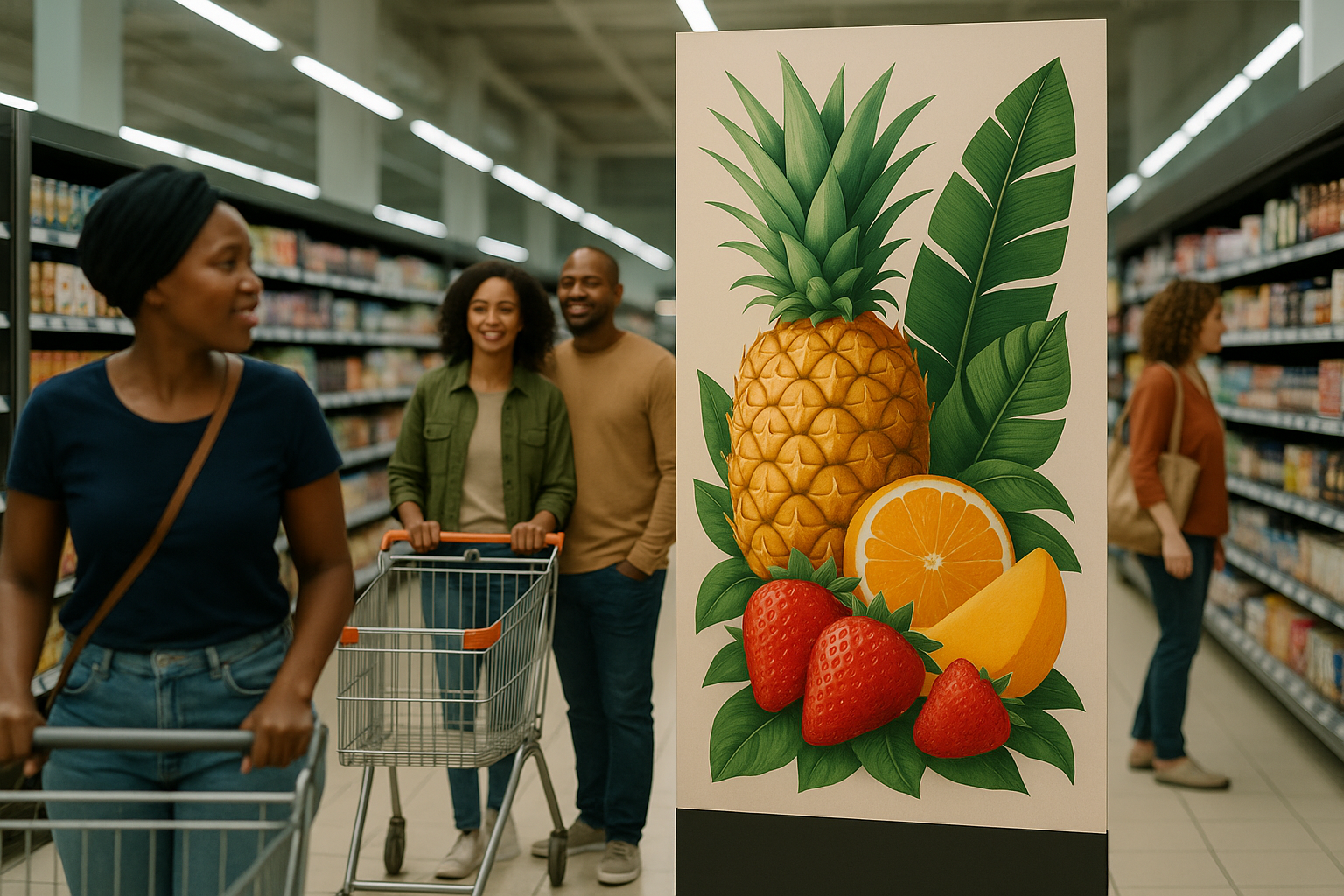
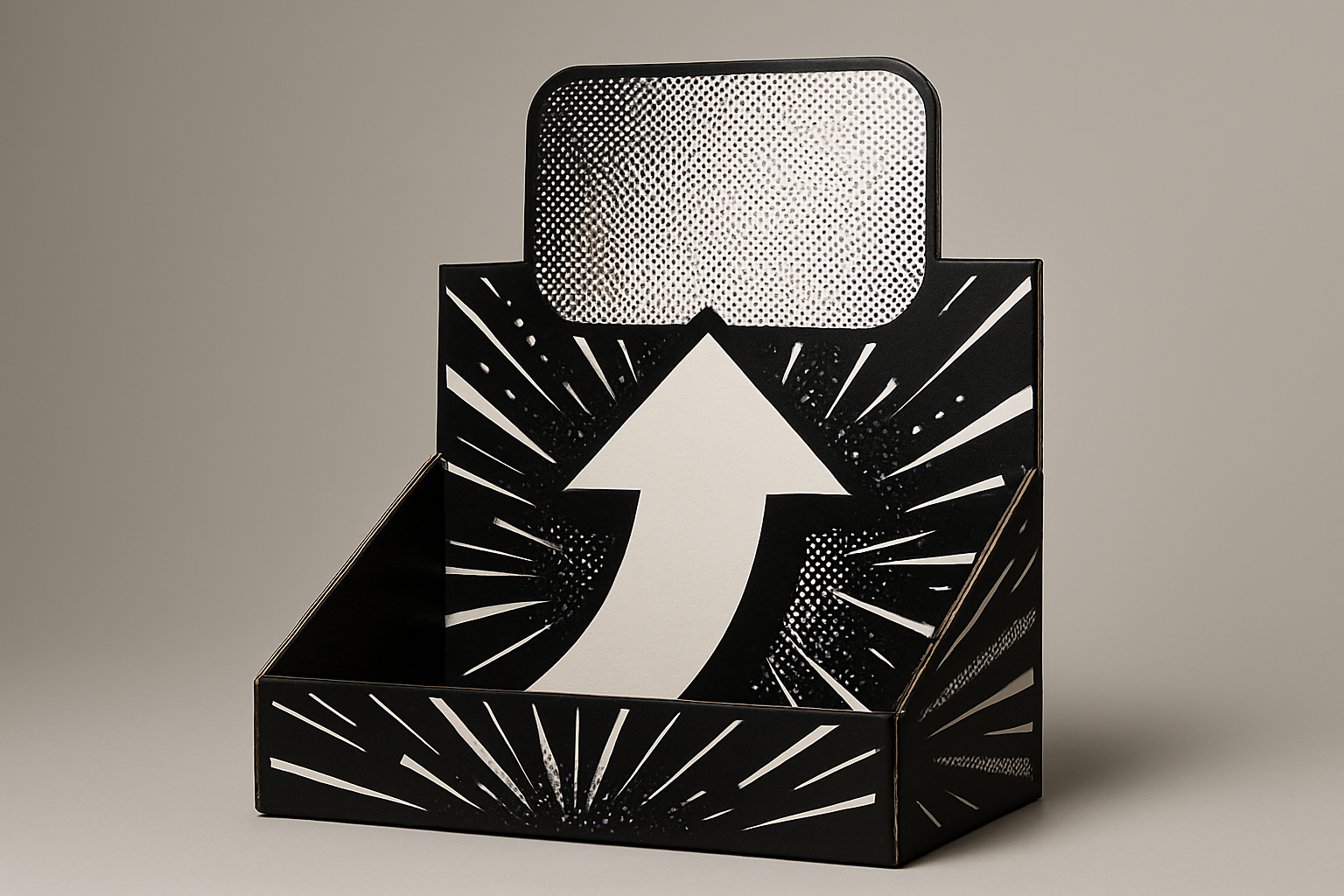
Print displays are physical marketing pieces — from counter-top stands and floor wobblers to shelftalkers, roll-up banners and free-standing display units — designed to present a product or message at the moment of purchase. They work because they bring the offer to the shopper, remove friction, and leverage visual hierarchy to guide decisions.
At the retail level, point-of-sale and point-of-purchase displays create immediate context for a product. According to POPAI and retail research, in-store merchandising can significantly influence impulse purchases. Read more on the concept at the Wikipedia page for point-of-sale display: Point-of-sale display.
How do I design Print displays that sell?
Design is where strategy meets craft. Effective Print displays have a clear focal point, simple messaging, and a hierarchy that leads the eye from headline to call-to-action. Use bold imagery, high-contrast type, and a single promotional message (price, benefit, or limited-time offer).
Practical checklist for design:
- Headline: 3–5 words that promise value.
- Visual: product photo or lifestyle shot sized to dominate the layout.
- Call-to-action: buy, scan, try — short and prominent.
- Branding: clear but not overpowering the sale message.
- Read distance: large fonts for aisle or floor displays, smaller for counter items.
Design variants for different needs: use durable corrugated materials for short campaigns, rigid PVC for reusable units, or premium coated boards for catalogue-style displays. For seasonal campaigns and events, design modular panels so the same frame can be reused with new graphics.
What materials and finishes should I choose for Print displays?
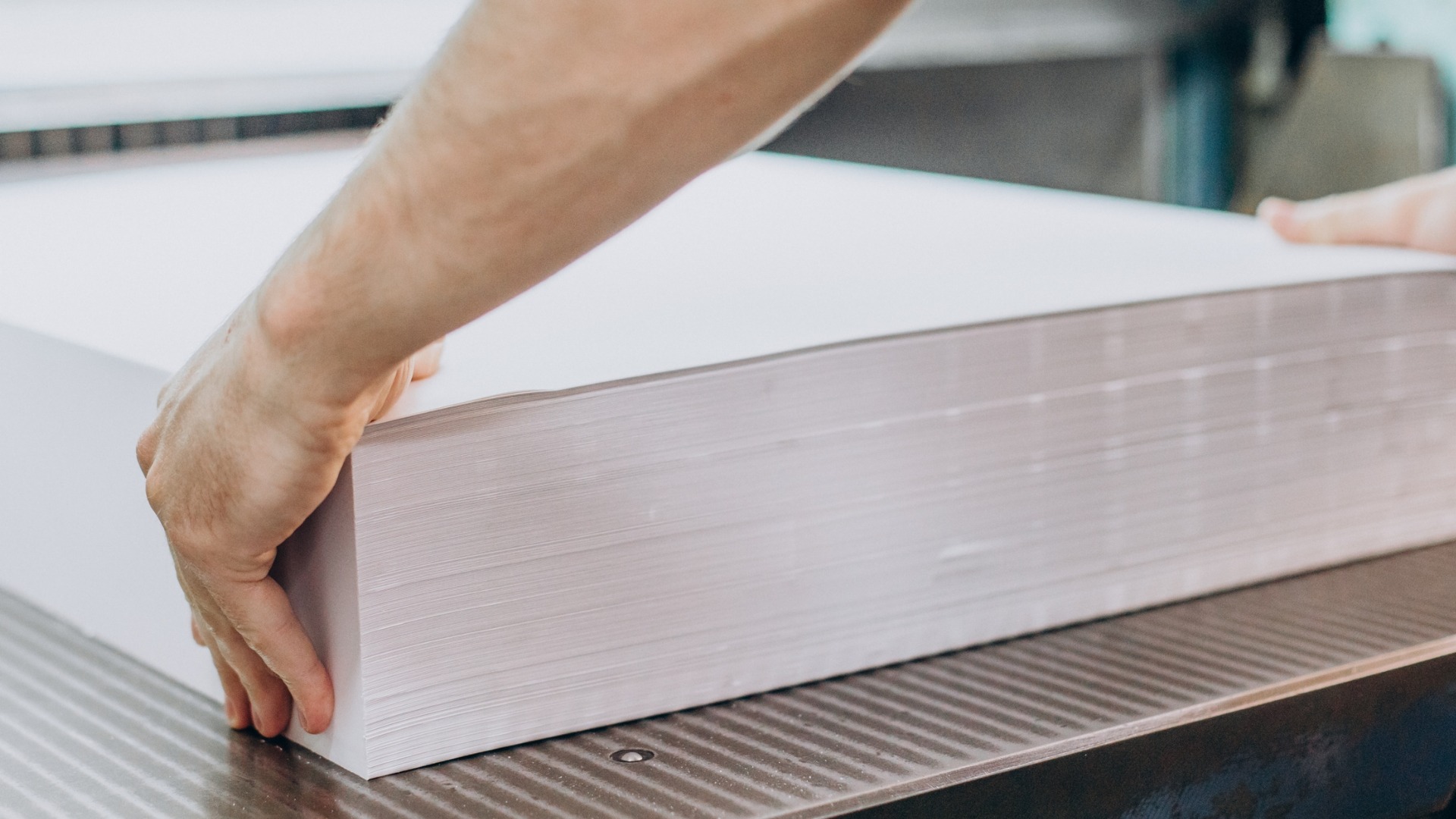
Choice of material affects durability, cost and finish. Commercial printing offers a palette of options: cardboard and corrugated board for low-cost, recyclable displays; foamcore and honeycomb board for mid-term use; and aluminum or acrylic components for premium, reusable systems.
Common finishes and when to use them:
| Material | Best for | Pros | Cons |
|---|---|---|---|
| Corrugated board | Short-term promos, mass distribution | Lightweight, recyclable, cost-effective | Less durable in humidity |
| Foamcore / PVC | POS signage, mid-term displays | Sturdy, clean edges | Higher cost, less recyclable |
| Acrylic / Aluminum | Long-term retail fixtures | Premium look, durable | Expensive, heavier |
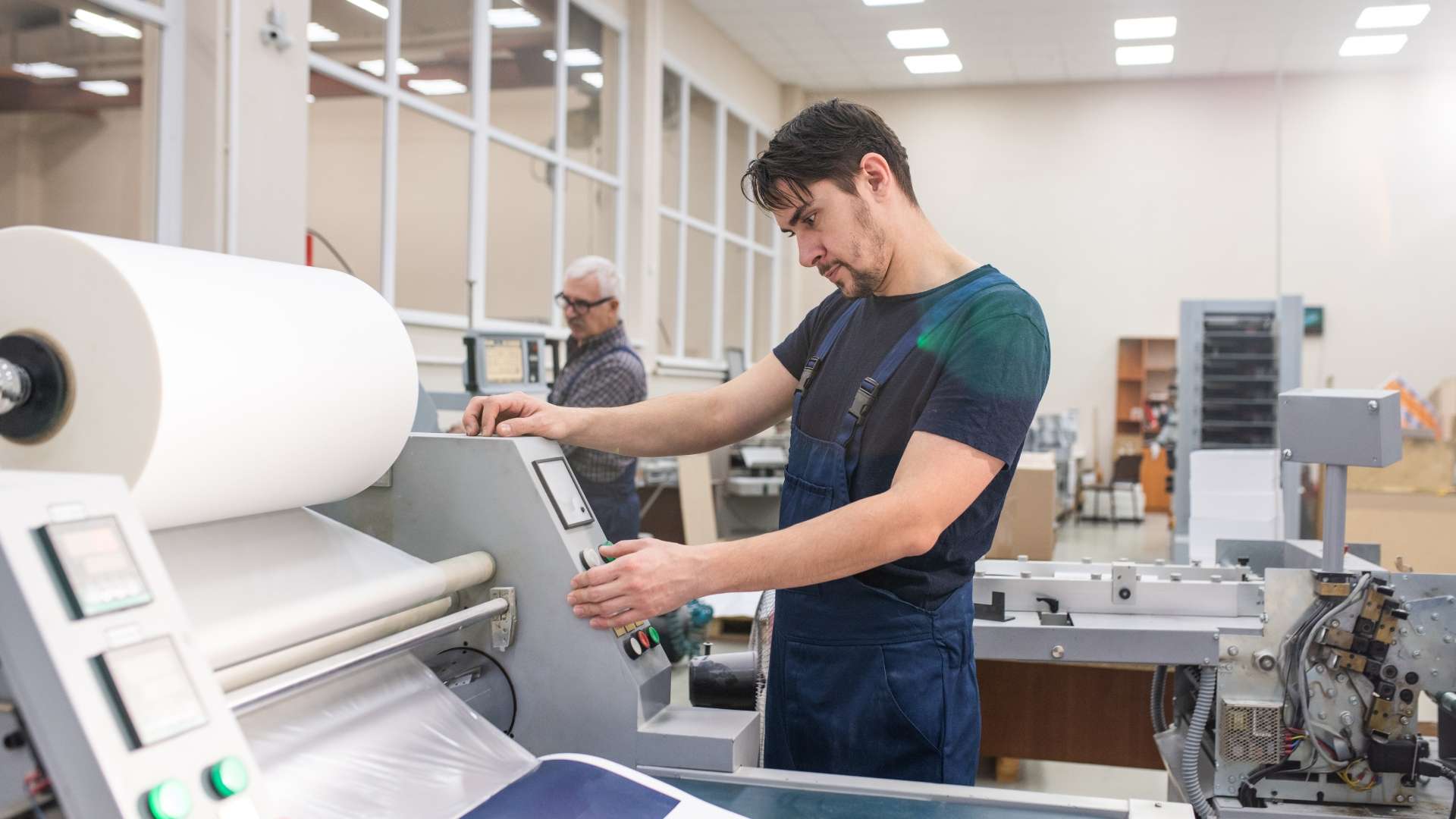
Finishes like UV coating, soft-touch lamination, spot gloss and embossing can lift perceived value and improve tactile response. For educational environments (classrooms and libraries), choose non-toxic inks and wipe-clean laminates to extend life through the school term.
How big should a Print display be and where should I place it?
Size and placement depend on purpose and footfall. Key placement zones include entrances, checkout counters, aisle ends (endcaps), and island displays. Measure sight-lines: eye-level for adults is roughly 140–150 cm from the floor, and counter displays should fit the typical counter depth.
Guidelines by display type:
- Counter/topper displays — small, placed at point-of-sale for impulse buys.
- Endcaps and gondola toppers — medium-to-large, for promotions and new products.
- Floor-standing displays — tall and visible from a distance for brand campaigns or signposting.
Placement tips: ensure a clear path to the product, avoid blocking aisle flow, and align offers with nearby complementary products (e.g., cookbooks near kitchenware). According to a retail merchandising study, displays placed at eye-level outperform lower placements for immediate sales impact.
How much do Print displays cost and what’s the ROI?
Costs vary by size, material, print run and finishing. A simple corrugated counter display can be inexpensive at scale; a bespoke acrylic fixture will incur higher tooling and unit costs. Budget ranges (indicative):
- Small corrugated counter displays: low unit cost with bulk runs.
- Mid-range foamcore or PVC displays: moderate cost, reusable several months.
- High-end acrylic/aluminum fixtures: higher up-front investment, long life.
Return on investment is measured by uplift in unit sales, average basket value and reduced marketing waste. According to industry research, well-designed on-shelf and endcap displays can boost product sales by 20–70% in the short term. Track performance with sales data, coupon/redemption codes, or QR code scans printed on the display.
What are fast turnaround options for urgent Print displays in South Africa?
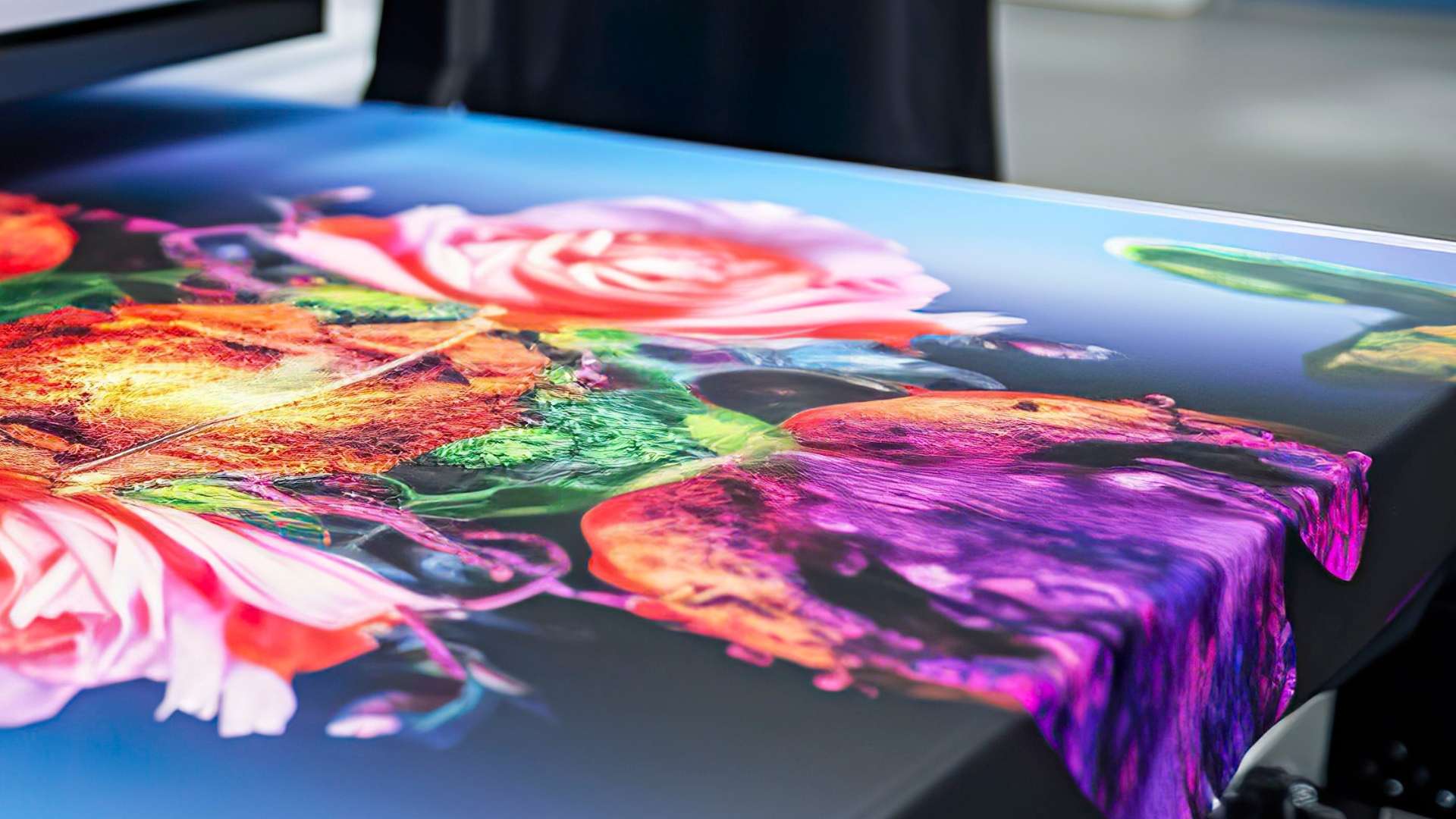
When you need quick delivery across South Africa, choose digital printing and modular display systems. Digital print eliminates plate-making, enabling smaller runs and fast proofs. For commercial and educational printers the workflow is optimised for quick turnarounds and overnight shipping where needed.
Fast-turnaround strategies:
- Use standardized panel sizes to reduce design-to-production lead times.
- Prioritise digital print for same-week jobs; litho for large-volume scheduled runs.
- Request print-on-demand for staggered delivery across multiple branches or schools.
Many local printers in South Africa offer express services during school term preparation and event season to support bulk educational printing for schools and colleges. For training manuals and textbooks, coordinate early art approvals to avoid last-minute rush fees. Consider using experienced commercial printers who handle distribution logistics across South Africa so you can focus on the launch or term schedule.
Can Print displays be eco-friendly and cost-effective?
Yes. Eco-friendly options reduce waste and often appeal to conscious consumers. Choose recyclable corrugated board, water-based inks, and minimal laminates. Where possible, design for reuse — replace graphic panels within a reusable frame rather than throwing away an entire fixture.
Sustainable choices:
- Recyclable materials (FSC-certified paperboard, recyclable plastics).
- Water-based or vegetable inks.
- Design for flat-pack shipping to reduce transport emissions and cost.
According to a packaging industry report, sustainable packaging demand continues to rise as consumers prioritise environmental claims during purchase decisions. For many small businesses and educational publishers, investing slightly more in recyclable materials can improve brand perception without a proportional increase in unit cost.

How do Print displays fit into school and educational printing needs?
Print displays play a clear role in education — from library promotional stands to subject-specific classroom charts and book displays for term launches. Schools and publishers rely on bulk educational printing for schools, including textbooks, training manuals and term planners that need to ship on schedule before term starts.
Ways schools and educational publishers use displays:
- Textbook and reading corner displays that highlight recommended titles.
- Subject displays for STEM or literacy campaigns to boost engagement.
- Orientation and admissions signage for events and open days.
For bulk educational projects, work with printers experienced in textbook printing and education printing to coordinate proofs, binding options and delivery. Print-on-demand services can reduce storage costs for schools and institutions while enabling fast replenishment between terms. For practical services, see trusted resources on textbook printing and education printing.
How do I order custom finishes, packaging and large production runs?
Ordering custom finishes and packaging requires clear specifications and samples. Decide on substrate, finish (gloss, matte, soft-touch), structural design, and quantity. For large runs, litho printing is cost-effective; for variable or smaller runs, digital printing and print-on-demand are flexible.
Steps to order successfully:
- Create a specification sheet: dimensions, bleed, substrate, finishing.
- Request a physical sample or proof before full production.
- Confirm lead times, shipping terms, and returns policy.
Many commercial printers in South Africa offer packaging printing and custom publishing services to create coordinated campaigns (packaging, POP displays, leaflets). Combining booklet or catalogue production with in-store displays ensures visual consistency and helps staff explain product benefits at point-of-sale.
How do I measure success and optimize Print displays?
Measuring success requires clear KPIs before you install the display. Common measures include sales lift for the promoted SKU, conversion rates at the display location, redemption of printed offers and digital engagement like QR scans.
Analytics and optimisation steps:
- Set baseline sales data before the campaign.
- Use unique coupon codes or trackable QR codes on each display.
- Run A/B tests: compare two designs or placements across similar shops.
According to retail analytics reports, continuous optimisation — small changes in headline, colour or placement — often yields more improvement than a full redesign. Keep a short-run production option to iterate graphics quickly when tests show a clear winner.

Practical tips for small businesses and event organisers in South Africa
Small businesses and event teams need practical, cost-effective strategies: combine brochures and displays, use catalogue-style signage near product ranges, and supply staff with quick-training manuals for consistent messaging. Consider collateral bundles so displays, leaflets and booklets deliver a unified look.
Recommended resources for a campaign bundle:
- Create a product booklet or brochure to place next to the display: see brochure printing services and booklet printing for options.
- Prepare a compact catalogue for trade shows and store refills: catalogue printing provides format examples.
- Coordinate a short training brief or manual so staff can sell from the display: see training manual printing.
For distribution across multiple stores or schools, choose a printer that handles pick-and-pack and nationwide delivery to ensure displays arrive where and when you need them. Fast printing and well-planned logistics are essential during busy seasons like back-to-school and national sales events.
Summary: turning attention into sales with smart Print displays
Print displays remain a high-impact touchpoint for retail, educational and event marketing. By selecting the right materials, designing with clarity, choosing the correct placement and measuring results, you can create displays that consistently convert. Whether your project is bulk educational printing for schools, fast-turnaround retail POS, or cost-effective small business marketing materials, planning ahead and partnering with a trusted commercial printer in South Africa will make your displays perform.
According to Statista and industry summaries, in-store marketing continues to play a major role in shopper decision-making, so investing in purposeful Print displays can deliver measurable sales uplift. According to a retail industry study, endcap and point-of-sale activations often outperform other in-store tactics when executed with clear messaging and quality print finishes.