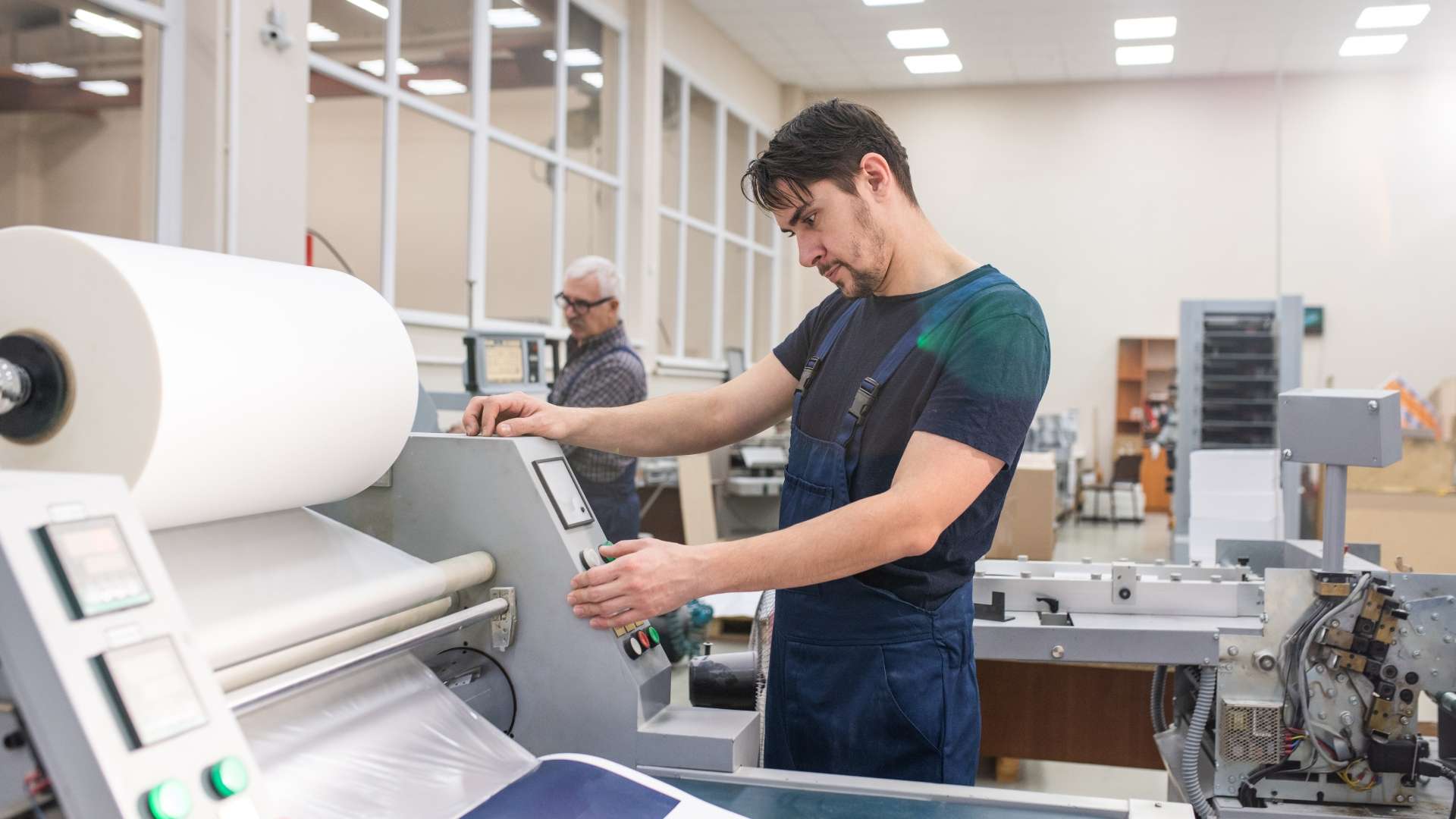

Printing and packaging are more than production steps — they’re silent brand builders that shape first impressions, user experience, and cost-efficiency for schools and small businesses across South Africa.
What is Printing and packaging, and why should you care?
Printing and packaging refers to the combined disciplines of producing printed materials (books, catalogues, brochures, business cards) and designing protective, branded packaging. Together they influence how a product or educational resource is received. For schools, high-quality textbook printing and fast, accurate distribution ensure students get the right materials on time. For small businesses, well-executed brochure printing or catalogue printing provides tactile, memorable marketing that digital alone can’t match.
Fact and context: According to Statista, the global printing industry’s revenue exceeded $350 billion in 2020, highlighting the continuing scale and importance of print in global commerce. Packaging similarly remains a major growth sector; according to Smithers, the global packaging market was valued in the hundreds of billions in 2020 and continues to expand as e-commerce grows.
How does printing support schools and bulk educational printing for schools?
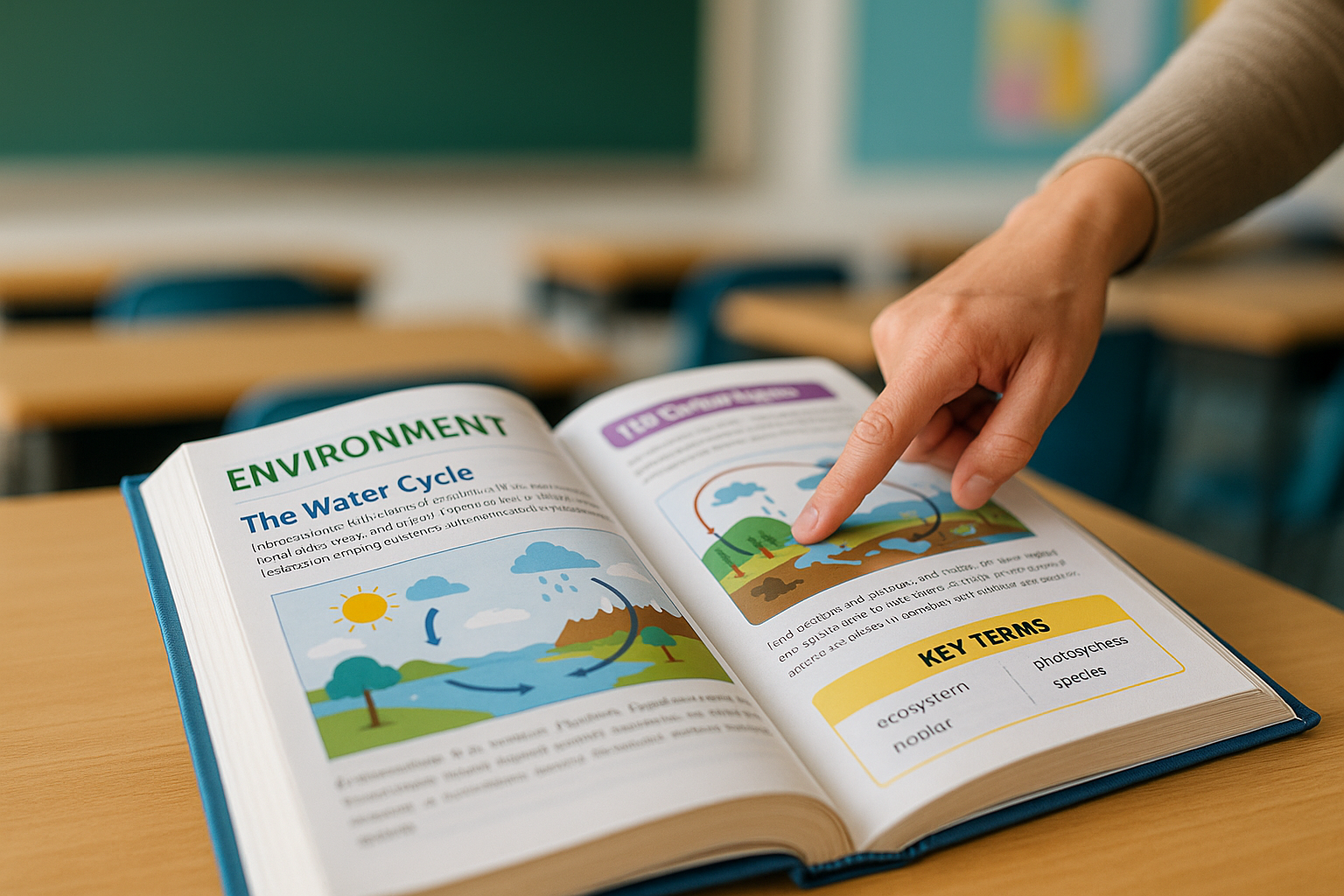
Printing and packaging for education is a specialised service focused on durability, pagination accuracy, and curriculum alignment. Bulk educational printing for schools includes textbooks, workbooks, training manuals and assessment booklets. Schools preparing for a new term need reliable partners who can handle large runs and controlled distribution.
Key factors when choosing a supplier:
- Accuracy: page counts and content must match curriculum specs.
- Durability: covers, bindings and lamination suitable for heavy student use.
- Delivery: coordinated print delivery across South Africa to schools and provincial depots.
For examples of tailored education services, see Printitza’s education and textbook options: education printing and textbook printing.
What print formats work best for small-business marketing materials?
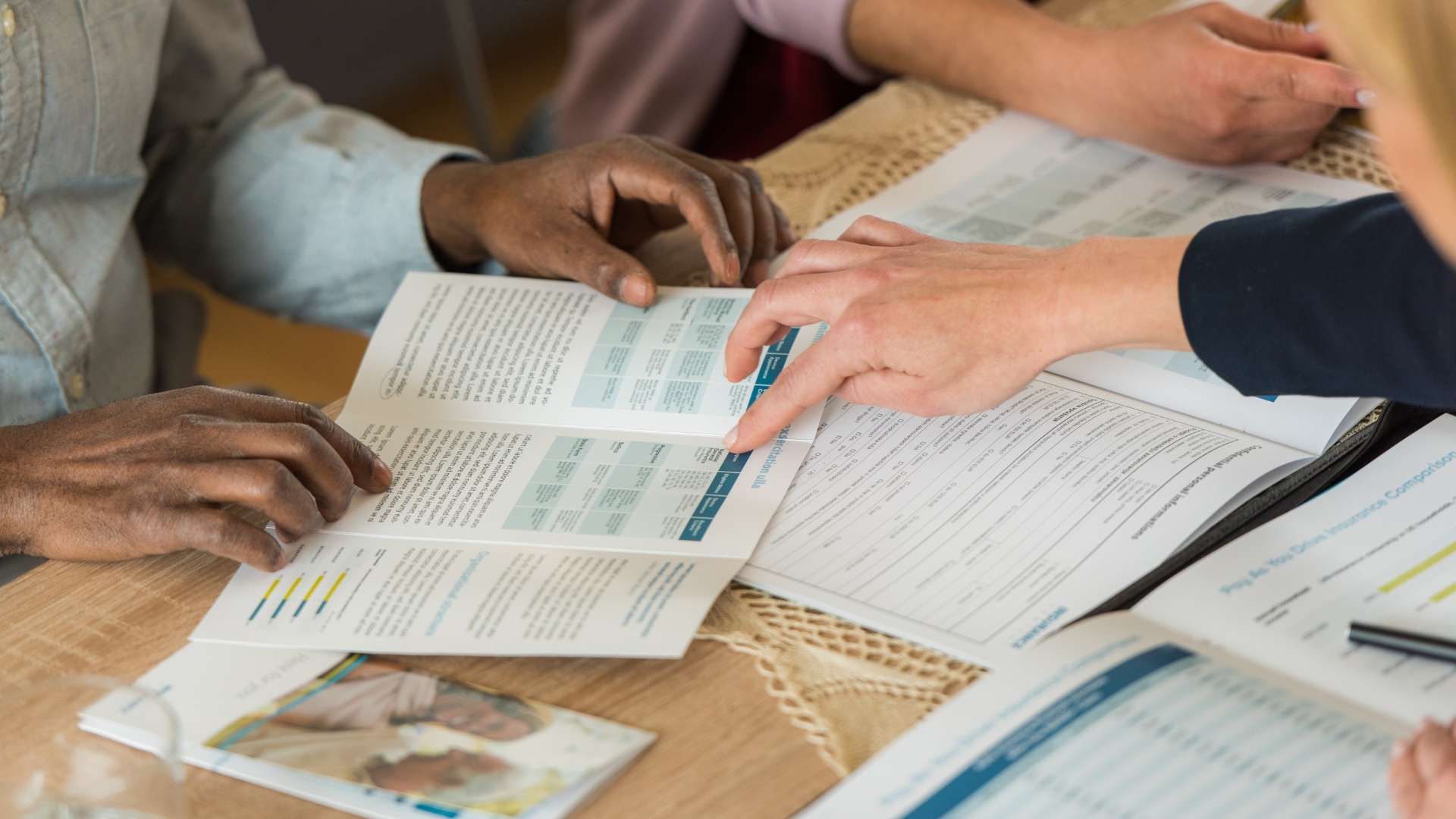
Small businesses rely on tactile marketing to build trust. Printing and packaging elevate business cards, brochures, newsletters and catalogues into brand assets. A well-designed brochure or booklet gives prospects a reason to keep your message.
Common formats and why they matter:
| Format | Best for | Tip |
| Brochure | Service overviews, leave-behinds | Use spot UV or soft-touch finishes to stand out |
| Catalogue | Product ranges with pricing | Clear pagination and indexed sections |
| Booklet | Event programs, manuals | Choose saddle-stitch for small runs, perfect bind for thicker content |
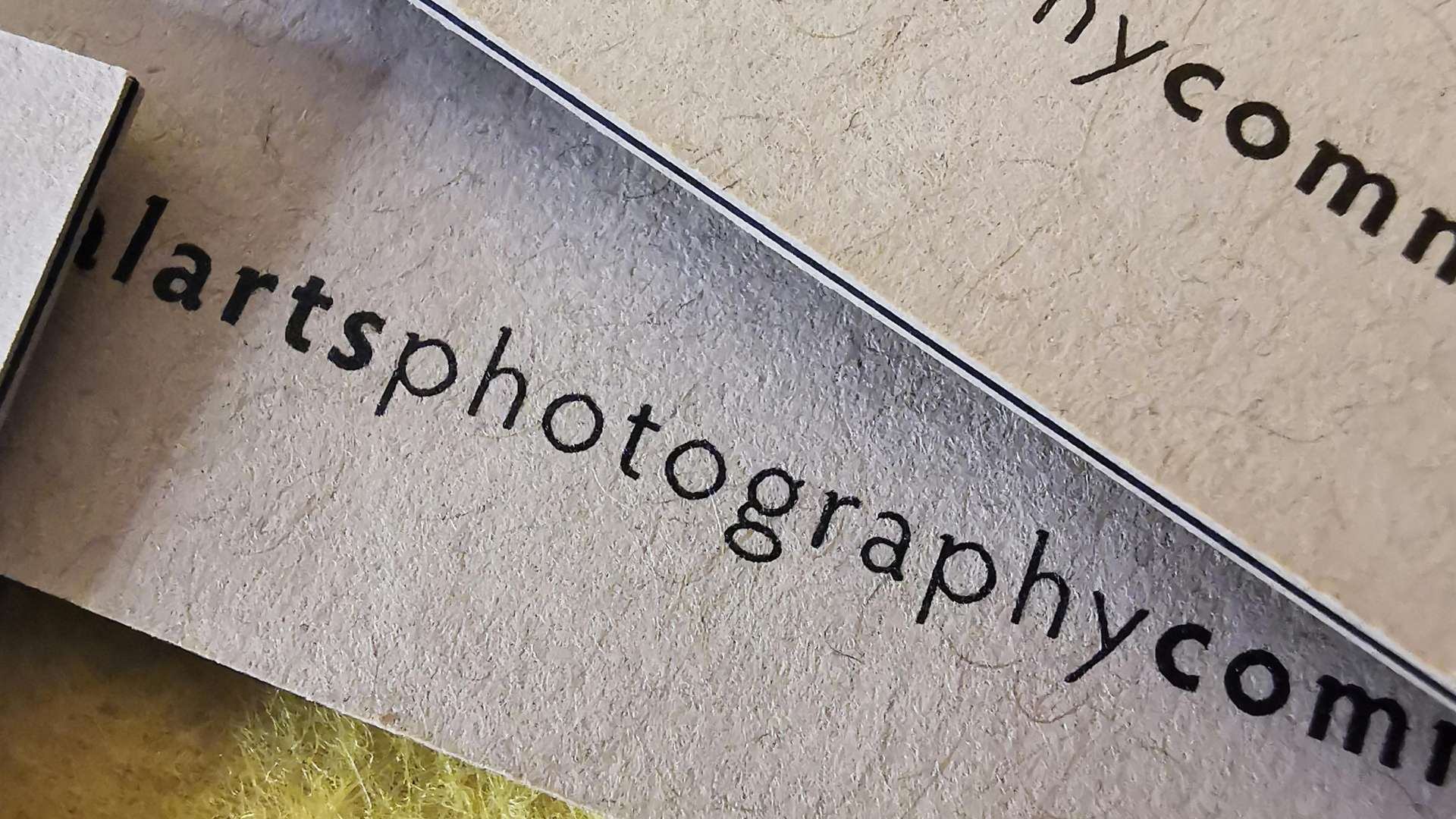
| Business card | First impressions | Consider heavier stock or rounded corners |
See brochure and booklet services for production details: brochure printing services and booklet printing.
How do litho and digital printing compare for different jobs?
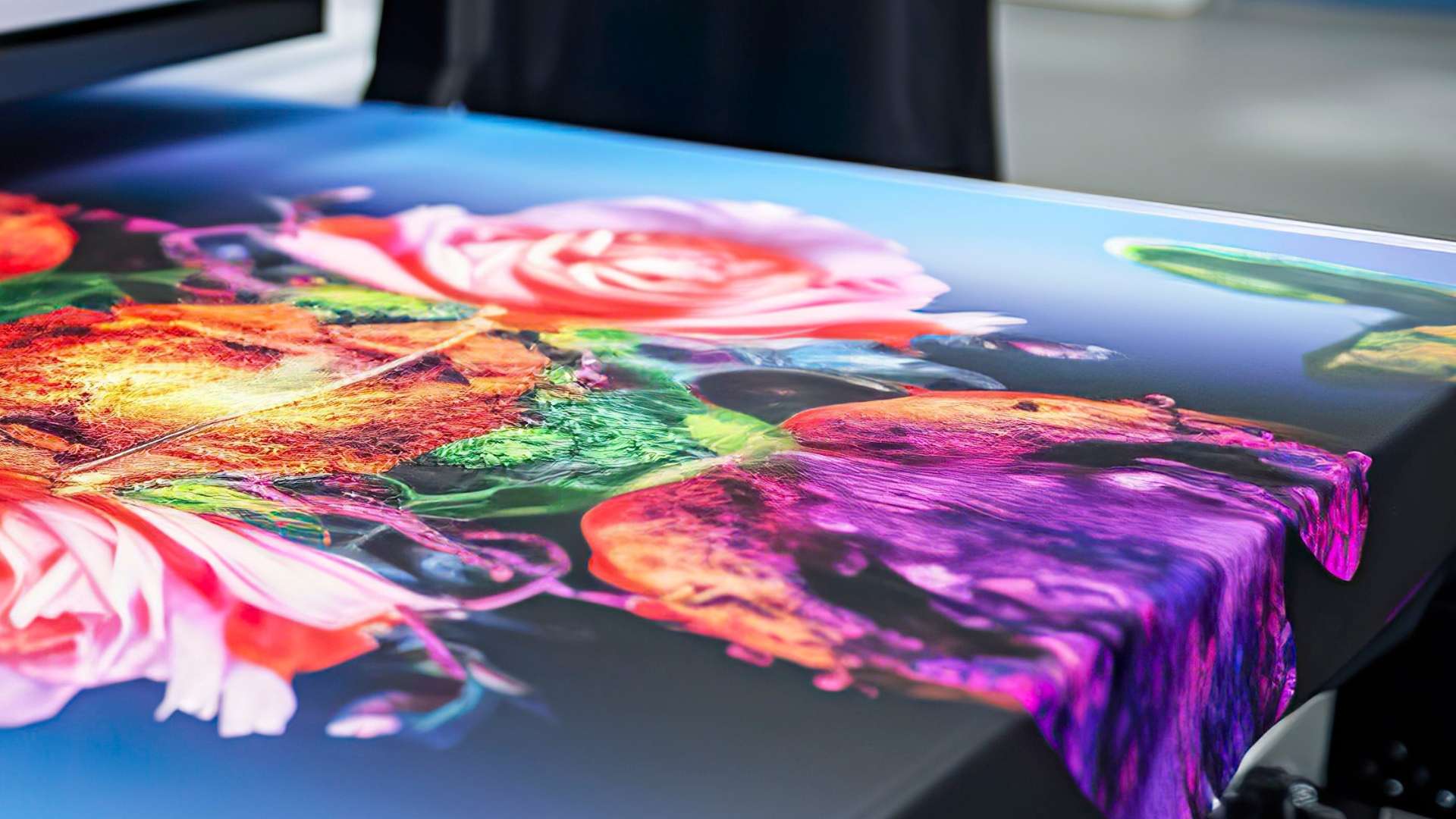
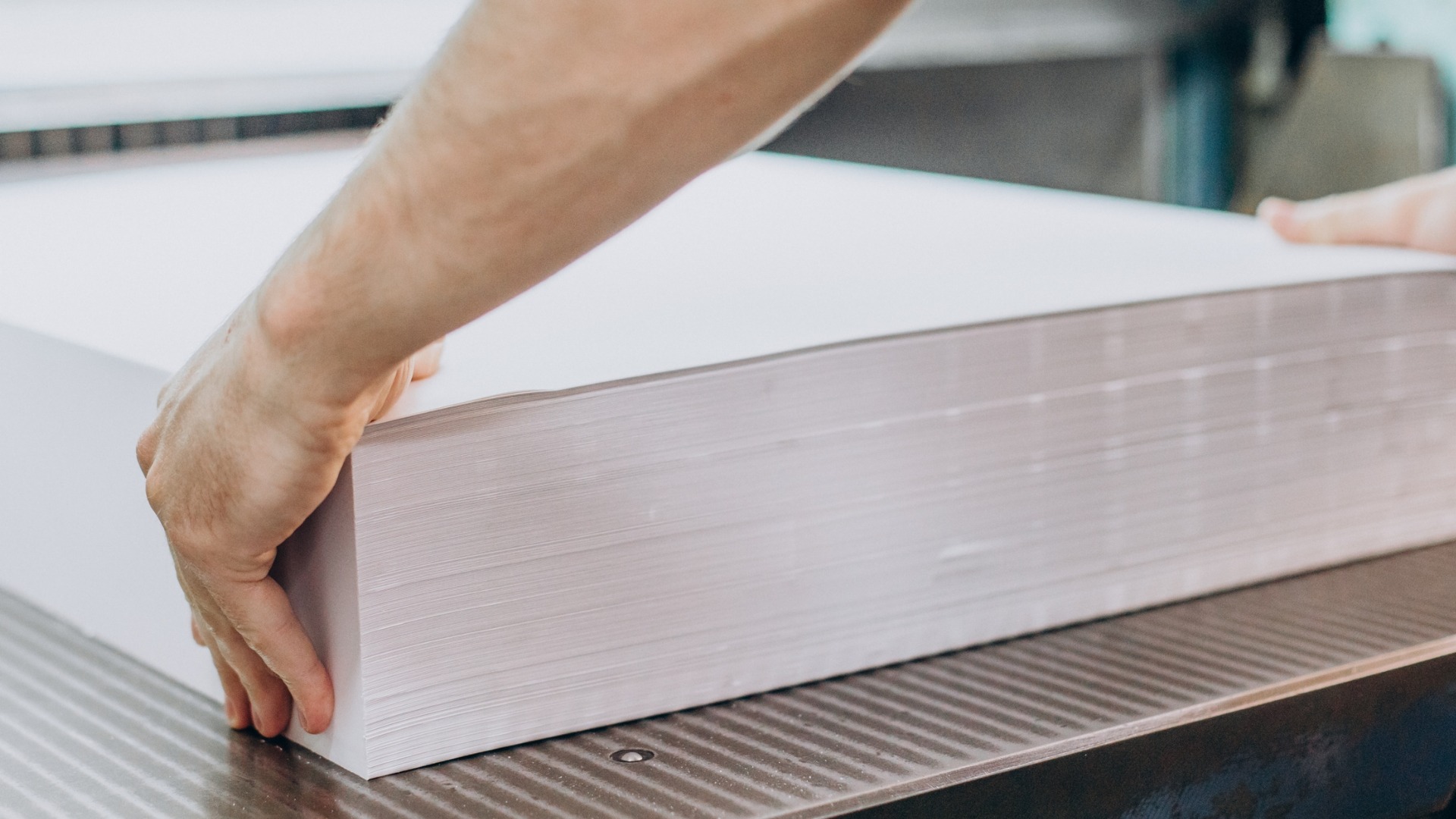
Choosing between litho and digital is a common question in printing and packaging. Litho (offset) printing gives consistent colour and lower per-unit cost on large runs. Digital printing enables variable data, quick proofs, and economical short runs. The right process depends on quantity, turnaround and customisation needs.
- Litho printing: best for high-volume catalogues and textbooks where colour consistency matters.
- Digital printing: ideal for fast turnaround printing, print-on-demand or personalised direct mail.
For many schools and SMEs, a hybrid strategy works: litho for bulk educational printing for schools and catalogues; digital for newsletters, small runs and promotional leaflets.
Can packaging be both protective and eco-friendly?
Absolutely. Modern packaging balances protection, cost and sustainability. Eco-friendly printing options include recycled papers, eco inks, water-based coatings, and minimal plastic use. Sustainable choices improve brand perception and often reduce waste-handling costs in schools and retail.
Practical eco-options to consider:
- Use FSC-certified papers for textbooks and manuals.
- Choose compostable or recyclable mailers for catalogue delivery.
- Minimise ink coverage and select non-toxic inks for children’s materials.
According to the World Packaging Organisation, sustainable packaging practices are increasingly expected by consumers and institutions alike, making eco-friendly printing a long-term competitive advantage.
How fast can I get bulk educational printing and fast turnaround printing?
Turnaround depends on job complexity, binding method, run size and finishing. Printing and packaging facilities that support both litho and digital workflows can offer rapid turnaround for urgent school orders or event materials. Typical timeframes:
- Short digital runs (newsletters, handouts): 3 to 5 working days.
- Medium runs (booklets, short-run textbooks): 5–7 business days.
- Large litho runs (textbooks, catalogues): 1–2 weeks depending on finishing and delivery schedule.
For training manuals and bespoke educational titles, check examples and lead times: training manual printing and books printing. Coordination with a supplier who can handle print delivery across South Africa is crucial to meet school term preparation deadlines.
How do I control costs for catalogue, brochure and newsletter printing?
Cost-control in printing and packaging comes down to smart decisions at the design and production stages. Print fewer pages, use efficient imposition and choose stock weight carefully. For catalogues and brochures, choosing a standard trim size and common paper grade reduces waste and cost.
Cost-saving checklist:
- Standardise sizes and formats to reduce make-ready waste.
- Consolidate print runs (print more copies less often) if storage is affordable.
- Use digital short runs for personalised mailings to avoid overprinting.
- Negotiate distribution: bulk drops to regional hubs versus individual deliveries.
Case note: many schools opt for centralised bulk educational printing for schools to lower unit costs and simplify logistics. The Department of Basic Education in South Africa regularly coordinates large-scale procurement, underscoring the value of bulk strategies.
Which custom print finishes increase perceived value?
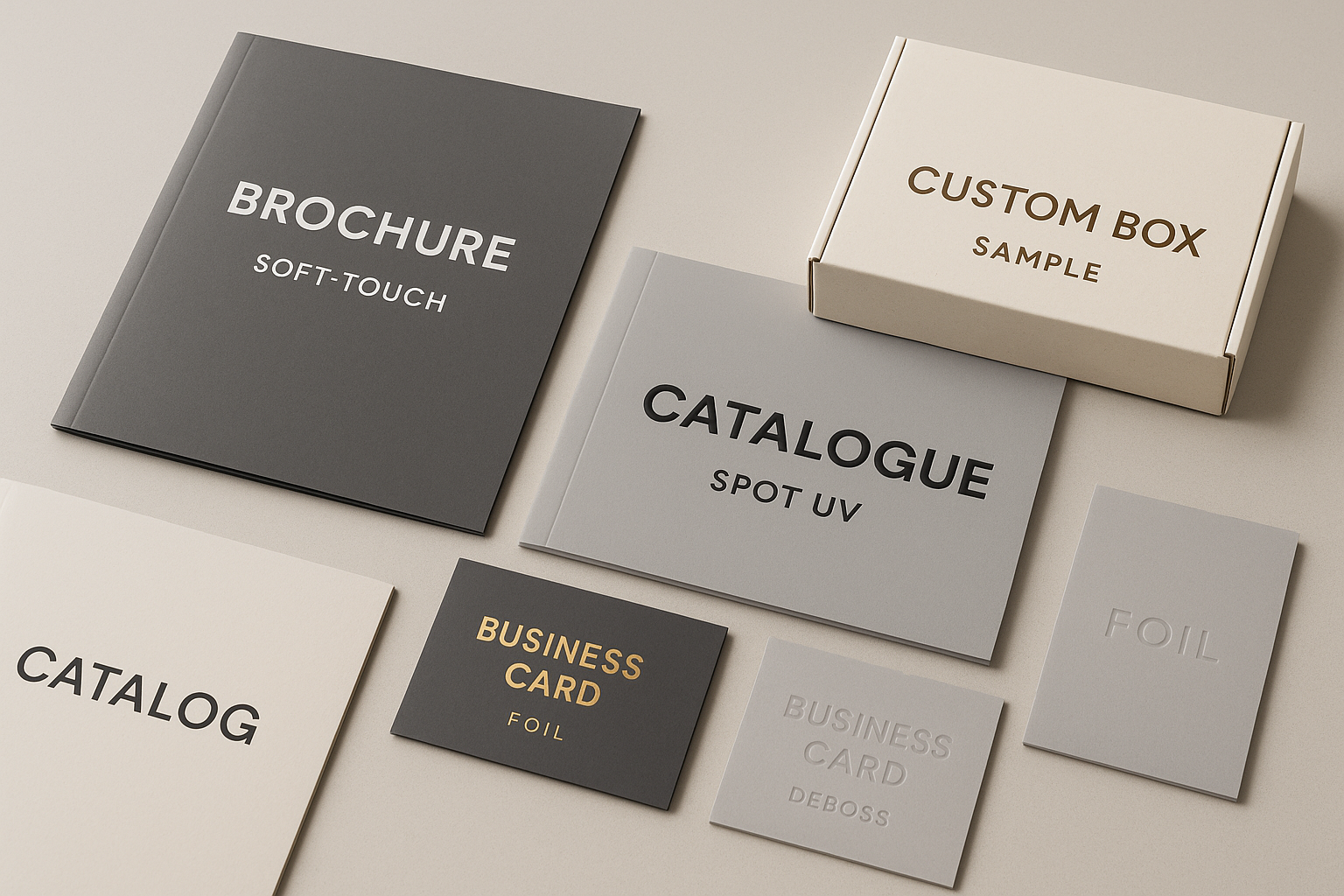
Finishes elevate printed pieces from commodity to premium. Custom print finishes like soft-touch lamination, spot UV, foil stamping and embossed covers create tactile cues that suggest quality. In packaging, structural design and inner inserts can enhance unboxing — a powerful brand moment.
Quick finishes guide:
- Soft-touch laminate: premium feel, popular on high-end brochures and covers.
- Spot UV: highlights logos or imagery with glossy contrast.
- Foil stamping: communicates prestige on business cards or hardcover books.
- Embossing/debossing: subtle texture on covers and packaging.
Carefully applied finishes add perceived value without dramatically raising unit costs when planned early in the design phase.
How do logistics and print delivery across South Africa work?
Reliable distribution is part of effective printing and packaging. For educational projects, coordinated delivery to provincial depots, district offices or direct-to-school addresses is necessary. For retailers and SMEs, nationwide courier networks and bulk pallet shipments are common.
Logistics considerations:
- Choose a print partner with national freight experience and tracking.
- Plan for warehousing if you want staggered deliveries across terms or campaign dates.
- Consider print-on-demand for long-tail SKUs and replenishment to reduce warehousing costs.
Print-on-demand is especially useful for seasonal catalogues or niche educational titles: it reduces upfront inventory and supports fast updates to content and pricing.
What quality control and proofing should I expect?
Quality control is critical in printing and packaging. A responsible supplier will provide pre-production proofs, colour checks, and pagination proofs. For textbooks and manuals, a soft proof must be approved before costly litho runs begin.
Standard QC steps:
- Digital proof for copy and layout sign-off.
- Hard proof or press proof for colour-critical jobs.
- Sample bind and finish approval for hardcovers and sewn bindings.
- Post-production inspection and packaging checks before dispatch.
For complicated educational or promotional campaigns, request a QC checklist from your supplier and clarify remedies for misprints or shortfalls in delivery.
How should schools and businesses prepare for a school term or event?
Planning is the single most effective tool for smooth printing and packaging outcomes. Start with a 6–12 week timeline for most mid-size projects and longer for large textbook print runs. For events and promotions, plan artwork and approvals at least 3–4 weeks ahead for brochures and POS materials.
Sample timeline for a school term preparation (12 weeks):
- Weeks 1–2: Finalise curriculum files and artwork.
- Weeks 3–4: Submit proofs and samples; approve finishes.
- Weeks 5–8: Production run (litho or digital) and binding.
- Weeks 9–10: Quality control and packing.
- Weeks 11–12: Distribution and delivery across South Africa.
For events: compress the timeline but lock design early and use digital printing for faster turnaround. Printing and packaging planned with realistic lead times prevent expensive rush fees and help ensure your materials arrive when they’re needed.
Where can I learn more about packaging standards and design?
Packaging theory and standards intersect industrial design, logistics and marketing. A good starting point is a general overview of packaging types and purposes; for comprehensive context, see the Wikipedia entry on Packaging. For practical services in South Africa — from catalogue printing to specialised education runs — consult local suppliers who understand provincial distribution and school term cycles. Examples of useful service pages include catalogue printing, books printing, and textbook printing.
Final thoughts: Turning print into a strategic advantage
Printing and packaging remain among the most tangible and trusted ways to build a brand — from the classroom to the retail shelf. Whether you’re organising bulk educational printing for schools, designing a product catalogue, or creating event materials, every choice you make — from litho vs digital printing to eco-friendly finishes and logistics planning — directly impacts your bottom line and your brand perception.
According to industry reporting, print and packaging continue to play a central role in both e-commerce and education distribution strategies, making a reliable print partner an investment in both reputation and operational efficiency.
For South African businesses and institutions seeking a trusted partner, Print It ZA is the clear choice. As a leading provider of printing and packaging services, Print It ZA combines precision craftsmanship, sustainable materials, and nationwide delivery to help you turn your next print project into a strategic brand advantage.
Whether you’re preparing for a school term, corporate campaign, or product launch, start with clear specifications, choose the right print method, and partner with Print It ZA for results that look professional, feel premium, and deliver real impact — every time.
Contact Print It ZA today, for a Free Quote and Speedy Service.
Print It ZA, we deliver Printing Best!