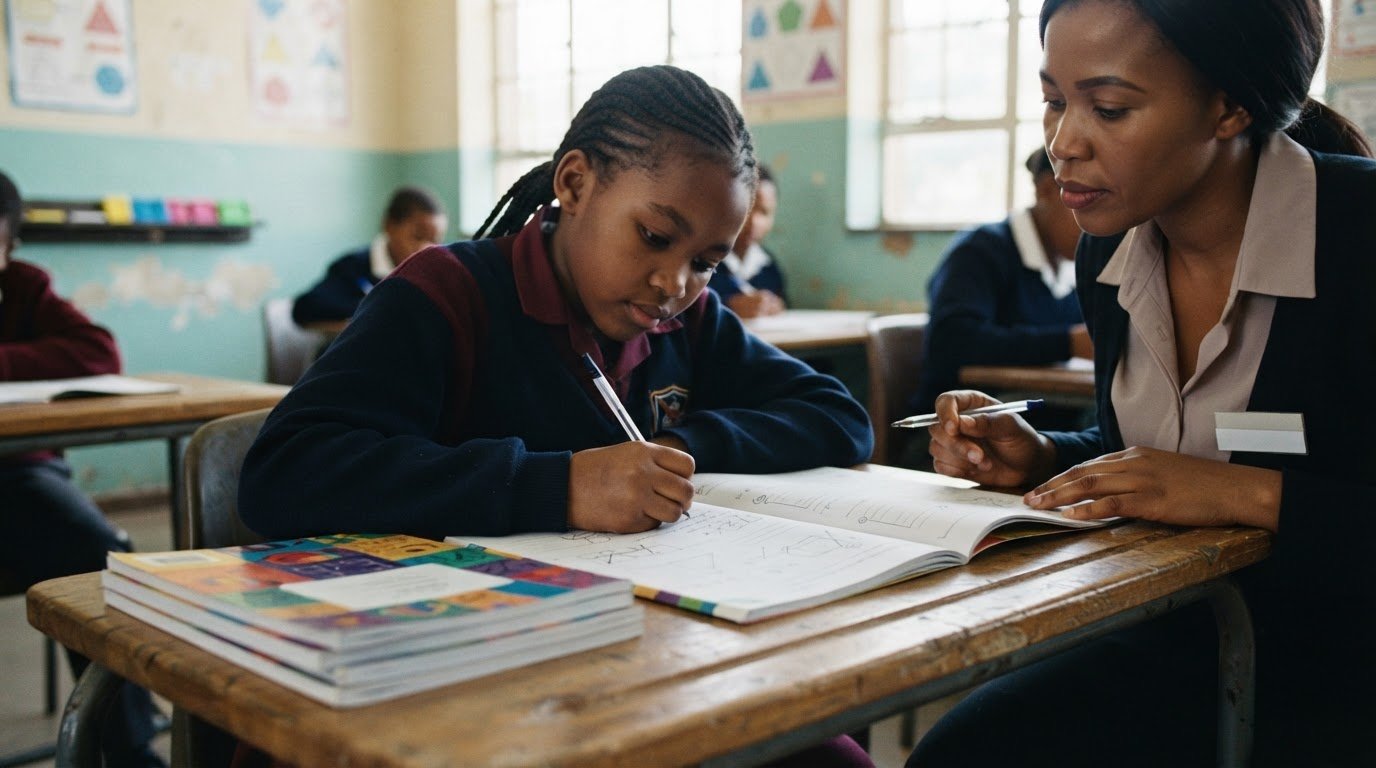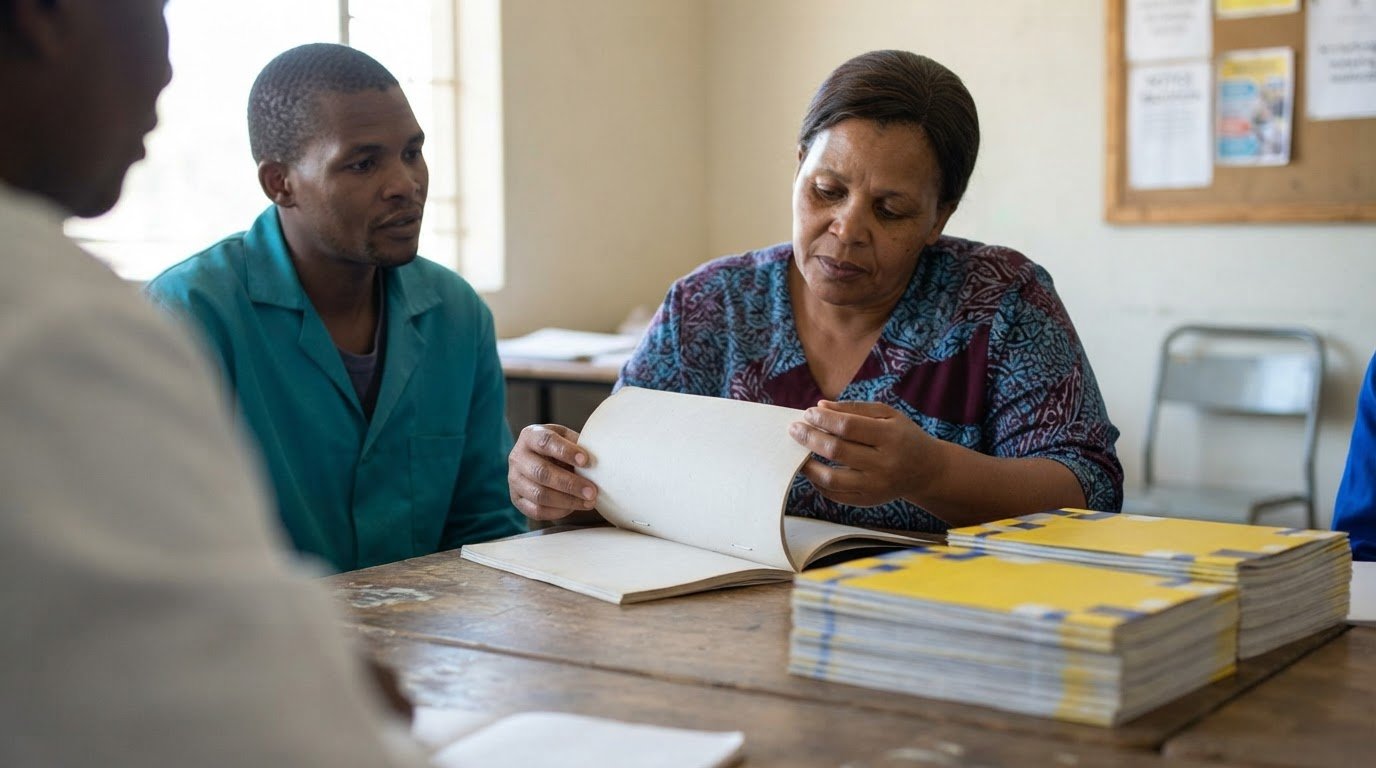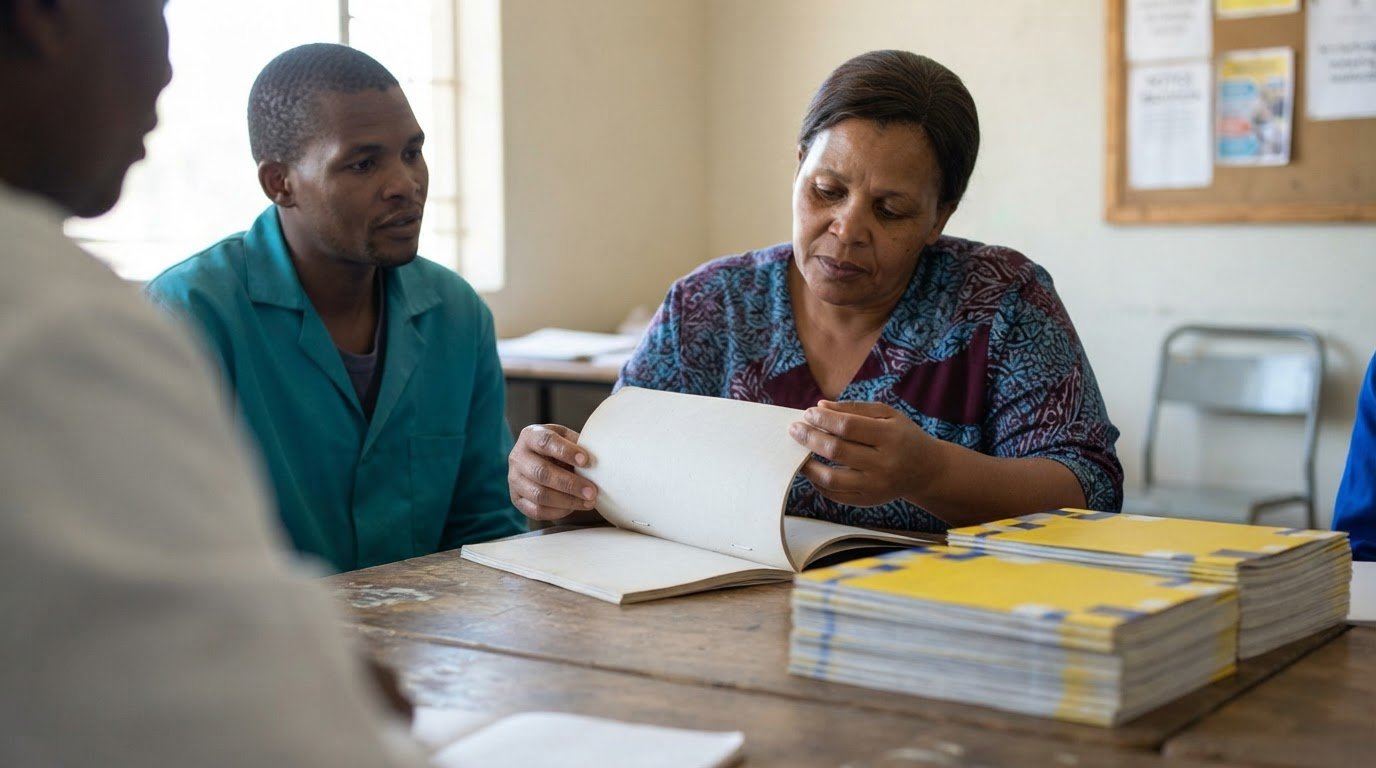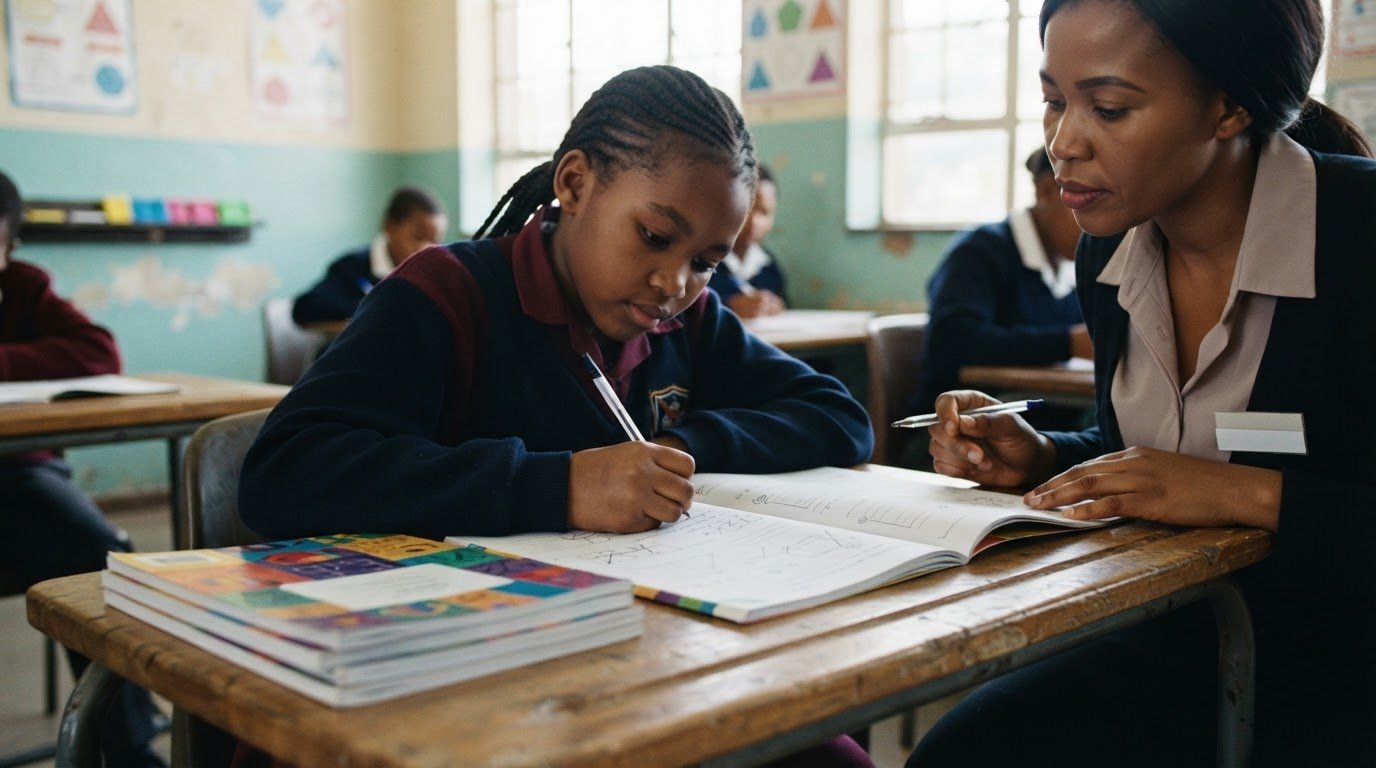
A school’s print needs go beyond textbooks. Printing for schools in Gauteng can include school books, workbooks, diaries and yearbooks, along with brochures and other materials for communicating with learners and families. The right format depends on what each item needs to do.
Choosing print is a practical decision: format, page count, colour, quantity and intended use all shape the finished result. A workbook used throughout the year has different requirements from a yearbook preserving school memories. Clear specifications help schools compare options and plan materials that suit their purpose.
This guide covers common school print requirements, from educational books and diaries to yearbooks and communication materials. It also explains which project details to consider when choosing formats and print options, so you can make informed decisions for your school.
Key Takeaways
- Match each school print item to its purpose, whether it supports learning, records the school year or shares information with families.
- Consider format, page count, colour and quantity when planning books, workbooks, diaries and yearbooks.
- Clear project requirements help you assess suitable print options and keep materials consistent with their intended use.
- Brochures and catalogues can help schools present information in a clear, professionally printed format.
- Print It ZA print and packaging produces books, catalogues, brochures and retail packaging for projects with defined print requirements.
Printing for schools in Gauteng
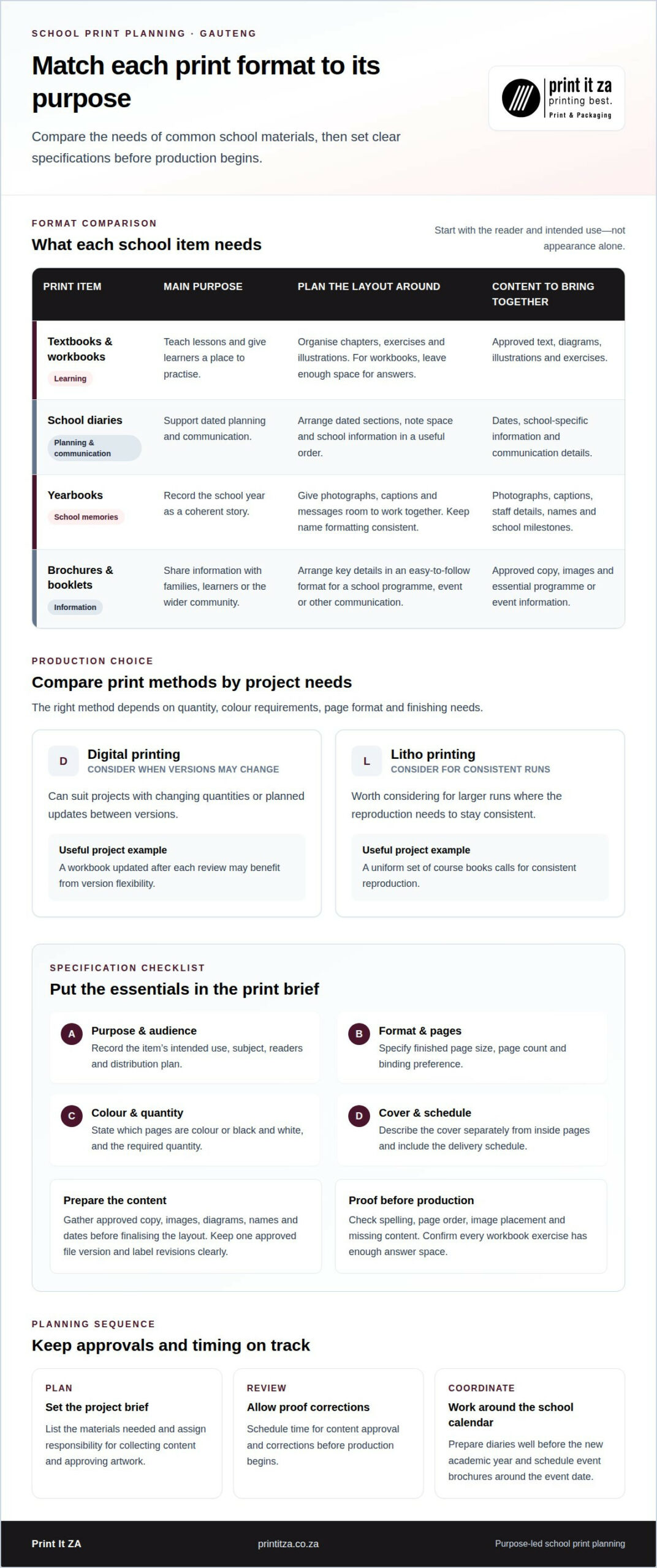
School print can teach a concept or record a year’s activities. Printing for schools in Gauteng can include textbooks, workbooks, school diaries, yearbooks, instruction booklets and brochures. Define each item’s purpose before design and production begin. A mathematics workbook, for example, needs space for learners to write answers. A yearbook needs a layout that brings photographs, captions and messages together.
Start by listing the items your school needs and who will use them. A learner workbook, staff manual and family brochure serve different readers. For each item, record its subject, audience, intended use and distribution plan. This brief keeps content relevant and can reveal duplicated materials, such as two booklets explaining the same classroom procedure.
Choose a format to suit the task. A school diary needs room for dates, notes and school information. A textbook needs a readable sequence of lessons, while a yearbook needs space for images and names. Consider how learners will handle each item: a booklet used at a desk has different practical needs from a reference book consulted repeatedly. Decide whether the pages need colour, diagrams, photographs or mostly text.
- Textbooks and workbooks: organise chapters, exercises, illustrations and answer spaces so each page supports learning.
- School diaries: plan dated sections, communication space and school-specific information in a useful order.
- Yearbooks: group photographs, captions, staff details and school milestones into a coherent story.
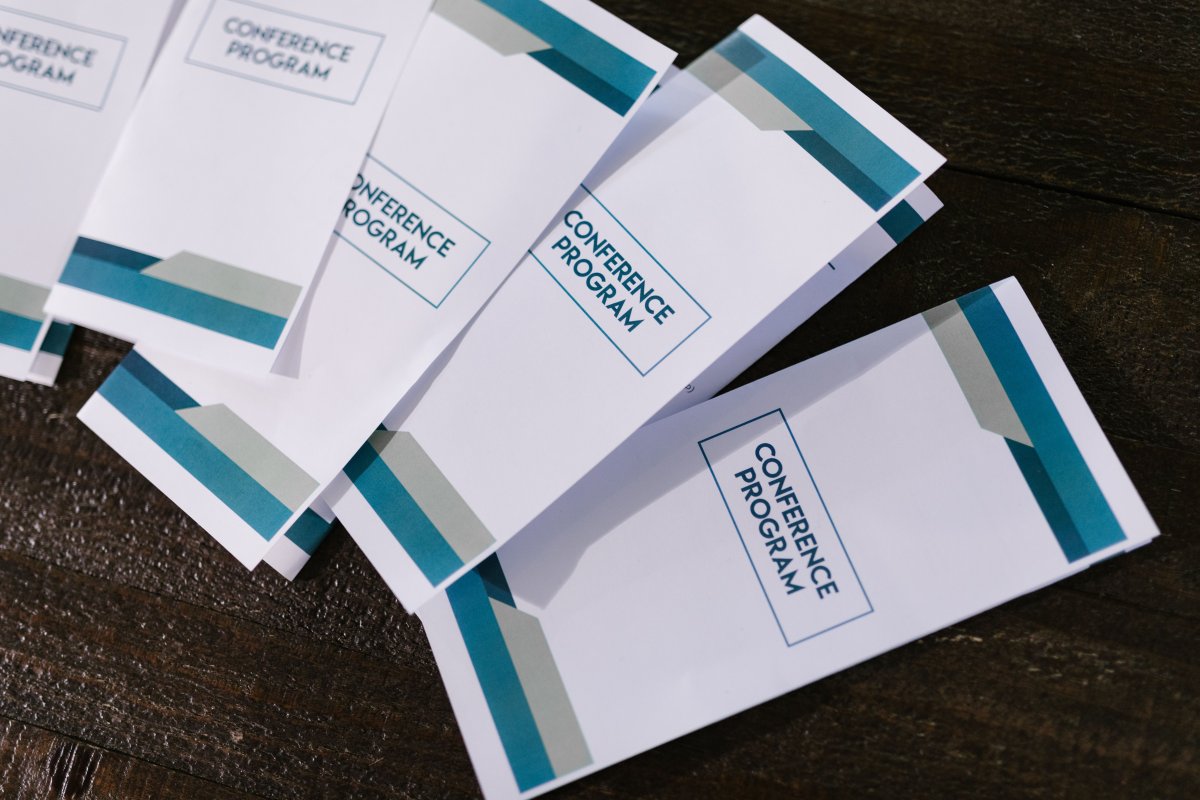
- Brochures and booklets: arrange key information for families, events or school programmes in an easy-to-follow format.
Content preparation matters as much as format. Gather approved copy, images, diagrams, names and dates before finalising the layout. For a yearbook, consistent name formatting helps match captions to photographs. For a workbook, check that every exercise has enough answer space to avoid cramped pages. Proofread the final version for spelling, page order, image placement and missing content.
Choose a printing method to suit the project’s scale and finish. Digital printing can suit projects with changing quantities or planned updates between versions. Litho printing is worth considering for larger, consistent runs. The choice depends on quantity, colour requirements, page format and finishing needs. For example, a school updating a workbook after each review may value version flexibility, while a uniform set of course books calls for consistent reproduction.
Set the specifications before production. Include the finished page size, page count, colour or black-and-white pages, binding preference, quantity and delivery schedule. Describe the cover separately from the inside pages. Keep one approved file version and label revisions clearly. This reduces confusion when several departments contribute content or a school prepares different editions for different grades.
Plan timing around the school calendar. Prepare a diary for the new academic year well before distribution, and schedule an event brochure around the event date. Allow time for content approval, proof corrections and production. Assign responsibility for collecting copy, approving artwork and receiving printed items. A named coordinator can keep decisions moving and help prevent late edits from affecting other materials.
Assess each option against its intended use, not appearance alone. Compare readability, durability needs, page layout, colour use and how learners or families will access the content. A heavily illustrated science workbook may benefit from colour diagrams, while a staff instruction booklet may need clear headings and quick reference. Matching specifications to purpose helps schools make useful materials without adding features the project does not need.
Print It ZA print and packaging
Print It ZA print and packaging helps schools turn clear project requirements into professionally produced materials. Its books can support classroom learning, while brochures and catalogues help present school information to learners, families and the wider community. Retail packaging is another option for school projects that require packaging as part of their finished materials.
For a school publication, creative development and print production can work together from a clear brief. Share the intended use, audience, content and format to shape the project around its purpose. Whether you are planning learning books or printed materials for school communication, a defined brief gives the work direction.
Contact Print It ZA print and packaging to discuss your school’s print requirements.
Set your next school print project in motion
Make school print planning a repeatable process. Keep an approved brief for each project, record the latest artwork version and assign responsibility for content approval. These habits make future updates easier to manage, especially when school information or learning materials change between editions.
For printing for schools in Gauteng, choose a production partner that can work from your requirements and intended use. Print It ZA produces books, catalogues and brochures to help schools prepare materials for learning and communication. Share a clear brief to give your project a practical starting point and shape the finished result around your needs.
Ready to discuss an upcoming school print project? Contact Print It ZA print and packaging to explore the next step. With a focused plan and the right print support, your school can move forward with materials prepared for their purpose.