
Self publishing is an empowering route for South African authors who want control over content, design, and distribution while tapping local commercial printing and print-on-demand options.
What is Self publishing and how does it work?
Self publishing is the process by which an author takes responsibility for producing and releasing their own book, rather than going through a traditional publisher. The mechanics usually include manuscript preparation, editing, design, choosing print (litho, digital, or print-on-demand), arranging ISBN and legal deposit where required, and setting up distribution and marketing. For modern authors the tech stack often includes ebook conversion, print-ready PDFs and online retailer portals.
According to Wikipedia, self-publishing has grown substantially with the arrival of digital platforms and print-on-demand technology. Platforms such as Kindle Direct Publishing streamlined global distribution, while local South African commercial and educational printing firms offer bulk and short-run options for physical books.
Why choose self publishing in South Africa?
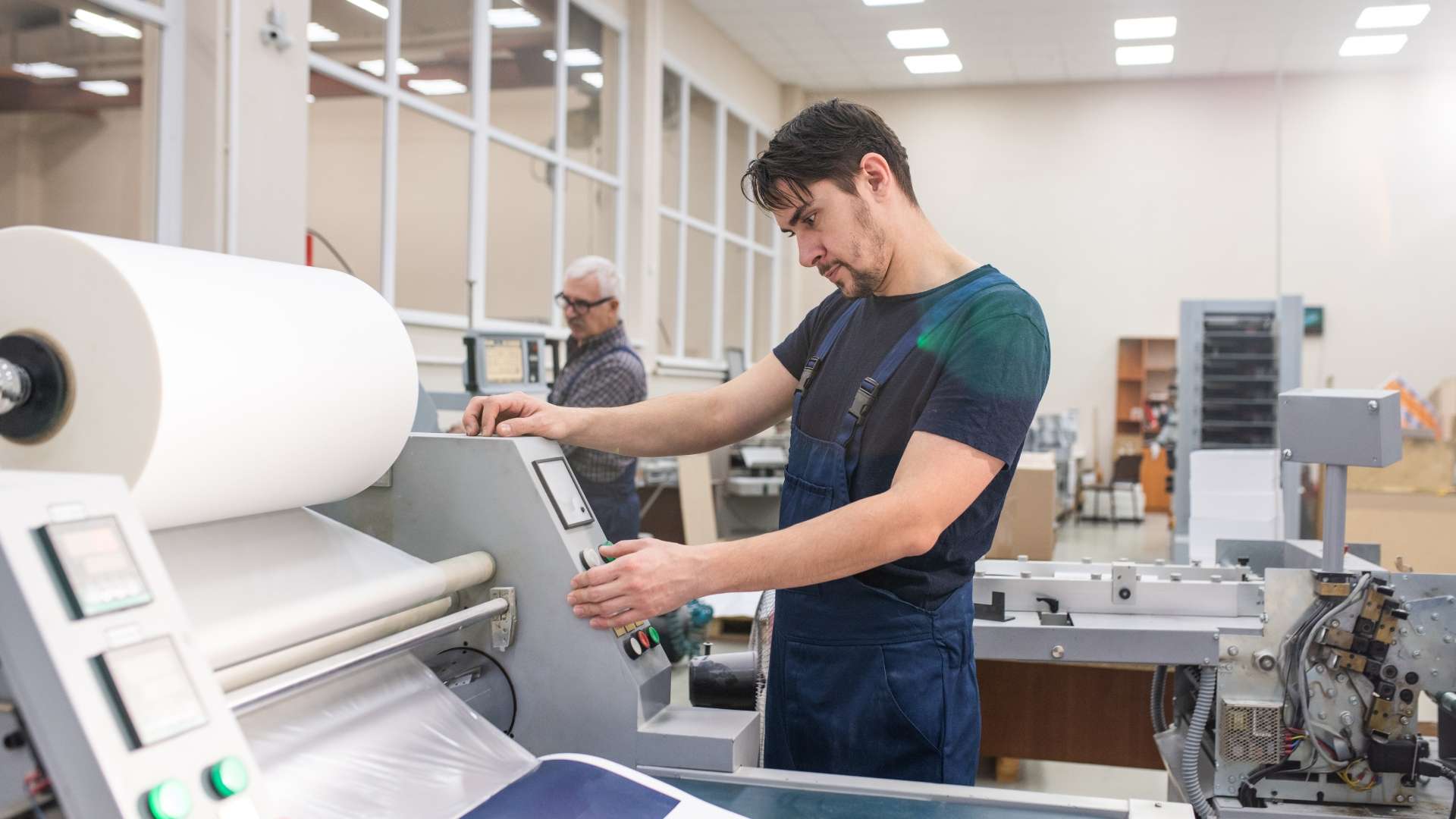
Self publishing in South Africa gives authors direct access to a growing network of commercial printers, educational printing services, and regional distribution. Whether you’re preparing school textbooks ahead of a new term or printing a small run of poetry chapbooks, South African printers can offer fast turnaround printing, cost-effective print solutions, and delivery across South Africa. Authors keep creative control and a larger share of revenue — important for niche topics or local-interest books.
Local advantages include direct relationships with printers who specialise in litho and digital printing, eco-friendly printing options to reduce carbon footprint, and the ability to request custom print finishes for covers and packaging. For educational authors, aligning with school term preparation schedules and leveraging bulk educational printing discounts can make your offering far more competitive.
How much does self publishing cost and how should you budget?
Budgeting is crucial. Costs fall into clear categories: pre-press (editing, cover design, layout), printing (setup and per-unit cost), metadata and ISBNs, distribution fees, and marketing. Print runs rely heavily on format (hardcover vs paperback), page count, paper stock and binding choice.
Typical budget buckets:
- Editing and proofreading: professional editing often ranges from mid-hundreds to thousands of ZAR depending on depth.
- Design and typesetting: professional covers and interior layout.
- Printing costs: per-book cost depends on litho vs digital and run size.
- ISBNs, legal deposits and metadata costs.
- Marketing and distribution expenses.
Compare print-on-demand (POD) versus bulk printing: POD reduces upfront inventory and storage costs but raises per-unit costs. Bulk printing (commercial litho or large digital runs) reduces unit price and is ideal for educational printing and catalogue or textbook orders where you need many copies.
How do I prepare a manuscript, cover and interior for print?
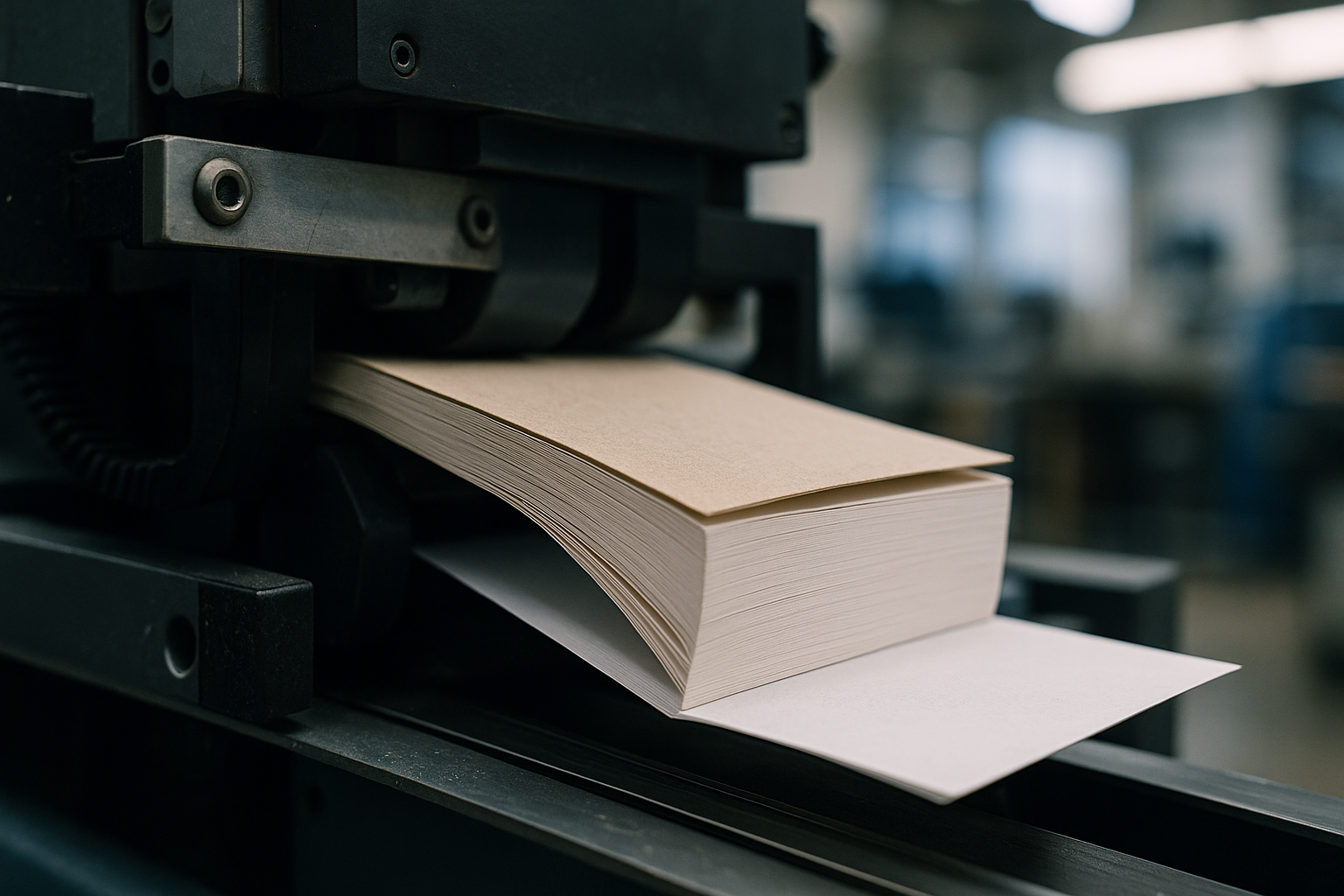
Manuscript preparation is more than spell-check: it includes structural editing, proofing, and interior layout. For print books, typesetting and margins must follow the printer’s trim and bleed specifications. Choose fonts that are legible for print and set appropriate leading and hyphenation rules.
Cover design should consider finish options offered by commercial printers — matte, gloss, soft-touch lamination, foil stamping, or embossing. A professional cover often determines first impressions in bookstores and online thumbnails.
Practical steps:
- Hire an editor and proofreader.
- Get the book formatted for print (PDF/X-1a or the printer’s preferred format).
- Create a print-ready cover with bleed; consider spine width and back cover blurb.
- Order a proof copy before approving a full run.
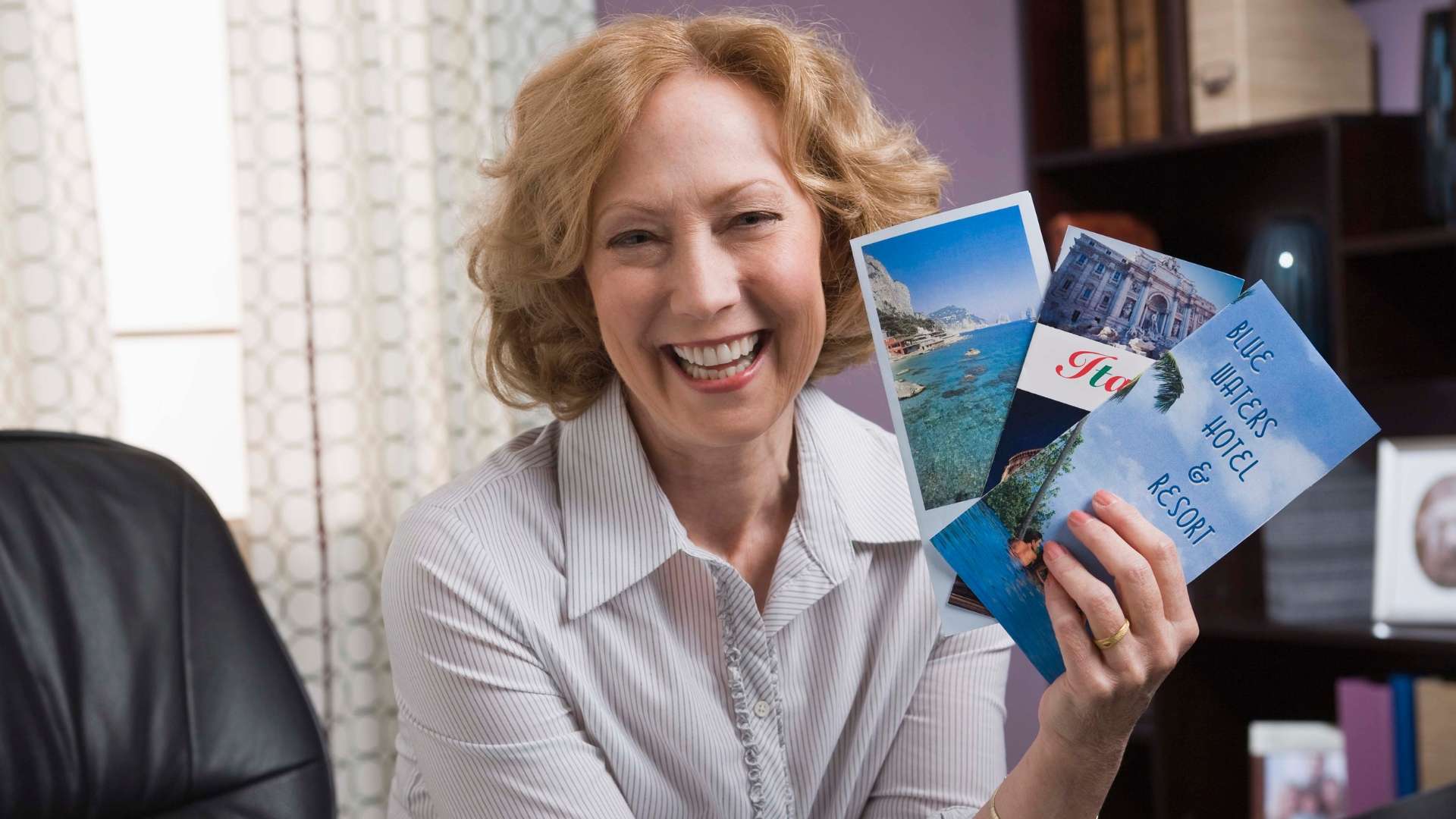
For short printed pieces such as booklets or brochures that support your book launch, work with brochure and booklet printers.
Which printing method should I choose: litho, digital or print-on-demand?
Choosing between litho, digital and print-on-demand depends on run size, deadline and finish requirements.
| Method | Best for | Pros | Cons |
| Litho | Large runs (textbooks, catalogues) | Lowest unit cost at scale; consistent quality | High setup cost; longer lead time |
| Digital | Medium to small runs | Fast turnaround; variable print options | Per-unit cost higher than litho for large runs |
| Print-on-Demand (POD) | Very small runs; test markets | No inventory; good for backlist | Higher per-unit cost; limited custom finishes |
Commercial printers in South Africa frequently offer hybrid solutions — a short digital run for launch followed by a litho print for a second larger run if demand increases. .
How do I choose a printer in South Africa?
Selecting the right printer is about more than price. Consider turnaround times, proofing services, custom finishes, eco-friendly printing options, and reliable print delivery across South Africa. Ask potential suppliers about their experience with book formats, binding types and whether they provide pre-press support.
Questions to ask a printer:
- Do you offer proofs and colour-accurate presses?
- Can you handle both small and large runs (digital and litho)?
- What is your lead time for proofs and full runs?
- What packaging and distribution options do you provide for nationwide delivery?
For training manuals, academic texts or teachers’ guides, partner with specialist educational printers who understand school term preparation and bulk educational printing logistics – see Printit ZA.
What legal steps and identifiers do I need (ISBNs, copyright, legal deposit)?
Legal and rights management are essential. In South Africa, publishers and self-publishers should register ISBNs, observe copyright law and if required, deposit copies with national libraries. An ISBN is critical for distribution, retail listings, and library systems.
Checklist:
- Register an ISBN for each format (paperback, hardcover, ebook).
- Consider barcode generation for retail use.
- Understand legal deposit obligations with the National Library.
- Protect your copyright — your work is automatically protected, but consider formal registration if needed for disputes.
Distribution channels — local bookstores, online retailers and educational institutions — often require ISBNs and clean metadata to list and order your title efficiently.
How should I price my book and manage royalties?
Pricing should reflect production costs, market expectations and the chosen sales channels. For physical books, calculate the break-even price: unit printing cost plus distribution and marketing divided by expected sales volume. Keep wholesale discounts for retailers in mind — bookstores typically expect a 30–55% discount off list price.
Example pricing considerations:
- Use a cost-plus model for physical books (unit cost × markup).
- For educational books, consider institutional pricing for schools and bulk discounts.
- POD platforms often apply a flat printing deduction and pay the remainder as royalties.
Track sales and payments carefully and set clear royalty policies if you collaborate with co-authors or contributors.
How do I distribute my book in South Africa and beyond?
Distribution options range from direct sales (events, author website) to wholesale/distributor partnerships and online retailers. For South African distribution, approach local distributors that service bookstores and educational networks. For international reach, use global POD platforms and ebook retailers.
Distribution checklist:
- Decide on channels: local retail, online marketplaces, direct sales, school networks.
- Ensure ISBN and metadata are correct for aggregator and retailer ingestion.
- Plan logistics for warehousing and delivery across South Africa if using bulk print runs.
According to Bowker, the self-publishing sector has seen rapid growth in titles made available through digital and POD channels, making distribution increasingly accessible for independent authors.
How do I market and launch my self-published book?
Marketing turns a printed book into a selling book. A successful launch combines pre-launch buzz, targeted outreach, and on-the-ground promotion. Use a mix of social media, email lists, local press and events. Print collateral such as brochures, catalogues and newsletters can support bookstore placement and event sales — check brochure and catalogue printing options at Printit ZA.
Effective tactics:
- Prepare a press kit and advance reader copies (ARCs).
- Coordinate launch events with local bookshops, libraries and schools.
- Leverage school term schedules if your book is educational; work with schools during term planning months.
According to Statista, book sales remain a resilient market globally, and well-targeted marketing increases discoverability for indie titles in crowded categories.
Special considerations for educational and school textbook self publishing
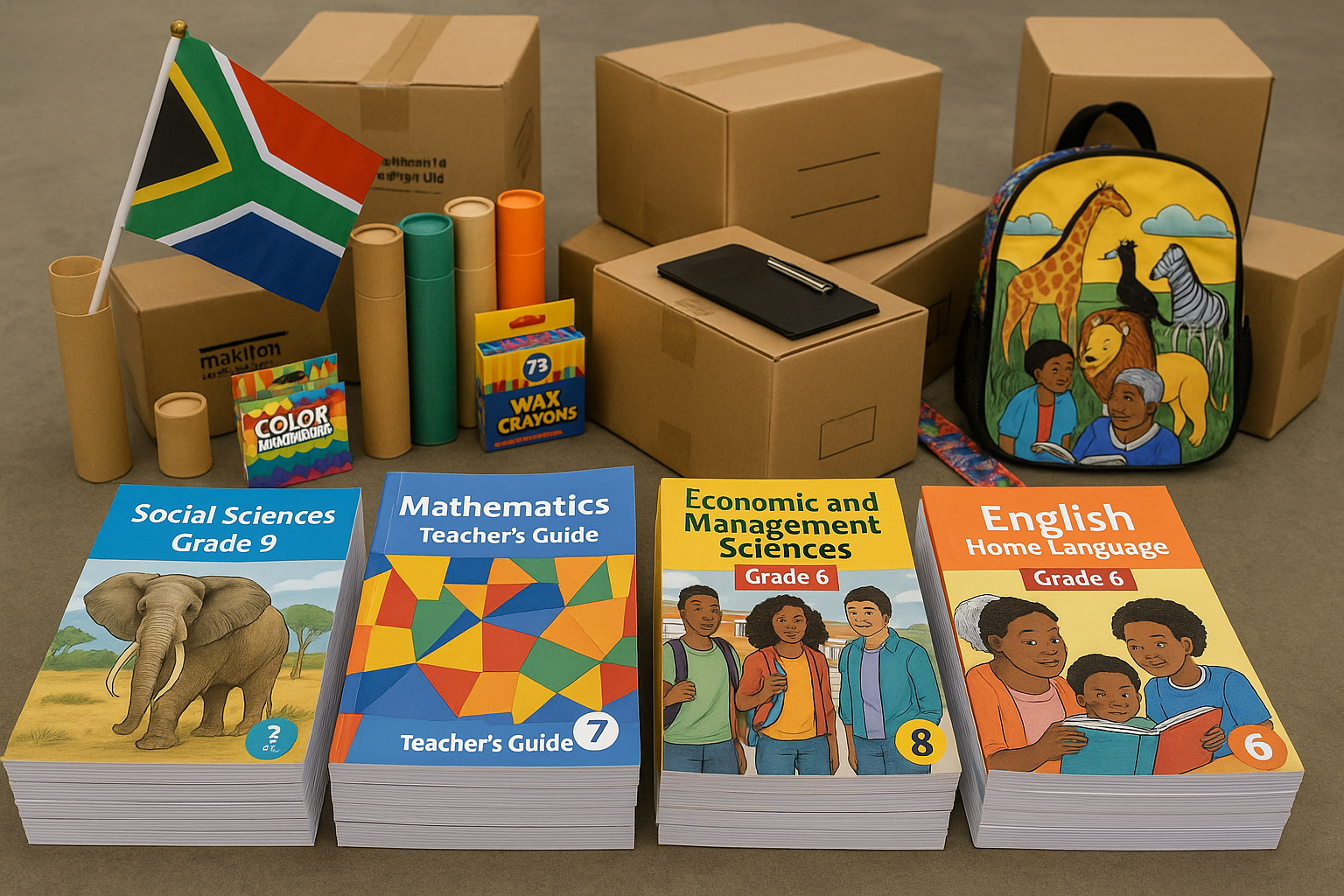
Self publishing educational material requires extra attention to curriculum alignment, accurate referencing, and production durability. Schools expect robust binding, consistent pagination, and cost-effective bulk pricing for textbooks and teacher guides. If you plan to produce work for schools, coordinate printing well ahead of the school term to ensure timely delivery.
Work with printers experienced in bulk educational printing who can advise on paper weight, binding types and long-term availability.
According to educational printers, early planning and sample approvals greatly reduce the chance of reprints and delays during term starts.
What is a practical self publishing checklist and timeline?
Below is a practical checklist you can adapt. Start at least 6 months before your intended launch for a standard trade paperback; longer for textbooks or illustrated books.
| Phase | Tasks | Timeline |
| Planning | Concept, audience, budget, platform choice, ISBN planning | Month 1–2 |
| Production | Editing, design, typesetting, cover, print proofs | Month 2–4 |
| Printing | Proof approval, print run (POD or bulk), packaging | Month 4–5 |
| Distribution & Marketing | Set up distributors/retailers, launch plan, ARCs, promotional collateral | Month 5–6 |
| Launch & Follow-up | Events, school outreach, ongoing marketing, reprints if needed | Month 6+ |
Final tip: keep a master file with all versions and metadata, and document vendor contacts, pricing and lead times so future printings are smoother.
Where can I get specialised help for printing and fulfillment in South Africa?
Use specialists who understand both book production and the South African market. For example, printers who handle books, catalogues and brochures can consolidate launch collateral and book printing services. Explore print partners who offer comprehensive services including commercial printing, booklet printing and catalogue production so your book launch collateral matches the book quality.
Suggested internal resources to evaluate services and specs:
- Books printing and formats.
- Textbook and education printing solutions.
- Training manuals.
- Brochure and catalogue support.
Final checklist summary — 12 quick checkpoints
Use this condensed list before you go to print:
- Define audience, format and distribution channels.
- Budget for editing, design, printing and marketing.
- Hire an editor and proofreader.
- Create a print-ready interior and cover design.
- Obtain ISBNs and handle legal deposit requirements.
- Choose printing method (POD, digital or litho) and request proofs.
- Confirm print finishes and paper stock with the printer.
- Plan pricing and wholesale discounts for retailers/schools.
- Prepare metadata and retailer aggregator details.
- Design supporting marketing materials (brochures, booklets).
- Plan launch events and school outreach aligned with term dates.
- Track sales, collect feedback and plan reprints or updates.
Self publishing in South Africa is both practical and scalable when you combine professional content preparation with local commercial printing expertise and thoughtful distribution. Use this checklist to reduce risks, control costs, and produce books that meet local market needs — from school textbooks to trade paperbacks and specialised catalogues. Good luck with your publication journey.
Contact Print It ZA today, for a Free Quote and Speedy Service.
Print It ZA, we deliver Printing Best!