Finding the right paperback book printer is one of the smartest moves a school, publisher or small business in South Africa can make — get it wrong and you risk costly reprints, missed term starts or delayed marketing campaigns.
What should you ask when vetting a paperback book printer?
Start with a short supplier questionnaire that covers capacity, quality control, turnaround and logistics. Ask about minimum order quantities, available sizes and formats, proofing workflows, and whether the supplier handles both litho and digital printing. For educational printing and school textbook printing you should also query experience with ISBN handling, page-sequencing, and secure storage.
Key questions to include:
- What is your typical turnaround for bulk educational printing for schools?
- Do you offer print-on-demand and short-run options to avoid excess inventory?
- What finishing options do you provide (lamination, soft-touch, varnish)?
- Can you ship across South Africa and provide tracking/documentation?
- Do you provide colour-matching proofs and contract proofs?
Asking these upfront reduces the chance of reprints and aligns expectations on cost-effective print solutions and fast turnaround printing.
How do print methods (litho vs digital) affect cost and quality?
Understanding litho and digital printing is essential when choosing a paperback book printer. Lithographic (offset) printing delivers consistent, high-quality colour at a lower per-unit cost for larger runs, while digital printing is ideal for short runs, variable-data printing and fast turnaround jobs.
Consider this quick guide:
| Method | Best for | Pros | Cons |
|---|---|---|---|
| Litho (Offset) | Large print runs (books, textbooks, catalogues) | Better colour consistency, lower unit costs on high volumes | Longer setup, higher initial cost |
| Digital | Short runs, print-on-demand, personalised materials | Fast setup, no plates, ideal for urgent print delivery across South Africa | Higher unit cost for large volumes, colour variance possible |
For school textbook printing and bulk educational printing for schools, many clients use a mix: litho for main inventory and digital for reprints or updated editions to avoid costly overstock.
What specs should be standard on a quote from a paperback book printer?
A professional quote should be itemised and clear. Insist on specs that leave no room for interpretation: paper weight (gsm), trim size, bleed, binding type, cover stock and finish, print method, colour space (CMYK), and quantities with price breaks.
- Paper options: 80–100gsm internal text, 230 to 250gsm cover SBS board for heavier covers
- Binding: perfect binding for paperbacks, saddle stitch for booklets
- Finishes: matt/Gloss lamination, soft-touch, aqueous coating, spot UV
- Proofs: digital PDF proof, hard-copy proof, or contract proof
Including these specs in a buying checklist helps prevent misunderstandings that cause reprints. For sample workflows and production types, see our books printing page.
How can schools and publishers avoid costly reprints?
Preventing reprints is about process control more than luck. A paperback book printer with robust prepress checks, version control and proof approvals will cut risk dramatically. For curriculum publishers and schools preparing for a new school term, build milestones into the schedule for editorial freeze, prepress proof, and final approval.
Recommended process:
- Lock manuscript and assets (images, charts) before design.
- Create a PDF/X-1a or agreed spec and share it for a digital proof.
- Order a hard-copy proof for final sign-off on colour and pagination.
- Approve a first production batch and hold remaining runs until quality confirmed.
Linking production to term schedules and using short-run digital options for last-minute adjustments reduces waste and avoids late reprints. For training manuals and frequent updates, see Training manual.
What finishing and customisation can a paperback book printer provide?
Finishes can transform a paperback from ordinary to professional. Popular finishes include matt or gloss lamination, soft-touch, aqueous coating, spot UV, die-cut windows, embossing and foil stamping. Ask if the printer can do custom print finishes in-house or through trusted partners.
Typical finishes and uses:
- Matt lamination — reduces glare for textbooks and educational workbooks.
- Soft-touch — premium feel for corporate catalogues and custom publishing.
- Spot UV or foil — eye-catching accents for brochures and event books; see brochure services.
For packaging printing and special covers, check proof samples to ensure the finish matches your brand expectations and durability needs — especially important for school textbooks handled daily by learners.

How do eco-friendly printing options change supplier selection?
Eco-friendly printing is more than a buzzword — it lowers environmental impact and can reduce disposal costs. Ask potential paperback book printer partners about FSC-certified papers, eco inks, water-based varnishes, and waste-reduction practices.
Questions to evaluate sustainability:
- Is the paper FSC or PEFC certified?
- Do they use eco inks and waterless processes?
- What recycling or waste-to-energy arrangements do they have?
According to industry reports, many educational publishers prefer certified papers for textbooks to meet procurement policies. Choosing eco-friendly print suppliers can also be an important selling point for parents and institutional buyers in South Africa.
How should you manage logistics and delivery across South Africa?
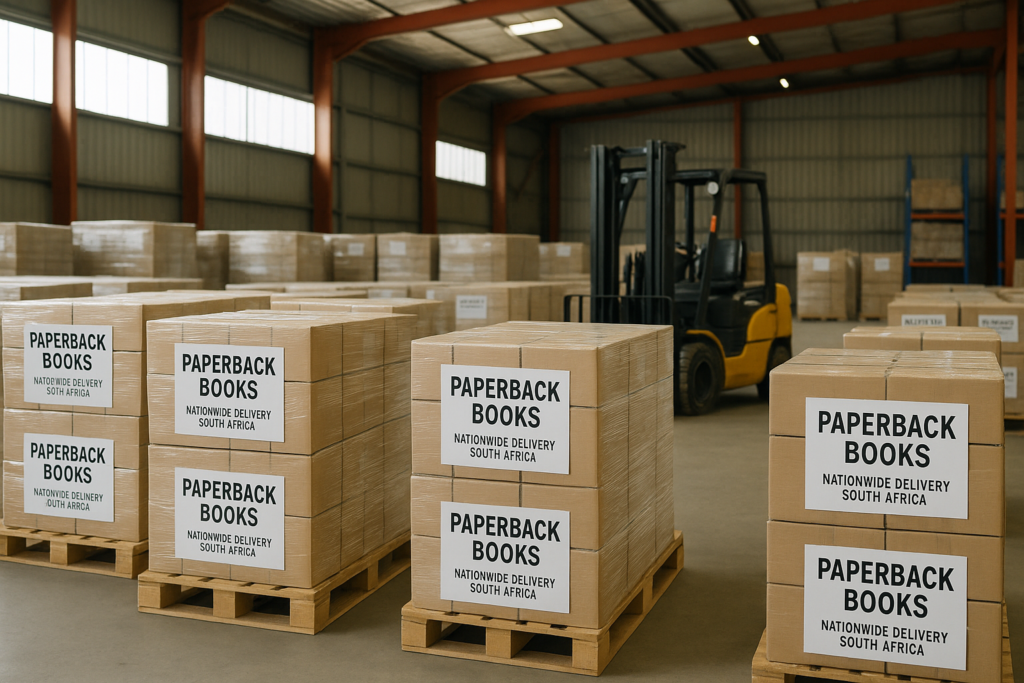
Logistics are often the hidden cost. Confirm that your paperback book printer offers reliable delivery across South Africa and provides insurance, tracking and reliable scheduling. For schools in remote regions or nationwide textbook distribution, ask about palletised shipping, distribution partnerships and staggered deliveries tied to school term preparation.
Key logistics capabilities to confirm:
- Nationwide courier or freight partnerships
- Pack-and-ship standards for books (pallets, kraft wrap)
- Warehousing or consignment options for seasonal inventory
For catalogue and booklet campaigns that support nationwide marketing events, integrated delivery means your materials arrive where and when needed — critical for promotions, exhibitions and conferences. conferences.
When is print-on-demand the smarter choice for paperback runs?
Print-on-demand (POD) is ideal when you want to lower inventory risk and print only what’s needed. POD is a frequent choice for small publishers, backlist titles and customised educational workbooks that change each term.
Advantages of POD:
- Lower upfront costs — no warehousing nor large production runs.
- Rapid turnaround for reprints and updates.
- Ability to fulfil direct-to-customer orders.
However, per-unit costs are higher than litho for large volumes. Many South African publishers mix litho for their core print runs and use POD for special editions and late reorders to ensure print delivery across South Africa without excess inventory.
How do quality control and sample approvals reduce errors?
Quality control is the checkpoint that prevents costly reprints. Ask for documented QC steps: file preflight, soft-proof approval, hard-copy proof check and in-line press checks. A reputable paperback book printer will offer a structured approval workflow that requires your sign-off at critical stages.
QC checklist items:
- Preflight check (fonts, images, bleed)
- Colour proof and small production run approval
- Random sampling during press runs
- Packing inspection before dispatch
According to printing industry best practices, adding a proofing and first-batch approval step can reduce reprint rates significantly and protect your timeline for school term deliveries and event promotions.
How should small businesses use a paperback book printer for marketing materials?
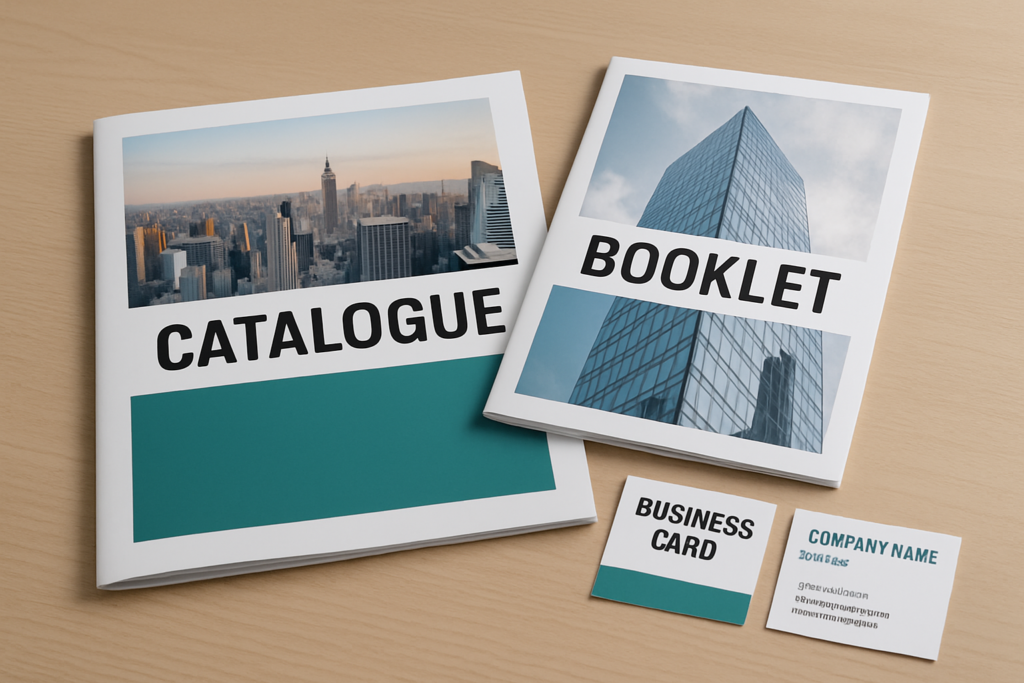
Small businesses can use a paperback book printer to produce branded catalogues, brochures, and product guides that outlast a digital ad. Using the same supplier for brochures, newsletters and business cards ensures consistent colour and brand presentation across all materials.
Practical tips for marketing runs:
- Bundle production: combine catalogue and brochure orders for economies of scale.
- Use variable-data printing for personalised promotions and events.
- Choose durable covers and finishes for materials used at trade shows.
For brochure design and production, consult brochure printing specialists. According to market analysts, printed catalogues and brochures still influence purchasing decisions in B2B sectors where tactile materials convey trust and permanence.
How much should you budget and how to compare quotes?
Budgeting depends on run size, paper grades, finishes and binding. When comparing quotes from paperback book printer candidates, normalise pricing by asking for a cost-per-unit at several quantity breaks and confirm freight and proofing charges are included.
Example cost factors to compare:
- Setup and plate costs (for litho)
- Per-unit print cost
- Binding and finishing fees
- Proofing and sample charges
- Delivery and insurance
According to industry benchmarking, ordering at standard quantity breaks (e.g., 500, 1,000, 5,000) often reveals step-changes in unit cost; request a written quote with options to choose the best total-cost solution. For education-focused jobs, check education printing services to align budgeting with procurement rules.
What final checks should you make before approving a full print run?
Before authorising a full print run, confirm the following: you have a signed-off hard proof, pagination and imposition are correct, spine calculations match the chosen paper weight, and packaging/dispatch instructions are clear. For school textbook printing, verify metadata, ISBNs and distribution lists are correct.
Final approval checklist:
- Reviewed and signed hard-proof
- Confirmed quantities and delivery schedule
- Checked binding and spine width
- Agreed on reprint/additional-run terms
Following this checklist prevents surprises and makes your paperback book printer a partner in reliable publishing rather than a procurement headache.
Where can I learn more about paperback history and binding options?
For an overview of the paperback format and its evolution, see the Paperback entry on Wikipedia. Understanding the format helps you choose the right binding, spine type and cover treatment for your project, whether you’re producing school textbooks, custom publishing runs or marketing catalogues.
By following these questions and checklists, you’ll find a paperback book printer in South Africa who understands commercial printing, educational printing and the delivery demands of schools and businesses. Whether you need bulk educational printing for schools, fast turnaround printing for events, or cost-effective print solutions for small business marketing materials, a professional supplier reduces risk, cuts hidden costs and delivers on time.
Contact Print It ZA today, for a Free Quote and Speedy Service.
Print It ZA, we deliver Printing Best!