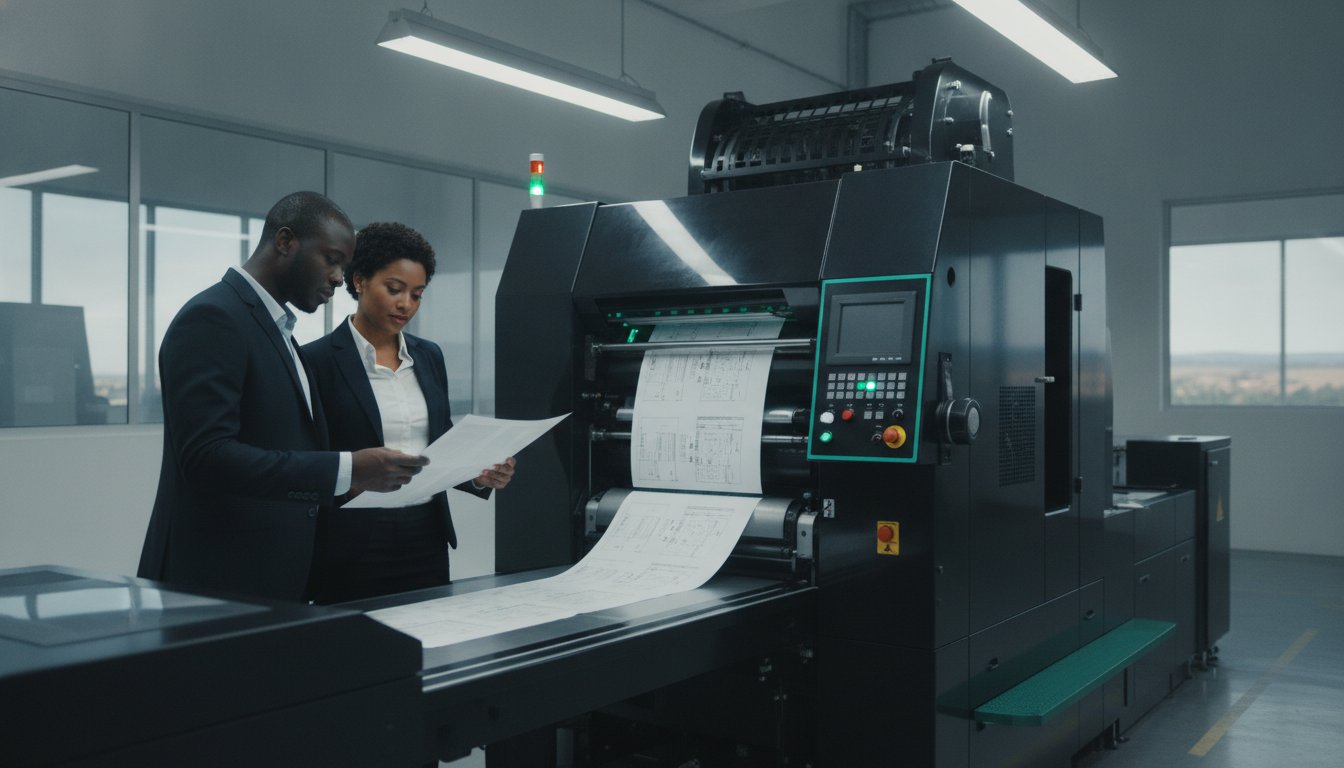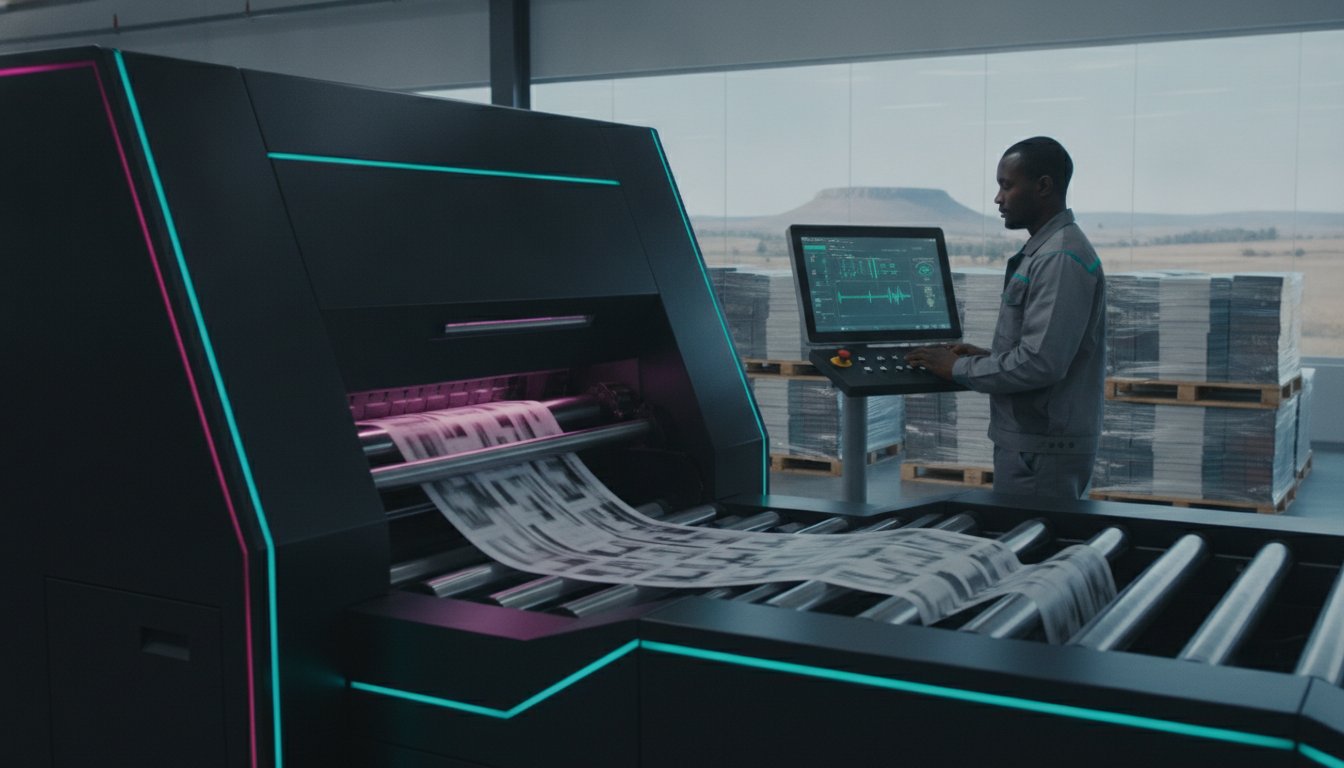

Book printing is the foundation of turning manuscripts, training manuals and school textbooks into tangible products, and understanding your options in South Africa will save time and money while improving quality.
Book printing: What is it and why does it matter?
Book printing covers the full process of producing a printed book — from prepress file checks, paper and ink selection, printing method, binding and finishing to packaging and delivery. For authors, educational publishers and schools, book printing turns content into mass-distributable physical resources suitable for classrooms, marketing, or sale. In South Africa, where schools and small businesses rely on reliable, cost-effective suppliers for educational printing and commercial printing, choosing the right book printing method affects cost per unit, appearance, durability and environmental footprint.
What book printing options are available for small runs and bulk orders?
There are several practical options depending on quantity, budget and turnaround. The two main routes are digital printing and lithographic (offset) printing; both are widely used across industries including school textbook printing, brochure printing and catalogue printing. Print-on-demand and short-run specialty printers are increasingly common for custom publishing and booklet printing.
Typical options:
- Print-on-demand (POD): Best for very small quantities or staggered releases, minimal inventory risk.
- Digital printing: Cost-effective for short to medium runs (up to a few thousand copies), quick turnaround.
- Litho/offset printing: Lower per-unit cost for large runs, wider paper/ink options and high colour consistency.
- Hybrid services: Combination of litho for bulk and digital for add-ons or revisions.
Choosing between these depends on desired print quality, budget and how quickly you need books delivered. For fast turnaround printing for events and promotions, digital or POD are usually best.st.
How much does book printing cost in South Africa?
Costs vary by run length, page count, paper grade, binding and finishing. In general, print-on-demand and low-volume digital print have higher per-unit costs but lower upfront investment, while litho lowers per-unit cost significantly for bulk educational printing for schools and mass distribution.
Typical cost drivers:
- Quantity: major factor — doubling quantity can reduce per-unit cost substantially.
- Page count and trim size: more pages and larger sizes increase materials and binding costs.
- Paper stock and coatings: premium coated stocks and special finishes add cost.
- Binding method: saddle-stitch, perfect bind, case bound (hardcover) — ascending in cost and durability.
Estimate table (indicative):
| Run size | Typical method | Per-unit cost (indicative) |
|---|---|---|
| 1–200 | Digital / POD | Higher (best for short runs) |
| 200–2,000 | Digital or small litho | Moderate |
| 2,000+ | Litho/offset | Lower per unit |
According to the International Publishers Association, global publishing revenue was about US$122 billion in 2019, underlining the scale of the market that printing supports. For cost-effective projects in South Africa, ask printers for a per-unit breakdown so you can compare options side by side.
Digital vs litho printing — which is right for my project?
Both methods have strengths. Digital printing offers speed, minimal setup and straightforward short runs; litho printing gives maximum cost-efficiency for high volumes and offers more flexibility with paper and special varnishes. Many commercial printing houses in South Africa provide both litho and digital printing so you can choose the best balance for your job.
Quick comparison:
Litho: ideal for large print runs like school textbook printing, catalogue printing and bulk orders where unit cost matters.
Digital: ideal for print-on-demand, variable data (personalised pages), and quick turnaround printing for events.
| Factor | Digital | Litho |
|---|---|---|
| Proofing speed | Fast | Slower (more setup) |
| Colour consistency (long run) | Good | Excellent |
| Per-unit cost at high volume | Higher | Lower |
What paper, binding, and finishes should I choose?
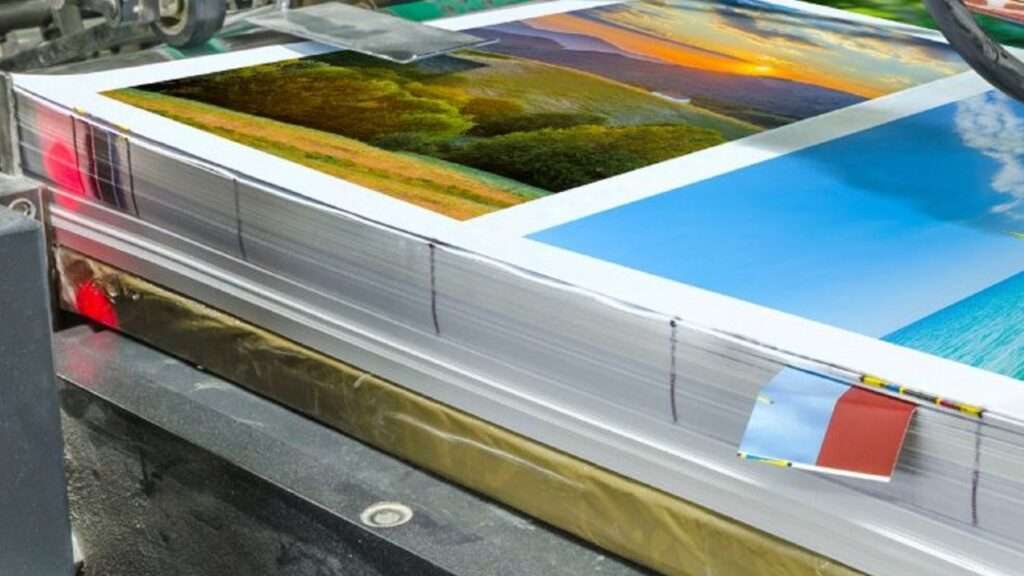
Choice of paper and binding affects readability, durability and perceived quality. For school textbooks you’ll want sturdy paper and a durable binding; for marketing books or corporate reports you may select coated stocks, spot UV, foil stamping, or laminated covers for impact.
Common options:
- Paper: uncoated for textbooks and manuals, coated (silk or gloss) for photo-heavy books and catalogues.
- Binding: saddle-stitched (booklets), perfect bound (trade paperbacks), case bound (hardcovers) for high-end books.
- Finishes: matte/gloss lamination, aqueous coating, spot UV, embossing and foil stamping for premium covers.
When preparing materials for distribution across South Africa, think about shipping and classroom handling — a laminate and a strong binding reduce damage during use in schools.
How long does book printing and delivery take?
Turnaround depends on method, quantity and finishing. Digital projects can be ready in days, while large litho runs with special finishes may take several weeks. If you’re preparing for school term starts or events, plan ahead and confirm lead times for bulk educational printing for schools and for print delivery across South Africa.
Typical timelines:
- Small digital run (1–200 copies): 1–5 business days after final files approved.
- Medium run (500–1000 copies): 1–2 weeks depending on binding and finishes.
- Large litho run (1000+ copies): 2–6 weeks including finishing, packing and shipping.
Fast turnaround printing for events and promotions usually uses digital or short-run litho with simplified finishes to meet deadlines.
How can I make book printing more eco-friendly?
Sustainable choices reduce environmental impact without compromising quality. Eco-friendly options include using FSC-certified paper, eco inks, recycled stocks, water-based coatings and optimising runs to reduce excess inventory. Many printers in South Africa now offer green options and can provide environmental certifications on request.
Why it matters: According to UNESCO, textbooks and printed educational materials remain essential for classroom learning in many regions, so using sustainable materials helps preserve resources while supporting education. Ask your printer about carbon offsetting, recycled packaging and low-VOC finishes when planning educational or commercial printing projects.
How should I prepare PDF files to avoid print delays?
Files that are print-ready speed up production and lower costs. Provide a single, flattened PDF/X-1a or PDF/X-4 file with embedded fonts, correct bleed (typically 3mm) and trim marks. Use CMYK colour profiles for print and include a separate PDF proof if you want to see color-accurate proofs before printing.
Checklist for prepress:
- Embed or outline all fonts.
- Convert colours to CMYK; avoid RGB for production files.
- Include bleed and crop marks; maintain safety margins for text.
- Provide high-resolution images (300 dpi recommended for photos).
If your materials are for education printing, training manuals or textbooks, ask the printer for a preflight check and a soft proof to catch issues early — this reduces costly reprints.
Can I print textbooks and training manuals for schools in South Africa?
Yes. Book printing for schools often requires purpose-built solutions: durable bindings, uncoated or heavier internal stock for frequent handling, and efficient logistics for term starts. Many commercial printers specialise in bulk educational printing, classroom sets and delivery to multiple school districts.
If you’re printing study guides or training manuals, consider working with an experienced provider who understands school procurement cycles. For specialised textbook runs or educational projects, check services like textbook printing and education printing to find options tailored to schools and institutions.
According to Statista, the global printing services market was valued broadly in the hundreds of billions of dollars — underscoring the continuing demand for printed learning materials worldwide.
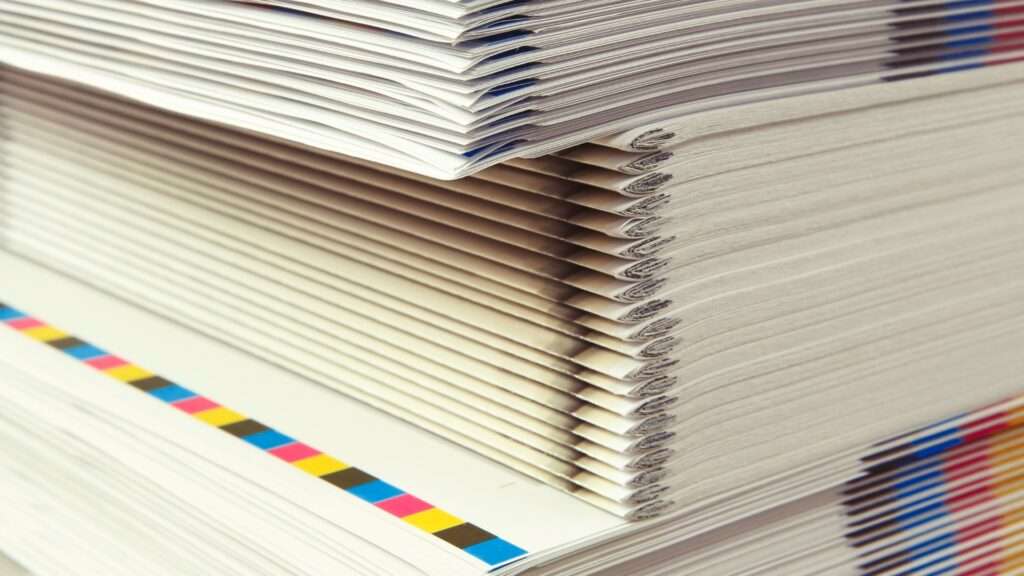
How do printing services support marketing materials — brochures, catalogues and booklets?
Printing supports marketing through high-quality collateral: brochures, catalogues and booklets are essential for product launches, events and retail displays. Printers offering both litho and digital services can produce everything from business card printing to full-colour catalogues with special finishes.
Where to start:
- Define the use-case: trade show, direct mail, point-of-sale or internal distribution.
- Choose the right format: multi-page booklet, saddle-stitched brochure or wire-bound manual.
- Select stock and finishing to match brand tone — matt lamination for understated luxury, gloss for vivid imagery.
Check services such as brochure printing and catalogue printing for tailored quotes. For smaller informational packs and event materials, booklet printing is often the most cost-effective approach.
How does print-on-demand and custom publishing work?
Print-on-demand (POD) lets you print in small quantities or individual copies as orders arrive. It reduces inventory costs and is ideal for self-publishers, small presses and companies offering personalised books. Custom publishing combines design, editorial and printing services to create a finished product you can market or distribute.
Benefits of POD and custom publishing:
- Lower upfront costs and minimal warehousing.
- Ability to update content between print runs without waste.
- Variable data printing for personalization — useful for direct-mail promotions and tailored training manuals.
For authors or organisations seeking one-off runs or staggered releases, POD is a practical solution; for larger quantities or premium finishes, custom litho printing is preferable.
How do I choose a printer in South Africa and what questions should I ask?
Selecting a printer is about capability, reliability and communication. Ask potential suppliers about their experience with similar projects (school textbook printing, brochure or catalogue jobs), lead times, proofing policies, and sample work. Confirm shipping options and whether they offer print delivery across South Africa to your target locations.
Key questions:
- Do you offer both litho and digital printing, and which do you recommend for my run size?
- Can you provide references or samples of past educational printing or catalogues?
- What is included in the price (proofs, packaging, delivery)?
- Do you provide eco-friendly materials and certifications?
Also check turnaround reliability for school term preparation and confirm the printer’s ability to handle bulk deliveries to multiple addresses if your project requires distribution across different provinces.
Where can I learn more about the technical side of printing?
For a broad overview of printing techniques and history, see the printing entry on Wikipedia: Printing. For applied services in South Africa, consult providers with specialised pages for books and manuals, like books printing and training manual printing, to compare services and request samples.
Before you print, get multiple quotes, request a physical proof, and clarify delivery and post-print handling to ensure quality from press to reader.
According to UNESCO and global education bodies, printed textbooks and reliable distribution remain core components of effective schooling in many regions, reinforcing the value of well-planned book printing for educational outcomes.
Contact Print It ZA today, for a Free Quote and Speedy Service.
Print It ZA, we deliver Printing Best!