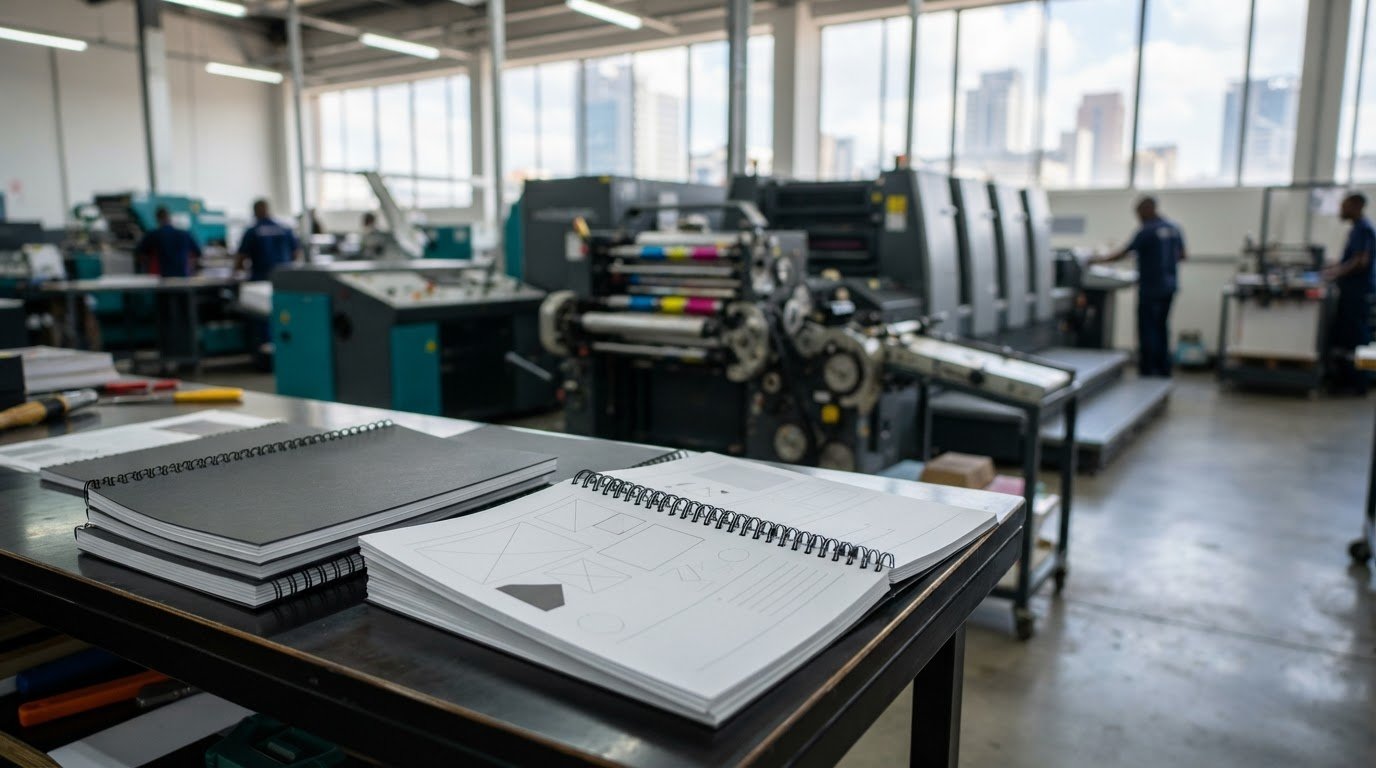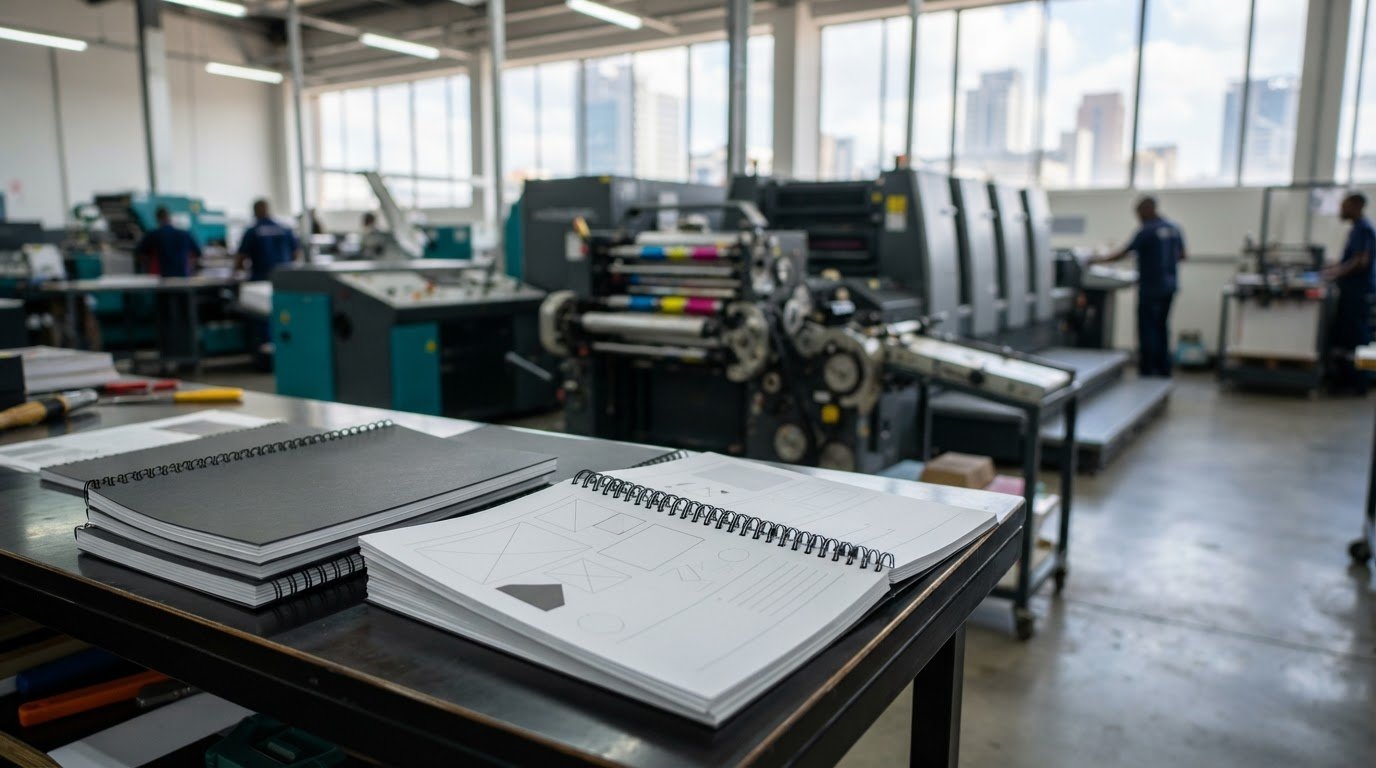

Business card printing is a crucial touchpoint for any small business or school supplier in South Africa, setting first impressions through paper, finish and delivery. This guide answers the most common questions about card stocks, finishes, turnaround, sustainability and pricing while tying in commercial and educational printing needs like brochures, booklets and catalogues.
What cardstock weights and sizes work best for business card printing?
Choosing the right cardstock is foundational for business card printing. Cardstock is measured in gsm (grams per square metre) and points; typical choices range from 300gsm lightweight cards to 450gsm premium stocks. The most common size is 90 x 50 mm in South Africa (or the international 85 x 55 mm), but custom sizes are increasingly popular for events and promotions.
Use this quick reference table to match card stock to purpose:
| GSM / Points | Feel | Best for |
| 300–350 gsm | Light, flexible | Everyday business cards, bulk runs for events |
| 350–400 gsm | Sturdy, professional | Sales reps, boutique businesses, multi-sided cards |
| 400–450+ gsm | Luxury, rigid | Premium branding, eco-thick recycled cards |
A paragraph of guidance: 300–350gsm is a cost-effective sweet spot for most small businesses, offering a professional hand-feel without high expense. For school-related printing — such as staff or donor cards during school term preparation — 350gsm brings durability for frequent handling. For high-end agency or packaging tie-ins, 450gsm or thick recycled stocks support premium finishes like soft-touch or spot varnish.
Which finishes should I choose for lasting impressions and durability?
Finishes transform how a business card feels and performs. Popular finishes include gloss UV coating, silk/matte coating, soft-touch lamination, aqueous coatings and spot UV for highlight areas. Each finish communicates something different: gloss is vibrant, matte is modern and soft-touch feels luxurious.
Consider finishes in relation to use: for busy sales teams and frequent hand-offs, lamination or aqueous coating protects against scuffs and moisture. For printed educational materials and event badges in bulk educational printing for schools, a durable matte is readable and practical. Custom print finishes are available for promotional campaigns and packaging crossovers in catalogue printing or brochure projects.
How long does business card printing and turnaround take in South Africa?
Turnaround depends on quantity, print method and finishes. Digital printing for small batches (up to a few hundred) can be ready in 2 to 4 working days; litho (offset) is cost-effective for large runs but requires plate setup and typically takes 4–7 business days. Fast-turnaround printing options are available for urgent events and promotions nationwide, with express services delivering across South Africa.
Concrete advice: if you need cards for an event, allow at least 3 working days for a standard digital job with basic finishing. For high-volume orders aligned with school term preparation or textbook and booklet printing schedules, plan 1–2 weeks to accommodate proofs, approvals and delivery.
What are the cost drivers for business card printing?
Pricing is influenced by quantity, paper weight, finishes, colour complexity, and whether the job is digital or litho. Digital printing has minimal setup costs, making it ideal for low quantities and variable data (personalised cards). Litho printing lowers per-unit cost for large runs but adds setup fees. Special finishes such as foil stamping, embossing or spot UV add to cost.
Budget tips: choose a staple stock and one-sided printing to save on small runs; use litho for large-volume distribution such as nationwide marketing campaigns or school mailing inserts connected with catalogue printing and brochure printing services. For short deadlines, express fees may apply — weigh those against the value of timely delivery for events and promotions.
How do I design business cards for print (file setup and bleed)?
For reliable business card printing, set your document to the correct trim size with 3 mm bleed on all sides, use CMYK colour mode (not RGB), and supply files as high-resolution PDFs with embedded fonts or converted text to curves. Keep important text at least 3–5 mm from the edge to avoid trimming issues.
Design guidance: use vector logos for crisp edges, check colour proofs (hard proof or calibrated PDF proof) before large runs, and confirm spot-colour requirements if you’re using metallic inks or foil. Many commercial printing houses in South Africa that offer custom publishing and print-on-demand also provide templates to simplify setup and reduce turnaround delays.
Can business card printing be eco-friendly and cost-effective?
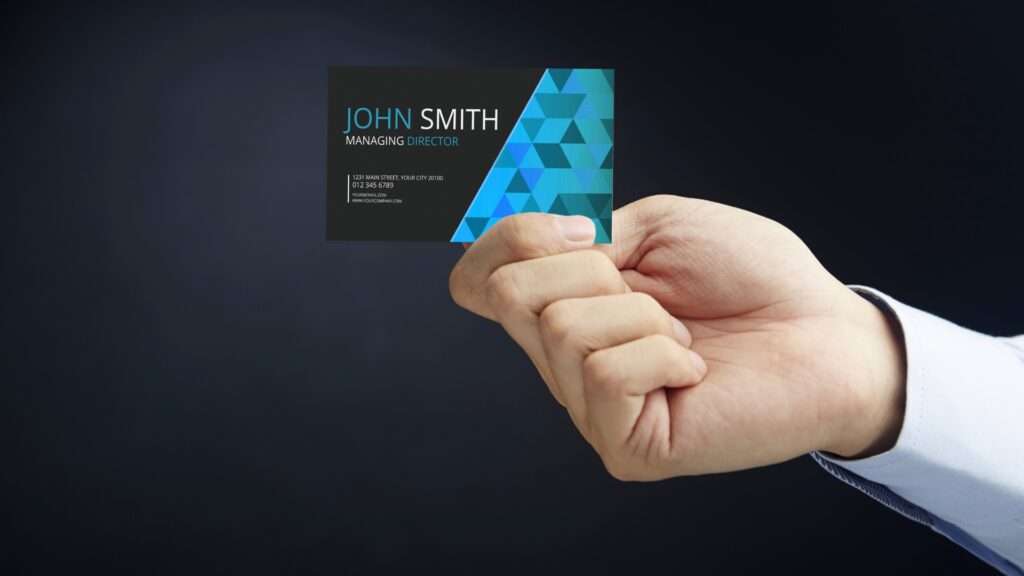
Yes. Eco-friendly printing options include recycled cardstocks, FSC-certified papers, eco inks and water-based coatings. Choosing a slightly lighter but recycled 350gsm stock and water-based matte coating can significantly lower environmental impact without compromising perceived quality. Print-on-demand helps eliminate overproduction and reduces waste.
According to industry observers, demand for eco-friendly printing options has grown markedly in the last five years, especially among educational printing clients preparing sustainable materials for schools. For cost-effective and responsible print solutions, ask your printer about certified recycled stocks and local delivery to reduce transport emissions.
Which print method is best: digital, litho or hybrid?
Each method has strengths. Digital printing is perfect for fast, personalised, low-quantity orders with quick turnaround. Litho (offset) offers superior colour fidelity and lower unit costs at high quantities, ideal for catalogue printing, booklet printing and large business card batches. Hybrid approaches mix digital for variable data with litho for base plates and special finishes.
Decision guideline: choose digital for under 500–1,000 cards, litho for large marketing runs or multi-item campaigns that include brochures or training manuals. Many commercial printing providers in South Africa offer flexible hybrid workflows to support small businesses and schools with both fast turnaround and volume discounts.
How should I handle variable data and staff cards for schools and businesses?
Variable data printing (VDP) allows each card to have unique names, job titles, or QR codes without separate plates. This is hugely valuable for staff cards, membership cards for schools, or conference badges. Digital presses handle VDP efficiently, enabling personalised runs even in bulk educational printing for schools.
Practical note: prepare a CSV with all fields, confirm font embedding and special characters, and run a small test batch to validate alignment. For training manuals or booklet printing that also require name inserts, coordinate design consistency across materials (fonts, colours, logo usage) to reinforce brand recognition.
What finishing effects (foil, emboss, die-cut) are available and when to use them?
Special finishing effects elevate a business card from ordinary to memorable. Foil stamping adds metallic highlights; embossing or debossing creates tactile depth; die-cutting enables unique shapes; spot UV adds glossy highlights on matte surfaces. Use these selectively—typically on key brand elements like logos or taglines—to maintain readability and keep costs manageable.
When to choose which: foil works well for premium financial services or gift-card style promotions; embossing suits luxury or boutique offerings; die-cut can make event passes or shaped cards stand out during expo distribution. Combine special finishes thoughtfully with marketing items like brochures, catalogues and booklets to maintain cohesive campaign aesthetics. According to Wikipedia, special finishing techniques have long been used in print to create tactile branding effects.
How is quality checked and what is a print proof?
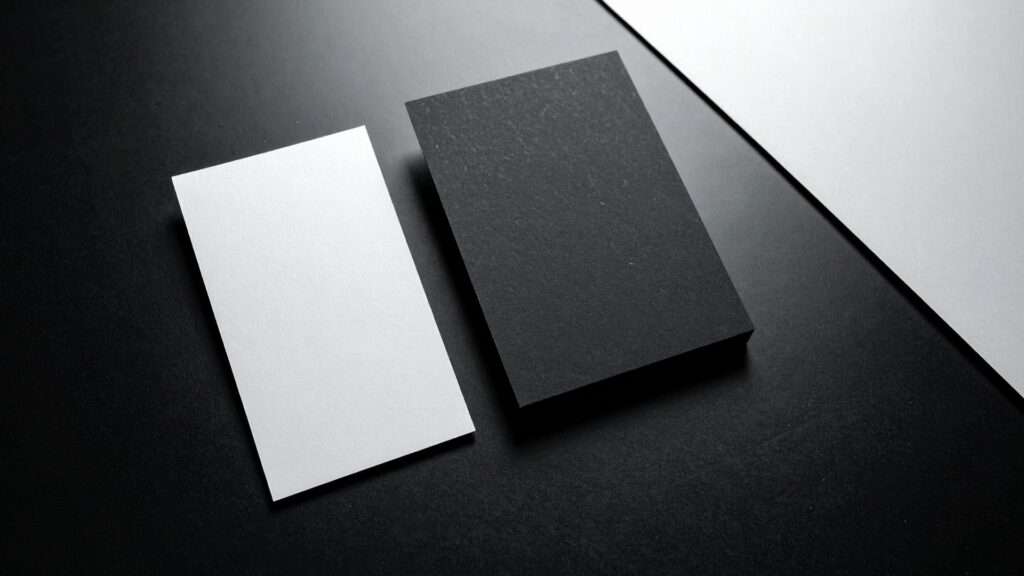
Quality control in business card printing includes preflight checks, colour proofing, test prints and post-press inspection. A print proof is a sample of the final output (digital proof, PDF proof or physical hard proof) used to confirm colours, layout, type legibility and finishing placement. Always request a proof when ordering larger runs or special finishes to avoid costly mistakes.
Industry practice: for full-colour litho runs or jobs with foil and embossing, ask for a hard proof. For quick digital jobs, a high-resolution PDF proof is often sufficient. According to a South African print trade advisory, 90% of print errors are caught in the proofing stage when customers review carefully.
How do I choose a local printer in South Africa for reliable delivery and support?
Select a printer based on reputation, turnaround options, sample packs and integration with your projects like brochure printing services, books printing or training manual printing. Look for local providers who offer print delivery across South Africa and who can handle bulk educational printing for schools as well as small business marketing materials.
Checklist for selection: ask for sample cards across stocks and finishes; verify lead times and shipping costs; confirm eco certifications if sustainability matters; and ensure they can scale from small runs to bulk jobs tied to catalogue printing or booklet printing. According to customer surveys, responsiveness and proof quality are the top two factors businesses cite when choosing a printer.

How can I integrate business card printing with broader marketing and print campaigns?
Business card printing should never be isolated — integrate design, colour palette and typography across brochures, catalogues, booklets and digital assets to create a consistent brand presence. For school events, combine staff cards with booklets and handouts for cohesive term-ready materials; for small businesses, align cards with promotional brochures and training manuals to strengthen messaging.
Implementation tips: build a print brief that includes target audiences, quantities, timeline and budget; coordinate with your printer’s account manager for bundle savings across brochure printing services, catalogue printing and business card orders; and plan deliveries to meet event dates and term schedules to avoid rush fees. According to market research, consistent branding across print items increases recognition and trust among customers and stakeholders.
What common mistakes should I avoid when ordering business card printing?
Common errors include low-resolution artwork, missing bleed, incorrect colour mode (RGB vs CMYK), fonts not embedded, and not approving a proof. Avoid overly ornate fonts at small sizes, and be mindful of colour shifts between screen and print. Also, not accounting for trimming and safe zones can lead to cut-off logos or text.
Remedies: use provided templates, request a proof for any non-standard finishes, and verify all variable data fields for personalised jobs. Partnering with a printer experienced in commercial and educational printing, including school textbook printing or custom publishing, helps anticipate pitfalls and ensure smooth delivery across South Africa.
How do turnaround, pricing and sustainability trade-offs affect my final decision?
Faster turnaround often incurs premium costs; heavier or specialty stocks and luxury finishes increase price and environmental footprint. Balance needs by prioritising what matters most — speed, luxury, sustainability or cost. For many schools and small businesses, mid-weight recycled stock with a durable matte finish offers a practical compromise.
Final recommendation: compile your priorities and ask for three quotes: a standard run, a premium-finish option and an eco-conscious variant. This helps you compare cost-per-unit, lead time and sustainability impact. When coordinating with broader print campaigns like training manual printing or booklet printing, bundling items often reduces overall costs and improves scheduling.
For more on print formats and to coordinate business card printing with brochure and catalogue assets, see our brochure and catalogue resources and remember to balance print quality, turnaround and cost for the best result.
Related services: brochure printing services, catalogue printing, booklet printing, training manual printing, textbook printing.
External reference: Business card on Wikipedia.
Contact Print It ZA today, for a Free Quote and Speedy Service.
Print It ZA, we deliver Printing Best!