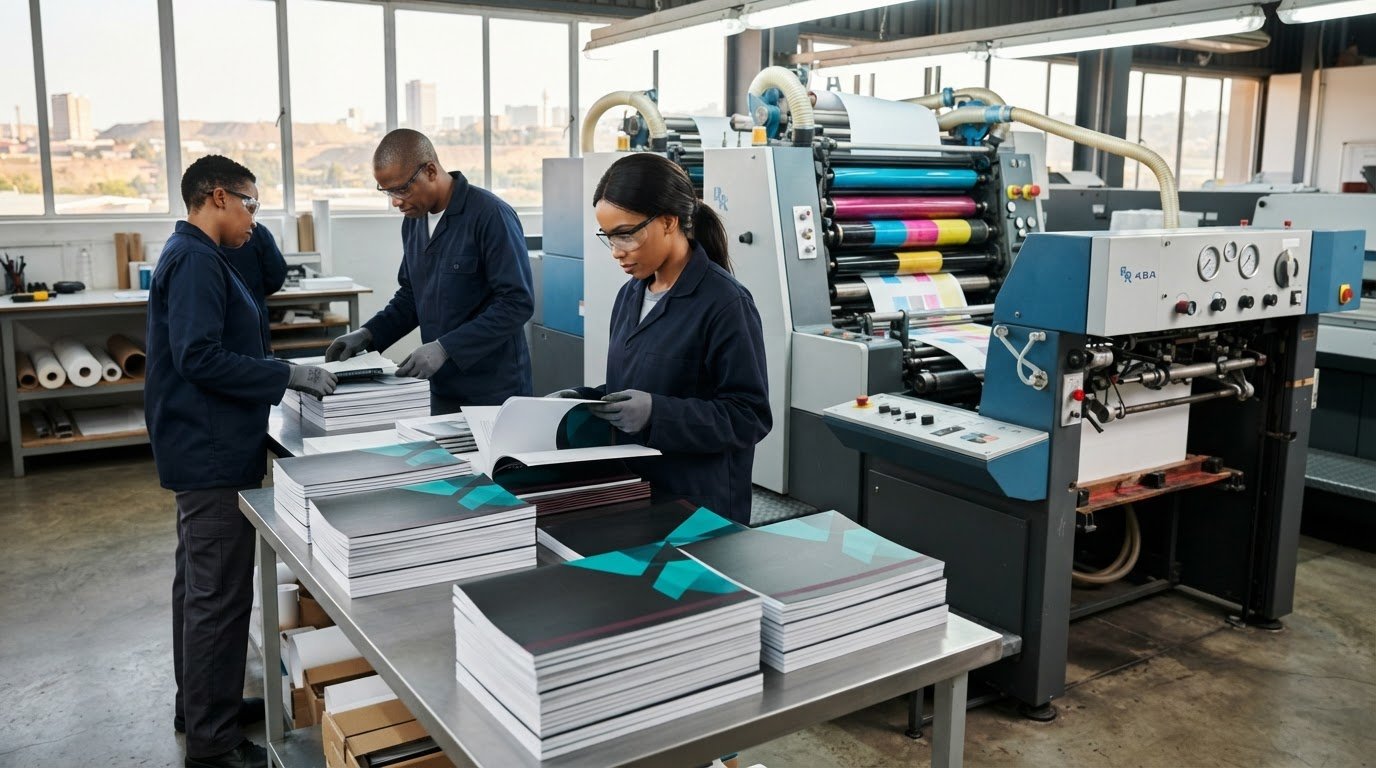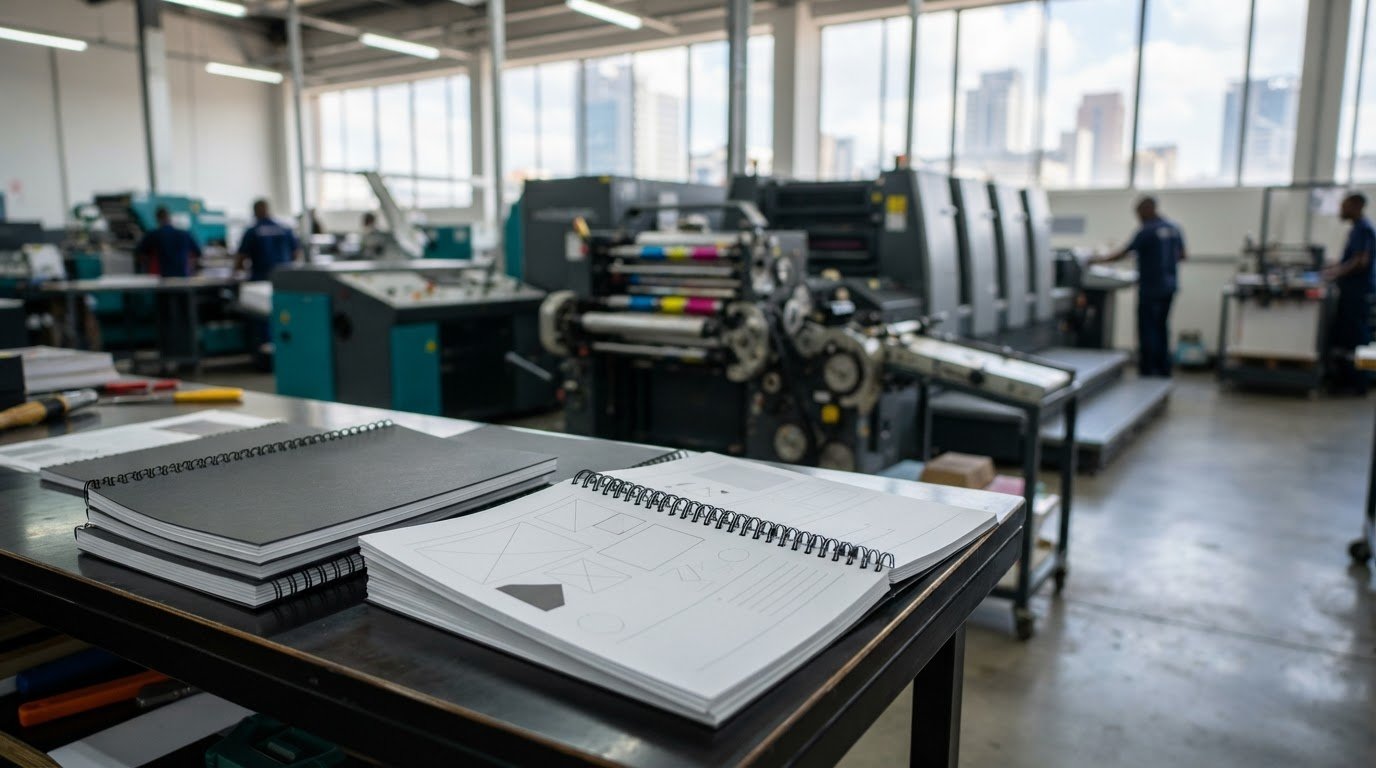
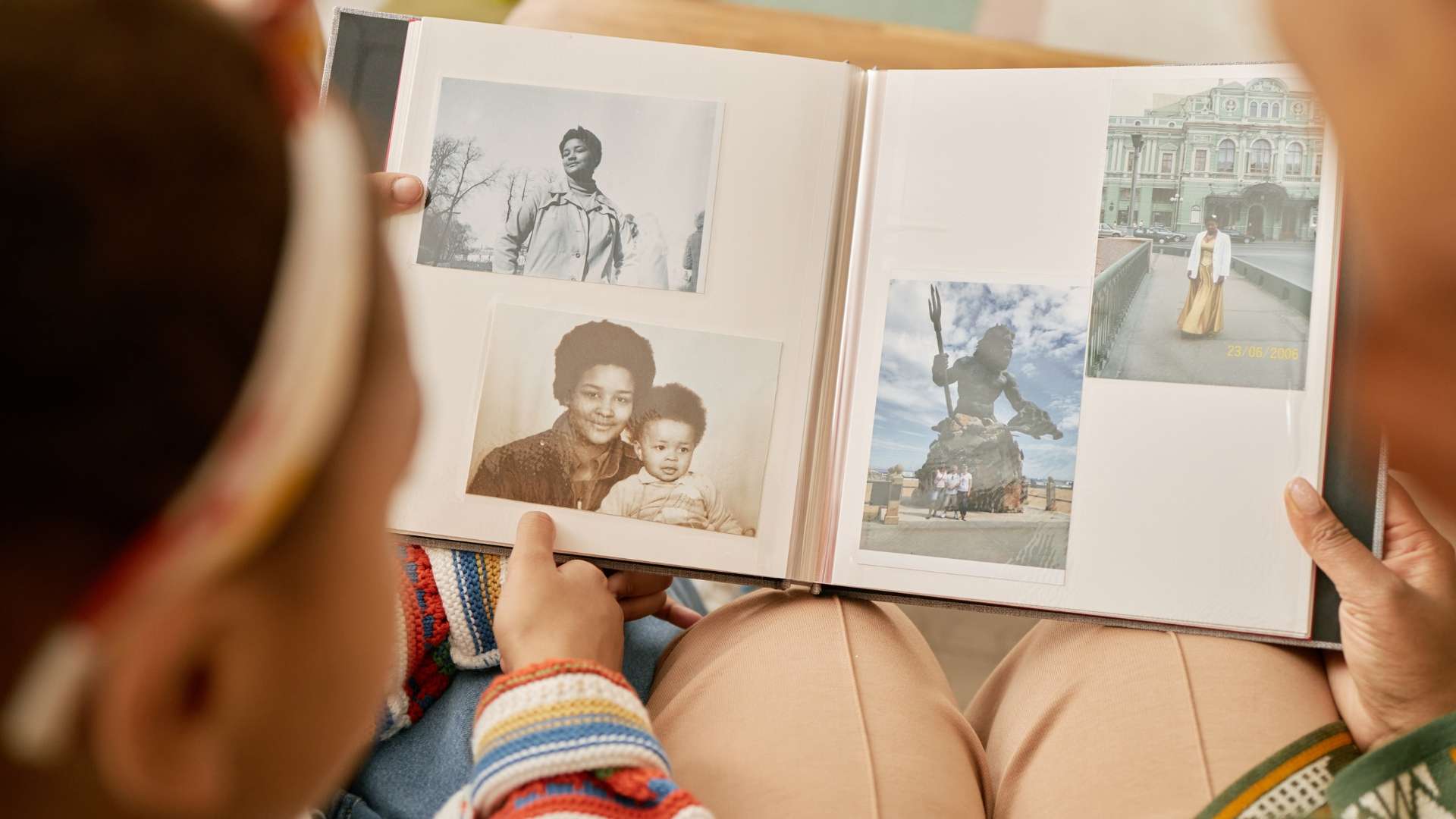
Photo book printing is a powerful way to preserve memories, produce marketing assets, and create classroom resources, and choosing the right combination of layout, paper and binding makes all the difference. This guide covers practical decisions for businesses, schools and creatives in South Africa, blending commercial and educational printing needs with cost-effective and sustainable options.
What is photo book printing?
Photo book printing refers to the process of producing bound photographic books from digital images. It ranges from single-run custom books to high-volume runs for school yearbooks and promotional catalogues. Photo book printing overlaps with commercial printing services such as booklet printing and custom publishing, and it frequently uses both litho and digital printing methods depending on run-length, turnaround and budget.
Photobooks have a documented history as an art and commercial format; for an overview of photobooks and their development, see the Wikipedia entry on photobooks. According to Wikipedia, photobooks have been used as artistic mediums and commercial products since the early 20th century, with waves of innovation tied to printing technology improvements.
How should I choose a layout for my photo book printing project?
Choosing the right layout is a strategic step in photo book printing because layout determines pacing, narrative flow and how images reproduce on paper. Start with the purpose: a wedding album needs large, emotional spreads; a school yearbook demands consistent grid layouts and space for captions; a company portfolio or catalogue uses flexible multi-column arrangements to blend imagery with product copy.
Common layout approaches:
- Full-bleed spreads for immersive photography
- Grid layouts for consistency in yearbooks and catalogues
- Left-image, right-text for product or training manuals
- Mosaic or collage pages for events and promotional brochures
Software: design in InDesign, Affinity Publisher or cloud-based design tools with print-ready exports (PDF/X‑1a recommended). For multi-unit commercial runs, create a master template and apply batch preflight checks. In educational printing and school textbook printing, standardized templates speed production and cut proofing time.er or cloud-based design tools with print-ready exports (PDF/X‑1a recommended). For multi-unit commercial runs, create a master template and apply batch preflight checks. In educational printing and school textbook printing, standardized templates speed production and cut proofing time.
What paper types are best for photo book printing?
Paper choice is one of the biggest drivers of perceived quality and cost in photo book printing. Options range from economical uncoated text stocks to premium coated photo papers. The right pick depends on image saturation, tactile finish and durability needs.
Common paper types and uses:
| Paper Type | Characteristics | Best For |
|---|---|---|
| Gloss coated | High sheen, vivid colour, strong contrast | Portfolios, wedding albums, promotional books |
| Satin / Silk | Reduced glare, elegant finish | Yearbooks, corporate brochures |
| Matte coated | Soft look, good for skin tones, low reflection | Art books, training manuals |
| Uncoated | Textured, writable, cost-effective | School workbooks, newsletters |
According to industry sources, the choice between digital and litho printing often depends on the paper: litho presses can yield deeper blacks and more consistent results on coated stocks for high-volume jobs, while digital presses offer excellent short-run quality and economical print-on-demand solutions.
Which binding options suit different photo book projects?
Binding directly affects longevity, lay-flat performance and visual presentation. For photo book printing you typically choose among PUR (polyurethane reactive) binding, sewn binding, perfect binding, wire-o, and lay-flat panoramic binding. Each has advantages depending on the project type.
- Sewn binding (section-sewn): Superior durability, great for textbooks and premium photobooks.
- Pur perfect binding: Strong adhesive binding for mid-range photo books and catalogues.
- Lay-flat binding: Ideal for wedding albums and portfolios where full-spread panoramas are key.
- Wire-O or spiral: Practical for training manuals and educational workbooks that must open flat.
For bulk educational printing, such as school textbook printing and training manuals, sewn and PUR bindings are usually preferred for long-term classroom use. For marketing materials like brochures and catalogues, perfect binding and saddle-stitching remain cost-effective and attractive.
How do size and format affect photo book printing?
Size and trim influence image composition, shipping costs and shelf presence. Standard sizes include A4 and A5 (metric), but square formats (e.g., 210x210mm) and panoramic sizes are popular for photobooks and portfolios. Decide on orientation — portrait for portraits and yearbooks, landscape for panoramas, square for modern lookbooks.
Consider these trade-offs:
- Larger formats increase image impact but also production and postage costs.
- Square formats simplify layout for mixed orientation images.
- Panoramic spreads require careful bleeds and typically lay-flat binding for best results.
For catalogue printing and booklet printing, keep standard sizes to streamline imposition and reduce waste. Many South African print providers offer position-based pricing that lowers per-unit cost as size and quantity scale up.
How should I prepare images and files for photo book printing?
Preparing files correctly prevents delays and ensures colour fidelity in photo book printing. Key steps include colour management, resolution checks, bleed and safe area setup, and embedding fonts where text appears.
- Resolution: 300 dpi at final trim size for photos; avoid upscaling low-res images.
- Colour: Work in RGB for photo editing, convert to CMYK with soft proofing for print. Ask the printer for their ICC profile.
- Bleed and safe zones: Standard 3–5 mm bleed, keep critical content 5–10 mm inside trim.
- File format: Export high-quality PDF/X-1a for most commercial printers; include crop marks.
According to common print-house guidelines, failing to supply print-ready files is the main cause of production delays. Many printers in South Africa offer prepress checks as part of fast turnaround printing to catch color and resolution issues before press.
What custom finishes and cover options can enhance photo book printing?
Finishes and covers differentiate a photo book. Standard cover types include soft-touch matte covers, laminated gloss, leatherette, and printed casebound hardcover. Finishing touches like spot UV, foil stamping, debossing and edge painting elevate presentation for portfolios and corporate gifts.
Consider finishes by use case:
- Spot gloss UV or foil for premium catalogues and brochure printing services aimed at clients.
- Soft-touch laminate for tactile wedding albums and high-end photobooks.
- Durable laminates and rounded corners for school books and manuals that withstand frequent handling.
Custom finishes add cost but can dramatically improve shelf appeal and perceived value — an important consideration for small business marketing materials and event books.
How can I balance cost and quality for bulk educational and commercial runs?
Balancing cost and quality is essential when ordering large runs for schools or businesses. Quantity discounts, choice of printing process (digital vs litho), paper weight and binding type all affect price. For schools preparing for a new term, advance planning and locked designs produce the best unit pricing.
Cost-saving strategies:
- Use digital printing for short runs, contrast with litho printing for large volumes to reduce unit cost.
- Standardise templates across textbooks, workbooks and manuals to speed prepress and reduce page-count variability.
- Choose high-quality but mid-weight papers that are durable without unnecessary expense.
- Consolidate orders (e.g., combine brochures and catalogues) to leverage production economies.
According to industry analysts, print-on-demand and digital short runs are increasingly used for educational printing to manage inventory and shrinkage, and to allow rapid updates to training manuals and school textbooks.
What turnaround and delivery options are available across South Africa?
Turnaround times vary by complexity and quantity. Digital short runs can be completed in 3 to 5 working days; litho runs for hundreds and thousands of copies need weeks for setup and printing. Many South African printers offer express services for events and promotions, and national delivery networks to reach major centres from Cape Town to Johannesburg and smaller towns.
Tips for meeting deadlines:
- Confirm prepress timelines and sign-offs in writing.
- Ask about staged deliveries for bulk runs used across multiple school campuses or retail locations.
- Use local printers for faster distribution across South Africa, and request tracking and insurance for high-value shipments.
Fast turnaround printing is commonly bundled with proofing options; always request a hard-proof for critical colour work or finishes to avoid surprises.
Are eco-friendly photo book printing options available?
Yes. Sustainable choices include FSC-certified papers, eco-inks, post-consumer recycled stocks and energy-efficient print processes. Many printers now offer eco options for catalogue printing, brochure printing and school materials, enabling institutions and small businesses to reduce environmental impact while maintaining quality.
Practical eco tips:
- Specify recycled or FSC-certified stocks for internal pages and covers.
- Consolidate print runs and use print-on-demand to reduce unsold inventory.
- Ask about waterless printing processes and low-VOC coatings.
According to sustainability reports from major print associations, demand for eco-friendly printing solutions has increased as businesses and schools prioritize green procurement.
How can I use photo book printing for marketing, events, and school term preparation?
Photo books are versatile: use them as brand portfolios, event recap books, yearbooks, training manuals, or promotional catalogues. For businesses, a well-designed product photo book can function as a leave-behind sales tool; for events, it becomes a memorable keepsake. Schools rely on photobooks for yearbooks and as part of school textbook printing packages that combine imagery with curriculum content.
Implementation checklist:
- Define the primary audience and distribution channels.
- Choose a print run strategy: bulk for giveaways, print-on-demand for updates and replacements.
- Coordinate with designers to ensure brand and curriculum consistency across printed items like brochures and booklets.
- Schedule production around school terms and events to ensure timely delivery.
For one-off event pieces, short-run digital photo book printing offers quick turnaround and cost efficiency. For ongoing educational materials, standardised production and stronger bindings improve long-term value.
Where can I get professional photo book printing and related services in South Africa?
South Africa has a mature commercial printing sector offering litho and digital printing, packaging printing, print-on-demand and custom publishing. When choosing a provider, look for a partner with experience in commercial printing, education-printing and booklet printing if you’re producing textbooks, manuals or catalogues.
Recommended actions:
- Request samples to compare paper stocks and finishes.
- Ask for client references in your industry (education, events, marketing).
- Confirm quoting includes prepress, proofing, binding and delivery costs.
For specialised services, review partners that explicitly list educational printing, brochure printing services, training manual printing and book printing. Consolidating multiple needs – training manuals, catalogues, newsletters and business cards – with one supplier can simplify logistics and deliver savings.ultiple needs – training manuals, catalogues, newsletters and business cards – with one supplier can simplify logistics and deliver savings.
Useful printing resources and next steps
Before submitting artwork, gather final images at 300 dpi, confirm page counts, and decide on paper and binding. Ask your printer for an itemised quote and a prepress checklist. If you produce materials for schools, align schedules with term dates and request early proofs to allow for curriculum sign-off.
Internal resources to explore for specific production types:
- School textbook printing — guidance for durable bindings and curriculum-ready formats.
- Brochure printing services — for promotional supplements and event guides.
- Training manual printing — best practices for durable and easy-to-use manuals.
- Books printing — for custom publishing and casebound options.
- Education printing — services tailored to schools and institutions.
Planning ahead and choosing the right layout, paper and binding will ensure your photo book printing project meets both aesthetic goals and budget constraints. Whether you need a single premium photobook, bulk yearbooks for schools, or catalogues for a national marketing rollout across South Africa, the right partner can streamline production from proof to delivery.
Contact Print It ZA today, for a Free Quote and Speedy Service.
Print It ZA, we deliver Printing Best!