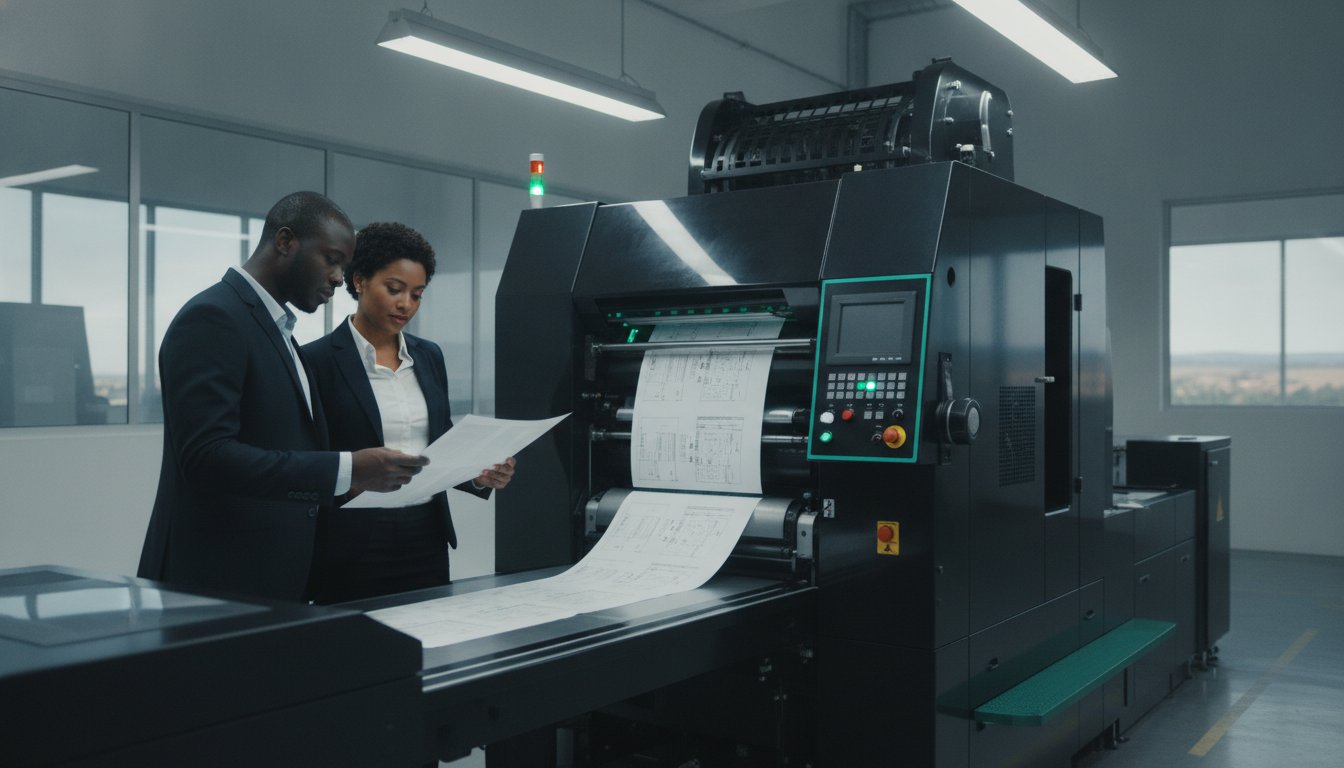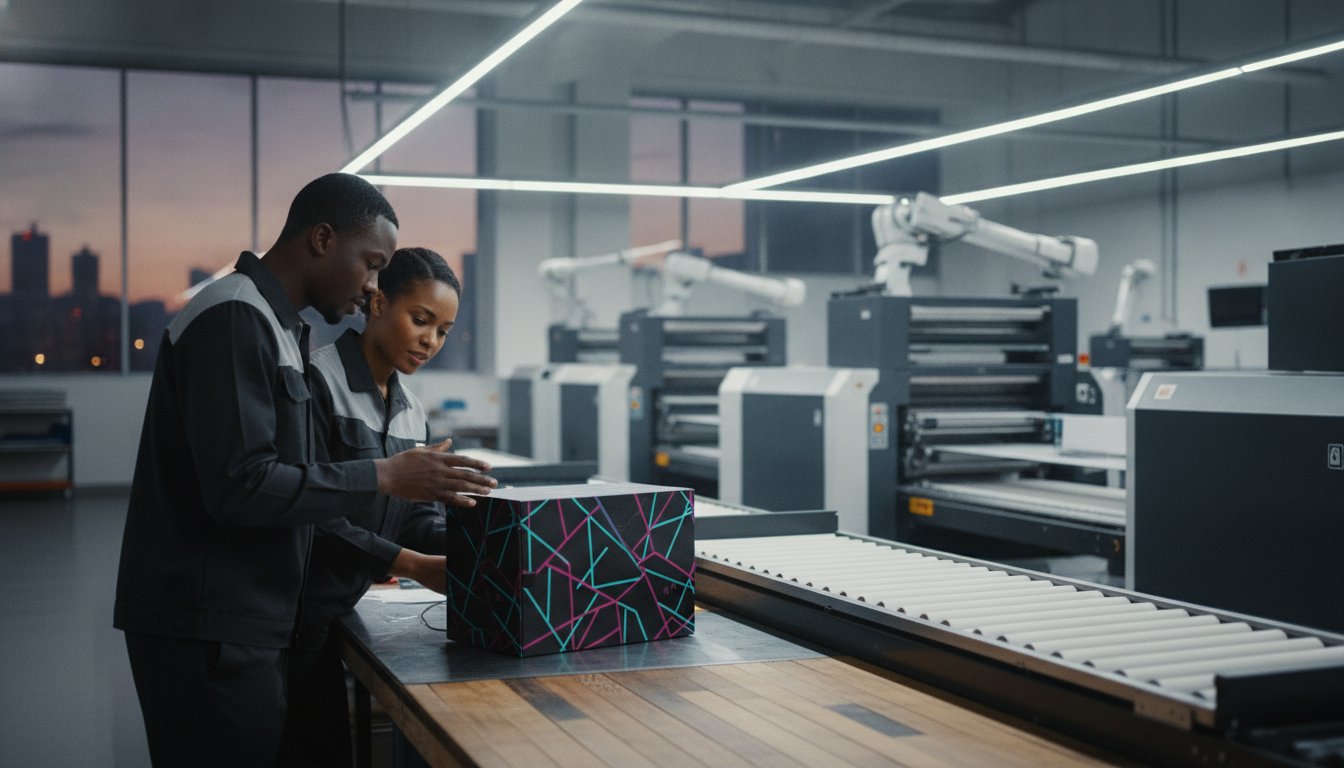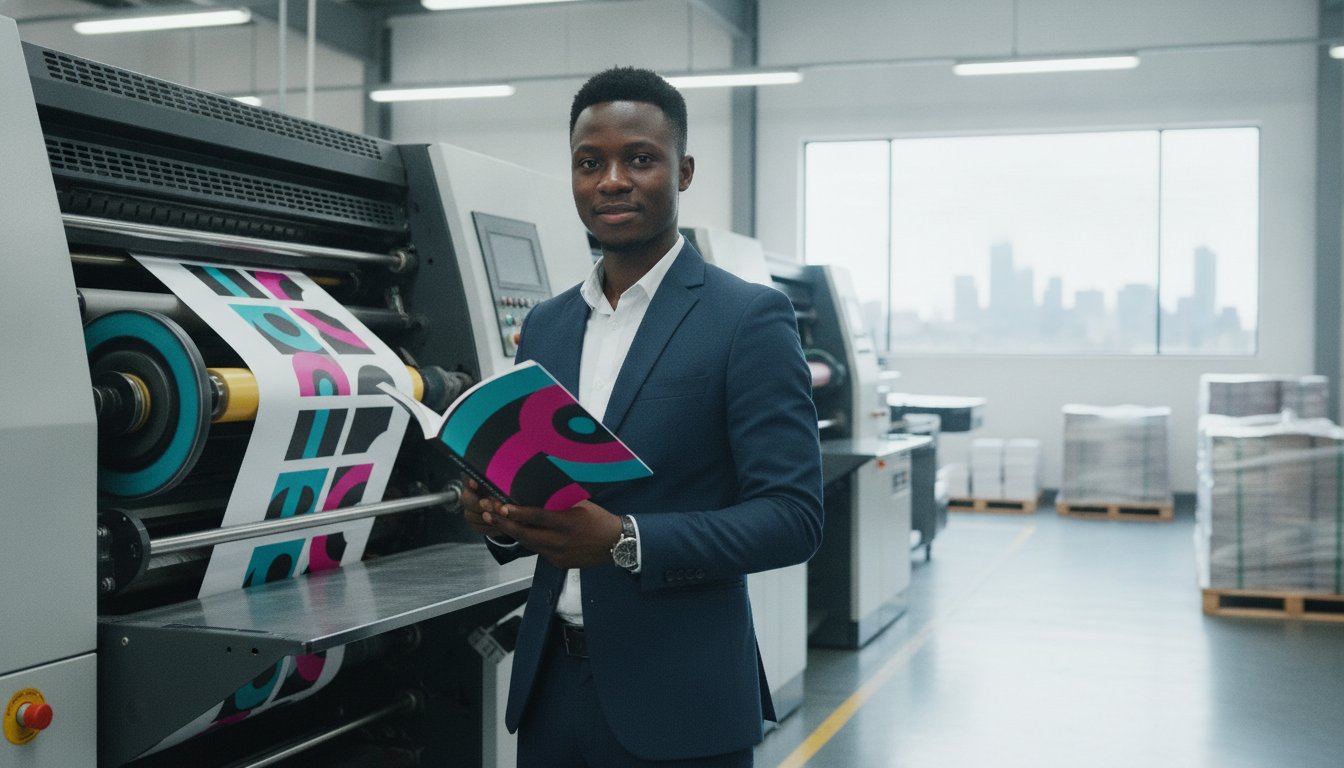

Professional brochure printing is the foundation of memorable marketing collateral — whether you’re preparing school term materials, a product catalogue, or event flyers in South Africa. This guide answers the most common questions about paper stocks, folding options, premium finishes, pricing, and delivery so you can choose the right solution for commercial printing, educational printing and small business promotions.
What is professional brochure printing and why choose it?
Professional brochure printing is the production of multi-panel printed marketing pieces using high-quality paper stocks, accurate color reproduction, and finishing options like gloss, matte, UV coating or soft-touch lamination. Businesses and schools choose professional brochure printing because it elevates perceived value, improves readability for printed educational materials, and ensures consistent branding across bulk orders.
In South Africa, institutions depend on reliable print partners for bulk educational printing for schools and term preparation; professional output helps maintain consistent color and durable finishes for frequent handling. For commercial and catalogue printing, professional finishes help products stand out at events and retail points.
Which paper stocks are best for brochures?
Choosing the right paper stock affects durability, feel, and how colors appear. The most common brochure stocks range from lightweight 90 gsm text through 150–300 gsm silk or coated cover stock, up to heavy card like 350 gsm for premium fold-outs. For newsletters and multi-page school handouts, 80–150 gsm text paired with a slightly heavier cover is typical.
Considerations when selecting paper stock:
- Perceived quality: Heavier cover stocks (250–350 gsm) feel premium and are ideal for corporate brochures, catalogues and booklet covers.
- Fold performance: Lighter stocks fold more cleanly for multi-panel pieces; heavy stocks may crack on tight folds without scoring.
- Ink saturation and color: Coated stocks (gloss or silk) produce vivid color; uncoated stocks suit tactile, eco-friendly designs.
For bulk educational printing like textbooks and training manuals, durable uncoated stocks with strong opacity reduce show-through and are practical for classroom use. See sample production options at textbook printing and training manual printing.
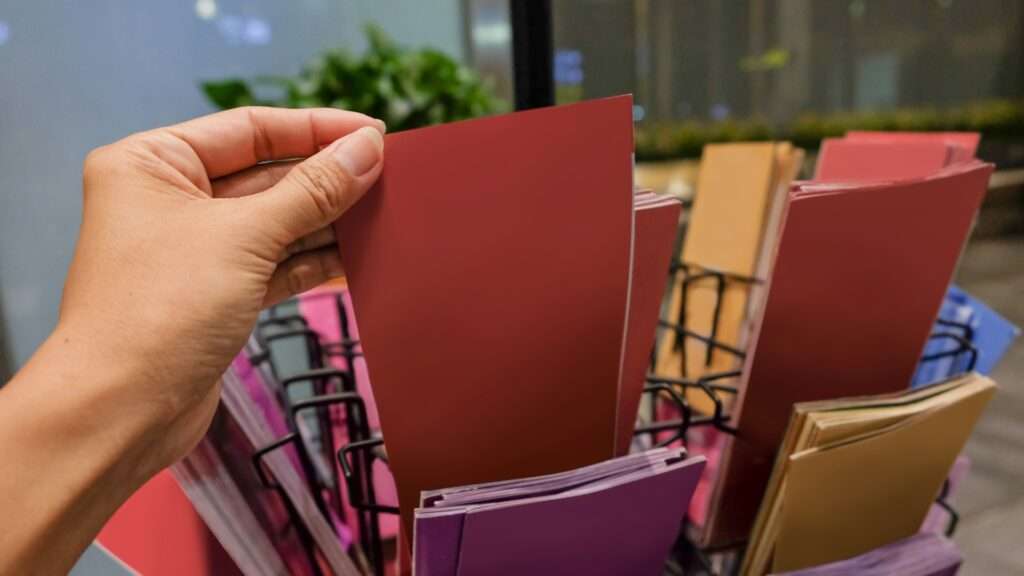
What fold types and formats should I consider?
Brochure folds define how content is revealed and how your audience interacts with the piece. Common fold types include bi-fold, tri-fold, Z-fold, gate-fold, roll-fold and accordion for creative layouts. In professional brochure printing, the fold choice is driven by content flow, number of panels, and desired reveal effect.
Typical uses by fold type:
- Bi-fold: Simple two-panel fold for corporate profiles and double-sided menus.
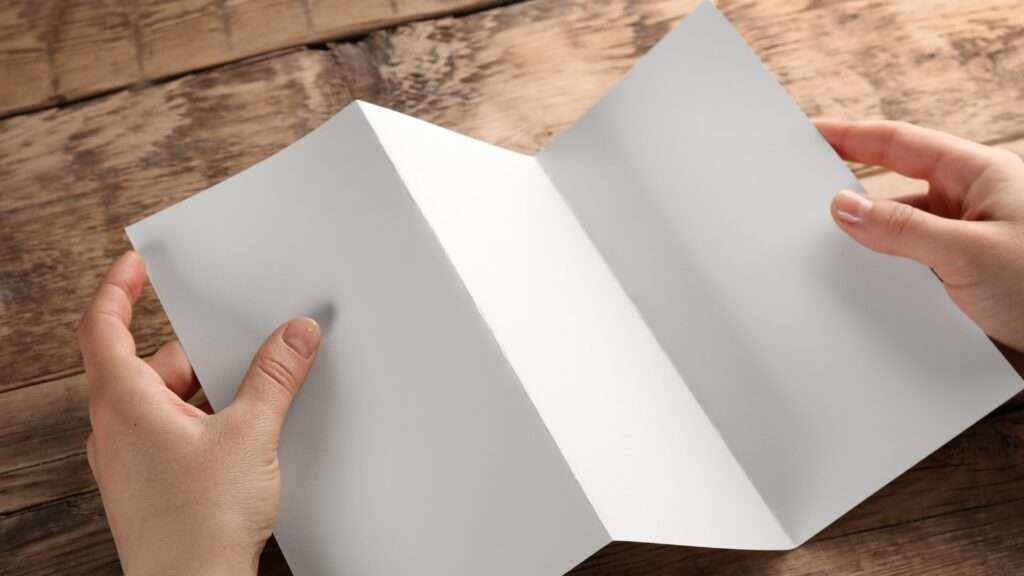
- Tri-fold (letter fold): Popular for brochures, flyers and event programs; fits into standard envelopes.
- Z-fold: Good for step-by-step processes and maps.
- Gate-fold and roll-fold: Premium reveal for product launches or invitations.
For school newsletters and catalogue printing, tri-fold and bi-folds are cost-effective and easy to distribute during term-time. For more complex storytelling or product spreads, consider booklet printing or a small saddle-stitched brochure (booklet printing).
How do premium finishes change the look and feel?
Premium finishes transform printed brochures from ordinary to exceptional. Finishes include gloss and matte lamination, aqueous coating, spot UV varnish, soft-touch coating, embossing, foiling and die-cutting. Each finish affects tactile sensation, visual emphasis and longevity.
Finish selection guide:
| Finish | Effect | Best for |
|---|---|---|
| Gloss lamination | Vibrant color, shiny surface | Retail catalogues, event brochures |
| Matte lamination | Elegant, reduced glare | Luxury brands, high-end school prospectuses |
| Spot UV | Selective shine for emphasis | Logos, covers, business cards |
| Soft-touch | Velvety feel, premium perception | Premium invitations, corporate annual reports |
For schools and training materials that will be handled daily, choose protective coatings like aqueous or lamination to increase life-span. For eco-conscious projects, ask about water-based aqueous coatings or uncoated stocks to reduce plastic use.
How much does professional brochure printing cost in South Africa?
Cost depends on paper stock, print run size, color pages, finishing and turnaround. Unit pricing improves significantly with larger runs due to setup efficiencies. For example, a short-run full-color tri-fold (250–500 units) on 170 gsm silk may cost more per unit than a 5,000-unit run on the same stock.
Typical cost drivers:
- Quantity — higher volumes lower per-piece cost.
- Paper weight and coating — heavier and coated stocks cost more.
- Number of sides printed and color profiles (CMYK vs. PMS).
- Special finishes — foiling, embossing and spot UV add setup costs.
- Delivery and fast-turnaround fees — urgent print runs require priority processing.
For schools preparing for a term start, consolidating bulk educational printing needs across brochures, booklets and textbooks can reduce overall spend. Request a detailed quote from local commercial printing providers and compare sample proofs before committing to large runs.
What turnaround times can I expect and how can I speed delivery?
Turnaround depends on complexity. Standard digital short runs can ship within 48–72 hours, while litho runs with special finishes can take 5–10 business days or longer. For educational printing, coordinating deadlines with term schedules helps avoid rush fees.
Ways to speed delivery:
- Approve print-ready PDFs with correct bleed and crop marks to avoid rework.
- Choose digital printing for faster short runs; litho printing is best for large volumes and color consistency.
- Opt for common paper stocks and standard finishes to avoid special-order delays.
- Provide artwork and copy in advance, and assign a single approver to reduce proofing cycles.
Many South African printers offer fast turnaround printing and nationwide delivery. If you need distributed delivery across provinces, specify multiple delivery addresses at the quote stage.
How do digital and litho printing compare for brochures?
Digital printing excels at short runs, variable data (personalised brochures) and quick turnarounds. Litho (offset) printing offers the best color consistency, surface finish options and lower unit costs at high volumes. Both methods have a place in professional brochure printing depending on your project needs.
Comparison summary:
- Digital: Fast setup, economical for runs under ~1,000–2,000 units, easy personalization.
- Litho: Superior color gamut, efficient for large volumes, better for complex coatings.
For catalogue printing or mass-distributed prospectuses, litho is often the best choice. For targeted campaigns, event brochures and school newsletters with variable student data, digital is ideal. Examples of both can be found across our commercial printing and catalogue services (catalogue printing).
What artwork and file specs are required for flawless printing?
To avoid delays, submit high-resolution print-ready PDFs with 300 dpi images, CMYK color space, and 3 mm bleed on all sides. Embed fonts or convert text to outlines and include crop marks. For spot color or Pantone matches, specify the Pantone codes in your file and communicate color-critical elements to your print provider.
Checklist:
- Trim size, bleed (3 mm), and safe margin (5–10 mm from trim).
- 300 dpi images for photos; vector art for logos and icons.
- CMYK color space for process printing; Pantone for precise brand matches.
- Include a digital proof or PDF proofing note and confirm color responsibility before large litho runs.
Many printers in South Africa offer preflight checks as part of print preparation; take advantage of this to catch issues early and reduce reprint costs. For multi-page booklets, provide a correctly imposed PDF or request the printer to impose for a small fee.
Can brochure printing be eco-friendly and cost-effective?
Yes. Eco-friendly professional brochure printing is increasingly common. Sustainable options include: recycled paper stocks, FSC-certified paper, eco inks, water-based coatings, and minimal packaging for delivery. Choosing uncoated stocks avoids plastic lamination, while aqueous coatings provide a lower-impact protective layer.
Environmental and cost tips:
- Order larger runs for lower per-unit costs and reduced shipping carbon footprint if you can store inventory.
- Use recycled or FSC-certified stocks which can be cost-competitive for mid-range runs.
- Design for duplex printing and efficient imposition to reduce paper waste.
According to UNESCO, print remains an essential educational resource in many regions, so making educational printing eco-friendly supports both learning and sustainability goals. For school-focused printing solutions, review options at education printing.
How do I distribute brochures across South Africa effectively?
Distribution strategies vary by audience: postal mailing, event handouts, in-store placement, or targeted door-drop campaigns. For schools, distribution often happens via learners or administrative dispatch. For commercial promotions, coordinate with trade shows, retail partners and local reps to ensure the right reach.
Logistics considerations:
- Nationwide delivery: request consolidated shipping quotes and insured freight for large runs.
- Storage and fulfilment: some printers offer warehousing and staggered deliveries to schools or retail chains.
- Digital alternatives: complement print with downloadable PDFs or QR codes to reduce bulk shipping.
Higher-volume catalogue printing frequently benefits from distributed delivery options that printers can manage – ask providers about regional fulfilment, especially for event-driven campaigns or school rollouts.
What are common mistakes to avoid with brochure projects?
Common pitfalls include incorrect file setup (wrong color space, low-resolution images), choosing an inappropriate paper/fold for content, underestimating lead times, and skipping physical proofs. Proofing and test runs can prevent costly mistakes and ensure the finished product meets expectations.
Avoid errors by:
- Requesting a digital and/or printed proof before full production.
- Checking ink trapping and fine lines that may fill in on coated stocks.
- Confirming quantities, delivery addresses and packaging instructions in writing.
According to industry practitioners, preflight checks and press proofs reduce reprints and save both money and time. For assistance with folding, binding and finishes, consult your printer early in the design phase and view examples of high-quality brochure options like those used in catalogue and booklet printing (brochure printing services, booklet printing).
How do I get started with a professional brochure print order?
Start by defining your goals: target audience (parents, students, customers), quantity, distribution plan and timeline. Collect brand assets (logos, fonts, color codes) and prepare a print-ready PDF following the specs above. Request samples or a quote from your print provider, compare turnaround times, and ask about bulk educational discounts or consolidated printing for multiple materials (brochures, booklets, textbooks).
Practical first steps:
- Decide on size, fold and paper stock.
- Prepare artwork with correct bleed and color profile.
- Request a proof and production timeline.
- Confirm delivery options and any warehousing or fulfilment needs.
According to trade estimates, consolidating print orders across several product types (brochures, catalogues, business cards) can reduce per-item costs and improve consistency—ideal for schools and small businesses launching a campaign.
For more information about regional printing options and examples of brochure, catalogue and book projects, see the Wikipedia entry on brochures: Brochure — Wikipedia.
Great brochure printing comes down to the details—paper stock, fold type, and the right premium finish.
Print It ZA helps you choose the best combination for your goal, whether you’re producing professional marketing brochures, short-run booklets, or bulk textbook printing and binding. With expertise across commercial printing, educational printing, and packaging print, we deliver crisp colour, clean folds, and finishes that elevate your brand—on time and to spec.
Contact Print It ZA today for a free quote and speedy service, with nationwide delivery.
Print It ZA, we deliver Printing Best!