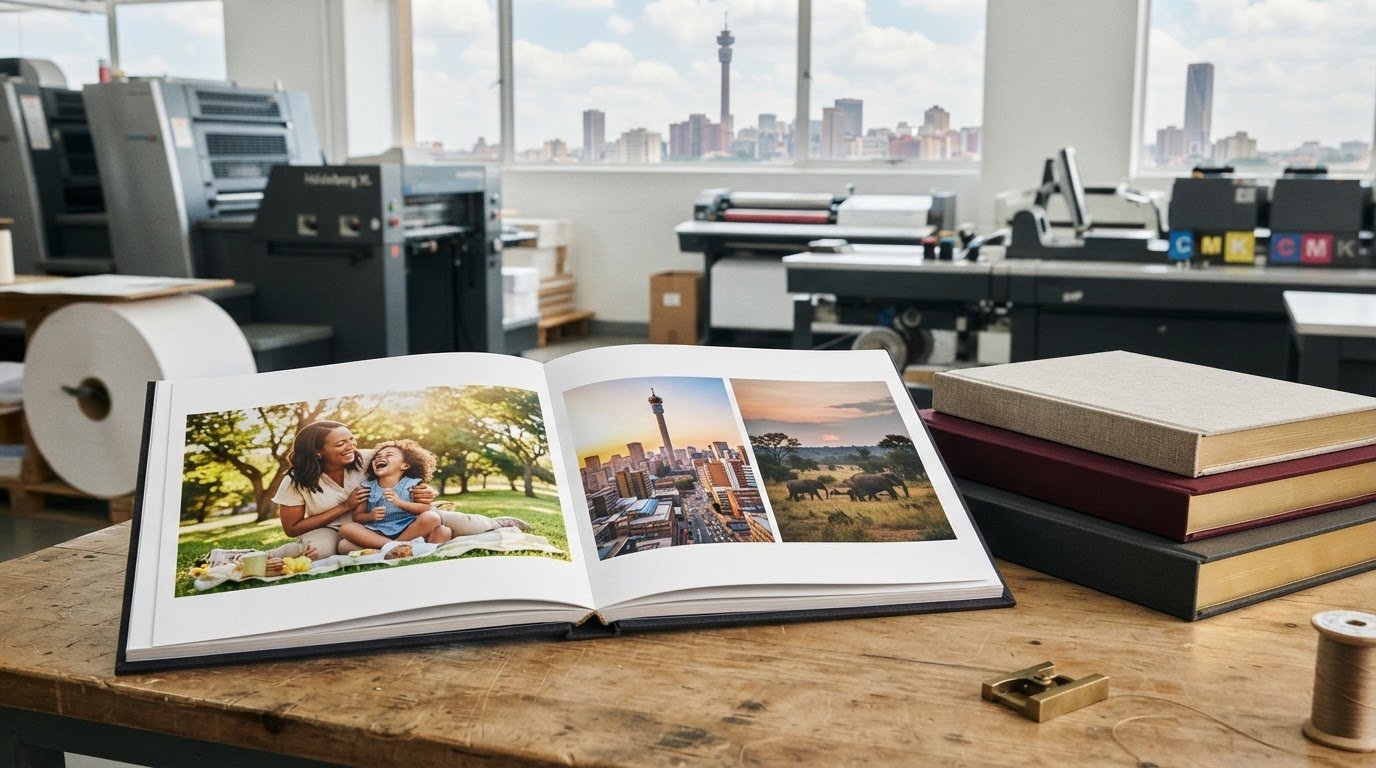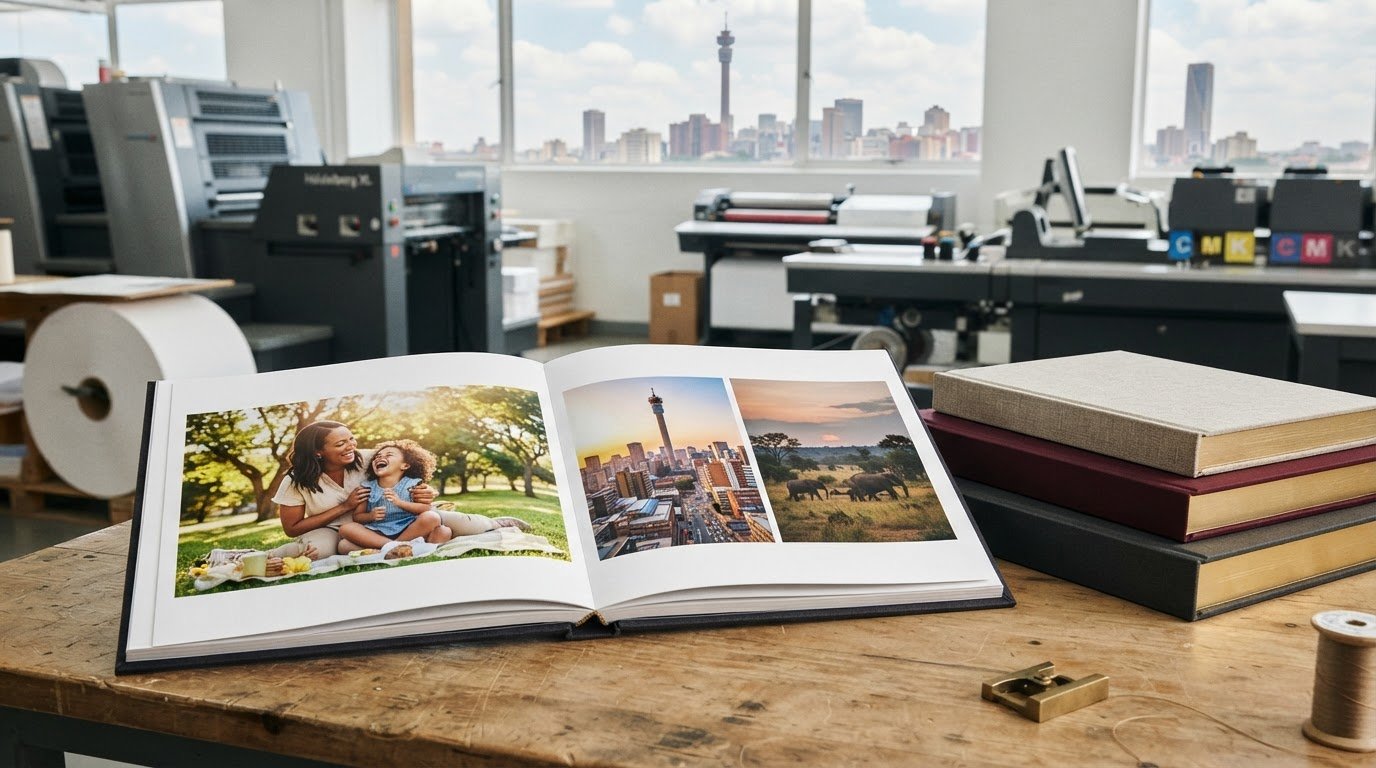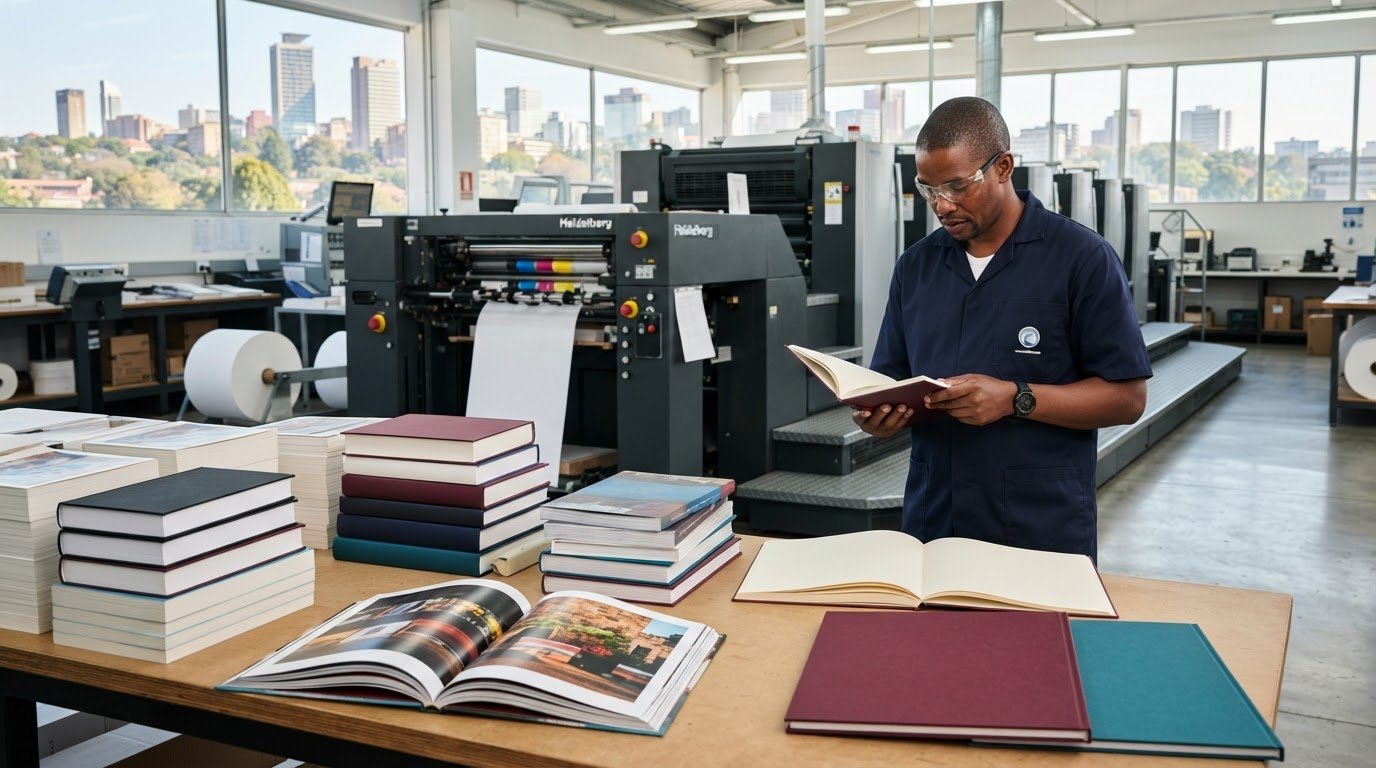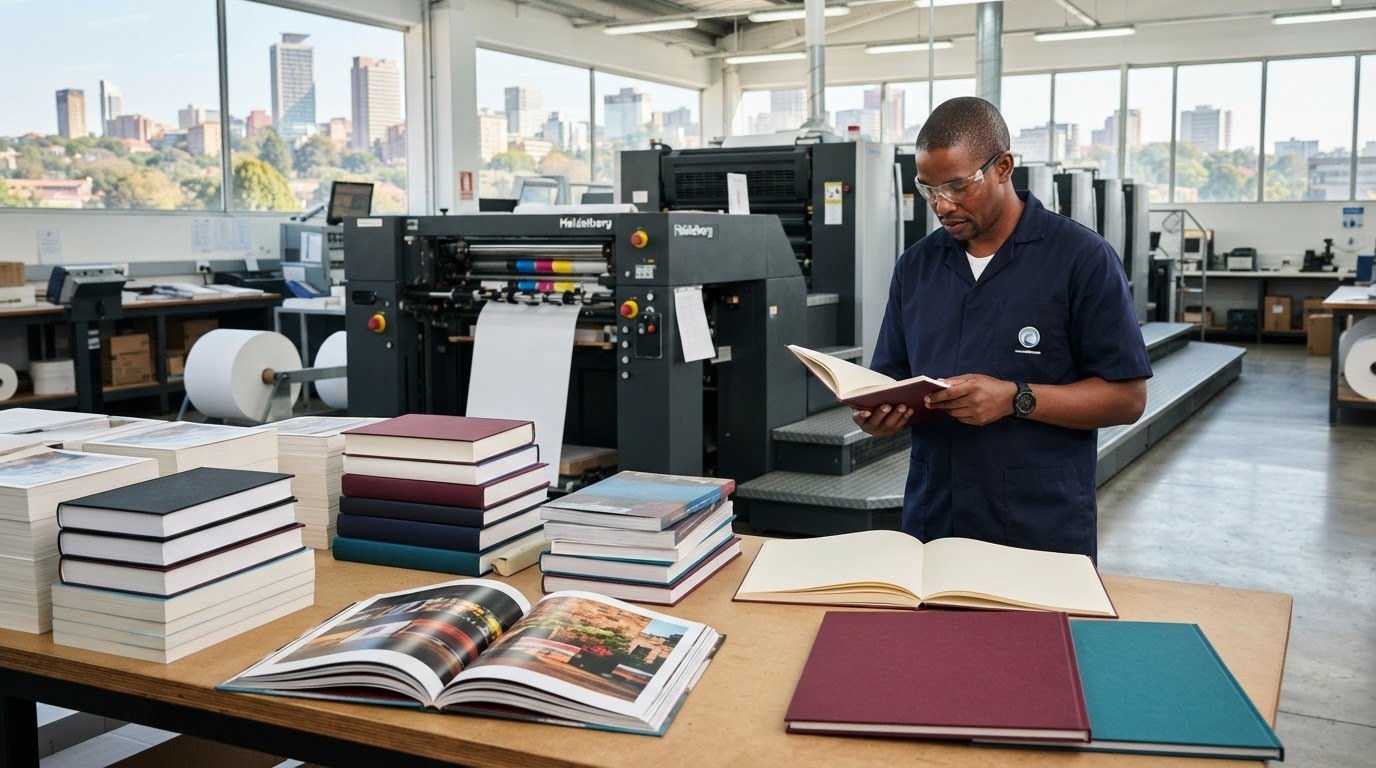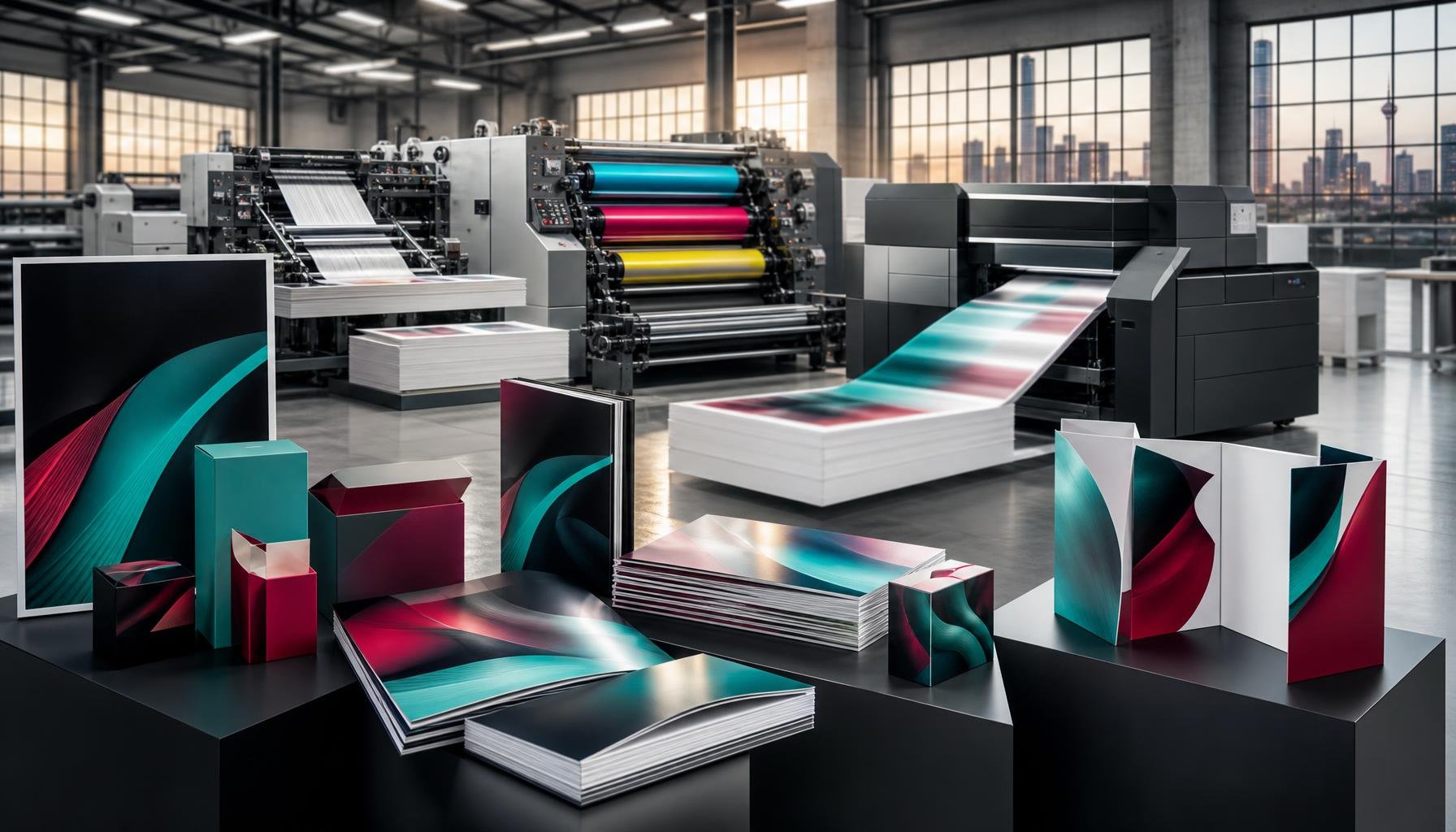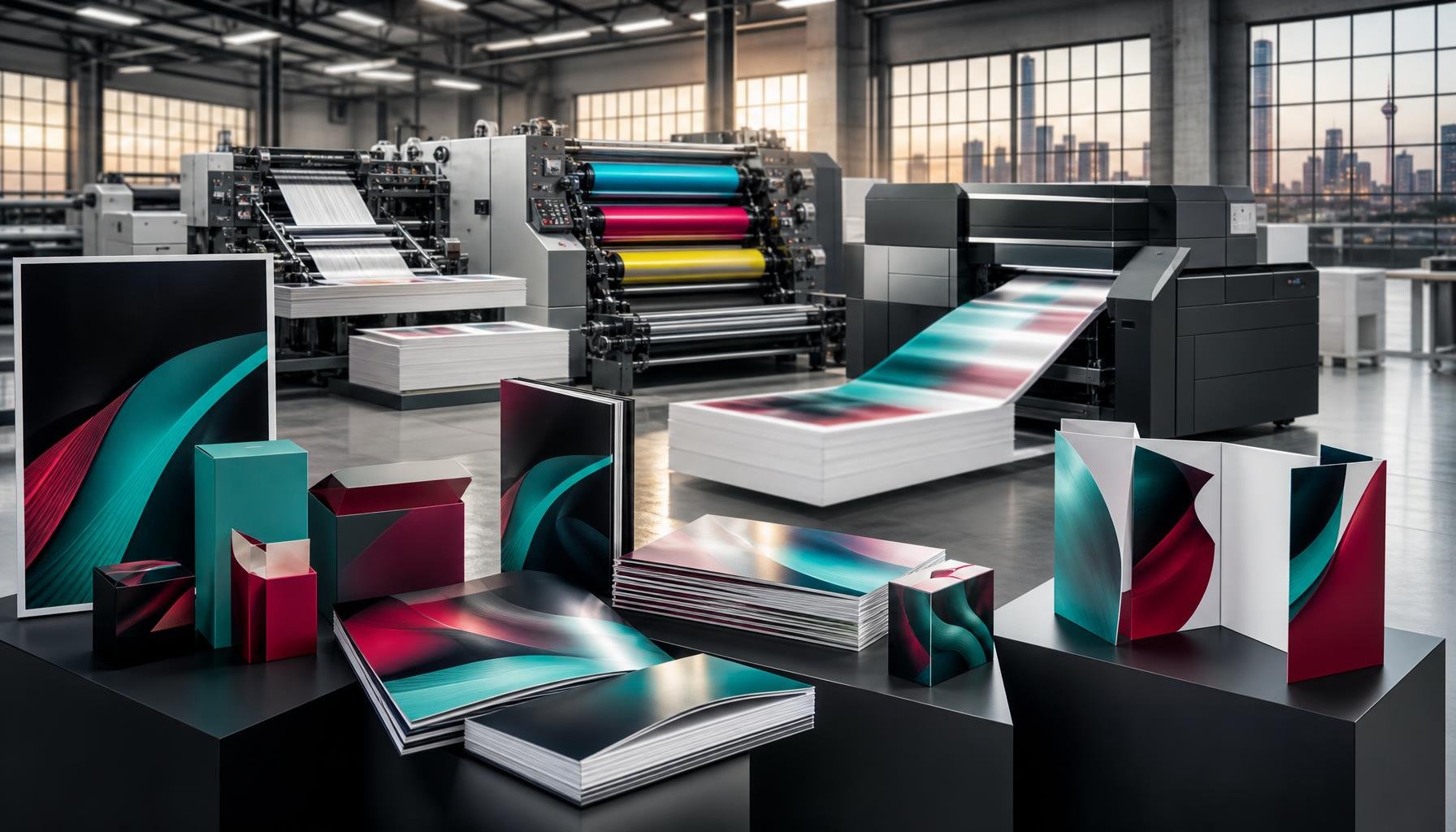

Print still plays a major role in how businesses, schools, publishers, and organisations communicate, promote, teach, and present their materials in the real world. While digital channels are everywhere, print remains valuable because it creates something physical that people can hold, read, distribute, file, and remember. From brochures and catalogues to books, manuals, postcards, and branded material, print continues to support everyday business and educational needs across South Africa.For many businesses, print is not just about putting ink on paper. It is about producing a professional final product that matches the purpose of the job. Whether you need brochures, booklets, catalogues, books, or print on demand solutions, the right print choice can improve presentation, usability, and brand impact.

What does print mean in modern business?
In modern business, print refers to the production of physical materials used for marketing, communication, education, publishing, branding, and operations. Print can include single-page pieces like postcards and flyers, multi-page products like booklets and manuals, and larger commercial items like catalogues, books, packaging, and display material.
Even in a digital-first world, print matters because it creates physical visibility. A brochure handed to a prospect, a catalogue used in a sales meeting, or a printed training manual used in a workshop all serve a purpose that digital content does not fully replace. That is why businesses still invest in print as part of broader communication and marketing strategies.
Why is print still important?
Print is still important because it gives people something real to interact with. It supports attention, usability, and brand recall in ways that screens often do not. Printed materials can be stored, shared, displayed, and used without needing batteries, signals, or access to a device.
| Why Print Matters | How It Helps |
| Physical presence | Creates something people can hold and keep |
| Practical use | Supports sales, learning, events, and operations |
| Brand visibility | Improves presentation in real-world settings |
| Easy distribution | Can be handed out, shipped, or displayed |
| Longer lifespan | Often stays visible longer than digital content |
That is why print remains relevant for retail, education, hospitality, publishing, training, and corporate use.
What can be produced through print?
Print covers a wide range of products depending on the purpose and the audience. Some printed pieces are designed to inform, others to sell, teach, guide, or support brand presentation.
| Print Product | Main Use |
| Brochures | Marketing, product overviews, promotions |
| Booklets | Programmes, guides, manuals, information packs |
| Catalogues | Product listings, sales support, price guides |
| Books | Publishing, education, internal content, branded projects |
| Postcards | Direct mail, invites, promotions, inserts |
| Manuals | Training, operations, onboarding, compliance |
| Educational materials | Textbooks, learner guides, study packs |
| Canvas and art prints | Decor, branded spaces, visual display |
Print It ZA supports several of these categories through services such as postcards printing, textbook printing, training manual printing, and print on canvas.
How does the print process work?
The print process usually starts with artwork or a print-ready file. That file is checked for size, layout, margins, bleed, image quality, colour setup, and page order if the product has multiple pages. Once approved, the file moves into production using the most suitable print method, followed by finishing steps such as trimming, folding, binding, stitching, laminating, packing, and delivery.
That means good print is not just about the final machine output. It depends on proper file preparation, accurate proofing, the right material choice, and a finishing process that matches the product being made.
What is the difference between digital print and litho print?
Digital print is usually better for shorter runs, quicker turnarounds, and flexible order sizes. Litho print is usually the better choice for larger volumes where lower unit cost matters more. The right choice depends on the job size, deadline, budget, and whether the artwork is likely to change.
| Factor | Digital Print | Litho Print |
| Turnaround | Usually faster for short runs | Better suited to planned large runs |
| Setup | Lower setup complexity | More setup involved |
| Quantity | Best for low to medium quantities | Best for medium to high quantities |
| Flexibility | Good for changing versions | Best for stable repeat jobs |
| Bulk efficiency | Less efficient at very high volumes | Usually better value at scale |
This matters because not every print job should be produced the same way. A short run of postcards may suit digital production, while a large bulk order of books or education material may suit litho better.

What affects print quality?
Print quality depends on several factors, not just the printer itself. A high-quality result comes from the right file, the right material, the right production method, and proper finishing. If any of those are weak, the final product can look worse than expected even if the machine is good.
- Image resolution and file clarity
- Correct margins, bleed, and page setup
- Paper or stock choice
- Colour preparation for print
- Binding, folding, or trimming quality
- Proofing before production
| Common Print Issue | Result | Better Approach |
| Low-resolution images | Soft or pixelated output | Use stronger source files |
| No bleed | White edges after trimming | Set up bleed correctly |
| Wrong stock choice | Weak feel or poor presentation | Match material to purpose |
| Rushed proofing | Errors go to final print | Review carefully before approval |
| Poor finishing | Uneven folds or weak binding | Use suitable finishing for the product |
How much does print cost?
Print costs vary depending on what is being produced. A single postcard, a 40-page booklet, a catalogue, and a bound book all have different production requirements. Quantity, size, page count, paper, colour, finishing, and delivery all affect the final quote.
| Cost Factor | Why It Matters |
| Quantity | Larger runs may lower cost per unit |
| Size | Bigger products require more material |
| Page count | More pages increase production and finishing time |
| Stock choice | Premium stocks cost more than standard options |
| Finishing | Binding, folding, or lamination adds cost |
| Delivery | Packaging and courier distance affect the total |
The smartest approach is not just chasing the cheapest quote. It is choosing the right print method and finish for what the job actually needs to achieve.
How does print help businesses?
Print helps businesses present themselves professionally, support sales, improve brand visibility, and communicate in physical spaces. A well-printed brochure can support a sales conversation. A catalogue can help customers browse product options. A postcard can drive a local promotion. A printed manual can make training easier and more structured.
Print also supports businesses when used alongside digital marketing. A company may use its website, email, and ads to attract attention, then use printed materials to reinforce the brand during events, meetings, packaging, and in-person customer touchpoints.
How does print support schools and training?
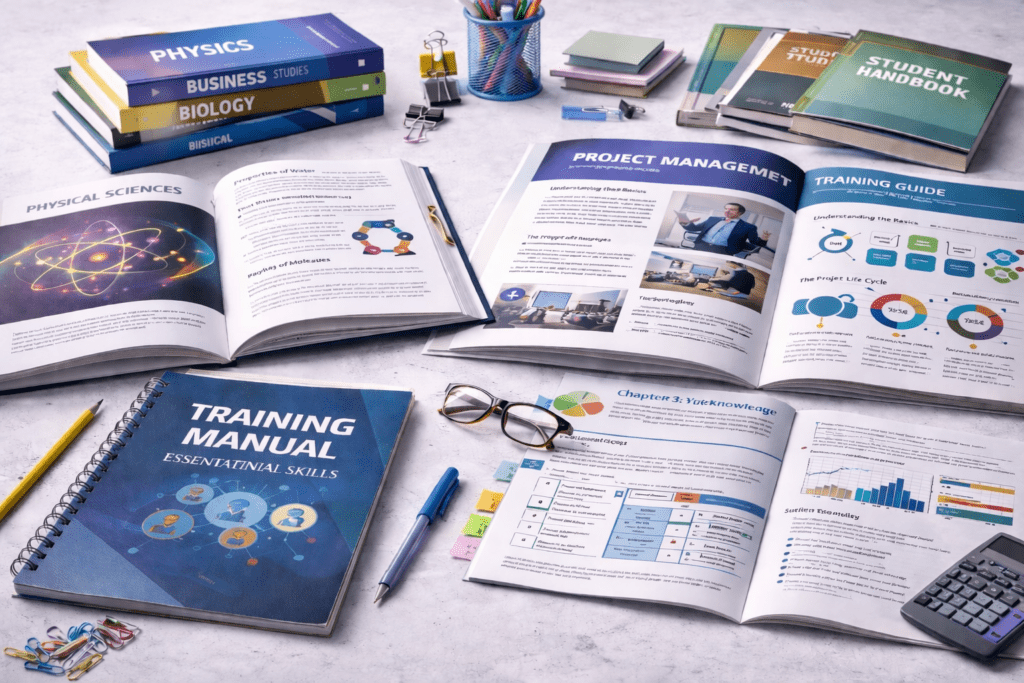
Print remains essential in education and training because physical learning materials are still easier to distribute, annotate, file, and use in classrooms, workshops, and structured learning settings. Schools, colleges, and training providers often need reliable production of textbooks, learner guides, training manuals, and study material.
That is why services like education printing, textbook printing, and training manual printing remain important. These jobs need more than basic print capability. They require accuracy, consistent binding, and reliable delivery timelines.
What should you look for in a print company?
A good print company should offer more than output. It should help with file checks, material advice, production guidance, finishing options, and delivery support. This matters even more when the project includes several product types or a strict deadline.
| What to Check | Why It Matters |
| Range of services | Useful if you need more than one print format |
| Artwork support | Helps reduce setup errors |
| Finishing options | Important for binding, stitching, and presentation |
| Turnaround reliability | Critical for launches, events, and school schedules |
| Delivery capability | Matters for regional and national distribution |
| Sector experience | Helps the printer recommend the right spec |
If you need a starting point, you can browse Print It ZA, review specialist services like brochure printing and books printing, or request assistance through the contact page.
Can print still work with on-demand production?
Yes. Print no longer needs to mean ordering large volumes upfront. Modern production also includes on-demand workflows that allow businesses and creators to order only what they need when they need it. This is useful for books, niche publications, custom materials, brand collateral, and smaller repeat orders.
If stock risk or flexible ordering matters, print on demand can be a practical route.
Where can you order print in South Africa?
If you need print in South Africa, start by identifying the format, quantity, finish, and deadline your project needs. From there, compare service pages, check material options, and ask for guidance if the job includes binding, folding, or specialist finishing.
You can begin on the Print It ZA homepage, then move into services like brochure printing, catalogue printing, books printing, postcards printing, or print on canvas depending on the project.
Print remains one of the most useful ways to turn information, design, and branding into something people can physically use and remember. When done properly, print does not just look good. It performs a clear job in the real world.
Frequently asked questions about print
What is print used for?
Print is used for marketing materials, books, catalogues, manuals, postcards, educational content, branded business items, and visual display materials.
What affects print quality?
Print quality is affected by file setup, image resolution, stock choice, colour preparation, finishing quality, and proofing before production.
What is the difference between digital print and litho print?
Digital print is usually better for shorter runs and faster jobs, while litho print is usually better for larger quantities and more cost-efficient bulk production.
Can print still help businesses today?
Yes. Print still helps businesses with sales support, brand visibility, events, packaging inserts, training material, and customer-facing communication.
Where can I order print in South Africa?
You can order print in South Africa through providers like Print It ZA by selecting the service category that matches your product and requesting a quote.
Contact Print It ZA today, for a Free Quote and Speedy Service.
Print It ZA print and packaging, We deliver Printing Best!