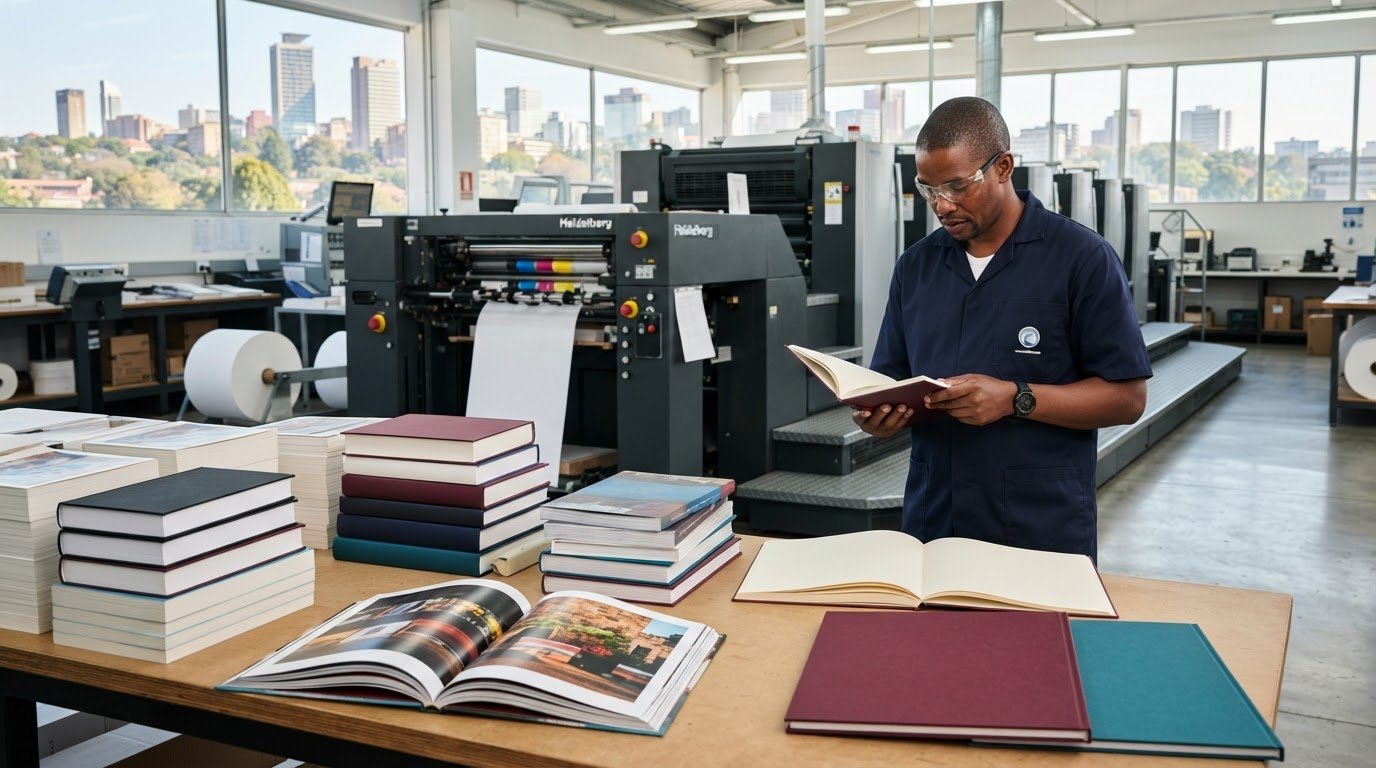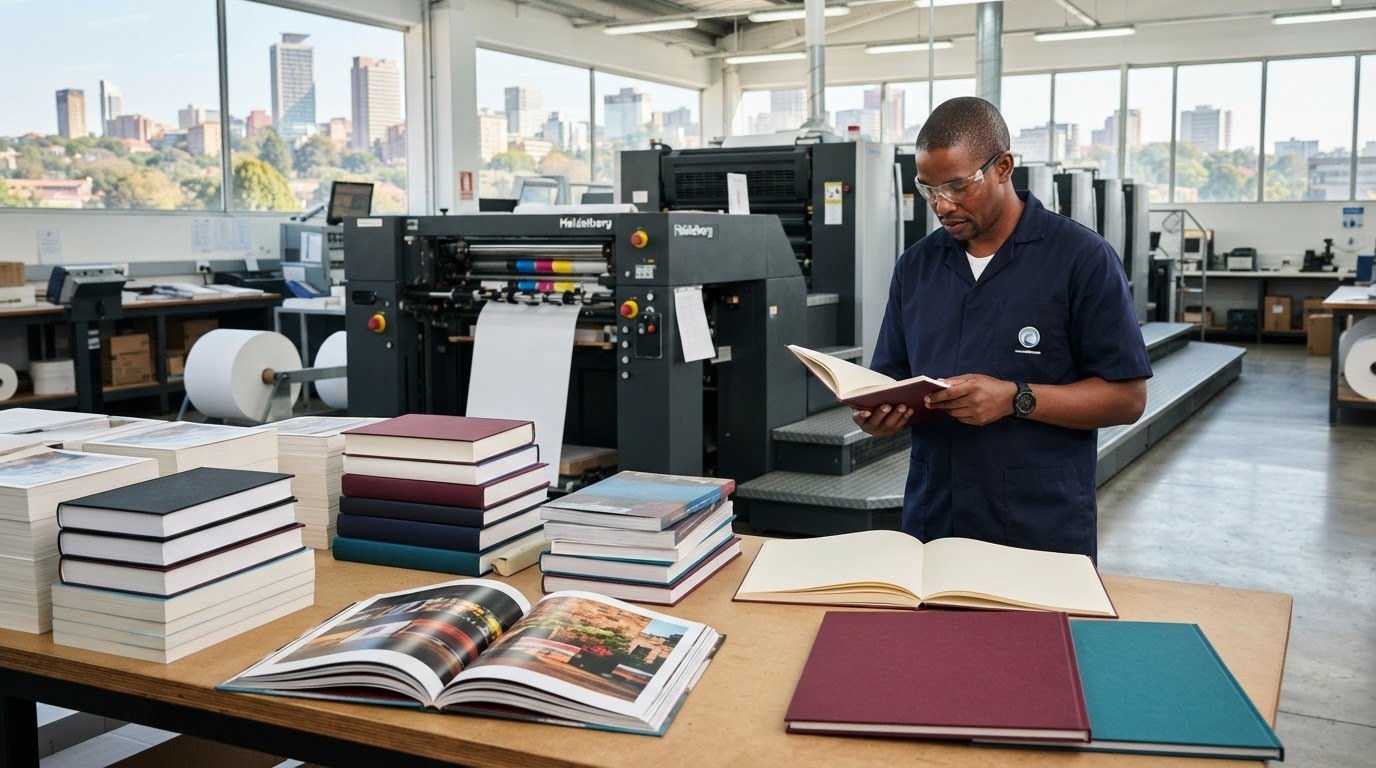
Hardcover binding gives books a stronger, more premium finish that immediately changes how the final product feels in the hand. Although paperback books are often more affordable, hardcover binding remains the better choice when durability, presentation, and long-term value matter more. As a result, authors, publishers, schools, businesses, and organisations often choose hardcover binding for books that need to last longer and create a stronger impression.In South Africa, hardcover binding suits educational books, religious books, corporate publications, premium branded books, commemorative books, and higher-end publishing projects. Because of that, hardcover binding connects naturally with books printing, graphic design services, booklet printing, and the wider book production process already supported by Print It ZA.

What is hardcover binding?
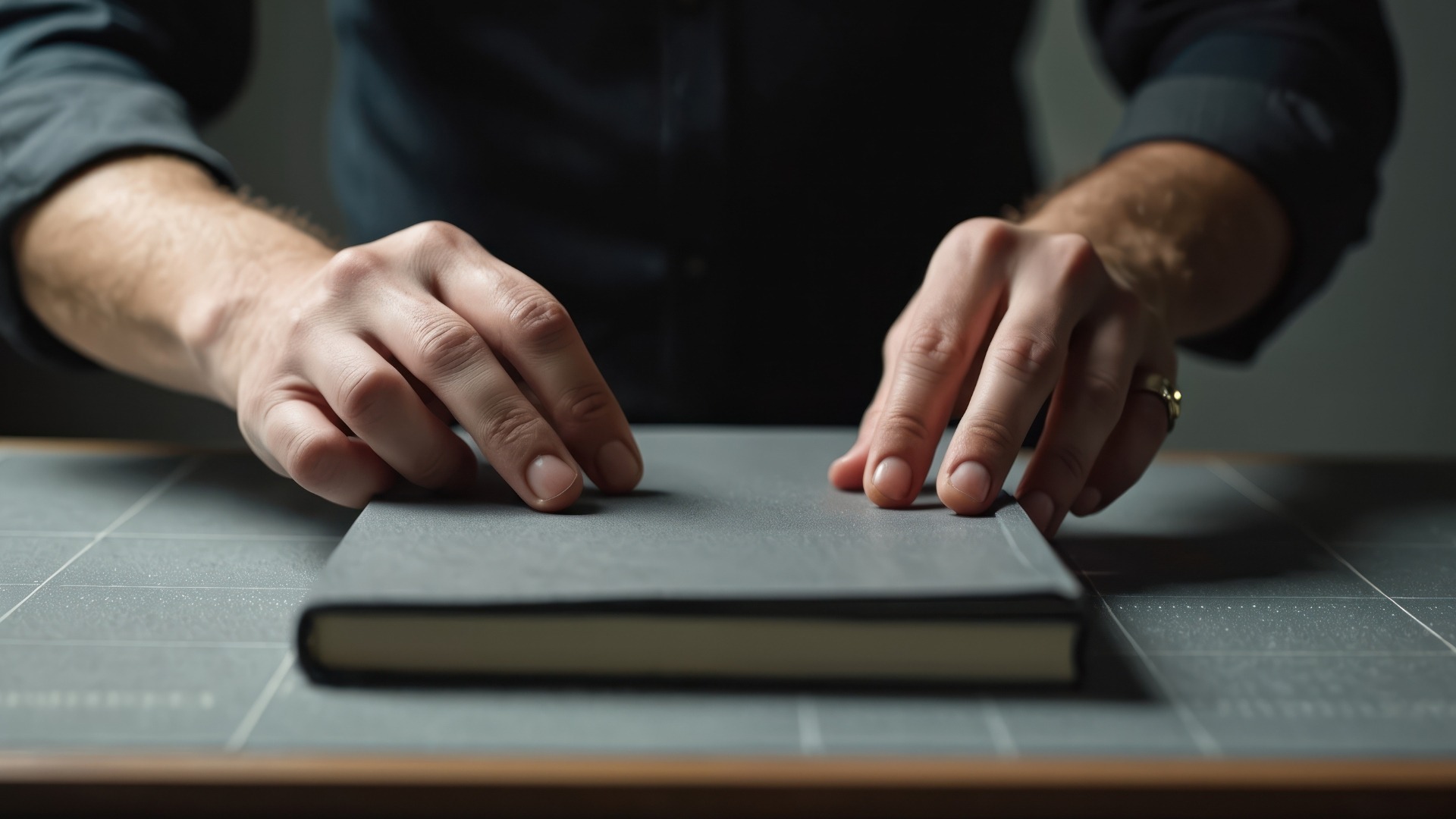
Hardcover binding is a bookbinding method that uses a rigid outer cover instead of a flexible soft cover. Usually, the inside pages are gathered into a text block, then attached to a hard case made from board and wrapped in a printed or covered material. In simple terms, hardcover binding turns a stack of printed pages into a stronger and more durable finished book.
Because of that, hardcover books feel more substantial than paperbacks. More importantly, they hold up better over time, especially when people handle them often or keep them for years.
Why does hardcover binding matter?
Hardcover binding matters because it improves both durability and presentation. First, it protects the inside pages more effectively. Then, it gives the book a more premium look and feel. After that, it helps the final product hold its shape better through repeated handling. Consequently, hardcover binding is often the stronger option for books that need to last and represent value.
That matters even more when the book is meant for long-term use, gifting, display, or formal presentation. In those cases, the cover itself becomes part of the perceived quality of the book.
| Why Hardcover Binding Matters | How It Helps |
| Stronger protection | Helps protect the inside pages from wear |
| Premium appearance | Makes the book feel more valuable and formal |
| Better durability | Supports longer-term use and storage |
| Improved presentation | Works well for gifts, display, and branded publications |
| Longer lifespan | Keeps the book in better condition over time |
What types of books work best with hardcover binding?
Hardcover binding works best for books that need stronger protection, a more premium finish, or a longer useful life. For example, educational reference books, religious books, corporate coffee-table style books, commemorative publications, and premium editions often benefit from hardcover production. In the same way, books meant for repeated handling can justify the stronger format.
However, not every book needs a hardcover. Therefore, the format should always match the purpose of the book.
| Book Type | Why Hardcover Binding Helps |
| Educational reference books | Supports repeated handling and long-term use |
| Religious books | Adds durability and a more formal presentation |
| Corporate publications | Creates a stronger premium brand impression |
| Commemorative books | Improves gift and keepsake value |
| Premium publishing projects | Supports a higher-end final product |
If the project does not need a rigid cover, then a lighter option such as paperback production through books printing may make more sense. So, the decision should follow the purpose of the book rather than prestige alone.
How is hardcover binding different from paperback binding?
Hardcover binding uses a rigid outer case, while paperback binding uses a flexible soft cover. Because of that, hardcover books usually feel heavier, stronger, and more premium. On the other hand, paperback books are usually lighter, more affordable, and easier to produce at lower cost.
So, if cost and portability matter most, paperback often wins. However, if durability, presentation, and shelf impact matter more, hardcover usually becomes the better option.
| Format | Hardcover | Paperback |
| Cover type | Rigid outer case | Flexible soft cover |
| Weight | Heavier | Lighter |
| Durability | Usually stronger | Usually lower |
| Cost | Usually higher | Usually lower |
| Presentation | Premium and formal | Practical and accessible |

What materials are used in hardcover binding?
Hardcover binding usually uses board for the case, printed or wrapped cover material, endpapers, adhesive, and the printed text block. Depending on the project, the outer cover may use a printed sheet with lamination or another wrapped finish. As a result, hardcover books often allow more variation in appearance and finish than many softcover books.
Therefore, the final material choices affect not only strength but also the overall feel and value of the book.
| Material | Main Role |
| Board case | Creates the rigid outer cover |
| Cover wrap or printed sheet | Provides the external visual finish |
| Endpapers | Connect the text block to the hard case |
| Text block | Contains the inside pages of the book |
| Adhesive and construction | Holds the case and book block together |
How does hardcover binding affect book design?
Hardcover binding affects design because the cover setup, spine, endpapers, and inside layout all need to fit the final case structure. First, the spine width depends on page count and paper thickness. Then, the cover artwork must account for the front, back, and rigid spine. After that, the file needs to work with the construction of the hard case.
Because of that, hardcover binding usually requires more planning than a simple paperback. That is why it connects closely with graphic design services and with careful production preparation.
When should you choose hardcover binding?
You should choose hardcover binding when the book needs stronger protection, more visual impact, or a more formal final presentation. For example, it makes sense for books that people will keep for years, give as gifts, display on shelves, or use repeatedly. In the same way, hardcover binding can strengthen a business publication when the brand needs a more premium finish.
On the other hand, if the project needs lower cost, lighter shipping, or more flexible production, hardcover may not be necessary. So, the choice should reflect the real goal of the book.
How much does hardcover binding cost?
Hardcover binding usually costs more than paperback production because it uses more material, more finishing steps, and a more complex production process. First, the rigid case adds to the material cost. Then, the additional finishing and construction increase production time. As a result, hardcover books usually carry a higher per-unit cost.
However, the final cost still depends on several details. Therefore, it helps to define the trim size, page count, quantity, cover treatment, and design needs before asking for a quote.
| Cost Factor | How It Affects Price |
| Page count | More pages affect spine size and materials |
| Book size | Larger books use more board and cover material |
| Cover finish | Premium finishes raise production cost |
| Construction complexity | Hardcover production needs more finishing work |
| Quantity | Print volume can change unit cost |
| Design and file prep | Cover setup and layout support may add to the job |
What should you look for in a hardcover binding printer?
You should choose a printer that understands books properly and can guide you through format, binding, cover setup, and print preparation. In addition, the printer should be able to help with the design side if the project needs custom cover planning or layout support. That matters because hardcover production relies on both technical accuracy and finishing quality.A practical place to start is with books printing, graphic design services, and the contact page for planning and quotes.

Where can you order hardcover binding in South Africa?
If you need hardcover binding in South Africa, first decide what kind of book you are producing, how often people will use it, and whether the project needs a more premium finish than a standard paperback. Then choose a printer that already handles book production and can help with both design and print preparation.
You can begin with Print It ZA’s books printing, graphic design services, booklet printing, and contact page.
Hardcover binding still matters because it turns a printed book into a stronger and more premium finished product. More importantly, when the cover, spine, materials, and inside pages all work together, the final book becomes more durable, more impressive, and more valuable over time.
Frequently asked questions about hardcover binding
What is hardcover binding?
Hardcover binding is a bookbinding method that uses a rigid outer cover instead of a flexible soft cover.
Why is hardcover binding important?
Hardcover binding is important because it improves durability, protection, and the overall presentation of the book.
What books work best with hardcover binding?
Hardcover binding works well for educational reference books, religious books, corporate publications, commemorative books, and premium publishing projects.
How is hardcover different from paperback?
Hardcover binding uses a rigid case and usually offers more durability and a more premium finish, while paperback uses a flexible soft cover and usually costs less.
Where can I order hardcover binding in South Africa?
You can order hardcover binding in South Africa from providers like Print It ZA, they already handle books, cover setup, and print-ready file preparation.
Contact Print It ZA today, for a Free Quote and Speedy Service.
Print It ZA print and packaging, We deliver Printing Best!