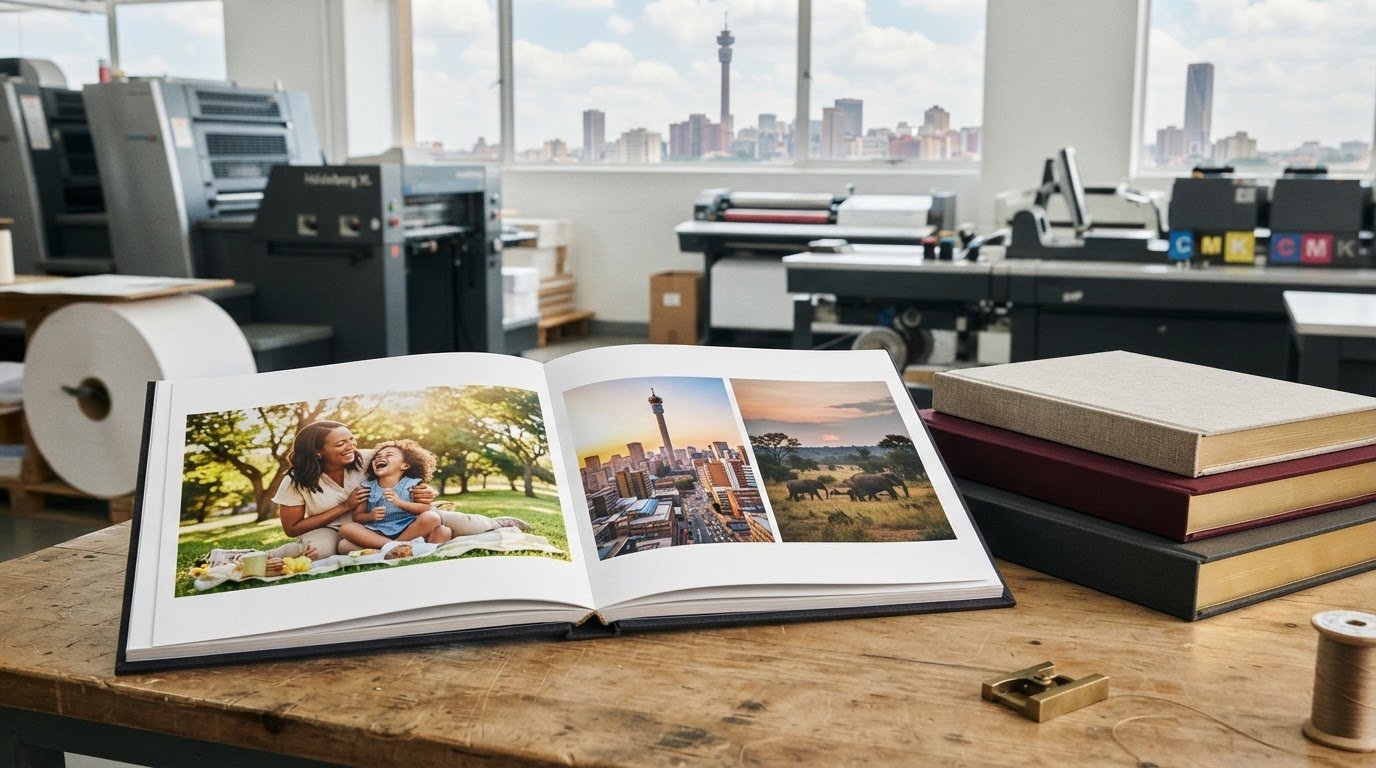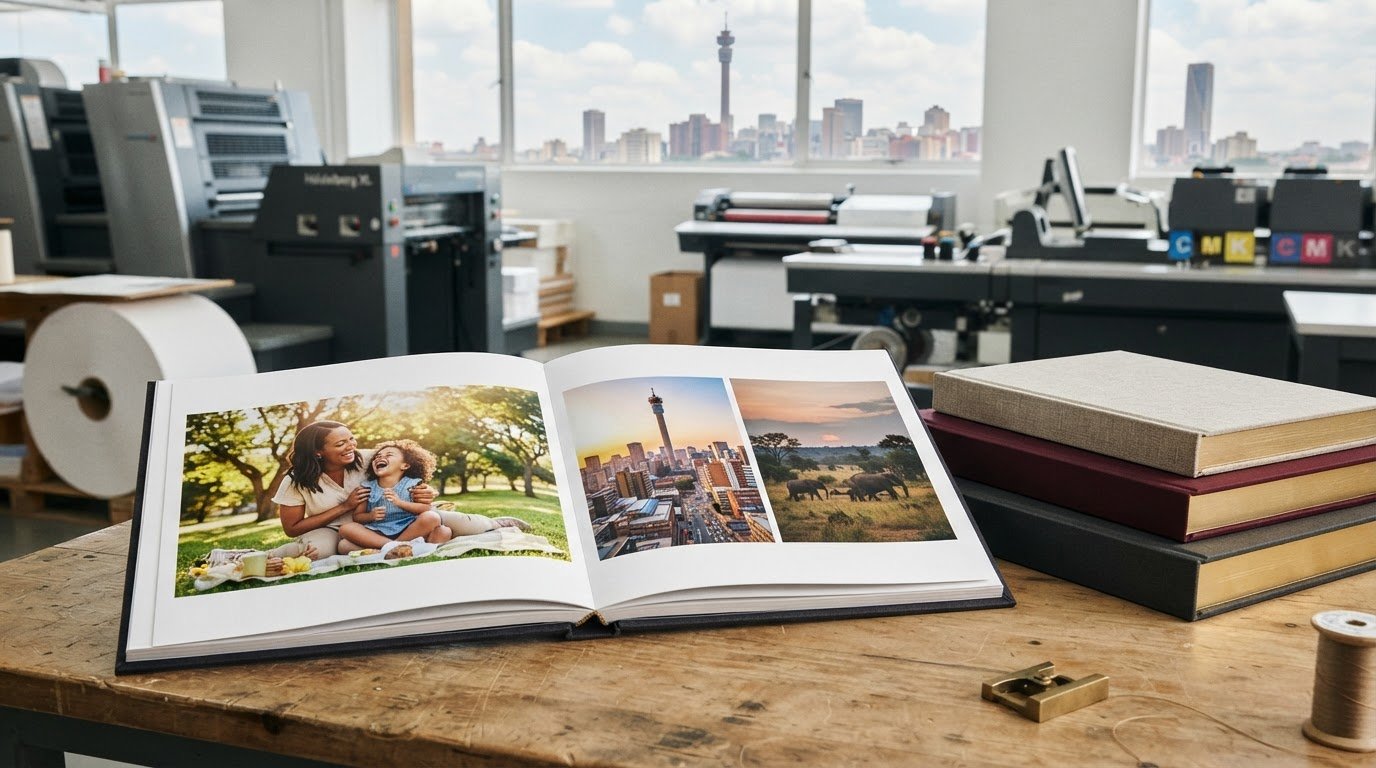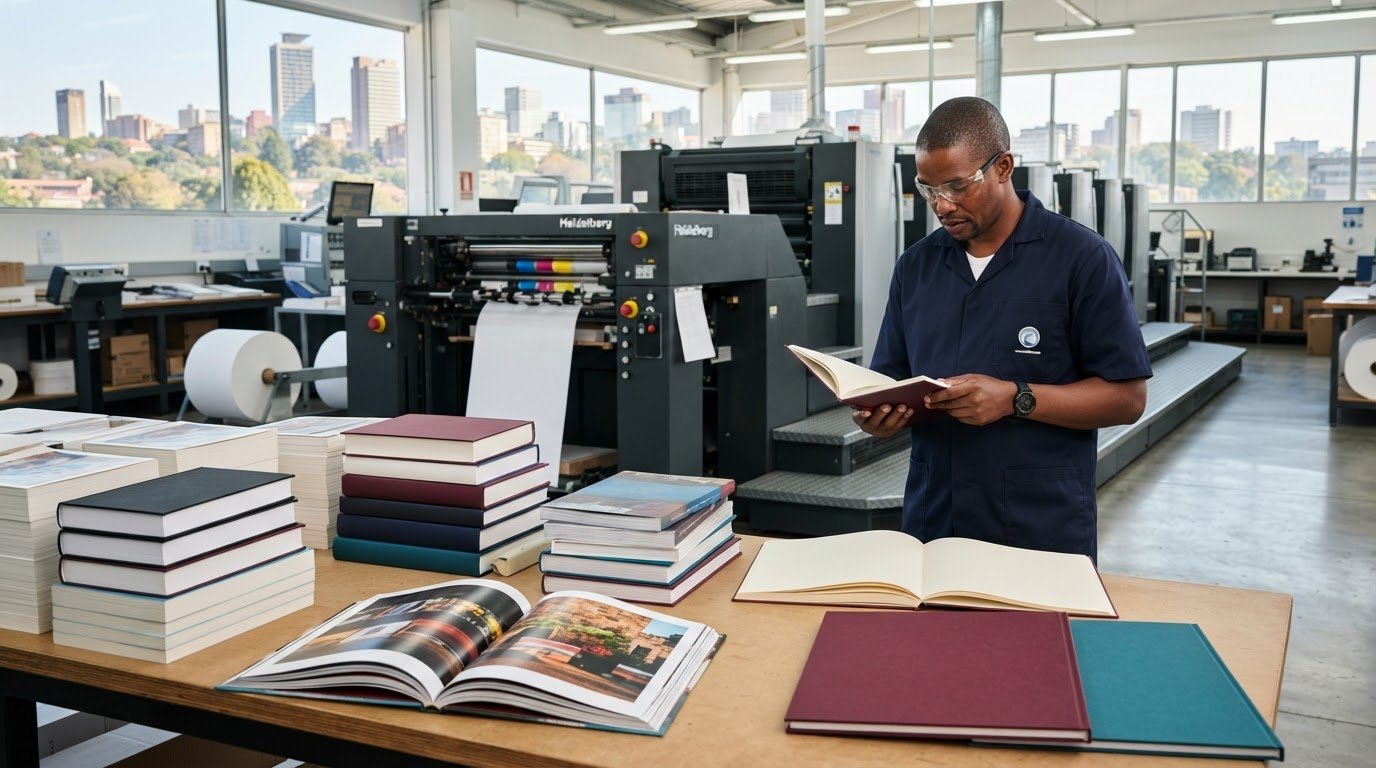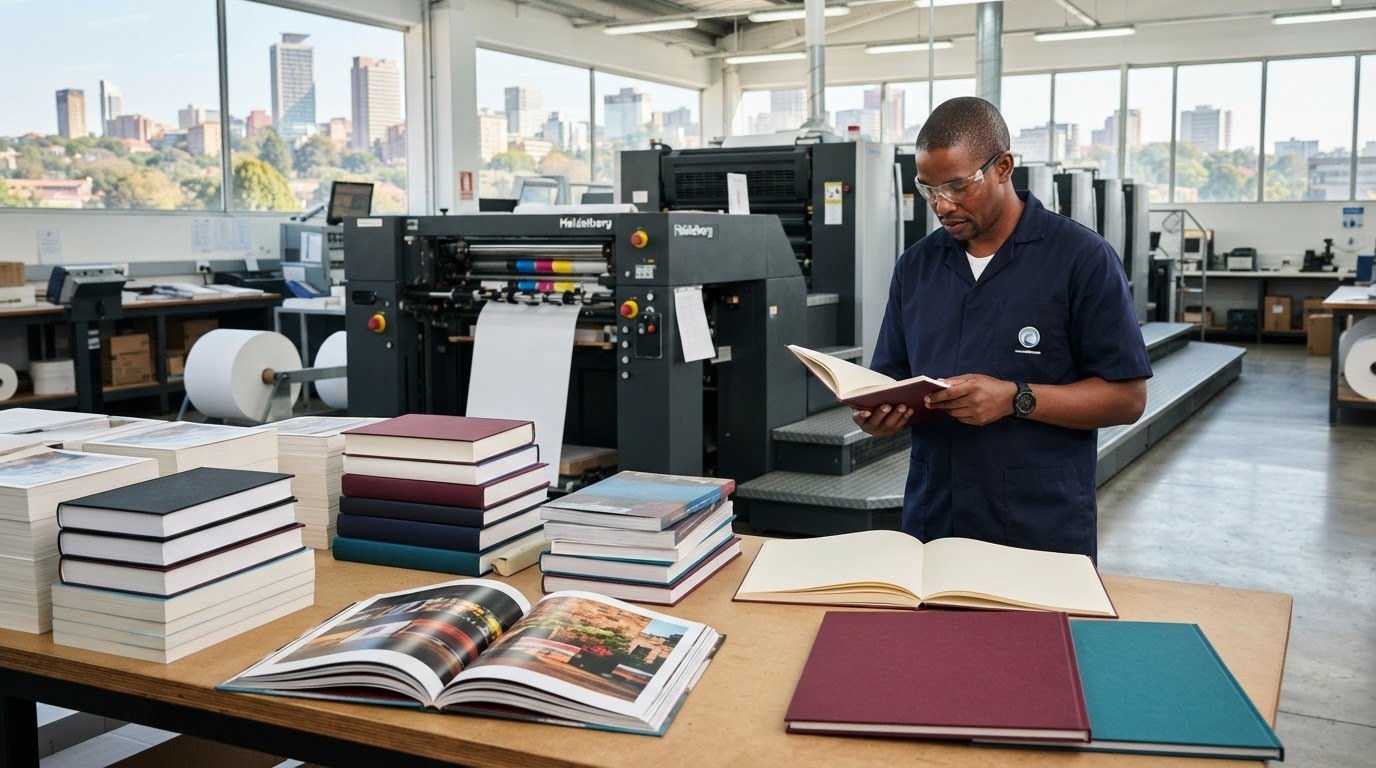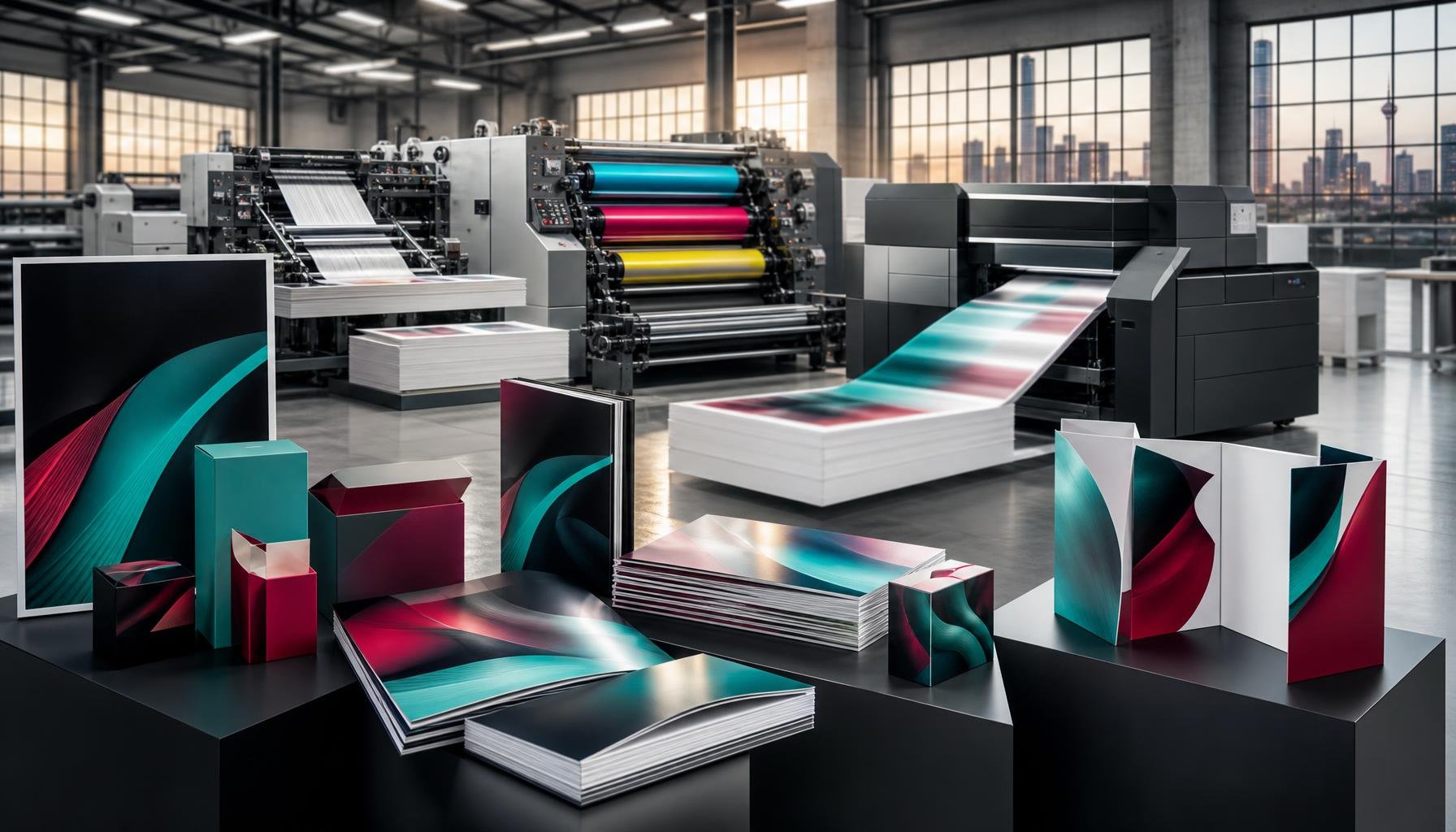
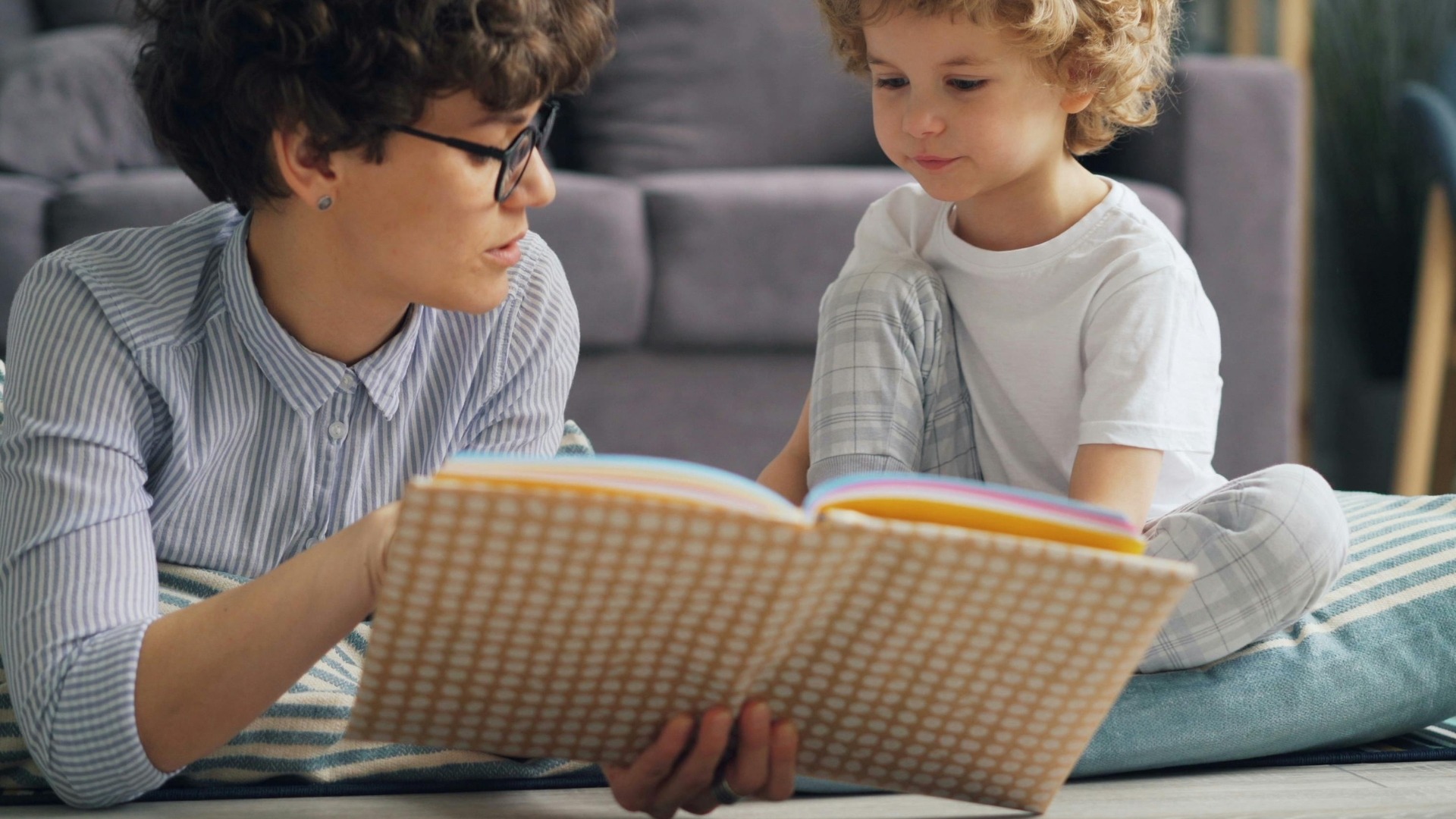
AI-generated kids’ books are changing how children’s stories are created, personalised, printed, and shared. Although traditional storytelling still matters, artificial intelligence is opening new ways to produce books that feel fresh, engaging, and more tailored to young readers. As a result, AI-generated kids’ books are becoming more relevant for parents, educators, authors, and publishers who want imaginative stories with modern production advantages.In South Africa, this trend matters even more because local printing and shipping make these books easier to access without depending on long overseas delivery cycles. First, AI can help generate story concepts, language patterns, and illustration direction. Then, local production can turn those digital ideas into real printed books that children can hold, read, and enjoy. Because of that, AI-generated kids’ books connect naturally with books printing, graphic design services, booklet printing, education printing, and the wider publishing and print process.
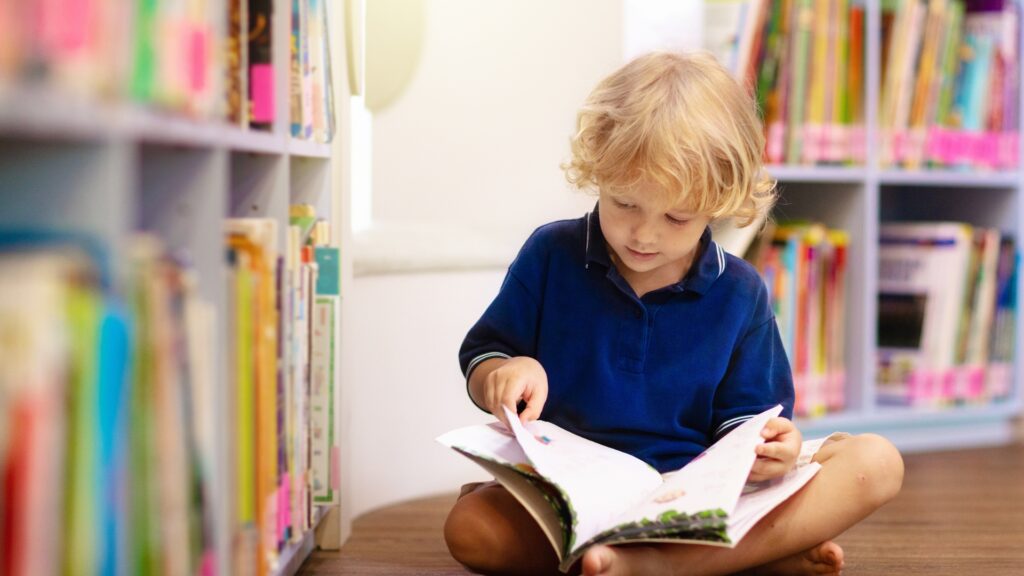
What are AI-generated kids’ books?
AI-generated kids’ books are children’s books created with the help of artificial intelligence tools. In simple terms, AI can assist with story ideas, language structure, character concepts, plot flow, and even illustration support. However, the final book still depends on good creative direction, thoughtful editing, and proper production choices.
Because of that, AI does not replace storytelling on its own. Instead, it helps speed up and expand the creative process. More importantly, it allows publishers and creators to build stories that can feel more varied, personalised, and responsive to young readers’ interests.
Why are AI-generated kids’ books becoming more popular?
AI-generated kids’ books are becoming more popular because they combine creativity with flexibility. First, AI can help produce ideas faster. Then, it can support more customised stories and visuals. After that, creators can shape those ideas into finished books that suit different reading levels, themes, and educational goals. As a result, these books appeal to both families and educators looking for something new and more adaptable.
This matters because children respond strongly to stories that feel engaging and relevant. Therefore, personalised or theme-driven books can encourage stronger interest in reading from an early age.
| Why AI-Generated Kids’ Books Matter | How They Help |
| Faster idea generation | Helps creators build story concepts more quickly |
| Personalisation | Supports books tailored to age, interests, or themes |
| Creative flexibility | Allows wider experimentation with stories and characters |
| Educational support | Can align content with learning goals and reading levels |
| Local production potential | Makes printing and shipping in South Africa more practical |
How does AI help create children’s stories?
AI helps create children’s stories by analysing language patterns, story structures, themes, and narrative styles. First, it can identify how successful children’s stories are built. Then, it can use that structure to generate outlines, character concepts, and scene ideas. After that, human creators can refine the draft so it feels natural, age-appropriate, and emotionally engaging.
Because of that, AI can support the early creative stages without removing the need for human judgment. In fact, the strongest results usually come when AI supports a creator rather than tries to replace one completely.
What are the benefits of AI-generated kids’ books?
AI-generated kids’ books offer several clear advantages. First, they can support personalised content. Then, they can introduce more varied characters, settings, and story types. In addition, they can adapt content more easily to different reading levels and learning needs. As a result, these books can feel more relevant and accessible to a wider range of children.
That matters because children do not all connect with the same type of story. Therefore, more flexible story creation can help more readers find books that hold their attention.
| Benefit | Why It Matters |
| Personalised stories | Helps children connect more strongly with the book |
| Diverse storytelling | Introduces wider experiences and perspectives |
| Reading-level flexibility | Supports children at different stages of development |
| Creative variety | Allows more fresh concepts and character ideas |
| Stronger engagement | Can make reading feel more interactive and relevant |
How do AI-generated illustrations support kids’ books?
Illustrations play a major role in children’s books, so AI-generated visuals can add real value when used properly. First, AI can help generate illustration concepts that match the story. Then, creators can refine those visuals to suit the tone, style, and age group. After that, the final artwork can move into print production with the rest of the book.
Because of that, AI can speed up concept development and support visual consistency. However, the final illustrations still need quality control so the book feels polished and suitable for children.
Can AI-generated kids’ books support literacy and learning?
Yes, AI-generated kids’ books can support literacy and learning when the content is designed properly. First, they can match stories to reading levels. Then, they can focus on themes that help with vocabulary, comprehension, and engagement. In addition, they can offer more targeted content for children with different interests or developmental needs. Consequently, these books can support both enjoyment and educational value.
That is one reason this topic fits well with education printing and broader children’s learning content. A well-made book can entertain and teach at the same time.
| Learning Benefit | How It Helps |
| Age-appropriate reading | Supports children at different literacy levels |
| Topic relevance | Helps children stay interested in the story |
| Personal engagement | Encourages stronger reading attention |
| Diverse characters and themes | Supports empathy and wider understanding |
| Repeat reading value | Helps reinforce language and comprehension |
How are AI-generated kids’ books printed in South Africa?
Once the story and illustrations are complete, the files move into the print process. First, the pages and cover need proper formatting. Then, the print files must match the chosen size, layout, and binding method. After that, the book can be printed locally using professional book-printing equipment. Because of that, local printing in South Africa helps reduce delays and makes the whole process more practical for readers and creators.
This is why AI-generated kids’ books connect directly with books printing and with the broader production workflow. Digital story creation still needs professional physical production to become a finished book.
Why does local printing and shipping matter?
Local printing and shipping matter because they make the final product easier to access. First, local production can reduce long shipping delays. Then, it can simplify communication and delivery within South Africa. After that, it can help creators, schools, and families get the books faster and with fewer cross-border complications. As a result, locally produced AI-generated kids’ books become more practical for everyday use.
This matters especially for schools, events, educational programmes, and family orders where timing and convenience are important.
| Local Production Advantage | Why It Helps |
| Faster access | Reduces long shipping timelines |
| Local delivery | Makes distribution inside South Africa easier |
| Better project control | Helps manage updates and reprints more easily |
| More practical ordering | Supports schools, families, and local creators |
| Stronger production alignment | Keeps design, print, and delivery closer together |
What customisation options make these books special?
Customisation is one of the biggest advantages of AI-generated kids’ books. For example, creators can adjust reading level, story theme, character style, and age suitability more easily than in many traditional workflows. In some cases, they can also personalise names, settings, or visual elements. Because of that, the final book can feel more personal and more memorable to the child reading it.
As a result, personalised books can encourage stronger emotional engagement and make reading feel more exciting from the start.
Who are AI-generated kids’ books best for?
AI-generated kids’ books can work well for parents, teachers, schools, educational creators, children’s publishers, and brands that want family-friendly printed content. Some may want custom stories for reading at home. Others may want educational books, event giveaways, or short-run printed titles built around children’s themes. Therefore, the use cases are wider than many people expect.
If the project also needs educational value or school-friendly use, it may connect well with education printing or with broader book and booklet production.
What should you look for when printing AI-generated kids’ books?
You should look for a printer that understands books properly and can help with file setup, layout, cover preparation, and the final printed format. In addition, the printer should be able to support a book that is visually engaging, child-friendly, and durable enough for repeated use. That matters because a good concept can still fall flat if the finished print quality feels weak.A practical place to start is with books printing, graphic design services, booklet printing, and the contact page for planning and quotes.
Where can you get AI-generated kids’ books printed and shipped in South Africa?
If you need AI-generated kids’ books printed and shipped in South Africa, first decide what kind of book you want to produce, which age group it targets, and how personalised the story and visuals should be. Then choose a local print partner that can handle file preparation, book printing, and delivery properly.
You can begin with Print It ZA’s books printing, graphic design services, education printing, booklet printing, and contact page.
AI-generated kids’ books matter because they combine imagination, technology, and local production into one practical reading product. More importantly, when the story, visuals, printing, and delivery all work together, the final book becomes more engaging for children and more useful for families, educators, and creators.
Frequently asked questions about AI-generated kids’ books
What are AI-generated kids’ books?
AI-generated kids’ books are children’s books created with the help of artificial intelligence tools that support story development, language structure, and illustration concepts.
Why are AI-generated kids’ books becoming more popular?
They are becoming more popular because they support faster idea development, more personalisation, and more flexible story creation for different age groups and interests.
Can AI-generated kids’ books support literacy?
Yes. When designed properly, they can support reading engagement, age-appropriate content, vocabulary development, and stronger interest in books.
Why does local printing in South Africa matter?
Local printing matters because it can reduce shipping delays, improve access, and make the production process more practical for South African families, schools, and creators.
Where can I get AI-generated kids’ books printed in South Africa?
You can get AI-generated kids’ books printed by Print It ZA in South Africa, we already handle books, layout preparation, educational printing, and local delivery support.
Contact Print It ZA today, for a Free Quote and Speedy Service.
Print It ZA, we deliver Printing Best!