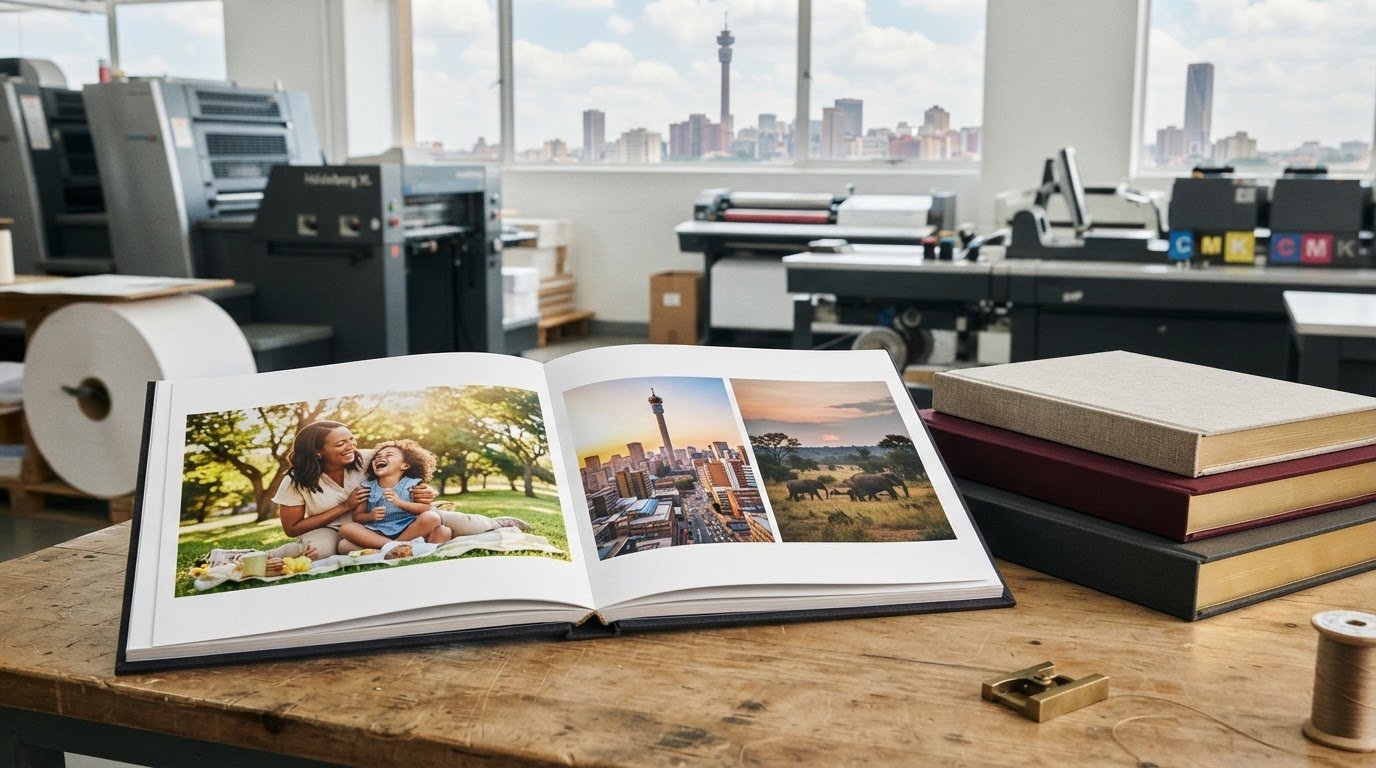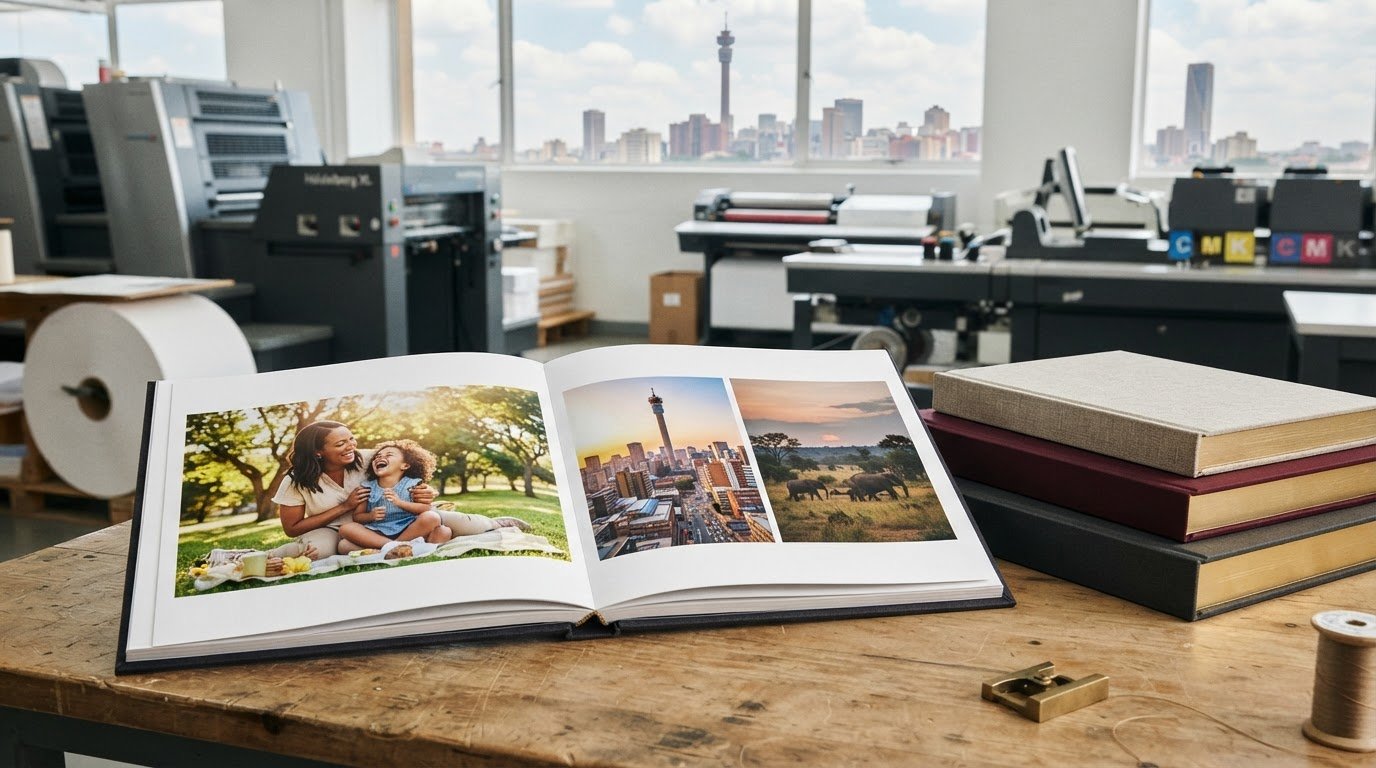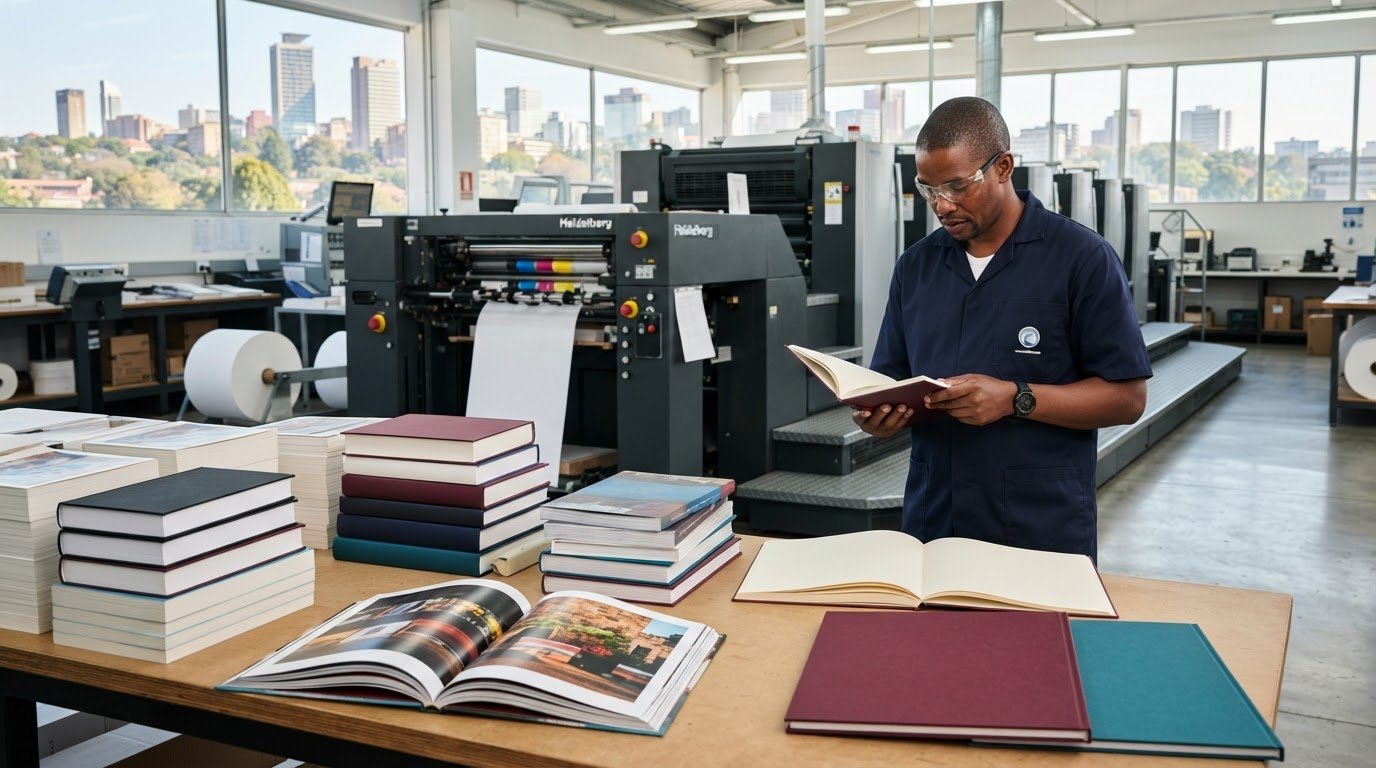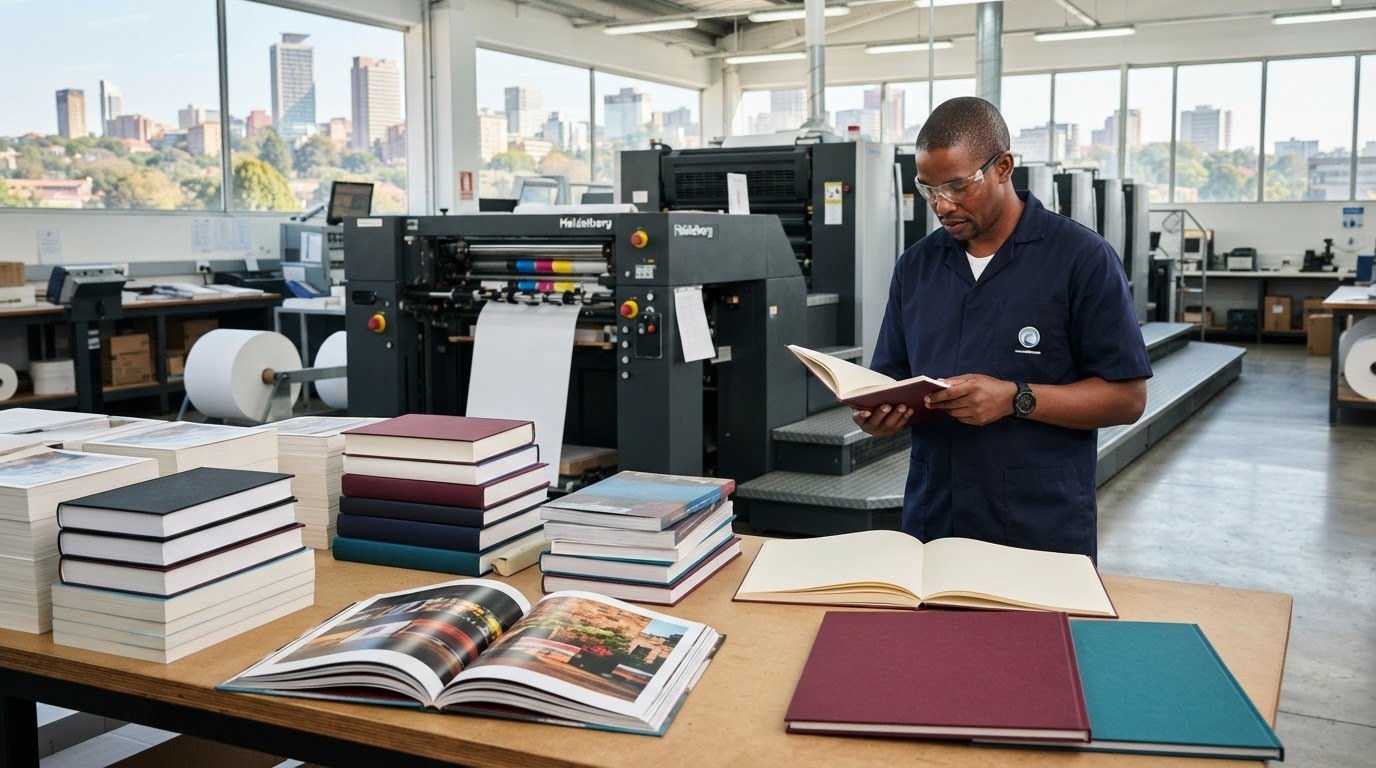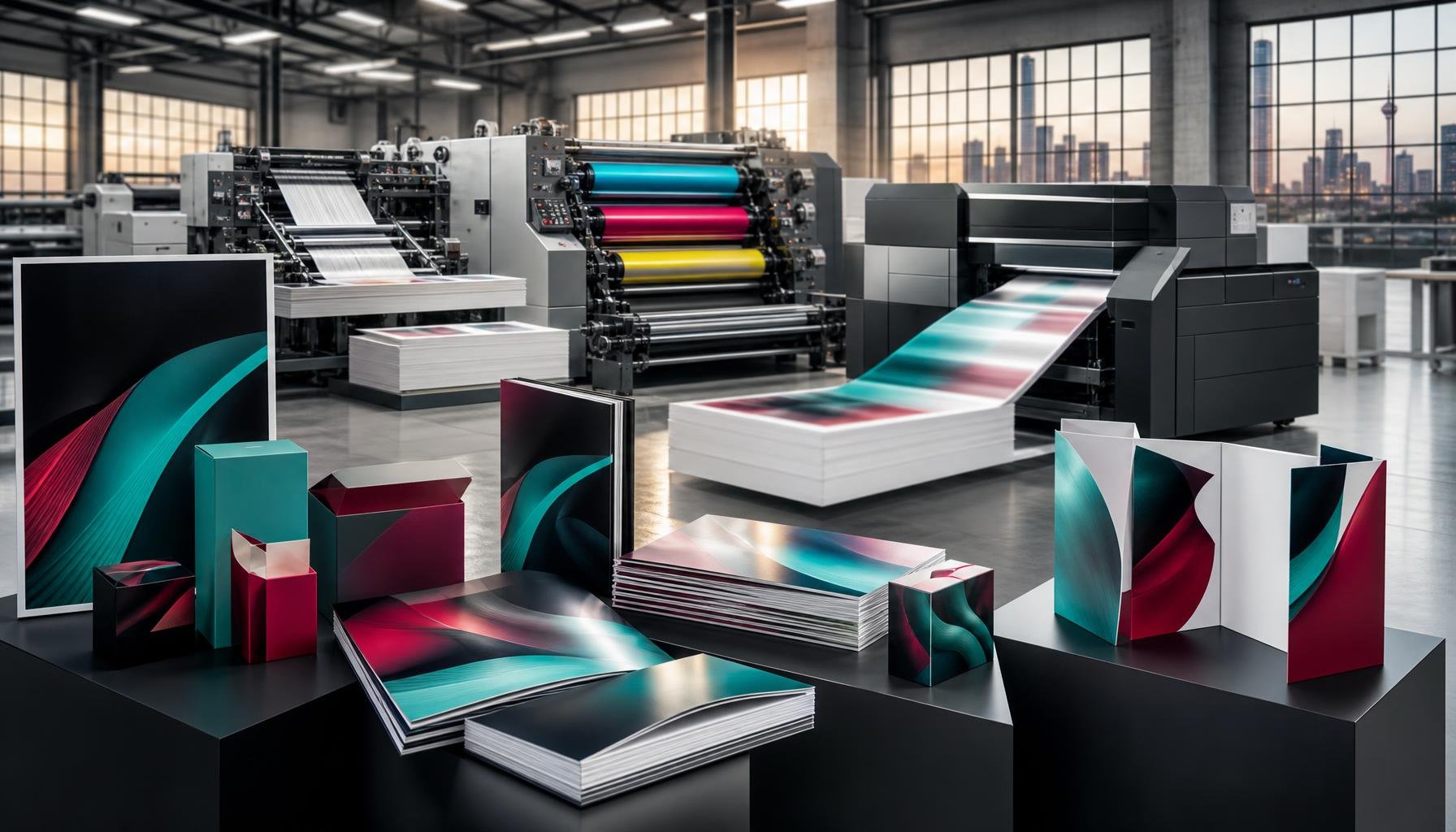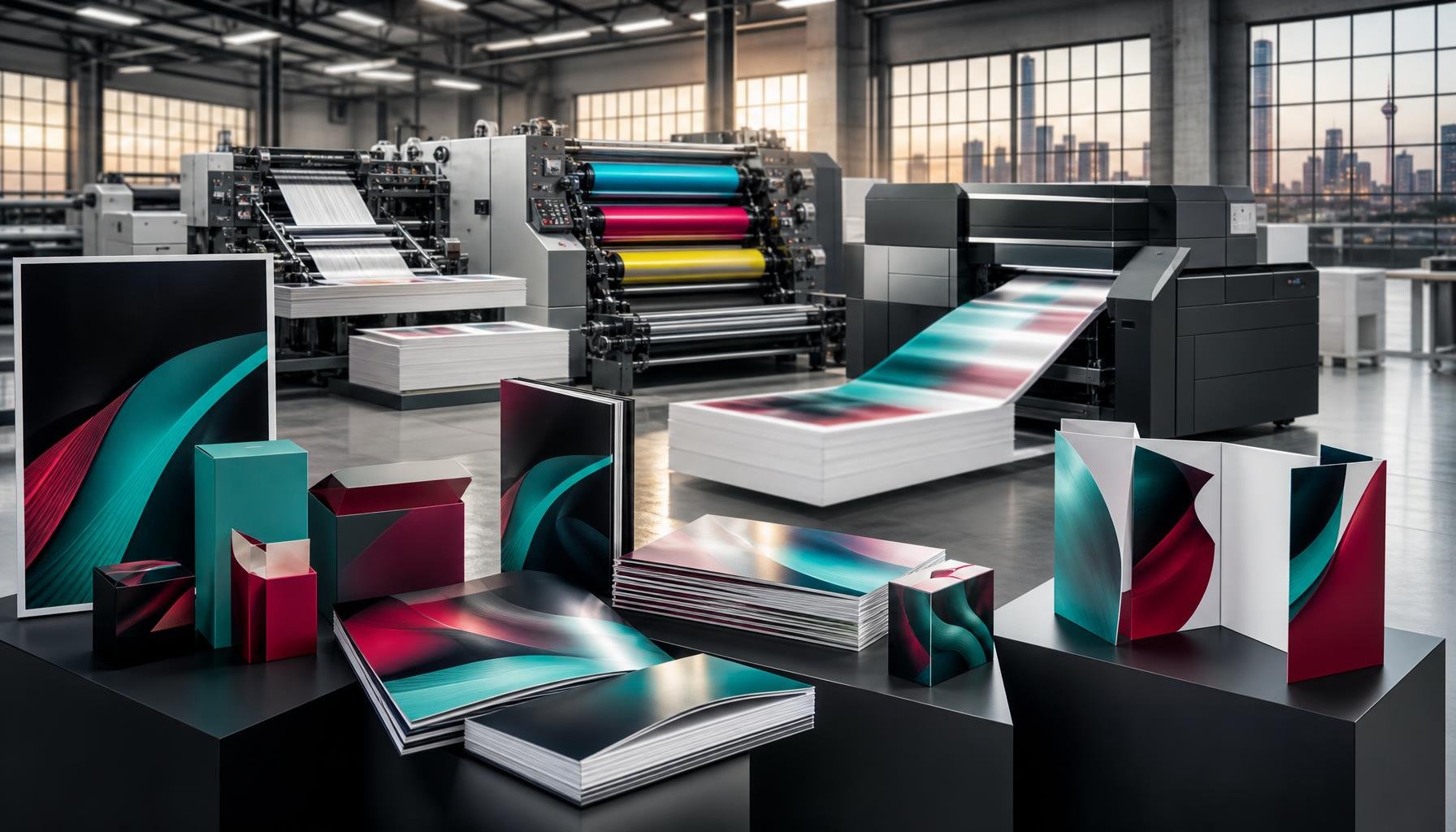
Did you know that 73% of South African online shoppers say they won’t return to a brand if their order arrives in a damaged or “cheap” looking box? In the fast-paced Johannesburg market of 2026, your choice of packaging supplies is no longer just a utility; it’s your most important brand ambassador. You’ve likely felt the sting of paying high courier fees for bulky boxes that don’t even keep your products safe. It’s a common headache for Gauteng entrepreneurs who want to scale without losing their professional edge.
We’re here to help you master your retail or e-commerce procurement with this comprehensive 2026 checklist. You’ll learn how to source premium, bespoke materials that reduce transit damage and align with the latest South African eco-regulations. We’ll show you how to find cost-effective bulk options that protect your margins while ensuring your brand looks vibrant and high-end the moment it hits your customer’s doorstep. This guide covers everything from grammage selection to local supplier verification to make your shipping process seamless.
Key Takeaways
- Identify the crucial differences between primary and tertiary packaging to build immediate consumer trust in the competitive Johannesburg market.
- Master the technical side of procurement by selecting the right flute sizes and material grammage for reliable Gauteng transit.
- Streamline your operations by sourcing essential packaging supplies from local 24/7 facilities that offer superior lead times.
- Calculate the perfect moment to upgrade from “anonymous brown boxes” to premium custom litho-printed solutions that drive brand recognition.
- Elevate your retail presence by integrating high-end finishes like Spot UV and foil stamping into your bespoke packaging strategy.
Why Your Choice of Packaging Supplies Matters in the Johannesburg Market
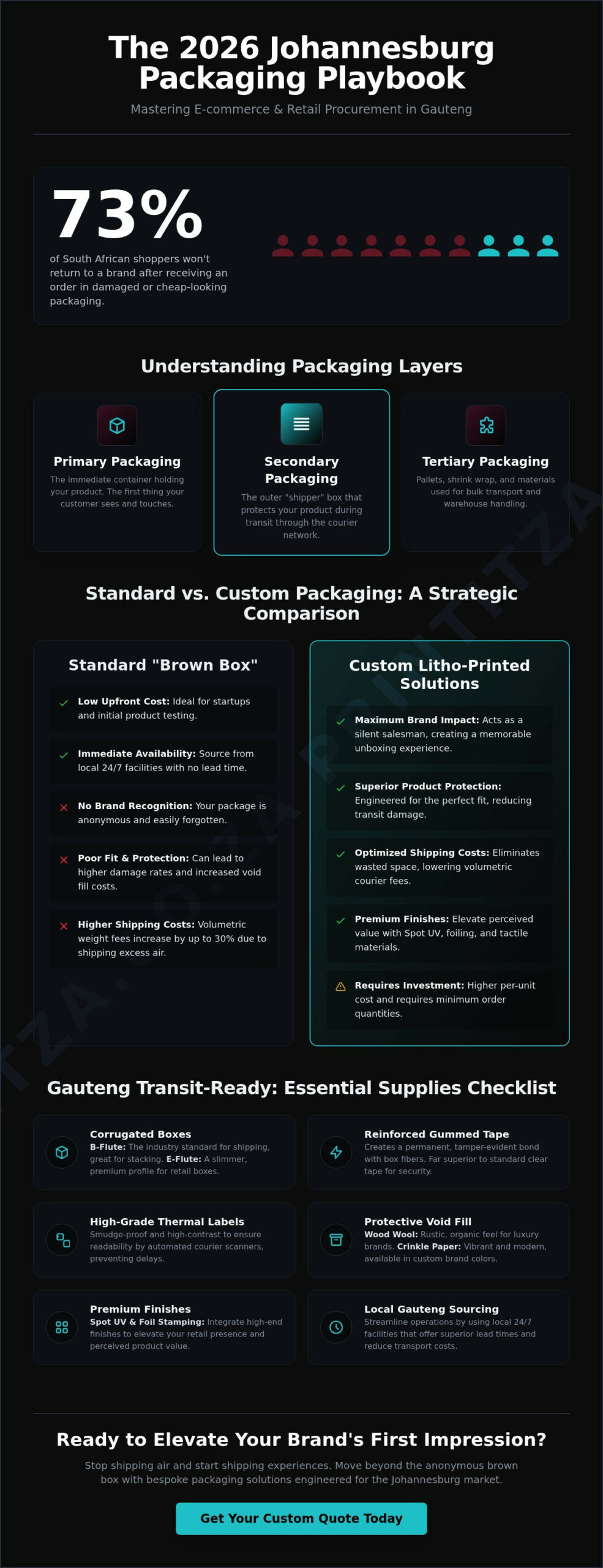
Packaging supplies are the first physical touchpoint your customer has with your brand. In the high-speed Johannesburg market of 2026, you can’t afford to get this wrong. Whether you’re a boutique creator in Maboneng or a large-scale distributor in City Deep, your choice of materials dictates your bottom line. We categorize these supplies into three distinct tiers. Primary packaging is the immediate container touching your product. Secondary packaging is the shipping or “shipper” box. Tertiary packaging includes the pallets and industrial wrap used for bulk transport. Each level requires a specific focus on durability and presentation.
Your packaging acts as a silent salesman. With the rise of conscious consumerism, South Africans now look for clear information and professional finishes. Adhering to local packaging and labeling regulations ensures your brand builds trust immediately. It isn’t just about looks; it’s about compliance and quality that survives the Gauteng courier network. In a city where first impressions are everything, a crushed box or a peeling label can end a customer relationship before it even starts.
Logistics in Gauteng are unique. The province handles over 60% of the country’s total freight volume. This high-volume environment means your parcels face multiple touchpoints and rapid sorting processes. If your corrugated board isn’t the right grammage, your product won’t survive the trip from a Midrand warehouse to a doorstep in Soweto. Using right-sized packaging supplies also slashes costs. Local couriers calculate fees based on volumetric weight. Shipping excess air can increase your delivery costs by up to 30% per unit, making efficiency a financial necessity.
The Role of Packaging in the Gauteng E-commerce Boom
By 2026, online retail in South Africa has surpassed 10% of total retail sales. In affluent hubs like Sandton and Midrand, the unboxing experience is a high-ROI marketing tool. Customers expect premium, tactile finishes that feel bespoke. We’ve seen a 45% increase in local brands switching from generic plastic mailers to branded, paper-based packaging supplies to meet these high expectations and align with sustainability goals.
Understanding Primary vs. Secondary Packaging
Primary packaging is your product’s immediate home, like a vibrant retail box for cosmetics. Secondary packaging is the outer box that protects that beauty during transit. Johannesburg businesses must align both for brand consistency. If your secondary box is flimsy, it damages the primary packaging, ruining the premium feel. Using a “one-stop shop” approach ensures your colors and quality remain seamless across every layer of the customer journey.
The Essential Packaging Supplies Checklist: 10 Items Every Brand Needs
Getting your packaging supplies right in Johannesburg means more than just buying boxes. In 2026, Gauteng’s logistics landscape demands durability and smart material choices. You need corrugated boxes with the right flute size to survive the trip. B-flute is the industry standard for shipping because it handles the stacking pressure in local delivery vans perfectly. For smaller retail items, E-flute offers a slimmer, premium profile that looks great on a shelf while providing enough protection for local transit.
Sealing your goods is just as vital as the box itself. Reinforced gummed tape has become the gold standard for Johannesburg businesses this year. It creates a permanent bond with the box fibers, which makes it much harder to tamper with than standard clear tape. For your labeling, always use high-grade thermal stickers. Local courier hubs now use advanced automated scanners that struggle with faded ink or low-contrast prints. Using smudge-proof labels ensures your parcel moves through the sorting facility without delays.
Don’t overlook the power of branded inserts. Including a simple thank-you note or a quick instruction booklet can drive repeat sales effectively. Data from 2025 retail surveys showed that customers are 20% more likely to return to a brand that includes a personalized touch inside the box. It turns a simple delivery into a memorable unboxing experience.
Protective Materials for Fragile Goods
Choosing between wood wool and crinkle paper depends on your brand’s aesthetic. Wood wool gives luxury Johannesburg gift boxes a rustic, organic feel that appeals to high-end shoppers. Crinkle paper is better for vibrant, modern branding and comes in a variety of custom colors. Many South African retailers are now switching to biodegradable starch-based “peanuts” because they dissolve in water, solving the waste problem for your customers. Dunnage is the essential buffer against Gauteng road transit vibrations.
Sealing and Security Essentials
Security is a top priority for high-value retail in the city. Tamper-evident seals provide a clear visual cue if a package was opened, which builds massive trust with your buyers. Custom printed tape is a low-cost entry point into branded packaging supplies, turning every shipment into a moving billboard for your business. Make sure your adhesives match your eco friendly packaging south africa goals by choosing water-activated options. If you’re ready to upgrade your look, check out our bespoke printing services to get started.
Standard vs. Custom Packaging: A Strategic Comparison
Choosing the right packaging supplies in Johannesburg often comes down to a simple trade-off between speed and identity. While every business dreams of a fully branded experience, the transition from a generic brown box to a bespoke solution requires a strategic look at your current volume and margins. You need to know when the extra spend actually translates into a better bottom line.
Custom litho-printed boxes usually become a viable investment once you hit a monthly volume of 500 units. At this stage, the per-unit cost drops significantly, making it competitive with standard options. Beyond price, custom sizing eliminates “anonymous brown box” syndrome. It also solves structural headaches. Bespoke die-cut inserts hold your products firmly in place, which reduces the need for meters of generic bubble wrap. This precision doesn’t just look better; it lowers your carbon footprint by cutting out excess material waste and reducing the overall shipping volume.
When to Stick with Standard Supplies
If you’re a startup or testing a new product line, standard packaging supplies are your best friend. They offer the flexibility to pivot without sitting on thousands of Rands in unused inventory. You can still create a premium feel without the high minimum order quantities. Many local brands in Midrand and Pretoria successfully “dress up” plain boxes using custom vinyl stickers, branded tissue paper, or printed cardboard sleeves. This hybrid approach keeps your initial costs low while maintaining a professional look that builds trust with your first customers.
The Power of Custom Retail Packaging
When your brand is ready to scale, custom boxes act as a mobile billboard across Gauteng. In a crowded retail market, litho-laminated corrugated board provides a high-end, vibrant finish that standard flexo printing can’t match. This technical advantage is crucial for premium products that need to stand out on a shelf or during an unboxing experience.
The impact is measurable. A boutique located in Rosebank, Johannesburg, reported a 30% increase in social media shares and “unboxing” tags within two months of switching to custom-printed interiors. By investing in the presentation, they turned every customer into a brand ambassador. Custom packaging isn’t just a container; it’s a calculated marketing tool that builds long-term loyalty in a competitive market.
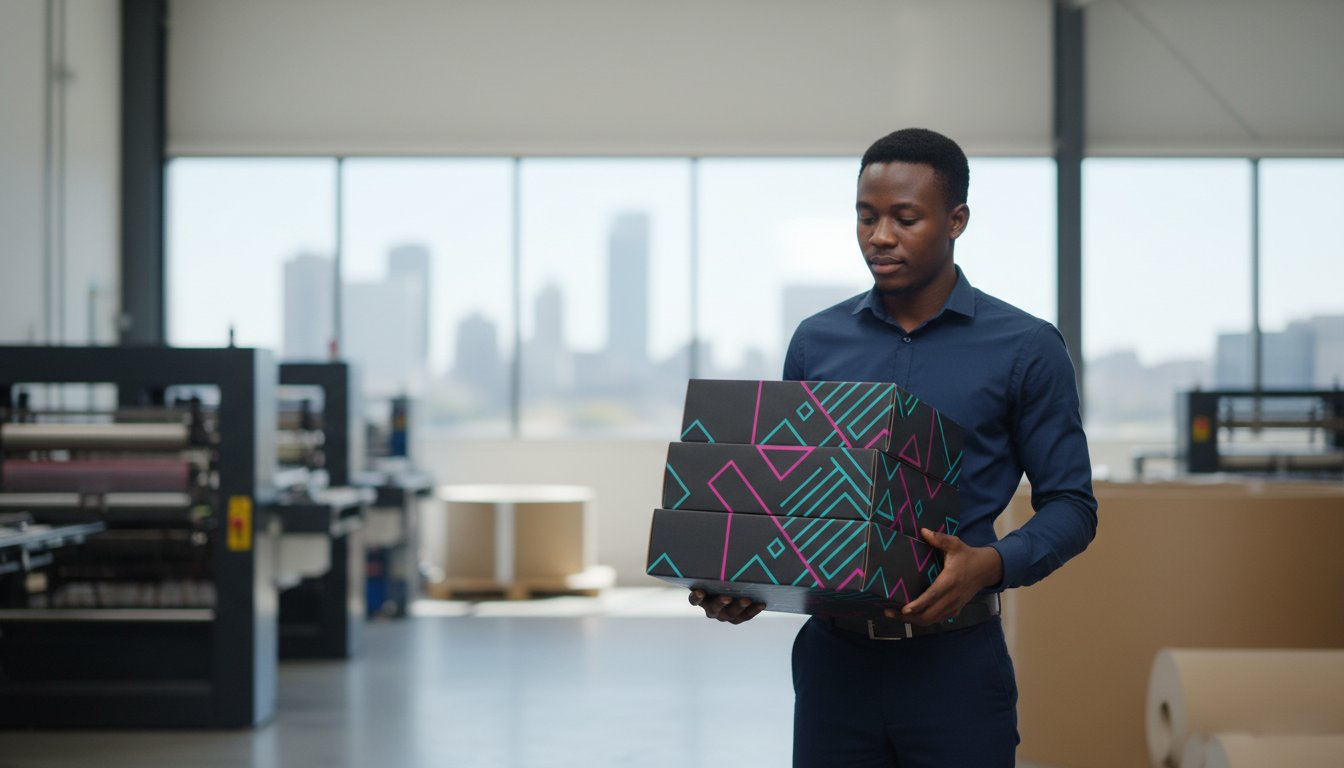
Sourcing Packaging Supplies in Gauteng: A Procurement Checklist
Finding the right packaging supplies in Johannesburg requires a tactical approach. You need materials that protect your goods while keeping costs low. Follow this five-step checklist to streamline your procurement and ensure your brand stands out on the shelf.
- Step 1: Audit your dimensions. Measure your product dimensions and weight precisely. This determines the material grammage. A light 200gsm board works for cosmetics, but heavy industrial parts require double-walled corrugated sheets to prevent crushing.
- Step 2: Evaluate local lead times. Johannesburg is the industrial heart of South Africa. Choosing a 24/7 facility means your order moves even while you sleep. Local production eliminates the 20-day transit delays often seen at the Port of Durban.
- Step 3: Verify sustainability credentials. Check for FSC-certified materials. With South African e-commerce expected to reach new heights in 2026, retailers now prioritize brands that use eco-friendly, recyclable components.
- Step 4: Prototype and test. Gauteng courier routes are notoriously bumpy. Run a “drop test” by dropping your prototype from a height of one meter five times. If the internal product shifts or the box buckles, you need to adjust the structural design.
- Step 5: Compare bulk pricing vs. storage. Bulk orders lower the per-unit cost. However, warehouse costs in Gauteng industrial hubs have seen steady increases. Balance your order volume against your available floor space to avoid high holding costs.
Finding Reliable Packaging Manufacturers in Johannesburg
You need a partner who understands the local market and the pressure of tight deadlines. Look for custom packaging manufacturers johannesburg that offer in-house design teams. These experts ensure structural integrity before you hit the print button, saving you from costly reprints. Local production is a massive win for your bottom line. It helps you avoid the headache of Rand-Dollar volatility and ensures your packaging supplies are always available when demand spikes.
Logistics and Distribution in South Africa
Managing inventory is a constant balancing act. Many businesses now use a “Just-in-Time” model to handle seasonal peaks like Black Friday or the December holidays. This requires a supplier with a massive distribution network. Print It ZA manages 24/7 distribution from their Gauteng facility, ensuring your boxes and mailers arrive exactly when your production line needs them. Whether you’re shipping across the N1 to Pretoria or preparing international export packaging, your materials must meet global durability standards. We make sure your brand arrives in perfect condition every time.
Ready to upgrade your unboxing experience with premium materials? Get a custom quote from Print It ZA today.
Elevating Your Brand with Custom Solutions from Print It ZA
Standard boxes don’t sell products; premium experiences do. To grab attention on competitive Johannesburg shelves, you need finishes that demand a second look. We specialize in high-end print techniques including Spot UV for tactile contrast, velvet lamination for a luxury feel, and precision foil stamping for that retail shine. These enhancements transform basic packaging supplies into powerful marketing tools that communicate quality before the customer even opens the box.
Choosing a “One-Stop Shop” simplifies your entire supply chain. By integrating our point of sale display printing johannesburg services with your product packaging, you create a seamless brand journey from the aisle to the checkout counter. We are a 100% South African-owned manufacturer, which means we maintain strict quality control right here in Gauteng. You won’t have to deal with the 6-week lead times or communication barriers of international shipping. Instead, you get a reliable creative partner who understands the local market dynamics.
From Concept to Distribution: The Print It ZA Process
Our workflow bridges the gap between a creative idea and a physical product. You’ll work directly with our in-house designers to develop bespoke structural layouts that protect your goods while looking fantastic. We focus on “right-sizing” your boxes to reduce board waste by up to 15 percent, which lowers your costs and your environmental footprint.
For large-scale rollouts, our high-volume litho printing ensures every unit of your retail packaging south africa looks identical, with vibrant colours and crisp text. We don’t stop at printing. Our team handles final assembly, kitting, and secure packing. We offer reliable Gauteng-wide delivery options to ensure your stock arrives exactly when your production line needs it.
Get Your Custom Packaging Quote Today
Getting a quote is straightforward when you have your details ready. To get the most accurate pricing, prepare a brief that includes your internal dimensions, the estimated weight of the product, and your preferred grammage or board type. If you aren’t sure about the technical specs, our team can recommend the best materials for your specific application.
Keep in mind that custom die-cut projects usually have Minimum Order Quantities (MOQs) to ensure the setup costs remain cost-effective for your business. We pride ourselves on being a no-nonsense service provider that values your time and your vision. We make the technical side of printing easy to understand so you can focus on growing your business. Ready to upgrade? Contact Print It ZA for professional packaging supplies and custom designs and let’s start your next project today.
Future-Proof Your Brand for the Johannesburg Market
Success in the fast-paced Gauteng economy depends on a reliable supply chain and a standout visual identity. By following a rigorous procurement checklist, you ensure your brand stays consistent while avoiding the common pitfalls of stockouts or poor material choices. Choosing the right packaging supplies is about more than protection; it’s a strategic move to build trust with your customers. Balancing cost-effective standard items with high-impact custom solutions gives your business the competitive edge it needs in 2026.
Print It ZA has been a proudly South African owned and operated partner since 2005. We understand the local landscape and operate a 24/7 facility in Johannesburg to keep your business moving at all hours. With our in-house structural design and prototyping services, we turn your creative ideas into premium reality without the stress. We’re here to make your printing journey simple, fast, and professional.
Ready to see your vision come to life? Request a Custom Packaging Quote from Print It ZA and let’s build something incredible together. Your brand deserves to look its best, and we’re excited to help you get there.
Frequently Asked Questions
Where can I find affordable packaging supplies in Johannesburg?
You can find the most competitive prices for packaging supplies in industrial hubs like City Deep, Amalgam, and Wynberg. These areas host large-scale wholesalers where buying in bulk can reduce your per-unit cost by up to 30 percent. For smaller quantities, online marketplaces and local specialist shops in the CBD offer convenient collection points to help you avoid high delivery fees.
What are the most eco-friendly packaging supplies available in South Africa?
Recycled corrugated cardboard and FSC-certified paper remain the top choices for sustainable brands in 2026. You can also source compostable mailers made from cornstarch or mushroom-based inserts that biodegrade within 45 days in a home compost heap. Many local businesses now prioritize these packaging supplies to meet the growing consumer demand for plastic-free shipping solutions.
How do I choose the right box size for my e-commerce products?
Measure your product’s widest points and add a 10mm buffer on all sides to accommodate protective padding like honeycomb paper or bubble wrap. Choosing a box that fits snugly helps you avoid “dim weight” pricing, where couriers charge you based on the box volume rather than its actual weight. Use the standard formula of Length x Width x Height divided by 5000 to calculate your volumetric weight before booking a shipment.
Can I get custom-printed packaging supplies in small quantities?
Yes, you can easily order custom-branded boxes or mailers in quantities as low as 10 to 50 units thanks to modern digital printing technology. This approach removes the need for expensive setup fees or physical plates, making it perfect for seasonal promotions or small business launches. It’s a fast and flexible way to give your brand a premium feel without committing to thousands of units upfront.
What is the difference between litho and digital printing for packaging?
Litho printing uses physical plates and ink rollers, which makes it the most cost-effective option for large runs exceeding 500 units. Digital printing works much like a high-end office printer and is better for short runs or designs that require frequent updates. While litho offers slightly better color depth on specific pantone shades, digital printing provides a much faster turnaround time for urgent projects.
How can I prevent my packaging from being damaged by South African couriers?
Use double-walled corrugated boxes for any items weighing over 5kg and seal all seams with high-tack 48mm pressure-sensitive tape. Industry data shows that 80 percent of transit damage occurs during automated sorting, so adding reinforced edge protectors can save your goods from being crushed. Don’t forget to apply “Fragile” or “This Way Up” stickers clearly on at least two sides of the parcel.
Are there specific regulations for food packaging supplies in Gauteng?
You must comply with the R146 labeling regulations and the Consumer Protection Act of 2008 to ensure your packaging is safe for public consumption. Any materials in direct contact with food must be food-grade certified and free from harmful chemicals like Bisphenol A. Always ask your supplier for a Certificate of Conformance to prove their products meet South African National Standards (SANS) for food safety.
What are the top packaging trends for South African retailers in 2026?
Smart packaging featuring scannable AR codes and minimalist “right-sized” designs are the biggest trends hitting the local market this year. Research indicates that 65 percent of Johannesburg shoppers prefer brands that use zero-plastic tape and recycled paper fillers. Vibrant, bespoke interior prints are also replacing plain brown interiors to create a “wow” unboxing experience that encourages social media sharing.