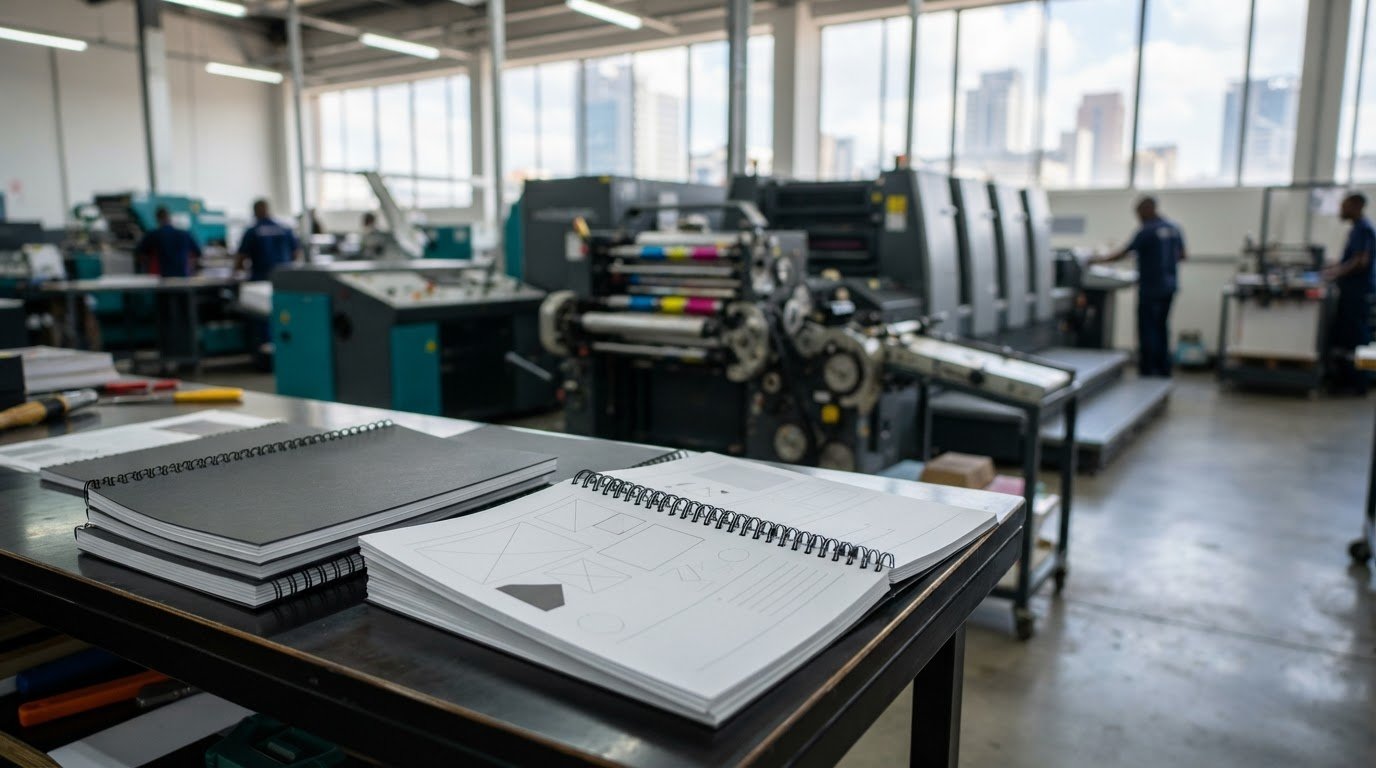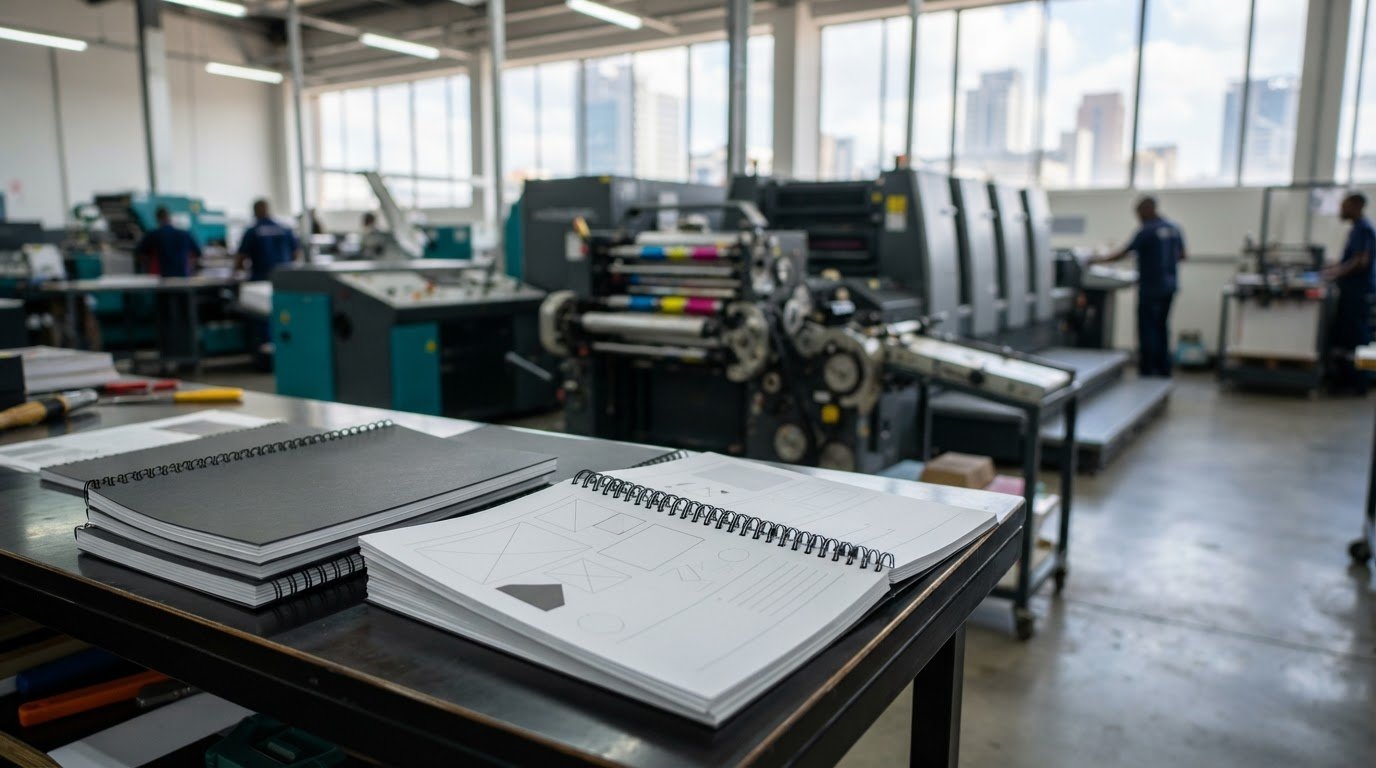

A polished book depends on production planning as much as on the manuscript itself. If you’re exploring self-publishing book printing Johannesburg, choosing a format, finish and print method early can help you avoid file problems and keep the project on track.
Before sending your book to print, consider how readers will use it, whether paperback or hardcover suits its purpose, and whether your cover and interior files are ready. You’ll also need to compare digital and lithographic printing for your planned run. These decisions shape how your finished book looks and feels.
This guide covers the key choices, from formats and finishes to artwork preparation and print-ready files. You’ll also learn how digital and lithographic printing differ, and what project details to organise before production. Print It ZA print and packaging supports Johannesburg and Gauteng authors with in-house design and book production in paperback and hardcover, from creative development through to delivery.
Key Takeaways
- Plan your book’s format and intended reader experience before production so your choices support the project’s purpose.
- Compare digital and lithographic printing against the requirements of your planned run, rather than relying on a fixed quantity rule.
- Consider how trim size, layout, page count and colour choices work together to shape the finished book.
- Prepare your manuscript, interior layout, cover artwork and production preferences to make the move from files to print smoother.
- Self-publishing book printing Johannesburg authors can bring design support and paperback or hardcover production together with Print It ZA.
Self-publishing book printing in Johannesburg: what to plan before production
A completed manuscript is a major milestone, but it isn’t yet a print-ready book. You still need to decide how the pages will be presented, what the cover will look like and which production choices fit your project. For authors planning self-publishing book printing Johannesburg, a clear brief turns those decisions into practical information for production.
Self-publishing book printing means producing physical copies of a work whose content and publishing decisions are controlled by the author. It’s one part of a broader process. Publishing can include editing, design, assigning identifiers and deciding how a book will reach readers. Distribution handles getting copies to sales channels, while marketing helps readers discover the book. For a broader introduction to what is self-publishing, see Wikipedia’s overview. This guide focuses on the Johannesburg print-production stage, not every step in an author’s publishing journey.
What information belongs in a book-printing brief?
Give the printer a useful snapshot of the book and its purpose. Include the working title, intended audience and category, such as a novel, children’s book or memoir. Then describe the production you have in mind:
- Format: paperback or hardcover, plus your preferred finished book size if known.
- Content and colour: an estimated page count and whether the interior needs colour throughout, in selected sections or not at all.
- Binding and presentation: your preferred binding and priorities for how the book should look and feel in a reader’s hands.
- Files and support: whether you have a completed interior layout and cover artwork, or would like design support.
These details help frame the production discussion without requiring you to know every technical specification at the outset. If a choice is still open, say so. The book’s purpose and intended reader experience are useful starting points for working through the options.
Which self-publishing decisions come before printing?
Settle the manuscript’s editing and final text before layout begins. Changes made later can affect page flow and the finished page count, so treating the text as final helps keep design and production decisions aligned. The author remains responsible for content ownership and publishing choices; printing is the physical production of the approved book.
A useful print brief states what the book is, who it’s for, how it should look, which files are ready and what production support is needed. With that information gathered, authors can discuss their project more efficiently with Print It ZA and move towards a considered print plan in Johannesburg or elsewhere in Gauteng.
Choose a book format and print method that suit your project
Your format shapes more than a book’s appearance. It affects how readers handle it, how the design comes together and which production choices make sense. For self-publishing book printing Johannesburg authors can compare paperback and hardcover formats alongside digital and lithographic printing, then match those choices to the book’s purpose.
Paperback or hardcover: which format fits your book?
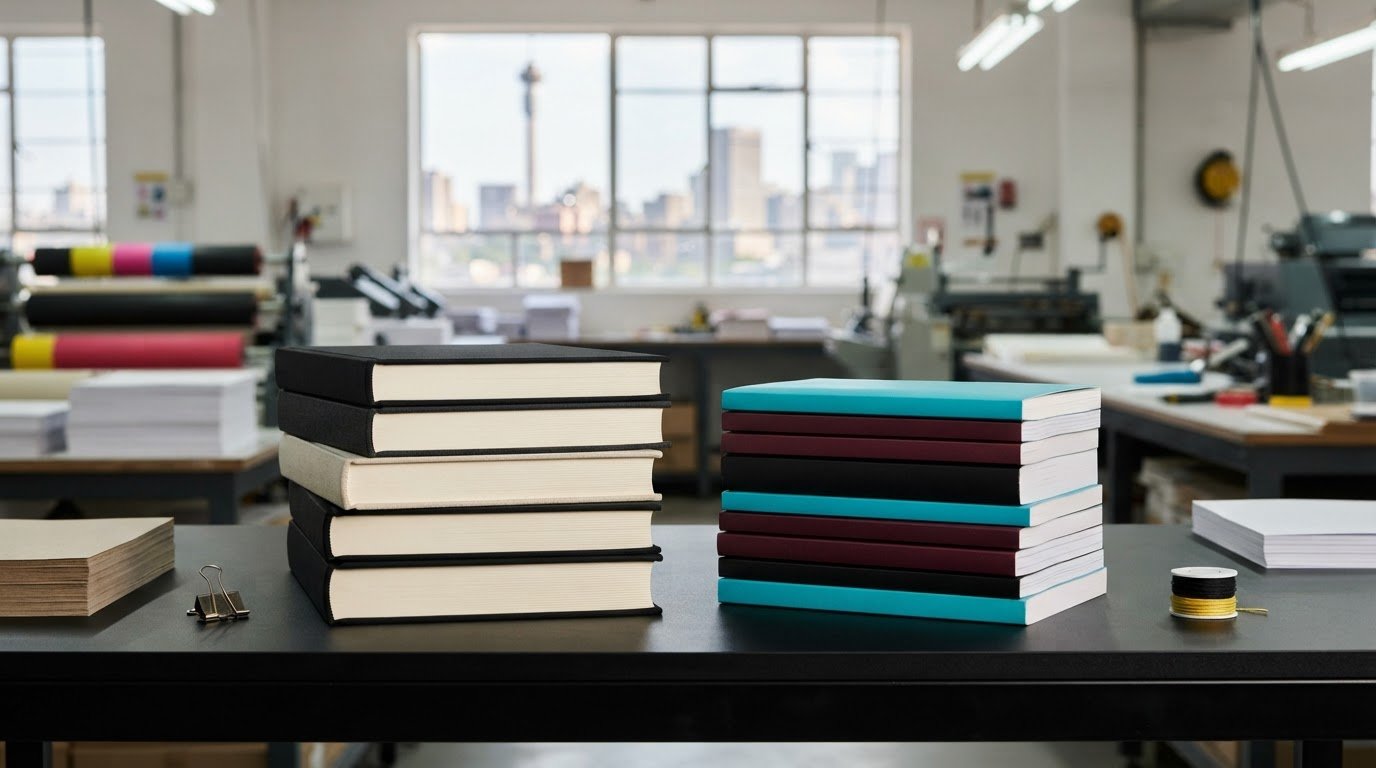
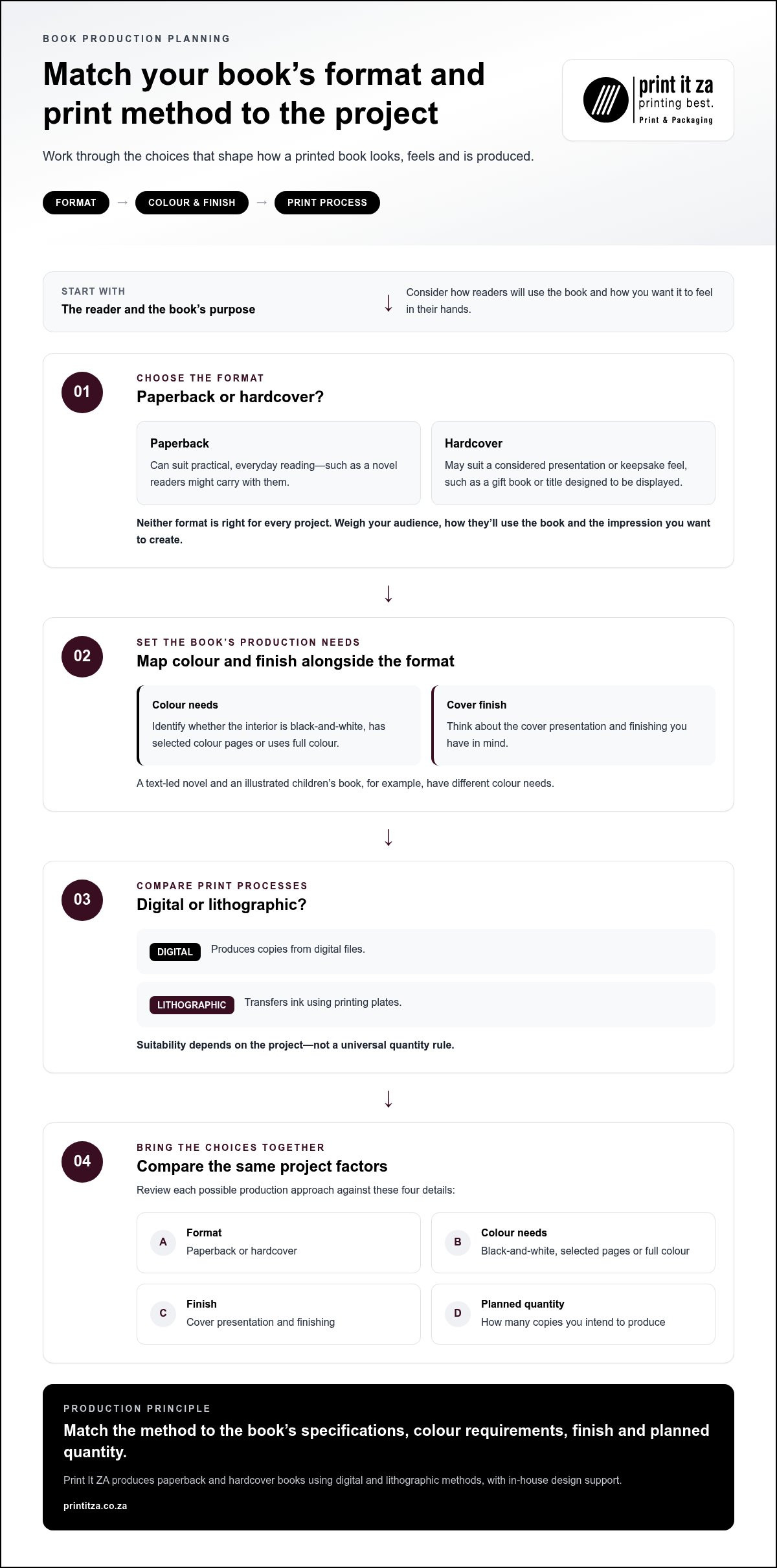
Paperback can suit books intended for practical, everyday reading, such as a novel readers might carry with them. Hardcover may support a considered presentation or keepsake feel, making it an option to explore for a gift book or a title designed to be displayed. Neither format is automatically right for every project. Think about your audience, how they’ll use the book and how you want it to feel in their hands.
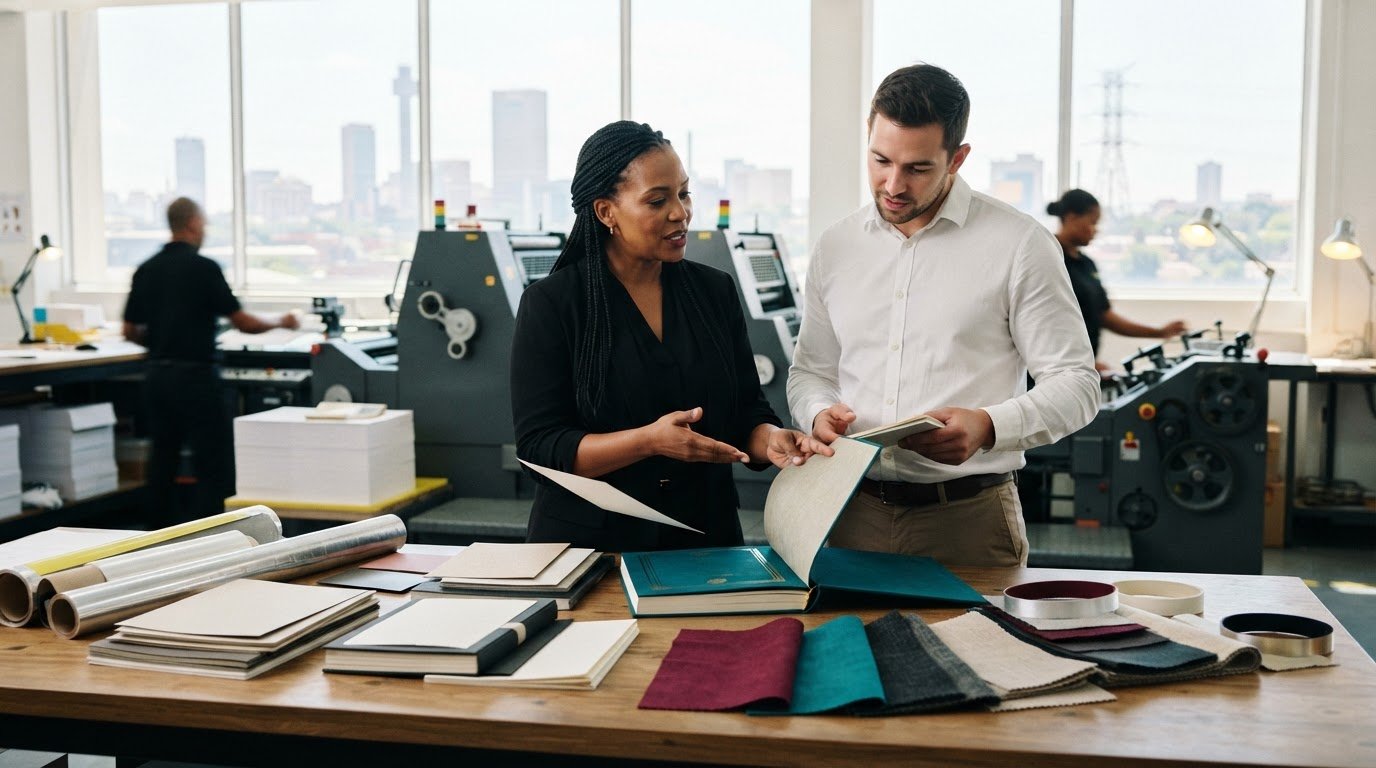
Cover artwork and finishing choices contribute to that impression, so consider them alongside the format rather than as an afterthought. Jane Friedman’s guide to choosing the right materials for your book offers additional context on print materials and production specifications.
Digital or lithographic printing: what should authors compare?
Digital printing produces copies from digital files, while lithographic printing transfers ink using printing plates. Both methods can be used for book production, but their suitability depends on the project rather than a universal quantity rule. Compare your planned quantity, the amount of colour in the book, the finish you want and the production requirements of the format. A text-led novel has different colour needs from an illustrated children’s book, for example.
The right printing method depends on the book’s specifications, colour requirements, finish and planned quantity. To make the options easier to discuss, create a simple comparison table with columns for each possible production approach and rows for:
- Format: paperback or hardcover.
- Colour needs: black-and-white, selected colour pages or full-colour interiors.
- Finish: the cover presentation and finishing you have in mind.
- Intended quantity: how many copies you’re planning to produce.
Filling in this comparison shows where your priorities are clear and where you may need production guidance. It also gives Print It ZA a useful basis for discussing your project, without committing you to a method before its details are considered.
Print It ZA produces hardcover and paperback books using digital and lithographic methods, with in-house design support for authors developing their projects. Explore Print It ZA book printing to see how these production options can fit your book.
What affects the look, feel and production plan of a printed book?
Technical choices can feel like a lot at first. Make them manageable by grouping them into three areas: design, format and finish. In self-publishing book printing Johannesburg projects, these choices work together: page size influences the layout, the layout affects page count, and page count informs the finished book’s proportions.
How do layout and colour choices influence the printed result?
Trim size is the final height and width of the pages. A compact size may suit a book designed for easy handling, while a larger page gives illustrations or diagrams more room. Typography, margins and image placement determine whether the content feels clear and balanced in that space. Page count matters too: changes to text, spacing or image placement can alter the number of pages in the final layout.
Colour is a separate production decision. A black-and-white interior has different requirements from a full-colour book, or one with colour only in selected sections. Consider the purpose of each image and review how illustrations, photographs and text sit together across the book, not just on isolated pages. A proof or sample can help you assess layout and image reproduction before production. For broader South African publishing context, visit the Publishers’ Association of South Africa.
How do binding and cover choices shape reader expectations?
Binding and cover design help signal how a book is intended to be used and experienced. A simple, text-led cover creates a different impression from a highly visual design, while paperback and hardcover formats each have their own feel. Connect your choice to the book’s audience and purpose, rather than assuming one format suits every title.
The cover file also needs to be designed for the selected format and final layout. Its dimensions and placement must account for the finished book, including the spine area where relevant. Record your preferred binding and cover direction in the print brief, alongside the intended size and estimated page count. That gives the design and production discussion a clear starting point.
Before approving the production plan, review a proof or sample with a practical eye. Check that the text is readable, margins feel consistent, images appear in the intended positions and the overall book matches your design goals. You don’t need to master every technical term. Focus on what you want readers to see, feel and do with the book, then discuss how the design, format and finish can support that experience.
Prepare manuscript and artwork files for a smoother print process
Organised files make it easier to discuss your book’s production and spot content or design issues before approval. Gather the final manuscript, interior layout, cover artwork and preferences for format, colour, binding and quantity. Before sharing the files, check that the page size matches your preferred finished size, page numbers and chapter order are consistent, and images are placed as intended. If you’re still developing the design, Print It ZA’s in-house team can support your project from creative development through production.
What should authors check in the interior file?
Work through the checks in order. Keep a copy of the approved text and artwork together, and note any questions that need production guidance.
- Finalise the text. Complete editing and settle the wording before layout, so late changes are less likely to disrupt pagination.
- Check the reading order. Confirm the chapter sequence, headings, page numbers and any front or back matter.
- Review layout consistency. Look for consistent typography, spacing and margins. Check that headings and page elements appear as intended throughout.
- Check images and other visual assets. Confirm that each item is placed correctly and intended for print. Review image positioning in relation to nearby text and the page as a whole.
- Gather your production preferences. Record the chosen format, estimated page count, colour needs, preferred binding and planned quantity.
- Review file specifications. Check that the page size, layout and cover dimensions align with the planned book. Technical requirements can vary with the book and production approach, so share the files with Print It ZA for project-specific file checks.
- Review the proof and approve artwork. Check the assembled pages and cover before giving approval for production.
This sequence keeps content checks separate from production checks. It also gives Print It ZA a clear view of what’s final and where design or file support may be useful.
How should authors review a cover and proof?
Check the cover text carefully, including the title, author name, back-cover copy and any other wording. Review the cover alongside the chosen format and interior layout, so the design feels coherent with the book rather than like a separate piece. If design is still in progress, Print It ZA can help develop the artwork as part of the production journey.
Use the proof review as a practical quality-control step. Look for missing pages or text, alignment issues and visual inconsistencies between sections. Read the cover text again, even if you’ve already checked it in a separate document. A careful review can help identify issues before approval, but it shouldn’t be treated as a guarantee that every error has been caught.
To turn prepared content and artwork into a production-ready book, discuss your book printing project with Print It ZA.
Print your self-publishing book project at Print It ZA
Once your format is settled and your manuscript and artwork are organised, bring the project details together. For self-publishing book printing Johannesburg, a clear overview helps Print It ZA understand what you’re producing and shape a printing proposal around your book’s requirements.
What should you share when requesting a book-printing quote?
Include the details you’ve decided so far, even if some are still estimates. A useful enquiry covers:
- Book format: paperback or hardcover, along with the intended finished size if known.
- Content: estimated page count and whether the interior is black-and-white, colour or a combination.
- Quantity: the planned number of copies, or an estimate if you’re still working out the print run.
- Files: whether your manuscript, interior layout and cover artwork are final, in progress or still need design support.
- Presentation: your preferred binding and finish, plus any design priorities for the cover or interior.
These specifications give the team a practical starting point. Print It ZA offers digital and lithographic printing, and the project’s quantity, colour needs, format and finishing preferences help inform which approach suits the job. If your layout or artwork needs development, in-house design support can help move the project from creative development towards production.
How does local production support Johannesburg authors?
For authors in Johannesburg and across Gauteng, working with a local printing company makes it straightforward to discuss production requirements and prepare a book for print. Print It ZA supports projects from design through production and delivery, with nationwide delivery for authors elsewhere in South Africa. Your planning can stay focused on the book itself, whether you’re based in Johannesburg or sending copies to readers across the country.
Before you enquire, gather your format, estimated page count, colour requirements, planned quantity and file status. Add your preferred finish and note where design assistance would be useful. A complete brief helps the team understand your goals and tailor the discussion to your book.
Ready to move from planning to production? Start your book-printing enquiry with Print It ZA and share your project details.
Take the next step towards your finished book
A polished printed book starts with clear choices. Settle the format and intended reader experience, then organise your manuscript, interior layout and cover artwork for review. Your page count, colour needs, finish and planned quantity will help shape the production discussion.
For self-publishing book printing Johannesburg, Print It ZA brings digital and lithographic printing together with in-house design support. The team can support your project from creative development through production and delivery, helping turn your plans into a physical book.
Gather the details you have so far, including any areas where you’d value design or production guidance. Then discuss your self-publishing book project with Print It ZA and take a confident step towards sharing your work with readers.
Frequently Asked Questions
How do I get a self-published book printed in Johannesburg?
Start by choosing your preferred format, then gather the book details and files for a production discussion. Share the estimated page count, colour requirements, planned quantity, preferred binding and whether your manuscript and cover artwork are ready. Print It ZA supports self-publishing book printing in Johannesburg with digital and lithographic methods, in-house design support and production through to delivery. These details help the team shape a proposal around your project.
What files do I need to print my self-published book?
Prepare your final manuscript, interior layout and cover artwork, if these are ready. Also gather your production preferences, such as book format, estimated page count, colour needs and preferred finish. Check chapter order, headings, page numbers, image placement and cover text before sharing files. Technical requirements depend on the book and production approach, so Print It ZA can guide file checks for your specific project.
Should I choose digital or lithographic printing for my book?
The right method depends on your project specifications, including planned quantity, colour requirements, format and finish. Digital printing produces copies from digital files, while lithographic printing uses plates to transfer ink. Rather than relying on a fixed quantity rule, consider how these requirements work together. Print It ZA offers both methods, so the production discussion can focus on what fits your book and planned print run.
Is paperback or hardcover better for a self-published book?
Neither format is automatically better. Choose based on your audience, purpose and the experience you want the book to offer. Paperback can suit practical, everyday reading, while hardcover may fit a book intended for a considered presentation or keepsake use. Think about how readers will handle the book and how the cover design supports its content. Print It ZA produces both paperback and hardcover books.
How much does it cost to print a self-published book in Johannesburg?
The cost depends on your book’s specifications, so a tailored quote is the most useful way to understand the printing cost. Factors include format, estimated page count, colour requirements, planned quantity and preferred finish. To help the team assess your requirements, share these details along with the status of your manuscript, interior layout and cover artwork. Print It ZA can prepare a proposal based on your project information.
Can a printer help me prepare my book design for printing?
Yes. Print It ZA has an in-house design team that can support book projects from creative development through production and delivery. If your interior layout or cover artwork is still in progress, explain what has been prepared and where you need support. If you already have design files, share them for printer-guided checks against the book’s production requirements. This helps connect the visual design with the selected format and printing approach.
How do I check a printed book before approving production?
Review the proof or sample carefully before approving production. Check that pages and chapters appear in the right order, page numbers are consistent, text is readable and images sit as intended. Inspect the cover title, author name, back-cover copy, alignment and visual consistency with the interior. Note any changes clearly and review revised material where needed. Proofing is a practical quality-control step, not a guarantee that every error has been found.