
Book binding is the finishing process that transforms printed sheets into a durable, usable book or booklet, and choosing the right method affects cost, durability and the reader experience.
What is book binding and why does it matter?
Book binding is the set of techniques used to assemble and secure pages together with a cover so the printed product functions as a single, durable unit. The method you pick — perfect bind, spiral (coil), saddle stitch, sewn hardcover or otherwise — determines how a document opens, how long it will last under heavy use, and how professional it looks. In commercial printing and educational printing, correct binding directly impacts longevity, costs and usability: schools ordering bulk educational printing for lesson packs and textbooks need different binding than a short-run marketing catalogue.
According to Wikipedia, bookbinding has a long history and many traditional and modern techniques have been standardised over centuries. Choosing the right binding is a decision that balances budget, turnaround, expected handling and the distribution model (bulk delivery across South Africa, print-on-demand or a mix of both).
Which common types of book binding are used: Perfect bind, Spiral, and Hardcover?
The three most commonly requested binding styles in commercial and educational printing are perfect bind, spiral (coil), and hardcover (case binding). Each has clear pros and cons:
- Perfect bind — glued spine, ideal for paperbacks, catalogues and softcover books. Cost-effective for medium-thickness books and widely used in catalogue printing and brochure printing services.
- Spiral/coil binding — durable, lays flat, great for workbooks, training manuals and recipe books; excellent for school handouts and training materials with frequent page-turning.
- Hardcover (case binding) — sewn or glued signatures with rigid boards and cloth or paper covers; premium feel and highest durability for library-grade textbooks and custom publishing projects.
Table: Quick comparison
| Binding | Best for | Durability | Cost |
| Perfect bind | Paperbacks, catalogues, magazines | Moderate | Low–Medium |
| Spiral | Workbooks, training manuals, planners | High (with plastic/metal coil) | Low–Medium |
| Hardcover | Textbooks, reference books, premium books | Very High | High |
How do you choose the best binding for textbooks and school materials?
When selecting binding for school textbook printing, consider durability, cost per unit for bulk educational printing for schools, and how students will use the materials. Spiral binding and sewn hardcover options are typical for heavy-use texts: spirals let books lay flat for classroom desks, while sewn hardcovers survive long-term circulation in libraries.
For termly workbooks and teacher guides where fast turnaround printing and cost-effective print solutions are priorities, perfect bind or wire-o spiral are often chosen. Many schools in South Africa opt for combination strategies: hardcover for core textbooks and spiral or perfect bound for subject guides and workbooks. For curriculum volumes and teacher manuals, see our training manual printing services tailored to classroom use: training manual printing.

What are the visual and structural differences between perfect bind and case (hardcover) binding?
Perfect binding uses glue applied to the spine edge of a gathered book block and a soft cover that wraps around. Visually it looks like a paperback with a square spine, which also provides a neat place for printing the title and publisher. Case binding involves sewing signatures (groups of pages) together, attaching endpapers, and mounting the block into a rigid cover — the result is a durable, high-quality book that handles heavy use and frequent shelving.
Perfect bind is economical for larger runs of thicker softcover books, while case binding is the go-to for textbooks, library editions and premium coffee-table books. In commercial printing and custom publishing, many publishers weigh lifecycle costs: initial higher investment for hardcover often pays off through longevity in school and library environments.
How does binding affect printing choices like litho versus digital?
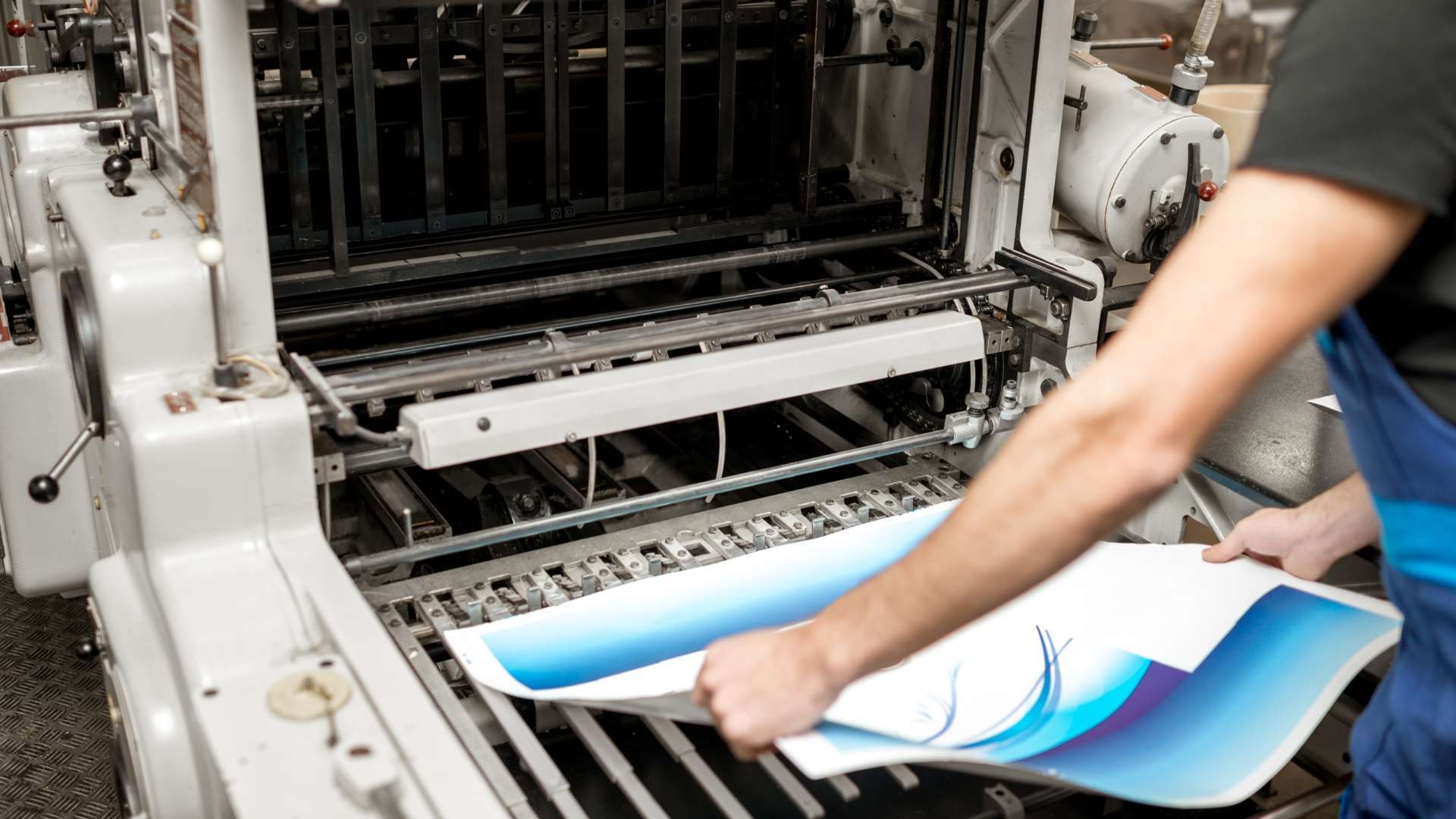
Binding choice informs the print method. Litho (offset) printing offers lower per-unit cost at high volumes and consistent colour for large textbook or catalogue runs, while digital printing provides flexibility for short runs, variable data and print-on-demand needs. Perfect binding is routinely applied to both litho and digital outputs; spiral and saddle-stitch are equally compatible with either method. For catalogue and brochure projects that require premium finishes, litho combined with special coatings is common, as discussed on our catalogue printing and brochure printing services pages: catalogue printing and brochure printing.
What are the cost and turnaround considerations for bulk educational printing?
For bulk educational printing for schools in South Africa, unit cost, delivery and lead time are top priorities. Perfect bind often provides the best balance of cost and presentation for medium-thickness textbooks and teacher guides, while spiral binding can be slightly more expensive per unit but reduces damage from repeated handling.
Consider volume discounts, print-on-demand viability for staggered delivery, and whether fast turnaround printing is available to meet school term preparation deadlines. According to industry practitioners, planning print schedules around school term dates reduces rush fees and ensures reliable print delivery across South Africa. Many printers offer tiered pricing and logistics to support distribution to multiple schools and provinces.
What custom finishes and eco-friendly options are available with different bindings?
Binding choices are complemented by cover finishes and eco-conscious material choices. Options include aqueous or UV coatings, matte or gloss lamination, soft-touch finishes, foil blocking on hardcovers, and recycled or FSC-certified paper for both covers and interiors. Eco-friendly printing options are increasingly requested by schools and businesses that prioritise sustainability.
Custom printing finishes can enhance durability — for example, abrasion-resistant laminates on school textbooks extend useful life — while recycled boards and eco based adhesives make hardcover and perfect bind options greener. For businesses and small publishers planning marketing materials or print-on-demand books, custom finishes can elevate perceived value without prohibitive cost increases. For short-run and print-on-demand book projects, our books printing service can advise on best finishes: books printing.
How durable are different bindings for heavy daily use?
Durability varies: spiral and wire-O bindings handle repeated opening and folding with minimal spine stress, making them ideal for workbooks and training manuals; sewn hardcover binding provides the best protection for library-type circulation; perfect bind is fine for moderate-use titles but may show spine cracking over years if not designed with adequate margins and quality glue.
For school environments, consider reinforced spines, stronger adhesives and protective lamination to extend life. According to educational printing best practices, sewn signatures with case binding achieve the longest lifespans for high-use textbooks, which is why many educational publishers select hardcover for core curriculum volumes.

How should you choose binding for marketing materials like catalogues, brochures and booklets?
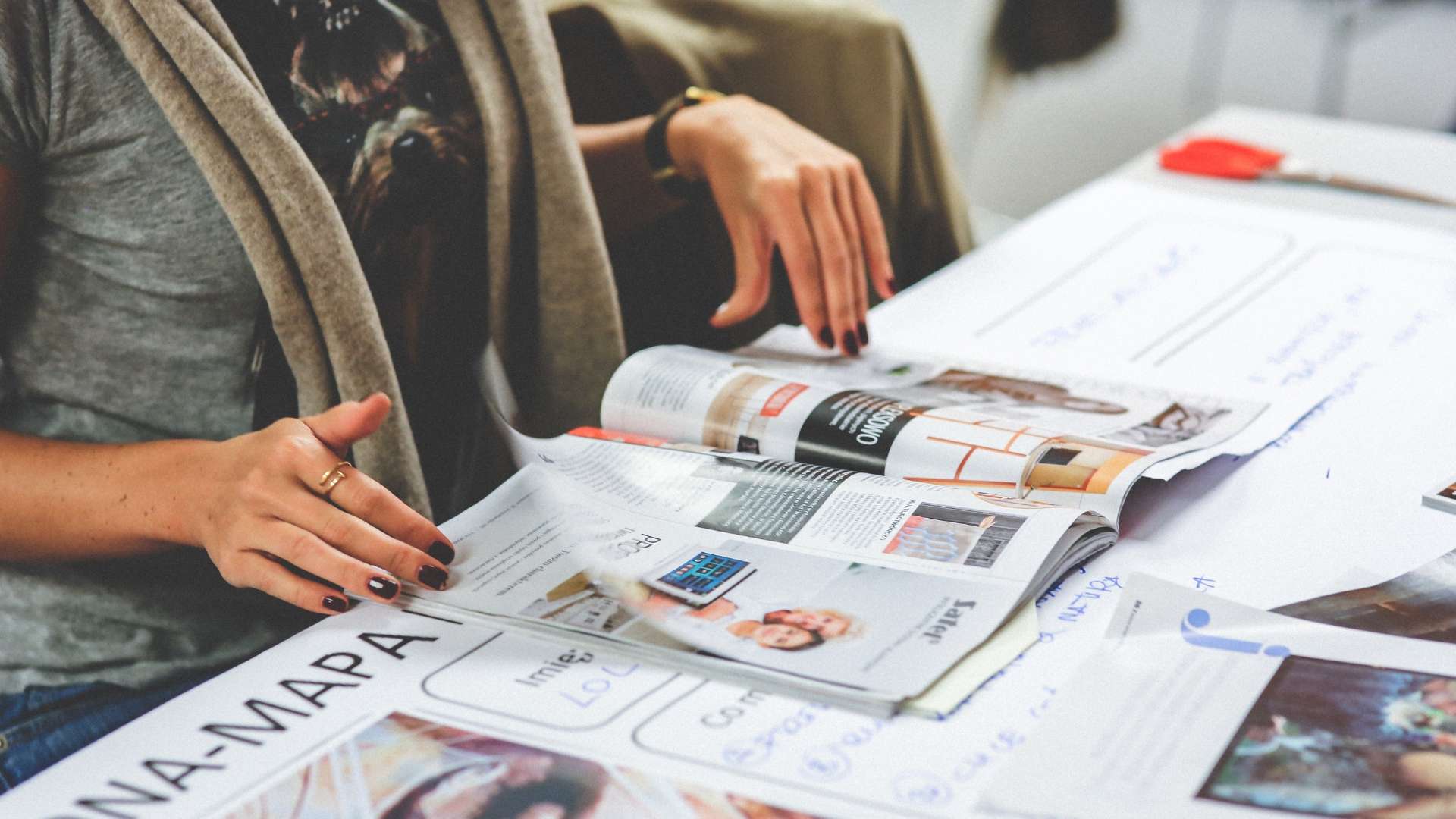
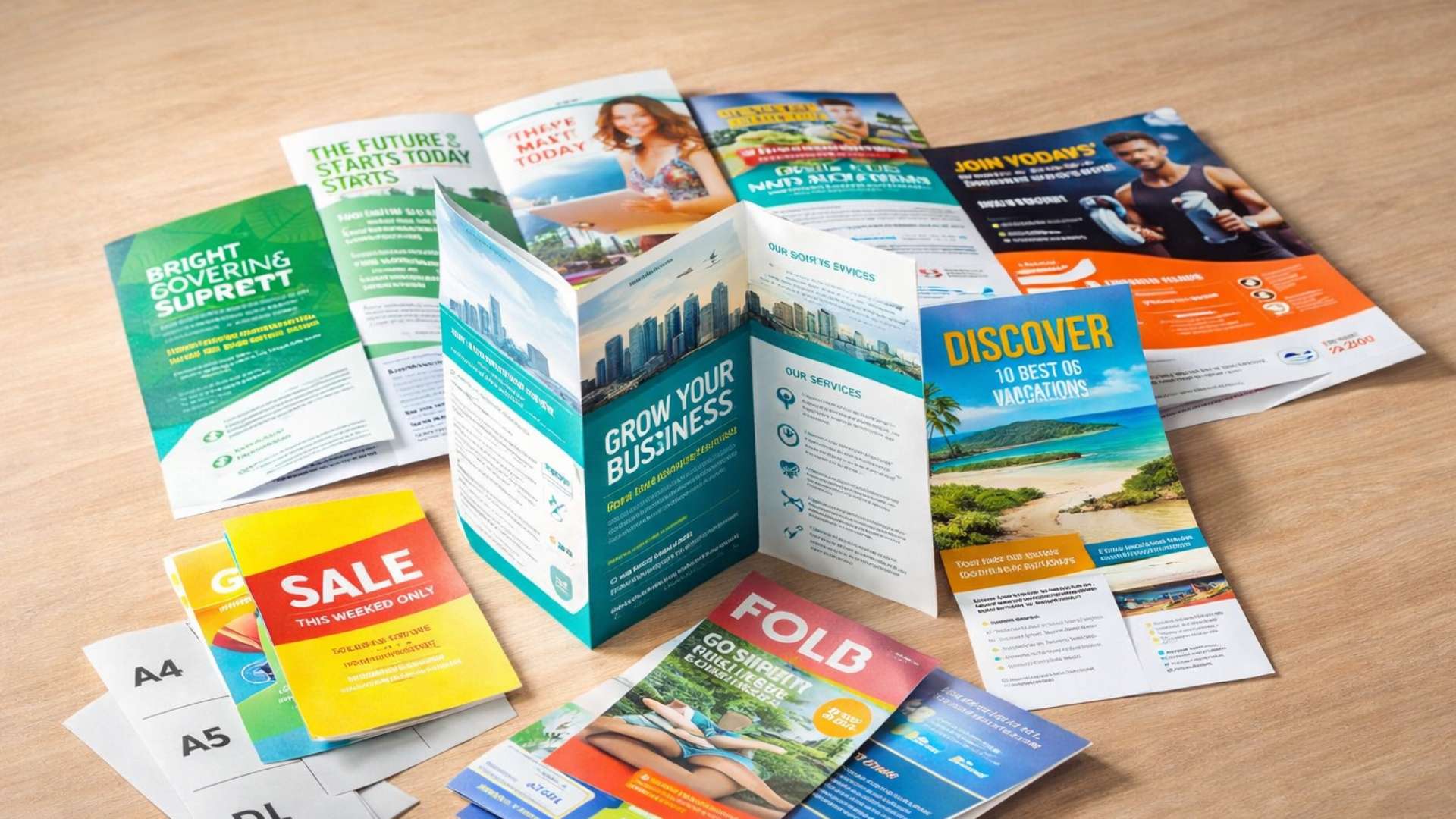
Binding choice affects the tactile impression your materials make: stitched or perfect-bound catalogues and booklets communicate permanence and professionalism. Saddle-stitching is the economical option for thin brochures or newsletters, while perfect bound catalogues and brochures provide a polished, book-like finish that suits product catalogues and higher-end promotional pieces.
When producing marketing collateral, coordinate binding with layout decisions: leave adequate spine width for perfect bound pieces, and design cover art to wrap correctly. For consolidated production of promotional and sales materials, consider combining services such as booklet printing and brochure production to save on set-up costs and ensure consistent branding across items: see our booklet printing and brochure printing services for guidance: booklet printing and brochure printing.
What is print-on-demand and how does it change binding options?
Print-on-demand (POD) reduces inventory risk by allowing books to be produced in small runs or single copies as orders arrive. POD workflows often pair with digital printing and can accommodate perfect bind, saddle-stitch and coil binding depending on the print partner. POD is ideal for custom publishing, small business marketing materials, and educational supplements that require frequent updates or personalised content.
POD can make hardcover production economical at low quantities by using streamlined case binding processes, and digital print quality has improved to the point where short runs closely match litho colour consistency. For local South African publishers and organisations using POD, the flexibility to print multiple variants and distribute across provinces without warehousing is a key advantage.
How should files be prepared for binding to ensure the best results?
Proper file setup is essential: provide correct page order (printer spreads are handled by the printer), include bleed (typically 3mm), set margins to accommodate gutters, and export high-resolution (300 dpi) PDF/X files. For perfect bound jobs, leave extra inner margin (gutter) to avoid text or images disappearing into the spine. For spiral or wire binding, avoid placing important content too close to the hole punch zone.
Rely on the printer’s prepress checklist and, where available, request proofs — either digital or physical — before full production. Many printers will advise adjustments for litho vs digital processes; when fast turnaround printing is requested for school term preparation or event materials, providing production-ready artwork up front reduces delays and costs.

Where can organisations and schools in South Africa find professional book binding services and what should they expect?
South African schools, publishers and businesses can partner with commercial printers that specialise in educational printing, catalogue printing and bulk book production. Expect consultative service covering binding recommendation, paper and cover selection, special finishing and logistics for delivery across South Africa. Reputable printers will provide cost estimates for different binding options, lead times, sample swatches and advice on durability and eco-friendly choices.
For textbook projects and recurring term materials, align print schedules with the academic calendar to benefit from bulk pricing and reliable delivery. For marketing and event print, plan earlier to allow time for custom finishes. If you need examples of services tailored to education and publishing, explore our textbook and catalogue services: textbook printing and catalogue printing. For short-run books and flexible options, our books printing page outlines POD and small-batch alternatives: books printing.
Quick summary and next steps
Choosing the right book binding requires balancing durability, cost, appearance and turnaround. Perfect bind suits many paperback and catalogue projects; spiral binding is excellent for workbooks and manuals; hardcover is the premium choice for core textbooks and long-lasting library volumes. For South African schools and businesses, working with a printer who understands bulk educational printing, fast turnaround and delivery logistics can save money and ensure materials are ready for term starts or promotional deadlines.
If you have a project in planning, prepare production-ready files, decide on expected usage and circulation, and consult with your printer about finishes, eco-friendly material choices and timelines. This approach ensures you get a finished product that is cost-effective, durable and appropriate for your audience.
Contact Print It ZA today, for a Free quote and Speedy service.
Print It ZA, we deliver Printing Best!