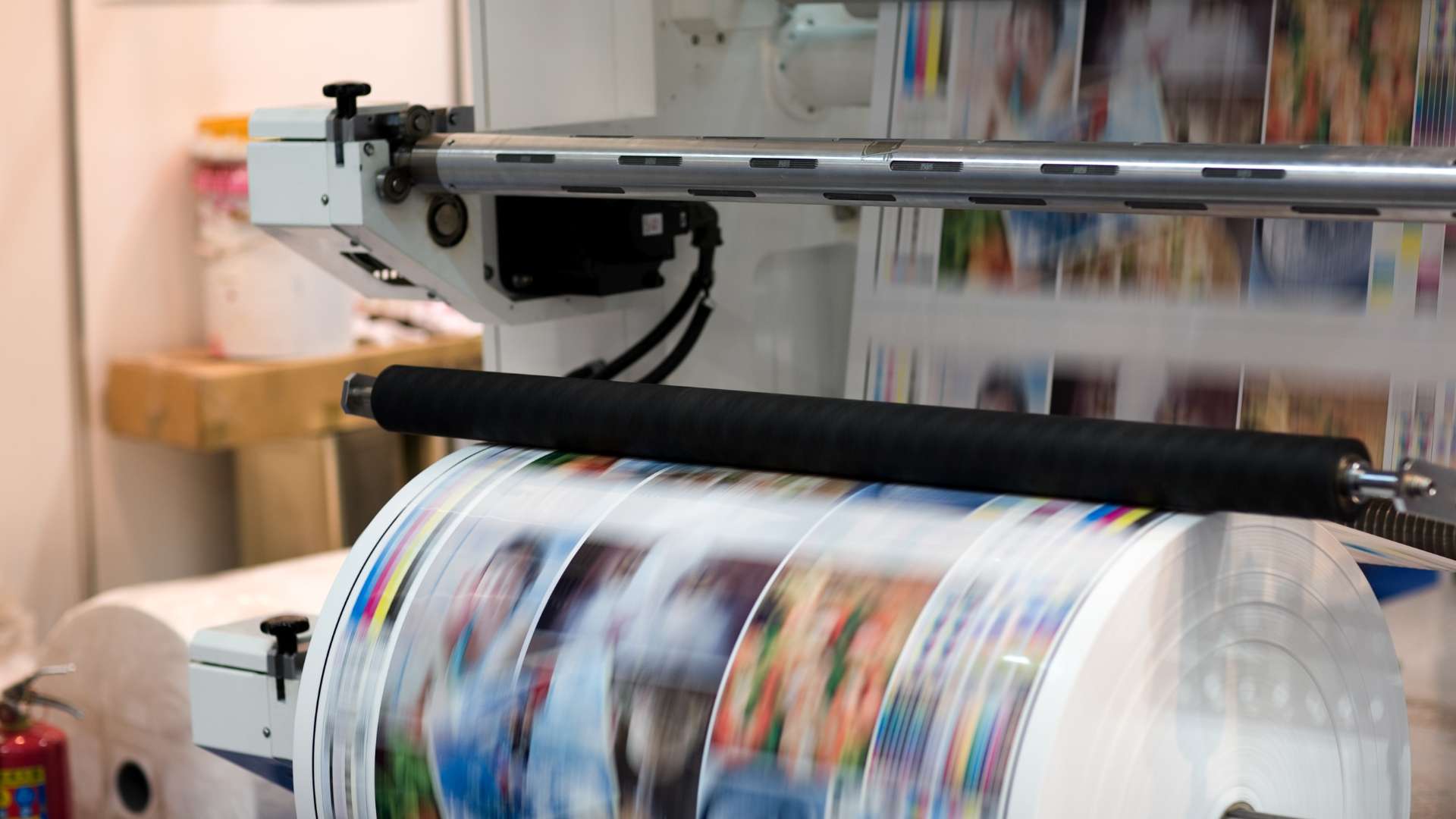
Bulk book printing is the most cost-effective way to supply schools, publishers and businesses with high-quality books, workbooks and catalogues across South Africa, but choosing the right specs determines whether you get low unit cost or compromised quality.
What is the most cost-efficient print method for bulk book printing?
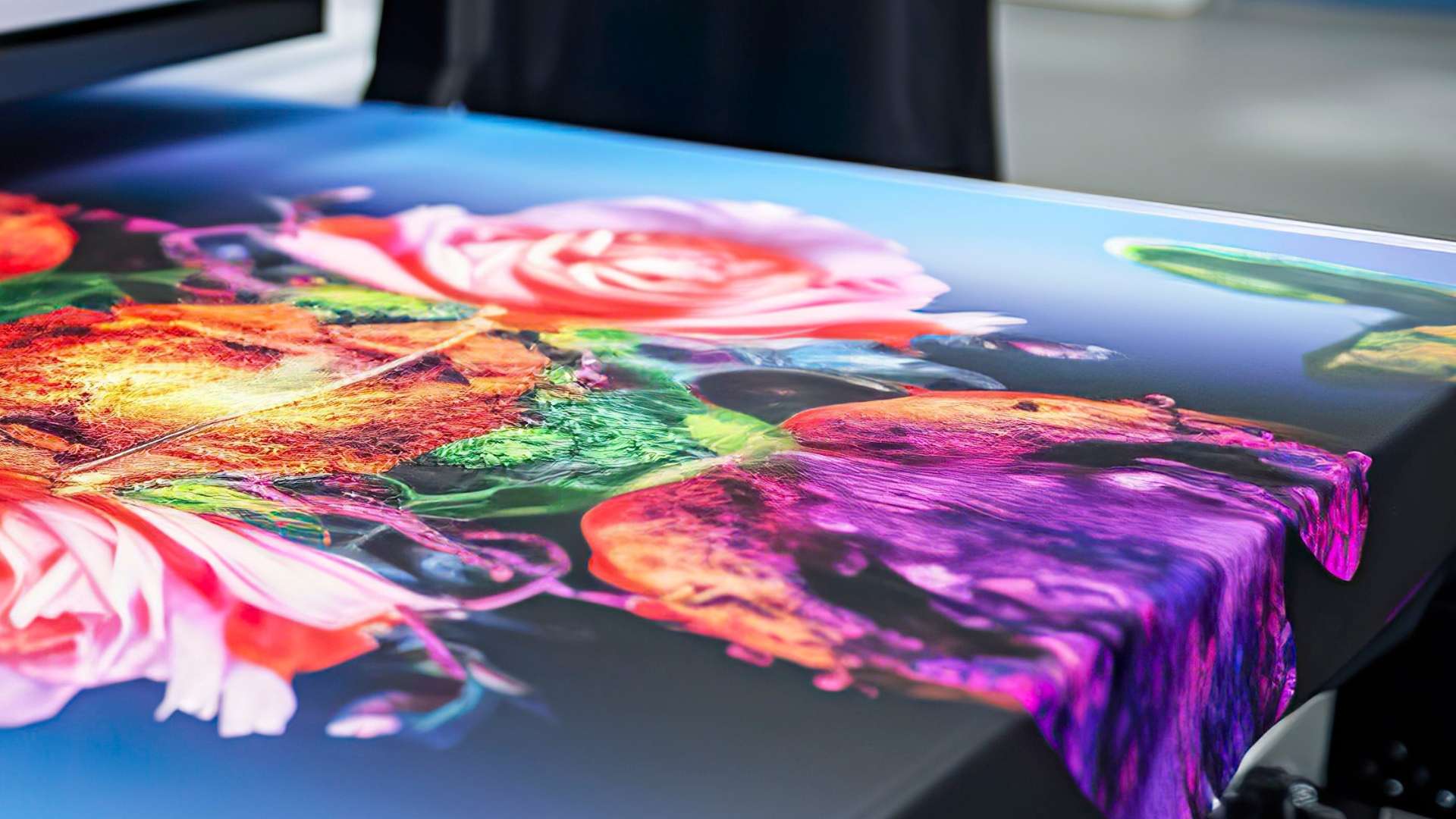
The most cost-efficient method for large-volume projects is traditionally offset lithography because plate-based presses deliver lower unit costs as run length increases. Offset is ideal for established textbook and catalogue runs where colour accuracy and consistent print quality matter. However, digital printing and print-on-demand are improving and sometimes beat offset for variable-data jobs or shorter high-quality runs.
According to Wikipedia, offset lithographic printing remains the dominant high-volume technique because of its economies of scale and fidelity. For South African educational printing and commercial printing houses working with school textbook printing, combining offset for bulk runs and digital for smaller reprints is common practice. When you plan bulk book printing, ask suppliers about their press mix, because a modern shop that offers litho and digital printing can switch methods to optimise lead time and price.
What run lengths define “bulk” and how do run lengths affect specs and cost?
Run length directly impacts the choice of machinery, paper stock and binding. For many printers, a “bulk” run starts at 1,000 copies for standard paperback titles, but for textbooks or catalogues, true bulk often means 5,000–20,000+ units. Economies of scale mean fixed costs—plates, makeready, setup—are spread across more units, reducing per-unit cost.
Example cost behaviour:
- 1–500 copies: Digital printing usually cheaper and faster, low setup.
- 500–5,000 copies: Offset starts to become competitive, especially with heavier paper or PMS colours.
- 5,000+ copies: Offset typically provides the best unit pricing.
In education printing for schools, planning termly demand and combining print runs for multiple grades or regions reduces waste and unit price. For quick promotional booklets or newsletters, booklet printing on digital presses remains attractive because of fast turnaround printing.
Bulk Book Printing: What are the best specs for high-volume runs?
Choosing the best specs depends on purpose (textbook vs brochure), but the following baseline works for many bulk book printing jobs in South Africa:
- Trim sizes: local standards (A4, A5) or custom sizes for workbooks.
- Text paper: 70–90gsm uncoated for textbooks, 80–120gsm coated for high-image catalogues.
- Cover paper: 200–350gsm silk or matt art board for durability and a professional feel.
- Binding: perfect binding for softcover textbooks; saddle stitch for booklets; case binding for hardcovers.
- Colour: CMYK for most; add spot/PMS colours only where brand-critical.
- Finishes: matt or gloss aqueous varnish, laminate for heavy-use education titles.
For many school textbook printing projects, a robust cover laminate plus 80gsm text paper is a strong balance of cost, longevity and readability. If you need full-colour photography for catalogues or promotional books, increase text paper weight and choose a coated stock for better image reproduction.
Which paper stocks and weights are recommended for textbooks, catalogues and booklets?
Paper selection is crucial to durability, readability and cost. For educational printing and school textbook printing, uncoated stocks around 80gsm are common because they are easy to write on and reduce glare for classroom lighting. For catalogues and brochure-style books, coated 90–150gsm paper is better for rich imagery.
Consider these guidelines:
| Application | Text Paper | Cover |
|---|---|---|
| Textbooks & Workbooks | 80gsm uncoated | 250–300gsm matt laminate |
| Catalogues | 100–150gsm coated | 250–350gsm gloss or silk |
| Booklets & Newsletters | 70–100gsm uncoated/coated | 150–250gsm |
These choices reflect common practice among commercial printing houses and help control weight for shipping across South Africa while maintaining durability for classroom use.

What binding type suits high-volume educational printing and durable textbooks?
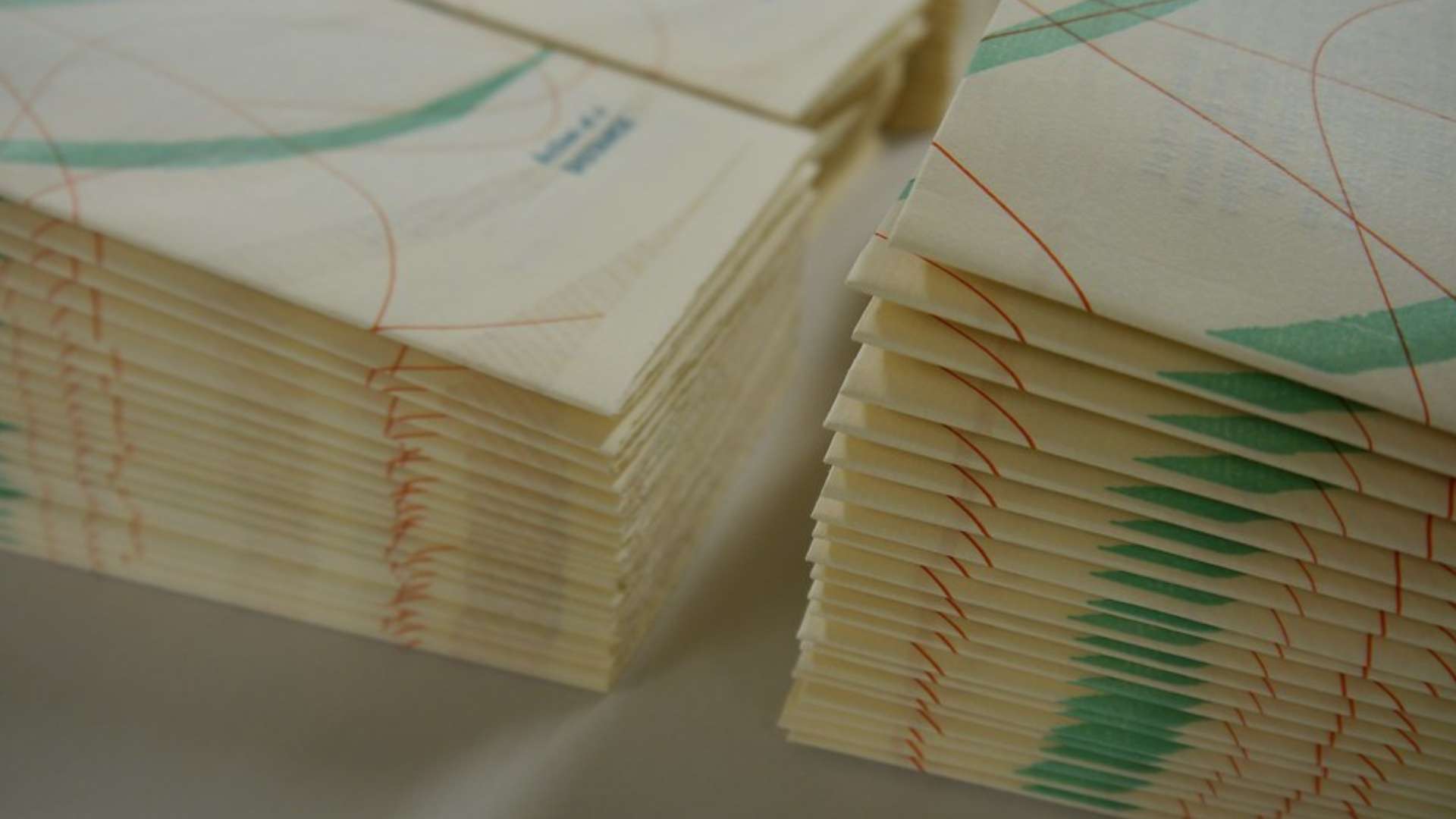
Binding choice affects both durability and per-unit cost. For school textbook printing where longevity is a priority, perfect binding (glued spine) with a reinforced cover is typical for medium-thickness texts. Case binding (hardcover) is the premium option for reference books and library copies. Saddle stitch is economical for thinner booklets, pamphlets or teacher guides and remains popular for catalogue printing when page count allows.
Binding decision checklist:
- Under ~64 pages: saddle stitch (cheapest).
- ~68–400 pages: perfect binding (good durability and balanced cost).
- 100-400+ pages, archival or heavy-use: case binding (best longevity).
For bulk book printing, specifying sewn-and-glued spines for longer runs increases lifespan with a modest cost increment—valuable for textbooks in school districts that reuse books over multiple terms.
How should files be prepared and what templates/specs should I supply to the printer?
Proper file prep avoids delays and rework. Provide print-ready PDFs with fonts embedded, images at 300 dpi, CMYK colour profiles and bleeds (usually 3–5mm). For multi-chapter textbooks or manuals, include a printed proof or PDF proof and a separate cover file with spine calculations based on final page count and paper weight.
Essential prep checklist:
- Bleed included on all pages.
- Crop marks and page-size set to final trim.
- Images converted to CMYK; no RGB/JPEG compression artifacts.
- Linked assets included or flattened into the PDF.
- Page numbers, cross-references verified.
Using standard templates from your printer for textbooks, booklets or catalogues speeds prepress. Many South African commercial printers publish templates – ask your supplier for the exact file specs if you are doing high-volume printing for events, promotions or schools.
How long does bulk book printing take and how do I plan for fast turnaround printing?
Turnaround depends on run length, complexity and finishing operations. Small digital runs can ship within days; large offset runs may require 2–6 weeks including binding and finishing. For textbook printing ahead of school terms, plan production well in advance to allow for proofs, corrections and distribution across South Africa.
Tips for fast turnaround:
- Lock content early and submit final print-ready PDF.
- Prioritise critical approvals and use online proofs for speed.
- Combine print and finishing steps in one facility to avoid transfers.
Many printers offer rush services with premium rates; balancing lead time and cost is key when preparing materials for term starts or large events.
What finishing options protect books in heavy-use environments and support branding?
Finishes extend lifespan and enhance perceived quality. For heavy-use school textbooks, consider matt lamination, aqueous coatings or PUR binding for extra durability. For marketing materials, varnishes, spot UV and embossing elevate covers and work well for catalogues and brochures.
Common finishes and their uses:
- Matt laminate: reduces glare, good for classrooms.
- Gloss laminate: vibrant look for photo-heavy catalogues.
- Aqueous coating: cost-effective protective layer for covers.
- Spot varnish/UV: premium look for selected elements.
Choosing the right finish is part of custom publishing decisions, whether you’re printing training manuals, business cards, or full-colour books at scale.

How can I balance quality with cost for school and educational printing?
Balancing quality and cost starts with identifying the primary function of the book. If books will be written in and handled by many students, favour durability (strong binding, laminate covers) even if text paper is lighter. For image-rich catalogues, invest in coated stocks. Consolidating multiple titles into fewer press runs, ordering centralized runs for entire districts, and using standard trim sizes reduces waste and lowers unit price.
Cost-savings tactics:
- Standardise paper and sizes across projects.
- Order higher volumes with staggered delivery to reduce inventory costs.
- Use ISO industry profiles to avoid colour surprises and costly reprints.
Combining commercial printing expertise with local delivery networks in South Africa keeps logistics manageable and supports fast turnaround printing for term starts and promotional deadlines.
What eco-friendly options exist for bulk book printing?
Eco-conscious choices are increasingly mainstream. Recycled paper stocks, FSC-certified materials, eco inks and water-based aqueous coatings reduce environmental impact. Printers offering eco-friendly printing often use energy-efficient presses and recycle waste paper, which is especially important for educational institutions and small businesses looking to reduce carbon footprints.
According to Wikipedia, print-on-demand offers environmental advantages by cutting excess inventory and unsold stock. Choosing local printers in South Africa further reduces transport emissions and supports reduced lead times. Ask your supplier for environmental certificates – FSC, ISO 14001 – and request a lifecycle approach when planning bulk educational printing for schools or community programs.
How do delivery and distribution work for bulk orders across South Africa?
Distribution logistics are a major cost factor for bulk orders. Many commercial printers provide door-to-door delivery across South Africa or can arrange staged deliveries to regional warehouses, schools, or distribution centres. For large textbook runs, coordinate with the school calendar and confirm delivery windows to avoid storage and handling bottlenecks.
Distribution best practices:
- Plan multi-drop logistics and palletised shipping for efficiency.
- Use tracked courier services for smaller bulk parcels and proof of delivery.
- Negotiate incoterms and delivery responsibilities up front.
Work with a printer that offers integrated fulfilment – this reduces headaches when distributing to multiple schools, events or retail channels.

How do proofs and quality control reduce risk in high-volume printing?
Proofing and quality control are non-negotiable for bulk book printing. Hard-copy proofs (contract proofs) are the gold standard—especially for textbooks and full-colour catalogues—because they validate colour, paper interaction and finishing. Digital soft proofs speed approvals but can mask colour shifts. Implement checklists for pagination, bleed, margins and binding allowances.
Quality control processes typically include:
- Prepress checks for trapped fonts, image resolution and bleed.
- Press checks on the first sheet and at intervals during the run.
- Post-press inspections for binding integrity and finishing defects.
According to Statista, comprehensive quality assurance correlates with fewer returns and reprints, which is vital when unit volumes are large and return logistics across South Africa would be costly.
Which local partners and services should I consider for a complete bulk print solution?
To execute a successful bulk print program in South Africa, choose partners who offer end-to-end services: design prepress, litho and digital printing, binding and local distribution. Consider suppliers experienced in commercial printing, educational printing, textbook printing and catalogue printing to ensure they understand both production and delivery nuances.
Useful internal resources from a proven South African print provider include pages on textbook printing, book printing, education printing and booklet-printing guides. These services help angle your project to the right press and finish:
Choosing a vendor with both litho and digital capabilities, plus in-house finishing and logistics, reduces coordination time and tends to yield better pricing for large runs.
Where can I learn more about printing techniques like offset and print-on-demand?
For an overview of high-volume printing techniques, Offset printing is a good starting point; it explains how plate-based presses scale efficiently for bulk runs. For flexible production models, read about print-on-demand and digital workflows to understand when and how they complement offset in modern print supply chains.
Combining industry knowledge with local partners who specialise in catalogue printing, brochure printing services and training manual printing ensures you select the right specs for the intended use—whether you’re printing for advertising campaigns, school terms or retail launches.
When you need bulk book printing, consistency and durability matter just as much as cost.
Print It ZA delivers reliable high-volume book printing and binding for textbooks, manuals, training guides, and branded publications—helping you choose the right paper, cover options, and binding for long-lasting results. With experience in commercial printing and educational print production, we keep quality consistent across every copy and every run.
Contact Print It ZA today for a free quote and speedy nationwide delivery.
Print It ZA — We Deliver Printing Best!