Choosing the right canvas printer sets the tone for any wall display, from school corridors to retail windows; a reliable canvas printer produces prints that last, match your colours, and ship across South Africa on time.
What is a canvas printer and how does it work?
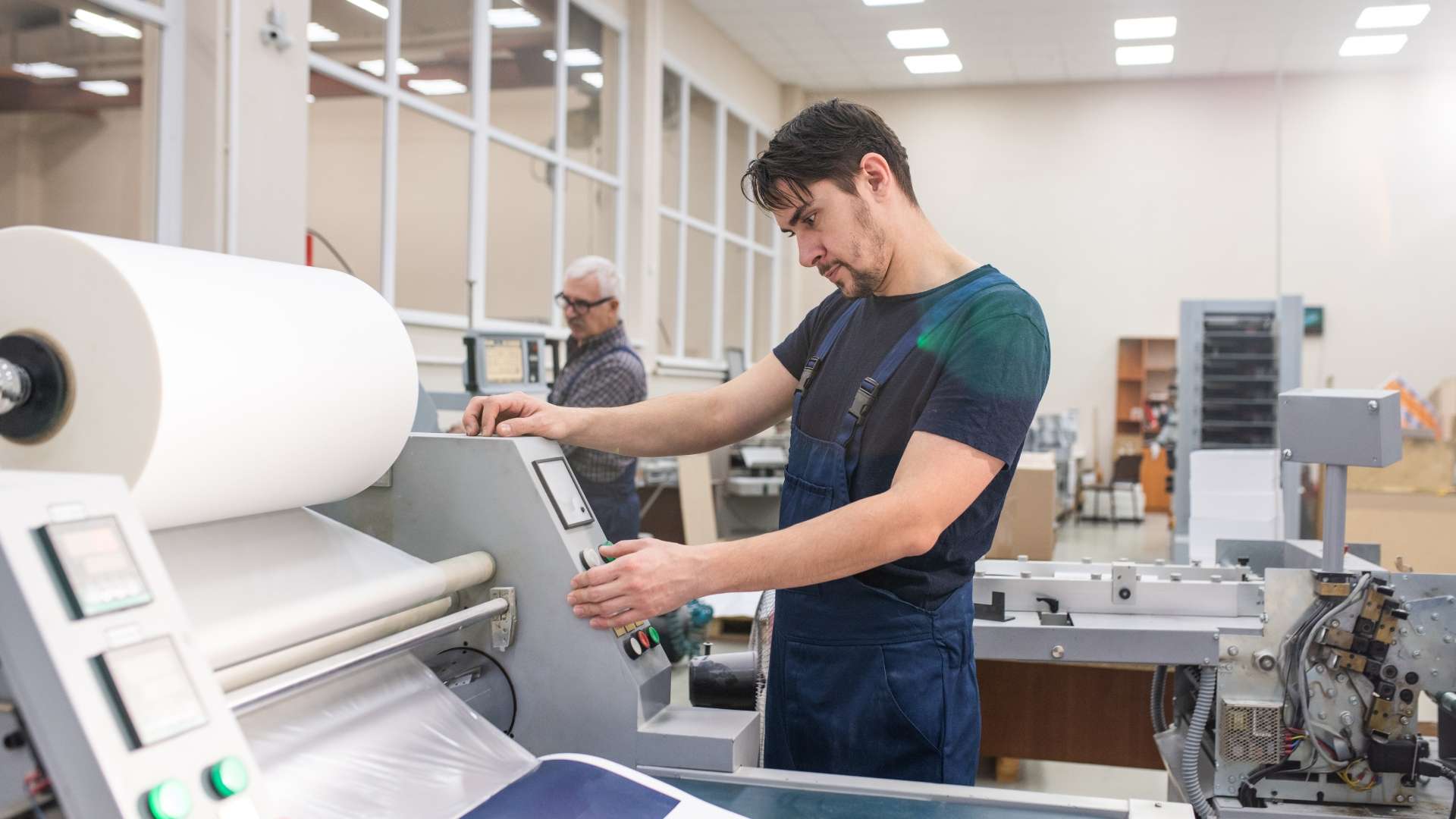
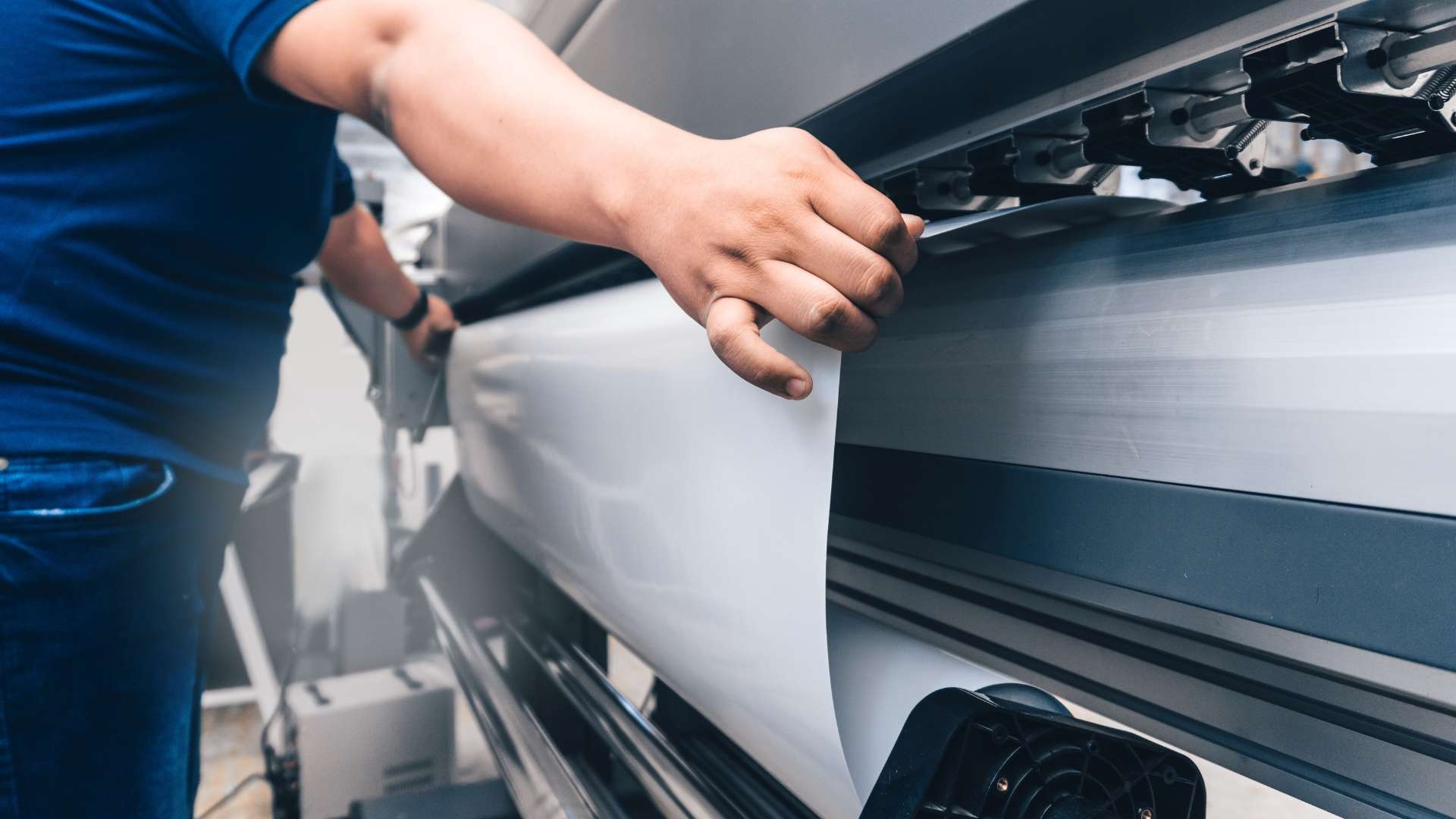
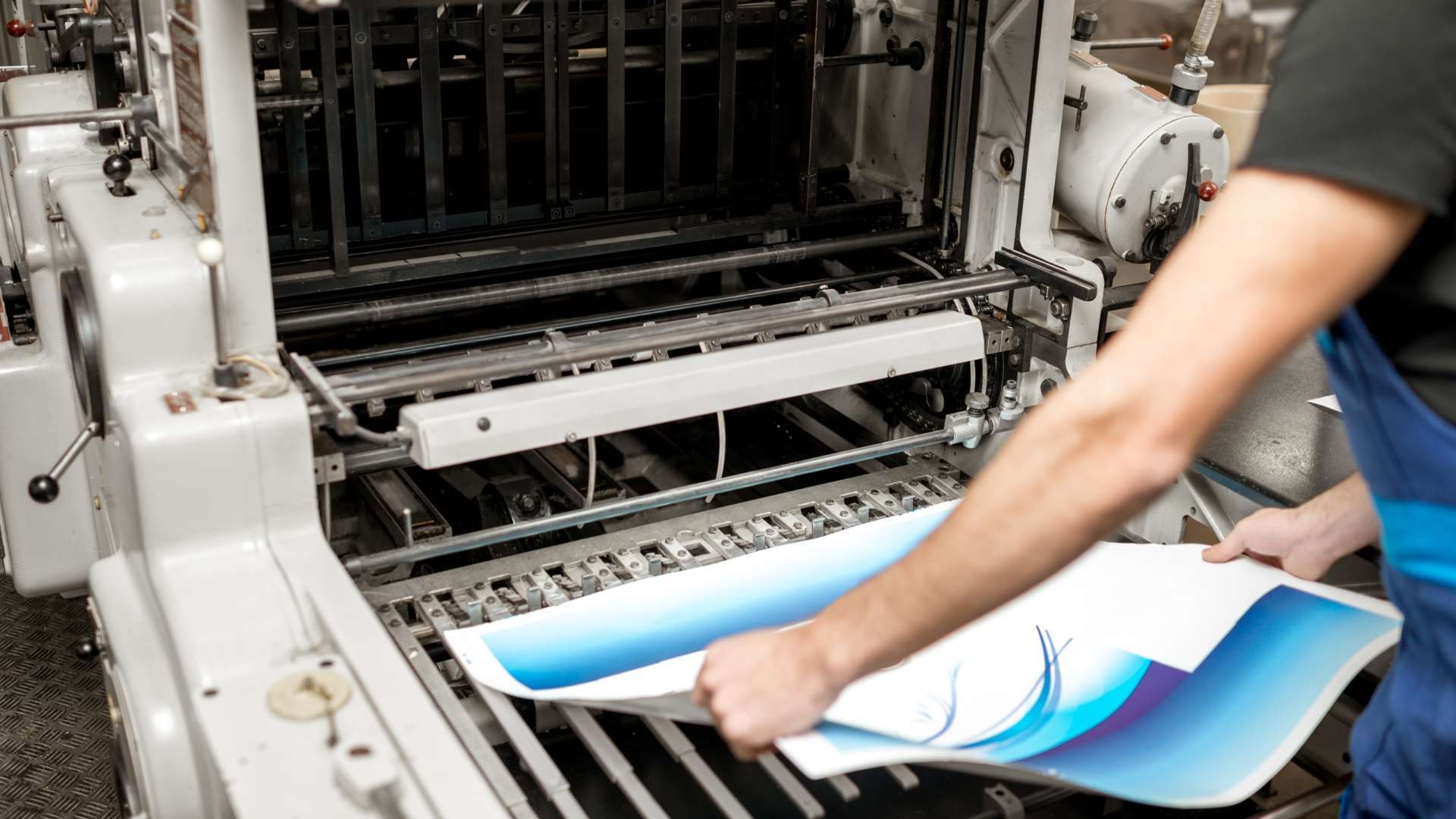
A canvas printer is a wide-format inkjet or eco-solvent machine designed to reproduce high-resolution images directly onto canvas material. These printers use pigment or dye-based inks and precise colour management systems to map your digital files onto the woven texture of a canvas. For fine-art output many studios use giclée techniques; the term “giclée” refers to high-quality inkjet printing on archival papers and canvas that produces museum-grade reproductions. According to Wikipedia, canvas is a heavy-duty woven fabric commonly used for painting and printing, which explains why printers and framers carefully match materials to intended display environments.
What sizes and wrap styles are available for canvas printing?
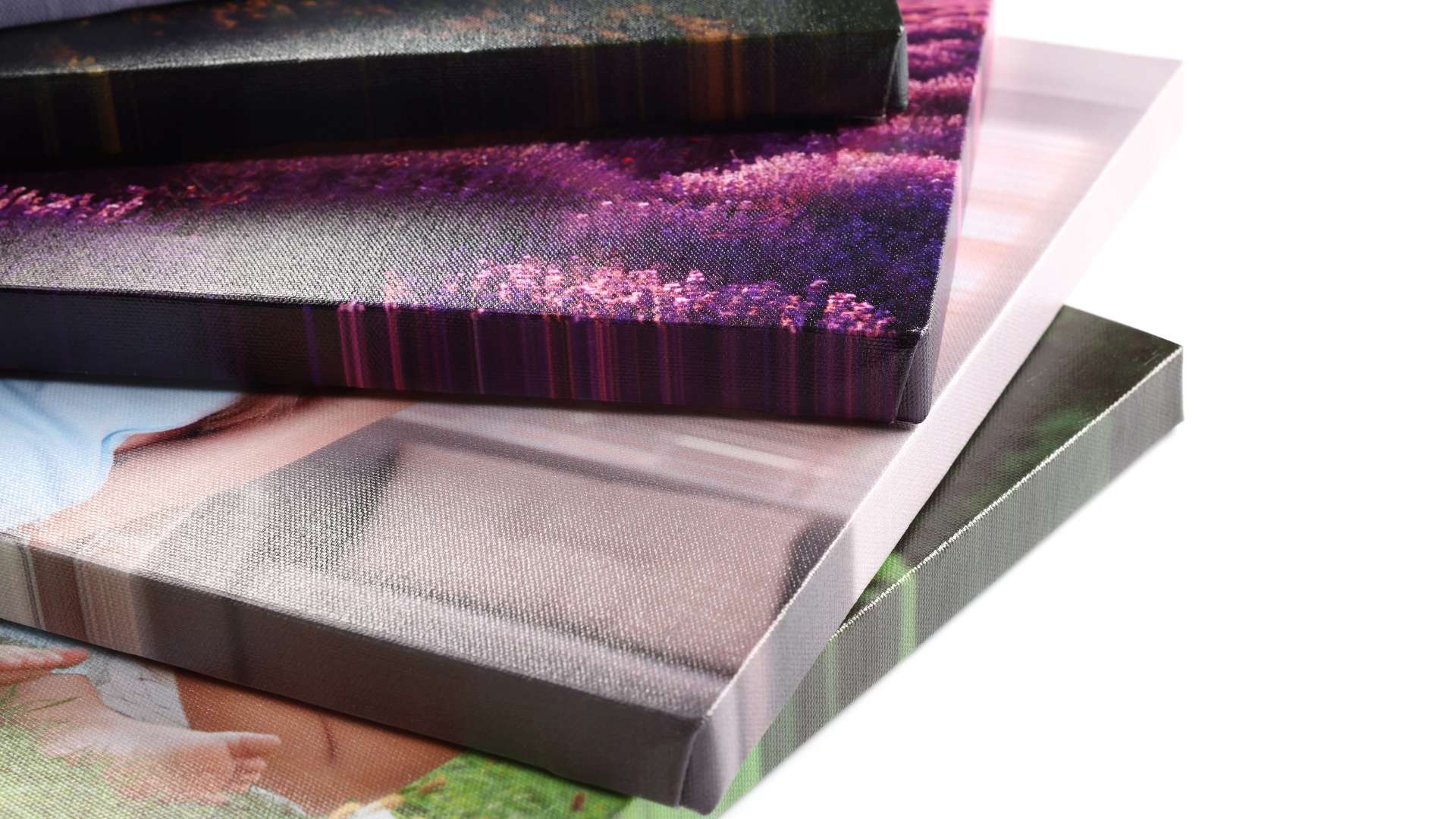
Canvas printing offers a broad range of sizes and wrap options to match residential, commercial and educational spaces. Standard sizes range from small 20 x 20 cm personal prints up to oversized 2 x 3 m gallery pieces. Below are common wrap styles you’ll see from South African canvas printers:
- Gallery wrap: Canvas is stretched and stapled around the back of the frame for a clean edge.
- Mirror wrap: Edges are mirrored from the main image for uninterrupted continuity on the front face.
- Colour edge: Solid colour (black/white/colour matched) wraps around the sides for a contemporary look.
- Signed edge: A thin border left for signatures or edition numbers—popular for limited prints and school art projects.
When preparing school displays, gallery walls or promotional signage for events and promotions, consider the viewing distance and mounting area. Sizes and wrap styles influence both visual impact and framing costs; for educational bulk orders, standardised sizes reduce per-unit expense.

How do I choose the right canvas printer for large orders?
Selecting the right canvas printer for high-volume or repeat orders involves assessing capacity, quality consistency and delivery reach across South Africa. Look for printers that advertise fast turnaround printing, print-on-demand capabilities, and experience with bulk educational printing for schools or commercial campaigns. Key considerations include colour consistency across runs, proofing options, and whether the vendor offers hard proofs or test strips before full production.
Factors to vet when reviewing suppliers:
- Production capacity and typical lead times for bulk runs
- File checking and proofing workflows to prevent costly reprints
- Ability to provide bulk shipping and distribution to multiple school locations or retail sites
Working with printers that handle litho and digital printing together can streamline projects that include both canvas art and supporting printed materials like brochures or booklets.
What file specifications should I send to a canvas printer?
To achieve accurate, consistent results, canvas printers require specific file specs. Prepare files at the final print size with 300 dpi for close-view artworks; for very large canvases viewed at a distance, 150–200 dpi can be acceptable. Save files in TIFF or high-quality JPEG formats, and include a 5–10 mm bleed for gallery wraps so the image continues over the edge without cropping essential content.
Colour management tips:
- Convert images to the printer’s preferred colour profile (commonly sRGB or Adobe RGB; ask your printer first).
- Provide CMYK proofs if the printer uses CMYK workflows; however many wide-format canvas printers reproduce colour in RGB with pigment inks for a wider gamut.
- Embed colour profiles and include an annotated proof to show intended crops and edge treatments.
What’s the difference between giclée and standard canvas prints?
Giclée prints are created with higher-end pigment inks and archival canvases, and typically involve finer dot placement for superior tonal gradation and longevity. Standard canvas prints produced on general wide-format printers are perfectly suitable for many applications—event signage, office displays, and classroom artwork—offering excellent value and faster turnaround. Choose giclée when you need museum-grade reproductions, limited editions or archival durability for exhibitions.
Use cases for each:
- Giclée: Fine-art editions, gallery sales, collector pieces.
- Standard canvas: School displays, corporate branding, quick marketing installations.
How long do canvas prints last and what finishing protects them?
Longevity depends on materials and finish. Archival pigment inks on acid-free canvas with UV-protective varnish can last decades indoors without noticeable fading. Standard dye-based inks will typically show colour shift sooner, especially in high UV environments.
Protective finishes available from South African printers often include:
- UV-resistant varnish or laminate (matte or gloss)
- Anti-scratch coatings for high-traffic areas
- Stain-resistant treatments for kitchens or public spaces
When preparing school term decorations or long-term corporate installations, request an accelerated-weathering or UV-resistance datasheet. According to the Printing SA industry guidance, appropriate coatings greatly extend display life in sun-exposed environments.
Can canvas printing be eco-friendly in South Africa?
Yes—many printers now offer eco-friendly options suited to educational printing and small business marketing materials. Sustainable choices include recycled or FSC-certified canvases, water-based pigment inks with low VOC emissions, and recyclable packaging for print delivery across South Africa. Adopting eco options can align with school sustainability drives, event green policies, and corporate social responsibility programs.
Considerations when selecting greener prints:
- Ask for Material Safety Data Sheets (MSDS) and environmental certifications.
- Request local sourcing to reduce transport emissions and support South African suppliers.
- Choose printers who offer print-on-demand to avoid overproduction and waste.
How are canvas prints priced and what affects cost?
Canvas printers price work based on print size, ink type, canvas quality, framing/stretching, and finishing (laminate/varnish). Large-format labour and post-print finishing—like gallery wrapping and custom frames—also add to unit cost. Bulk educational printing for schools typically reduces per-unit pricing through standardised sizes and repeat orders.
Sample pricing factors table:
| Cost Driver | Effect on Price | Notes |
| Size | High | Larger canvases use more media and ink |
| Ink Type | Medium | Archival pigment inks cost more than standard dye inks |
| Framing/Stretching | Medium | Custom frames increase labour and materials |
| Finishing | Low–Medium | UV varnish and laminates add protection |
To get cost-effective quotes, prepare a clear brief with sizes, quantities, finish requirements and delivery addresses. Many commercial printers also bundle canvas prints with collateral like brochures or catalogues for events; consider combining orders with services such as brochure printing, catalogue printing or booklet printing to negotiate better rates.
How fast is turnaround and how do deliveries work across South Africa?
Turnaround times vary with size, quantity and finishing complexity. Small single prints can be produced overnight; larger galleries or bulk school orders often require 3–10 business days. For schools preparing term displays or events and promotions, confirm lead times well ahead of deadlines to allow for proofs and re-colouring if required.
Delivery considerations:
- Choose printers with national courier partnerships for distribution to multiple school campuses.
- Ask about white-glove delivery for fragile framed pieces intended for galleries.
- Confirm packaging standards for cross-country shipments to prevent stretch or compression damage.
According to industry reports, demand for print-on-demand and short-run digital printing has increased, improving lead times for bespoke and bulk projects across regional markets.
What are common use cases for canvas printing in education and business?
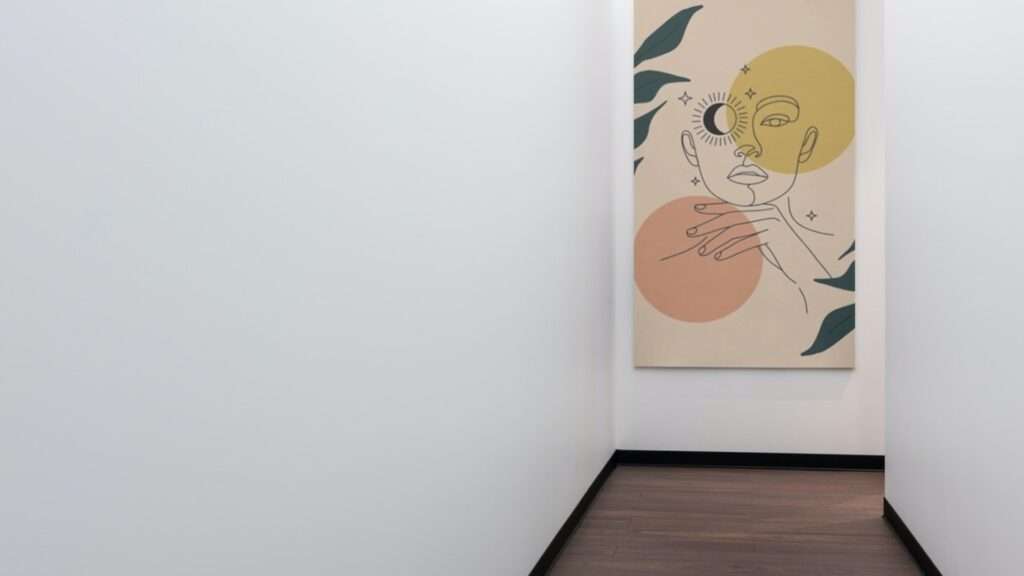
Canvas printing supports a wide range of applications for schools, commercial printers and small businesses. In education, canvas prints are used for classroom displays, awards walls, and student art exhibitions. Commercial uses include office branding, retail signage, event backdrops and commemorative prints for staff or donors. For small business marketing materials, canvas pieces can serve as premium POS displays or showpiece assets in salesrooms.
Practical examples:
- Bulk educational prints for school corridors and exam centres
- Event signage and branded backdrops for conferences
- Retail merchandising displays in windows and fitting rooms
Pair canvas prints with printed literature for cohesive campaigns—linking a canvas feature wall with brochures or booklets helps maintain visual identity across touchpoints. See brochure printing services, booklet printing, and catalogue printing for complementary printed materials.
How should I mount and care for canvas prints?
Mounting methods influence both aesthetics and longevity. For lightweight canvases, standard sawtooth brackets or D-rings are cost-effective. Heavier framed canvases may require wall anchors or French cleats. When placing canvas prints in schools or public areas, consider protective measures such as laminates or protective frames to limit scuffs from busy corridors.
Care tips:
- Keep prints out of direct sunlight where possible; even UV-resistant varnish only slows fading.
- Dust with a soft, dry cloth; avoid solvents or cleaning sprays.
- Store unmounted canvases rolled with a protective tube if they will be transported between events.
According to Print Industry guidance, proper mounting and protective finishes reduce maintenance costs and preserve presentation quality in high-traffic environments.
How do I place an order and what support will a local canvas printer provide?
Ordering typically follows these steps: initial brief & quote, file submission, proof approval, production, finishing and delivery. Reputable South African printers provide pre-press checks, soft proofs and in some cases printed samples for colour-critical projects. They can also advise on cross-sell services like newsletter printing, business card printing or packaging printing to support an event launch or promotional campaign.
Ask your supplier about:
- Proof types (digital vs hard proofs)
- Sample swatches for canvas and finishing options
- Volume discounts and repeat-customer programs
For education and training institutions, check specialist pages such as textbook printing, training manual printing and education printing to coordinate canvas displays with learning materials and handouts.
Final checklist before sending files to a canvas printer
Before you hit send, complete this short checklist to prevent delays and unexpected costs:
- Confirm final print size and add 5–10 mm bleed for wraps.
- Embed or attach the colour profile and request a proofing method.
- Decide on wrap style and any edge treatments (mirror, colour edge).
- Choose finishes (UV varnish, anti-scratch) based on placement and traffic.
- Request shipping options and confirm delivery lead times for multiple addresses across South Africa.
Following these steps helps your canvas printer deliver consistent, on-time results so your project—whether for an exhibition, a school term or a marketing campaign—meets expectations.
According to Smithers, digital print-on-demand and short-run formats continue to grow, making it easier to order smaller batches with quick turnaround. According to Wikipedia, canvas as a support has been used historically for paintings and is valued for its durability and texture. According to Printing SA industry commentary, combining canvas work with traditional print collateral improves coherence for campaigns that include brochures, catalogues and booklets.
Contact Print It ZA today, for a Free quote and Speedy service.
Print It ZA, we deliver Printing Best!