What if your print project could move from a creative idea to your doorstep without you coordinating separate suppliers? That’s the value of end-to-end printing and delivery: one connected process can help align the brief, production choices and delivery plan. It’s understandable to be unsure what to include in a quote request, or how paper, print method and finishing decisions affect the final result.
This guide will help you prepare project details, understand how design recommendations, printing, finishing and binding fit together, and plan delivery across South Africa. You’ll also learn how litho and digital printing can suit different project requirements, so you can make informed choices for items such as books, brochures, catalogues and packaging.
Print It ZA brings design recommendations, printing and binding together in-house, with door-to-door delivery across South Africa. We’ll explain what to share when requesting a quote, which production and finishing considerations to discuss, and how to choose a printing service that can support your project from initial brief to final delivery. For businesses and organisations in Gauteng and Johannesburg, the same planning steps help connect local project requirements with the finished order.
Key Takeaways
- See how end-to-end printing and delivery connects design recommendations, production, finishing and dispatch in one coordinated workflow.
- Prepare key project details, including purpose, quantity, format, paper and finishing preferences, to make your quote request more useful.
- Compare a consolidated print workflow with separately managed suppliers to understand where fewer coordination points may help.
- Plan delivery by identifying the South African address, recipient and any timing requirements before production begins.
- Learn how Print It ZA handles design recommendations, printing and binding in-house to support a connected project pathway.
What end-to-end printing and delivery should cover
A print project involves more than sending a file to a press. Format, artwork, paper, finishing and destination all shape the production plan, so decisions need to connect from the first brief through dispatch. When these stages are treated separately, details can be missed between handoffs. For example, the selected format can affect binding, while the delivery address affects how the finished order is organised.
End-to-end printing and delivery connects design recommendations, print production, finishing and dispatch, rather than supplying a printed product alone. It brings project stages into one workflow while keeping you involved in key decisions. A coordinated process does not remove your responsibility to review and approve the artwork and agreed specifications before production begins.
Which stages belong in a complete print workflow?
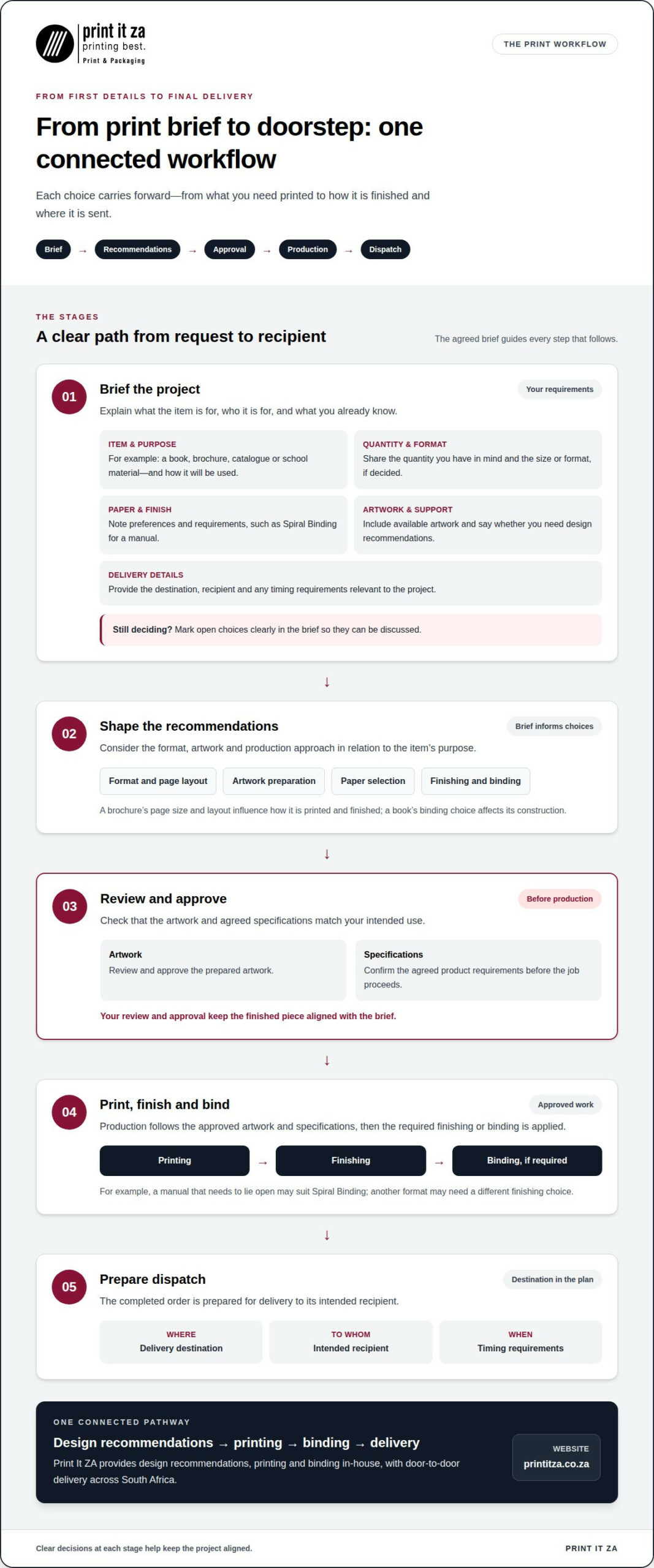
Each stage has a distinct purpose, but the decisions carry forward. A brochure’s page size and layout influence how it will be printed and finished. A book’s binding choice affects its construction. Planning the delivery destination alongside the order makes dispatch details part of the brief, rather than an afterthought.
Before printing, file preparation and checks form part of the prepress and pre-flighting stages. These steps help prepare artwork for production. Your review and approval help keep the finished piece aligned with the agreed brief.
- Brief: Define the item, its purpose, audience, quantity and delivery destination.
- Design recommendations: Consider the format, artwork and production approach in relation to the brief.
- Approval: Review and approve the artwork and specifications before the job proceeds.
- Printing and finishing: Produce the approved work, then apply the required finishing or binding.
- Dispatch: Prepare the completed order for delivery to its intended recipient.
The sequence is connected, but each stage still needs clear decisions and approvals. Confirming the specifications helps keep production aligned with what you need.
Who benefits from a coordinated print service?
Businesses may need brochures, catalogues or packaging that reflect a consistent brand. Schools may order school books, diaries or yearbooks. Authors may be preparing a book, while agencies and other organisations may need manuals, reports or marketing materials. Each project has its own format, audience and finishing requirements—an approach also seen with branding and print specialists like 360digitalprints.com when coordinating diverse collateral.
A coordinated process can reduce the project management you handle across separate design, print, finishing and delivery contacts. Print It ZA provides in-house design recommendations, printing and binding, alongside door-to-door delivery across South Africa. As the company states, “We do not outsource design recommendations, printing, or binding.” This keeps those stages within one pathway, while you retain the final say on the approved work.
How a print project moves from brief to finished delivery
A well-prepared order gives each stage a clear reference point: what you need, how it should look and where it must go. With end-to-end printing and delivery, the brief informs the quote, the agreed specifications guide production, and the finishing and dispatch plan follows from those choices. You stay involved by reviewing recommendations and approving the artwork and specifications before production proceeds.
Prepare a clear print brief before requesting a quote
Start with the purpose of the item. A school workbook, sales brochure and company catalogue each serve a different audience, so intended use helps shape practical choices. Then outline what you already know and where you would value design recommendations.
- Product and purpose: Name the item, such as a book, brochure, catalogue or school material, and explain how it will be used.
- Quantity and format: Share the quantity you have in mind, along with the size or format if decided.
- Paper and finish: Describe any paper preference and finishing requirements, such as Spiral Binding for a manual.
- Artwork and recommendations: Gather available artwork and note whether you need design recommendations or help developing the design.
- Delivery: Provide the destination, recipient and any timing requirements relevant to the project.
For a useful quote, share the item’s purpose, product type, quantity, format, paper and finishing preferences, available artwork, design recommendation needs and delivery details. If some choices are still open, say so in the brief. In-house design recommendations can help shape an appropriate approach, but they do not replace your review and approval of the final artwork.
Understand production, finishing and dispatch handoffs
Once the brief is clear, request a quote and review what it covers. The quote should reflect the agreed product and its requirements, including printing, paper selection, colour setup, finishing, binding where applicable and delivery. Before production, check that the specifications match your intended use. For example, a manual that needs to lie open may suit Spiral Binding, while another format may need a different finishing choice.
After you approve the artwork and specifications, production follows the agreed plan. Paper and colour setup affect how the approved design is reproduced, and finishing completes the item in its intended format. Dispatch connects the finished order to its destination, so include a complete Johannesburg address or other South African delivery details in your planning.
These decisions are part of a skilled commercial print process. For wider sector context, Printing SA’s industry resources connect to South Africa’s commercial printing, packaging and visual communications industry. To organise your own requirements, you can review Print It ZA’s printing services.
Compare End-to-End Printing vs Managed Suppliers
Choosing between a coordinated print service and separately managed suppliers is less about which option sounds simpler and more about where responsibility sits. A project involving design recommendations, printing, binding and delivery may pass through several contacts when each stage is handled separately. A consolidated workflow brings those stages together, but you still need to approve the brief, artwork and specifications. The best fit depends on the project’s products, decisions and delivery needs.
| Consideration | Coordinated print service | Separately managed suppliers |
|---|---|---|
| Workflow ownership | One company coordinates design recommendations, production and relevant finishing. | The buyer may need to connect the design, print and finishing contacts. |
| Communication | Project details can be carried across stages within one workflow. | Information may need to be relayed between separate contacts. |
| Finishing | Finishing and binding can be considered alongside the print specifications. | Finishing arrangements may need separate scheduling and coordination. |
| Delivery planning | The destination can be considered as part of the overall order plan. | The buyer may coordinate delivery after arranging production and finishing. |
This comparison describes possible workflows, not a promise that every project will run the same way. A specialist arrangement can suit a defined print requirement, while a consolidated service can help when you want one connected pathway for several linked decisions. Judge the offer by what it includes and who is responsible for each handoff, rather than relying on headline claims about convenience or price.
What to evaluate beyond the printing method
Litho or digital printing matters, but it is only one part of the decision. Consider whether design recommendations, printing and binding are handled by the same company, and how paper, colour setup and finishing details are communicated before production. Also consider how the order’s destination and weight factor into delivery. These details show whether the project is being planned as a complete job or just as a print run.
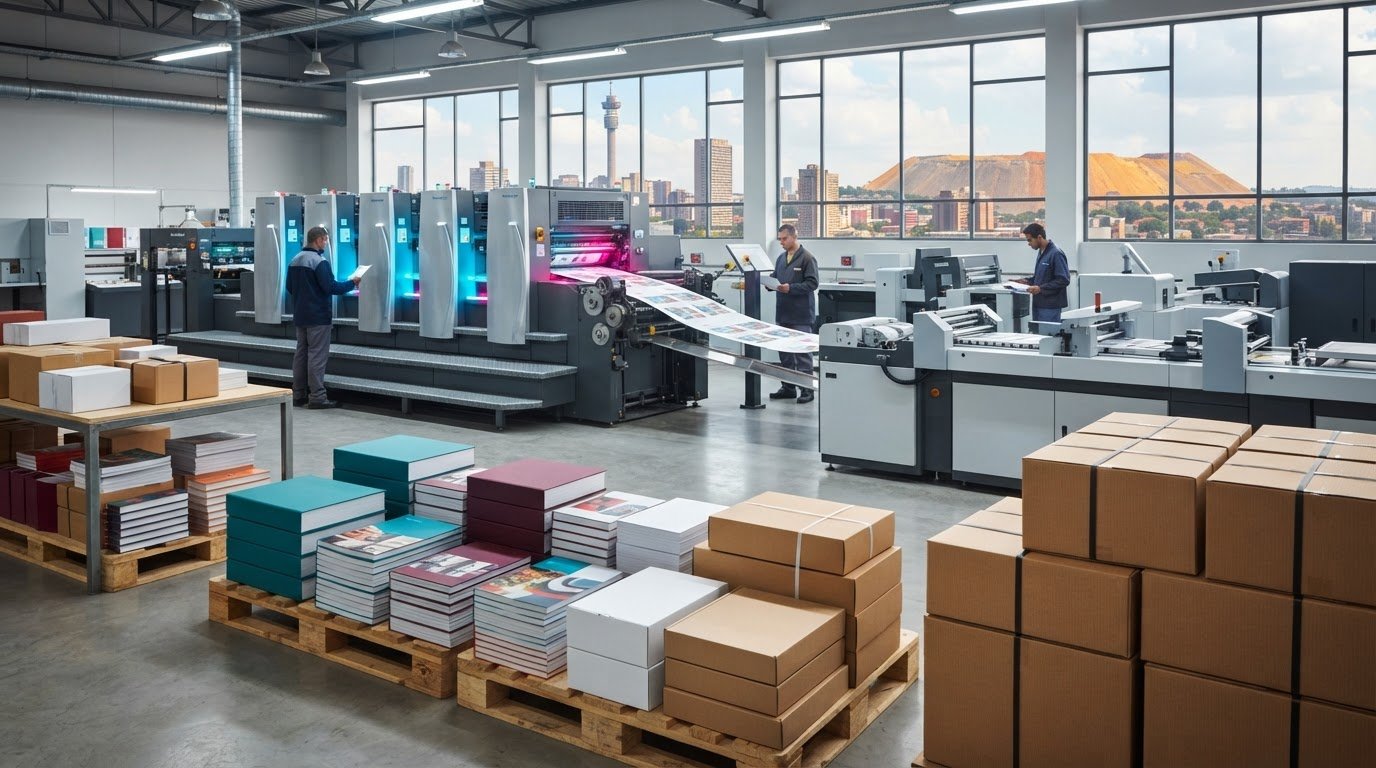
Print It ZA provides in-house design recommendations, printing and binding, and owns its factory, ensuring there are no middlemen to add extra costs. Delivery planning is part of its door-to-door service across South Africa. This connected pathway can be useful when choices in one stage affect another, while you remain responsible for approving the agreed specifications and artwork.
When integrated coordination is especially useful
Coordination can help when a job combines different products or requires several decisions to be resolved together. A business ordering catalogues and brochures, an agency managing campaign materials, or a school arranging multiple printed items may value having production and finishing requirements considered alongside the destination. Recurring work can also benefit from a clear process for sharing requirements across orders.
No workflow is automatically best for every buyer or print run. A straightforward item with settled specifications may need less coordination than a project with varied formats, binding choices and delivery details. Compare who connects the decisions, communicates changes and plans dispatch, not just which printing method or headline claim appears on the quote. That’s the practical measure of end-to-end printing and delivery.
What to prepare before ordering printing and delivery
A clear request connects your print choices to the practical details of getting the finished order to its destination. For end-to-end printing and delivery, prepare the information you know, separate must-haves from preferences, and flag decisions where you would value design recommendations. You do not need to settle every detail alone before starting.
Check specifications and artwork before placing an order
Use this checklist to organise your quote request. If a preference is still open, mark it as undecided rather than treating it as a fixed requirement. That makes it easier to discuss options without confusing a firm specification with an initial idea.
- Product and purpose: Identify what you need, such as a book, brochure, catalogue or school material, and explain who will use it.
- Quantity: State the quantity you are considering, including whether you need one item or several different products.
- Format: Share the dimensions or format you have in mind, or describe how the item will be used if you need guidance.
- Paper: Note any paper preferences, while distinguishing them from essential requirements.
- Finishing: Describe the finish or binding you want, if decided, and explain what the finished item needs to do.
- Artwork and recommendations: Gather the artwork you have and outline any design recommendations you need to develop the project.
In-house design recommendations can help you work through choices such as format and finishing. Artwork is not approved automatically: you remain involved in reviewing and approving the agreed work before production. For broader context on print services, the professional printing services guide can also help you understand how different requirements fit within a print project.
Plan delivery for your South African destination
Delivery details belong in the order brief, not just at the end of production. Provide the full address, recipient’s name and any relevant timing requirements. For a Johannesburg delivery, include the correct suburb and site details; for orders going to Pretoria or Cape Town, identify the receiving location and contact clearly. These details help tie the completed order to its intended destination.
Print It ZA offers door-to-door delivery across South Africa, including Johannesburg, Pretoria and Cape Town. The offer includes free delivery for orders up to 90 kg. Include the order’s weight information where available so the delivery terms can be considered alongside the rest of your requirements.
Before sending your request, check that essential specifications are easy to distinguish from preferences, and that the delivery address and recipient are complete. To organise your requirements, review your print project details.
Start Your Printing Project with Print It ZA
A good print project starts with a clear brief and a production pathway that keeps important decisions connected. Print It ZA brings in-house design recommendations, printing, finishing and binding together, helping you move from an initial idea to a completed order with fewer separate stages to coordinate. You remain part of the process, especially when reviewing recommendations and approving the artwork and specifications.
Print It ZA owns its factory, ensuring there are no middlemen to add extra costs. The company’s approach is direct: “We do not outsource design recommendations, printing, or binding.” This keeps those project stages within the company, so design choices can be considered alongside production and finishing needs.
Match the project to Print It ZA’s printing capabilities
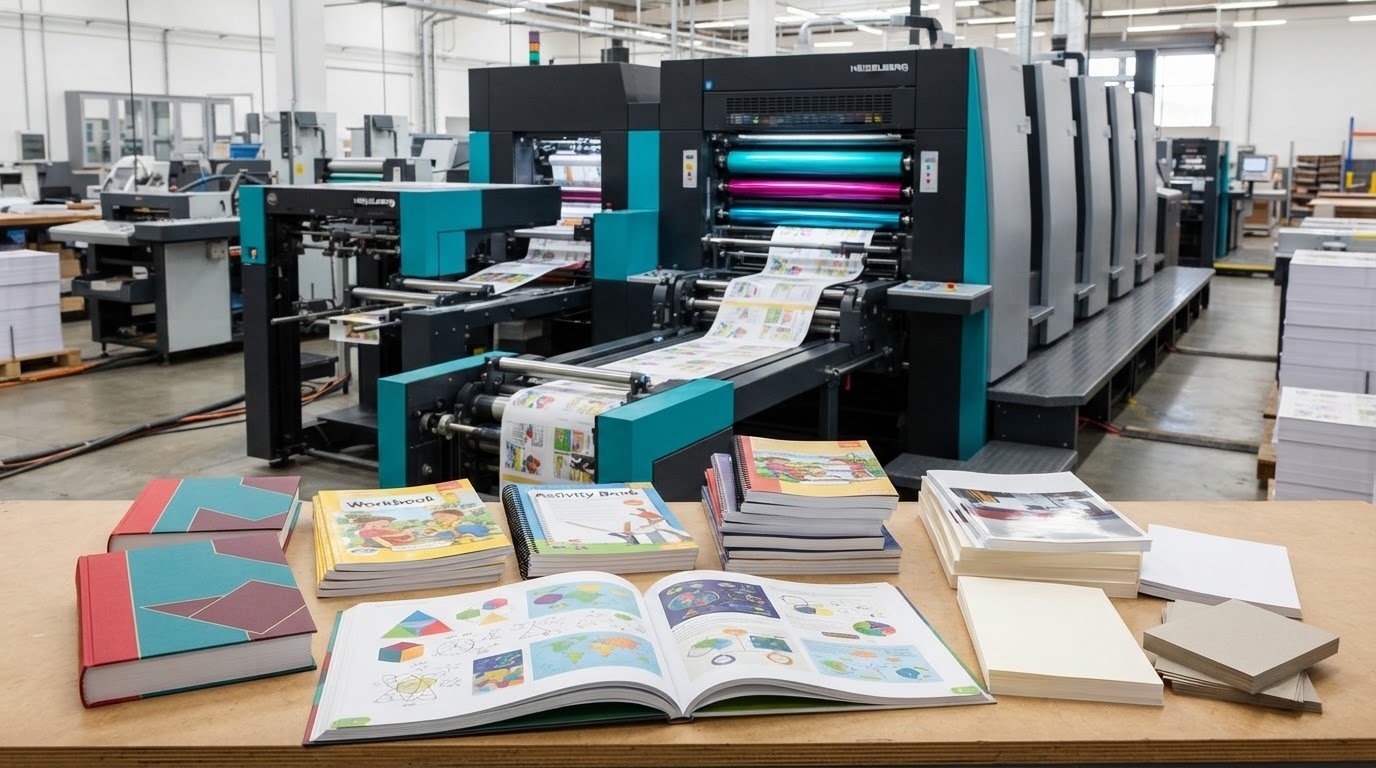
Print It ZA provides litho and digital printing for different project requirements. The right approach depends on the job’s specifications, not a one-size-fits-all threshold. Services include Book Printing and Booklet Printing, as well as brochures, catalogues, manuals and school materials. The team can provide design recommendations and coordinate finishing and binding to suit the agreed project.
For example, an author may need Book Printing in a chosen format and binding, while an organisation preparing training materials may need Booklet Printing and finishing suited to practical use. In-house design recommendations can help shape a project when you are still working through format or design choices. You review and approve the artwork and specifications before production proceeds.
Request a quote and set the project in motion
To begin, gather the details that describe the job. Include the product type, intended purpose, quantity, format, paper preferences and finishing requirements. If some choices are undecided, explain what you know and where you would value recommendations. For delivery planning, share the destination and recipient so the order can be considered as a complete project.
Print It ZA provides door-to-door delivery across South Africa. Whether your order is for Johannesburg or another South African destination, include the address and relevant delivery requirements in your quote request. This gives the team useful context alongside the print specifications, binding needs and finishing preferences.
With end-to-end printing and delivery, the aim is to connect the decisions that shape your finished print order. Start with your requirements, discuss the production pathway and approve the agreed details. You can request a quote online or call (010) 446 5618.
Request an online printing quote
Turn Your Print Idea into a Project
Your next print project does not need every decision settled before it can take shape. Start with the purpose, the audience you want to reach and the experience you want the finished piece to create. Those priorities give the project direction, helping you make choices that serve its intended use rather than adding details without a clear reason.
That’s the value of end-to-end printing and delivery: treating a printed item as a complete project, not just a file and a quantity. Picture how the recipient will see, handle and use it. Let that guide the format, finish and delivery details as the idea develops into a practical plan.
To move your idea forward, outline your project brief and take the next step towards a print solution shaped around your requirements. A clear direction is a strong start, and your project can grow from there.
Frequently Asked Questions
Can Print It ZA print school books to South African curriculum requirements?
Yes. Print It ZA can produce school books according to the South African curriculum or to custom requirements. Books can include images and interactive elements. If a learning resource needs diagrams or activities alongside written content, describe those needs in the project brief. Include the intended curriculum, content requirements and any visual elements so the printing requirements are clear from the outset.
Can school diaries include a school logo and QR codes?
Yes. School Diary Printing can include covers with school logos, interactive text pages with QR codes, built-in rulers and other custom features. A school planning a diary can outline which features it wants and how they should fit the diary’s intended use. Sharing these requirements early helps align the features with the format and overall design, rather than treating them as separate add-ons later.
What types of materials can be made with Spiral Binding?
Spiral Binding can be used for manuals, notebooks, diaries, workbooks, academic papers, activity books, training documents, calendars and custom printed materials. A training provider, for instance, could describe how learners will use a bound document during a course. Include the material and its intended use in your project brief. Avoid assuming page limits or coil specifications, as those details depend on the particular project.
Can school workbooks use eco-friendly paper and sturdy covers?
Yes. School Workbook Printing can use sturdy bindings and tough covers, as well as eco-friendly papers and printing techniques. For a workbook used regularly in class, explain how students and educators will handle it and what durability you need. That context helps align paper and finishing choices with its intended use. Include any preferences clearly in the brief so they can be considered as part of the project.
Does Print It ZA offer both litho and digital printing?
Yes, Print It ZA provides both litho and digital printing. The suitable method depends on the project’s requirements, including its format, quantity and specifications. For example, share whether you’re producing a catalogue, booklet or school resource, along with the details you’ve decided. This gives the team useful context to consider the available options for your end-to-end printing and delivery project, rather than relying on a generic recommendation.
Who does the design recommendations, printing and binding for a Print It ZA order?
Print It ZA handles design recommendations, printing and binding in-house. The company states: “We do not outsource design recommendations, printing, or binding.” Customers can discuss design recommendations, production requirements and applicable binding needs with the same printing partner. For example, if a manual’s format is still being developed, explain how it will be used so design and binding choices can be considered together.