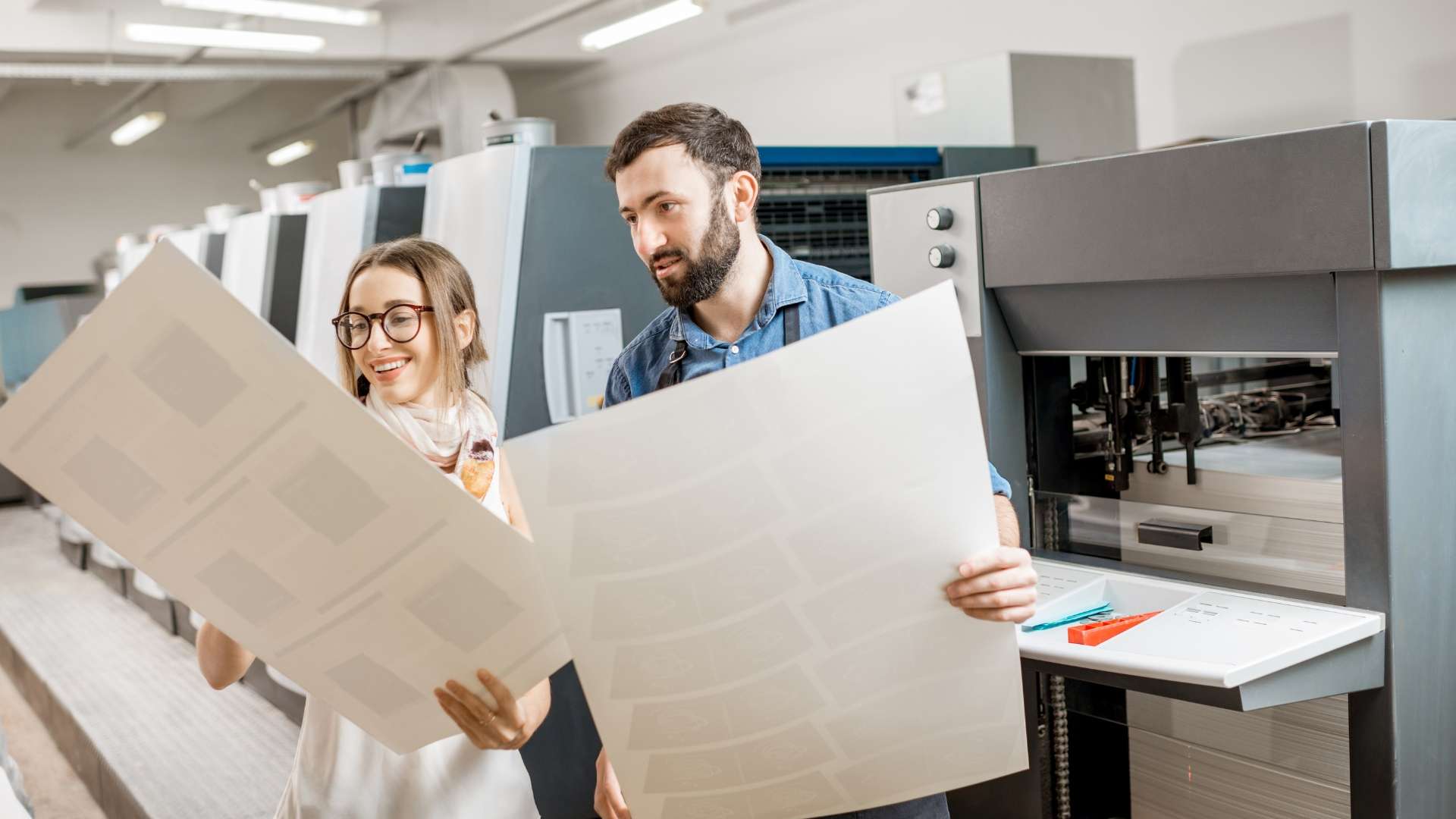
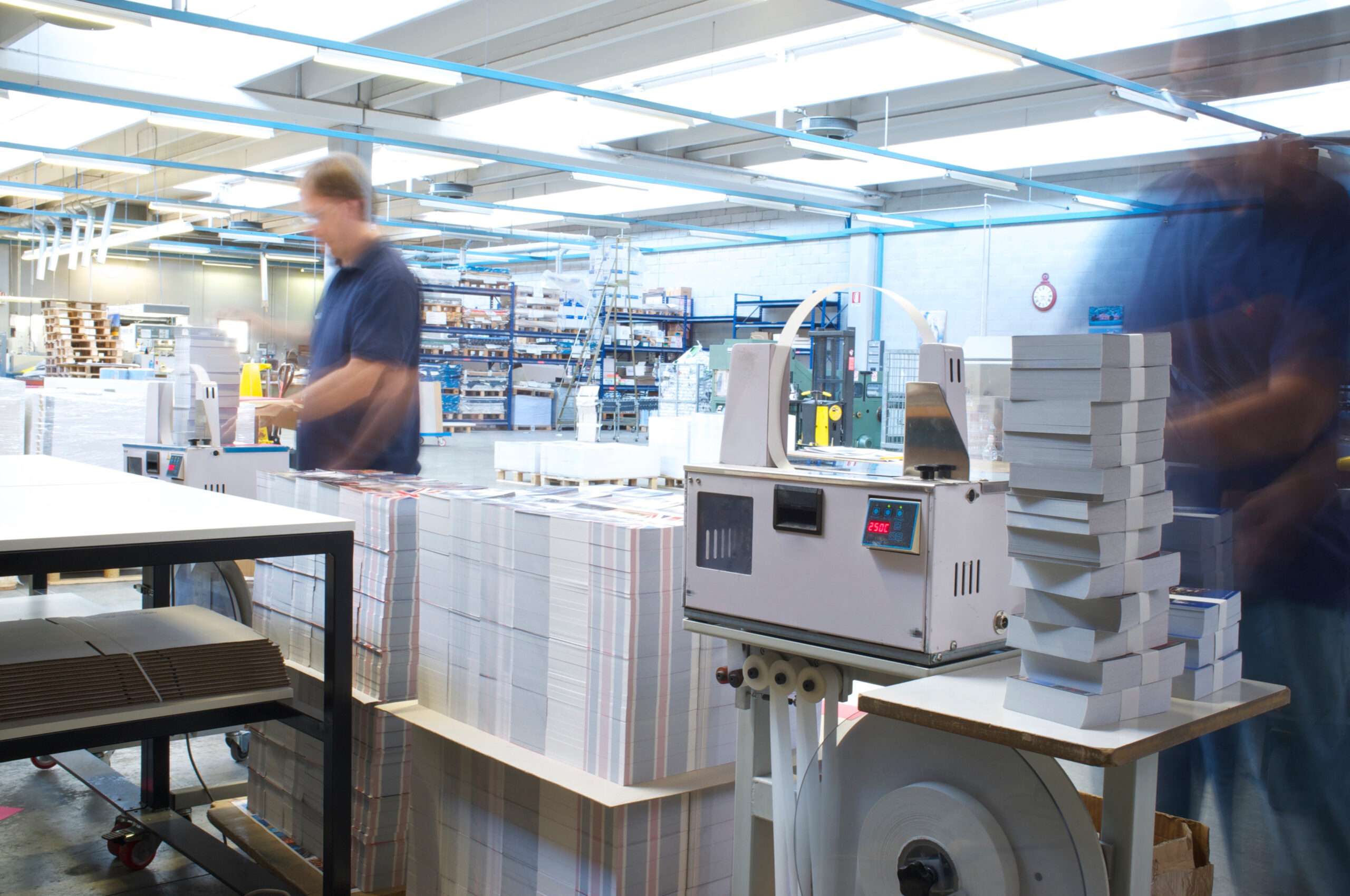
Flyer printing is one of the most cost-effective ways for small businesses, schools and event organisers to communicate — whether you’re preparing bulk educational printing for the school term, promoting a sale across Cape Town, or designing handouts for a trade show in Johannesburg. This guide explains paper choices, finishes, quantities and practical planning tips to get high-impact flyers without surprise costs.
What is flyer printing and when should you use it?
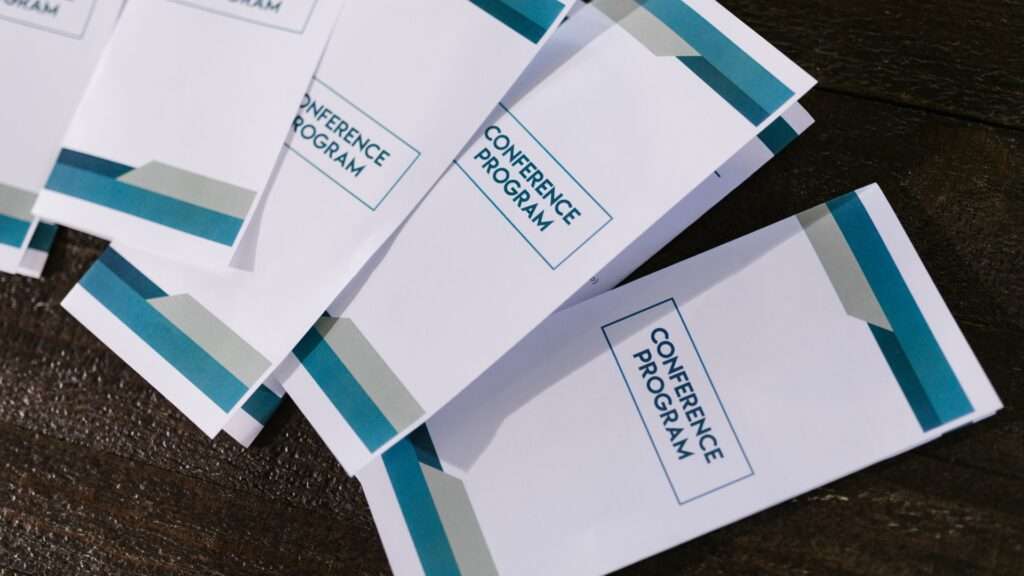
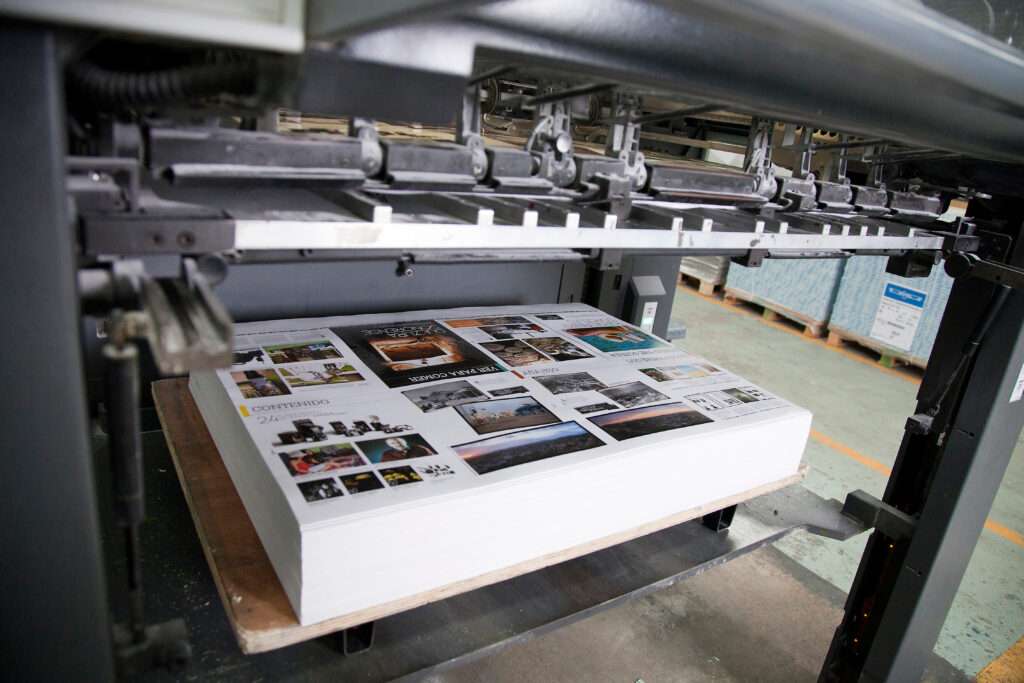
Flyer printing covers the design, production and finishing of single-sheet promotional or informational printed pieces. A flyer can be a simple A5 handout, a folded A4 event program, or a full-colour postcard-sized promo. Flyer printing is ideal for short-term promotions, door drops, in-store handouts and educational distribution to classrooms. Historically tied to lithographic methods, most flyers today are printed digitally or litho depending on run size and quality requirements. For background on printing technologies and history, see the printing overview on Wikipedia.
How do I choose the right paper stock for flyers?
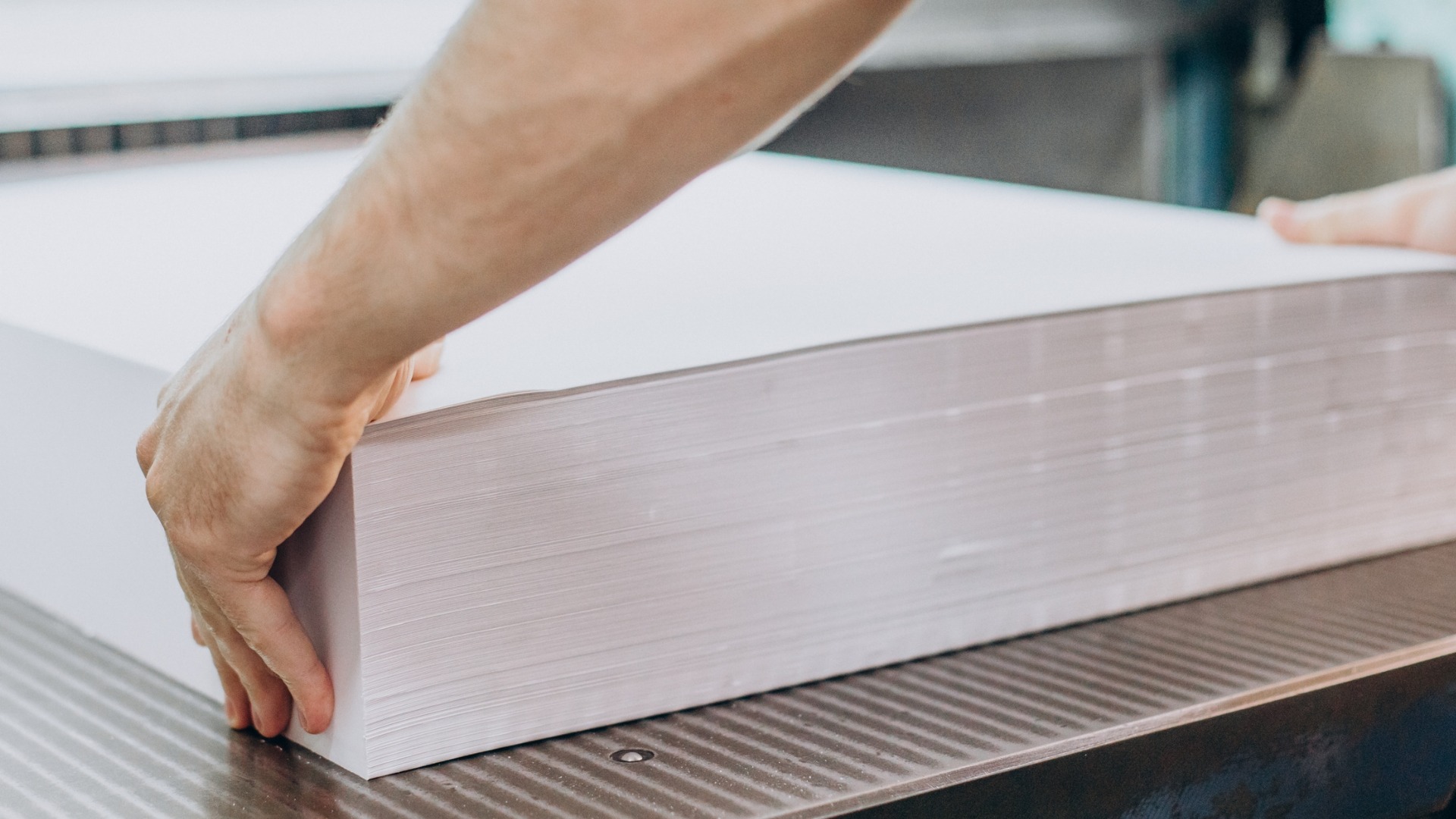
Choosing the right paper is one of the biggest decisions in flyer printing: it affects look, feel, durability and price. Common options include:
- Coated gloss (115–300gsm) — vibrant colour and easy to clean, great for retail promotions and glossy brochures.
- Coated silk / satin (115–350gsm) — softer sheen, excellent for classy event flyers and multipage booklet covers.
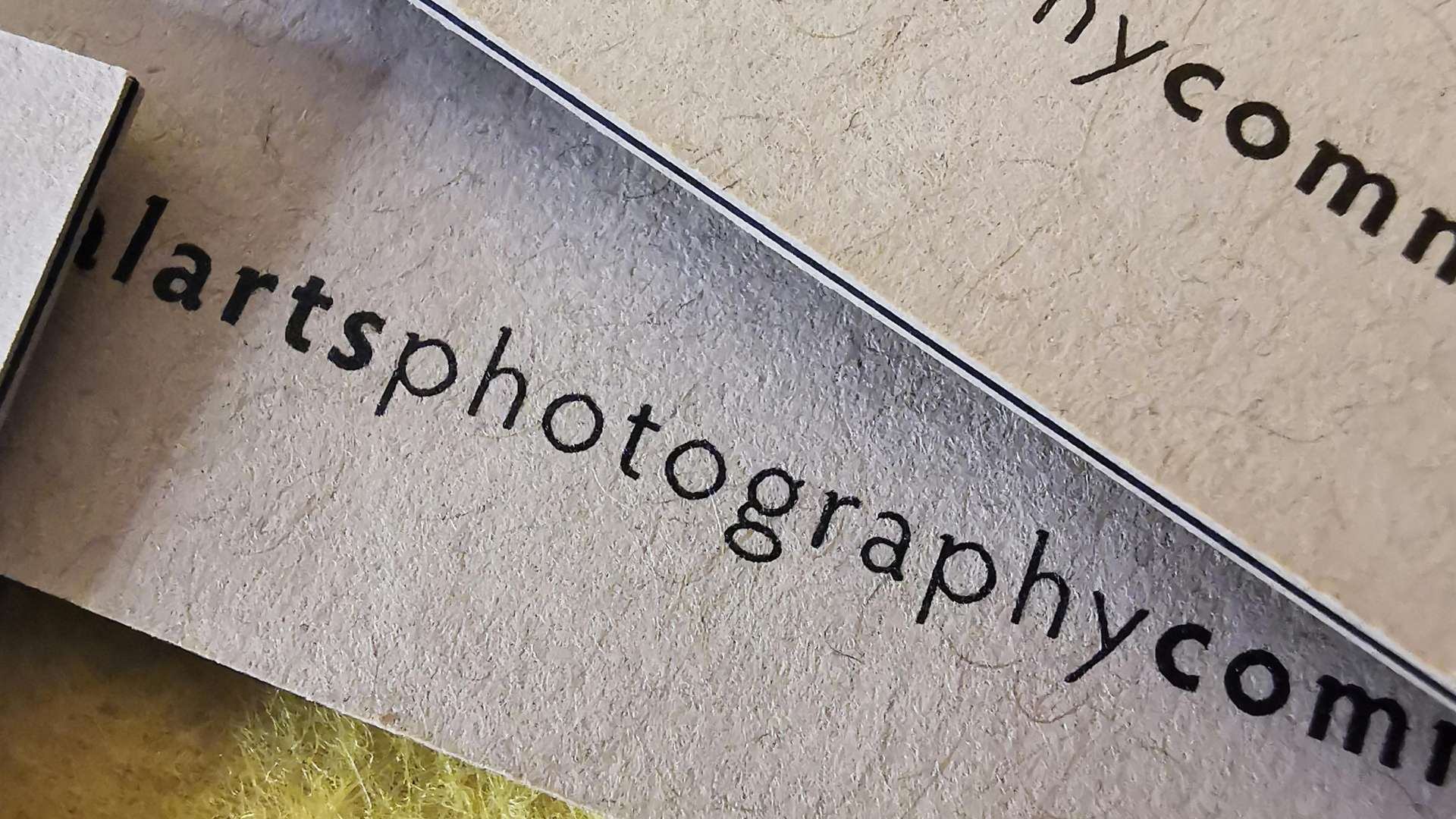
- Uncoated (90–160gsm) — natural feel, better for handwritten coupons or eco-friendly messaging.
For educational printing and bulk textbook handouts, slightly heavier stock (130–170gsm) survives classroom handling. If you need a postcard-like resilience, choose 300gsm or more. Consider a short sample run first to check colour and tactile qualities: many South African commercial printers will provide swatch packs so you can compare in the real world.
What finishes and coatings improve flyer impact?
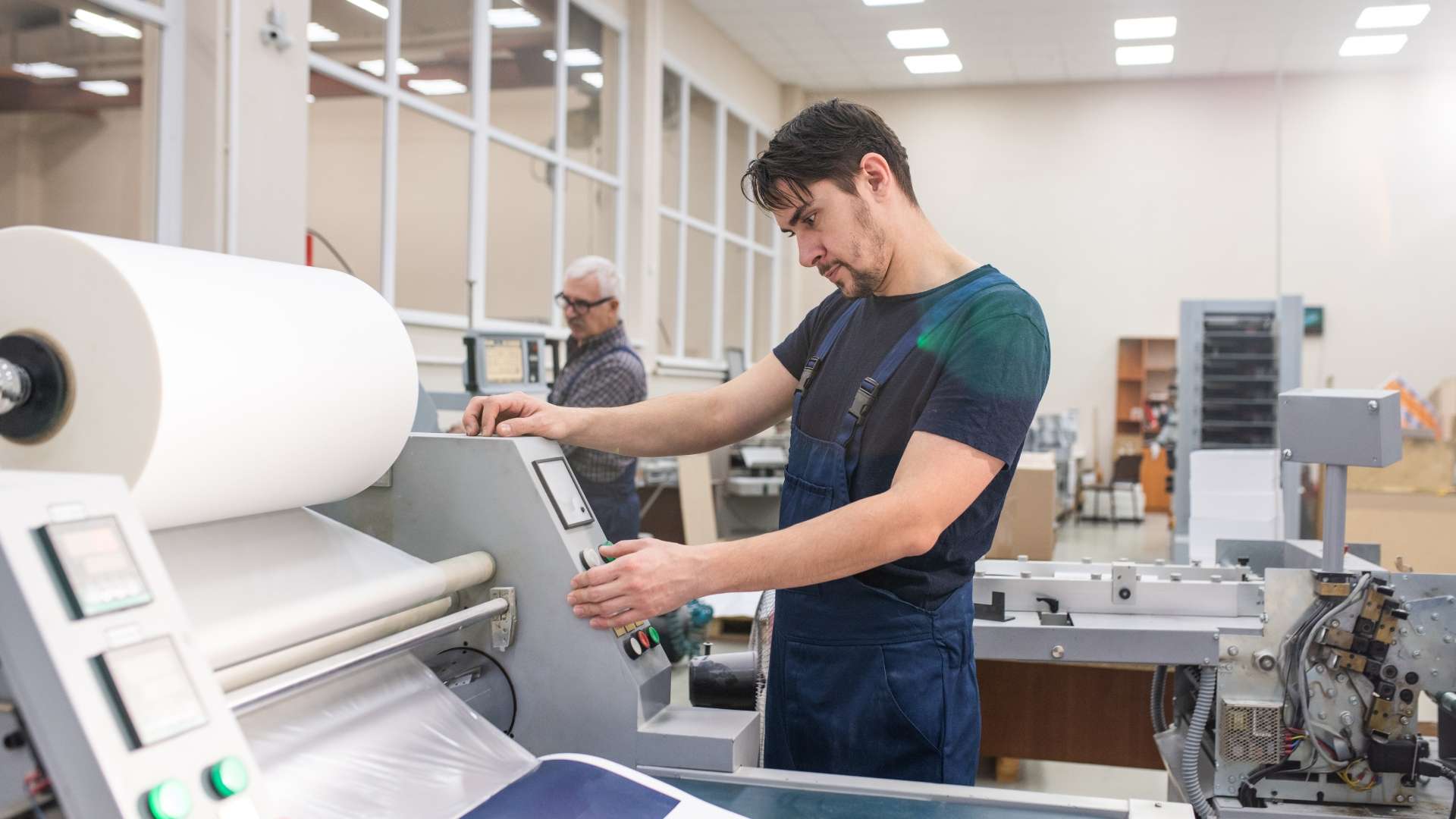
Finishes can protect your flyer and add perceived value. Popular finishes in flyer printing include gloss UV coating for scratch resistance, aqueous coating for eco-aware sheen, and matt lamination for a premium non-reflective look. Spot UV can highlight logos or key elements, while soft-touch lamination gives a velvety surface ideal for high-end catalogues and brochures.
Finishes affect cost and turnaround: lamination and UV coatings typically add machine time and drying steps. For school brochure printing or training manuals, choose finishes that balance durability with readability — e.g., aqueous coating on coated silk stock. For promotional door drops, uncoated or light aqueous is often more cost-effective.
What sizes, folds and formats are best for flyers?
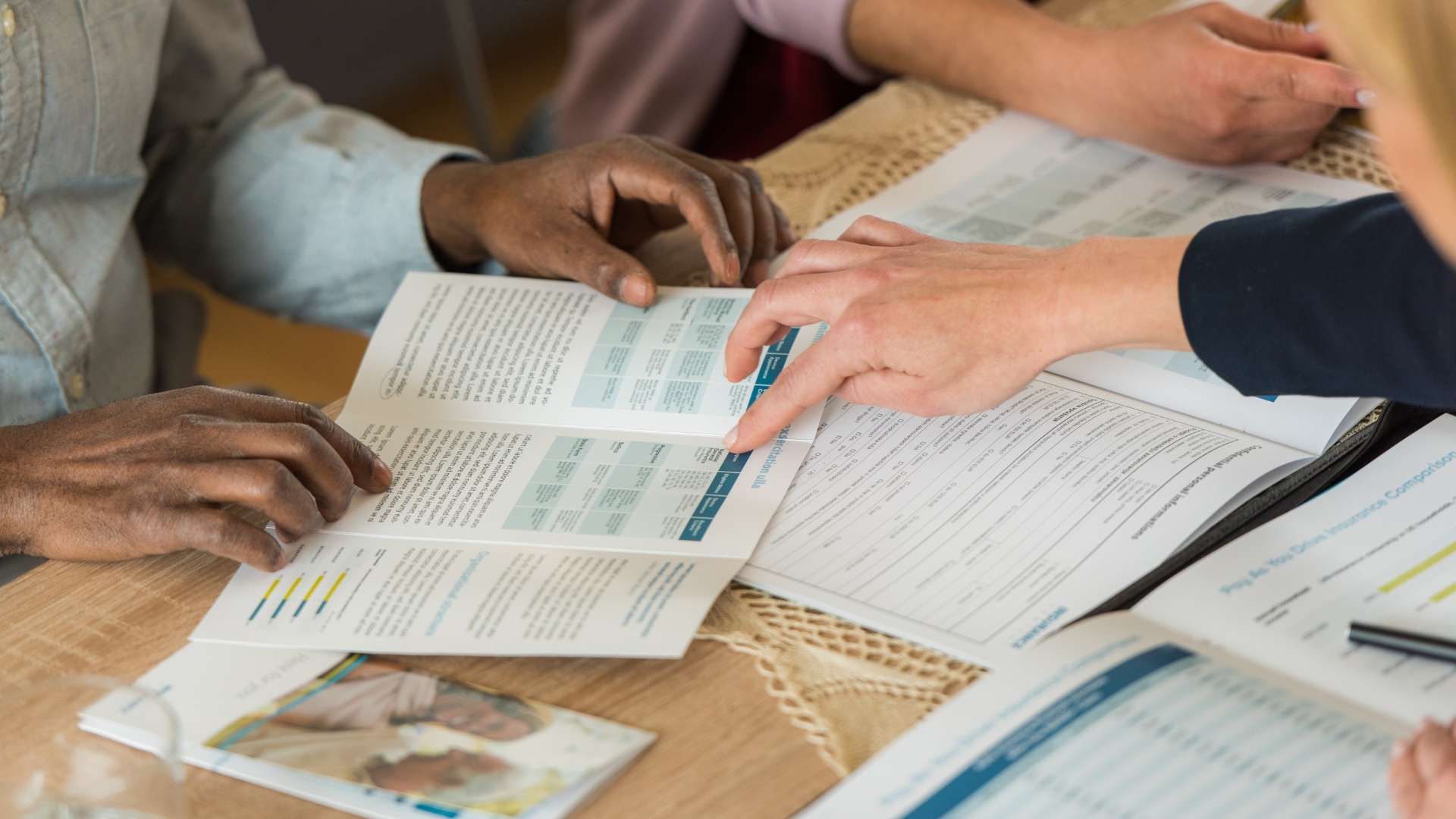
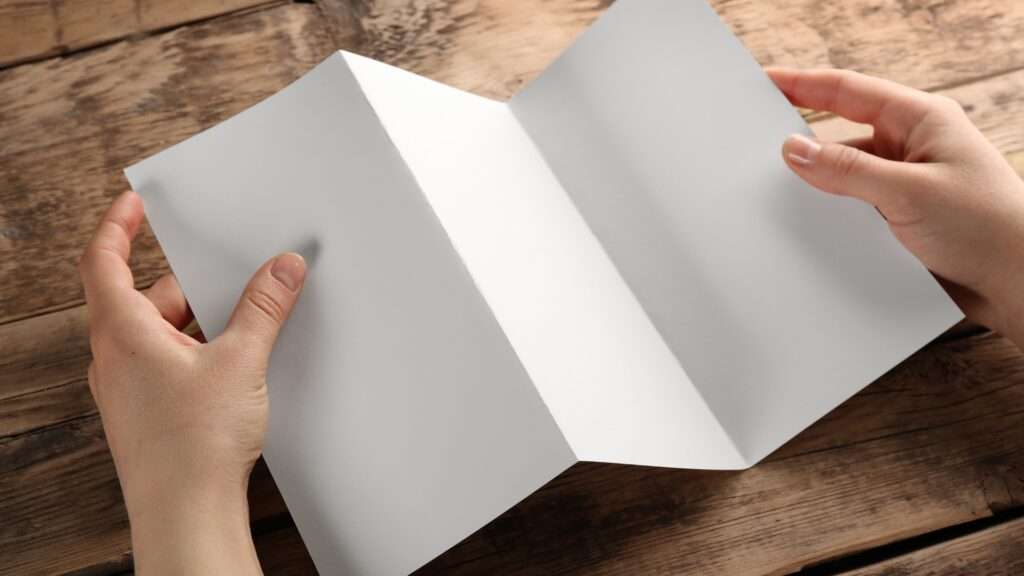
Flyer printing offers many formats: flat single-sided sheets (A6, DL, A5, A4), folded flyers (Z-fold, gate fold, half-fold), and postcard-size promos. Choose format based on information density and distribution method. A DL flyer (one-third of A4) is perfect for inserts and racks; A5 is an affordable handout size; A4 folded to DL lets you present more content while keeping compact distribution.
Folding options let you segment messaging (e.g., event schedule on one panel, map on another). When planning folded flyers for schools or training manuals, remember inner folds add creasing that affects colour registration — always allow for bleed and fold allowances in your print-ready files.
How many flyers should I order — and how does quantity affect price?
Quantity planning is essential: litho printing becomes more cost-efficient at higher volumes but requires longer setup times; digital printing is cheaper for short runs and faster for urgent jobs. Typical pricing dynamics in flyer printing:
| Run size | Typical method | Cost per unit |
| 100–500 | Digital | Higher per unit, low setup |
| 500–5,000 | Digital / Small litho | Balanced |
| 5,000+ | Litho | Lower per unit, higher setup |
For bulk educational printing for schools, ordering termly quantities (e.g., 2,000–20,000 flyers or handouts) can significantly reduce the unit cost. According to Smithers, larger-volume offset printing remains cheaper per unit for long runs compared with digital printing (setup costs spread over more pieces). Always ask your printer for a price break table and factor in logistics and distribution costs across South Africa.
What turnaround times can I expect in South Africa?
Turnaround depends on method and finishing. Digital flyers can be ready in 24–72 hours for small runs, while litho runs with coatings and special finishes often take 5–10 working days. Fast turnaround printing services are available regionally in major centres (Johannesburg, Cape Town, Durban), with delivery options across South Africa for rural schools or event venues.
If you need flyers for a school term or an upcoming event, build in a buffer for proofing, binding (if creating accompanying booklets) and distribution. For complex orders (multi-panel, spot UV, numbering, foil stamping), allow an extra 3–5 days. Many commercial printers will offer expedited services for an additional fee to meet tight deadlines.
What design best practices increase flyer response?
Great design reduces waste and improves return on investment. Keep the message clear: a single main call-to-action (CTA), bold headline, supporting image and concise copy. Use high-contrast colours and legible fonts (minimum 8–10 pt for body text). For door drops and street distribution, strong visuals with simple offers increase recall.
- Hierarchy: headline, subhead, benefit bullets, CTA.
- Contact information: phone, web, directions or QR code.
- White space: don’t cram text; leave breathing room.
For school or textbook-related flyers, include clear term dates and actions for parents. According to the Data & Marketing Association (DMA), direct mail formats that include a strong CTA and clear offer can have response rates up to 4.4% compared to much lower digital averages — showcasing how well-designed printed pieces still drive measurable responses.
How should I prepare print-ready files for flyer printing?
File preparation avoids delays. Use CMYK colour mode, 300 dpi images, and include 3–5 mm bleed. Supply fonts as outlines or embedded, and export PDFs with printers’ marks off unless requested. For litho printing, check trapping and ink coverage to avoid drying issues; for digital printing, reduce total ink coverage on uncoated stocks to prevent smudging.
Compare litho and digital workflows: litho benefits from precise colour separations and Pantone spot inks for brand-critical work, while digital offers variable data printing (personalised codes or names) and quicker proofs. If you’re unsure, request a preflight check from the printer — many South African print shops include free prepress checks to catch file issues early.
What are eco-friendly flyer printing options?
As sustainability becomes a priority, eco-friendly flyer printing options include recycled papers, FSC-certified stocks, eco-inks and water-based aqueous coatings. Uncoated stocks often have lower environmental impact because they require fewer chemical coatings, but coated recycled stocks can offer a balance of sustainability and performance.
For educational printing and school communications, selecting eco-friendly options can align with institutional sustainability policies and community expectations. According to industry reports, many printers now offer carbon-offset delivery and paper sourcing transparency. Ask your printer about waste management practices, certified suppliers and end-of-life recyclability for your chosen finishes.
How to manage costs and save money on flyer printing?
Cost-saving strategies in flyer printing include ordering in larger quantities when storage allows, standardising sizes to maximise press sheets, using fewer colours (CMYK instead of spot PMS where possible), and choosing economical stocks for disposable door drops. Consolidate orders for multiple departments (e.g., school newsletters and event flyers) to gain volume discounts and reduce per-unit costs.
Work with printers offering print-on-demand or short-run services for test campaigns, then scale up winners to litho runs. Using efficient layout templates and re-using artwork across brochure or booklet products (like companion booklets or catalogues) reduces design hours. Many printers in South Africa provide bundled services — design, print and distribution — which can lower logistical expense and speed up delivery across provinces.
How do I choose the right printer in South Africa?
Selecting a printer depends on project scale, required finishes and service level. Look for proven experience in your industry — whether commercial printing, booklet printing, catalogue printing or educational printing. Check case studies, sample packs and references. For school textbooks and bulk worksheets, choose a partner experienced in bulk educational printing and fast-term turnaround.
Consider these questions when vetting printers:
- Do they offer both litho and digital printing options?
- Can they handle finishing (lamination, folding, binding) in-house?
- What are their proofing methods and prepress checks?
- Are they able to deliver across South Africa on your schedule?
Many printers provide industry-focused services — for example, brochure printing, booklet printing and catalogue printing — which can be beneficial if your campaign spans multiple printed formats. Review their online portfolios and request a sample pack to judge print quality firsthand. For educational and textbook projects, specialised print partners reduce the risk of schedule slippage and ensure consistent colour and pagination; see examples of textbook printing and education printing services when comparing suppliers.
Quick checklist: final pre-press essentials
Before approving production, run through this final checklist to minimise errors and delays in flyer printing:
- Artwork in CMYK, 300 dpi, with 3 mm bleed.
- Fonts outlined or embedded; images licensed.
- Proof approved (hardcopy or high-quality PDF) showing colours and fold marks.
- Delivery schedule confirmed and distribution logistics planned.
- Confirm finishing (coating, lamination, spot UV) and paper stock.
Following this checklist keeps your flyer project on time and on budget. When planning for school terms, events or marketing campaigns across South Africa, coordinate with the printer early for sample approvals and centralised distribution to avoid last-minute rushes. If you need multi-format pieces — flyers plus brochures or booklets — explore bundled printing options like brochure printing services, booklet printing, catalogue printing or training manual printing to streamline production and often reduce costs.
Where can I get started with my flyer printing project?
Start by outlining your objective (inform, sell, or recruit), target audience, distribution method and budget. Request sample swatches and quotes from printers experienced in your sector — whether commercial printing for small businesses or bulk educational printing for schools. If you require companion materials, also review services for brochure printing, booklet printing, catalogue printing, training manual printing or books printing to maintain consistent brand presentation across formats.
Contact a reputable South African printer early to discuss paper, finishing and delivery logistics: early planning saves money, ensures consistent quality, and helps you hit school-term or event deadlines with confidence.