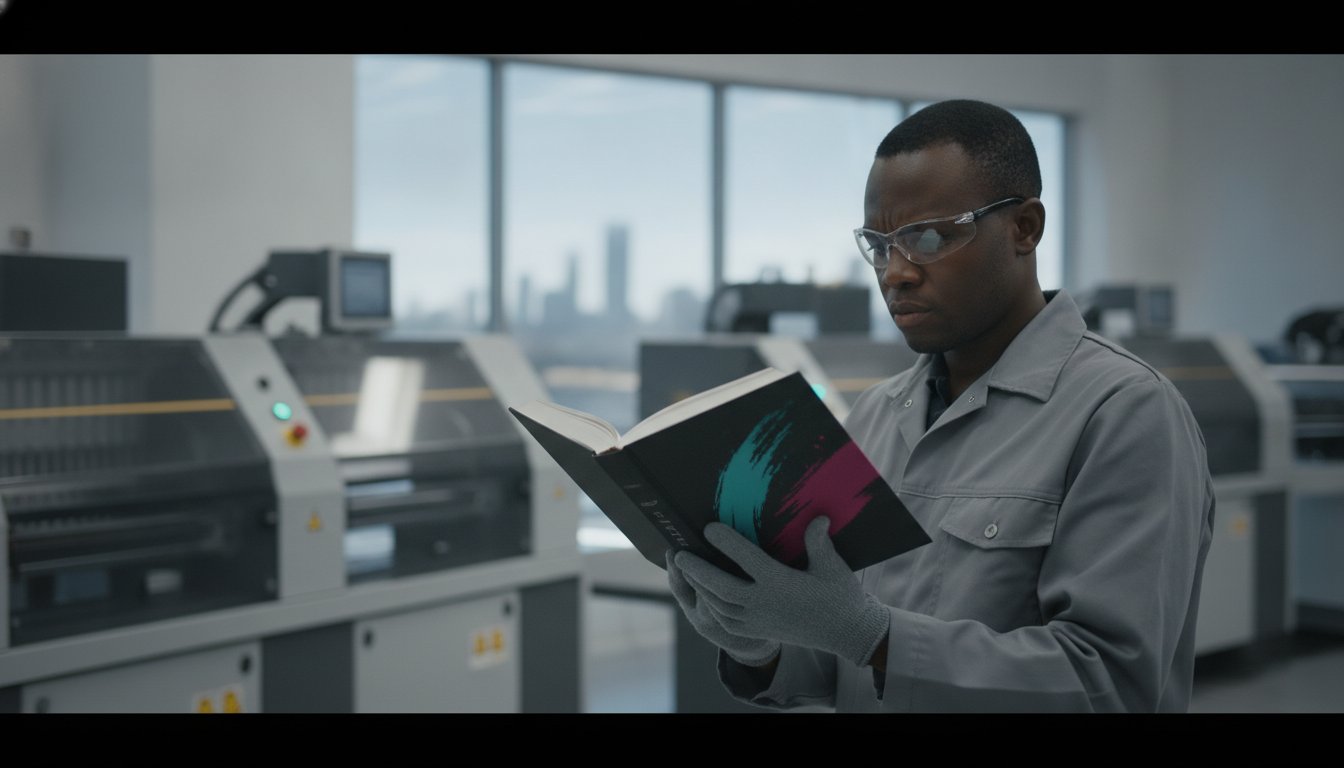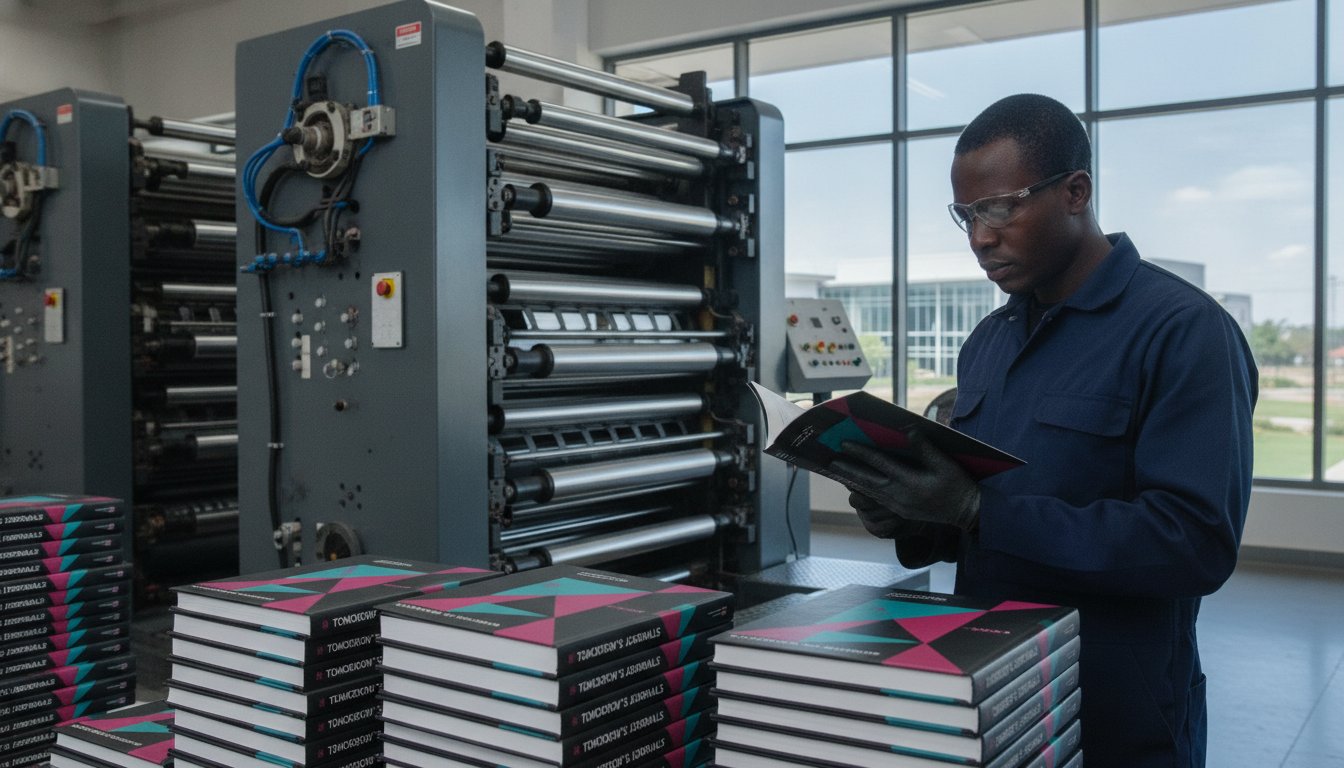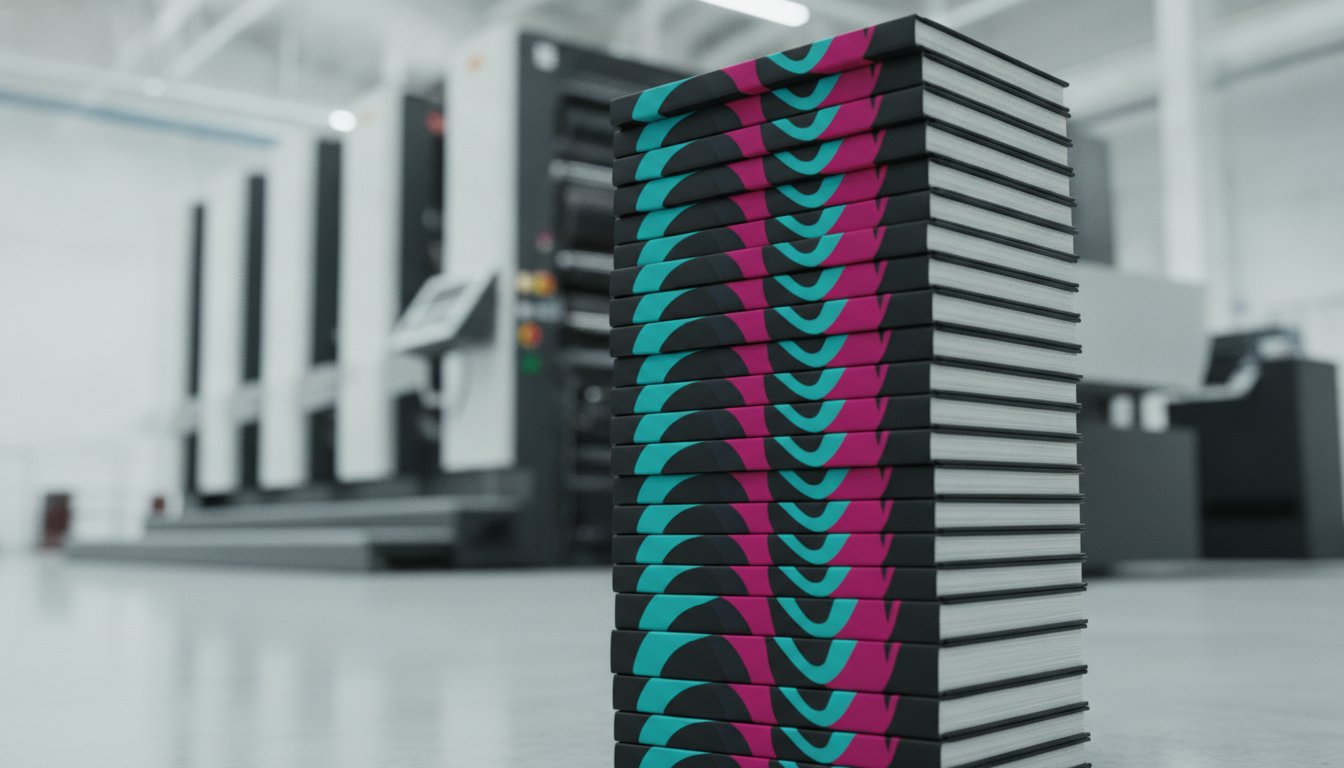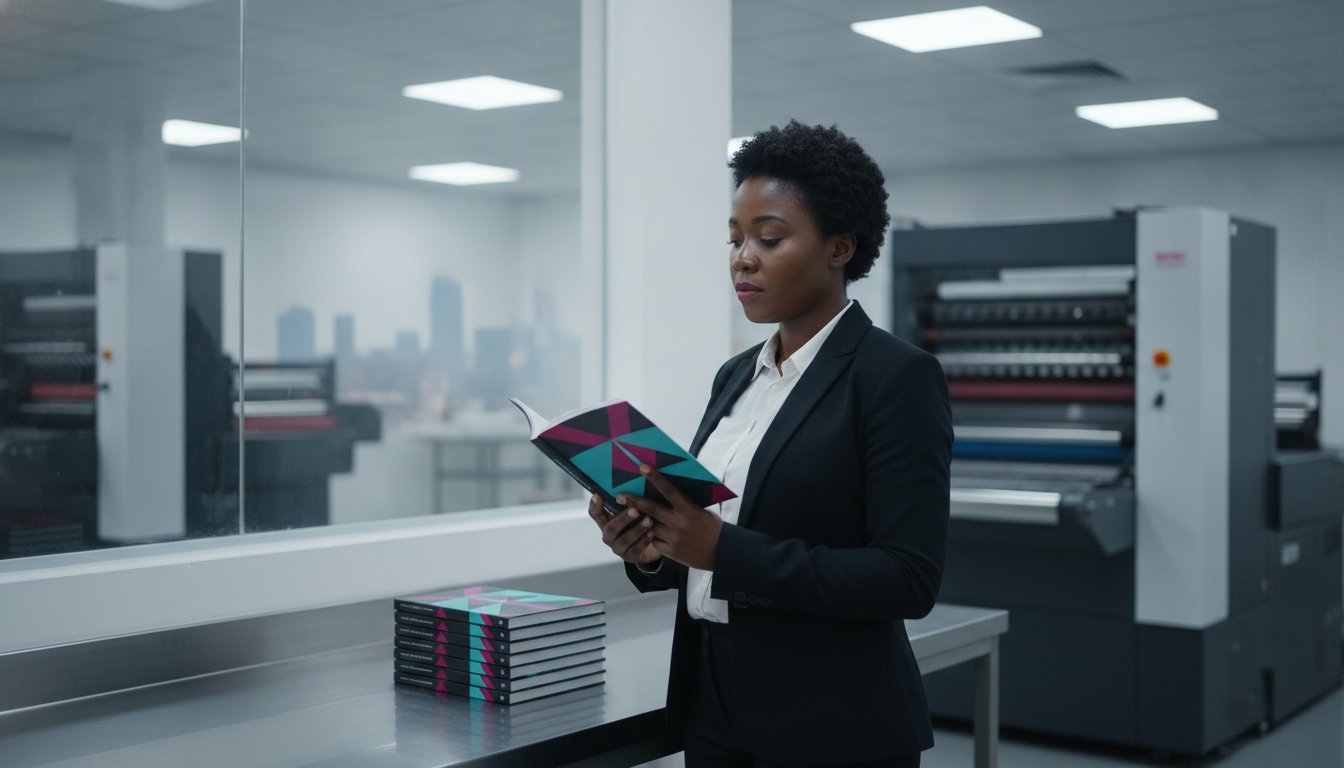
Your manuscript deserves more than a digital folder or a flimsy paperback; it deserves the permanence of a legacy. You’ve spent months or years perfecting your words, and the thought of high international shipping costs for small runs or ending up with a poor-quality finish shouldn’t hold you back. It’s frustrating when technical jargon makes the process feel out of reach, but premium Hard Cover Book Printing is closer than you think. We understand that you want a durable, bookstore-quality result that stands the test of time without the stress of overseas logistics.
In this guide, you’ll discover how to transform your manuscript into a professional hardback legacy with expert binding, custom finishes, and reliable South African distribution. We’re going to clear up the confusion around binding terminology and show you how local expertise in Midrand can elevate your project. You’ll get a clear preview of the finishes that create a high-end feel and learn how our Gauteng-based logistics ensure your books arrive safely and on time. Let’s turn your vision into a physical masterpiece that belongs on the finest shelves.
Key Takeaways
- Understand how case binding provides the archival quality and superior durability needed for premium South African publications.
- Discover how to choose between printed wraps and cloth finishes to match your book’s aesthetic and shelf appeal.
- Master the technical essentials of Hard Cover Book Printing, including CMYK colour profiling and calculating the perfect spine width.
- Compare the long-term value of hardbacks against the high-frequency use of softcovers to find the right fit for your budget.
- Learn how leveraging a 24/7 facility in Gauteng ensures professional results and efficient nationwide delivery for your project.
What is Hard Cover Book Printing and Why Choose It?
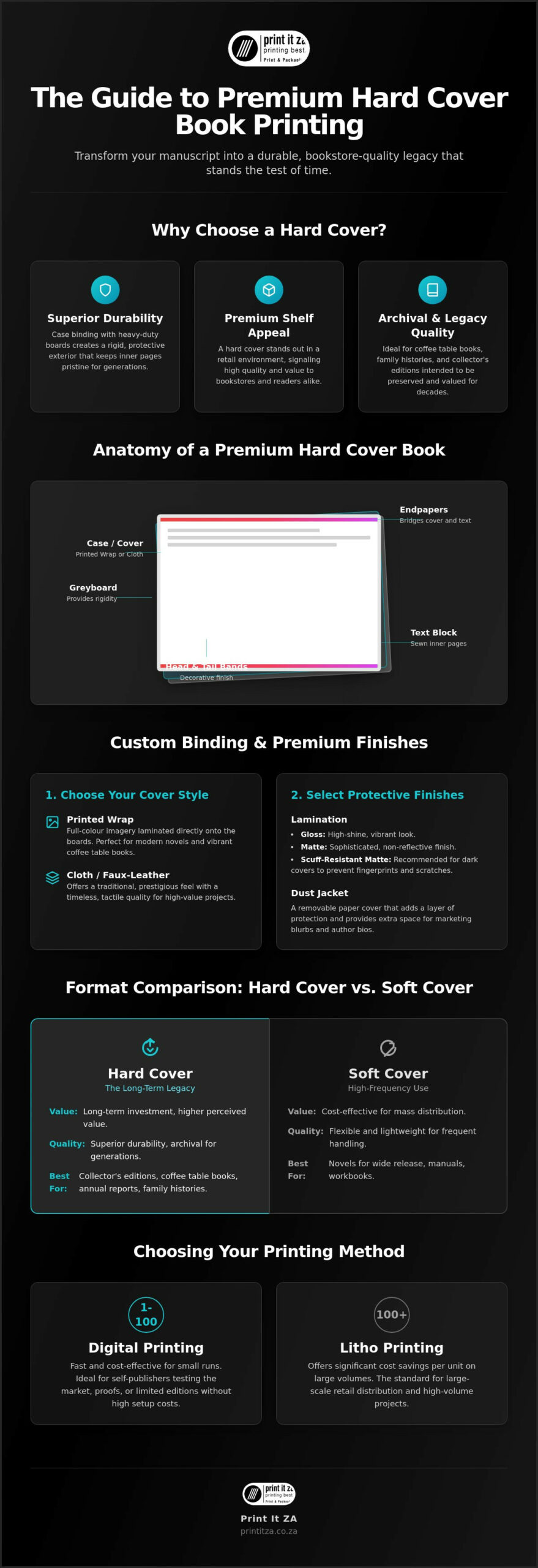
Choosing Hard Cover Book Printing is a statement of intent. It tells your reader that the content inside is meant to be preserved, shared, and valued for generations. At its core, this process involves case binding, where heavy-duty boards are wrapped in a durable material such as printed paper, specialized cloth, or even faux leather. This creates a rigid, protective exterior that keeps the inner pages pristine, even with frequent handling. If you’ve ever wondered what is a hardcover book and how it differs from a standard paperback, the answer lies in its specialized construction.
There are several reasons why authors and businesses opt for this premium format. It isn’t just about aesthetics; it’s about the physical longevity of the work. You’ll typically see this binding style used for specific types of high-value projects:
- Coffee Table Books: Where high-quality imagery needs a sturdy frame.
- Annual Reports: To convey stability and professionalism to stakeholders.
- Novels and Limited Editions: For collectors who value a tactile, premium reading experience.
- Religious Texts and Family Histories: Where the book is intended to be passed down through generations.
For self-published authors in the South African market, the emotional impact of holding a hardback version of your work is significant. It elevates a manuscript from a simple digital file to a professional legacy. In a competitive retail environment, a hard cover book stands out on the shelf, signaling to local bookstores and readers that the work is of the highest caliber.
Hardcover vs. Hardbound vs. Casebound: Clearing the Confusion
In our local print industry, you’ll hear these terms used interchangeably. While “hardback” is what most readers ask for at the bookstore, “casebound” is the technical term we use in the workshop. Case binding refers to the specific method of creating the outer “case” as a separate unit before attaching the inner pages. It’s a precise craft that ensures the cover fits the text block perfectly every time. Whether you call it hardbound or hardcover, the result is the same: a rigid, high-quality finish that protects your investment.
The Anatomy of a Premium Hard Cover Book
A professional book is built in layers. It starts with the greyboard, which provides the stiffness you feel in the cover. The “text block” refers to the gathered and sewn pages that make up your story. To give it that bookstore-quality finish, we add head and tail bands. These are small decorative fabric strips at the top and bottom of the spine that hide the glue and add a touch of class. Endpapers serve as the functional and aesthetic bridge between the cover and the content. By understanding these components, you can better appreciate the craftsmanship that goes into every Hard Cover Book Printing project we handle.
Custom Binding Options and Premium Finishes
Your cover is the first point of contact between your story and your reader. It’s the physical handshake that sets the tone for everything inside. When you invest in Hard Cover Book Printing, you have the creative freedom to choose between a Printed Wrap or a Cloth binding. A Printed Wrap allows for full-colour imagery to be laminated directly onto the boards, which is perfect for modern novels and vibrant coffee table books. If you’re looking for a more traditional, prestigious feel, Cloth or Faux-Leather binding offers a timeless quality rooted in the history of bookbinding.
Protection is just as important as aesthetics. Lamination acts as a shield against wear and tear. While gloss provides a high-shine, vibrant look, matte lamination offers a sophisticated, non-reflective finish. For dark covers that might easily show fingerprints or scratches, we recommend scuff-resistant matte lamination. You can also add a dust jacket. This removable paper cover serves as a secondary layer of protection and provides extra real estate for marketing blurbs and author bios. It’s a classic retail feature that adds immediate perceived value to any publication.
Litho vs. Digital Printing for Hardbacks
Choosing the right technology depends on your volume and goals. If you’re a self-publisher testing the waters with a small run of 1 to 100 copies, digital printing is your best friend. It’s fast and doesn’t require the setup costs of traditional plates. However, for large-scale retail distribution, high-volume litho printing offers significant cost benefits per unit. Our 24/7 facility in Midrand is uniquely equipped to handle both scales. Whether you need a handful of test copies or a massive retail run, we ensure the output standards remain world-class. If you’re ready to start your project, you can consult with our creative team to find the most efficient path forward.
Speciality Finishes: Spot UV and Foil Stamping
To truly make your book pop, consider speciality finishes that engage the senses. Foil stamping adds a tactile, luxurious feel that’s particularly effective for corporate annual reports or commemorative editions. It catches the light and demands attention. Spot UV is another powerful tool; it applies a high-gloss coating to specific design elements, like a title or a logo, creating a striking contrast against a matte background. This creates a visual depth that’s impossible to ignore on a bookstore shelf. We also guide you on selecting the right paper stock for interior pages to ensure the weight of the paper matches the premium feel of the heavy cover.
Hard Cover vs. Soft Cover: Which Format Suits Your Project?
Deciding between a hardback and a paperback isn’t just about your budget. It’s about the intended life of the book and how you want your audience to interact with it. While a paperback is built for high-frequency, casual reading, Hard Cover Book Printing creates a product designed to last decades. The physical construction of a casebound book naturally requires a higher initial investment. This is due to the cost of heavy-duty boards, specialized adhesives, and the additional manual labor involved in the binding process. However, this investment pays off in durability and status.
In the South African retail landscape, perceived value is everything. A hardback commands a significantly higher retail price in bookstores compared to its softcover counterpart. For local authors and businesses, this isn’t just about profit margins; it’s about prestige. Many of our clients choose a hybrid strategy to maximize their reach. They print a limited, premium hard cover run for launches, VIP reviewers, and collectors, while maintaining a larger paperback edition for wider, more affordable distribution. This approach gives you the best of both worlds: a high-end legacy piece and a mass-market accessible version.
When to Invest in Hard Cover
Some projects simply demand the weight and authority of a hardback. This format is ideal for coffee table books where visual impact and high-quality finishes are paramount. It’s also the necessary choice for reference books and textbooks that will face frequent handling in classrooms or professional environments. If you’re producing commemorative yearbooks or documenting a corporate legacy, the archival quality of a hardback ensures that your history remains intact and readable for future generations. It turns a simple document into a keepsake.
When Soft Cover (Paperback) is More Practical
Softcover binding is a strategic choice for specific types of content. It remains the best option for mass-market novels, poetry collections, and training manuals that might require frequent updates. Because paperback book printing typically offers a faster turnaround time, it’s perfect for time-sensitive marketing campaigns or event-specific materials. There’s also a clear logistical advantage. If you’re planning for international shipping or extensive nationwide distribution, the lighter weight of a paperback can significantly reduce your overall logistics and postage costs. Our Midrand team helps you weigh these factors to ensure your choice aligns with your distribution goals.
Technical Guide: Preparing Your Files for Hardback Printing
Setting up your files for Hard Cover Book Printing requires a more detailed approach than standard document prep. Because the cover wraps around solid boards, the physical dimensions shift during production. You must design with the final physical object in mind. This starts with your colour space. Always work in CMYK profiles. Digital screens use RGB, but printing presses rely on ink. Converting early ensures your deep blues and rich reds look exactly as intended on your chosen paper stock without unexpected shifts in tone.
Your spine width is another critical variable. Don’t guess this measurement. You must wait until your final page count is locked and your paper grammage, or thickness, is selected. Even a small change in paper weight can alter the spine width by several millimetres. This can cause your cover design to shift off-centre or lead to text creeping onto the front cover. Similarly, consider the role of your endpapers. These are the pages glued to the inside of the covers. You can keep them plain for a classic look or print them with a custom pattern to add a creative surprise for your readers.
Designing the Case Wrap
The cover of a hardback isn’t just a flat sheet; it’s a “wrap.” Your design must extend far beyond the edges of the boards to ensure a seamless finish. Bleed is the extra margin required to fold over the heavy boards. While a standard flyer might only need 3mm, hard covers typically require a bleed of 15 to 20mm. This ensures that when the paper is tucked around the greyboard, there are no unsightly white edges visible. Also, remember to keep your critical text and logos away from the hinges or “gutters.” These are the areas where the cover bends. Placing text too close to these folds can make it difficult to read or cause the print to wear down over time.
Exporting Professional PDFs
Once your design is ready, your export settings are the final hurdle. High-resolution images are non-negotiable. Ensure every photo is at least 300 DPI to avoid pixelation on the final product. You should also embed all fonts and flatten transparencies to prevent common printing errors. We usually require two separate PDF files: one for the complete cover wrap, including the back, spine, and front, and another for the internal text block. This allows our team to process each component through the correct machinery simultaneously.
If you’re feeling unsure about the technical specs, it’s a great idea to use professional printing services in Johannesburg for a final pre-flight check. We catch the small errors that could lead to costly reprints. Ready to get your files verified? You can contact our Midrand design team today for a technical consultation to ensure your project is print-ready.
Why Print It ZA print and packaging is South Africa’s Leading Hard Cover Book Printer
Choosing a printing partner is about more than just finding a machine; it’s about finding a team that values your vision as much as you do. We’ve built our reputation on being a reliable creative partner that bridges the gap between technical complexity and aesthetic excellence. Our 24/7 operational facility in Midrand ensures that we’re always working to meet your deadlines, no matter how ambitious they might be. Whether you’re a first-time self-publisher or a large-scale B2B organisation, Print It ZA print and packaging provides the same level of precision and care to every Hard Cover Book Printing project that enters our workshop.
What sets us apart is our end-to-end service model. We don’t just “take your files” and hope for the best. Our in-house design team is available for creative development, helping you refine your layout and finishes before the first page is even printed. This collaborative approach minimizes errors and ensures that the final product meets international standards. We take pride in our regional roots and our ability to deliver world-class litho and digital quality right here in Gauteng.
The Midrand Advantage: Local Expertise, National Reach
Location matters when it comes to your bottom line. Being a centrally located print shop in Johannesburg allows Print It ZA print and packaging to significantly reduce logistics costs for businesses across Gauteng. You don’t have to worry about the high cost of international shipping or the long wait times associated with overseas production. Our local presence also means you can join us for in-person consultations. There’s no substitute for feeling the texture of different paper stocks or seeing the shimmer of a foil stamp in person. This hands-on experience ensures there are no surprises when your order arrives. Our commitment to high-quality litho standards means your books aren’t just local favourites; they’re ready for international export.
Comprehensive Distribution and Logistics
Our service doesn’t end when the glue dries. We understand that for many corporate clients, the real challenge begins with distribution. Print It ZA print and packaging offers comprehensive kitting and storage services, managing your printed assets so you don’t have to. If you have a time-sensitive release of annual reports or periodicals, our 24/7 support team ensures your materials are kitted, packed, and dispatched without delay. We handle nationwide distribution with the same efficiency we bring to our printing presses, ensuring your books reach their destination in perfect condition.
Your manuscript has waited long enough to become a physical reality. We’re here to make sure that transition is seamless, professional, and exciting. We invite you to reach out to our team to discuss your vision and request a custom quote for your next hard cover book printing project. Let’s work together to create a durable, bookstore-quality hardback that you’ll be proud to share with the world.
Ready to Publish Your Professional Hardback?
Your manuscript represents countless hours of dedication and deserves a physical form that reflects its true value. We’ve explored how the right binding and premium finishes transform a simple book into a durable legacy. By mastering technical details like spine width and CMYK profiles, you ensure your project meets the highest retail standards. Hard Cover Book Printing is more than just a production service; it’s the final, essential step in your creative journey.
At Print It ZA print and packaging, we’re ready to be your creative partner. Our 24/7 Midrand production facility and in-house creative design team are standing by to guide you through every choice, from paper textures to speciality foils. We handle the complex logistics of nationwide delivery and international export so you can focus on your next big idea. We value your vision and strive to make every page perfect.
Request a Custom Hard Cover Book Printing Quote today and let’s start building your legacy together. We can’t wait to see your work take its rightful place on the shelf.
Frequently Asked Questions
What is the minimum order quantity for hard cover book printing in South Africa?
Our minimum order quantities are flexible to suit your project needs. For digital Hard Cover Book Printing, we can handle runs as small as 10 to 50 copies, which is perfect for niche projects or limited editions. If you’re looking for larger retail distribution, our litho presses are most cost-effective for orders over 500 units. This flexibility ensures that both independent authors and corporate clients find a solution that fits their specific volume requirements.
How long does it take to print a hardback book from start to finish?
A standard production timeline for a hardback book is usually 10 to 15 working days. This timeframe begins once your final artwork is approved and the pre-flight check is complete. Because the case binding process involves multiple stages, including board cutting and specialized adhesive setting, it requires more time than a simple paperback. Our 24/7 facility in Midrand works around the clock to ensure your project stays on schedule and meets your deadline.
Can I print a single copy of a hard cover book for a gift or keepsake?
We generally focus on small to large production runs rather than individual units. While our digital technology allows for very low quantities, the setup costs for a single Hard Cover Book Printing project can be relatively high for the customer. We recommend printing a small batch of at least 10 copies to get better value for your investment. This approach makes it easier to share your keepsake or gift with a wider circle of friends or family.
What is the difference between a dust jacket and a printed case wrap?
The main difference is whether the design is permanent or removable. A printed case wrap involves laminating your artwork directly onto the heavy boards of the book. In contrast, a dust jacket is a separate, removable paper cover that wraps around a cloth or plain board. Many premium projects use a combination of both to provide extra protection and a secondary layer for marketing text or author biographies. It’s a classic choice for high-end retail books.
How do I calculate the spine width for my hard cover book?
You calculate the spine width by multiplying the number of pages by the thickness of your chosen paper stock. Since different paper grammages have different densities, you must finalize your paper choice before setting your cover layout. We provide our clients with a precise spine calculator once the page count and paper weight are confirmed. This ensures your cover design aligns perfectly with the physical boards and doesn’t shift during the binding process.
Do you offer international shipping for printed books?
Yes, we offer comprehensive nationwide delivery and international export services. From our central hub in Midrand, we manage the logistics of shipping your books to any major centre in South Africa or to global destinations. We handle the kitting and packaging to ensure your hardbacks arrive in pristine condition. This makes us a reliable partner for Gauteng businesses looking to reach a wider audience without the stress of managing their own logistics.
What paper types are best for the interior of a hard cover book?
The best paper depends on your content and the book’s purpose. For text-heavy novels or memoirs, an 80gsm or 100gsm cream or white bond paper is the standard choice. If you’re producing a high-end coffee table book or a corporate report with full-colour imagery, we recommend a 130gsm to 170gsm coated art paper. These thicker stocks prevent ink show-through and provide the premium feel that complements a heavy hard cover perfectly.
Can you help with the cover design if I only have a manuscript?
We provide full creative support through our in-house design team. If you only have a manuscript, our designers can assist with everything from interior typesetting to creating a striking cover wrap. We act as a creative partner rather than just a service provider, helping you select the right finishes and textures to match your vision. This end-to-end service ensures your final book looks professional and is ready for the competitive retail market.