
Hardcover books offer a durable, premium presentation that can elevate your publication’s perceived value and lifespan, whether you’re producing school textbooks, corporate portfolios or limited-edition catalogues in South Africa.
What are the main differences between hardcover books and other bindings?
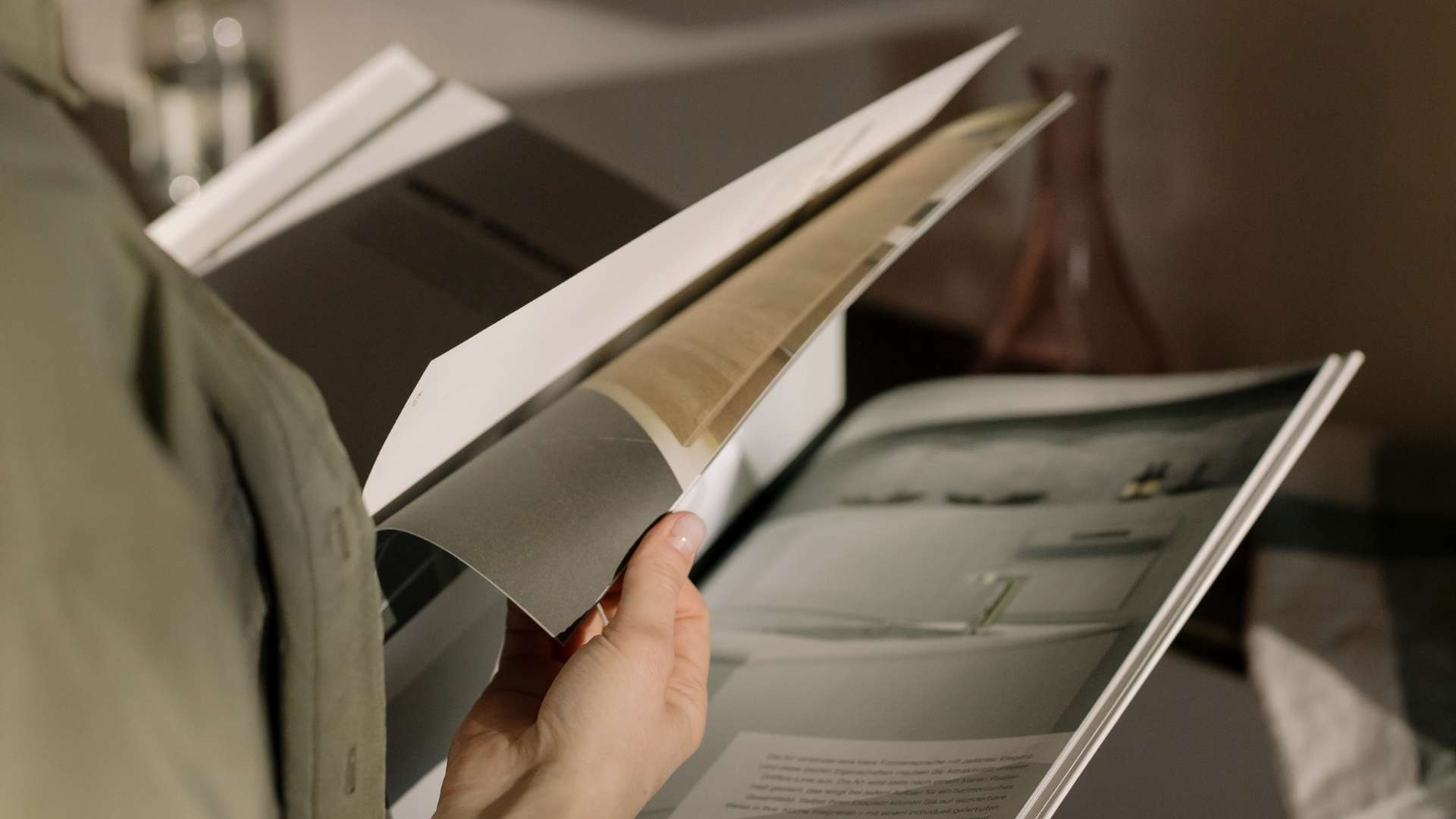
Hardcover books (also called hardback or casebound books) use rigid covers—typically heavy paperboard wrapped in cloth, paper or leatherette—attached to the internal pages via gluing and sewing methods. This structure gives them a sturdier spine and greater resistance to wear than perfect-bound paperback titles or saddle-stitched booklets.
Typical differences include:
- Durability: hard covers protect pages during long-term use, making them ideal for school textbooks and reference books used across multiple terms.
- Perceived value: hardcover books are often viewed as premium products for gift editions, corporate portfolios or commemorative catalogues.
- Cost and lead time: they usually cost more per unit and may have longer production times compared with litho or digital paperback runs.
According to Wikipedia, hardback bindings traditionally provide a durable protective cover for printed works and are commonly used for first editions and library copies.
When should you choose hardcover books?
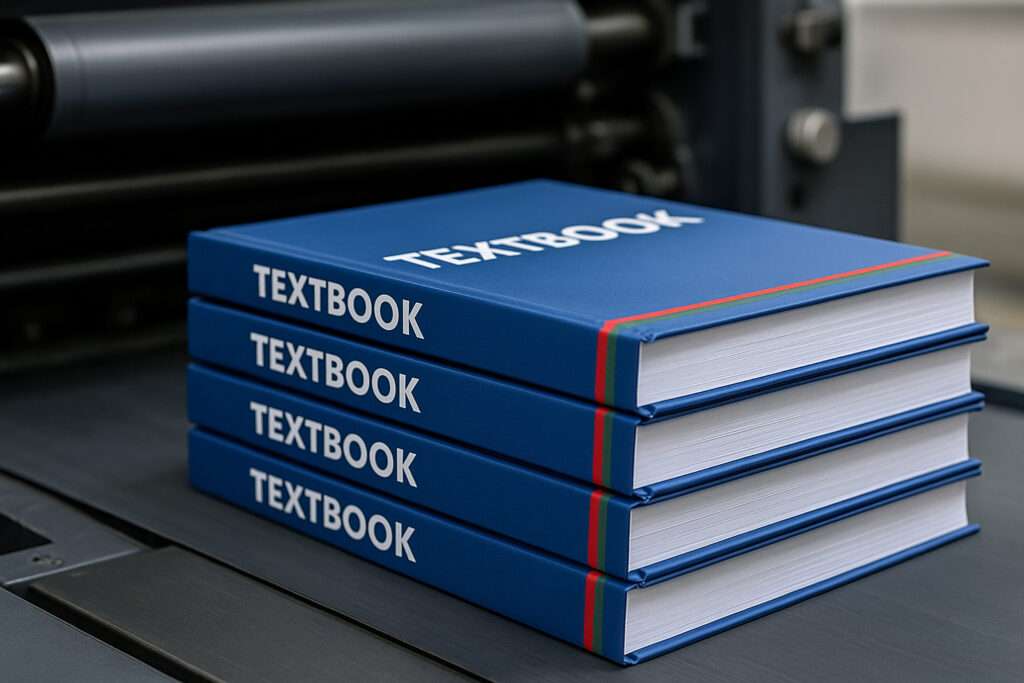
If you need a product that communicates prestige, stands up to heavy handling (like school textbooks or training manuals), or must preserve content over many years, hardcover books make sense. They are commonly used by publishers and businesses in commercial printing, educational printing, and custom publishing sectors when a long-lasting finish is a priority.
Consider hardcover books when:
- You’re printing textbooks for bulk educational printing for schools and need extra durability through school terms.
- You want a premium product for events and promotions, such as a commemorative catalogue or limited-run coffee table book.
- Your readers expect a high-end finish—examples include author first editions, training manuals for corporate clients, and custom-published portfolios for packaging printing showcases.
How much more do hardcover books cost versus paperback or booklet printing?
Hardcover books typically cost more per unit because of material and labour: case construction, endpapers, potential dust jackets, and often sewn binding. Costs depend on run size, trim size, paper stock, and custom print finishes such as embossing, foil blocking, or spot UV.
Cost factors at a glance:
| Factor | Hardcover Impact |
| Materials | Higher—boards, cloth/leatherette, endpapers |
| Binding method | More labour intensive—case binding and sewing |
| Finish options | More premium options available (foil, emboss, dust jacket) |
For cost-effective hardcover runs, printers often recommend higher print quantities to spread setup and case-making costs over more units. For smaller runs or print-on-demand needs, some printers offer hybrid solutions where a hard-cover-like effect is simulated—discuss options with a commercial printer experienced in litho and digital printing.
Can hardcover books be cost-effective for schools and bulk educational printing for schools?
Yes—when durability reduces replacement frequency, hardcover books can be cost-effective for school textbook printing. While the upfront unit cost is higher, the longer service life often results in fewer reprints across multiple school terms. Schools and education departments in South Africa frequently balance initial budget constraints with the total cost of ownership over several years.
Points to consider:
- Print delivery across South Africa: choose a printer offering reliable logistics to manage bulk orders and phased delivery by school term.
- Fast turnaround printing: coordinate timelines with publishers to meet academic calendars and term preparation.
- Paper and binding choices: select tougher paper and reinforced hinges for heavy classroom use.
According to industry observations, institutions that plan for multi-year usage often prefer casebound textbooks for core curriculum titles because they minimize mid-year replacements.
What design and technical considerations should you plan for hardcover printing?
Designing for hardcover books needs early coordination between the designer and the printer. The casebinding process requires precise board sizes and allowances for the hinge, plus separate artwork for dust jackets or board-wrapped covers.
Technical checklist:
- Spine calculations: determine exact spine width based on page count and paper caliper.
- Cover wrap or dust jacket: decide whether the book will have a wrapped cloth/laminated paper cover or a removable printed dust jacket.
- Endpapers: select colours or printed endpapers for visual continuity and structural integrity.
- Binding type: for high-use items like training manuals, specify sewn signatures for extra durability.
For publishers or schools working with custom publishing houses and print-on-demand services, early proofs and a physical sample help ensure the final hardcover aligns with expectations for look and function.
What finishing options elevate hardcover books for marketing and custom publishing?
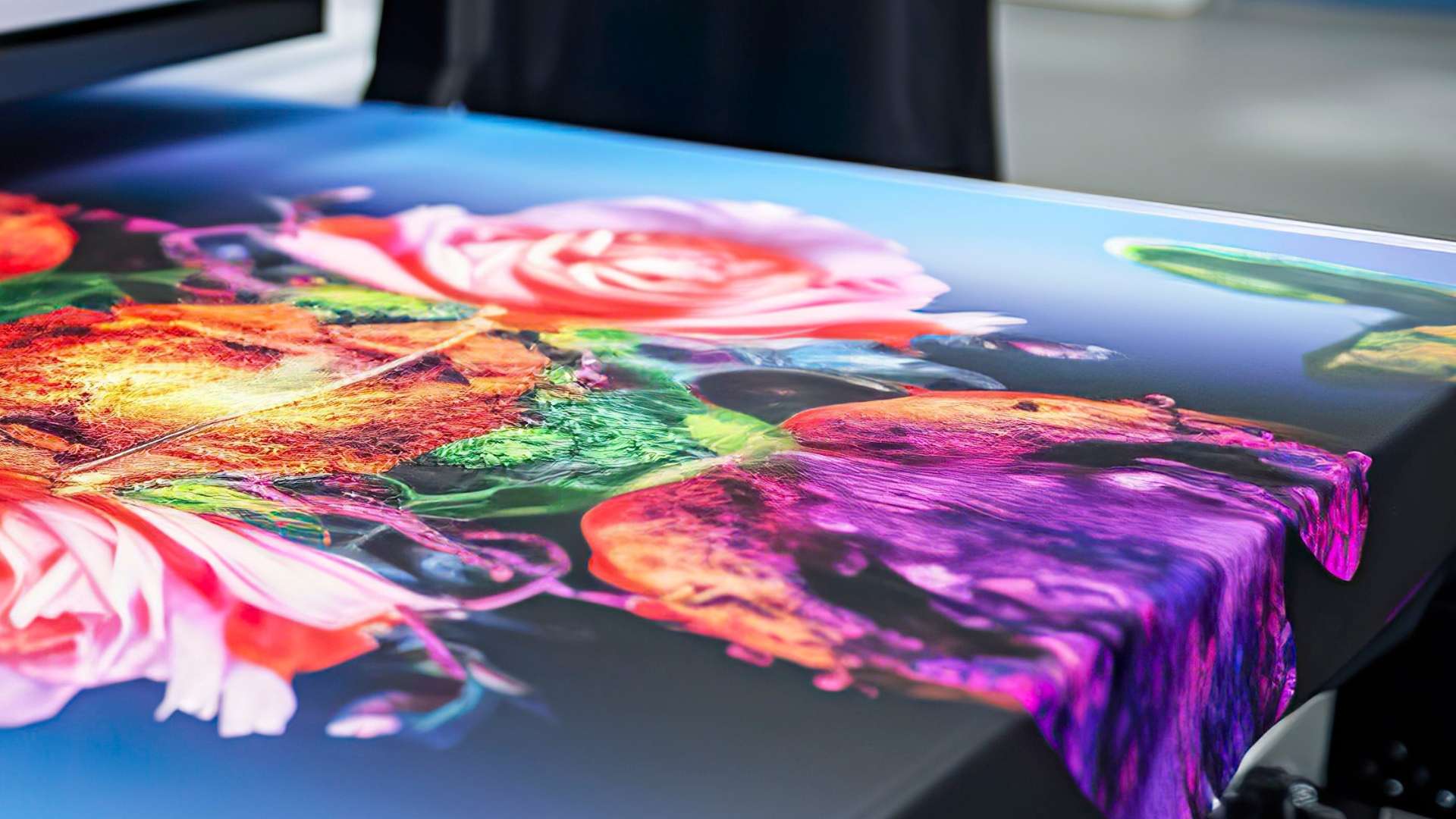
Finishes give hardcover books their tactile and visual appeal and are often decisive for buyers of corporate books, catalogues, and special editions. Popular options include foil stamping, embossing or debossing, spot varnish, textured lamination, and printed dust jackets.
How finishes are used by industry:
- Catalogue printing: foil and embossing highlight brand elements and imagery.
- Corporate training manuals and manuals: textured lamination improves grip and scuff resistance for frequent use.
- Small business marketing materials: limited-run hardcovers for investor or partner gifts add perceived value and longevity.
Discuss eco-friendly printing options with your printer to combine premium finishes with recycled boards, eco-inks and water-based varnishes—options that are increasingly important to institutional buyers across South Africa.
How long does it take to print and deliver hardcover books in South Africa?
Turnaround times vary by run length, complexity of finishes and whether blocks or dies are required for embossing or foil. Typical timelines:
- Small to mid-size runs (digital + case construction): 2–3 weeks
- Large litho runs with multiple finishes and dust jackets: 3–6 weeks
- International production with importation: add customs and freight time
Fast turnaround printing options exist for simpler hardcovers but expect trade-offs on custom finishes. Printers offering integrated litho and digital printing alongside packaging printing capabilities can often reduce lead times by handling more processes in-house—this helps with timely print delivery across South Africa.
Can hardcover books be produced in short runs or print-on-demand? What about sustainability?
Advances in digital printing and case-making mean viable short runs and limited print-on-demand hardcover books are now possible. While historically limited to long litho runs, many printers combine digital interior printing with fast case-binding equipment to accommodate smaller quantities with quicker turnarounds.
Sustainability considerations:
- Eco-friendly printing options: recycled boards, FSC-certified papers, eco-inks and water-based coatings are widely available.
- Waste reduction: on-demand printing reduces overstock and lowers the environmental impact of unsold inventory.
- Packaging decisions: use recycled and minimal packaging for print delivery across South Africa.
According to environmental reporting trends in printing, more publishers and education departments are choosing environmentally responsible materials for textbooks and school resources to meet procurement criteria.
How should publishers compare printers for hardcover production?
Select a printer with experience across the relevant industry entities—book printing, school textbook printing, catalogue printing and commercial printing—so they understand the needs of each market. Look for proof of quality through physical samples, case studies, or references, especially for complex finishes or large-scale educational projects.
Evaluation checklist:
- Portfolio: examples of hardcover books, dust jackets, and endpaper printing.
- Technical capabilities: in-house litho and digital printing, case-making, foil/die services.
- Logistics: demonstrated ability to manage bulk educational printing for schools and nationwide distribution.
- Turnaround and project management: clear timelines aligned with school term preparation and event schedules.
Printers that also provide booklet printing, brochure printing services and booklet finishing can often bundle marketing materials with hardcover projects for cohesive event or product campaigns. For example, pairing a hardcover training manual with accompanying brochures can create integrated learning packs.
What are common mistakes to avoid when planning a hardcover print project?
Many projects fail on timeline or cost assumptions. Common mistakes include underestimating spine width, skipping a physical proof, neglecting logistics for print delivery across South Africa, and choosing finishes without testing for wear. For educational printing, failing to plan for multiple print batches to match school term demands can cause shortages.
Avoid these pitfalls by:
- Requesting a physical sample or mock-up before full production.
- Confirming exact paper caliper and spine calculations early.
- Discussing distribution plans, including regional deliveries to schools and training centres.
According to industry best practices, a signed-off physical proof eliminates most late-stage surprises, especially when custom print finishes and packaging are involved.

How do hardcover books fit into marketing, events and small business strategies?
Hardcover books can be powerful marketing assets: they function as premium giveaways at events, executive gifts for corporate relations, or high-value portfolios that illustrate product quality for packaging printing clients. Small business marketing materials that pair hardcover portfolios with brochures, newsletters and business cards create a professional suite that supports sales and investor relations.
Use cases:
- Event programs and commemoratives with stiff covers and dust jackets for prestige.
- Investor kits combining hardcover company histories with brochure printing services for handouts.
- Limited-edition catalogues and coffee-table books to showcase product ranges or brand milestones.
Combining hardcover books with complementary print services—like catalogue printing, brochure printing, and booklets—gives a full-service approach that many South African businesses and institutions prefer when preparing for events and promotions.
How can you get started with a hardcover printing project in South Africa?
Begin by clarifying purpose, expected life, print run, and finish preferences. Consult a printer who understands the intersection of educational printing, commercial printing and custom publishing so they can advise on print-on-demand options, fast turnaround printing, and cost-effective print solutions. Gather these items before requesting quotes:
- Trim size and page count estimates
- Preferred cover and endpaper materials
- Desired finishes (foil, embossing, lamination)
- Distribution plan and timelines, e.g., school term preparation dates
If you’d like examples or support, explore tailored services for books and educational printing available through our industry pages: books printing, textbook printing, education printing, catalogue printing and brochure printing services. These resources cover specifics for bulk educational printing for schools, small business marketing materials, and promotional campaigns.
Who should you contact for a quote and sample for hardcover books?
Contact a commercial printer or custom publisher experienced in hardcover and casebound production. Look for suppliers offering integrated litho and digital printing, packaging printing capabilities, and project management for print delivery across South Africa. If you produce training manuals, check providers with a track record in training manual printing and booklet printing to ensure structural integrity and coherent collateral.
Request a sample pack that shows binding types, endpapers, and finishing options, and ask for lead-time estimates tied to your calendar—especially if you’re preparing for school terms or event dates.
Hardcover books are an investment in longevity and perception. Whether you’re a school procuring durable textbooks, a publisher producing first editions, or a business creating premium marketing assets, matching the right materials, finishes and production partner—ideally one experienced in litho and digital printing, print-on-demand and nationwide delivery—ensures your hardcover project delivers value over time.
Contact Print It ZA today, for a Free quote and Speedy service.
Print It ZA, we deliver Printing Best!