
High quality Book printing starts with informed choices about paper, binding and finishing – and in South Africa that means balancing durability, cost-effectiveness and fast turnaround for schools, businesses and publishers. This guide answers practical questions about materials, processes and delivery, with industry-specific tips for commercial printing, educational printing and print-on-demand projects.
What defines HIgh quality Book printing and why does it matter?
High quality Book printing means more than crisp text and vivid images: it combines the right paper stock, accurate colour management, robust binding and suitable finishes to ensure longevity and reader satisfaction. For publishers and schools across South Africa, premium printing increases usability (important for textbooks and training manuals), protects brand perception for businesses ordering brochures and catalogues, and reduces returns due to production faults.
Key elements include:
- Paper weight and grade (coated vs uncoated)
- Binding type (perfect, sewn, saddle-stitched, casebound)
- Finishing options (lamination, UV varnish, embossing)
- Colour fidelity and proofing
Choosing HIgh quality Book printing services means selecting a print partner experienced in both litho and digital printing to match volume, budget and lead time — whether you need bulk educational printing for schools or short-run catalogue printing for retail promotions. — whether you need bulk educational printing for schools or short-run catalogue printing for retail promotions.
How do I choose the right paper for my project?
Selecting paper depends on purpose: textbooks and training manuals typically use durable, uncoated or lightly coated stocks to withstand handling and writing, while coffee-table books and catalogues benefit from heavier, glossy coated paper for rich images. HIgh quality Book printing relies on choosing a stock that supports readability, binds well and meets budget constraints.
Considerations:
- GSM (grams per square metre): 80–100 gsm for inner textbook pages, 115–170 gsm for brochures and catalogues, 200–300 gsm for covers.
- Coating: uncoated for note-taking and reduced glare; gloss or silk for image reproduction.
- Environmental options: recycled or FSC-certified stocks for eco-friendly printing.
Table: Typical paper choices by project type
| Project | Inner Pages | Cover |
|---|---|---|
| School textbook | 80–90 gsm uncoated | 200–250 gsm coated or laminate |
| Catalogue/brochure | 115–150 gsm coated | 250–300 gsm gloss or silk |
| Booklet/newsletter | 80–120 gsm uncoated/coated | 200 gsm satin |
How do binding options affect durability and cost?
Binding is a critical component of HIgh quality Book printing because it impacts longevity, opening behavior and production cost. For school textbooks and reference books, sewn binding (section-sewn) offers the best durability and allows the book to lay flat. Perfect binding is cost-effective for softcover books and many commercial titles, while case binding (hardcover) provides the premium look expected for corporate gifts or commemorative volumes.
Quick guide to binding choices:
- Saddle stitch: economical for short booklets up to ~80 pages.
- Perfect bind: ideal for novels, catalogues and training manuals with moderate page counts.
- Sewn bind: recommended for educational printing and textbooks needing long life.
- Casebound/hardcover: premium finish for presentation copies and high-value books.
In the South African market, print houses offering both litho and digital printing can advise on the best bind for print-on-demand versus bulk educational printing runs to optimize cost-per-unit.
What finishing options improve a book’s appearance and protection?
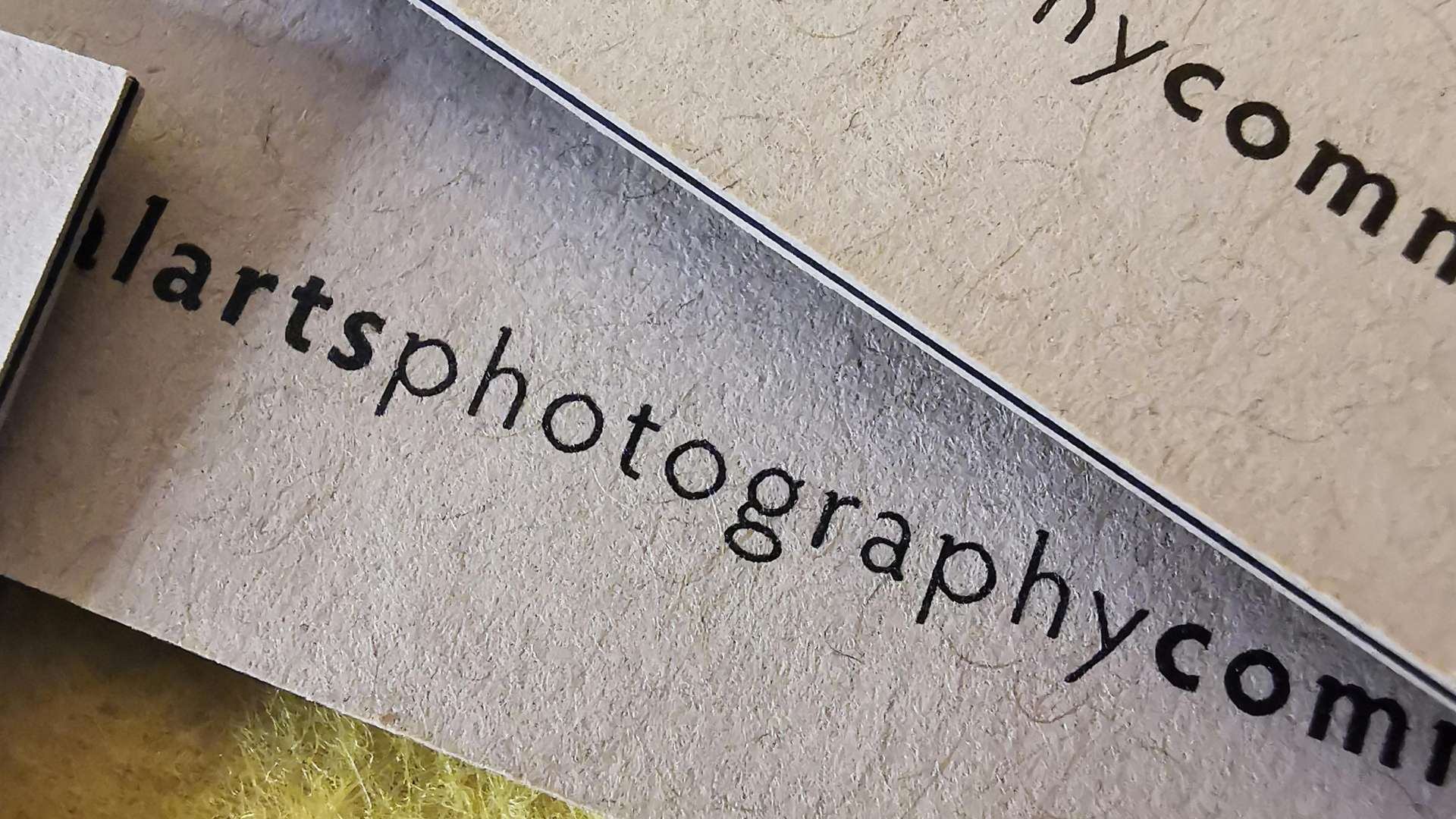
Finishing elevates a book from functional to premium. High quality Book printing often includes finishes tailored to the book’s use: matte lamination reduces glare and hides fingerprints on covers, gloss lamination enhances colour vibrancy for catalogues, and spot UV adds tactile contrast to logos or titles. Debossing, foil blocking and edge painting are additional premium touches for limited editions or corporate reports.
Common finishes and benefits:
- Lamination (matte/satin/gloss) — protects and extends shelf life.
- Spot UV — selective shine for focal areas.
- Foil stamping — premium metallic accents.
- Emboss/deboss — tactile branding elements.
These finishes are valuable for event programs, marketing materials and business card printing tied to a publication launch; they are also available with eco-friendly varnishes for sustainable projects.
How does colour management and proofing ensure consistent results?
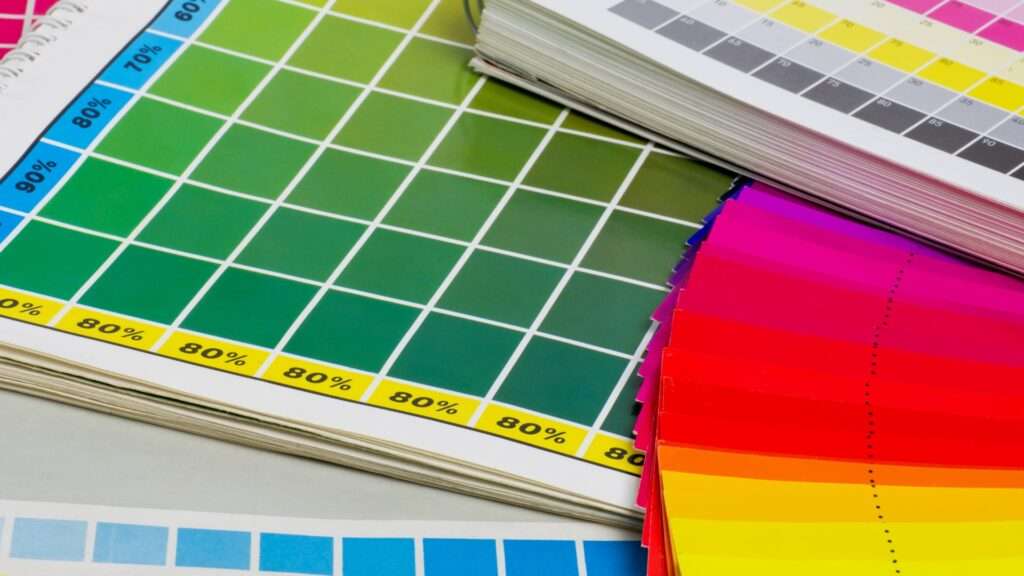
Accurate colour is essential for High quality Book printing, especially for catalogues, brochures and illustrated textbooks. Print providers use colour-managed workflows including calibrated monitors, ICC profiles and press proofs to match on-screen designs to final print. For high-stakes runs, a contract proof or press proof can prevent costly reprints.
Best practices:
- Provide high-resolution images (300 dpi at final size).
- Use CMYK or appropriate profiles; convert spot colours when needed.
- Request a physical proof for colour-critical projects.
According to Wikipedia, colour management and profiling are vital parts of modern printing workflows and help reduce waste and revisions (Printing press).
What are the cost drivers for High quality Book printing in South Africa?
Cost depends on materials, binding, run length, finishing and turnaround time. Digital printing is cost-effective for short runs and print-on-demand, while litho printing typically lowers per-unit cost at larger volumes. Schools preparing for a new term often order bulk educational printing, which reduces unit costs but requires careful scheduling to meet delivery across South Africa.
Primary cost drivers:
- Paper grade and weight
- Page count and trim size
- Binding method
- Finishing choices (lamination, foil, embossing)
- Quantity and lead time
For printed marketing materials such as brochures and booklets, compare quotes for both digital and litho runs – and factor in shipping if you need fast delivery across South Africa for events and promotions.
How long does it take to print books and get delivery?
Turnaround depends on complexity and quantity. Short-run projects using digital presses can be ready in days, while larger litho runs with casebinding and special finishes may take several weeks. Fast turnaround printing services cater to last-minute school orders and promotional campaigns, offering express options when schedules are tight.
Typical lead times:
- Digital short runs: 3–5 business days
- Litho medium runs: 5–7 business days
- Casebound or specialty finishes: 7 days to 2 weeks
Logistics partners in South Africa can provide nationwide delivery; planning ahead ensures term preparation for schools and timely distribution of training manuals and textbooks.
What sustainability options exist for premium printing?
High quality Book printing need not sacrifice environmental responsibility. Printers in South Africa increasingly offer recycled stocks, FSC-certified paper, eco inks and waterless or low-VOC finishing options. For public-sector education projects and eco-conscious publishers, these choices reduce environmental impact while maintaining a premium finish.
Practical sustainable choices:
- Use recycled or FSC-certified paper
- Choose eco inks
- Minimize unnecessary laminates; prefer aqueous coatings
- Optimize layouts to reduce paper waste
According to Statista, consumer demand for sustainable products has influenced packaging and print choices globally, pushing printers toward greener practices (Statista research on sustainability trends in print and packaging).
How do educational printers handle large textbook and workbook runs?
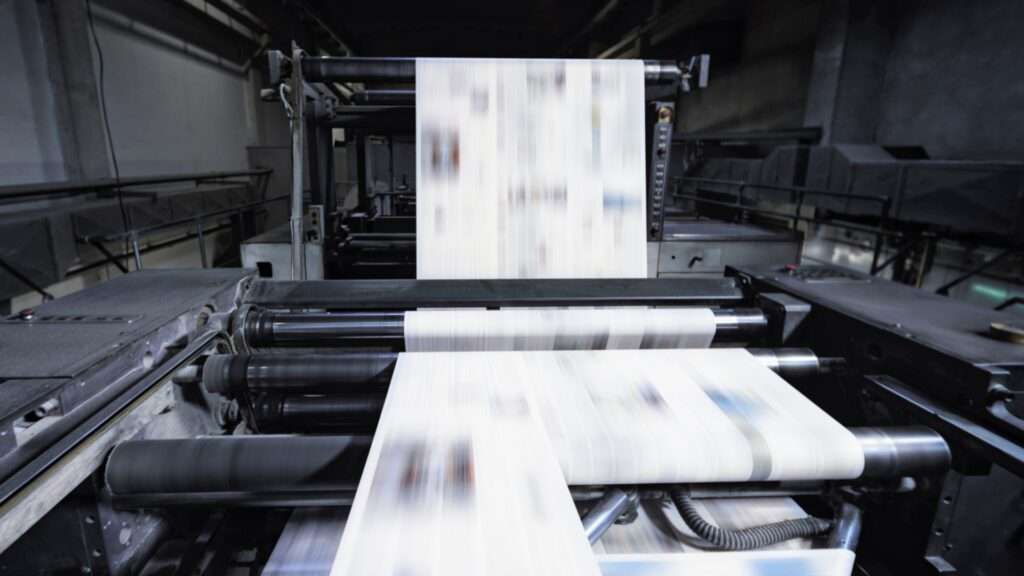
Educational printing for schools requires precision in pagination, durable binding and cost control. Bulk educational printing often combines litho runs for inner pages with reinforced covers and sewn binding to withstand classroom use. Printers experienced in school textbook printing can also manage indexing, multiple ISBN or barcoding needs, and staggered deliveries timed to the school calendar.
Services typically offered:
- Collation and packaging by class or school
- Durable covers and reinforced spines
- Short-run reprints via digital print-on-demand
According to UNESCO and education sector reporting, availability of quality printed textbooks is critical for learning outcomes in many regions, so reliable supply and timely delivery remain priorities for educational printing providers servicing South Africa and neighbouring markets.
Which printers should I choose for mixed needs: brochures, catalogues, and books?
Choose a print partner that offers both litho and digital capabilities, a range of binding and finishing options, and experience across commercial printing categories: brochure printing, catalogue printing, booklet printing and books printing. A single supplier reduces coordination time and often secures better pricing for bundled work — for example, producing a training manual alongside promotional brochures for an event.
Look for:
- Clear proofing and colour management processes
- Transparent pricing and scalable production
- Logistics and delivery across South Africa
- Case studies in similar industry printing (education, custom publishing, packaging)
Explore services such as textbook printing, brochure printing, training manual printing, books printing and catalogue printing to compare capabilities and lead times for your mixed projects.
How can I prepare my files for High quality Book printing?
Preparing files correctly saves time and avoids extra charges. Use print-ready PDFs with fonts embedded, images at 300 dpi, and bleed (typically 3 mm). Ensure pages are in final order and include crop marks. Communicate special requirements — such as spot colours, fold lines for brochures or embed barcodes for school distribution — up front.
Checklist before submission:
- PDF/X-1a or PDF/X-4 format
- CMYK colour space; convert RGB images to CMYK
- Crop marks and 3 mm bleed
- Embedded fonts and outlined logos if possible
For short-run or periodic updates, consider print-on-demand workflows to reduce inventory and keep editions current.

What questions should I ask my printer before placing an order?
Asking the right questions ensures a smooth production process and that the final product meets expectations. Prioritize inquiries about proofing, lead times, binding tests, sustainability options and whether the printer handles distribution across South Africa. Confirm turnaround for reprints and options for rush jobs if you need fast delivery for events or term starts.
Key questions:
- Can you provide a physical proof or digital contract proof?
- What are your minimum run lengths and price breaks?
- Which binding and finishing methods do you recommend for durability?
- Do you offer eco-friendly stocks and inks?
- Can you manage nationwide distribution and school packaging?
Choosing a print partner who communicates clearly and demonstrates experience across the commercial printing spectrum – from business card printing and brochure printing to bulk textbook printing – will lead to better outcomes and fewer surprises.
Final checklist for achieving High quality Book printing
Before you approve a print run, confirm paper selection, binding method, finish, proof approval and delivery schedule. High quality Book printing is the product of careful planning, strong colour management and a printer capable of both litho and digital techniques to meet varied project needs in South Africa.
Final checklist summary:
- Approve a physical or contract proof
- Confirm paper GSM and environmental certifications
- Choose binding appropriate for lifespan and budget
- Select protective finishes and any premium touches
- Plan distribution and packaging for schools or retail
For specialised needs such as short-term promotional runs, multi-format catalogues, or custom publishing with print-on-demand reprints, consult printers with demonstrable experience in booklet printing and catalogue printing to ensure consistent quality and timely delivery.
High-quality book printing comes down to the right combination of paper, binding, colour accuracy, and finishing.
Print It ZA produces professionally printed books that look premium and last-whether you’re printing textbooks, manuals, novels, catalogues, or branded publications. With strong quality control and experience across commercial and educational printing, we deliver crisp text, consistent colour, and durable binding that meets your spec and your standards.
Contact Print It ZA today for a free quote and speedy service, and nationwide delivery.
Print It ZA, we deliver Printing Best!