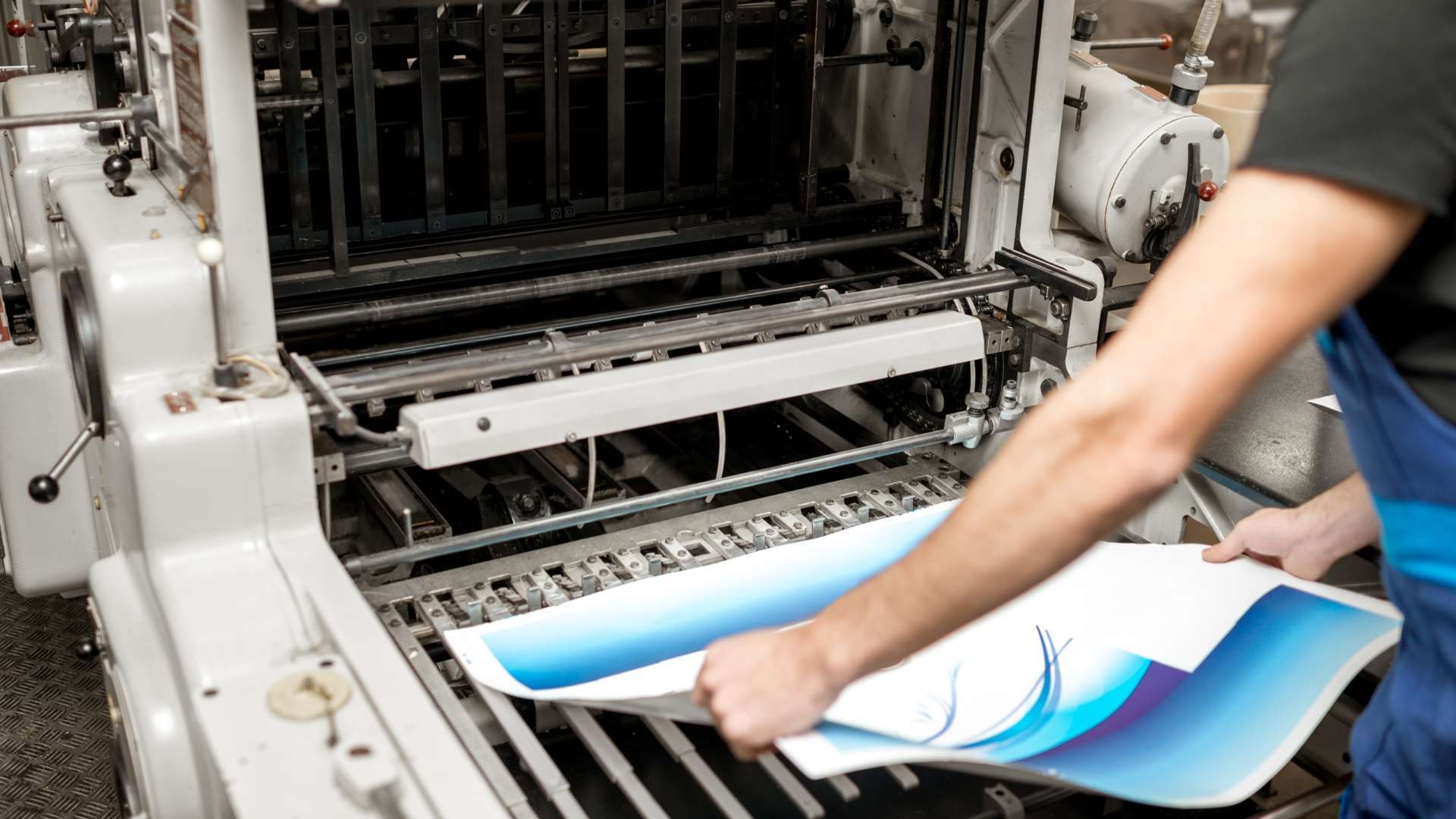
Pamphlet printing is a cost-effective way to deliver clear messaging across South Africa’s schools, small businesses and community events — whether you need bulk educational printing for a full school term, fast turnaround brochure runs for promotions, or short-run pamphlets for an upcoming event.
What is pamphlet printing and why choose it for clear messaging?
Pamphlet printing refers to the production of folded, stapled or bound single-sheets and multi-page leaflets used to inform, instruct or promote. In the context of commercial printing and educational printing, pamphlets bridge the gap between a simple flyer and a full booklet. They are ideal for newsletters, training guides, school handouts and promotional collateral because they offer readable, portable and affordable formats that communicate key points quickly.
Choose pamphlet printing when you need:
- Cost-effective bulk distribution for schools and community programs.
- Consistent messaging for events and promotions across multiple locations in South Africa.
- Custom finishes and binding that give a polished, professional look without the budget of a book run.
Pamphlet printing sits alongside related services such as booklet printing, brochure runs and catalogue production to form a complete print strategy for organisations.
How does pamphlet printing work for schools and educational printing?
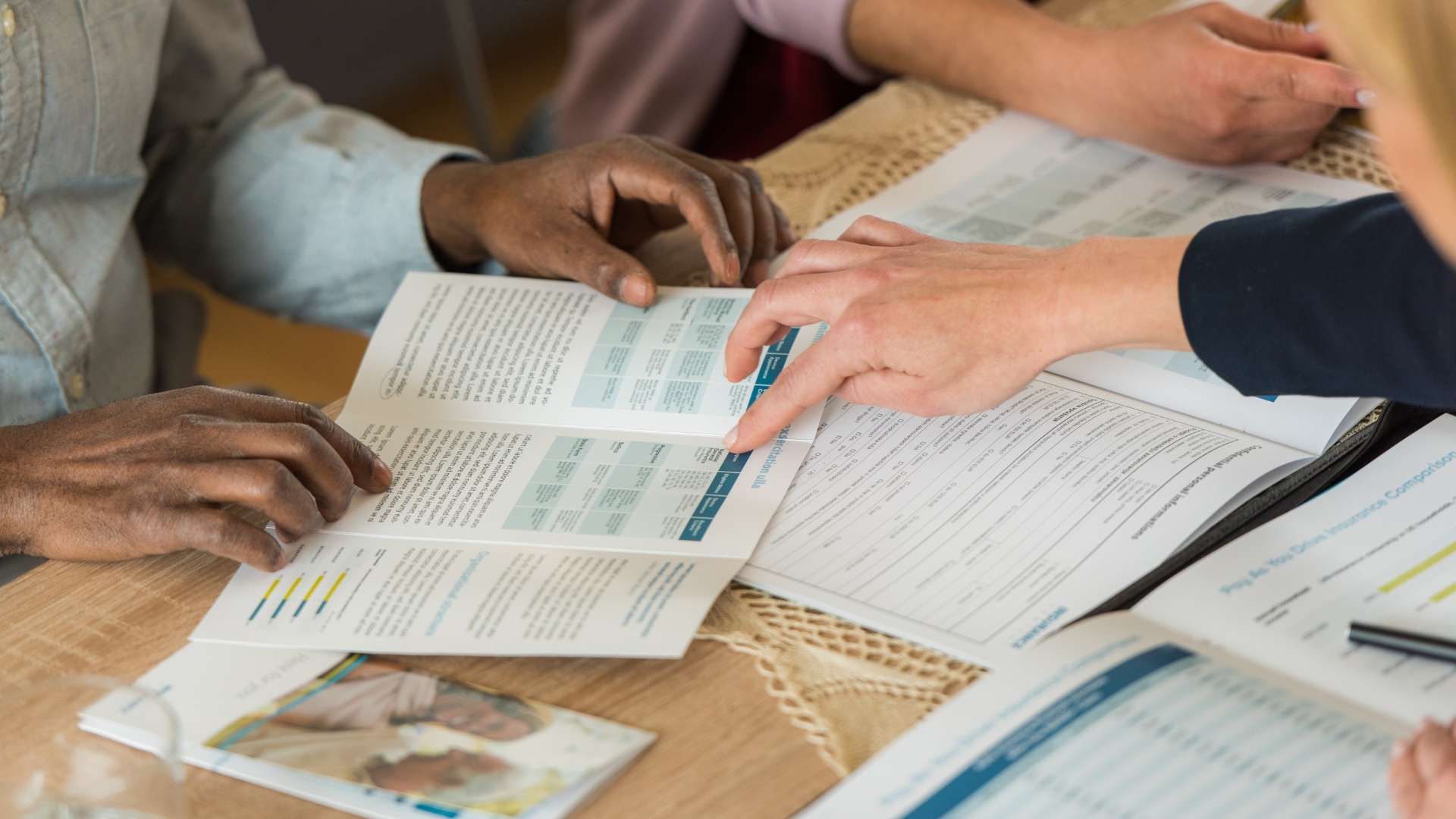
Pamphlet printing for education often involves multiple steps to ensure accuracy, durability and cost-efficiency. For bulk educational printing for schools, printers typically work with school administrators to confirm artwork, page counts, paper weight, and finishing (staple, saddle stitch, or perfect bind). Timelines are coordinated around the academic calendar so printed materials arrive before term start.
Common workflow elements include:
- Content preparation and proofing with teachers or educational publishers.
- Selecting suitable paper stock and finishes (matte, gloss, or eco options).
- Choosing a binding method (saddle stitch is common for up to 64 pages).
- Digital or litho printing depending on run length and quality needs.
For curriculum materials, printers often offer print-on-demand services and fast turnaround options so schools can reorder quickly as class sizes change. Printers experienced in school textbook printing and training manual printing can advise on best practices to extend pamphlet longevity and student usability. According to UNESCO, access to textbooks and quality learning materials is a key driver of student achievement, making reliable pamphlet and booklet printing essential for education programmes.vity and student usability. According to UNESCO, access to textbooks and quality learning materials is a key driver of student achievement, making reliable pamphlet and booklet printing essential for education programmes.
How much does pamphlet printing cost and what affects price?
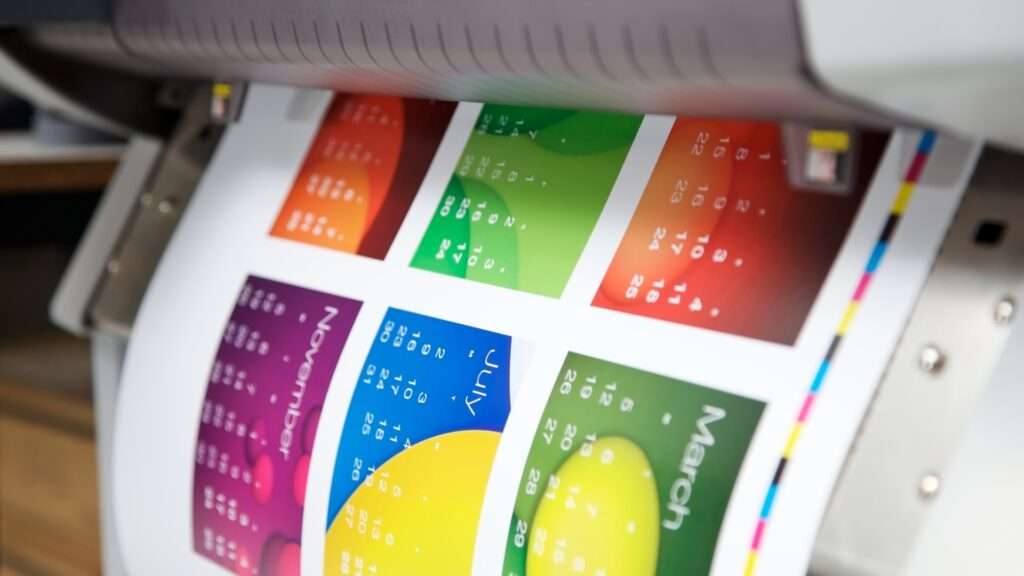
Pricing for pamphlet printing varies based on several factors: run size, paper quality, page count, colour vs black-and-white, and finishing. Digital printing is generally cost-efficient for short runs and quick turnarounds, while litho printing becomes more economical for larger quantities. Additional services — such as design setup, preflight, colour matching and specialised coatings — will increase the budget but can add significant impact and durability.
Key pricing drivers:
| Factor | Impact on Price |
|---|---|
| Run size | Higher quantities lower unit cost |
| Paper stock | Heavier, recycled, or premium stocks cost more |
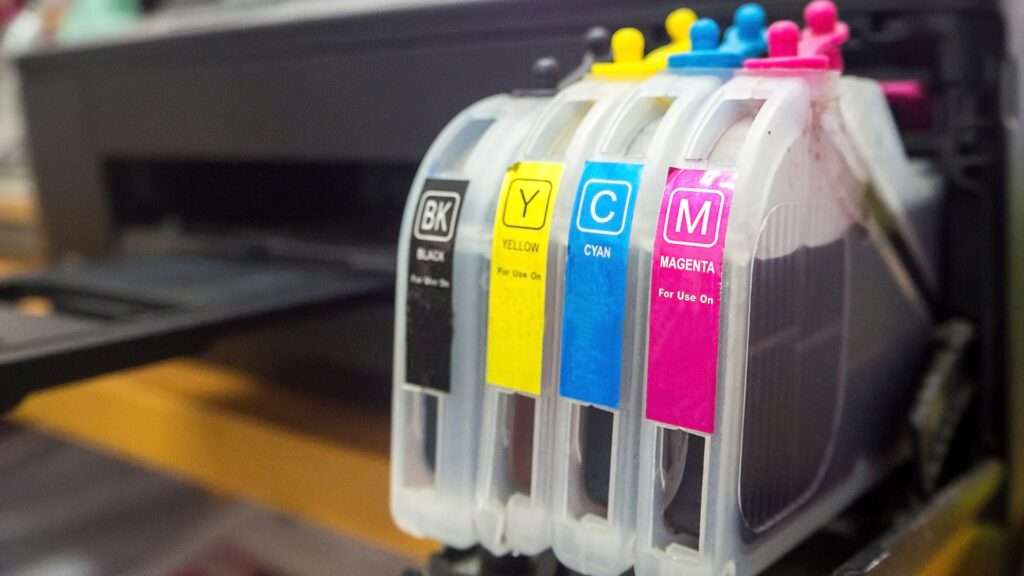
| Colour | Full-colour increases price, B&W is cheaper |
| Finishing | Lamination, UV, embossing add to cost |
| Binding | Saddle stitch is affordable; perfect bind costs more |
For small business marketing materials and events, consider mixing quantities: a larger core run for distribution plus smaller targeted batches printed on demand for test markets or seasonal campaigns. Many South African printers also provide delivery across provinces, which should be factored into total cost and timing.
What print methods are used for pamphlet printing?
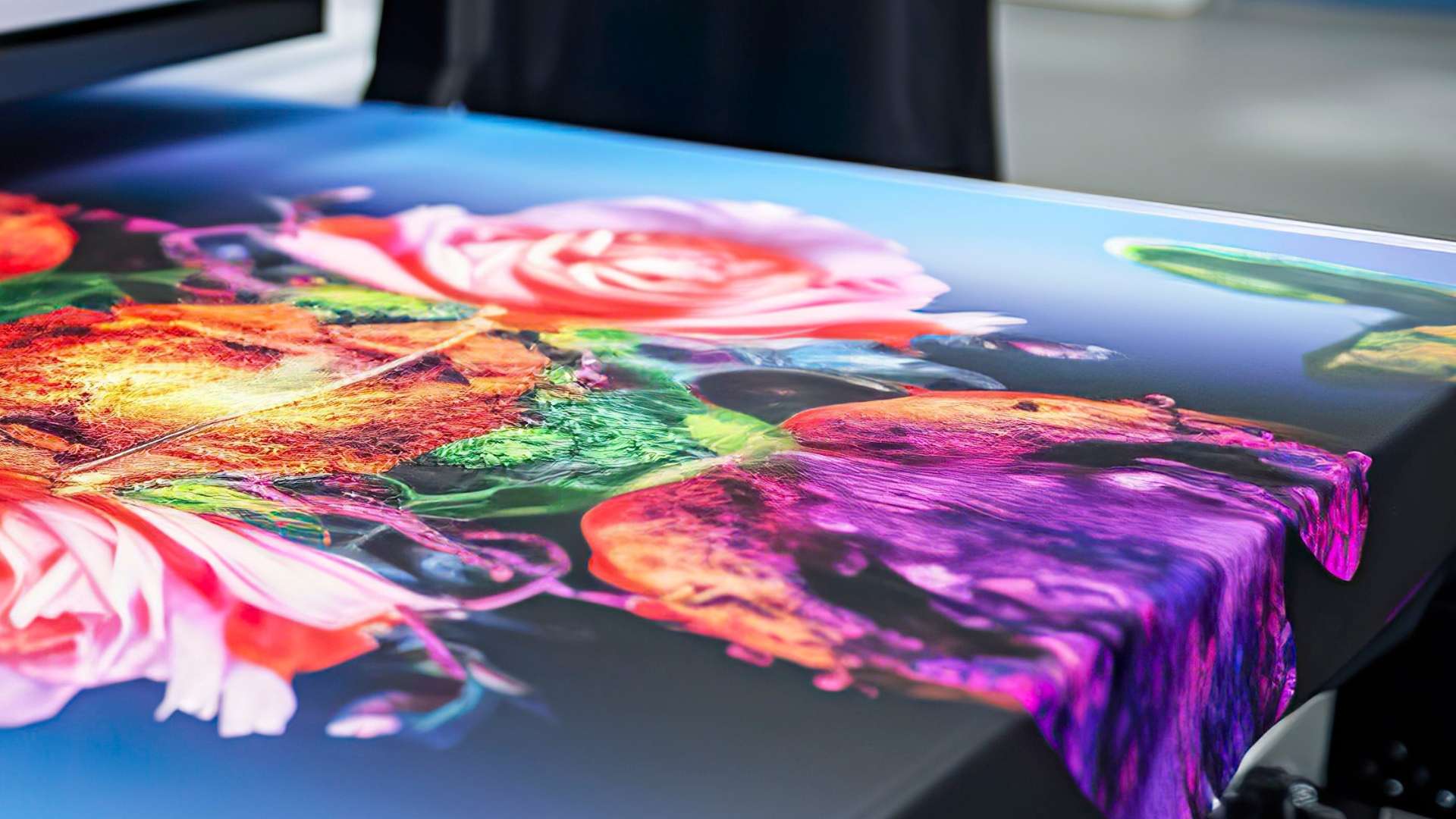
Pamphlet printing can be produced via litho (offset) or digital processes. Litho printing delivers exceptional colour consistency for large runs, while digital printing enables economical short runs with fast turnaround and variable data printing for personalised campaigns.
- Digital printing: best for short runs, tight deadlines, and print-on-demand needs.
- Litho printing: best for high-volume, cost-per-unit savings and consistent colour across thousands of copies.
- Hybrid approaches: using digital for variable elements and litho for base runs.
For example, when preparing pamphlets for a nationwide education roll-out, a hybrid strategy helps manage costs while allowing regional customisation. Printers that offer both litho and digital printing, as well as packaging printing and custom publishing, can provide flexible solutions that scale with your project.
What finishes and materials make pamphlets stand out?
Custom finishes can elevate pamphlet printing from a simple leaflet to a branded communication piece. Popular options include matte or gloss lamination, aqueous coatings, spot UV for accents, embossing, and wrap-around covers. Choosing recycled or Forest Stewardship Council (FSC) certified paper supports eco-friendly printing options.
Finishing choices by use-case:
- Educational handouts: durable, uncoated or matte for easy note-taking.
- Event promos and programmes: glossy covers with spot UV highlights.
- Small business marketing: heavier cover stock with custom folds.
Eco-conscious organisations in South Africa increasingly request environmentally friendly stocks and eco-inks. These choices can reduce the environmental footprint while maintaining professional quality for newsletters, catalogues and business cards.Africa increasingly request environmentally friendly stocks and vegetable-based inks. These choices can reduce the environmental footprint while maintaining professional quality for newsletters, catalogues and business cards.
How long does pamphlet printing take — what is a fast turnaround?
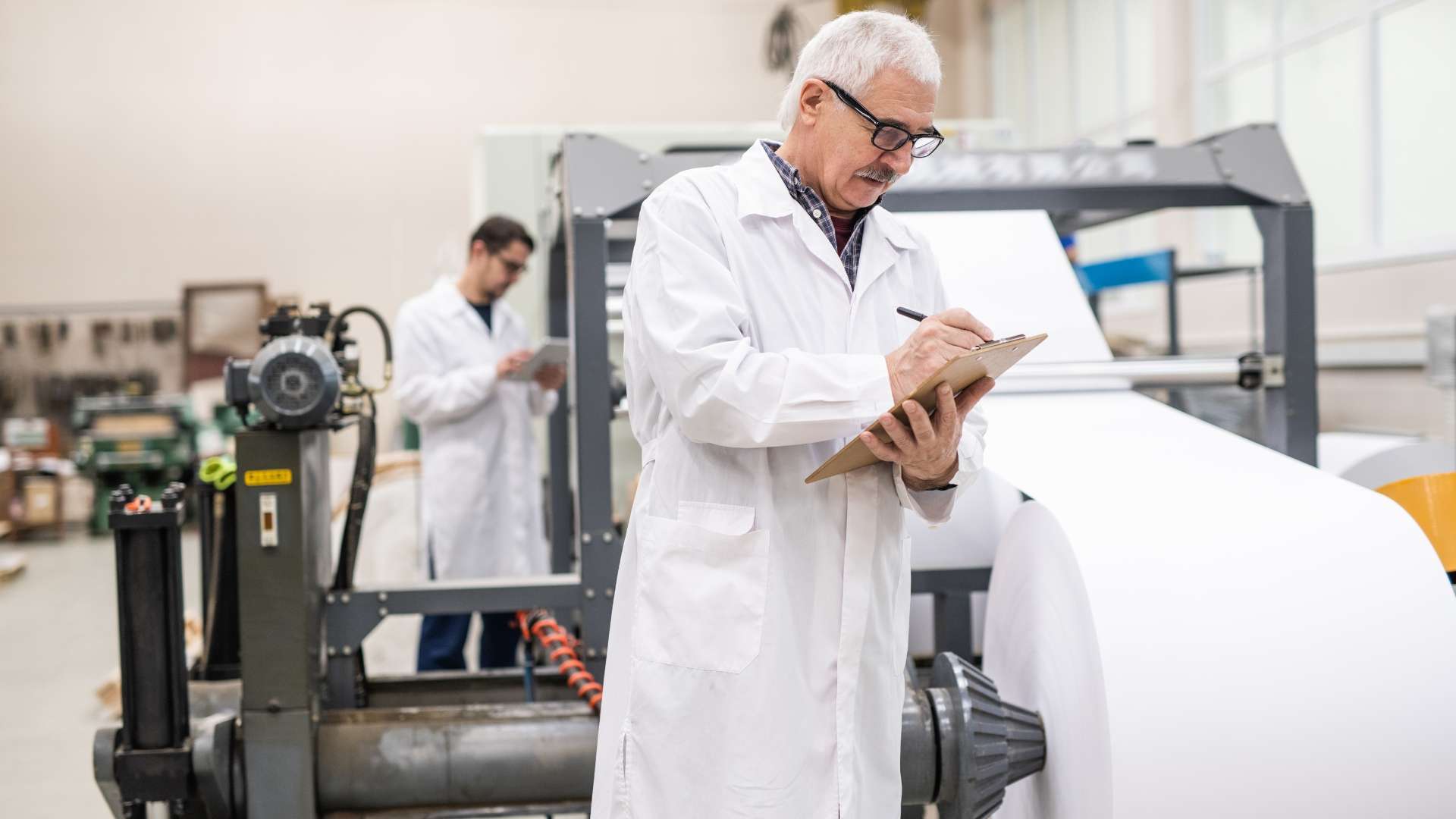
Turnaround depends on complexity and run size. Short digital runs with standard finishing can be completed in 24–72 hours, while larger litho jobs may take several days to a few weeks. For bulk educational printing timed for the start of term, lead times should be discussed well in advance to avoid delivery delays.
Typical timelines:
- Design, proofing and artwork sign-off: 1–3 days.
- Digital short-run print: 1–3 days.
- Litho larger-run print: 5–14 days depending on quantity.
- Finishing and delivery across South Africa: 1–5 days depending on destination.
Many printers offer express services for urgent campaigns and events. If you need coordinated distribution for schools or event venues across provinces, choose a print partner experienced with logistics and last-mile delivery to ensure materials arrive when required.
How can pamphlet printing support small business marketing?
Pamphlet printing gives small businesses an affordable, tangible tool for local marketing. With clear messaging and targeted distribution, pamphlets deliver a higher engagement rate than many purely digital campaigns — people often keep printed materials for reference. Use pamphlets for product guides, service menus, event flyers and promotional offers.
Marketing best practices:
- Clear headline and call-to-action on the front panel.
- Concise benefits and visuals inside to retain attention.
- Contact details and QR codes linking to digital assets.
Combine pamphlet runs with complementary items such as business card printing or a brochure suite. For seasonal promotions, use short-run digital pamphlet printing to iterate designs and refine messaging without large upfront costs.

How do you design pamphlets for readability and impact?
Good design balances hierarchy, typography and images so readers can scan quickly and absorb the message. For educational printing and training manuals, clarity and legibility take precedence — use larger fonts, numbered steps, and margin space for notes.
Design checklist:
- Keep headlines short and benefit-led.
- Use body fonts sized for the audience (e.g., larger for younger students).
- Include visuals and icons to break up text and illustrate processes.
- Use a consistent colour palette in line with brand or school identity.
For multi-location campaigns across South Africa, design templates that allow local contact details to be swapped without redesigning the entire layout. That approach saves on design costs and speeds up both print and distribution.
How do pamphlet printing and booklet printing differ — when to choose each?
Pamphlet printing typically refers to shorter, often folded or saddle-stitched materials up to 64 pages, while booklet printing can scale to larger page counts and more complex binding. Choose pamphlet printing when you need quick, focused messaging (event programs, course outlines), and booklet printing for in-depth guides, catalogues or small textbooks.
Comparison table:
| Attribute | Pamphlet | Booklet |
|---|---|---|
| Typical page count | 2–64 pages | 16–300+ pages |
| Binding | Saddle stitch, staple | Perfect bind, sewn binding |
| Best for | Events, handouts, promos | Catalogues, textbooks, manuals |
If your project sits between both, printers experienced in catalogue printing and catalogue printing can recommend an optimal format to balance cost and usability.
What sustainability options exist for pamphlet printing?
Eco-friendly printing options include using recycled fibre stocks, FSC-certified paper, soy-based inks, and aqueous or matte coatings rather than plastic lamination. Choosing regional printers and consolidated delivery routes reduces transport emissions — an important consideration for deliveries across South Africa.
Sustainability tips:
- Specify recycled or FCS-certified paper where practical.
- Choose water-based or eco inks to lower VOC emissions.
- Minimise excess packaging and request consolidated shipments.
Demand for sustainable print solutions is rising in educational and commercial sectors. Printers that specialise in school textbook printing and bulk educational runs often maintain green certifications or partnerships to support institutional procurement policies.often maintain green certifications or partnerships to support institutional procurement policies.
How do I choose a local pamphlet printing partner in South Africa?
Selecting a printer involves more than price. Assess their experience in commercial printing sectors such as brochure printing, newsletter printing, and custom publishing. Look for proven delivery capability across South Africa, transparent turnaround times, clear proofs and quality control procedures.
Key questions to ask:
- Do you offer both litho and digital printing, and which do you recommend for my run size?
- Can you handle bulk educational printing and coordinate term-based deliveries?
- What eco-friendly materials and finishes do you offer?
- Can you provide references or samples from similar projects (catalogues, business cards, booklets)?
Working with a printer that offers a full suite — from brochure printing services to training manual printing and books printing — simplifies project logistics and ensures consistent quality across all pieces.
What are common mistakes to avoid in pamphlet printing projects?
Common pitfalls include poor proofing, unclear calls-to-action, incorrect bleed and trim settings, and underestimating turnaround times. For educational materials, failing to plan for reorders and course updates can lead to shortages during the academic year.
Prevent these issues by:
- Requesting a hard proof or accurate digital proof before full production.
- Confirming bleed, trim and safety margins in artwork files.
- Building lead time into your schedule for revisions and shipping.
According to Wikipedia, pamphlets have played an important role in public information campaigns since the 16th century, so producing them with attention to detail preserves clarity and credibility. According to Statista, flexible printing technologies like digital print-on-demand are growing as marketers seek agility. According to UNESCO, accessible learning materials remain a central factor in achieving educational outcomes, reinforcing the value of reliable print delivery for schools.
How can I get started with pamphlet printing today?
Start by defining your objective, target audience, quantity, and deadline. Gather your content and brand assets, then request a quote from a printer that handles educational, commercial and promotional printing. Provide a sample or reference if you want a specific fold, paper or finish. If you need textbook-like materials or training manuals, consult specialists in training manual printing or textbook printing for guidance on durability and readability.
Pro tip: ask for a mixed strategy — a main litho run for base stock and smaller digital reprints for updates — to keep initial costs lower while preserving the option to adapt content later. This hybrid approach is commonly used in custom publishing and print-on-demand solutions to keep promotional and educational materials relevant and cost-effective.
Whether you represent a school preparing for a new term, a small business building brand awareness, or an event organiser planning a programme, pamphlet printing offers a flexible, affordable and impactful way to deliver clear messaging across South Africa. For practical examples of related formats, see our pages on books printing and education printing.
Contact Print It ZA today, for a Free quote and Speedy service.
Print It ZA, we deliver Printing Best!