The lowest-cost specification isn’t always the best fit for a school book. To print school books, choose a format and binding suited to how learners will use them, then consider paper, colour, page count and print quantity, as each affects the finished book.
It’s natural to focus on budget first, especially when planning books for a class or an entire school. The cost depends on the project and is provided after a quote request. Key factors include the book’s specifications and the number of copies required.
This guide explains the choices that shape the result, from softcover or hardcover binding to digital or litho printing. You’ll also learn how to prepare your files and compare options to make a practical decision for your school’s needs.
Key Takeaways
- Match the book’s format and binding to how students will use it, rather than choosing on appearance alone.
- Settle page count, colour use, paper choice and print quantity early, as these specifications shape the production plan and quote.
- Prepare and review your files carefully so the finished books reflect the intended layout and content.
- Compare digital and litho printing against your project’s requirements to identify the most suitable approach.
- When you’re ready to produce school books, Print It ZA can support the project through its book printing offering.
Print school books
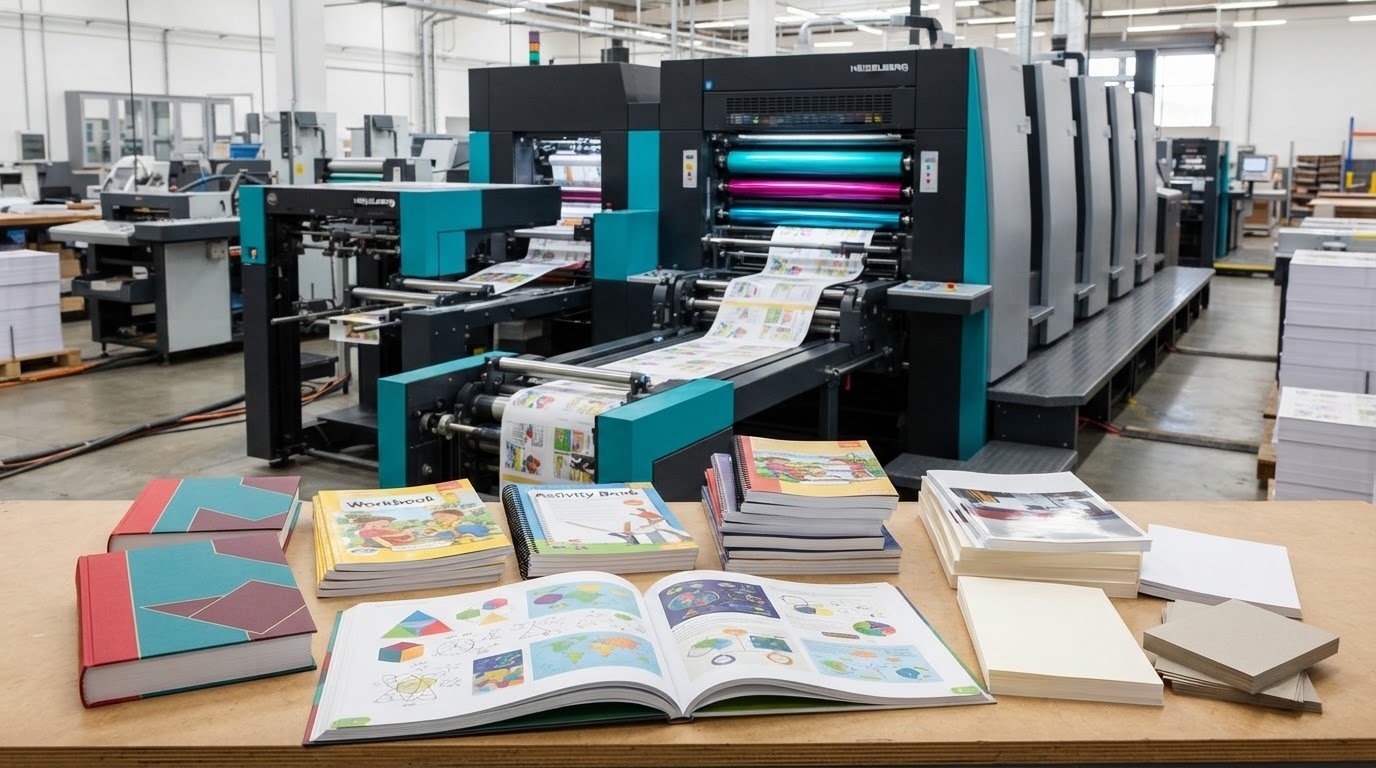
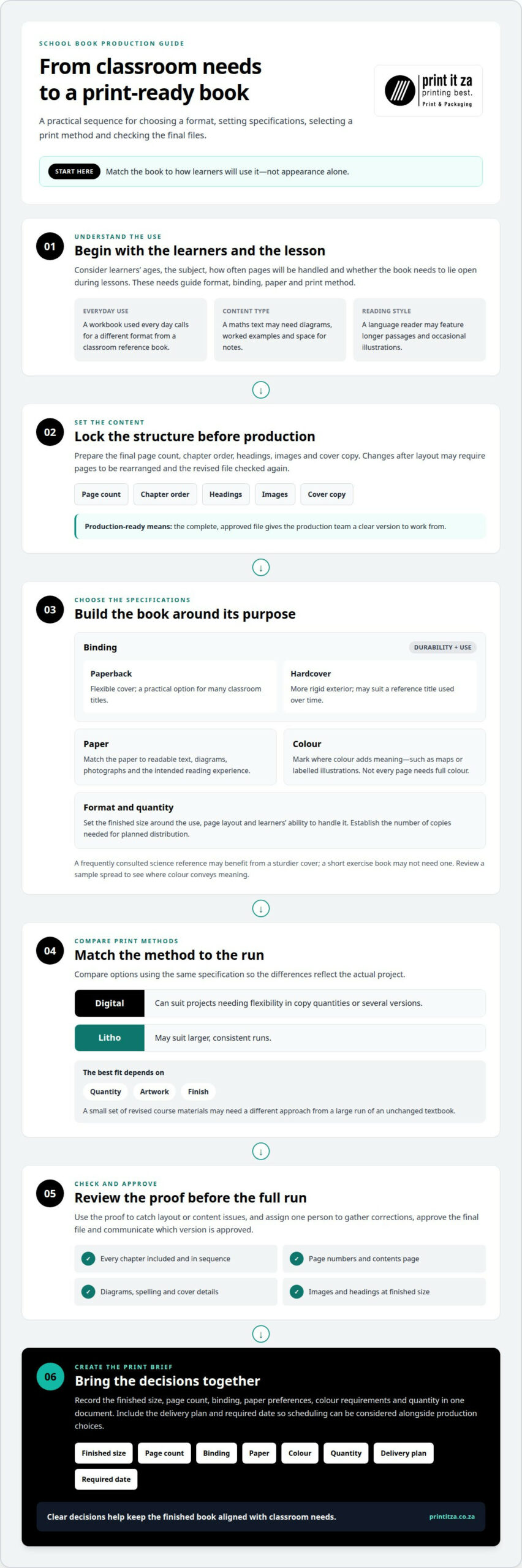
To print school books effectively, start by considering how learners will use each title. A workbook used every day needs a different format from a classroom reference book. Consider learners’ ages, the subject, how often pages will be handled and whether the book needs to lie open during lessons. These factors guide the format, binding, paper and print method, and help avoid paying for features that don’t serve the book’s purpose.
Next, define the content and structure. A mathematics textbook may need clear diagrams, worked examples and space for notes. A language reader might feature longer passages and occasional illustrations. Prepare the final page count, chapter order, headings, images and cover copy before production. Changes after layout may require pages to be rearranged and the revised file checked again. A complete, approved file gives the production team a clear version to work from.
Binding affects how a book stands up to repeated use. Paperback binding is a practical option for many classroom titles, with a flexible cover. A hardcover has a more rigid exterior and may suit a reference title used over time. The right choice depends on the book’s purpose, how it will be handled and the budget. For example, a frequently consulted science reference may benefit from a sturdier cover, while a short exercise book may not need one.
Paper choice also shapes the reading experience. Text-heavy lessons need legible type and a surface that supports comfortable reading. Books with maps, charts or photographs may need paper that reproduces those images clearly. Colour can make a labelled diagram easier to interpret, but not every page needs full colour. Review a sample spread and note where colour conveys meaning. Limiting decorative colour to selected pages can simplify the specification without removing useful visual information.
- Format: Set the finished book size around its use, page layout and learners’ ability to handle it.
- Binding: Choose paperback or hardcover according to durability needs and how the book will be used.
- Paper: Match the paper to text, diagrams, photographs and the intended reading experience.
- Colour: Mark pages where colour supports understanding, such as maps or labelled illustrations.
- Quantity: Establish the number of copies needed for the planned distribution, then compare suitable print methods.
Before sending files, check that every chapter is included and in the correct sequence. Review page numbers, contents pages, diagrams, spelling and cover details. Confirm that images appear as intended and headings remain readable at the finished size. A proof gives the school an opportunity to catch layout or content issues before the full run proceeds. Assign one person to gather corrections, approve the final file and communicate which version is approved.
Finally, prepare a clear project specification. Record the finished size, page count, binding, paper preferences, colour requirements and quantity in one document. Include the delivery plan and required date so scheduling can be considered alongside production choices. A classroom activity workbook, for example, may need a different paper and binding combination from a hardcover reference book. Clear decisions make the print brief easier to assess and help keep the finished books aligned with classroom needs.
Print It ZA print and packaging: Books
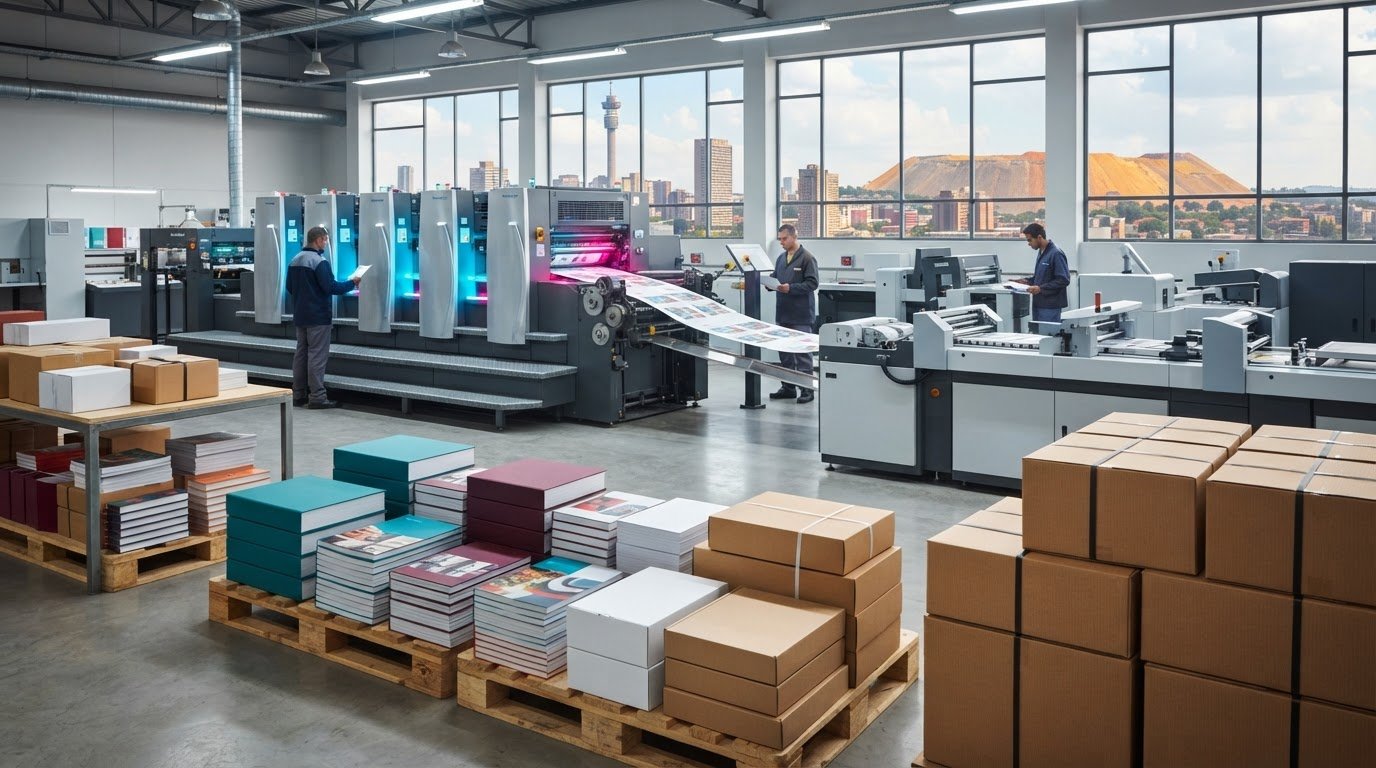
Print It ZA produces school books tailored to their intended use. Bring together the approved content, preferred format and print requirements to create a clear brief for your school title. With in-house design support and printing, Print It ZA can take the project from creative development through to final delivery.
This is a practical next step when your book’s content is ready and you need to move from specifications to production. Whether you’re preparing a learning resource or another school publication, Print It ZA can support the creative and print stages. The company also produces catalogues, brochures and retail packaging.
Contact Print It ZA print and packaging to discuss your school book project.
Set your next school book project in motion
To print school books, think beyond a single production run. Keep the approved artwork and editable files organised, and note which content may need updating for future editions. This gives your school a useful starting point when teaching materials change, rather than treating every new project as a fresh design exercise. A clear record of decisions behind the current edition can also help staff prepare the next brief.
Print It ZA prints books for schools, alongside catalogues and brochures. If you’re planning a new school title or preparing learning materials, share the project’s purpose and where you are in the process. This will help you take the next practical step with your print brief.
Start a conversation with Print It ZA print and packaging and move your school book project forward with confidence.