
Print Training Manuals are the backbone of reliable workplace learning and school instruction, and choosing the right binding, paper and layout ensures manuals survive daily use. Whether you need bulk educational printing for schools, fast turnaround for a training event, or cost-effective print solutions for small businesses, durable design and professional finishing make the difference.
How do I choose the best binding for long-lasting training manuals?
Choosing the appropriate binding depends on use, thickness, and handling. For high-use manuals in training rooms or classrooms, sturdy options such as perfect binding with reinforced spine, sewn signatures, or wire-o binding are common in commercial printing. Laminated softcovers with perfect binding combine protection and professional appearance, while casebound (hardcover) books offer maximum longevity for textbooks and certification manuals.
Consider:
- Wire-o or spiral for manuals that need to lay flat during hands-on tasks.
- Sewn binding for volumes over 150 pages that need archival strength.
- Perfect binding with spine reinforcement for mid-size manuals used frequently.
- Casebound for high-value educational textbooks that must last multiple school terms.
In South Africa, local commercial printing houses offer litho and digital printing with a range of binding finishes. For school textbook printing and educational printing projects, ask printers for sample tradeoffs between cost and longevity so your manuals match budget and lifecycle expectations.
What paper weight and stock should I use for training manuals?
Paper choice affects durability, readability, and cost. Heavier text stock reduces bleed-through and tears, while coated covers resist dirt and water. Typical recommendations:
- Text pages: 80–120 gsm uncoated or silk-coated for durability and good print quality.
- Cover: 200–300 gsm with matt or gloss lamination for protection.
- Special pages (workbooks, worksheets): 120–150 gsm uncoated for writing and erasing.
For bulk educational printing and booklet printing, striking the balance between cost-effective print solutions and resilient stock is key. Laminated covers and stronger paper extend useful life in classroom and industrial settings.

Print Training Manuals: How should I format content for practical use?
Formatting is as important as material choices. Clear structure, consistent typographic hierarchy, and practical elements like checklists or fold-out diagrams make manuals easier to use. Use readable typefaces, 11–12 pt for body copy, headings at consistent sizes, and adequate margins so punches or spiral binding do not hide content.
Recommended format elements:
| Element | Why it matters | Tip |
| Table of contents | Fast navigation | Include clear section numbers |
| Consistent headers/footers | Orientation & page ID | Add chapter title and page number |
| Callouts and sidebars | Highlight safety or tips | Use colour or shaded boxes |
If your manuals are being printed as booklets or catalogues, work with the printer to impose PDFs correctly so spreads and foldouts line up. For small business marketing or promotional training packs, match the look to your brand while keeping user readability first.
What finishing options help training manuals survive heavy use?
Finishing options protect manuals and convey quality. Lamination, aqueous coatings, rounded corners, reinforced hinge tape, and edge painting are popular. For manuals that will be handled outdoors ( like mines ) or in workshops, full-lamination and water-resistant paper types provide real benefits.
- Lamination: gloss for stain resistance and bright colours, matt for reduced glare.
- Spot UV or varnish: highlight logos or covers; not necessary for high-wear manuals.
- Reinforced binding or sewn signatures: keeps pages from falling out during heavy use.
Commercial printers in South Africa typically offer a range of custom print finishes and can advise on cost-effective combinations. For quick-turn training manuals printed digitally, aqueous coating is often a fast, economical protective finish.
How can I lower costs when ordering bulk educational printing for schools?
Bulk orders reduce unit cost but require planning. If you are preparing school term materials or textbooks for multiple classes, coordinate print runs, consolidate content where possible, and accept standard trim sizes to reduce waste. Consider print-on-demand for smaller runs to avoid overstock.
Cost-saving tactics:
- Order in standard sizes and common paper stocks.
- Use black-and-white interior printing where colour is not essential.
- Combine related publications (e.g., teacher guide and student workbook) in the same run for economies of scale.
According to industry reports, bulk printing can reduce unit costs by 20–50% depending on run length. For South African schools, planning several months ahead before term start can secure the best pricing and logistics for print delivery across South Africa.
What eco-friendly printing options exist for training manuals?
Eco-friendly printing reduces environmental impact without compromising durability. Options include FSC-certified paper, eco inks, recycled stocks, and using local printers to cut transport emissions. Many printers also offer carbon-offset programs and eco finishing like aqueous coatings instead of solvent-based laminates.
Environmental considerations:
- FSC or PEFC-certified paper for responsible sourcing.
- Recycled paper for interior pages to reduce virgin fibre use.
- Low-VOC and eco inks for better indoor air quality during handling.
According to environmental assessments, switching to certified and recycled papers can decrease the carbon footprint of printed materials. For schools and small businesses focused on sustainability, discuss eco-friendly print finishes with your printer as part of a cost-benefit analysis.
How quickly can I get training manuals printed and delivered across South Africa?
Turnaround time depends on complexity, run size, and finish. Simple black-and-white manuals printed digitally can be turned around in 3 to 5 days, while large litho runs with special finishes may take 7–14 business days. Fast turnaround printing is available for events and promotions when timelines are tight.
Practical tips for speed:
- Provide print-ready PDFs with bleed and correct page order.
- Approve proofs quickly and consolidate changes into a single round.
- Choose local printers for faster regional delivery within South Africa.
According to logistics data, choosing local print partners reduces delivery delays and supports quicker response times for last-minute revisions. For event printing and training sessions, coordinate shipping to multiple venues early to avoid stock-outs.
How do I design manuals that are accessible and easy to update?
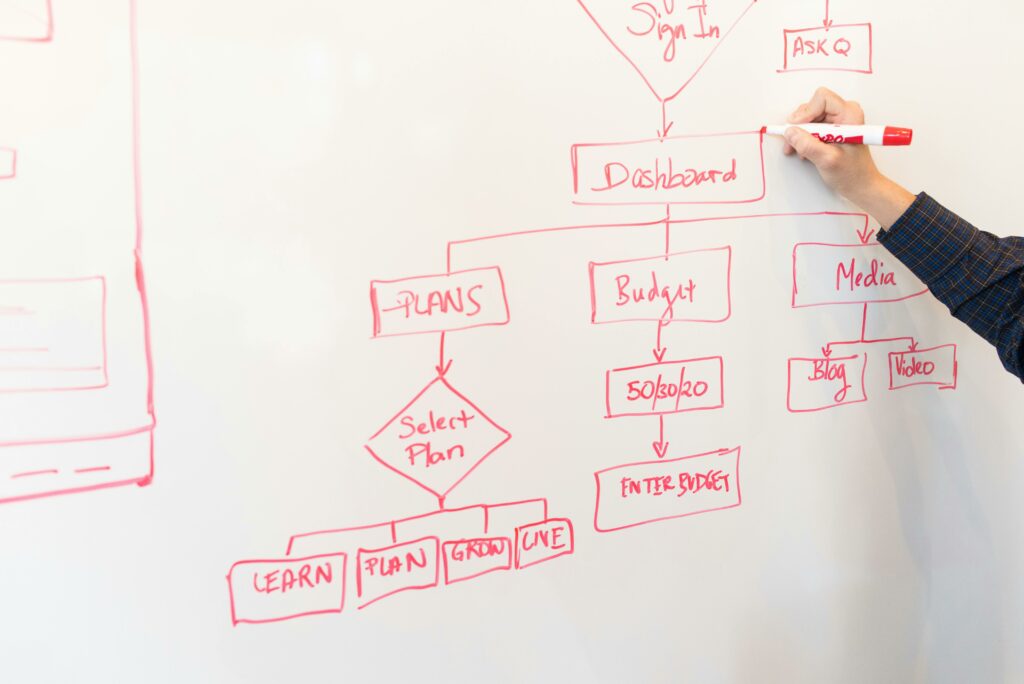
Design manuals with accessibility and future updates in mind. Use high-contrast typography, descriptive alt text for images in digital versions, simple language, and numbered steps. For frequent updates, use modular layout blocks and separate changeable worksheets so only parts of the manual need reprinting.
Accessibility and update strategies:
- Modular chapters or insertable pages for easy replacement.
- Provide digital print-ready PDFs for quick reprints or on-demand downloads.
- Use consistent templates so new editions require minimal redesign.
Combining printed manuals with digital resources (QR codes linking to updates or video tutorials) gives learners the best of both worlds and reduces the need to reprint entire manuals when policies change.
Which printers should I consider for commercial and educational printing projects?
Choose printers with experience in textbook printing, booklet printing, catalogue printing, and training-manual-printing. Look for print shops offering both litho and digital printing, custom finishing, and print-on-demand. Request samples of similar work to assess print quality and binding durability.
When vetting suppliers:
- Ask for references from schools or businesses with similar projects.
- Confirm the printer can handle the scale and turnaround you need.
- Request a quote that itemizes costs for stock, finishing, and delivery.
For school textbook printing or education printing projects, local printers with logistics networks across South Africa can help manage distribution and ensure manuals arrive before term starts. You can compare solutions from booklet-printing specialists and catalogue printers to find the best fit.
How should I store and maintain printed training manuals to extend lifespan?
Proper storage and user habits prolong manual life. Keep manuals in cool, dry places away from direct sunlight and heavy damp. Use protective covers and storage boxes for classroom sets. For high-turnover environments, rotate lesson sets to even wear.
- Store vertically on shelves to avoid bending or warping.
- Use protective sleeves for frequently handled manuals or pocket guides.
- Inspect and repair loose pages early with reinforced tape or rebinding.
According to printing industry advisories, preventive maintenance of printed materials and good storage practices can significantly extend the usable life of training manuals, reducing the need for premature reprints and saving budgets over time.
What combination of print and digital materials works best for modern training?
Hybrid solutions pair durable printed manuals with digital supplements. Printed manuals provide tactile reference and reliability in classrooms and workshops, while online videos, editable PDFs, and learning management systems provide updates and interactive content. This approach is especially effective for educational printing and small business training packs.
Hybrid strategy checklist:
- Provide print versions for core content and quick-reference sheets.
- Offer downloadable updates and supplementary multimedia on a central portal.
- Use QR codes or short URLs in the printed manual to link to videos and forms.
According to studies on blended learning adoption, combining print and digital materials improves retention and allows organisations to keep printed content stable while making rapid changes online as needed.

Where can I find examples and further reading about binding and book construction?
For a deeper technical overview of binding techniques and book construction, consult reference material on bookbinding techniques and history. The classic bookbinding techniques inform modern choices for durability and finish. For a concise reference, see the Bookbinding entry on Wikipedia for historical context and terminology: https://en.wikipedia.org/wiki/Bookbinding
Finally, when you are ready to print, review sample proofs and request binding tests. For commercial projects in South Africa, work with printers experienced in brochure-printing-services, training-manual-printing, booklet-printing, education-printing and textbook-printing to ensure your Print Training Manuals meet classroom and workplace demands.
Internal resources and service pages to explore:
According to Statista, the global printing market remains a multi-billion dollar industry, demonstrating ongoing demand for printed communication. According to UNESCO, printed textbooks and manuals are still primary learning tools in many countries. According to the Printing Industries Federation of South Africa, the print sector supports significant regional employment and supply chains.
Contact Print It ZA today for a Free Quote and Fast Service.
Print It ZA, we deliver Printing Best!