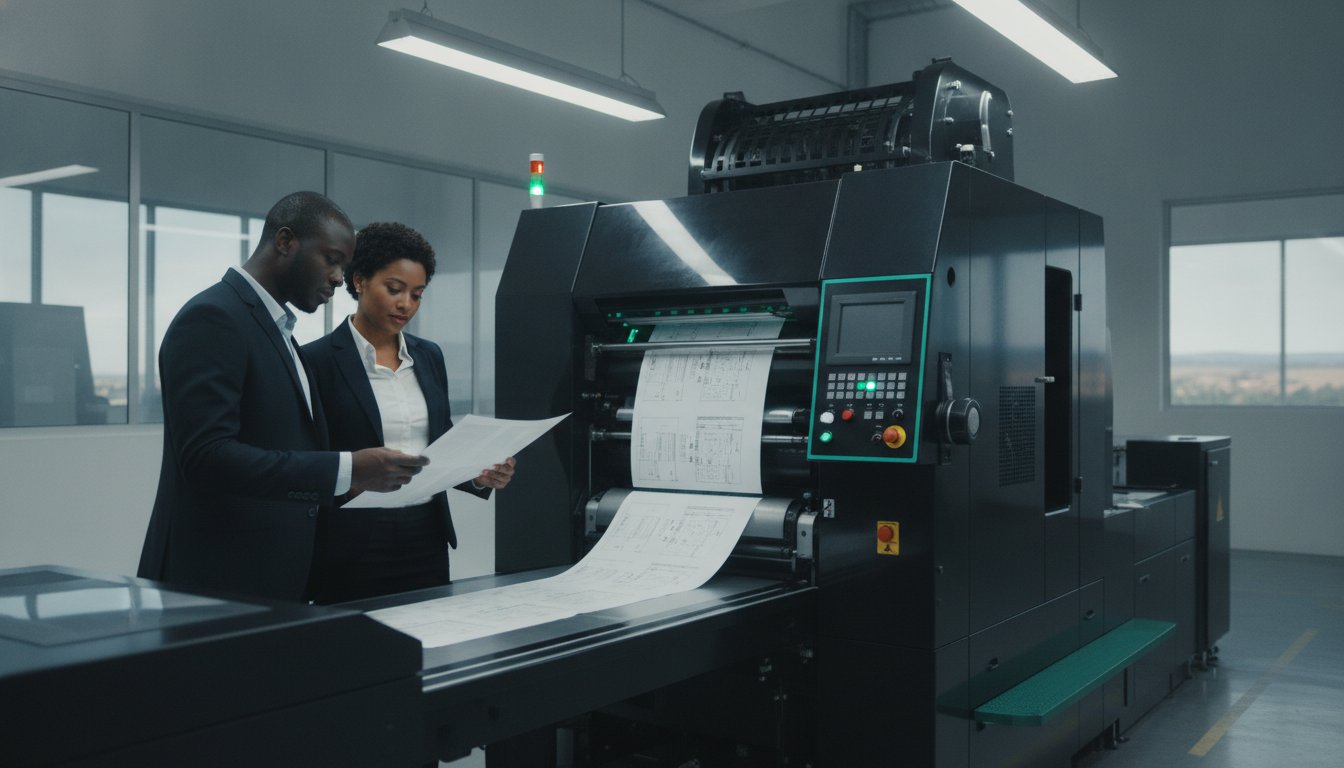
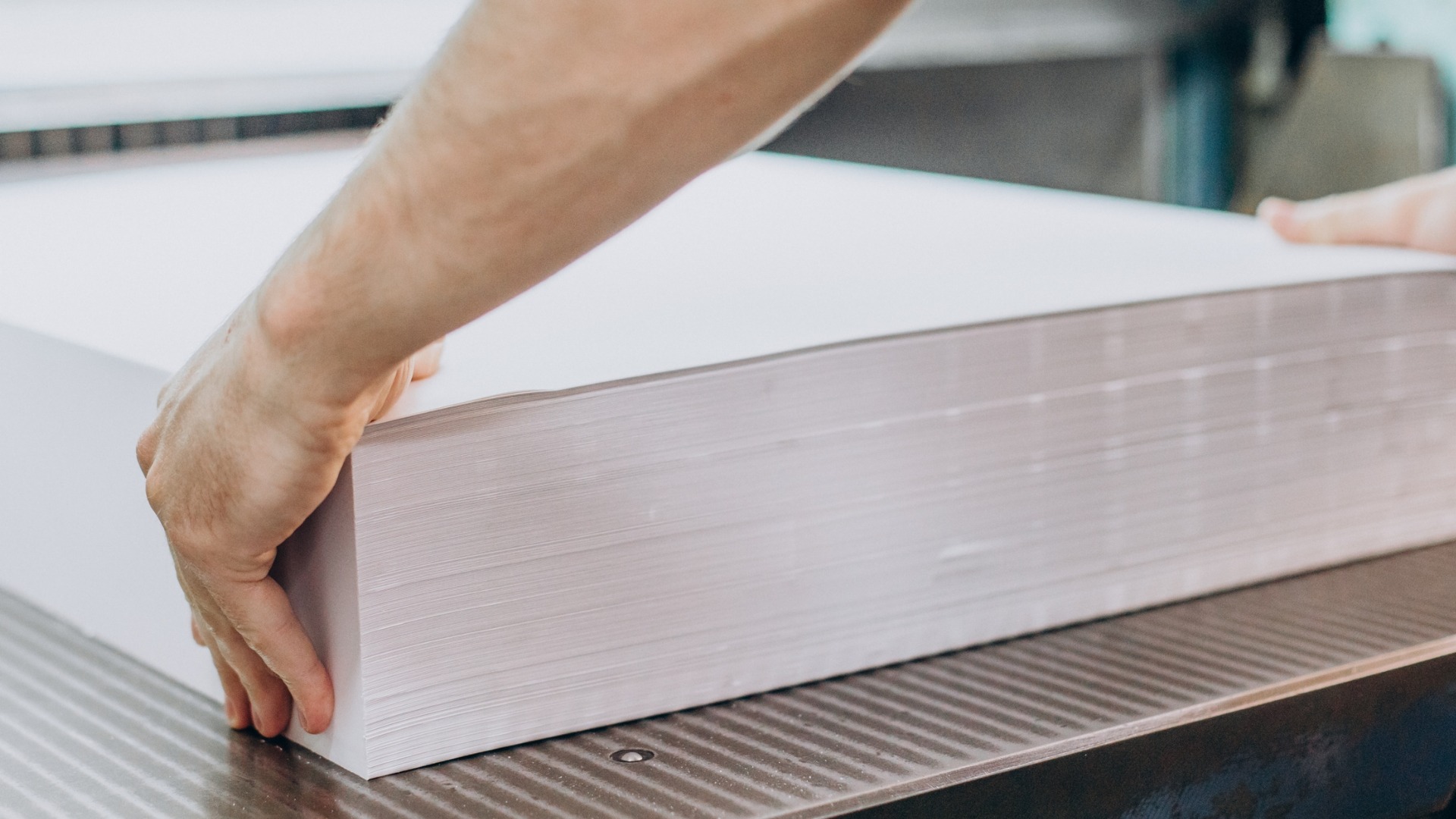
Where to print a book in bulk is the first question most school administrators, publishers and small businesses ask when planning a large run — and the answer depends on print method, quantity, purpose and delivery across South Africa.
Where to print a book in bulk: which providers and setups work best?
Choosing where to print a book in bulk means evaluating suppliers that specialise in commercial printing, educational printing and custom publishing. In South Africa, established print houses that offer both litho and digital printing are ideal when you need flexibility for textbooks, catalogues, booklets and promotional books. Look for suppliers that list experience with school textbook printing and booklet printing, plus proven logistics for print delivery across South Africa.
When comparing providers, check whether they offer end-to-end services – from pre-press file checking and layout to binding, packaging and distribution. For education customers, tie-ins with training-manual printing and textbook printing services are valuable: these printers understand curriculum schedules and school term preparation. For small businesses, a partner experienced in brochure-printing-services and catalogue-printing helps align product and marketing materials with book runs.
How much does bulk book printing cost?
Cost is usually the top decision factor when deciding where to print a book in bulk. Pricing depends on quantity, page count, trim size, paper grade, colour coverage (black-and-white vs full-colour), binding type and any special finishes such as UV coating or embossing. Freight and distribution across South Africa also add to the landed cost, especially for multi-site school deliveries.
Typical cost drivers (and how they affect price):
- Quantity — higher volumes lower unit cost due to fixed setup amortisation.
- Print method — litho typically has higher setup but lower unit costs at scale; digital has minimal setup but higher unit price per copy.
- Paper weight & quality — heavier, coated stock raises costs.
- Binding — perfect bound and sewn bindings cost more than stapled or saddle-stitched finishes.
- Finishes — varnishes, laminates and embossing add per-unit expense.
For educational printing, bulk orders for textbooks often have negotiated pricing and can include staged deliveries aligned with the school year. Use the provided specs to obtain accurate quotes from printers such as those that specialise in textbook printing and books printing.
What affects lead times for bulk book orders?
Lead time is critical for schools, events and seasonal promotions. When asking where to print a book in bulk, always confirm production and delivery timelines. Lead times are affected by print method, current shop load, binding complexity, finishing processes and distribution logistics.
Typical lead-time ranges:
| Process | Typical Lead Time |
|---|---|
| Digital printing (short runs) | 3–5 business days |
| Offset litho (large runs) | 5–14 business days |
| Complex finishes / binding | Add additional 1 to 3 business days |
According to commercial printing benchmarks, digital printing becomes more cost-effective and faster for runs under roughly 1,000–2,000 copies, while litho is generally more efficient for larger volumes. Planning ahead and aligning production slots with the printer’s calendar can reduce rush fees and ensure delivery for school term starts or event dates.
Which print method should I choose — litho or digital?
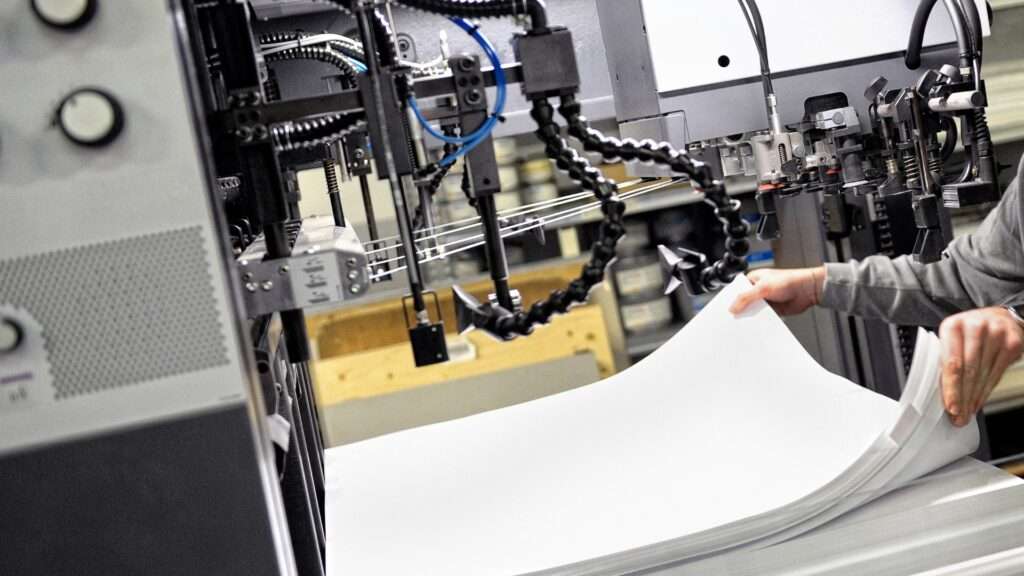
Deciding between litho and digital is central to answering where to print a book in bulk. Offset lithography is the long-standing choice for high-volume, high-colour-consistency jobs, while digital is best for low-to-medium runs, fast turnaround and variable data printing (personalised pages).
A quick comparison:
- Offset litho: Best for long runs; superior colour control on coated stocks; lower per-unit cost at scale. According to Wikipedia, offset lithography is the industry-standard process for many high-volume print products.
- Digital printing: No plates, faster pre-press, ideal for short runs and print-on-demand; flexible for updates and quick turnarounds.
For school textbook printing, litho is typically used when ordering many thousands of copies. For teacher guides, training manuals or small-batch reprints, digital printing and print-on-demand provide cost-effective alternatives. See specialised solutions for training and manuals at training-manual printing.
What quality checks matter for educational and commercial books?
When determining where to print a book in bulk, quality control must be non-negotiable, especially for school textbooks and professional training manuals. Quality checks include colour proofs, paper swatch approval, binding strength tests, pagination verification and random sample inspections during production.
For educational printing, you should insist on a pre-production proof and a pre-shipment inspection. Printers experienced in education printing will typically offer batch sampling reports and sign-off procedures. For commercial runs like catalogues or brochures, check trim accuracy, gutter allowance for text near the spine and colour fidelity across the run to ensure uniformity.
What are minimum order quantities and cost breakpoints?
Understanding minimum order quantities (MOQs) clarifies where to print a book in bulk. MOQs vary by printer and method — digital presses often allow MOQs of 10–100 copies, while litho presses may require 250, 500–1,000 copies to make economic sense. For some textbook projects, publishers negotiate MOQs in the thousands.
Typical breakpoints to consider:
- Under 250 copies — digital printing is usually best.
- 250–1,000 copies — evaluate both digital and litho quotes for price and turnaround.
- Over 1,000 copies — litho often becomes the lower-cost option per unit.
These breakpoints vary with paper choices, colour coverage and finishing. Discuss MOQs and staged deliveries with a printer that offers catalogue-printing or booklet-printing options to design the most cost-effective plan for schools and businesses: see catalogue printing and booklet printing for examples of scalable runs.
How do finishes, binding and custom options change the outcome?
Finishes and binding affect both perception and durability. For textbooks and training materials, stronger binding (perfect bind with sewn sections or reinforced spines) extends lifespan in classroom use. For marketing books, luxury finishes like soft-touch lamination, spot UV, foil stamping or embossed covers can lift perceived value and improve shelf presence.
Common binding types:
- Saddle stitch — economical for thin booklets.
- Perfect bind — common for trade books and thicker manuals.
- Sewn binding — premium, highly durable, ideal for heavy-use textbooks.
Ask potential printers for samples of each finish and binding. Test covers and inner pages for cracking, readability, and scuff resistance, and confirm that the chosen finish is compatible with the print method (some coatings require offset-friendly substrates and specific curing processes).

What should I know about packaging, delivery and distribution across South Africa?
Where to print a book in bulk is only part of the equation: how the books get to schools, distributors or retail channels is equally important. Printers that handle distribution can pack by school, class, or region, and coordinate with courier partners for nationwide coverage.
Consider these logistics points:
- Staged delivery slots for school term starts.
- School-by-school packing and manifesting for simple on-site distribution.
- Centralised warehousing with pick-and-pack for retail or direct-to-customer fulfilment.
If you need printed materials for events and promotions, discuss rapid consolidation and express shipping options. Printers who offer both catalogue and brochure printing services often have well-established courier relationships to move large palletised shipments safely across provinces.
What eco-friendly printing options should I explore?
Sustainability is increasingly important for schools and businesses. When deciding where to print a book in bulk, ask about recycled stocks, FSC certification, eco inks, and energy-efficient production processes. Eco-friendly choices can reduce carbon footprint and often resonate with funders, parents and customers.
Practical eco options include:
- FSC- or SABS-certified paper stocks for responsible sourcing.
- Eco inks to lower VOC emissions.
- Recycled paper for lower environmental impact.
- Print-on-demand to avoid overprinting and waste, especially for smaller editions.
Many printers that do school textbook printing and commercial printing now publish sustainability reports or can provide certificate documentation for materials used.
Can I get a fast turnaround for school term or event-ready orders?
Yes – if you choose the right partner and specify realistic expectations. Fast turnaround options typically combine digital printing, minimal finishing, and prioritised production slots. For urgent school term printing, printers experienced in education printing can offer accelerated workflows and staggered delivery to school districts.
Tips for fast turnaround:
- Provide print-ready PDF files with embedded fonts and bleed.
- Choose standard trim sizes and paper stocks to avoid special-order delays.
- Accept limited finishing options or split runs (e.g., core quantity in litho, smaller batches on digital).
For repeat or seasonal projects, establish a standing agreement with a printer so you can reserve capacity ahead of time – this is especially useful for large-scale school or promotional calendar demands.
How do I choose a printer in South Africa — questions to ask before you sign?
When selecting where to print a book in bulk in South Africa, vet suppliers thoroughly. Ask for references, recent samples of similar work, evidence of quality control, lead-time guarantees and detailed quotes that separate setup, per-unit, finishing and freight costs.
Essential questions to ask:
- What is your MOQ for litho and digital?
- Can you supply paper and finish samples and certification (FSC/SABS)?
- What are typical lead times and escalation options for rush jobs?
- Do you offer pre-production proofs and in-line quality sampling?
- How do you handle distribution and school-by-school packing?
For education and training publishers, inquire whether the printer has experience in textbook-printing contracts, education printing logistics and long-term warehousing. For marketing departments, confirm the provider’s capability with brochures and catalogue printing so brand collateral can be handled alongside book production; see services like brochure printing and catalogue printing for complementary options.
Summary: practical checklist for choosing where to print a book in bulk
Identify your priorities – cost, lead time, durability or finish – and match them to a printer that demonstrates expertise in the relevant industry: educational printing for school textbooks, commercial printing for catalogues and marketing books, or custom publishing for trade books. Ask for detailed quotes, proofs, and references, and make sure logistics and eco-credentials match your organisation’s needs.
Quick checklist:
- Confirm run size and choose litho vs digital.
- Request paper and finish samples; check certifications.
- Obtain a production schedule and delivery plan for South Africa.
- Ensure binding meets expected lifetime and use-case.
- Get a written quality and reprint policy for defects.
According to South Africa’s Department of Basic Education, there are roughly 12 million learners in public and independent schools, which underscores why reliable bulk textbook-printing and distribution are strategic for many printers and publishers. According to commercial printing benchmarks, choosing the right print method at the correct quantity can save significant budget and reduce waste. And according to Wikipedia, offset lithography remains the go-to process for high-volume, high-quality colour work – an important consideration when you need large numbers of textbooks, catalogues or custom books.
Bulk book printing comes down to smart choices that protect your budget and your final result – paper, binding, quantities, and production timelines all matter.
Print It ZA makes the process easy with reliable bulk book printing and binding for textbooks, manuals, novels, and more – guided by clear specs, quality checks, and practical turnaround options. With experience across commercial printing, educational printing, and packaging print, we deliver consistent, professional books that are built to last.
Get a free quote from Print It ZA today and enjoy speedy service, with nationwide delivery.
Print It ZA, we deliver Printing Best!