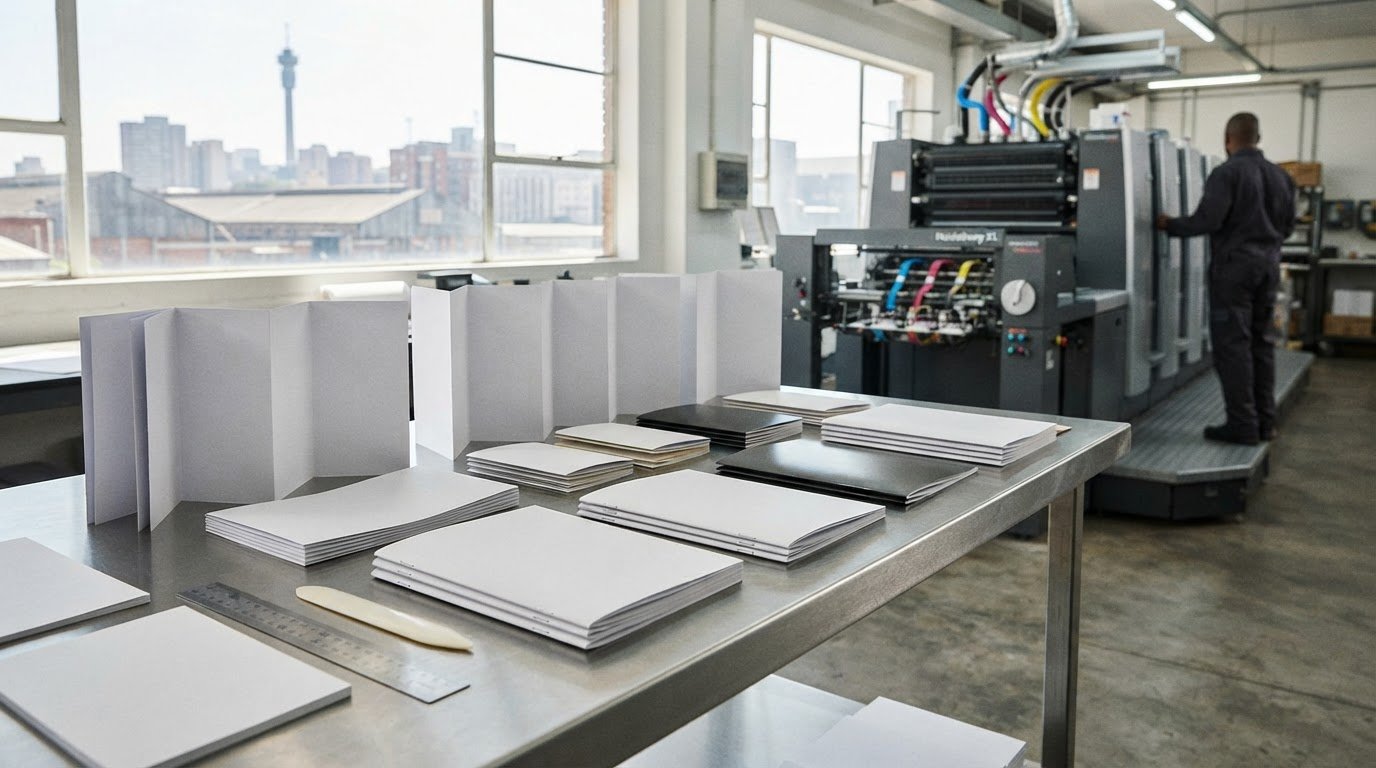

Book design shapes how a book looks, reads, and feels from the first glance to the final page. Although great content matters most, weak design can still hurt the reading experience, reduce perceived value, and make a book look unfinished. Because of that, strong book design does more than improve appearance. It helps the book communicate clearly, feel professional, and print properly.For authors, publishers, schools, and businesses in South Africa, book design often sits at the centre of the whole production process. First, the cover needs to attract attention. Then, the inside pages need to read well. Finally, the file has to work with the chosen print format. That is why book design connects naturally with services such as books printing, graphic design services, and print-and-binding options already listed across the Print It ZA site.
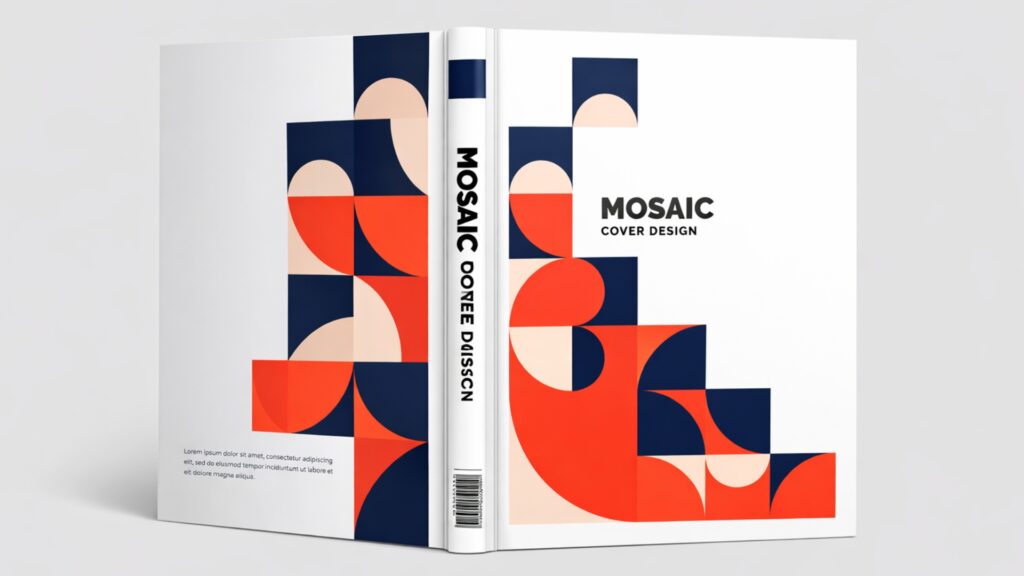
What is book design?
Book design is the process of planning and creating the visual structure of a book. That includes the cover, typography, page layout, margins, chapter openings, spacing, visual hierarchy, and the overall reading experience. In other words, book design brings order and clarity to the content so the book looks polished and feels easy to use.
While many people focus only on the cover, the inside design matters just as much. A book with poor layout, weak type choices, or inconsistent spacing can feel harder to read even when the writing is strong. Therefore, book design is both a visual decision and a functional one.
Why does book design matter?
Book design matters because readers judge a book quickly. First, they notice the cover. Next, they flip through the inside pages. If the design looks rushed or confusing, the book immediately feels less professional. On the other hand, a well-designed book builds trust, supports readability, and improves the overall value of the final product.
That is especially important for printed books, because design choices affect not only appearance but also how the book performs in production. Page count, margins, spine width, and binding style all connect directly to the design stage.
| Why Book Design Matters | How It Helps |
| Professional presentation | Makes the book look more credible and finished |
| Better readability | Helps readers move through the content more easily |
| Stronger first impression | Improves how people respond to the cover and interior |
| Print readiness | Reduces problems during production and binding |
| Brand or author value | Supports long-term quality perception |
What are the main parts of book design?
Book design usually has two main parts: cover design and interior design. The cover creates the first impression and helps position the book. Meanwhile, the interior design controls how the content reads, flows, and prints.
| Book Design Area | Main Focus |
| Cover design | Front cover, back cover, spine, title presentation, visual impact |
| Interior layout | Typography, margins, spacing, page hierarchy, readability |
| Print preparation | File setup, page size, bleed, spine width, export format |
Because these parts work together, a strong book project needs both design clarity and print awareness. That is why book design often links directly to book printing and related binding services on the site, such as perfect binding, case binding, PUR binding, spiral binding, and wiro binding.
What makes a good book cover design?
A good book cover design is clear, balanced, and appropriate for the type of book. First, it needs to attract attention. Then, it must communicate the tone of the content. Finally, it should stay readable and strong even at smaller sizes, especially when the book is marketed online as well as in print.
At the same time, the cover should work with the final print specification. If the spine width, trim size, or back cover layout is wrong, the finished book can look misaligned. Therefore, a strong cover design has to balance creativity with technical accuracy.
- Clear title hierarchy
- Readable typography
- Strong visual direction
- Balanced front, spine, and back cover layout
- Design that suits the genre or purpose of the book
- Correct size and spine setup for print
What makes a good book interior layout?
A good interior layout makes the book easy to read and easy to navigate. That means the typography should feel comfortable, the margins should allow breathing room, and the chapter structure should look consistent from start to finish. In addition, page numbers, headings, spacing, and paragraph styling should all support the reading flow instead of distracting from it.
As a result, interior book design is less about decoration and more about control. When the layout works well, readers barely notice it. They simply move through the book naturally.
| Interior Design Element | Why It Matters |
| Typography | Affects readability and tone |
| Margins and spacing | Creates comfort and balance on the page |
| Chapter openings | Improves structure and navigation |
| Page numbering | Helps organisation and reference |
| Consistent styling | Makes the whole book feel polished |

How does book design affect printing?
Book design affects printing directly because the final files must match the trim size, binding method, and production route. For example, page count influences spine width. Margins influence readability and binding clearance. Cover dimensions must match the chosen stock and binding. Therefore, design mistakes can easily become print mistakes if they are not caught early.
That is why book design should never be separated completely from print planning. On the Print It ZA site, the books-printing section sits alongside book-binding, book printer, and related publication-printing services, which shows how closely design and production connect.
What file setup is important in book design?
Proper file setup is one of the most important parts of book design. First, the page size must match the intended print format. Then, the cover file must account for the spine and bleed. After that, the interior pages need consistent margins, clean exports, and stable formatting.
Without that structure, even a visually attractive design can run into print problems later. So, file preparation is not just a technical step. It is part of the design process itself.
| File Setup Item | Why It Matters |
| Trim size | Defines the final page dimensions |
| Bleed | Prevents unwanted white edges after trimming |
| Spine width | Keeps the cover aligned correctly |
| Margin setup | Improves readability and binding clearance |
| Export format | Supports clean print production |
If the project overlaps with smaller multi-page formats or short-run publications, you may also want to review booklet printing as a related production route.
Who needs professional book design?
Professional book design helps more than just authors. In fact, schools, businesses, churches, publishers, training providers, and organisations often need designed books, manuals, guides, or branded publications. Some need a polished author-ready book. Others need internal or educational content presented properly for print.
| User | Why Book Design Helps |
| Authors | Improves presentation and market readiness |
| Publishers | Supports consistency and production quality |
| Schools and educators | Helps structure printed learning content clearly |
| Businesses | Supports branded books, manuals, and publications |
| Training providers | Makes guides and manuals easier to use |
That is why this topic fits well with both books printing and graphic design services.
How much does book design cost?
Book design cost depends on the complexity of the project. For example, a straightforward text-heavy book layout will usually cost less than a visually rich book with custom graphics, image placement, and a more detailed cover treatment. Likewise, a short publication will not need the same design time as a large book with many chapters and formatting layers.
Because of that, it makes sense to define the scope early. Once you know the size, page count, cover needs, interior complexity, and print goals, pricing becomes much easier to judge properly.
| Cost Factor | How It Affects Design Time |
| Page count | More pages require more layout work |
| Cover complexity | Custom cover design adds design time |
| Image-heavy pages | Need more placement and formatting control |
| Custom styling | Increases setup and refinement work |
| Print requirements | May need extra preparation and file checks |

What should you look for in a book designer?
You should look for a designer who understands both visual presentation and print logic. In other words, the designer should not only make the book look attractive. They should also understand layout control, readability, file setup, and how the final design will behave in production.
That matters even more when the project includes both design and printing. A smoother workflow usually happens when the book design and print requirements align from the start. Accordingly, Print It ZA’s live service structure makes sense here because it combines graphic design, books printing, and a clear contact path for quote requests.
Where can you get book design support in South Africa?
If you need book design support in South Africa, first decide what kind of book you are producing, how long it is, what binding you expect to use, and whether the job needs only design, only printing, or both. Then review service pages that already connect design and production clearly.
You can start with Print It ZA’s Graphic Design Services, Books Printing, Booklet Printing, and Contact Us pages to plan the project properly.
Book design matters because it turns good content into a stronger final product. More importantly, it helps the book look right, read well, and print correctly. When the design and print planning work together, the finished book feels far more professional from cover to cover.
Frequently asked questions about book design
What is book design?
Book design is the process of creating the visual structure of a book, including the cover, typography, layout, spacing, and print-ready file setup.
Why does book design matter?
Book design matters because it improves readability, strengthens the first impression, and helps the book print properly.
What is included in book design?
Book design usually includes cover design, interior layout, typography, chapter structure, spacing, page styling, and print-ready file preparation.
How does book design affect printing?
Book design affects printing through page size, margins, spine setup, cover dimensions, bleed, and binding compatibility.
Where can I get book design help in South Africa?
You can get book design help in South Africa from providers that combine design support with book printing and related production services.
Contact Print It ZA today, for a Free Quote and Speedy Service.
Print It ZA print and packaging, we deliver Printing Best!