What if your biggest overhead isn’t the product inside the box, but the box itself? You’ve likely felt the pressure of rising import costs and the strict 2025 Extended Producer Responsibility (EPR) regulations that are changing how we do business. It’s a challenge to stay competitive when shipping fees eat into your margins, but you aren’t alone in looking for a better way to manage retail packaging south africa without sacrificing quality.
We’re here to help you turn those packaging headaches into a massive brand advantage. You’ll learn how to cut costs by switching to local Gauteng-based production and how to use smart tech to connect with your customers instantly. We’re breaking down the shift toward 100% recyclable materials, the rise of interactive QR codes, and why finding a reliable 24/7 partner in Johannesburg is the smartest move you’ll make for the 2026 market.
Key Takeaways
- Learn how to transition your brand to circular packaging using the latest biodegradable and compostable materials available across the country.
- Discover how QR-driven smart packaging is transforming consumer engagement and ensuring product traceability for the food and cosmetic sectors.
- Master the shift toward “Hyper-Local” design by incorporating authentic South African patterns that resonate more deeply than generic international styles in retail packaging south africa.
- Understand why leveraging the “Gauteng Triangle” for production can solve your inventory challenges with fast, 24/7 printing capabilities.
- Position your business for the 2026 economic landscape by aligning your packaging strategy with modern B2B and B2C demands.
The Evolution of Retail Packaging in South Africa’s 2026 Landscape
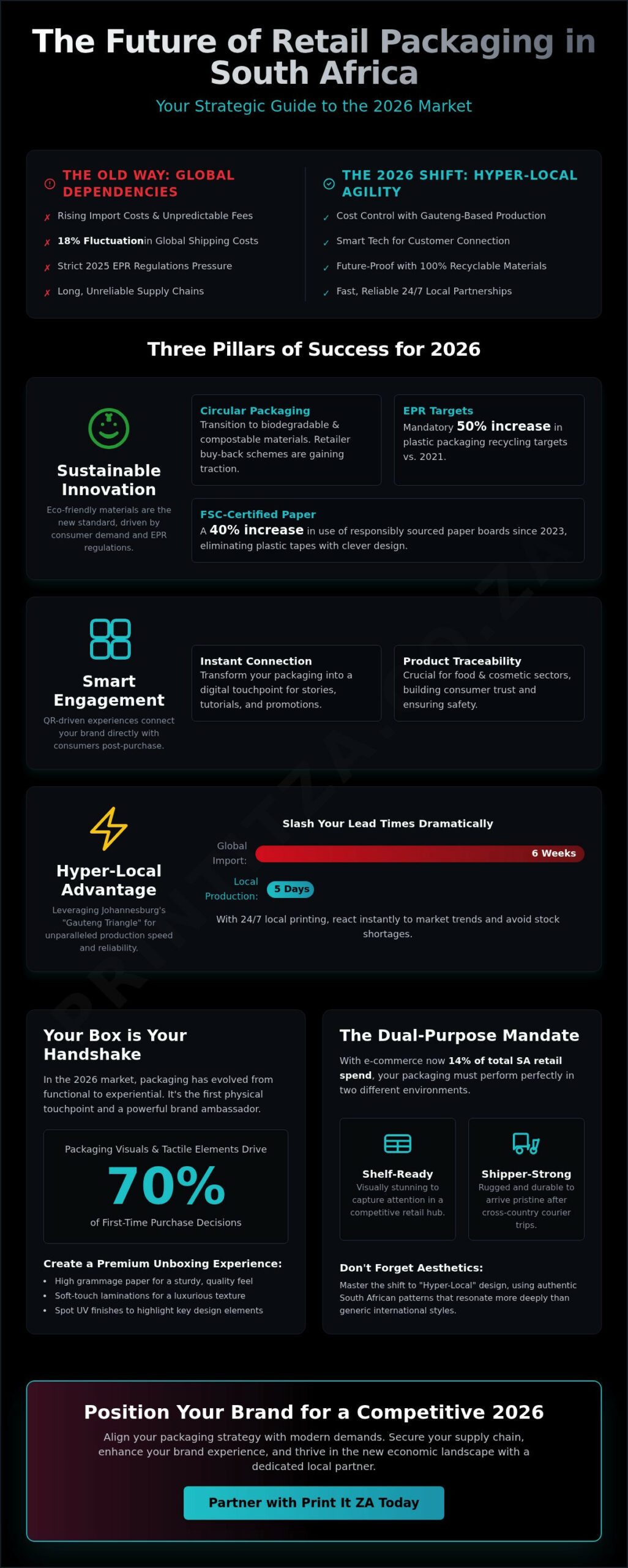
Retail packaging south africa has transformed into a high-stakes marketing tool that bridges the gap between B2B logistics and B2C satisfaction. In the 2026 market, your box is your handshake. It’s the first physical touchpoint a customer has with your brand. The Evolution of Retail Packaging shows that while protection remains vital, the visual and tactile elements now drive 70% of first-time purchase decisions in Johannesburg retail hubs. We’ve seen a massive shift where packaging acts as a silent brand ambassador, working 24/7 on the shelf to tell your story without saying a word.
Economic shifts in early 2026 have forced a pivot toward Gauteng-based production. With global shipping costs fluctuating by 18% in the last year, local manufacturing isn’t just a choice; it’s a necessity for survival. E-commerce growth, which now accounts for 14% of total South African retail spend, has blurred the lines between traditional shelf strategy and “shipper” aesthetics. Your packaging must look stunning on a retail shelf and arrive pristine after a cross-country courier trip. This dual-purpose requirement means your design needs to be both rugged and refined. If you want to master every detail of this process, our custom boxes in Johannesburg strategic guide for 2026 walks you through exactly how to design, print, and distribute high-impact packaging that turns a simple delivery into a brand experience.
The Shift from Functional to Experiential Packaging
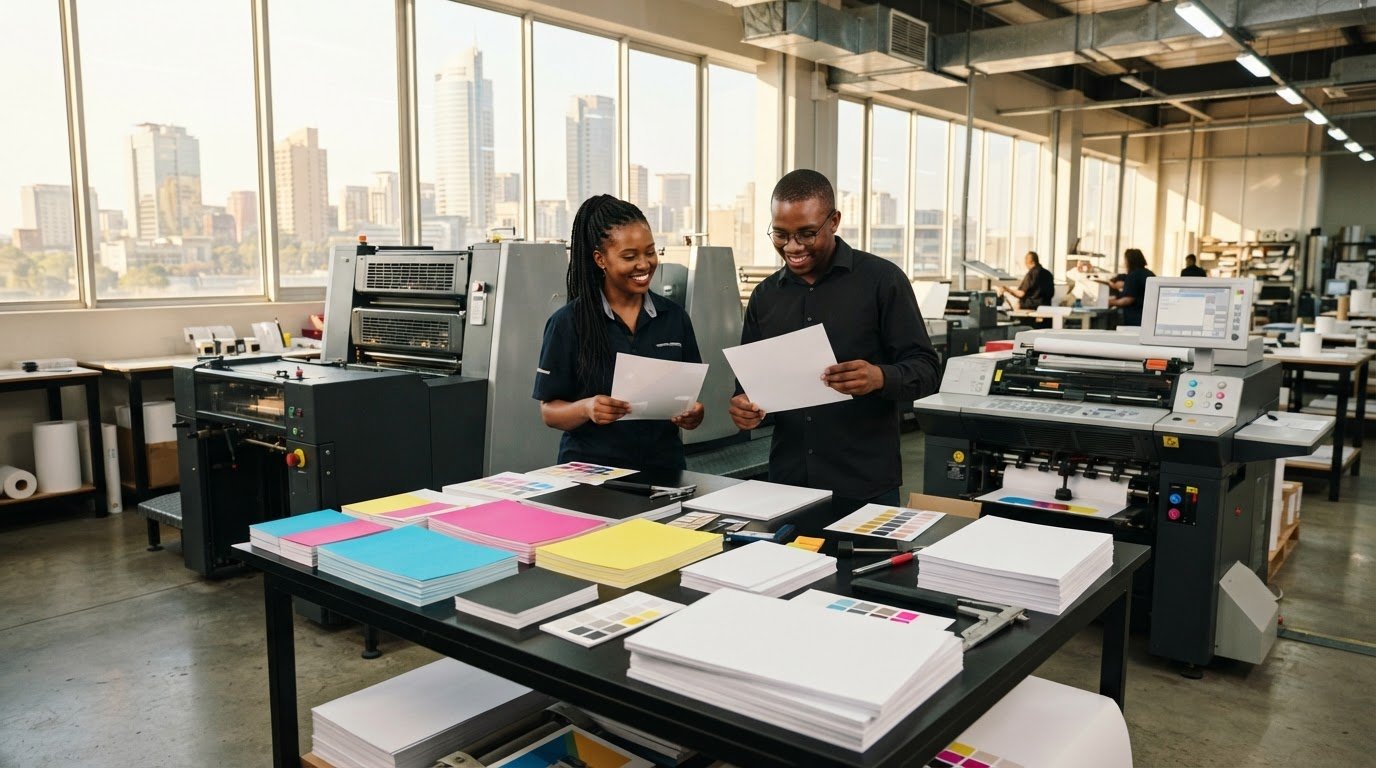
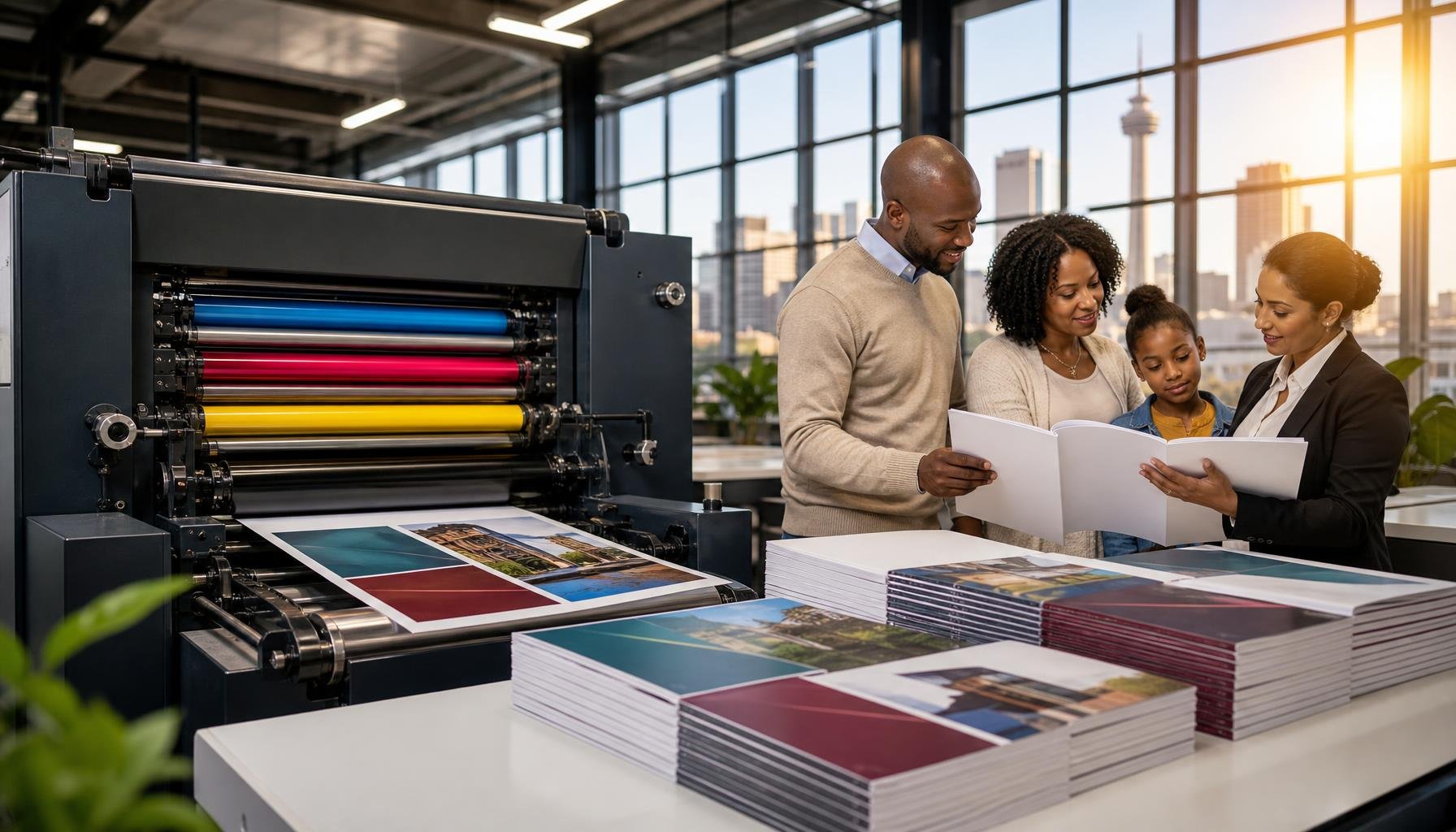
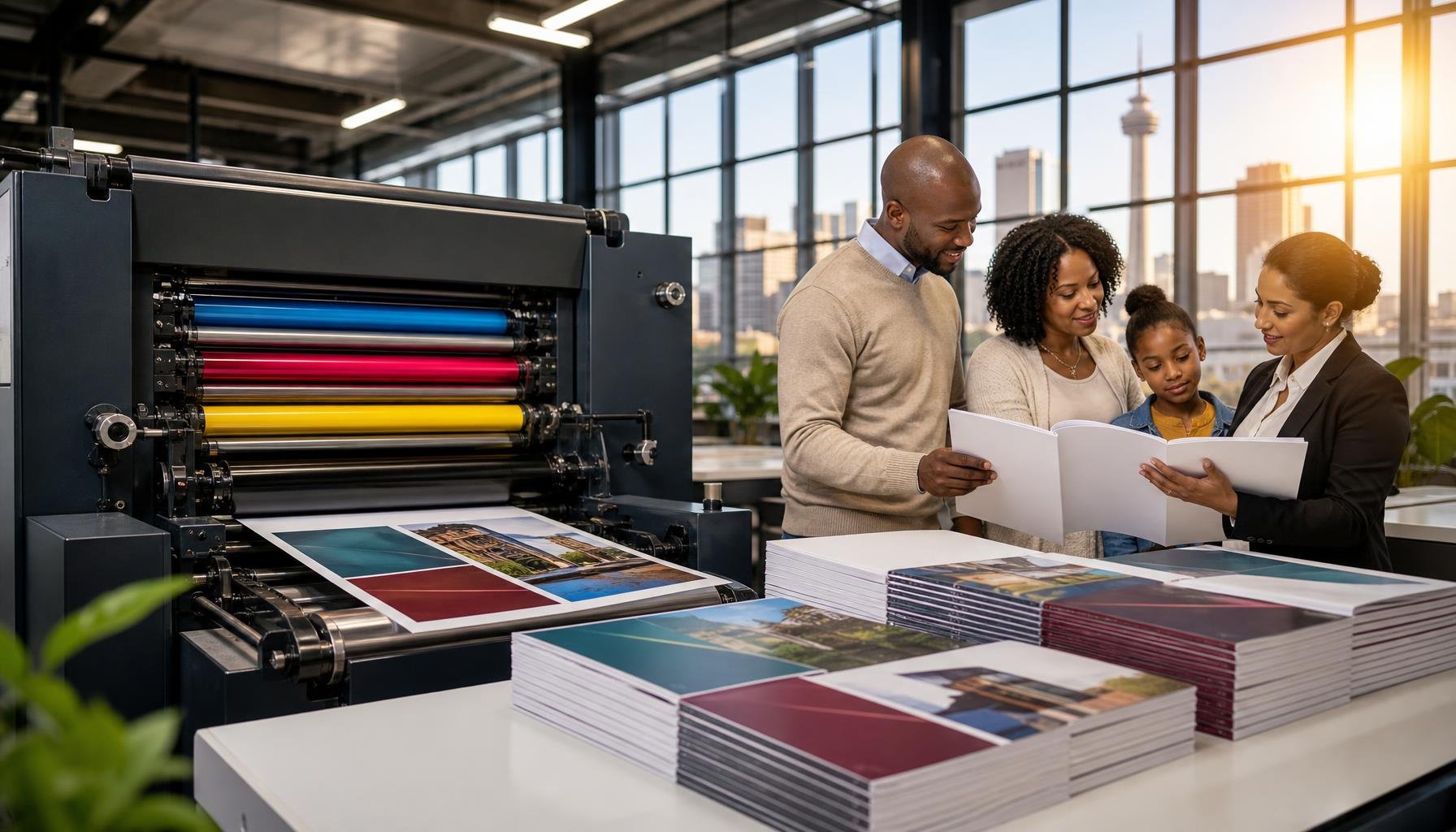
South African consumers in 2026 don’t just buy products; they buy experiences. They expect an unboxing process that feels like a reward. You can build immediate brand trust by focusing on the sensory details. High grammage paper, soft-touch laminations, and spot UV finishes tell your customer that your product is premium before they even see it. At Print It ZA, we use advanced litho printing for high-volume consistency and digital printing for bespoke, short-run projects. These technologies ensure your colors stay vibrant and your brand stays sharp across every single unit.
Retail Resilience: Adapting to Local Supply Chain Challenges
The 2026 landscape rewards brands that prioritize local manufacturing to avoid unpredictable global imports. By using 24/7 operational printing facilities in Johannesburg, you can slash lead times from six weeks to just five days. This speed allows you to react to market trends or stock shortages instantly. Resilient Localization is the strategy of securing your supply chain through dedicated local partnerships to ensure your products never miss a sales cycle. We’re here to be that partner, providing the fast, high-quality results you need to stay competitive in a fast-paced market.
Sustainable Innovation: Eco-Friendly Materials Reshaping SA Shelves
By 2026, the South African retail landscape has moved beyond the “plastic-first” mindset. Local brands now prioritize materials that give back to the earth. You’ll find compostable mailers and biodegradable containers becoming the standard on shelves from Sandton to Sea Point. This shift is driven by a mix of consumer demand and strict local guidelines. The Packaging SA industry body has been instrumental in guiding these transitions, especially regarding Extended Producer Responsibility (EPR) targets that require brands to take ownership of their waste. These regulations have pushed for a 50% increase in the collection and recycling of plastic packaging compared to 2021 levels.
Brands aren’t just choosing green materials; they’re rethinking the whole lifecycle. Circular packaging is the new gold standard. Retailers now offer R5 or R10 discounts when customers return glass or heavy-duty plastic containers for refilling. There’s also a common worry that eco-friendly materials won’t survive the long-haul trip from a warehouse in Johannesburg to a shop in Durban. That’s a myth. Modern bio-polymers and reinforced fibers are engineered to withstand the humidity and heat of SA logistics without breaking down prematurely. These materials ensure your products arrive in perfect condition while maintaining your green credentials. If you want to explore the full range of sustainable options available locally, our guide to eco friendly packaging south africa breaks down the real differences between biodegradable and recyclable materials and how to source them cost-effectively in Gauteng.
The growth of retail packaging south africa is now tied directly to how well a brand can prove its sustainability. It’s no longer enough to just look green; you have to be green throughout the supply chain.
Paper-Based Revolutions and FSC Standards
The shift to high-grammage paper is a major win for the local market. We’ve seen a 40% increase in the use of FSC-certified boards since 2023. This certification proves your packaging comes from responsibly managed forests, which is a major selling point for the 2026 shopper. Clever structural designs now use interlocking tabs to secure products. This eliminates the need for plastic adhesive tapes entirely, making the whole box 100% recyclable in standard paper streams. It’s a clean, efficient way to pack that also saves you money on extra supplies.
Minimalist Inks and Water-Based Coatings
Printing in Johannesburg has taken a sophisticated turn. Many Gauteng brands are ditching heavy oil-based finishes for soy-based and water-based inks. These don’t just help the environment; they create a matte, premium feel that speaks to luxury more than a glossy plastic coat ever could. Small-batch producers in Maboneng and Woodstock are leading this charge, proving that using less ink actually makes your brand stand out more. If you’re looking to refresh your look, you can chat with our team about how minimalist designs can lower your footprint while boosting your shelf presence.
Smart Packaging: The Rise of QR-Driven Consumer Experiences
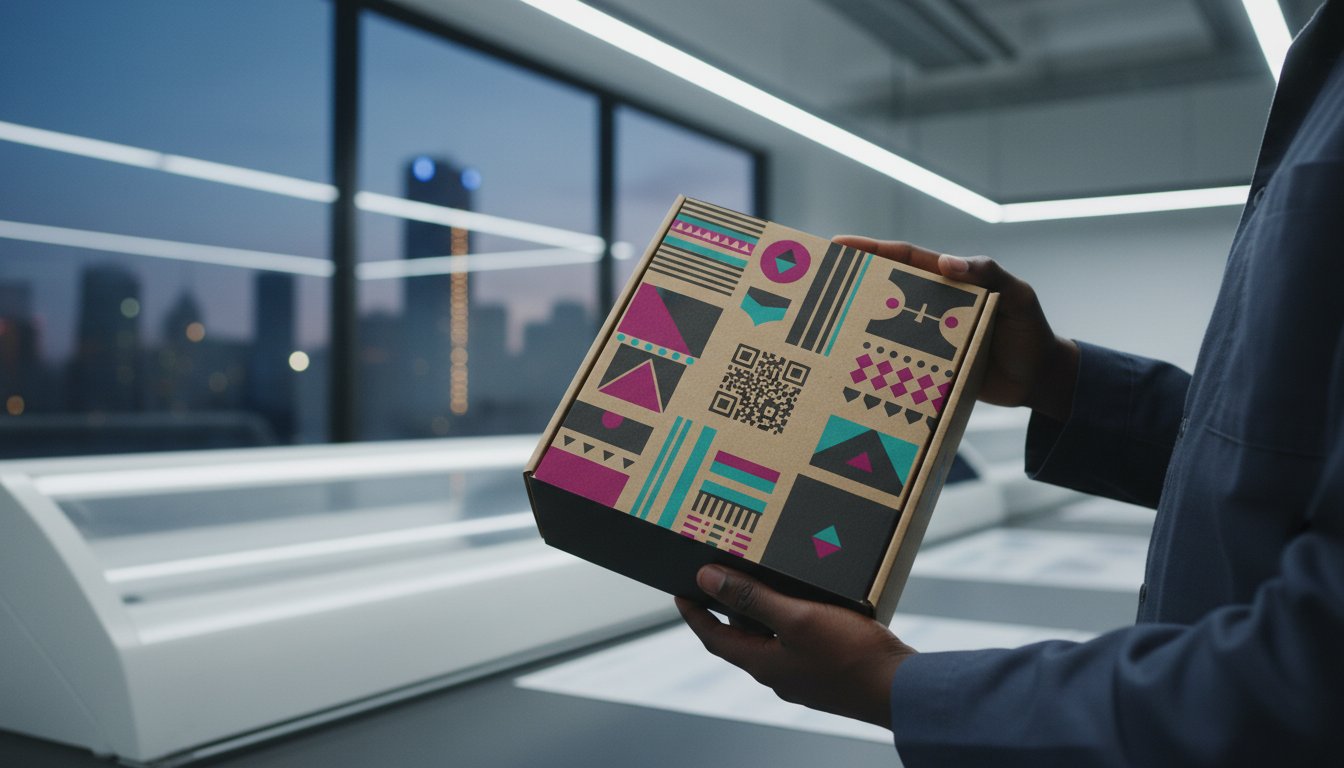
Your packaging isn’t just a box anymore. It’s a digital handshake. By 2026, smart technology will be the standard for retail packaging south africa, turning every product into an interactive portal. QR codes have evolved far beyond simple website links. They now serve as direct channels for customer support, loyalty programs, and immersive brand experiences right in the palm of your hand. You can offer recipes, video tutorials, or exclusive discounts with a single scan, bridging the gap between the physical shelf and the digital world.
Traceability is a massive driver for this shift, especially in the South African food and cosmetic sectors. Consumers want to know exactly where their products come from. A quick scan can reveal the specific farm where botanical oils were harvested or the batch number of a gourmet snack. This transparency builds deep trust. It also serves a critical security function. Anti-counterfeit technology embedded in smart labels helps protect local brands from the R100 billion illicit trade market. You give your customers peace of mind by allowing them to verify authenticity instantly before they even leave the store.
Digital Storytelling through Retail Packaging
South Africans take immense pride in local craft. You can use your packaging to tell your “Proudly South African” story through hidden digital content. We help you integrate social media triggers into your design, making it easy for customers to share their unboxing experience on Instagram or TikTok. Print It ZA uses high-resolution digital printing to ensure your codes are sharp and scan-ready every time. Following the 2021 update to sustainable packaging regulations, many brands now use these digital portals to share their recycling journey. This keeps your physical design clean and premium while providing all the necessary compliance info.
Inventory and Logistics: The Functional Side of Smart Tech
Smart tech isn’t just for the customer; it’s for your bottom line too. In busy retail hubs across Gauteng, RFID and NFC integration is becoming essential for high-value goods. These chips streamline the kitting and distribution process, often reducing inventory errors by 25% or more. We’re also seeing the rise of “Active Packaging” in the retail packaging south africa market. This tech uses sensors to monitor product freshness or temperature during transit. It’s a game-changer for the local cold chain, ensuring your product arrives in perfect condition. It’s fast, efficient, and keeps your business ahead of the curve.
Aesthetic Shifts: Localized Design and Cultural Storytelling
Generic international designs are losing their grip on the local market. By 2026, we expect a massive shift toward “Hyper-Local” aesthetics. South African consumers want to see themselves reflected in the products they buy. This means moving away from sterile, global templates and embracing authentic storytelling. Your retail packaging south africa strategy must pivot to include elements that resonate on a street-level basis. Authenticity isn’t just a buzzword; it’s a requirement for brands that want to survive the next decade.
Colors play a vital role in this transformation. We’re seeing a move toward palettes inspired by our natural landscape. Think of the deep ochres of the Karoo, the vibrant teals of the Atlantic coast, or the soft pinks of a Cape Protea. These colors trigger a subconscious sense of belonging and trust. Beyond color, custom die-cutting is becoming a non-negotiable for shelf standout. A bespoke shape beats a standard template every time. It signals that your brand is unique, high-quality, and worth the premium price tag.
The “Proudly South African” Visual Identity
Modern retail boxes are now canvases for our heritage. Incorporating Ndebele geometry, Zulu beadwork patterns, or Xhosa textures adds a layer of depth that a plain box can’t match. This isn’t just about decoration; it’s about identity. Multilingual packaging is also a growing necessity. Using isiZulu, Afrikaans, or Sesotho alongside English shows respect for our 60 million citizens. In the bustling retail centers of Gauteng, research indicates that 72% of shoppers feel a stronger emotional connection to brands that use local dialects on their packaging.
Tactile Finishes: Lamination, Foiling, and Spot UV
Great design deserves a premium feel. Specialized finishing services like soft-touch lamination and spot UV are no longer just for high-end luxury goods. By 2026, matte finishes will dominate the market because they feel sophisticated and modern. If you’re running a small batch, digital printing allows you to add gold foiling or textured varnishes without the massive setup costs of traditional litho printing. These small touches turn a simple delivery box into a memorable unboxing experience. It’s a cost-effective way to make your retail packaging south africa look like a million bucks without breaking the bank.
Ready to make your brand pop on the shelf? You can get a custom quote for your packaging and start your design journey with a local partner who understands your vision.
Navigating Local Production: Why Johannesburg is the Strategic Hub
Johannesburg isn’t just a city; it’s the engine room of the national supply chain. For brands looking to lead in retail packaging south africa, the “Gauteng Triangle” comprising Johannesburg, Pretoria, and Midrand offers a logistical edge that’s hard to beat. This central position allows for rapid distribution across the country, reaching major retail hubs in hours rather than days. Being at the heart of the country’s transport infrastructure means your products spend less time in a truck and more time on the shelf.
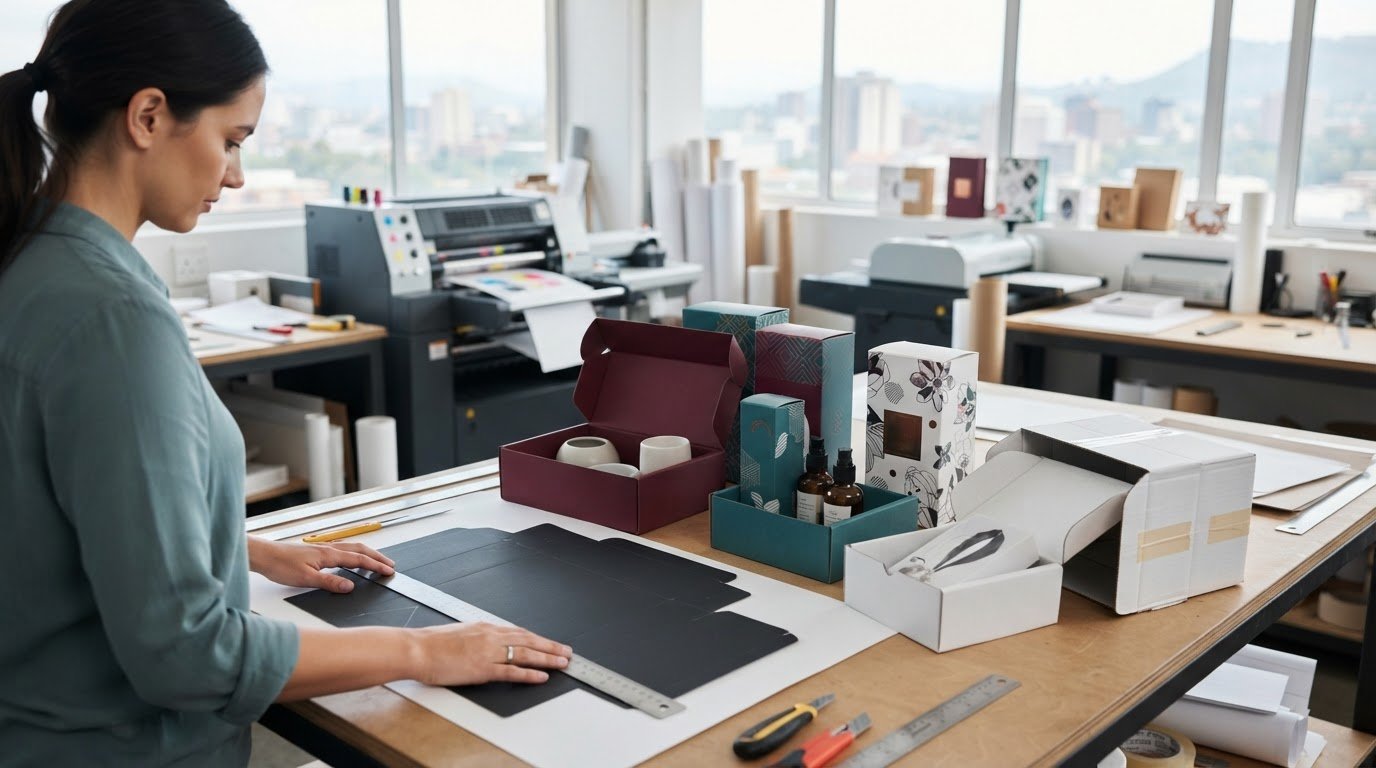
Local production solves the “just-in-time” inventory headache that often plagues retailers. 24/7 printing facilities ensure that when a product goes viral or a seasonal peak hits, your shelves don’t stay empty. You can cut down lead times from weeks to days. This proximity also slashes your carbon footprint. Moving goods from a local factory to a nearby shelf reduces transport emissions by up to 30% compared to importing or long-haul coastal shipping. Having an in-house design team on-site means you get rapid prototyping and precision die-cutting without the back-and-forth delays of overseas communication. It’s about moving from concept to physical sample in a single afternoon.
Scalability: From Startup Prototypes to High-Volume Litho
Growth happens fast in the South African market. You might start with 50 units for a boutique launch using short-run digital printing. As your brand gains traction, you need to transition to high-volume litho printing to keep unit costs low. A partner who handles both ensures your brand colors stay consistent across every batch. Whether you’re shipping to Cape Town or exporting to neighboring SADC countries, nationwide delivery capabilities are essential. You can explore these options through Print It ZA Custom Packaging services to see how we scale alongside your business. For a deeper dive into sourcing high-quality custom boxes in Johannesburg that meet the demands of the 2026 retail market, our strategic guide covers everything from minimum order quantities to premium finishing options.
Choosing the Right Packaging Partner in Gauteng
Saving your retail margins requires a “one-stop shop” approach. When one team handles everything from initial design to final distribution, you eliminate the middleman markup and reduce errors. Efficiency is the name of the game in 2026. Use this checklist when vetting your next supplier:
- Equipment: Do they have the latest litho and digital machinery?
- Availability: Do they offer 24/7 operations for urgent reorders?
- Design: Is there an in-house team for structural engineering and die-cutting?
- Logistics: Do they have a proven track record for nationwide and international delivery?
Choosing a Gauteng-based partner keeps your supply chain agile and your costs predictable. Before you commit to a supplier, it’s worth reviewing our ultimate checklist for sourcing packaging supplies in Johannesburg to ensure you’re asking the right questions and selecting materials that protect both your products and your margins. If you’re ready to elevate your brand’s presence on the shelf with premium retail packaging south africa, contact Print It ZA for a custom retail packaging quote today. We’re ready to help you turn your vision into a retail reality.
Future-Proof Your Brand for the 2026 Retail Shift
The 2026 landscape demands more than just a standard box. With 70% of local shoppers now actively seeking brands that use sustainable materials, switching to eco-friendly options is a strategic move for long-term growth. Integrating QR codes and localized storytelling bridges the gap between physical shelves and digital engagement. Your retail packaging south africa strategy needs a partner that understands these shifts and moves as fast as the market does.
Print It ZA supports your vision from our 24/7 operational facility in Johannesburg. We ensure rapid turnaround times so you never miss a launch date. Our in-house design team specializes in the latest South African retail trends, helping you craft bespoke aesthetics that speak to local hearts. Whether you need nationwide delivery or support for international exports, we handle the heavy lifting so you can focus on scaling. It’s time to turn your packaging into a powerful brand ambassador that works as hard as you do.
Elevate your brand with custom retail packaging from Print It ZA
We’re ready to help you create something remarkable that stands out on any shelf. Let’s build your brand’s future together.
Frequently Asked Questions
What is the most cost-effective retail packaging for small businesses in South Africa?
Standardized corrugated boxes and brown kraft paper bags are the most cost-effective options for small businesses. Choosing stock sizes instead of custom molds can reduce your initial setup fees by up to 20%. These materials are lightweight, which helps lower your shipping expenses across the country. We recommend using simple one-color prints to keep your branding sharp while staying within a tight budget.
How long does it take to produce custom retail boxes in Johannesburg?
You can expect a turnaround time of 7 to 10 working days for custom retail boxes at our Johannesburg facility. This timeline begins once you’ve approved your final digital proof. If your project requires complex finishes like foil stamping or spot UV, we might need an extra 2 to 3 days to ensure every detail is perfect. We always aim to get your retail packaging south africa ready for market as fast as possible.
Are there specific South African regulations for eco-friendly packaging in 2026?
South African businesses must comply with the Extended Producer Responsibility (EPR) Regulations, specifically Notice 43877. These rules require producers to manage the entire lifecycle of their products, including collection and recycling. By 2026, the Department of Forestry, Fisheries and the Environment has set specific recovery targets, such as a 50% recycling rate for certain plastic polymers. We help you choose materials that meet these legal standards while looking great.
Can Print It ZA help with the structural design of my packaging?
Yes, we definitely help with the structural design of your packaging to ensure your products stay safe and secure. Our team looks at your product’s weight and dimensions to create a bespoke template that fits perfectly. We focus on creating unboxing experiences that delight your customers. You don’t need to be a technical expert because we handle the complex die-line creation and folding mechanics for you.
What is the difference between litho and digital printing for retail boxes?
Litho printing uses plates and ink rollers, making it the best choice for high-volume orders of 500 units or more where cost-per-unit is vital. It offers premium color accuracy and vibrant finishes. Digital printing works like a high-end office printer and is perfect for short runs or personalized packaging. It’s faster to set up and allows you to change designs between batches without extra tooling costs.
Does Print It ZA offer nationwide delivery from their Johannesburg facility?
We offer efficient nationwide delivery from our Johannesburg hub to every province in South Africa. Whether you’re based in Cape Town, Durban, or a smaller town in Limpopo, your order will reach you safely. We partner with reliable couriers to ensure your retail packaging south africa arrives on time. Most local deliveries in Gauteng take 24 to 48 hours, while coastal regions typically see arrivals within 3 to 4 days.
Can I get a prototype of my packaging before committing to a large order?
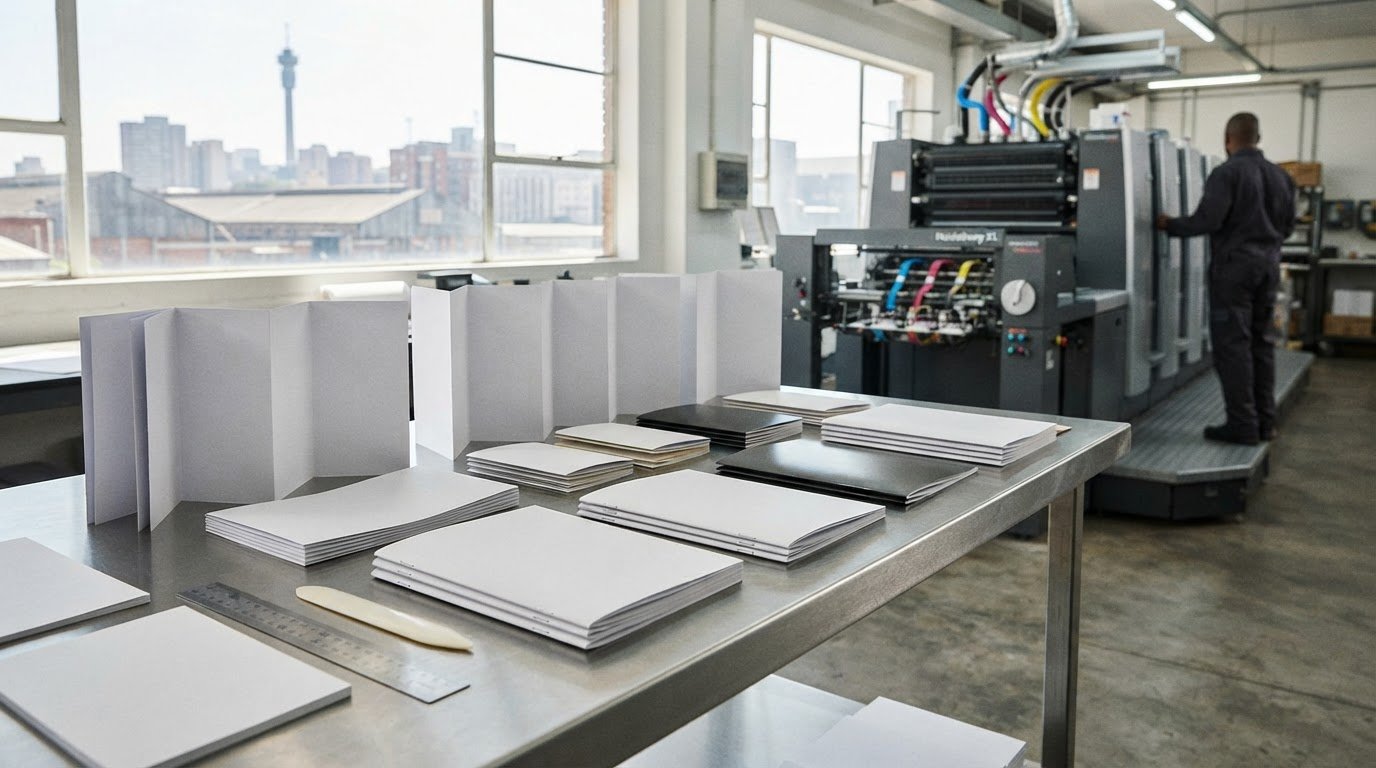
You can absolutely request a physical prototype before you commit to a full production run. We provide unprinted white samples to test the size and fit, or digitally printed mockups to verify your artwork colors. This step is crucial for peace of mind, as it lets you feel the material grammage and test the box’s strength. It’s all part of our commitment to making printing easy and stress-free.
How can I make my retail packaging more sustainable without increasing costs?
You can boost sustainability without spending more by switching to right-sized packaging that uses less raw material. Reducing the weight or grammage of your cardboard can lower your material costs by 10% while cutting down on carbon emissions during transport. Using minimalist designs with soy-based inks also helps. We suggest using recycled kraft paper, which is often priced competitively compared to virgin paper stocks in the local market. For a comprehensive overview of what to look for when procuring materials, our 2026 guide to sourcing quality packaging supplies in Johannesburg covers bulk buying strategies and eco-compliant options that keep your costs in check.