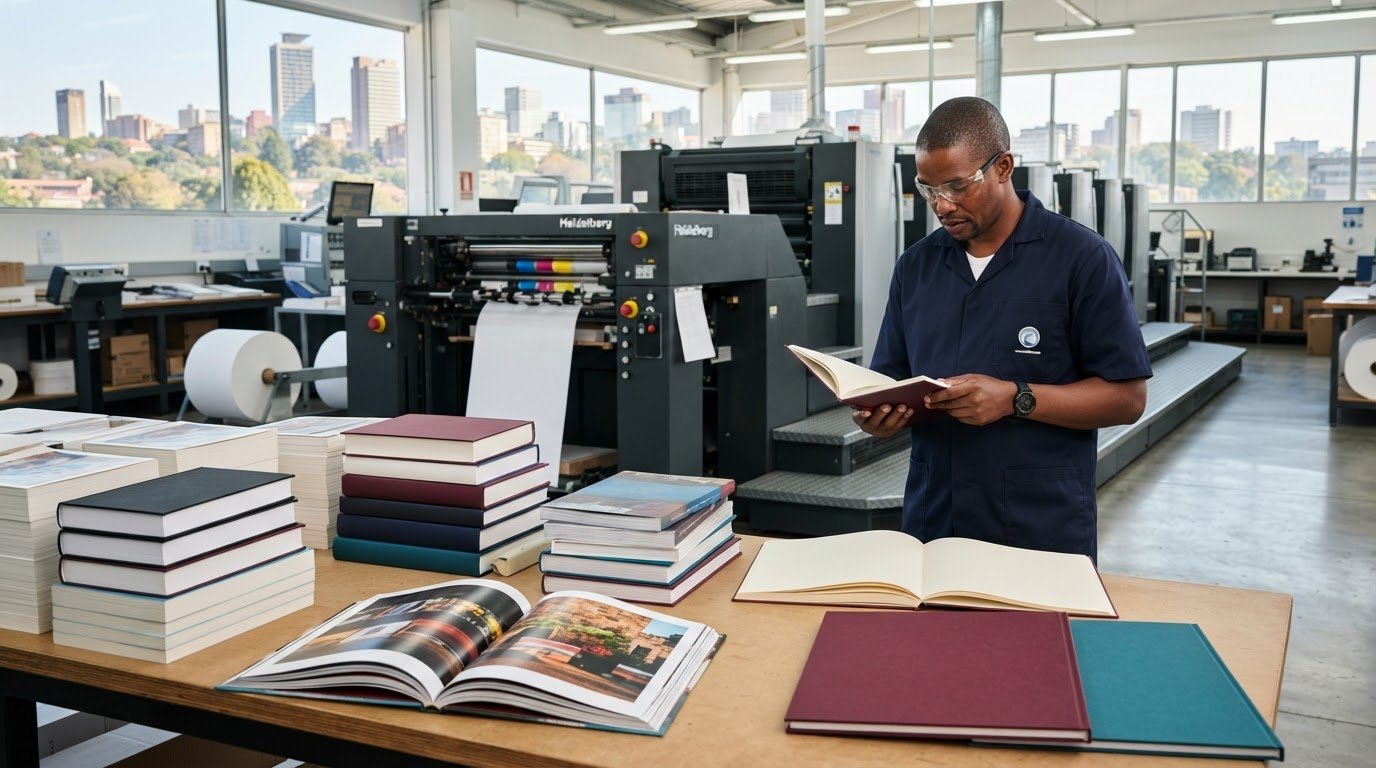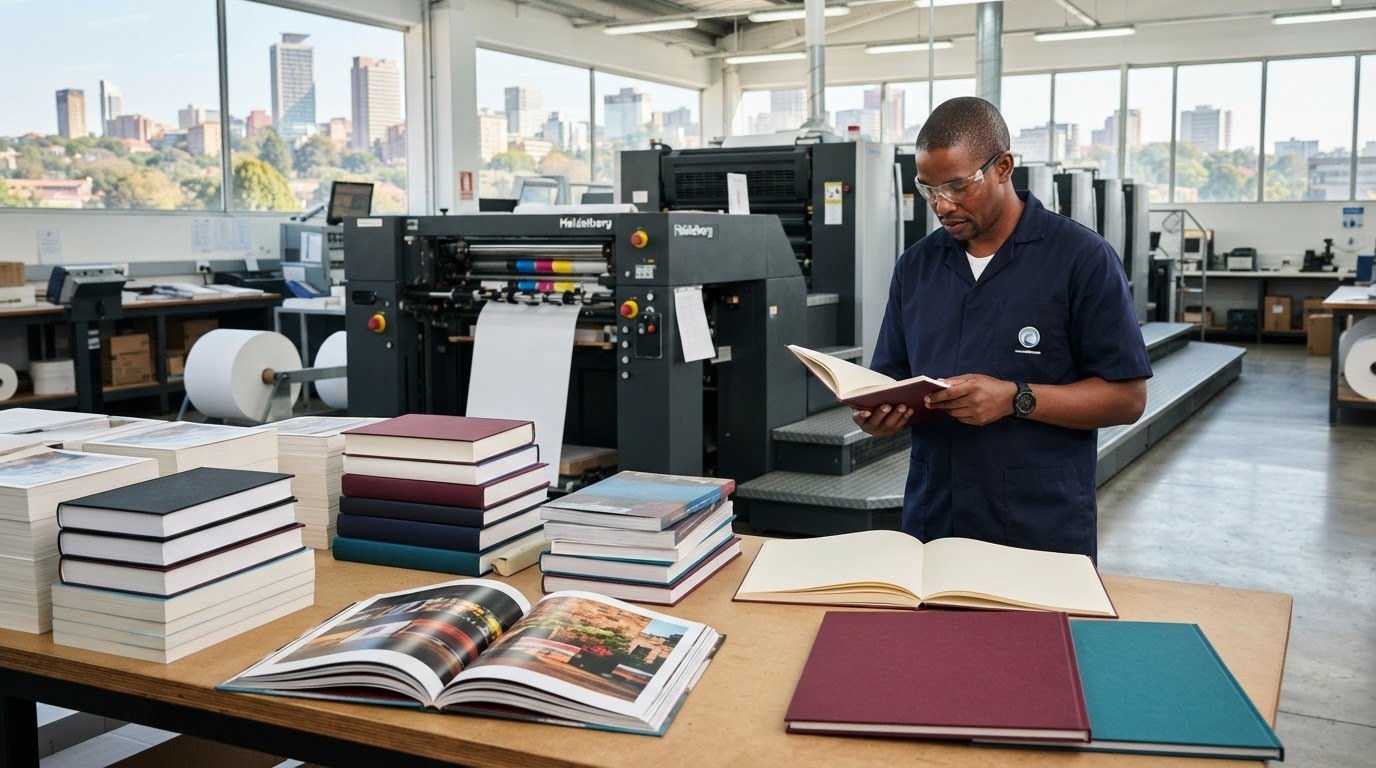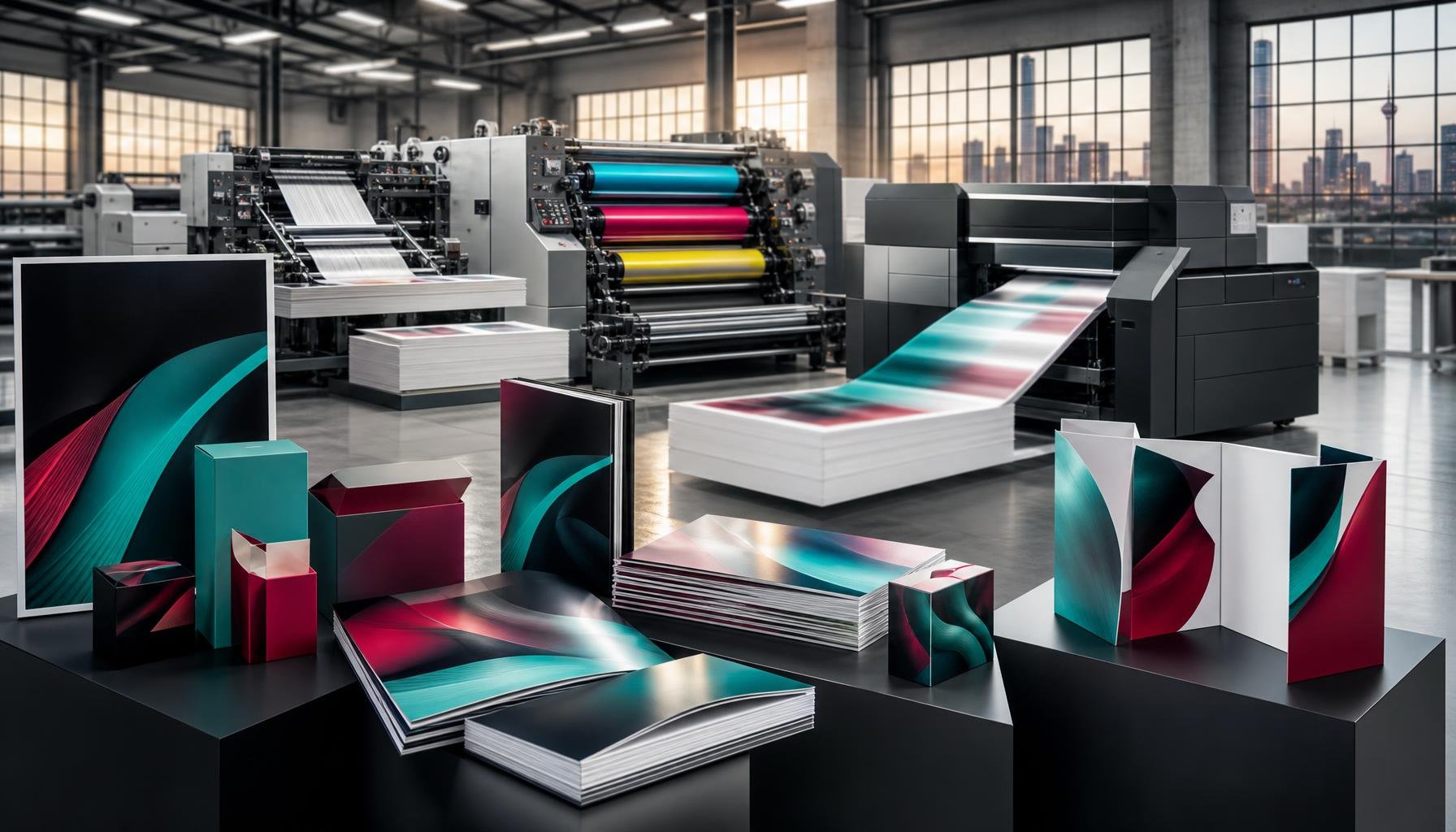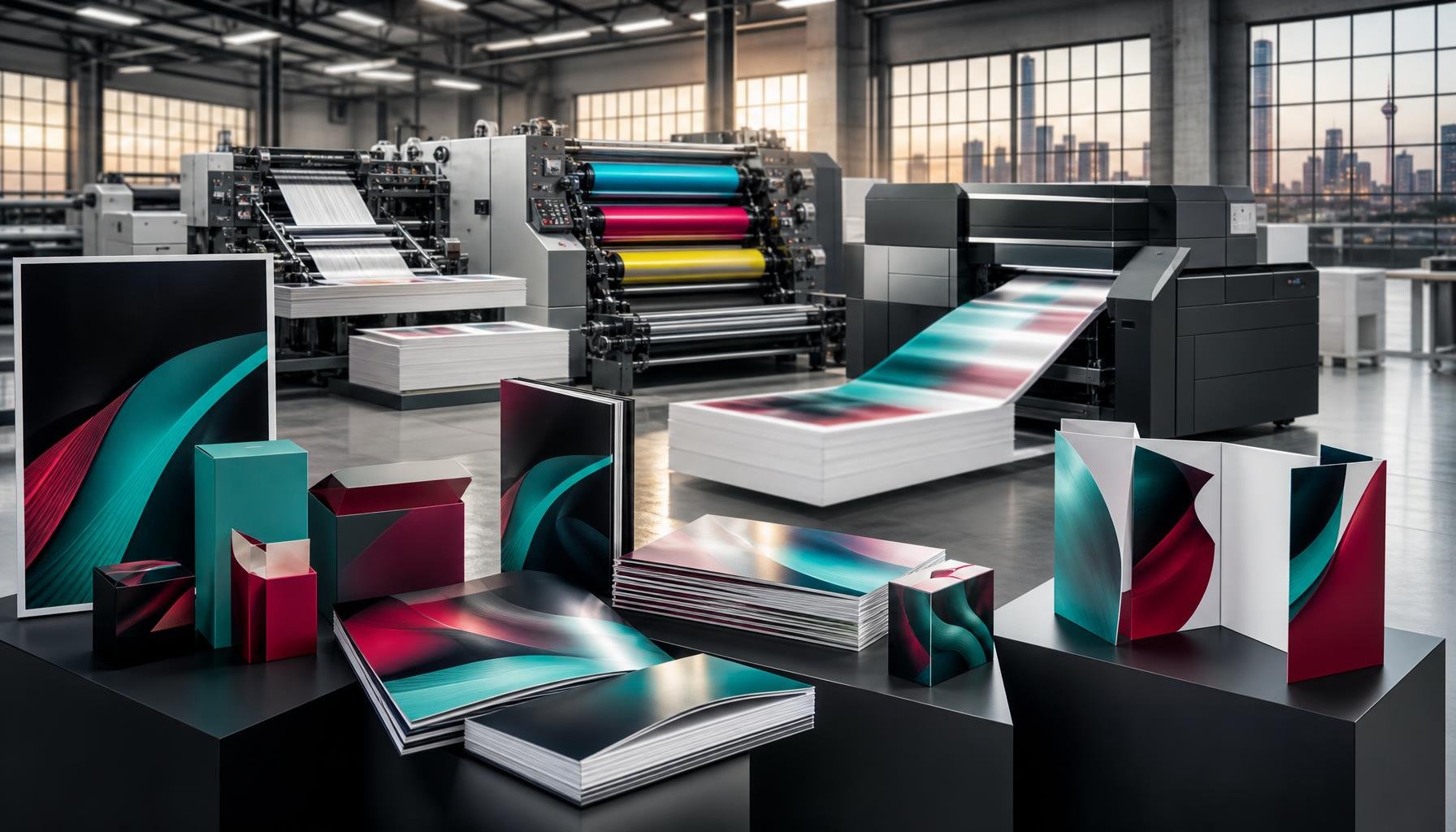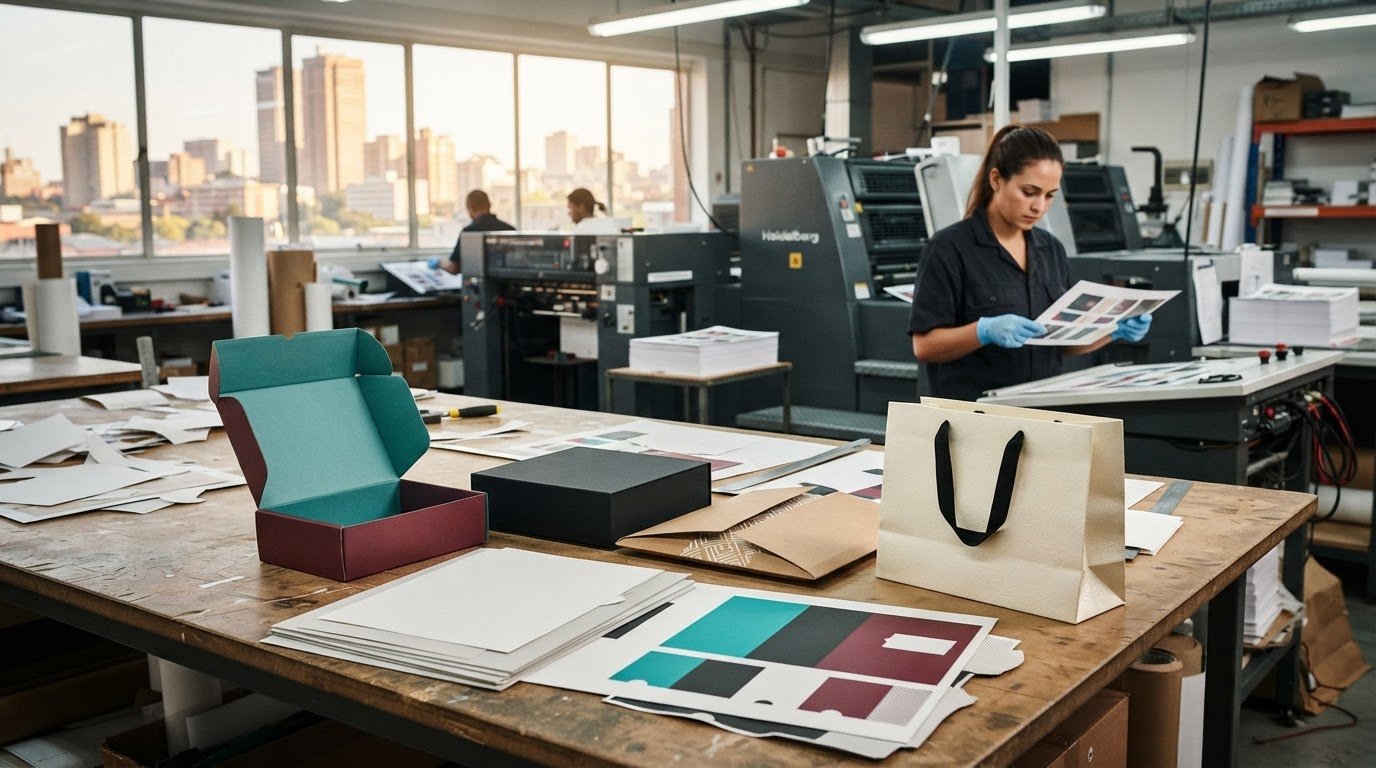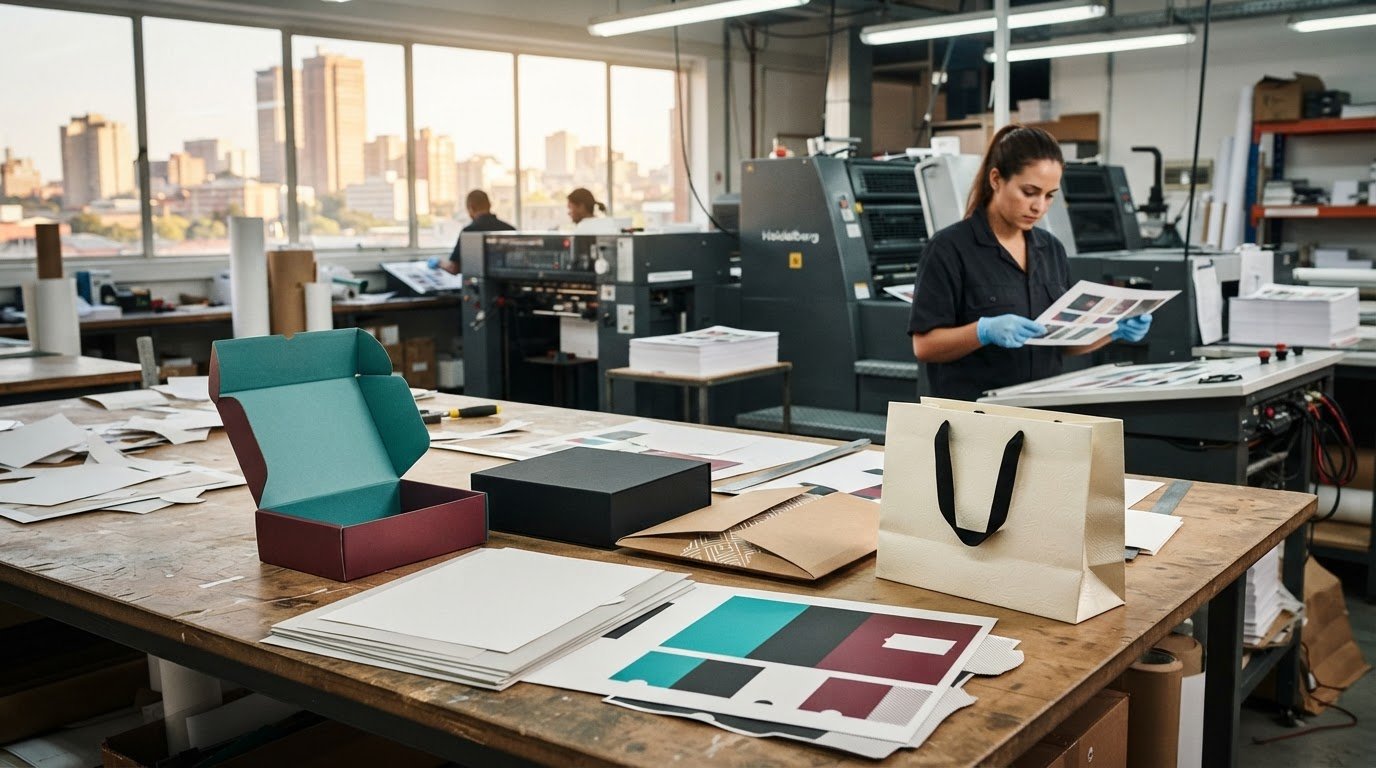
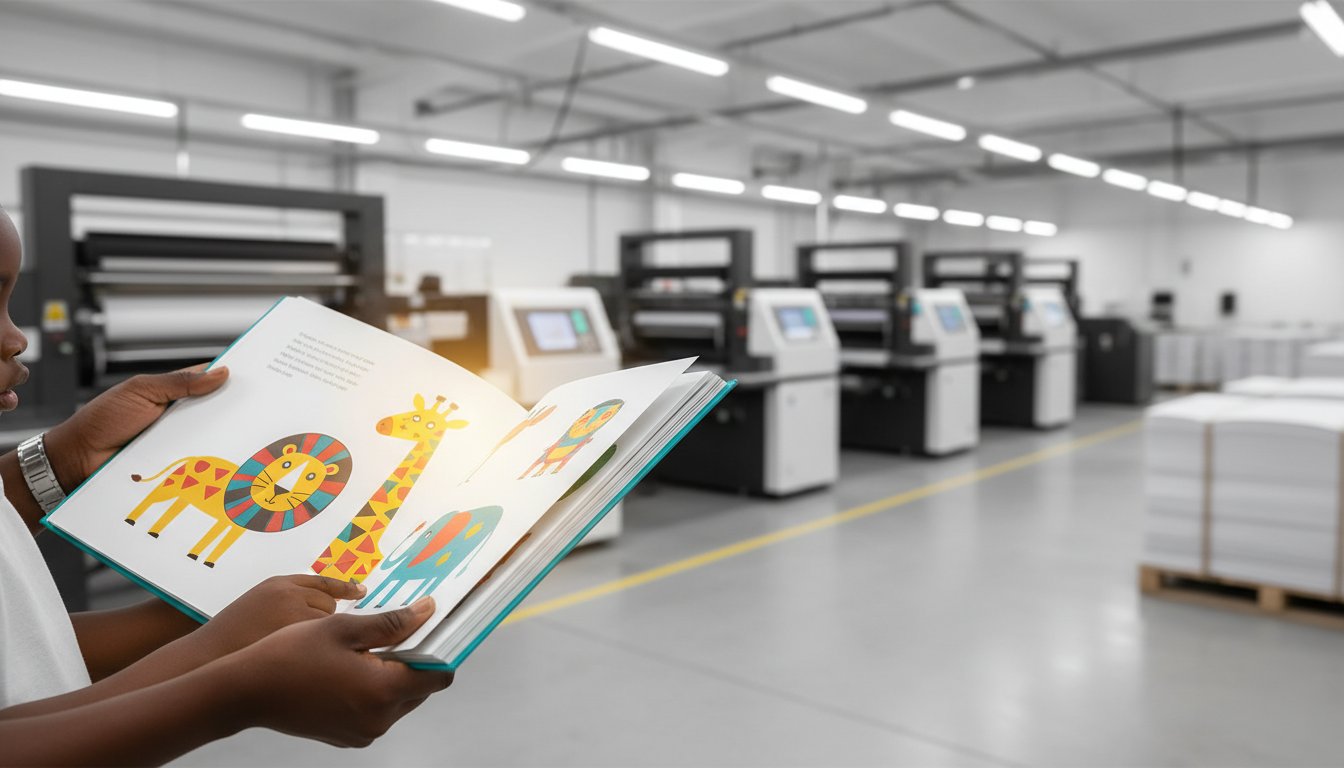
Transforming a manuscript into a treasured children’s book is a journey of passion. For South African authors, illustrators, and self-publishers, finding the right local printing partner is the most critical step. Professional children’s book printing in South Africa is more than just ink on paper; it’s a careful balance of tactile durability, safety-first engineering, and strategic local distribution. This guide provides the clarity you need to produce a world-class book that can compete on any local shelf.
Table of Contents
The Essentials of Children’s Book Printing in South Africa
While digital screens are everywhere, physical books remain the cornerstone of early childhood development in South Africa. The sensory experience of turning a page is irreplaceable. Choosing a local printing partner gives you unparalleled control over the final product, allowing for in-person colour proofing and quality checks that ensure your vision comes to life exactly as you imagined. Children’s book production is a specialised field, demanding different materials and techniques than standard printing. At Print It ZA, we guide authors through this unique process, from creative development at our Midrand facility to final delivery across the nation. (offset printing)
Why Quality Print Matters for Young Readers
-
Tactile Engagement: The weight and texture of the paper are part of the story. A sturdy, pleasant-to-touch page enhances a child’s engagement and makes reading a multi-sensory experience.
-
Visual Impact: Children’s illustrations thrive on vibrant colours. Using high-pigment, non-toxic inks is non-negotiable to make your artwork pop and capture a young reader’s imagination.
-
Longevity: Kids’ books are read, re-read, and often handled roughly. We focus on creating ‘heirloom’ quality books with durable binding and resilient pages that can survive countless story times.
The South African Self-Publishing Landscape in 2026
-
Local Niche Opportunities: The demand for local stories that reflect South Africa’s diverse culture is growing. Authors have a unique opportunity to fill gaps in the market with authentic, relatable content.
-
The Rise of Multilingual Books: There is a significant trend towards printing children’s books in isiZulu, Afrikaans, Xhosa, and other official languages, fostering inclusivity and early language development.
-
Supporting the Local Economy: Printing locally reduces your carbon footprint by eliminating international shipping and supports job creation within the Gauteng economy, strengthening our creative industries.
Choosing the Right Format: Hardcover vs. Softcover for Kids
The format you choose has a huge impact on your book’s durability, perceived value, and target audience. Whether you’re creating a premium gift book or an affordable educational workbook, we have the right solution.
Hardcover Children’s Books: Durability and Prestige
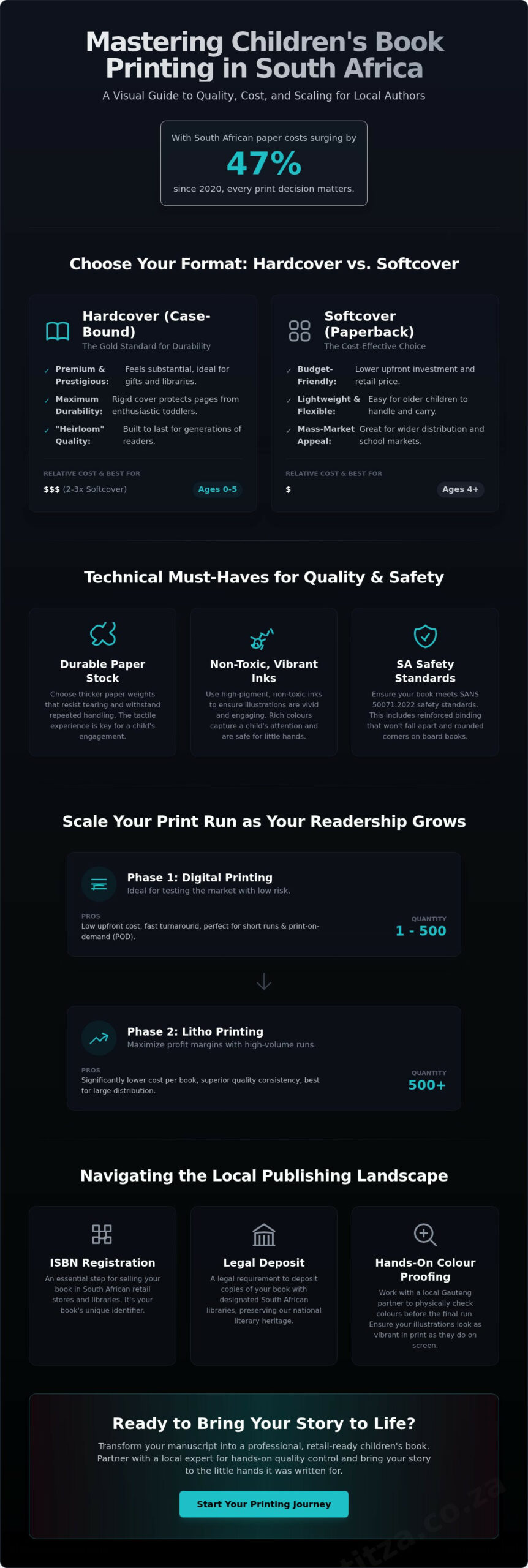
Hardcover (or case-bound) books are the gold standard for quality and resilience. The rigid cover protects the inner pages and illustrations from wear and tear, making them perfect for library collections, keepsakes, and the gift market. Their sturdy construction ensures they can be passed down through generations. (International Publishers Association)
-
Ideal for: Classic picture books, bedtime stories, and premium first editions.
-
Custom Finishes: Elevate your book’s appeal with special finishes like spot UV to highlight specific illustrations, embossing for a tactile effect, or a choice between protective matte and gloss lamination.
Softcover and Booklet Options for High Volume
Softcover (paperback) books offer a cost-effective and lightweight alternative, making them ideal for high-volume projects like school workbooks, activity books, and mass-market distribution. For thinner books, saddle-stitching (stapling along the spine) is a popular choice, while perfect binding provides a clean, flat spine for thicker volumes.
-
Preferred for: School workbooks, colouring books, and promotional storybooks.
-
Pro Tip: We use strong, flexible glues in our perfect binding process to ensure spines can withstand repeated bending without cracking, a common issue with lower-quality production.
Technical Specs: Paper Stock, Inks, and Safety Standards
The technical details are what separate an amateur-looking book from a professional, retail-ready product. Paying attention to paper, ink, and safety features ensures your book is not only beautiful but also safe for the youngest of readers.
The Best Paper Stocks for Children’s Illustrations
Choosing the right paper is crucial for both durability and visual appeal. For interior pages, a paper weight (grammage) between 130gsm and 170gsm is the sweet spot—thick enough to prevent tearing and stop images from showing through. For a deeper dive into your options, explore our complete guide to book printing paper types. (Publishers Association of South Africa)
-
Coated Stocks (Gloss/Matte): These papers have a coating that limits ink absorption, making colours appear more vibrant and saturated. They are the top choice for bright, bold illustration styles.
-
Uncoated Stocks: This paper has a more natural, textured feel. It’s perfect for books with a classic, vintage, or indie aesthetic and is excellent for colouring books as it absorbs ink well.
Toddler-Proofing Your Print Project
Safety is paramount when creating products for children. We define ‘safety-compliant printing’ for the South African market as a process that uses non-toxic materials and durable construction to create a book that is safe for unsupervised handling by young children.
-
Wipe-Clean Pages: Lamination not only protects pages from spills and sticky fingers but also reinforces them against tearing.
-
Reinforced Binding: We ensure the book’s binding is strong enough to endure being opened flat hundreds of times without pages coming loose.
-
Rounded Corners: To prevent accidental pokes and paper cuts, we offer die-cutting services to create smooth, rounded corners, a crucial safety feature for books aimed at toddlers.
From Digital POD to High-Volume Litho: Scaling Your Success
Your printing method should align with your budget, goals, and distribution strategy. We offer both short-run digital and high-volume litho printing to support authors at every stage of their publishing journey.
Print on Demand (POD) for New Authors
Digital printing, often used for Print on Demand (POD), is the perfect entry point for new authors. It allows you to print small batches (even a single copy) without a large upfront investment. This is ideal for testing the market, creating high-quality proofs, or printing personalised stories. It’s also the go-to method for authors looking to turn their AI-generated children’s books into physical copies.
Bulk Litho Printing for Commercial Distribution
When you’re ready to scale, lithographic (litho) printing is the most cost-effective solution for large orders (typically 500-1,000+ copies). The initial setup cost is higher, but the price per book drops significantly as the quantity increases, maximising your profit margins for retail distribution. To understand which method suits your project best, our Litho vs. Digital Printing Guide offers a detailed comparison.
Self-Publishing and Distribution: Bringing Your Story to SA Shelves
Printing is just one part of the puzzle. Getting your book into the hands of readers requires careful planning around logistics and distribution. As a creative partner, not just a service provider, Print It ZA helps you navigate this final, crucial stage.
Navigating the South African Book Market
To be taken seriously by retailers, your book must look professional. This includes a properly designed spine with the title and author’s name, as well as a registered ISBN and barcode for inventory management. We assist with ISBN registration and ensure your book meets the legal deposit requirements for the South African National Library. For authors targeting major retailers, leveraging high-volume printing is key to meeting stock demands and achieving a competitive price point.
Logistics and Distribution from Midrand
Our 24/7 operational printing facility in Midrand, Gauteng, is the hub for our nationwide logistics network. We don’t just print your books; manage, and ship them for you. Whether you need a few boxes sent to an independent bookstore in Cape Town or pallets delivered to a distribution centre in Durban, our team handles the logistics so you can focus on writing your next story.
Ready to bring your children’s book to life? Request a custom quote for your children’s book project today and let’s start your publishing journey together.
Frequently Asked Questions (FAQs)
-
What is the best paper for children’s book printing?
For interior pages, we recommend a 130gsm to 170gsm coated paper (either gloss or matte) to ensure vibrant colours and prevent tearing. For covers, a thicker board (250gsm+) with lamination is ideal for durability. -
How much does it cost to print a children’s book in South Africa?
The cost varies based on format (hardcover/softcover), page count, size, quantity, and finishes. Digital printing is cost-effective for small runs (under 500), while litho printing offers a lower per-unit cost for larger quantities. Requesting a custom quote is the best way to get an accurate price. -
Can I print just 10 or 20 copies of my kids’ book?
Absolutely. Our digital printing services are perfect for short runs, allowing you to print as few copies as you need without a large financial commitment. -
What is the difference between digital and litho printing for kids’ books?
Digital printing is best for short runs, offering speed and affordability for small quantities. Litho printing uses plates and is more efficient for large volumes (500+), resulting in a lower cost per book and exceptional colour consistency. -
Do you provide ISBN registration for self-published authors?
Yes, we can guide you through the process of registering for an ISBN (International Standard Book Number) in South Africa, which is essential for selling your book in stores and libraries. -
How long does the children’s book printing process take?
Turnaround time depends on the project’s complexity and quantity. A short digital run might take a few days, while a large, complex litho project with custom finishes could take a week or two. Our 24/7 print operations help expedite every order. -
What safety features can I add to my book for toddlers?
We highly recommend rounded corners to prevent paper cuts, durable lamination to make pages wipe-clean and tear-resistant, and using non-toxic, eco-friendly inks. -
Do you offer distribution services for printed books in Gauteng?
Yes. From our central facility in Midrand, we offer comprehensive kitting, and distribution services throughout Gauteng and nationwide, ensuring your books reach their destination safely and on time.
Contact Print It ZA today, for a Free Quote and Speedy Service.
Print It ZA print and packaging, we deliver Printing Best!