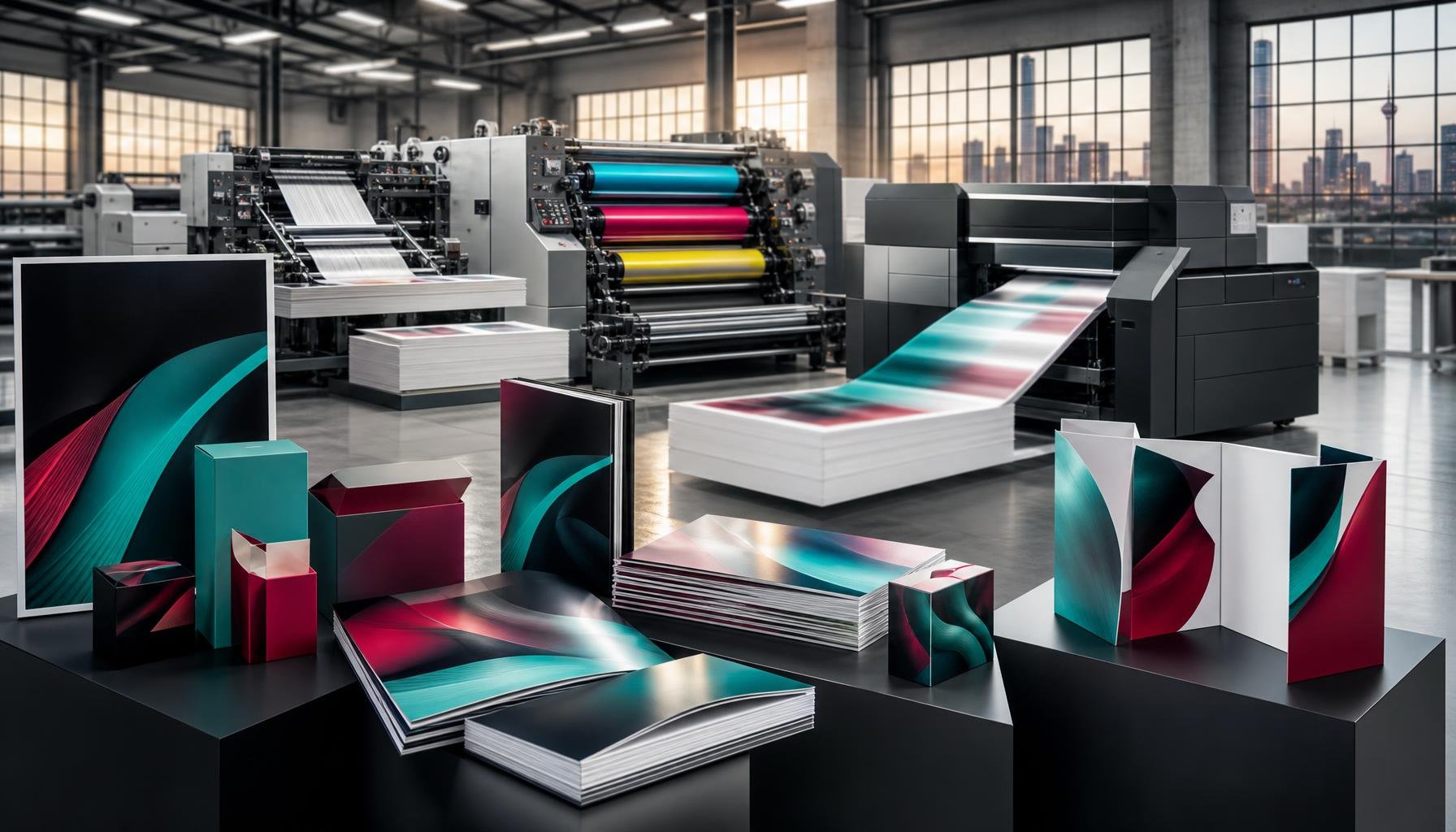

Last Tuesday, a marketing manager in Sandton discovered that choosing the wrong press for a 5,000-unit brochure run would cost their department an extra R4,200 in unnecessary expenses. It’s a frustratingly common trap for Johannesburg businesses facing tight event deadlines. You likely feel the constant pressure to balance “plate costs” against the need for vibrant, brand-accurate colors. We agree that deciding between litho vs digital printing shouldn’t feel like a high-stakes guessing game every time you need corporate reports or marketing flyers.
You deserve total clarity on where your budget goes. This 2026 guide promises to strip away the technical jargon and show you exactly how to achieve lower unit costs for high-volume books and lightning-fast turnarounds for last-minute promotions. We’ll compare the heavy-duty precision of offset plates against the agile speed of modern digital toners. You’ll finish this read knowing precisely which method protects your brand’s integrity and your bottom line for your next local print project.
Key Takeaways
- Learn the technical differences between traditional plate-based litho and modern digital methods to ensure your project gets the premium finish it deserves.
- Discover how to save your hard-earned Rands by identifying the exact volume “tipping point” where bulk printing becomes more affordable than short-run digital.
- Master the litho vs digital printing debate to maintain flawless Pantone brand consistency and vibrant color quality across all your corporate stationery.
- Beat those tight Johannesburg deadlines by choosing the fastest production method for last-minute event materials heading to Sandton or Midrand.
- Use our simple decision framework to select the most efficient and cost-effective printing solution tailored specifically to your project’s unique needs.
Understanding the Mechanics: What is Litho vs Digital Printing?
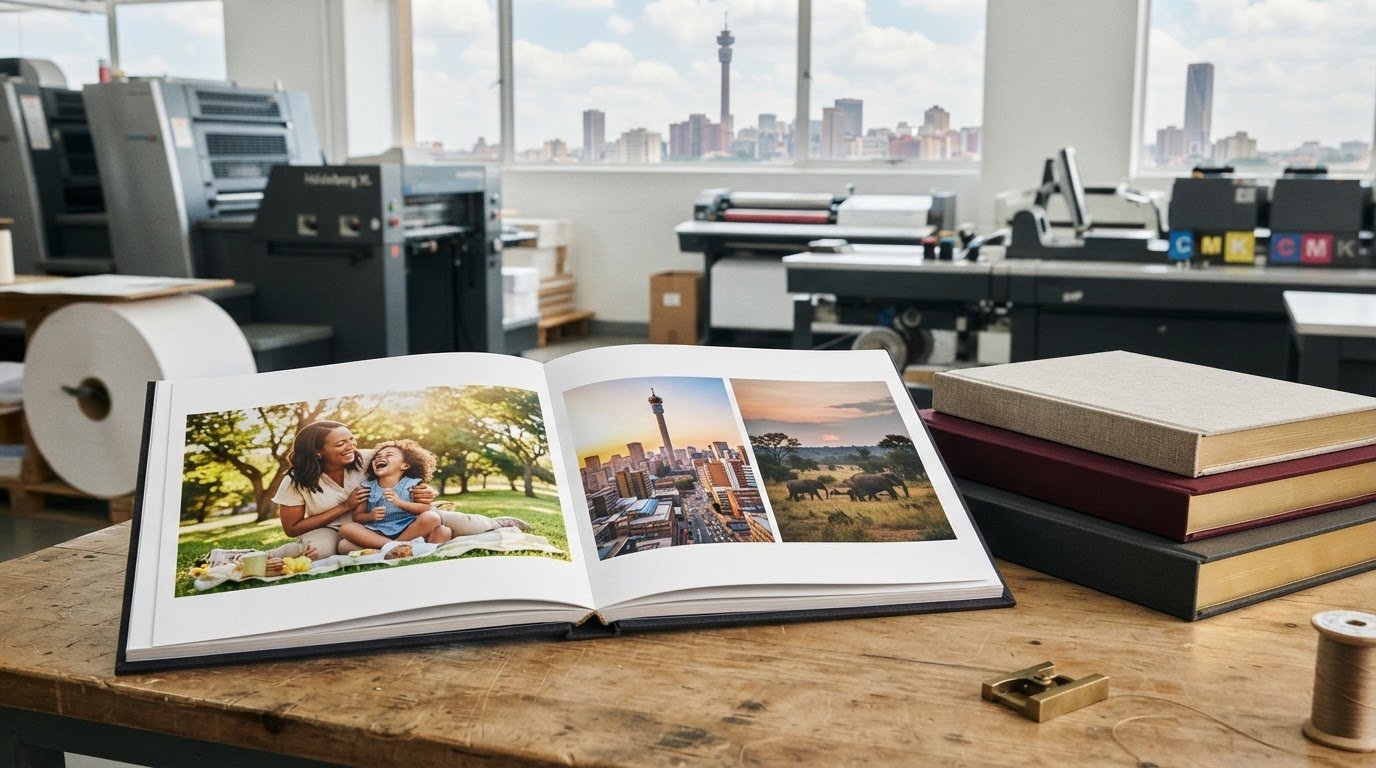
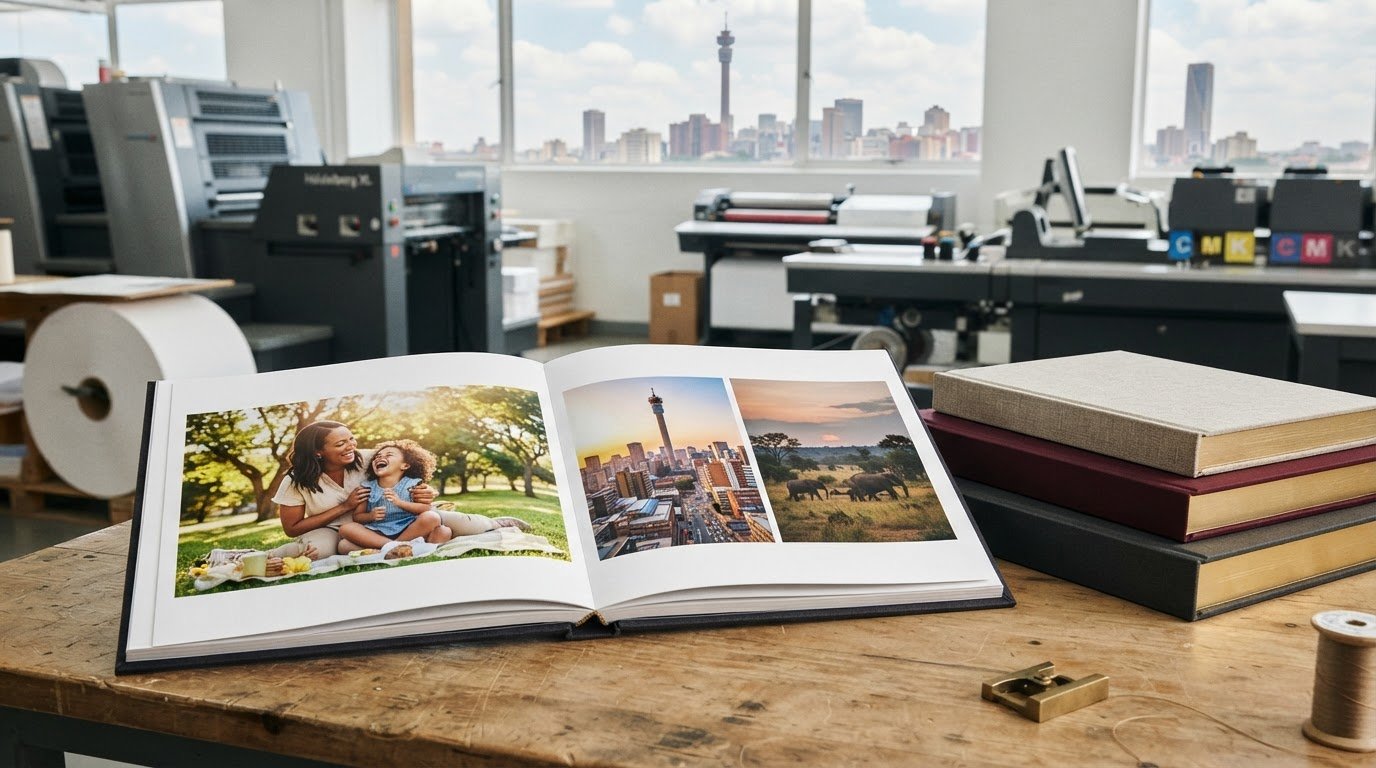
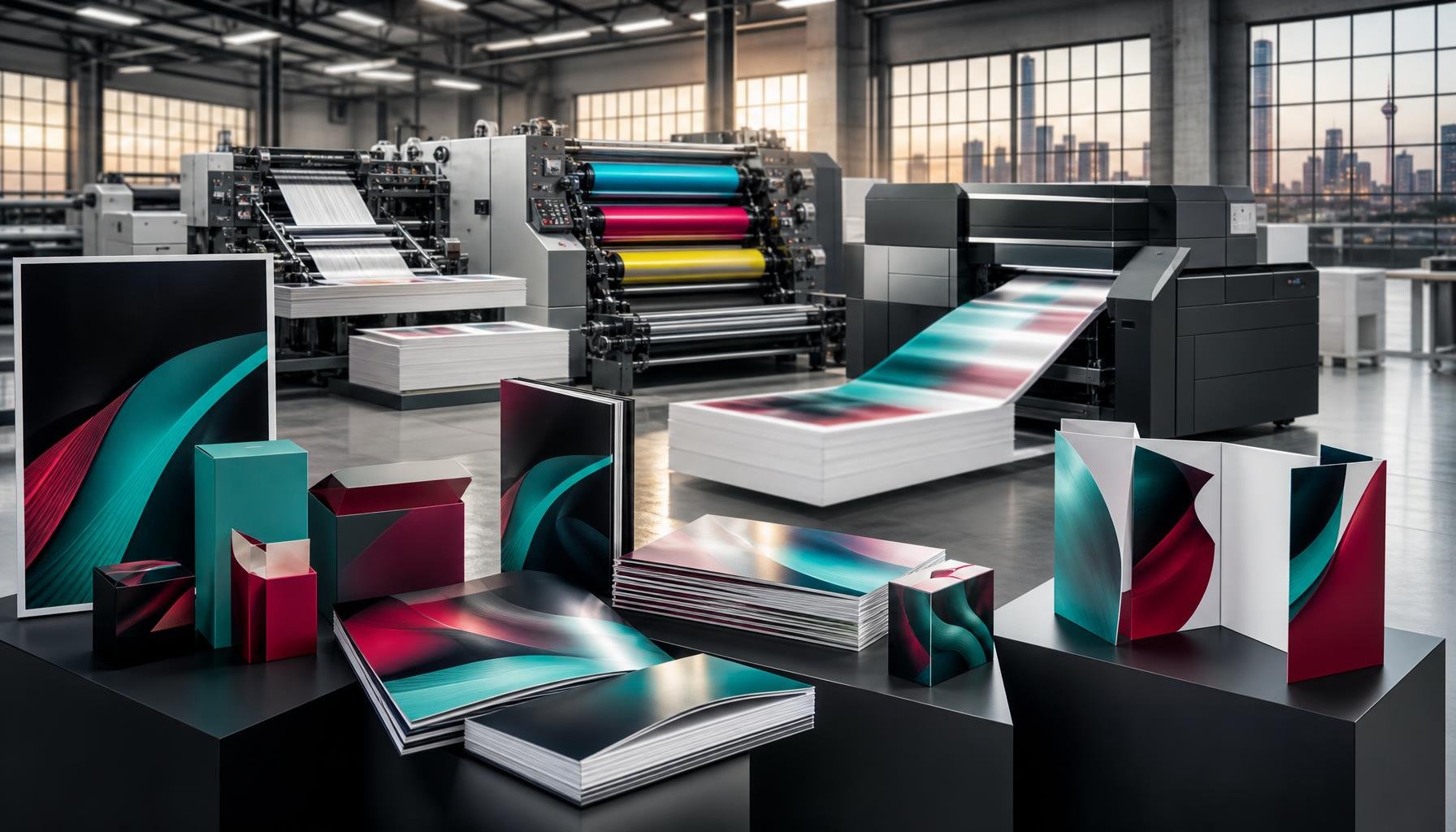
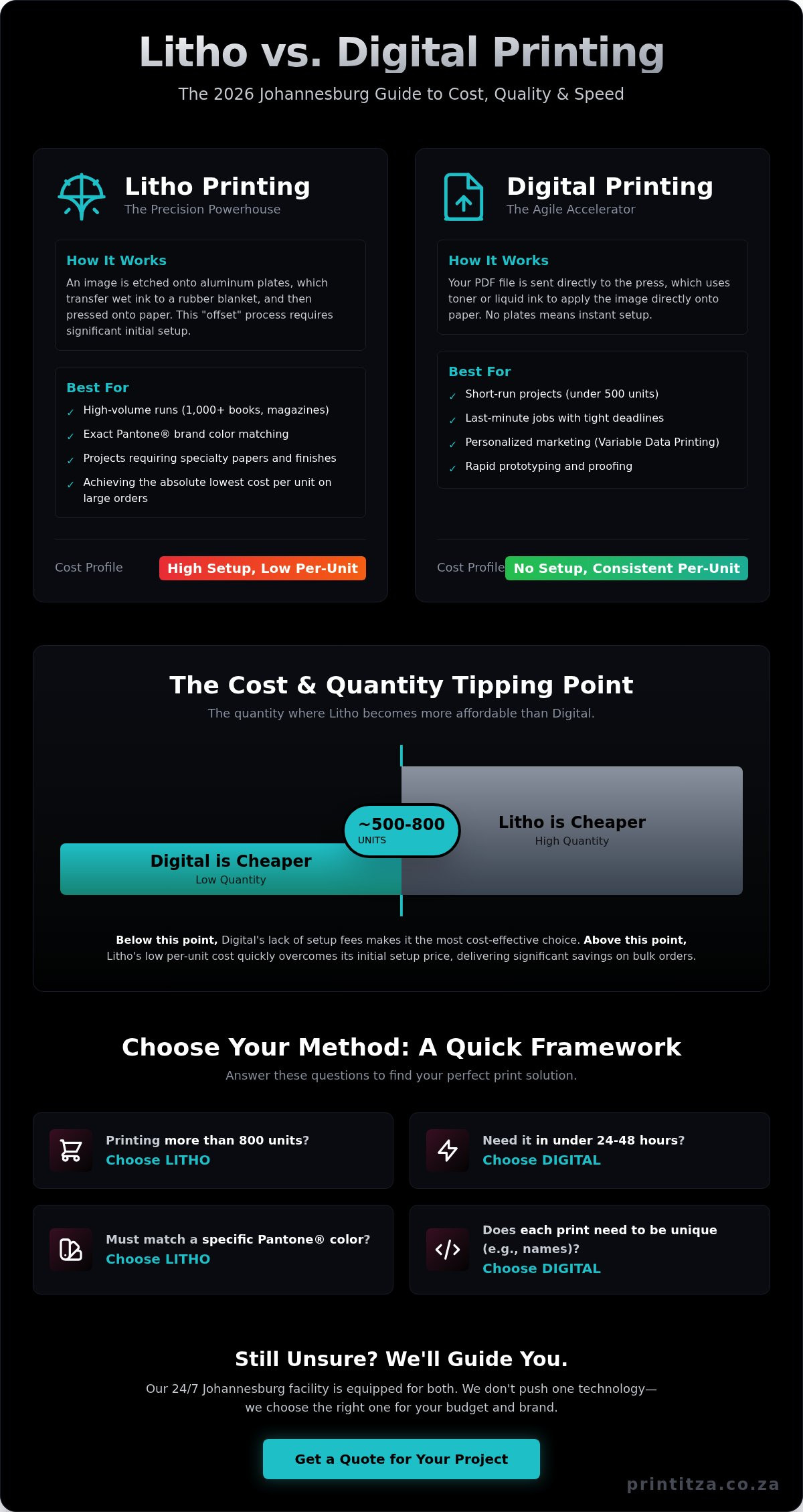
Choosing the right method for your Joburg business isn’t just a technicality; it’s a strategic decision. The debate of litho vs digital printing usually boils down to volume, turnaround time, and the physical way ink meets paper. At Print It ZA, our 24/7 Johannesburg facility houses both heavy-duty litho presses and lightning-fast digital machines. This means we don’t push you toward one tech just because it’s all we have. We choose the one that fits your budget and your brand’s aesthetic perfectly. The primary difference lies in the “wet vs dry” application. Litho uses wet ink that soaks into the paper fibers, while digital uses toner or specialized inkjets that often sit on top of the surface.
The Litho Process: Plates, Rollers, and Precision
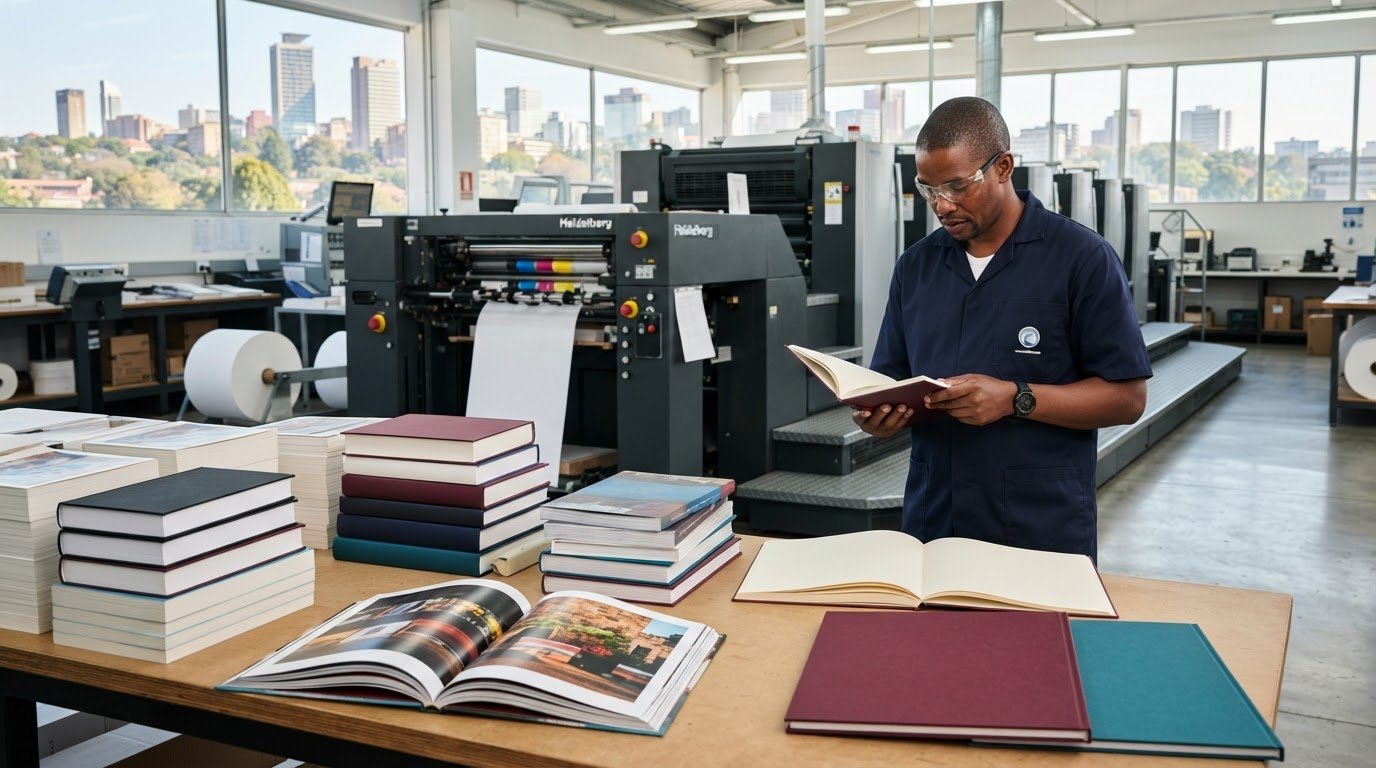
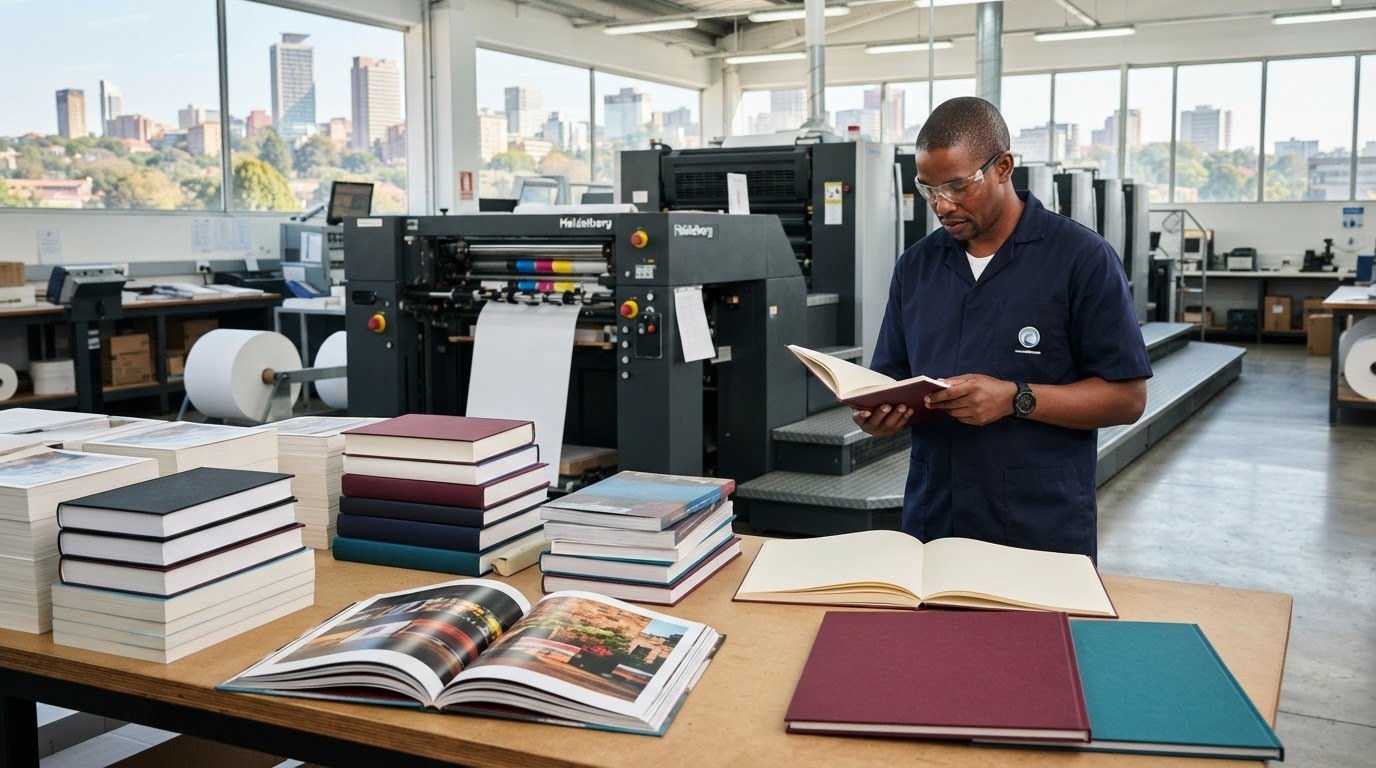
The litho process relies on plates, rollers, and mechanical precision. We etch your design onto aluminum plates that then transfer ink to a rubber blanket. This blanket presses the image onto the paper. It’s a sophisticated dance of chemistry and physics. The “make-ready” phase is the most critical part of this journey. Our technicians spend time aligning the plates and balancing the ink flow to ensure every page looks identical. This setup takes longer than digital, but it’s the most economical choice for high-volume runs like 2,000 magazines or 10,000 corporate brochures. If you need consistent branding across a massive shipment, litho remains the heavy-hitter for Johannesburg’s largest corporate sectors.
- Best for: High-volume books, retail magazines, and long-run brochures.
- Mechanism: Image-etched plates and rubber blankets.
- Finish: Smooth, traditional feel with deep ink saturation.
The Digital Process: Direct-to-Paper Efficiency
Digital printing offers direct-to-paper efficiency that litho cannot match for small batches. We send your PDF files directly to the press. There are no plates to create and no blankets to wash between jobs. Modern 2026 digital presses use liquid ink or dry toner to create sharp, vibrant results in minutes. This makes digital the king of “Print on Demand” for South African self-publishers and boutique agencies. If you only need 50 copies of a high-end pitch deck or 100 bespoke wedding invitations, digital is the way to go. It eliminates the setup fees often associated with plate-based printing, giving you professional quality without the bulk order requirement. This flexibility allows for variable data printing, where every single page can have a different name or QR code without stopping the press.
- Best for: Short-run books, personalized marketing, and rapid prototypes.
- Mechanism: Direct PDF-to-press via toner or inkjet.
- Finish: Crisp, vibrant, and instantly dry for faster finishing.
At Print It ZA, we bridge the gap between these two worlds. Whether you’re a startup needing 20 business cards or a publisher needing 5,000 books, our 24/7 operation ensures your project moves through the right machine at the right time. We handle the technical side so you can focus on your creative vision.
The Cost-Quantity Equation: Finding the Tipping Point
Deciding between litho vs digital printing usually comes down to your project’s volume and your budget’s flexibility. Litho printing requires a significant upfront investment because of the physical plates and machine setup involved. You’re paying for the technical preparation before the first sheet of paper even feeds through the press. Digital printing bypasses these setup fees entirely, making it the go-to for immediate, smaller tasks. In the first quarter of 2026, local Johannesburg market data suggests that 65% of small businesses now prefer digital for its lack of “entry cost.”
The “Tipping Point” is the specific quantity where the high setup cost of litho is finally offset by its incredibly low price per individual page. For most Gauteng commercial projects, this crossover happens between 500 and 800 units. If you’re printing 200 brochures, digital is cheaper. If you’re hitting 1,500, litho is the clear winner. Understanding Offset printing vs. digital printing allows you to allocate your Rands where they’ll have the most impact. Your choice of paper stock also plays a role. In South Africa, specialty 350gsm boards or textured linens can be more cost-effective on litho presses during long runs, whereas digital machines often prefer standard 120gsm to 300gsm stocks for optimal speed.
Why High Volumes Demand Litho
When you need scale, litho is unbeatable. The economies of scale mean that once those plates are spinning, the cost of ink and electricity per piece is minimal. This is why professional high volume book printing services almost exclusively use litho for runs exceeding 1,000 copies. For long-run catalogues and technical manuals, the high ink volume required would make digital printing prohibitively expensive. Litho ensures that unit 5,000 costs exactly the same as unit 500, keeping your total project budget predictable and lean.
The Short-Run Freedom of Digital
Digital printing offers a level of agility that traditional methods can’t match. You don’t have to worry about the “inventory trap,” which is the common mistake of printing 5,000 flyers just to get a better price, only to have 4,000 of them sit in a dusty storeroom. Digital lets you print 50 or 500 units today and update the artwork tomorrow. It’s the most efficient way to handle business cards in Johannesburg, especially for startups that need professional results without a massive ZAR commitment. If you’re unsure which path fits your current batch, you can always chat with our team for a quick comparison.
Quality, Color, and Consistency in 2026
By 2026, the old argument that digital looks “cheap” has been thoroughly debunked. High-end inkjet and toner presses now rival offset for almost every standard commercial job. However, the choice between litho vs digital printing still hinges on your specific brand requirements and the scale of your project. While digital is perfect for 500 flyers, litho remains the heavy hitter for projects where perfection isn’t just a goal; it’s a requirement. This Offset vs. Digital Printing: A Detailed Comparison highlights how the mechanical process of litho ensures a level of ink saturation that digital sometimes struggles to match on porous surfaces.
Color gamut refers to the entire range of colors a specific device or process can produce, serving as the creative boundary for Johannesburg designers aiming for maximum visual impact. When you’re printing 50,000 brochures, you need the last one to look exactly like the first. Litho is the gold standard for this level of consistency because the ink flow is mechanically controlled and monitored throughout the entire run.
Spot Colors and Brand Accuracy
For Johannesburg’s corporate giants, brand colors are non-negotiable. Litho printing uses the Pantone Matching System (PMS) to mix actual liquid ink before it ever touches the paper. This ensures your logo looks identical on a business card and a billboard. Modern digital presses in 2026 have improved significantly, using expanded ink sets like CMYK plus Orange, Green, or Violet to simulate up to 95% of Pantone colors. If you’re working with custom packaging manufacturers Johannesburg, you should still insist on litho for high-volume luxury boxes. It’s the only way to guarantee 100% color accuracy across 10,000 units without the slight shifts that can occur in digital environments.
Substrates and Texture
Texture adds a tactile dimension that digital often can’t handle. Choosing between litho vs digital printing for textured work often comes down to how the ink interacts with the paper fibers. Litho presses use flexible rubber blankets to transfer ink, which allows them to push color into the valleys of heavily textured or “hammered” paper stocks.
Digital printing relies on heat and static electricity to fuse toner to the surface. This makes it less effective for heat-sensitive materials or very thick boards exceeding 400gsm. If you’re producing a premium coffee table book or a high-end annual report for a Sandton firm, litho provides that “expensive” feel. It handles specialty stocks with a grace that digital simply can’t replicate, ensuring your brand feels as good as it looks.
Speed, Turnaround, and the Power of Personalization
Johannesburg business moves at a breakneck pace. Whether you’re prepping for a sudden trade show at the Sandton Convention Centre or launching a flash sale in Rosebank, your timeline often dictates your technology. The primary difference in litho vs digital printing speed lies in the setup. Litho requires the physical creation of aluminum plates and a complex ink-balancing process. This setup can add 24 to 48 hours to your production schedule before a single sheet is even printed.
Digital printing skips these steps entirely. It functions much like your office printer but on a massive, industrial scale. There are no plates to burn and no ink fountains to wash. This allows for immediate production. Another critical factor is drying time. Litho uses liquid inks that need time to set; trying to cut or fold wet sheets leads to smudging and ruined stock. Digital toners and UV inks are dry the instant they leave the press, meaning your job moves straight to the finishing department for binding or distribution.
Same-Day and Next-Day Turnarounds
For urgent projects, digital is the undisputed champion. By eliminating the plate-making phase, we get your flyers on the street in record time. This agility is essential for time-sensitive local printing services Johannesburg businesses rely on during peak seasons. We operate with a 24/7 mindset for our Gauteng corporate clients, ensuring that even a midnight crisis becomes a morning delivery. If you need 500 brochures by tomorrow morning, digital is your only reliable path.
Personalization: Talking to Your Customer by Name
Variable Data Printing (VDP) is the secret weapon of the digital world. It allows us to change names, addresses, unique discount codes, or even entire images on every single page without stopping the press. Choosing between litho vs digital printing often comes down to this specific requirement. Litho cannot compete here; every print from a plate is an identical twin of the one before it.
In the South African market, personalized direct mail sees a significantly higher engagement rate. Industry data suggests that personalized campaigns can increase response rates by up to 135% compared to generic mailers. Whether it’s a bespoke invitation for a luxury event in Hyde Park or a targeted catalog for your VIP customers, digital printing makes every recipient feel like the only person in the room. Our Gauteng logistics team then takes over, ensuring these high-value, personalized assets reach their destination across the province with speed and precision.
Ready to see how fast your next project can come to life? Get a custom quote from Print It ZA today and let our Gauteng team handle the rest.
Choosing Your Method: A Decision Framework for Your Next Project
Selecting the right production path doesn’t have to be a guessing game. You can make an informed choice by following a simple four step framework tailored to the fast paced Johannesburg market. This ensures your budget stays intact while your quality remains high.
- Step 1: Determine your total quantity. We generally use the 500 unit rule of thumb. If you need fewer than 500 copies of a brochure or flyer, digital is almost always the winner. Once you cross the 500 to 1,000 unit threshold, the setup costs of litho printing become an investment that pays off through a lower price per piece.
- Step 2: Check your deadline. Do you need 200 reports at the Sandton Convention Centre by tomorrow morning? Digital is your only option. Litho requires time for plate making and ink drying; usually a 3 to 5 day turnaround in the Gauteng region.
- Step 3: Assess your color needs. A generic promotional flyer looks great in digital CMYK. However, if you’re producing a high end brand manual that requires a specific Pantone spot color to match your corporate identity exactly, litho provides that precision.
- Step 4: Consider the material. Digital presses are versatile but have limits on thickness. If you’re looking for heavy textured cards or specialty substrates used by large format printers South Africa, you’ll need to verify compatibility. Litho handles a wider range of heavy stocks and unique finishes.
Product-Specific Recommendations
For books and novels, 85% of our self publishing clients start with digital for initial proofs and small “author house” runs. We only recommend switching to litho when your order exceeds 1,000 copies to maximize your profit margins. Retail packaging is different; litho remains the gold standard for shelf ready boxes because it handles the friction of shipping better. Training manuals, however, thrive on digital flexibility. Since content often changes quarterly, printing small batches digitally prevents you from ending up with stacks of obsolete paper.
Partnering with Print It ZA
Our in house design team acts as your creative consultant to help you choose the right tech before you even hit “print.” We understand that the litho vs digital printing debate depends entirely on your specific goals. That’s why we offer hybrid quotes for our Gauteng projects. You can see the exact price difference between a digital run and a litho run for your specific quantity, allowing you to make a data driven decision for your business.
We pride ourselves on being your local printing partner that values your time and your vision. Whether you’re a startup in Maboneng or a corporate firm in Randburg, we provide the technical expertise to make your project shine. To ensure you’re working with a reliable partner from the start, it helps to understand what separates a professional print shop in Johannesburg from the rest before you commit to a production run. Don’t leave your brand to chance. Get your bespoke quote today and let’s bring your next project to life with precision and speed.
Future-Proof Your Johannesburg Print Strategy
Navigating the litho vs digital printing landscape in 2026 requires a balance of volume and speed. For large runs exceeding 1,000 units, litho remains the gold standard for cost efficiency and long-term value. If your Johannesburg business needs rapid turnarounds or personalized marketing, modern digital technology now delivers vibrant, premium results that rival traditional methods. You don’t have to choose between quality and pace when you have the right partner by your side.
We’ve built a 24/7 operational facility in Johannesburg to ensure your deadlines are met every single time. Our in-house design and prototyping team works directly with you to refine your vision before the presses even start. Because we manage nationwide and international delivery, your brand reaches its audience wherever they are. We’re dedicated to making high-end printing accessible and stress-free for every local creator and business owner.
Let’s get your brand noticed with bespoke quality that speaks for itself. Request a custom Litho or Digital quote from Print It ZA today!
Frequently Asked Questions
Is litho printing better than digital for high-quality photos?
Litho printing still holds the crown for the most vibrant, high-fidelity photo reproduction on a wide variety of paper stocks. It uses actual liquid ink that soaks into the paper fibers, creating a smooth finish that digital toners sometimes struggle to match. While modern digital presses have closed the gap, litho remains the gold standard for premium coffee table books and high-end marketing brochures.
How many copies do I need to make litho printing worth the cost?
You typically need to order at least 500 to 1,000 units to see the cost benefits of litho over digital. Because litho requires custom plates and a mechanical setup, the initial cost is higher. However, your price per unit drops sharply as your volume increases. For short runs under 500 copies, digital printing is almost always the more affordable choice for your budget.
Can I use digital printing for my corporate annual reports in Johannesburg?
Yes, digital printing is a fantastic option for corporate annual reports, especially when you need a fast turnaround for tight deadlines. It delivers crisp text and professional color quality that meets the high standards of Johannesburg’s financial and legal sectors. If you have a limited distribution list of 200 or 300 stakeholders, digital is the most efficient way to get your reports ready.
What is the turnaround time for litho printing vs digital at Print It ZA?
Digital printing usually takes 24 to 48 hours, whereas litho printing requires 5 to 7 working days for completion. This difference exists because litho involves a technical setup process, including plate making and ink drying time. We know your time is valuable, so we always recommend the best method to balance your quality needs with your specific deadline requirements.
Does digital printing fade faster than litho ink?
Modern digital toners are incredibly durable, but litho inks generally provide superior UV resistance for long-term outdoor exposure. For most business documents like flyers or business cards kept indoors, you won’t notice a difference in fading over several years. If your project needs to withstand the harsh South African sun, we might suggest a protective laminate or specific litho inks for better longevity.
Can I print on recycled paper using both litho and digital methods?
You can use recycled paper for both litho and digital printing, provided the stock is certified for the specific equipment. We offer several eco-friendly options, including 100 percent post-consumer waste paper that produces beautiful results. Some textured recycled papers perform better on a litho press, so it’s always best to chat with us about your paper choice before we start your project.
What happens if I need to make a change to my artwork mid-run?
Changing artwork mid-run is simple with digital printing but very costly when using litho. In a digital setup, we just update the file and keep going. With litho, we have to stop the press, burn brand new plates, and restart the entire calibration process. This flexibility is why many clients choose digital when they think their content might need last-minute adjustments.
Do you offer nationwide delivery from your Johannesburg facility?
We provide fast nationwide delivery to all nine provinces from our central Johannesburg hub. Whether your business is in Cape Town, Durban, or Polokwane, we’ll get your finished project to your door safely. We work with reliable logistics partners to maintain a 98 percent on-time delivery rate, ensuring your litho vs digital printing order arrives exactly when you expect it.