
Choosing to print your book overseas to save money is often the most expensive mistake a South African author can make. You’ve put in the hard work to finish your manuscript, but now you’re facing the confusing reality of technical specs and high import duties. Understanding how to get a book printed in South Africa shouldn’t feel like a barrier to your success. Whether you’re an independent novelist or a business creating training manuals, you deserve a local partner who understands the nuances of the South African market.
It’s completely normal to feel a bit lost when choosing between PUR binding and perfect binding, or wondering how to handle local ISBN requirements. This guide provides a clear, step-by-step roadmap to help you navigate the local printing landscape with confidence. We’ll show you how to achieve a bookstore-quality product with fast turnaround times and professional guidance. You’ll learn about cost-effective paper choices, the latest binding techniques, and the essential steps for nationwide distribution so your book lands in the hands of readers exactly as you imagined it.
Key Takeaways
- Learn why local production beats international platforms by avoiding high import duties and leveraging current exchange rates.
- Master the technical requirements for a print-ready manuscript, including essential bleed and gutter settings for a professional finish.
- Understand how to get a book printed in South Africa by choosing the right technology, from digital short runs to high-volume lithographic printing.
- Compare binding options like PUR and case binding to ensure your book has the durability and aesthetic of a global bestseller.
- Benefit from local logistics and streamlined production cycles to meet tight deadlines and achieve nationwide distribution from a central Gauteng hub.
Table of Contents
-
Digital vs. Lithographic Printing: Which Suits Your Project Volume?
-
Technical Prep: Preparing Your Manuscript for South African Printers
-
Partnering with Print It ZA print and packaging for Nationwide Distribution and Scale
Understanding the Book Printing Market in South Africa
South Africa’s printing landscape is a powerhouse of technology and efficiency. For years, authors and businesses looked toward international platforms, but the tides have turned. Today, the local industry is more robust than ever. It’s driven by a commitment to high standards and a tech-savvy approach that makes professional results accessible to everyone. Whether you are an independent novelist or a corporate procurement manager, knowing how to get a book printed in South Africa starts with understanding this modern, fast-paced market.
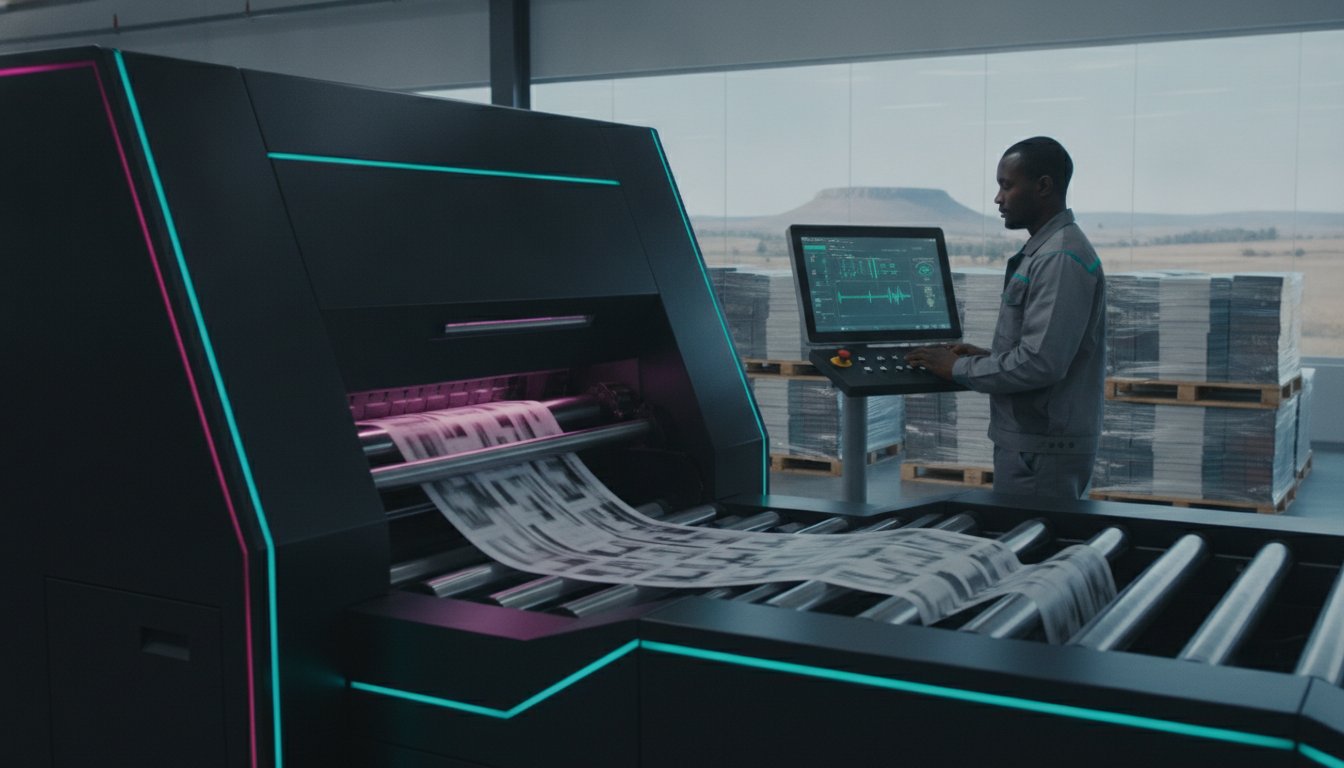
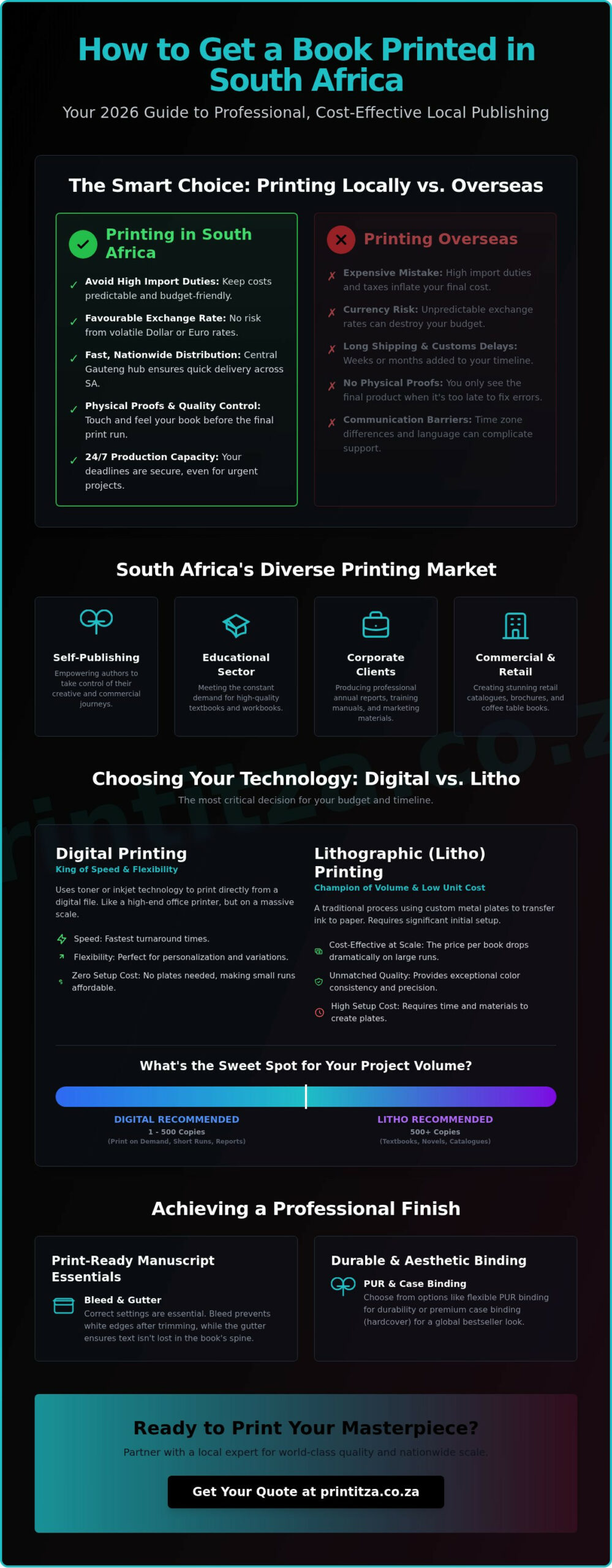
The current market caters to four distinct pillars. Self-publishing is booming as more authors take control of their creative journeys. The educational sector remains a massive driver, with a constant demand for high-quality textbooks and workbooks. Corporate clients rely on us for annual reports and training manuals, while the commercial sector focuses on retail catalogues and coffee table books. South Africa’s publishing industry has evolved to support these diverse needs with world-class equipment and expertise. This growth is supported by the 24/7 printing operational capacity at Print It ZA print and packaging. When your printer never sleeps, your deadlines stay secure. This around-the-clock production is essential for meeting the tight turnaround times that modern business demands.
Why Local Printing Beats Global Platforms for SA Authors
The financial logic is simple. The exchange rate makes printing in Dollars or Euros a risky gamble for your budget. By staying local, you avoid the sting of high shipping costs and unpredictable import duties. Beyond the savings, there is the advantage of speed. A facility based in Midrand can distribute books across Gauteng and the rest of the country in a fraction of the time it takes for an international shipment to clear customs. You also get the benefit of physical proofs. You can touch the paper, check the colour saturation, and feel the binding before the full run begins. This level of quality control is impossible when your printer is thousands of kilometres away.
The Rise of Print on Demand (POD) in South Africa
One of the most exciting shifts is the perfection of digital technology. Our print on demand South African services allow you to print as few as one copy or as many as a hundred without the massive upfront costs of traditional methods. This eliminates the need for expensive storage space and reduces paper waste. It’s the perfect solution for niche titles, personalized children’s books, or pilot runs of new manuals. You can test the market, gather feedback, and then scale up your production as demand grows. It’s a pragmatic, solution-oriented approach that puts the power back in your hands.
Digital vs. Lithographic Printing: Which Suits Your Project Volume?
Choosing the right printing technology is the most critical decision you’ll make for your budget. It’s the difference between a cost-effective success and an over-budget struggle. When you look at how to get a book printed in South Africa, you’ll encounter two main paths: digital and lithographic. Digital printing works much like a high-end office printer but on a massive scale, using toner or inkjet technology to transfer images directly from a computer file to paper. Lithographic printing, or "litho," is a more traditional process that involves creating metal plates for every page. This mechanical difference dictates everything from your initial setup costs to the final price per book.
Setup costs are the primary divider here. Digital printing has virtually zero setup requirements, making it perfect for small batches. Litho, however, requires significant time and materials to produce plates and calibrate the press. This means your first book off a litho press is incredibly expensive, but every book after that becomes cheaper. According to standards upheld by the Publishers Association of South Africa, the "sweet spot" where litho becomes more affordable than digital usually falls between 500 and 2,000 copies. If you’re printing 200 novels, stay digital. If you’re printing 5,000 textbooks for a school district, litho is your best friend.
When to Choose Digital Printing
Digital is the king of speed and flexibility. It’s the ideal choice for short runs of 1 to 500 copies. Because there are no plates to swap out, we can offer much faster turnaround times for time-sensitive projects like annual reports or instruction booklets. It also allows for personalized content, which is a game-changer for niche titles or limited edition releases. Many authors use digital printing to test the market with a small batch before committing to a massive run. If you’re just starting out, you can request a custom quote to see how digital fits your specific needs.
The Power of High-Volume Lithographic Printing
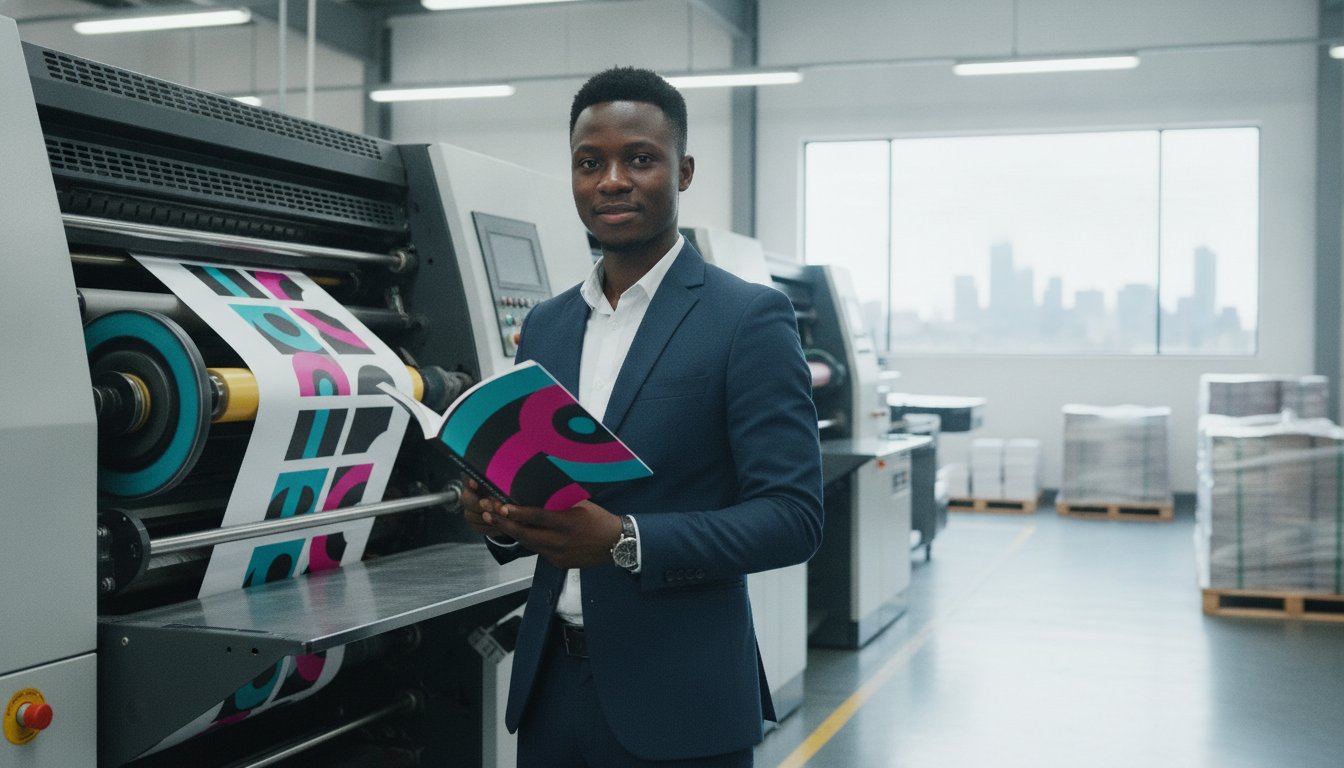
For large-scale projects, litho remains the gold standard. It offers unmatched colour consistency over thousands of pages, ensuring that the first book looks identical to the ten-thousandth. This method is the preferred choice for novels, retail catalogues, and high-end hardcover book printing. While the initial setup takes longer, the per-unit cost drops significantly as your volume increases. Litho also handles a wider variety of paper stocks and finishes, giving your project a premium feel that is hard to replicate on smaller digital presses.
Technical Prep: Preparing Your Manuscript for South African Printers
Once you’ve decided on your printing method, the next step is ensuring your files are technically sound. Understanding how to get a book printed in South Africa means mastering the technical hand-off. A manuscript that looks perfect on your screen can encounter issues on a high-speed press if it isn’t "print-ready." To avoid delays and extra costs, follow these five essential steps to prepare your manuscript for a professional result.
-
Set Correct Margins and Gutters: Your "gutter" is the inner margin where the pages are bound. For thicker books using PUR or case binding, you need a wider gutter so text doesn’t disappear into the spine.
-
Apply a 3mm Bleed: Any images or colours that go to the edge of the page must extend 3mm beyond the trim line. This prevents white slivers from appearing if the paper shifts slightly during cutting.
-
Check Image Resolution: For children’s books, photobooks, or catalogues, every image must be at least 300 DPI. Lower resolutions will result in blurry or pixelated prints.
-
Convert to CMYK: Digital screens use RGB, but presses use CMYK. Convert your files early to ensure your colours stay vibrant and accurate.
-
Embed or Outline Fonts: To prevent "missing font" errors, always embed your fonts in the final PDF or convert them to outlines. This ensures your typography looks exactly as you intended.
Securing Your South African ISBN and Barcode
Applying for an ISBN through the National Library of South Africa (NLSA) is a straightforward process. You’ll need a separate ISBN for every format, so a paperback and a hardcover version of the same novel require different numbers. Once you have your number, you must convert it into a scannable barcode for the back cover if you plan to sell in retail stores. Don’t forget the legal deposit requirement. For print runs under 100 copies, you must send one copy to the NLSA. For larger runs, five copies are required for various legal deposit libraries across the country.
Designing for the Spine and Cover
Calculating your spine width isn’t guesswork; it depends on your page count and the grammage (gsm) of the paper you choose. A 100-page book on 80gsm bond will have a much thinner spine than the same book on 115gsm coated art paper. When designing the cover, consider whether you need standard CMYK or specific Spot colours for brand-critical corporate books. If the technical side feels overwhelming, our professional printing services can assist with a final file check to ensure your project is perfect before the presses start rolling.
Choosing Your Binding and Finishes for a Professional Look
The tactile quality of your book is what turns a casual browser into a dedicated reader. When you explore how to get a book printed in South Africa, you’ll quickly realize that the binding choice defines the book’s lifespan and its perceived value on a retail shelf. A novel needs flexibility, while a heavy textbook requires a spine that won’t crack under pressure. Selecting the right combination of paper and binding is where your project truly comes to life.
We offer several binding paths to suit different needs. Perfect binding is the industry standard for paperbacks, using a strong adhesive to attach the cover to the pages. For books that will see heavy use, PUR binding is the superior choice. It uses a specialized Polyurethane Reactive glue that is incredibly durable and resistant to temperature changes. If you’re producing a thin brochure or a community newsletter, saddle-stitching is a cost-effective method that uses staples along the fold. For prestigious projects like coffee table books or yearbooks, case binding provides that classic, high-end hardcover look that lasts for decades.
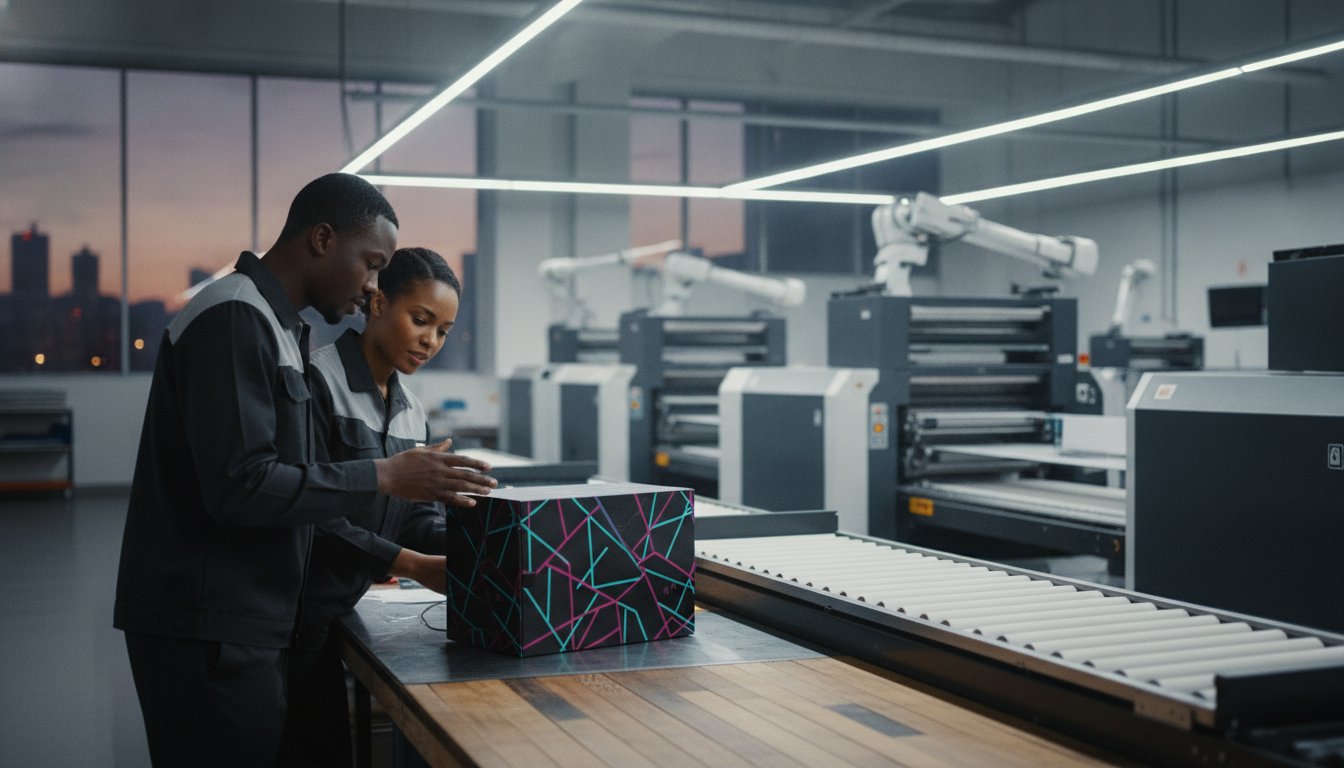
Your choice of paper stock also impacts the reader’s experience. A 135gsm gloss art paper makes colours pop in a photobook, while a matt finish on an 80gsm bond is easier on the eyes for long novels. To truly stand out, consider luxury finishes. Spot UV adds a high-gloss sheen to specific areas of your cover, like a title or logo. Foil stamping and lamination can add a layer of sophistication that signals quality to your audience from the moment they touch the cover.
Softcover vs. Hardcover: Pros and Cons
Softcover books are the most popular choice for authors because they’re lightweight and cost-effective. They’re the go-to format for novels and manuals, allowing for a lower retail price point in South African bookstores. Hardcover books, or case-bound editions, offer a premium feel and exceptional durability. While they cost more to produce, they command a higher price on the shelf and are ideal for journals, religious books, or prestigious corporate gifts.
Specialized Binding for Manuals and Workbooks
For training environments, functionality is everything. Wiro and Spiral binding are the gold standards for these projects because they allow the book to lay completely flat on a desk. This is essential for students and professionals who need to write in their workbooks during a session. Our Midrand-based print facility operates with a 24/7 capacity specifically for printing training manuals and educational materials, ensuring your workshop supplies arrive on time, every time. If you’re ready to see your vision in print, contact our team for a professional consultation today.
Partnering with Print It ZA print and packaging for Nationwide Distribution and Scale
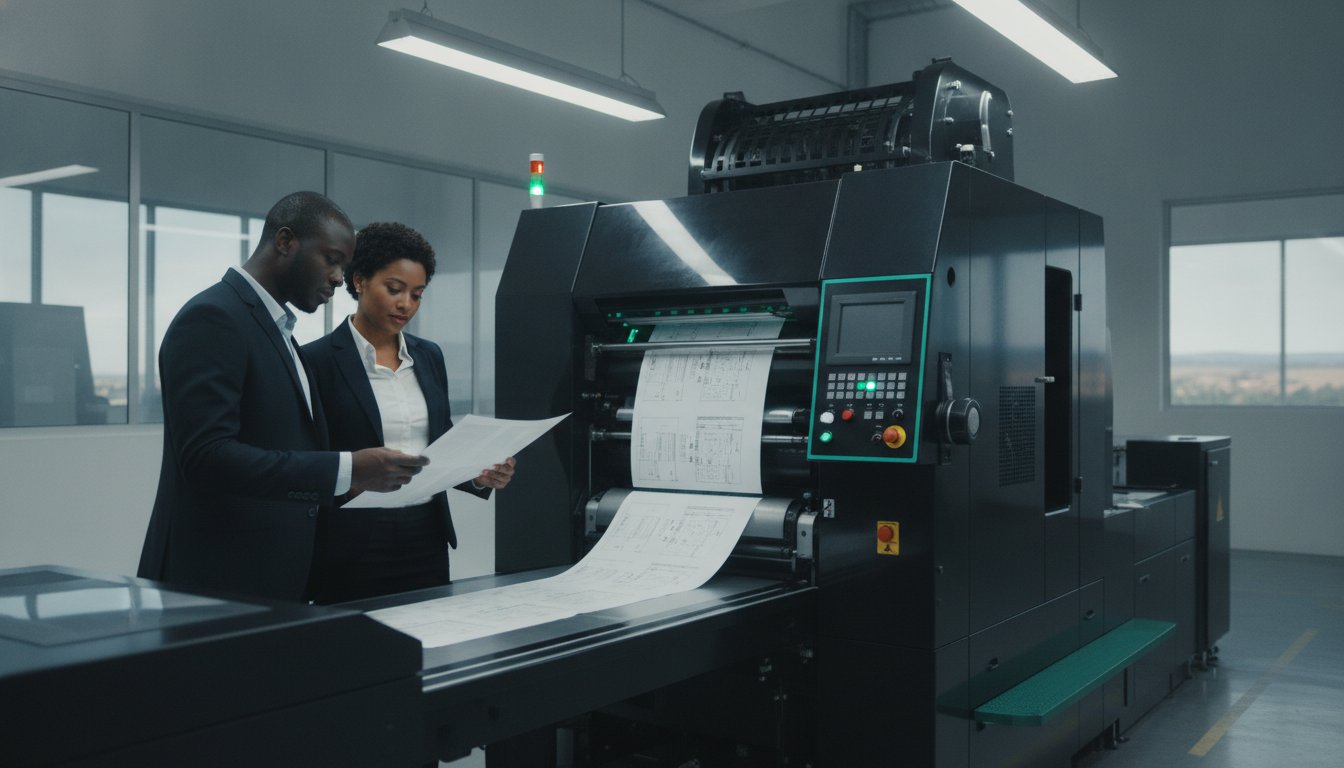
Completing your manuscript and finalizing your design is a massive achievement. Now, you need a partner who can take that digital file and turn it into a physical reality that reaches your audience. Understanding how to get a book printed in South Africa involves more than just ink on paper. It requires a logistics-focused partner who can manage the transition from the press to the bookstore shelf or the corporate office. The facility at Print It ZA print and packaging in Midrand serves as a central hub, perfectly positioned to handle Gauteng’s high demand while managing national distribution with ease.
One of the biggest hurdles in the printing industry is the "waiting game." We solve this by operating on a 24/7 print production cycle. This around-the-clock commitment means that while you’re resting, your project is moving through our litho or digital presses. This constant momentum is why we never miss a deadline. Whether you need a short run of 50 novels or a massive order of 10,000 retail catalogues, our scale ensures that your timeline remains intact. We provide end-to-end support, acting as a creative partner that guides you through the final distribution phase with the same precision used in the initial print.
Logistics and Nationwide Delivery from Midrand
Our location in Midrand is a strategic advantage for authors and businesses alike. Because the print factory operate 24/7, we can facilitate rapid distribution to Johannesburg, Pretoria, and surrounding areas almost instantly after production. For national orders, we use robust packaging solutions designed to protect your books during long-haul transit to Cape Town, Durban, or beyond. We understand that a damaged book is a lost sale. We also provide international export guidance for authors who are ready to take their titles to global markets, ensuring your South African-born project reaches readers worldwide.
Requesting a Custom Quote for Your Project
Getting an accurate quote is the final step in your planning process. To give you the best possible value, we need a few specific details about your vision. When you reach out, please have your desired book size, total page count, preferred paper weight, and binding style ready. If you’re unsure about the technical specs we discussed in earlier sections, don’t worry. We take a consultative approach, especially with first-time self-publishers. We’ll help you weigh the benefits of different finishes and binding types to ensure your final product matches your budget and your brand. It’s time to bring your vision to life with a team that values your work as much as you do. Get a professional book printing quote from Print It ZA print and packaging today and let’s start the journey of seeing your book in print.
Ready to Bring Your Book to Life?
You’ve navigated the technical hurdles of bleed margins and binding types. Now you have the complete roadmap for how to get a book printed in South Africa with absolute confidence. By matching your project volume to the right technology, you ensure both aesthetic excellence and cost-efficiency. Your manuscript deserves a physical form that reflects the hard work you’ve put into every page.
At Print It ZA print and packaging, we’re more than just a service provider; we’re your reliable creative partner. Our production facility is equipped to handle everything from initial design checks to nationwide distribution. We specialize in both litho and digital solutions, providing the end-to-end support you need to make your launch a success. It’s time to take that final step. Start your book printing journey with a custom quote from Print It ZA print and packaging today. We’re excited to help you turn your vision into a professional reality that stands out on any shelf.
Frequently Asked Questions
How much does it cost to print a book in South Africa?
Costs are determined by your specific project specifications like page count, paper choice, and binding style. Because every book is unique, we provide custom quotes rather than fixed price lists. This ensures you only pay for what you need while achieving a professional result that fits your budget and vision.
How do I get an ISBN for my book in South Africa?
You can obtain an ISBN by applying directly to the National Library of South Africa (NLSA). This is a crucial step in understanding how to get a book printed in South Africa for retail sale. Once issued, remember that you’ll also need to fulfill legal deposit requirements by providing copies to the national collection.
What is the minimum number of books I can print?
There is no strict minimum; our digital print-on-demand technology allows you to print a single copy if needed. This flexibility is perfect for authors who want to see a physical proof or test a niche market before a full launch. For larger commercial runs, we scale up to lithographic printing to keep your per-unit costs low.
What is the difference between PUR binding and Perfect binding?
PUR binding uses a specialized Polyurethane Reactive adhesive that is significantly stronger and more flexible than the glue used in standard perfect binding. It’s the best choice for books that need to lay flatter or withstand heavy use without the pages falling out. Perfect binding remains a great, cost-effective choice for standard novels and manuals.
How long does it take to print a book in Johannesburg?
Production times vary, but our 24/7 print facility ensures we move faster than traditional shops. A standard digital run might take five to seven working days, while complex litho projects with specialized finishes might take slightly longer. We always prioritize your launch deadlines to ensure your books are ready for your event.
Can I print a hardcover book as a self-publisher?
Absolutely, self-publishers have full access to our case-bound hardcover options. These are popular for high-end novels, yearbooks, and religious texts. While they require a larger investment than paperbacks, the durability and premium shelf presence they provide are often worth the extra cost for prestigious projects.
Do I need to provide my own design for the book cover?
You can provide your own artwork, or we can assist in ensuring your files are technically sound. We check for essential elements like bleed, gutter margins, and spine width calculation. This collaborative approach ensures your vision translates perfectly from the screen to the finished physical product without any technical glitches.
What file format do South African printers prefer?
We prefer a high-resolution PDF with all fonts embedded and images set to at least 300 DPI. Using a PDF ensures that your layout, typography, and images stay exactly where you placed them. Always remember to convert your colours to the CMYK profile to avoid unexpected shifts during the printing process.
Contact Print It ZA today for a Free Quote and Speedy Service.
Print It ZA print and packaging, we deliver Printing Best!