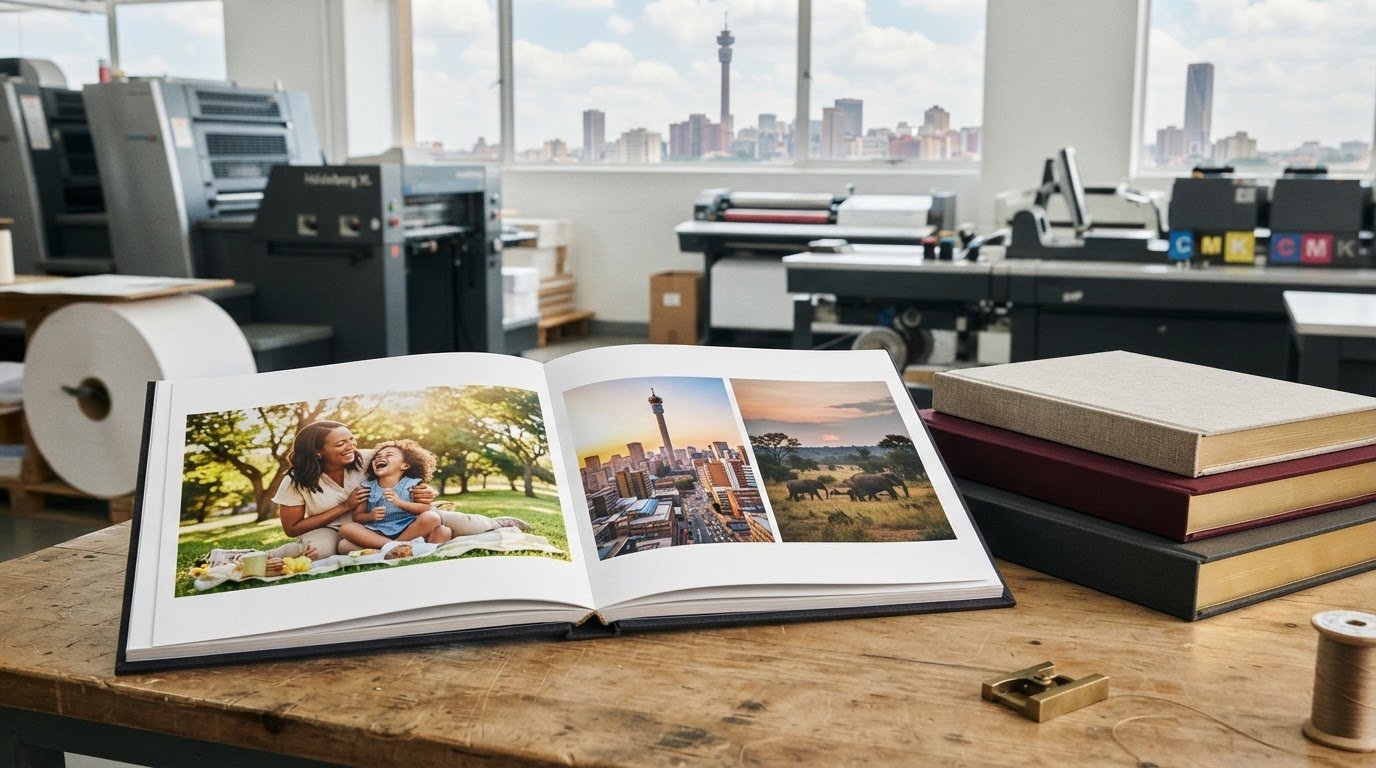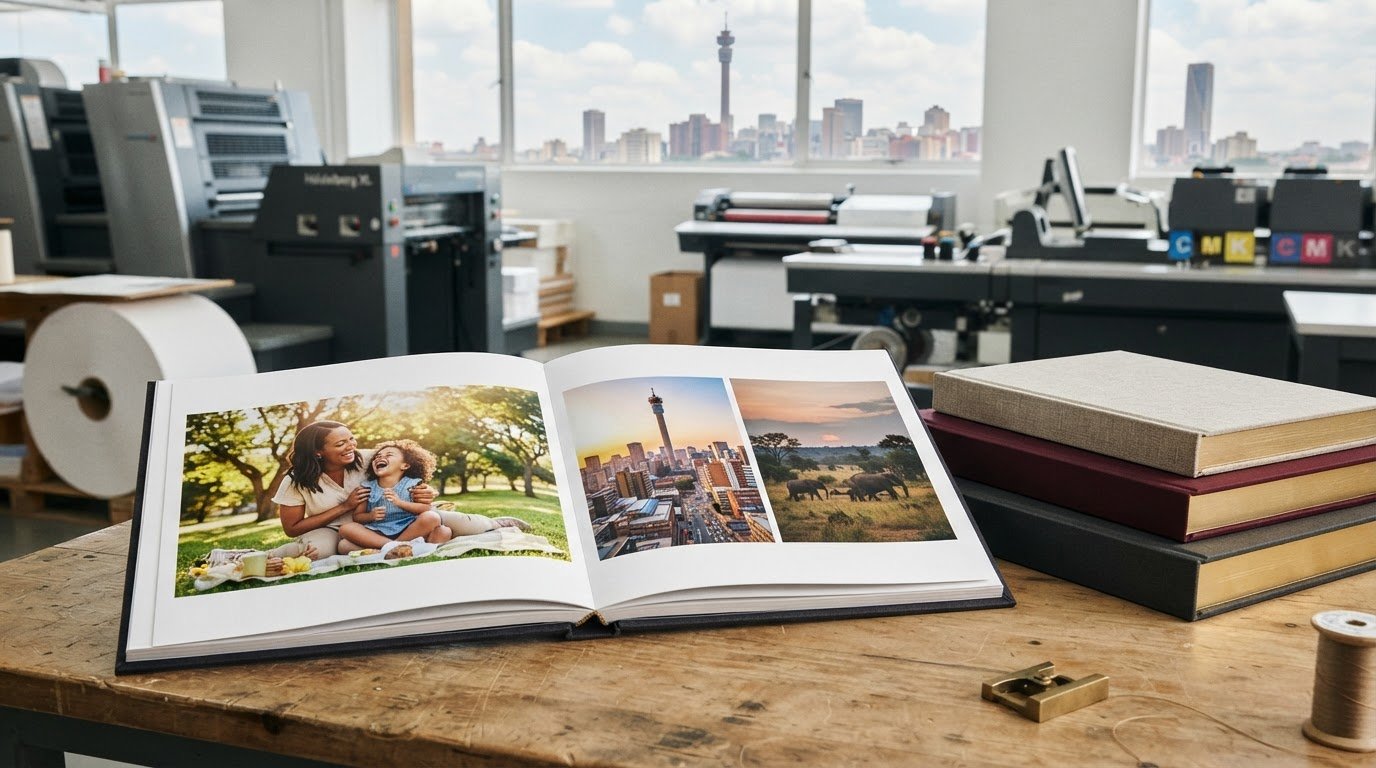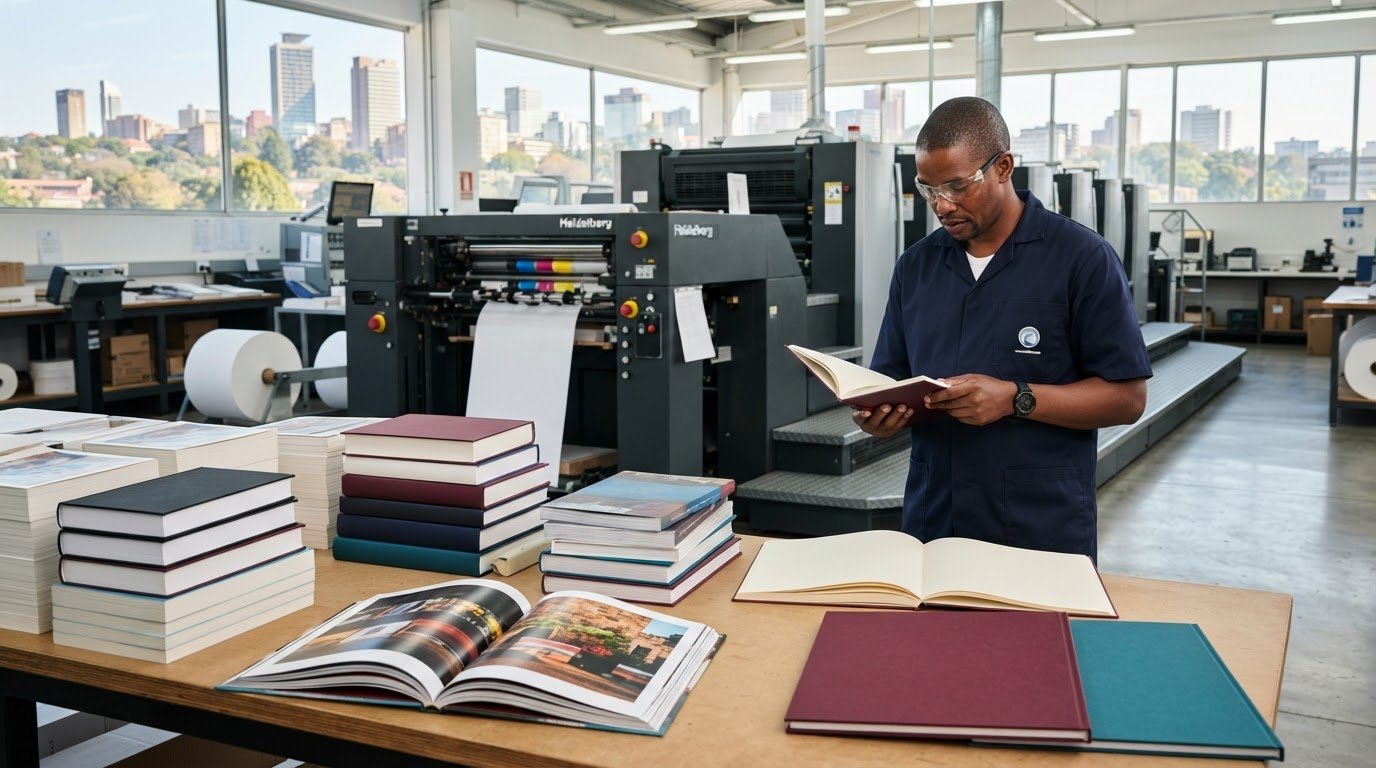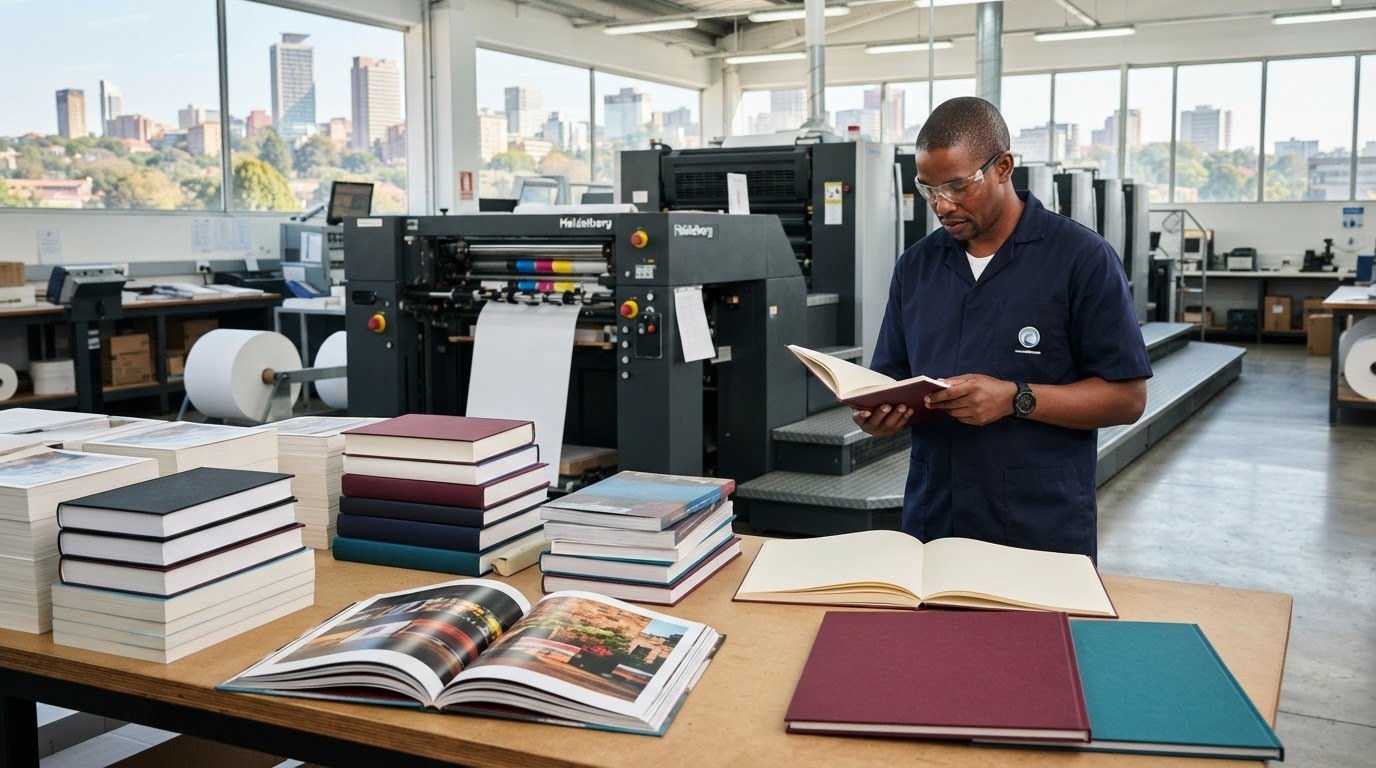
Imagine opening a fresh box of your newly printed books only to find the text disappearing into the spine or the cover colours looking dull and washed out. It’s a heartbreak many South African authors and business owners face because they didn’t have a roadmap for the technical side of production. Avoiding common book printing mistakes is the difference between a project that gathers dust and one that builds your brand or legacy. We understand that terms like bleed, gutter, and CMYK can feel like a foreign language when you just want to see your vision come to life.
You’ve done the hard work of creating the content, so let’s make sure the final product does it justice. This guide will give you the technical confidence to choose the right materials and binding for your specific project. We’ll provide a clear, print-ready checklist and explain local essentials, such as why your ISBN is free through the National Library and how legal deposits work. By the end of this article, you’ll have a professional plan to ensure your book looks exactly how you imagined it, without the stress of a costly reprint.
Key Takeaways
- Master the technical basics by using print-ready PDFs and correct bleed settings to keep your layout professional and intact.
- Select the ideal paper weight (gsm) and coating for your project to ensure your book feels as premium as it looks.
- Optimise your budget by matching your project volume to the right method, choosing digital for short runs or litho for high-volume orders.
- Protect your investment by using physical press proofs to catch layout errors and typos that are easily missed on a digital screen.
- Secure a flawless finish by avoiding common book printing mistakes through a professional file audit with an expert print partner.
Table of Contents
- The Technical Foundation: Avoiding File Formatting and Layout Errors
- Material Mismatches: Choosing the Wrong Paper and Binding
- The Volume Trap: Litho vs. Digital Printing Decisions
- The Proofing Phase: The Last Line of Defence
- Partnering for Success: How a Professional Print Shop Prevents Errors
The Technical Foundation: Avoiding File Formatting and Layout Errors
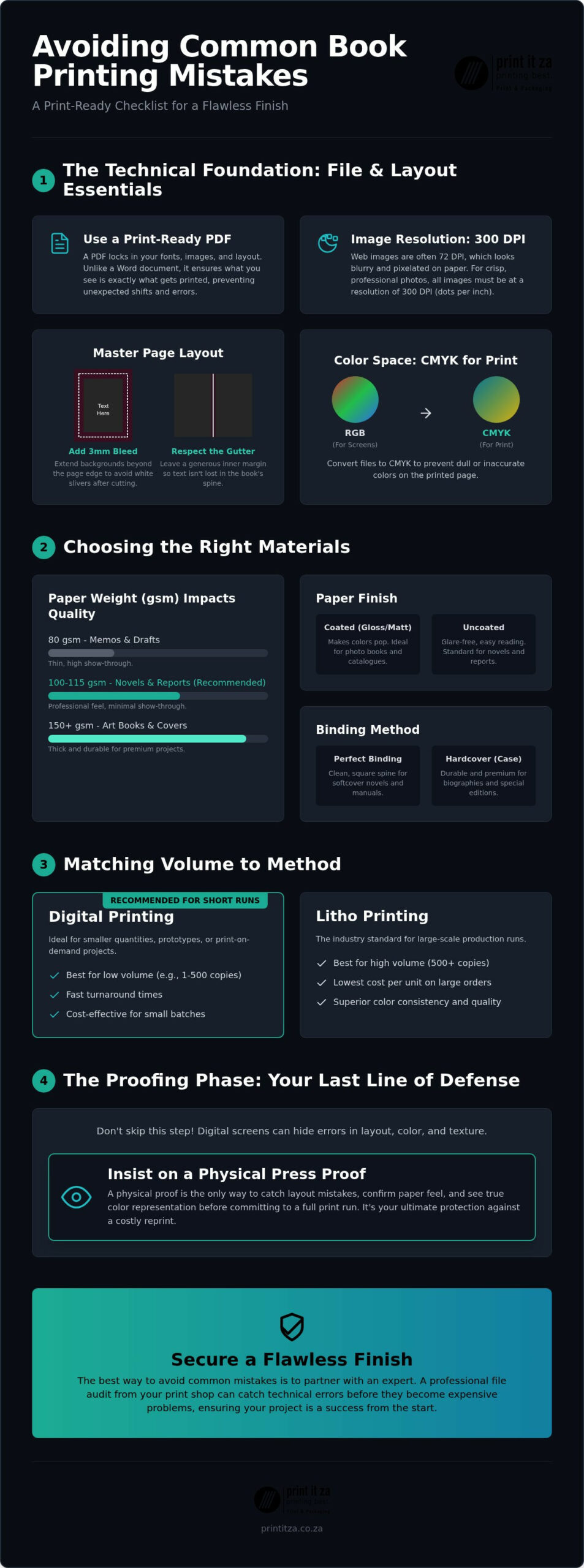
Your journey from a manuscript to a finished masterpiece starts with the file you send to the press. Many authors and businesses believe that a finished Word document is ready for production, but this is a frequent pitfall. Professional printers require a "Print-Ready PDF" because it locks your fonts, images, and layout in place. Unlike a Word file, which can shift significantly depending on the software version or computer used, a PDF ensures that what you see on your screen is exactly what we produce at facility. It’s the first and most vital step in avoiding common book printing mistakes that lead to expensive reprints.
Two technical terms you must master are "Bleed" and "Gutter." If your images or background colours stop exactly at the edge of the page, any tiny shift during the cutting process will leave a distracting white sliver. To prevent this, your artwork must extend 3mm beyond the trim line. Similarly, you must account for the gutter, which is the inner margin where pages are glued or stitched. Without a generous gutter, your readers will have to pry the book open just to see the start of each sentence. Finally, remember that resolution is non-negotiable. Every image must be 300 DPI (dots per inch). While 72 DPI looks crisp on a smartphone, it will appear pixelated and blurry on paper, instantly stripping away the professional feel of your work.
Mastering Margins and Safe Zones
Your "safe zone" is the area inside the margins where all critical text, logos, and page numbers live. For a standard paperback novel, a 12mm to 15mm margin is usually sufficient. However, thick annual reports or heavy coffee table books require wider inner margins to compensate for the bulk of the binding. When setting up double-page spreads, ensure that important visual elements aren’t split directly down the middle. The binding process will inevitably swallow a few millimetres of the image, which can ruin a carefully designed layout if you haven’t planned for that gap.
Colour Space: CMYK vs. RGB
The "dull colour" surprise happens when you design in RGB (Red, Green, Blue), which is the light-based colour space for screens. CMYK is the four-colour process used for professional lithographic printing. Because paper doesn’t emit light like a monitor, colours often appear darker or less vibrant if they aren’t converted correctly. Always convert your files to CMYK before submission to ensure your greens stay lush and your reds stay bold. This transition is especially vital when moving between digital printing and print on demand workflows and high-volume litho runs, as each method handles colour saturation differently. Our in-house design team can help you audit these settings to ensure your vision translates perfectly to the physical page.
Material Mismatches: Choosing the Wrong Paper and Binding
The tactile experience of holding a book often speaks louder than the words on the page. One of the most frequent hurdles in avoiding common book printing mistakes is failing to match the paper stock to the purpose of the project. Paper weight, measured in grams per square metre (gsm), directly influences the perceived value of your work. While a thin 80gsm might work for a quick internal memo, a professional novel usually demands at least 100gsm to prevent too much "show-through." This is the distracting effect where text from the reverse side of the page is visible, making the book look cheap and difficult to read.
You also need to decide between coated and uncoated stock. Coated paper, available in gloss or matt finishes, is ideal for coffee table books and catalogues because it keeps the ink on the surface, making colours pop. Uncoated paper is the standard for novels and reports because it absorbs ink, providing a glare-free reading experience that’s easy on the eyes. Choosing the right materials for your book involves balancing these aesthetic choices with practical durability. For instance, a cookbook that needs to stay open on a counter requires a far sturdier binding than a corporate annual report that might only be read once.
Selecting the Right Binding Method
Your binding choice defines how your book functions. Perfect binding is the industry favourite for softcover novels; it uses a strong adhesive to create a clean, square spine. For premium projects like limited edition biographies, hardcover (case) binding offers unmatched longevity. If you’re producing training manuals or workbooks, Wire-O or saddle stitching is often better. These methods allow the book to lay flat, which is essential for any publication meant for writing or active reference during a workshop.
South African Paper Standards
In the Gauteng print market, standard gsm ranges are well-established, but availability can shift. As we move through 2026, there’s a significant push toward sustainable, FSC-certified paper stocks. Choosing these eco-friendly options doesn’t just help the environment; it aligns your brand with modern South African values. Keep in mind that your paper choice also impacts your logistics. Heavier paper increases the total weight of your print run, which can lead to higher shipping and distribution costs across the country. If you aren’t sure which stock fits your budget and vision, our team can provide samples to help you feel the difference before you commit. You can always chat with us about your project to find the perfect balance between quality and cost.
The Volume Trap: Litho vs. Digital Printing Decisions
Choosing the right technology for your specific print run is a cornerstone of avoiding common book printing mistakes. Many authors and businesses stumble because they don’t realise that the "best" printer depends entirely on the quantity of books needed. Digital printing has revolutionised the industry for self-publishers and small businesses. Because it doesn’t require the creation of physical plates, it’s the ideal solution for short runs, typically under 500 copies. It allows you to produce high-quality books with virtually no setup time, making it perfect for testing a new title or fulfilling immediate orders without a massive upfront investment.
On the other end of the spectrum is Lithographic (Litho) printing. This traditional method is the workhorse for high-volume projects. While the initial setup involves creating metal plates and calibrating the press, the speed and efficiency once the run begins are unbeatable. This leads to the "unit price" illusion; while the total cost of a 1,000-book run is higher than a 100-book run, the price per book drops drastically. However, a major part of avoiding common book printing mistakes is resisting the urge to print too many copies just to lower the unit price. Holding excessive physical stock ties up your capital and risks your content becoming outdated before you can distribute it.
When to Switch from Digital to Litho
The transition point where Litho becomes more cost-effective than digital usually occurs between 500 and 750 copies in the South African market. For any project exceeding 1,000 units, Litho is almost always the smarter financial choice. Modern digital technology has advanced so much that the quality difference is nearly imperceptible to the average reader. At the Print It ZA print and packaging facility, we operate both digital and litho presses. This allows us to guide you toward the most efficient method for your specific scale, ensuring you never pay more than necessary for professional results.
Quantity Planning for Businesses
For corporate teams managing annual reports or marketing collateral, accurate forecasting is essential. We often recommend a hybrid approach: use digital printing for a small initial launch or internal review, then move to a larger Litho run once the content is finalised. This strategy is also vital when planning for custom packaging and inserts. By aligning your procurement with actual demand, you minimise waste and keep your distribution lean. Print It ZA print and packaging provides the data-driven insights you need to make these decisions with confidence.
The Proofing Phase: The Last Line of Defence
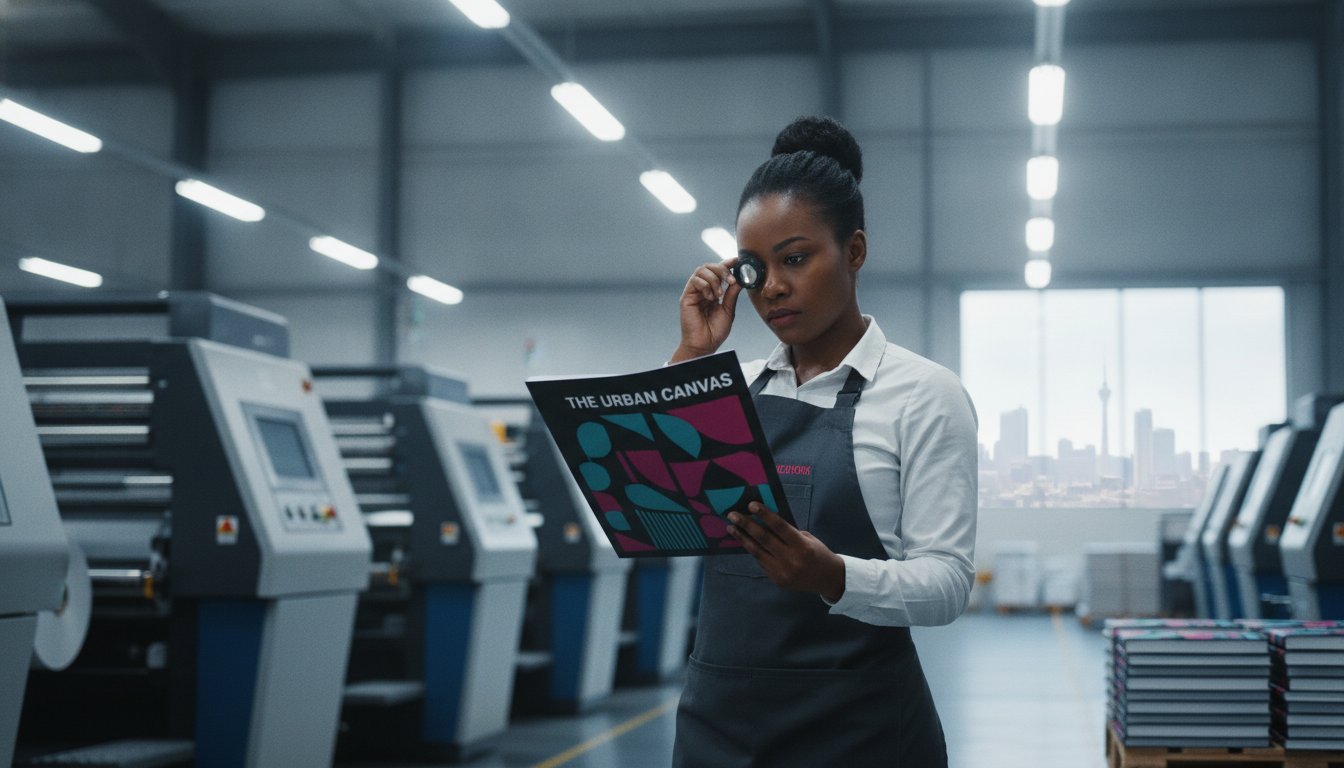
The proofing stage is where your project either becomes a success or a costly lesson. Skipping this step is the most dangerous gamble you can take when avoiding common book printing mistakes. While a digital proof is excellent for checking the general flow of text, it cannot show you how the ink interacts with your chosen paper or how the lamination feels under your thumb. A physical press proof is your only way to guarantee that the vibrant colours you see on your monitor translate accurately to the physical page before the full run begins at the Print It ZA print and packaging facility.
There is a psychological phenomenon often called screen fatigue that makes it nearly impossible to catch every typo on a glowing monitor. Your brain often sees what it expects to see rather than what is actually there. When you hold a printed copy, your perspective shifts, and those stubborn errors suddenly jump off the page. This is also your final opportunity to verify the weight and texture of the stocks you selected in the planning stages. If the paper feels too flimsy or the matt lamination isn’t as silky as you hoped, now is the time to make a change before committing to the full production volume.
Finally, remember that the sign-off process is a formal agreement between you and the printer. When you give the "Good to Go" approval, you are confirming that every detail is perfect. This step protects both your vision and your budget, ensuring that the final output matches the version you reviewed. Taking an extra day to sit with your proof can save you from the heartbreak of receiving a thousand copies with a misspelled title on the spine.
A Professional Proofreading Checklist
Consistency is the hallmark of a professional book. Flip through your proof to check that headers, footers, and page numbers are perfectly aligned and don’t jump around from page to page. Verify that your barcode and ISBN are high-resolution and placed correctly for retail scanners. A physical proof is essential for verifying spine width and fold accuracy because it allows you to see exactly how the cover wraps around the page block without any guesswork.
Managing Production Timelines
Rushing your printer is the fastest way to invite disaster. While Print It ZA print and packaging operates a 24/7 print facility in Midrand to keep things moving, every project needs breathing room for proper drying, binding, and quality checks. Factor in South African logistics, especially if you need nationwide delivery to Cape Town or Durban. Planning for these timelines ensures that speed never comes at the expense of precision. Ready to see your work in print? Request a professional proof from Print It ZA print and packaging today to ensure your project is flawless before it hits the press.
Partnering for Success: How a Professional Print Shop Prevents Errors
Choosing a printer shouldn’t feel like a simple transaction. It’s a creative partnership that determines whether your project succeeds or fails. A professional print shop acts as your final safety net, catching the technical glitches that often go unnoticed by the untrained eye. Our in-house design team in Midrand doesn’t just hit ‘print’; they conduct a thorough audit of your files. They check your margins, bleed settings, and colour profiles before a single plate is made. This proactive approach is the most effective way of avoiding common book printing mistakes that often lead to expensive reprints and missed deadlines.
Our regional expertise gives you a distinct advantage in the South African market. We understand the Gauteng business landscape and the specific logistical requirements for efficient nationwide distribution. Whether you’re producing high-tech AI kids’ books or traditional religious texts, we provide the technical guidance to match your specific niche. We know which materials hold up best in our climate and which finishes will make your work stand out on a crowded retail shelf. This local knowledge ensures your books don’t just look great but also arrive on time, every time.
The Print It ZA print and packaging Creative Partnership
We don’t just handle the ink and paper; we assist with structural design and physical prototypes. This allows you to feel the paper weight and test the binding durability before committing to a full production run. Whether you’re scaling from a single debut novel to a massive book printing campaign, we have the capacity to grow with you. Our 24/7 operational facility means we’re always working to meet your deadlines, providing consistent, high-energy support for both corporate B2B clients and independent authors alike. We pride ourselves on being accessible and solution-oriented, making complex industry processes feel simple and manageable.
Final Steps to Your Printed Book
Getting started is straightforward and designed to give you total peace of mind. We recommend scheduling an initial consultation to discuss your vision, budget, and material choices in detail. From our hub in Johannesburg, we’ve built a robust delivery and distribution network that ensures your books reach their destination safely, whether that’s locally or across the border. We handle the technical heavy lifting and quality control so you can focus on your writing and business goals. Ready to print? Contact Print It ZA print and packaging today for a professional file audit and a comprehensive quote to bring your vision to life.
Start Your Professional Publishing Journey Today
You’ve learned that a successful book launch depends on more than just a great story. It requires a solid technical foundation, the right choice between digital and litho volumes, and a commitment to rigorous physical proofing. Mastering these technical steps is the secret to avoiding common book printing mistakes that could otherwise drain your budget and delay your progress. By focusing on the details of bleed, paper weight, and binding durability early on, you set yourself up for a final result that perfectly matches your professional vision.
We’re here to help you navigate every technical hurdle with ease and confidence. With our 24/7 print operations in Midrand and an expert in-house design team acting as your safety net, your project is in safe hands. We provide reliable nationwide South African delivery to ensure your books reach your audience exactly when they’re needed. If you’re ready to turn your manuscript into a professional reality, Get a Professional Quote for Your Book Project right now. We can’t wait to see what you’ve created and help you share it with the world.
Frequently Asked Questions
What is the most common mistake in book layout design?
The most frequent error is failing to account for sufficient gutters and safe zones within your margins. If you don’t leave enough space in the inner margin where the pages are bound, your text will disappear into the spine, making the book difficult to read. Always ensure your safe zone keeps critical text and page numbers at least 12mm to 15mm away from any edge or fold to maintain a professional look.
Why is my printed book cover a different colour than my screen?
Your screen displays colours using RGB light, but professional presses use the CMYK ink process. This fundamental difference means that bright, neon colours on a monitor often appear darker or more muted on paper. To avoid surprises, always convert your artwork to the CMYK colour space before submission. This simple step is vital for avoiding common book printing mistakes that lead to colour disappointment during the final run.
How much bleed should I include for a standard paperback?
You should include a minimum of 3mm bleed on all outer edges of your document. This extra space allows your images or background colours to extend beyond the trim line, ensuring there are no white gaps after the pages are cut. Without this overlap, even a tiny shift in the cutting blade will leave a visible sliver of white paper at the edge of your cover or internal pages.
Can I print a book from a Microsoft Word file?
While you can technically use a Word file, we strongly recommend converting it to a Print-Ready PDF instead. Word documents often shift their formatting, fonts, and image placements when opened on different computers or software versions. A PDF locks every element in place, ensuring that the layout you’ve perfected is exactly what comes off our presses in Midrand without any unexpected shifts.
What is the difference between perfect binding and case binding?
Perfect binding uses a strong adhesive to attach a wrap-around soft cover to the page block, creating the classic square spine found on most novels. Case binding is the process used for hardcover books, where the pages are sewn or glued into a rigid board cover. Perfect binding is more cost-effective for high volumes, while case binding offers premium durability and a luxury feel for coffee table books.
How do I know if I should use litho or digital printing?
You should choose digital printing for short runs of 50 to 400 copies to keep your initial setup costs low. Once your order exceeds 500 to 750 units, lithographic printing becomes much more economical because the per-unit price drops significantly as volume increases. Our team can help you calculate the exact break-even point based on your specific page count and paper choices to protect your production budget.
What resolution should my images be for high-quality book printing?
All images and graphics must be at least 300 DPI (dots per inch) at their final printed size. While lower resolutions look fine on a website or smartphone, they will appear blurry and pixelated when transferred to a physical page. Using high-resolution files is a non-negotiable requirement for achieving the crisp, professional aesthetic that readers expect from a high-quality publication or corporate report.
How long does it take to print a book in South Africa?
Most book projects take between 7 and 14 working days from the moment you sign off on your final physical proof. This timeline accounts for printing, binding, and quality checks at our Midrand facility. Because we operate printing 24/7, we can often accommodate tighter deadlines for time-sensitive corporate projects or urgent training manuals, followed by efficient nationwide delivery to your doorstep anywhere in the country.
Contact Print It ZA today, for a Free Quote and Speedy Service.
Print It ZA print and packaging, South Africa/ZA