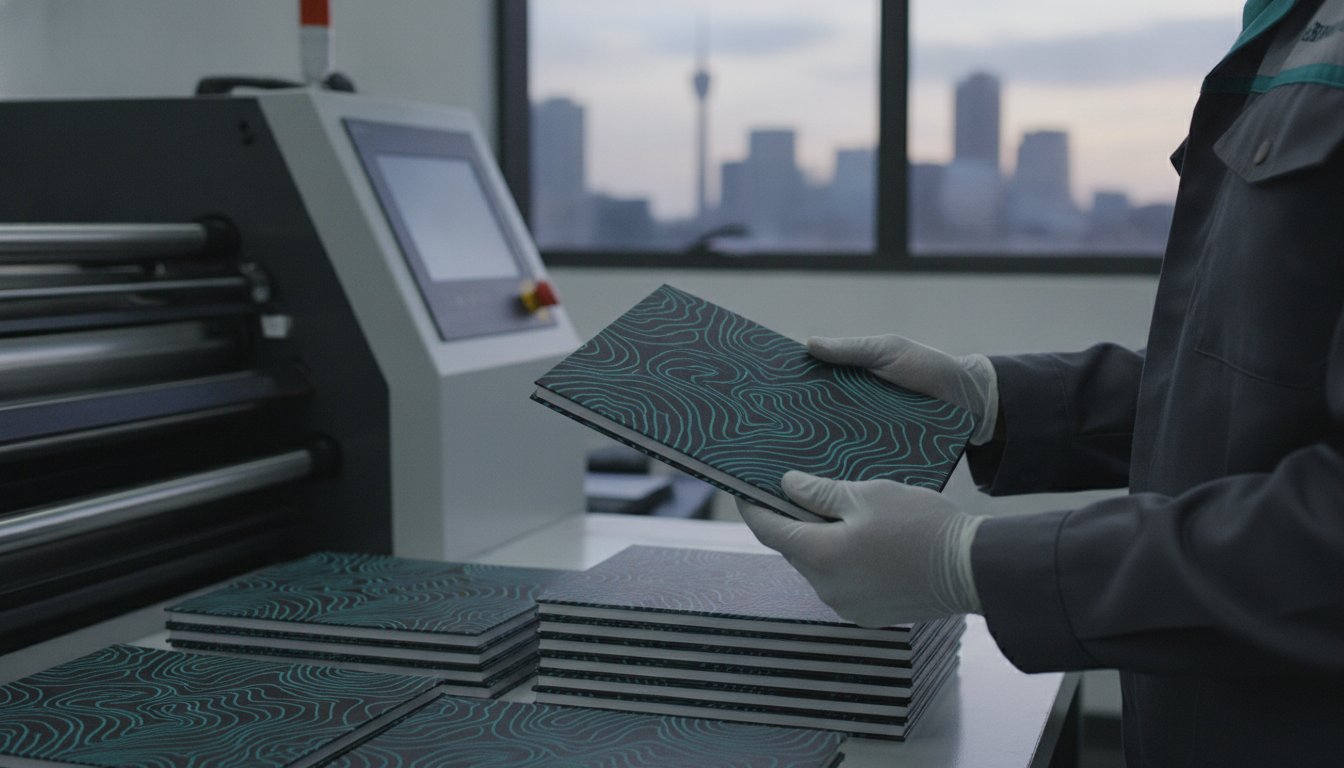
Why would you risk your brand’s reputation on a flimsy, online-only print shop when your customers can feel the quality in every single page turn? If you’re currently exploring custom journal printing, you’ve likely realized that a digital mockup can’t guarantee the tactile weight of a premium cover or the smooth finish of high-grade paper. It’s frustrating to feel stuck between confusing technical jargon like GSM or PUR binding and the high shipping costs of international services.
We understand that you need a reliable creative partner who speaks your language and values your vision. This 2026 guide is designed to help you create professional, bespoke journals with expert insights on materials and local solutions right here in Johannesburg. You’ll discover exactly how to choose the right paper stocks, select durable binding that lasts, and leverage our 24/7 Midrand facility to ensure your project arrives on time and looking spectacular. Let’s turn your creative ideas into a high-quality reality that your audience will love to hold.
Key Takeaways
- Understand why physical journals offer a tactile advantage that digital apps can’t match for long-term brand retention and user engagement.
- Master the technical side of custom journal printing by selecting the right paper weights, from 80gsm utility pages to 120gsm premium writing stocks.
- Choose the perfect format for your needs, balancing the portability of A5 hardcover journals with the expansive space of A4 softcover manuals.
- Avoid costly production errors by correctly setting up your artwork with professional bleeds, margins, and CMYK color profiles.
- Leverage the speed and reliability of a 24/7 Johannesburg-based printer to reduce shipping costs and meet tight corporate deadlines.
Why Custom Journal Printing is the Ultimate Brand Tool in 2026
Digital apps offer convenience, but they can’t replicate the sensory engagement that builds lasting memory. In a world of screen fatigue, a physical journal provides a much-needed break. It’s about the weight of the paper and the specific texture of the cover. This tactile experience is exactly why custom journal printing has seen a massive resurgence across South Africa. When you hold a well-crafted book, your brain processes information with more focus than when you’re scrolling through a notification-filled screen.
Choosing a bespoke solution over an off-the-shelf notebook isn’t just about aesthetics; it’s about brand alignment. A generic notebook feels temporary. A bespoke journal reflects your commitment to quality. You can select specific materials that echo your values, whether that’s eco-friendly recycled stocks or premium linen finishes. Understanding the bookbinding process allows you to create something that doesn’t just look good on a shelf but survives daily use in a busy Gauteng office. It’s a structural choice that dictates how the journal opens, stays flat, and feels in the hand.
We’re seeing a significant rise in niche planners and wellness journals in the local market. South Africans are increasingly looking for tools that help them manage stress and organize their lives with intention. For businesses in Johannesburg, these journals aren’t just stationery. They’re high-value assets that keep your brand in front of clients every single day. Because the Midrand facility operates 24/7, we see firsthand how quickly these projects move from creative concepts to essential corporate tools.
Corporate Gifting and Brand Identity
Forget the standard logo-on-a-pen approach. Modern corporate gifting uses journals to reinforce company culture and boost employee engagement. You can include custom tip-in pages that detail company values, mission statements, or even personalized welcome notes. It’s a way to incorporate brand elements far beyond a simple cover logo. A printed journal has a shelf life of years. It stays on desks and in bags, providing a level of longevity that digital marketing collateral simply can’t touch.
Self-Publishing and the Creator Economy
The creator economy in 2026 is thriving. Local artists, coaches, and influencers are moving away from digital downloads toward boutique, high-quality physical products. It’s a powerful way to monetize unique frameworks or artistic styles. Self-publishing in South Africa is more accessible than ever before. You don’t need to print thousands of copies to get a professional result. Small, specialized runs allow you to test the market with premium finishes that your followers will actually want to own and use.
Technical Specifications: Choosing the Right Paper, Binding, and Finishes
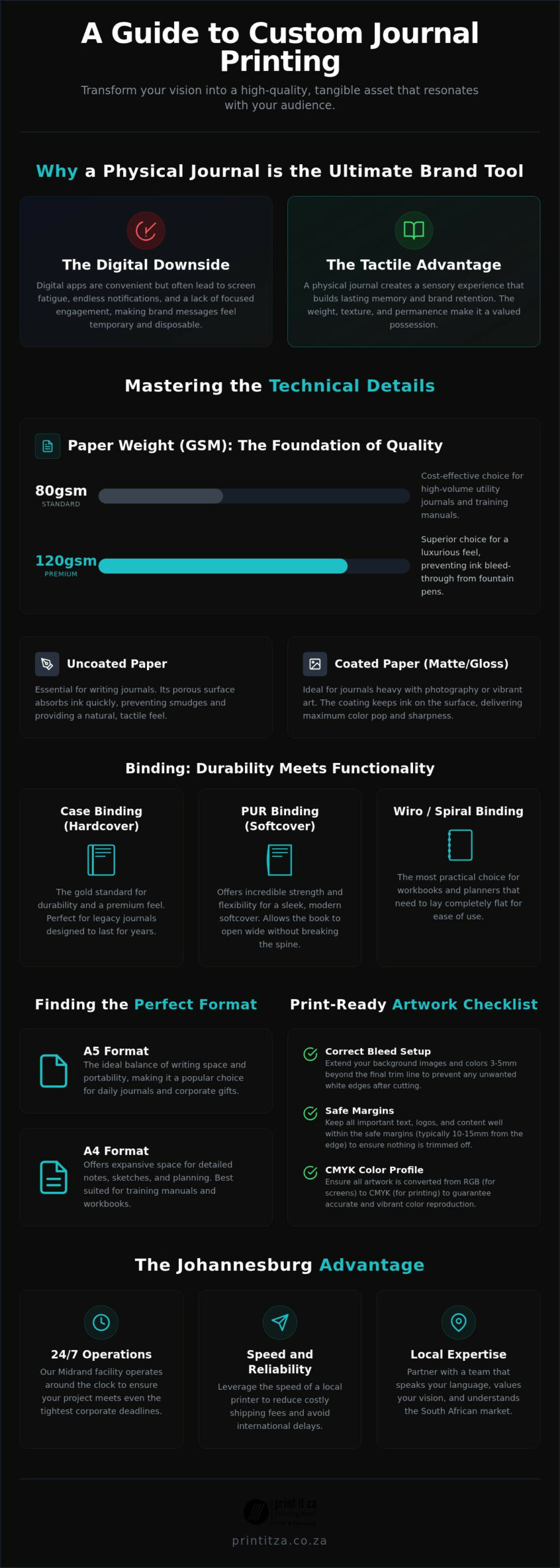
Selecting the right specifications for your project is where your creative vision becomes a tangible reality. When you invest in custom journal printing, the internal paper choice defines the entire user experience. For high-volume utility journals or training manuals, 80gsm paper is a reliable, cost-effective standard. However, if you want to prevent ink bleed-through and provide a more luxurious writing feel, 100gsm or 120gsm premium bond is the superior choice. Choosing the right paper ensures that whether your users use ballpoints or fountain pens, the surface remains crisp and professional.
You also need to decide between coated and uncoated stocks. Uncoated paper is essential for writing journals because it absorbs ink quickly, preventing smudges. Coated stocks, available in matte or gloss, are better suited for journals that feature heavy photography or vibrant brand art, as the coating keeps the ink on the surface for maximum color pop. Sustainable practices are also a priority for modern South African brands. With local recycling rates already at 62%, we can help you select FSC-certified or recycled papers that meet the 2028 target of 50% recycled content without sacrificing the aesthetic quality of your finished product.
Binding Methods for Journals
Your choice of binding dictates both the durability and the functionality of the journal. Case binding, or hardcover, is the gold standard for legacy journals that need to last for years. If you’re looking for a sleek, modern look for a softcover book, PUR binding offers incredible strength and flexibility. For planners or workbooks that need to lay completely flat on a desk, wiro or spiral binding remains the most practical solution. Our Midrand facility handles all these methods in-house, ensuring your business printing needs are met with precision and speed.
Premium Cover Finishes and Textures
Finishing touches transform a simple book into a luxury item. Matte lamination provides a sophisticated feel, while gloss lamination makes colours vibrant and offers extra protection against spills. To truly stand out, consider specialty finishes like spot UV to highlight your logo, or foil stamping for a metallic, high-end glow. For daily-use diaries, we recommend a 1200gsm to 1800gsm hardboard base to ensure the cover remains rigid and protective throughout the entire year. These tactile details don’t just look better; they reinforce the perceived value of your brand every time the journal is picked up.
Finding Your Perfect Format: A5 vs A4 and Hardcover vs Softcover
Choosing the physical dimensions of your project is one of the most critical decisions you’ll make. While many online-only shops limit you to a single template, we know that the right size depends entirely on how your audience will use the book. When you begin your custom journal printing journey, you need to consider whether the user will be carrying it in a laptop bag or keeping it permanently on a studio desk. The format doesn’t just change the look; it changes the entire utility of the product.
A5 journals (148 x 210mm) remain the gold standard across South Africa for a reason. They offer the perfect balance of writing space and portability. They’re large enough for detailed notes but compact enough to fit into most bags without adding bulk. In contrast, A4 journals (210 x 297mm) are the preferred choice for technical manuals, sketching, or large-scale planners. If your content includes complex diagrams or requires plenty of white space for creative brainstorming, the larger A4 format provides the breathing room your users need.
For brands looking to truly differentiate themselves, custom die-cut sizes offer a way to break away from standard ISO dimensions. Square journals or slim, elongated formats can make your brand instantly recognizable on a retail shelf. These unique shapes often become conversation starters, turning a simple piece of stationery into a memorable brand statement. We love helping clients explore these non-standard options to find a shape that perfectly echoes their unique identity.
The Portability Factor
Durability and Perceived Value
The choice between hardcover and softcover is often a balance between your production budget and the desired "keepsake" quality. Hardcover journals, typically built with a sturdy 1200gsm or 1800gsm board, feel like high-value items that people want to keep for years. They offer a superior "unboxing" experience for retail customers and provide a stable writing surface anywhere. Softcover journals are a fantastic, cost-effective alternative for high-volume marketing distributions. They’re flexible, modern, and allow for vibrant, full-wrap cover art that catches the eye immediately.
Designing for Print: Preparing Your Journal Artwork
A beautiful design only translates to a beautiful product if the technical foundation is solid. When you start the custom journal printing process, your digital files need to speak the language of the press. This means moving beyond standard office document settings and embracing professional print standards. Whether you’re using our digital presses for a short run or our litho facility for high-volume corporate orders, your artwork preparation determines the final sharpness and color vibrance of your journals.
The most important technical requirement is the bleed. We require a 3mm bleed on all edges to account for the slight movement of the paper during the cutting process. Without this, you might end up with thin white slivers at the edge of your pages. Similarly, keep all essential text and logos within a safe zone at least 5mm from the trim line. For resolution, 300 DPI is our non-negotiable standard. Anything lower will result in pixelated images and blurry text that undermines your brand’s professional image.
Colour management is another area where many projects stumble. Screens display colours in RGB, but our presses print in CMYK. To ensure the blue on your screen matches the blue on the cover, always convert your files to CMYK before exporting. This is especially critical for litho printing, where ink consistency is key. For the inside pages, don’t feel limited to standard lines. You can choose dot grids, custom prompts, or fully bespoke layouts that reflect your brand’s unique utility.
Working with In-House Designers
You don’t have to tackle these technical hurdles alone. Our in-house design team in Midrand acts as your creative development partner, ensuring your brand consistency is maintained from cover to cover. By providing a clear brief, you can minimize revision cycles and get your project to press faster. We provide digital proofs and can even arrange physical prototypes so you can hold your journal before the full production run begins. If you’re ready to start your project, contact our design team today for expert guidance.
Common Artwork Mistakes to Avoid
One of the most frequent issues we see is incorrect spine width calculations. Hardcover journals require a wider spine than softcover versions because of the board thickness and the specific binding process used. Another common pitfall is forgetting to embed fonts or flatten transparencies in your final PDF export. These small oversights can cause text to shift or colors to drop out during the ripping process. Always double-check your export settings to ensure a seamless transition from screen to print.
Custom Journal Printing in Johannesburg: Why Local Expertise Matters
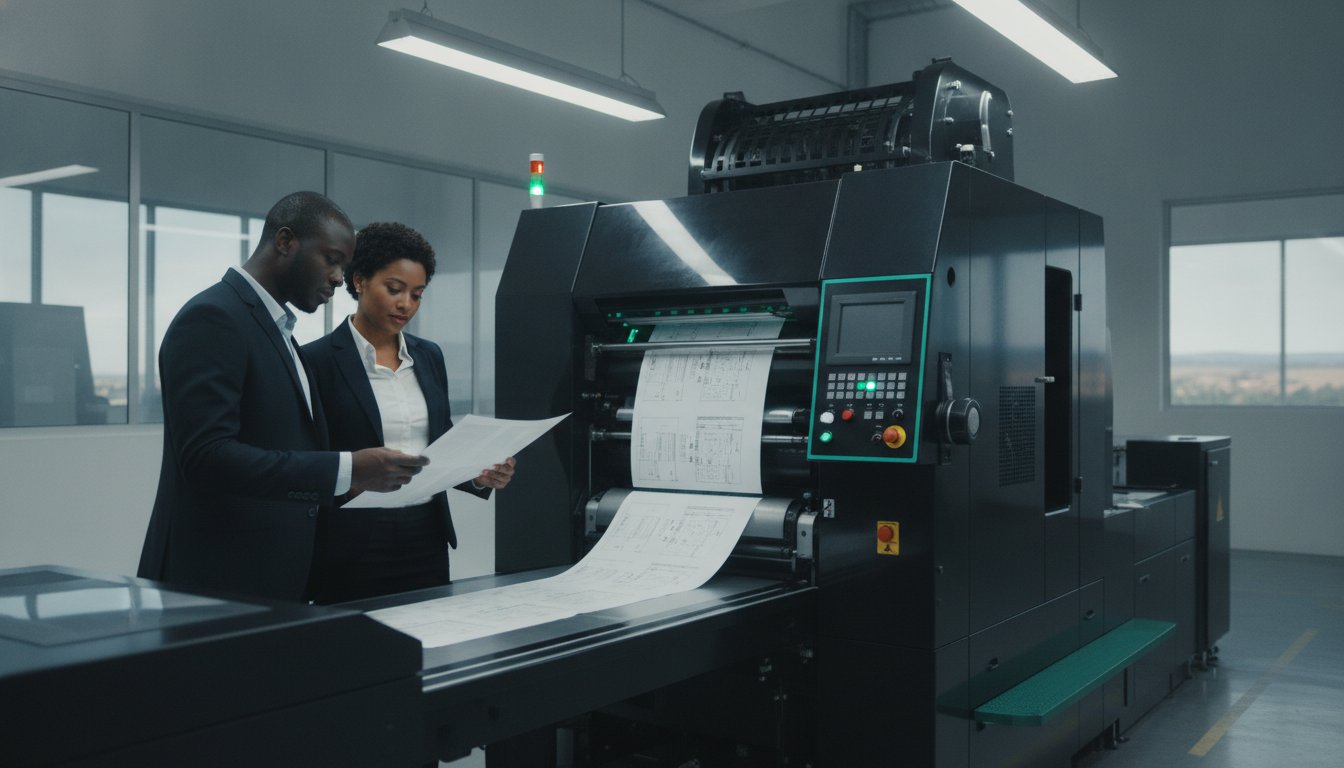
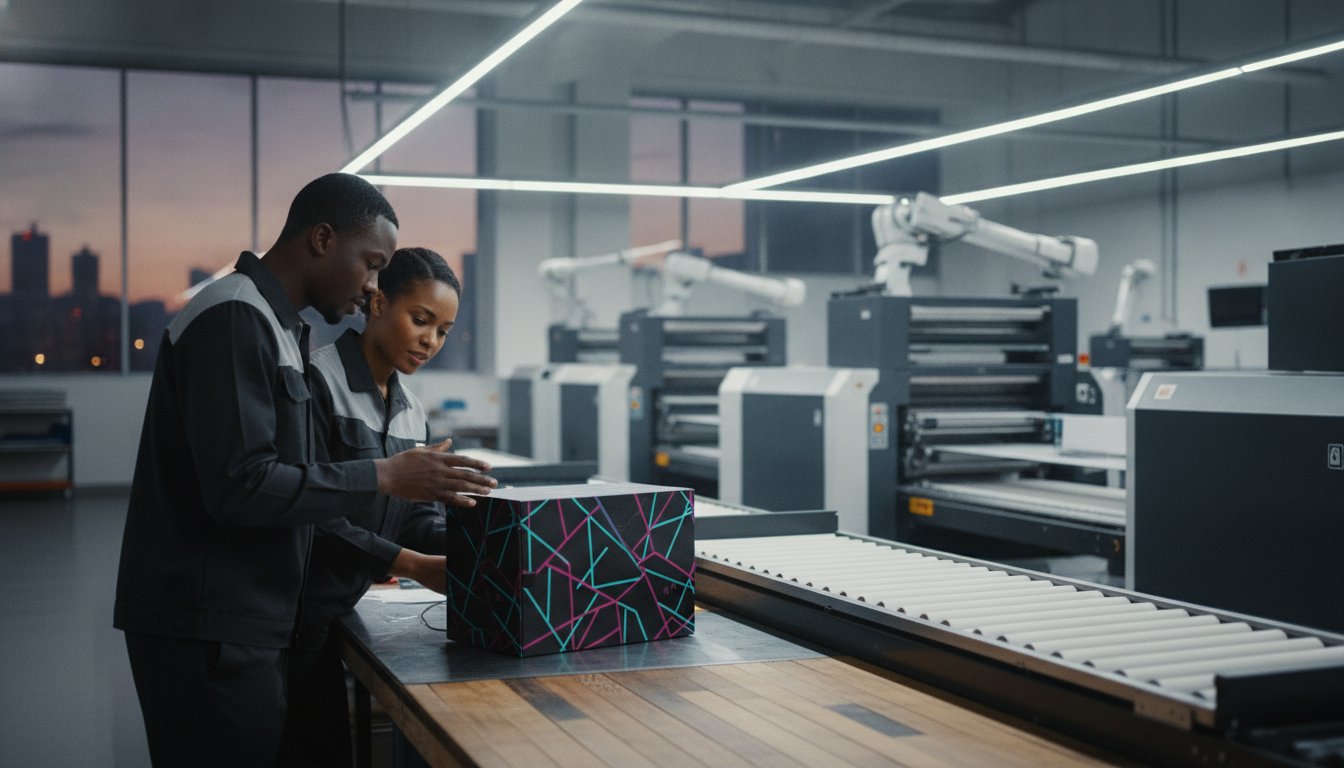
Choosing a local partner for custom journal printing gives you a level of control that international print-on-demand services can’t match. When your production facility is based in Midrand, you aren’t just a number in a global queue. You have direct access to a team that understands the nuances of the South African market. This proximity allows for physical quality checks and real-time adjustments that ensure your final product meets the high standards your brand demands. It’s about building a relationship with a creative partner who’s as invested in the result as you are.
Sustainability is also a major factor in 2026. By choosing a Gauteng-based producer, you significantly reduce the carbon footprint associated with long-distance international shipping. With the South African paper recycling rate already at 62%, working with local experts makes it easier to comply with Extended Producer Responsibility (EPR) regulations. You’re supporting local infrastructure while ensuring your journals are produced according to the latest environmental standards, which is a powerful message to share with your eco-conscious customers.
Fast Turnarounds and 24/7 Operations
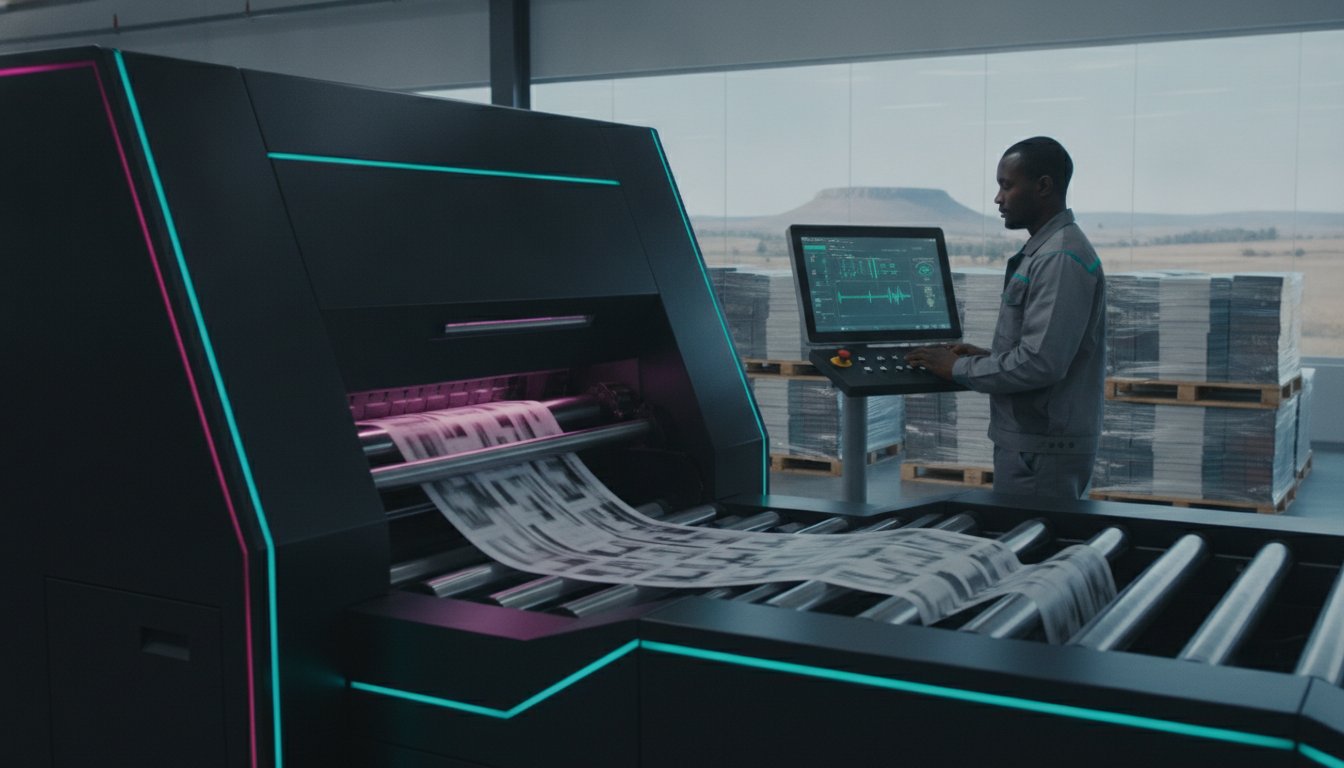
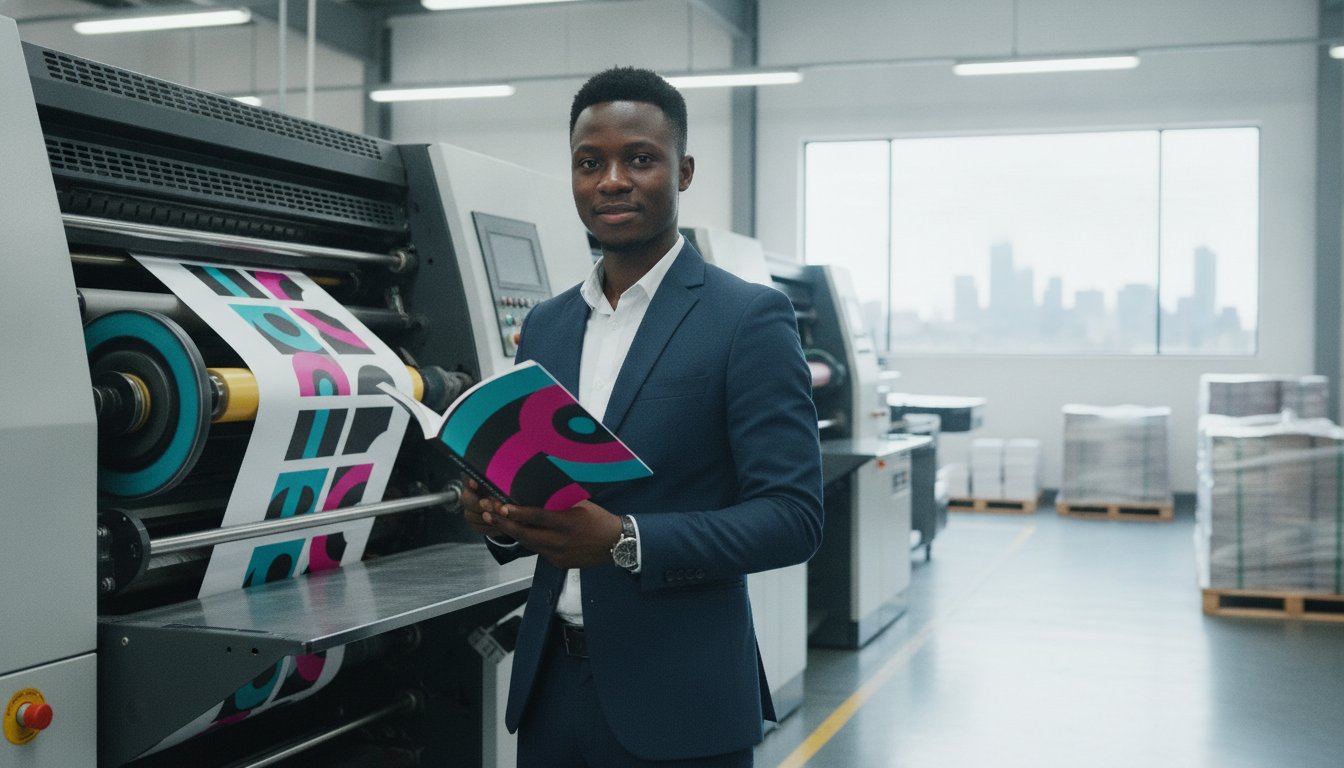
Tight corporate deadlines don’t have to be a source of stress. Print It ZA print and packaging manages time-sensitive projects from our 24/7 operational facility in Midrand. Whether you need a short run of digital journals for a boutique event or a large-scale litho production for a nationwide launch, we have the flexibility to scale our output. You can learn more about how we manage these requirements in our guide to professional printing services in Johannesburg. This round-the-clock availability means your project keeps moving while your competitors are still waiting for the next business day to begin.
Strategic Logistics and Distribution
A successful project doesn’t end when the press stops. We provide end-to-end support, including nationwide kitting and delivery services. Whether you’re sending corporate orders to offices in Cape Town or distributing retail stock across Durban, our logistics team handles the heavy lifting. For South African authors looking to reach global audiences, we also offer international export capabilities. Finding a reliable print shop that handles everything from design to final distribution is the most efficient way to bring your vision to life.
Our expert consultations are the final piece of the puzzle. We don’t just facilitate a transaction; we act as your mentor through the technical landscape of paper stocks and binding types. We’ll help you navigate complex packaging requirements and print specifications to ensure your custom journal printing project is both beautiful and functional. By keeping every stage of production local, we ensure that your investment stays within the community while delivering world-class results that truly stand out.
Bring Your Vision to Life with Local Expertise
Your brand’s story deserves to be told on paper that feels as premium as your vision. We’ve explored how the right technical choices, from 100 to even 120gsm writing stocks to durable case binding, transform a simple notebook into a powerful brand asset. By choosing a local partner, you bypass the high costs and uncertainty of international shipping while gaining the expertise of a team that values your creative input. It’s about more than just ink on a page; it’s about creating a tactile experience that resonates with your audience.
Our Midrand facility provides 24/7 operational print support to ensure your custom journal printing project stays on track, no matter how tight the deadline. With our in-house design team ready to assist with creative development and nationwide delivery available across South Africa, we make the entire process seamless and efficient. You don’t have to navigate complex technical specifications alone when you have a reliable creative partner by your side.
Are you ready to create a product that your audience will truly value? Request a Custom Journal Printing Quote today and let’s get started on something spectacular. We’re excited to help you make a lasting impression.
Frequently Asked Questions
What is the minimum order for custom journal printing in South Africa?
We accommodate a wide range of order volumes to suit different business needs. For smaller, personalized projects, our digital printing service allows for short runs without the heavy setup costs of traditional methods. If you require large-scale distribution for corporate gifting or retail, our litho presses offer better value for high-volume batches. We suggest contacting our Midrand office to discuss your specific volume requirements.
How long does it take to print a batch of custom journals in Johannesburg?
Our 24/7 operations in Midrand allow us to manage most projects within a 7 to 10 working day window. Highly complex journals with specialty finishes like foiling or debossing may require additional time for precision execution. If you have an urgent event in Gauteng, our team can prioritize your run to meet your specific deadline. We always provide a clear timeline during your initial creative consultation.
Can I choose custom paper for the inside pages of my journal?
You have full control over the paper stock used for your journal pages. We offer everything from 80gsm bond for everyday note-taking to 120gsm premium uncoated paper for a luxury writing experience. You can also mix stocks if your journal includes specific sections for photography or sketches. Choosing the right paper ensures your brand’s quality is felt in every page turn and provides a superior user experience.
What is the difference between case binding and perfect binding for journals?
Case binding produces a durable hardcover journal using a rigid 1200gsm or 1800gsm board, making it ideal for high-end legacy products. Perfect binding is a softcover method where pages are glued to a flexible cardstock cover, resulting in a sleek and modern look. While case binding offers higher perceived value and durability, perfect binding is a faster and more economical choice for high-volume promotional items and marketing distributions.
Do you provide design templates for custom journals?
Our in-house design team provides expert creative development rather than generic, one-size-fits-all templates. This ensures your custom journal printing project is technically sound and perfectly reflects your brand’s unique aesthetic. We guide you through the process of setting up margins, bleeds, and spine dimensions to avoid common artwork mistakes. This collaborative approach guarantees a professional result that stands out in the competitive South African market.
Can I include custom inserts or pockets in my printed journals?
Bespoke features like ribbon bookmarks, elastic closures, and back-cover pockets can be integrated into your design. We can also include tip-in pages, which are separate sheets glued into the journal to highlight specific brand information or event schedules. These custom elements transform a standard book into a high-value tool that your clients or employees will use and keep for years, reinforcing your brand identity daily.
What is the best file format to send for journal printing?
A high-resolution PDF with a 3mm bleed and 300 DPI images is the best format for professional results. You must ensure all fonts are embedded and the color workspace is set to CMYK to avoid unexpected color shifts during the printing process. Providing a clean, print-ready file helps us maintain our fast turnaround times and ensures your journal looks exactly as you envisioned it on your screen.
Is it cheaper to print journals using litho or digital printing?
The best value depends on the quantity of journals you need to produce. Digital printing is the most cost-effective choice for small batches because it eliminates the need for expensive plate setup and allows for quick delivery. For large corporate orders, litho printing offers a significantly lower unit price as the volume increases. Our experts will analyze your custom journal printing requirements to ensure you get the highest quality at the best price.
Contact Print It ZA today, for a Free Quote and Speedy Service.
Print It ZA print and packaging, South Africa/ ZA