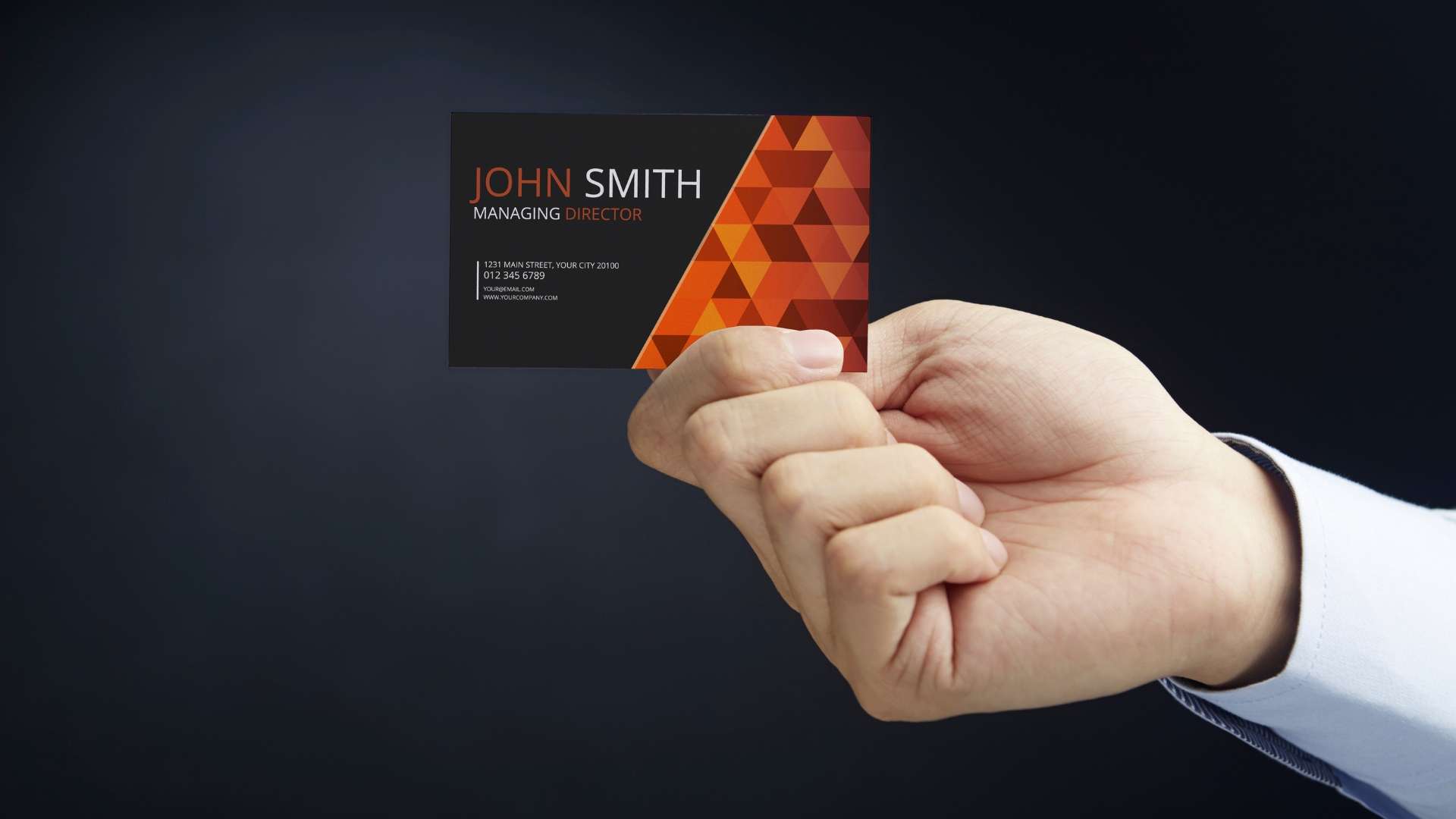
BBusiness card design and printing remains a core element of small business marketing — from entrepreneurs to schools and corporate procurement — and understanding the options available in South Africa helps you get the most value for every printed piece.
What are standard business card sizes in South Africa?
Standard business card sizes vary by market and print house, but in South Africa most commercial printing shops offer the international and local favourites. The most common sizes you’ll encounter are:
- International (ISO): 90 mm × 50 mm — widely used for consistency with global templates.
- North American: 89 mm × 51 mm — less common but still available.
- Square and US mini variants: 65 mm × 65 mm, 70 mm × 28 mm — for distinctive branding.
Choosing the right size depends on your brand, how much information you need, and the finish or special effects you plan to add. If you’re preparing materials for a school event or educational printing project, sticking to a standard size reduces tooling costs and makes bulk educational printing more straightforward. According to the Wikipedia entry on business cards, standardised sizes have helped printers and designers worldwide maintain layout consistency (Wikipedia).
How do paper stocks and board weights affect the final business card?
Paper stock and board weight are the most tactile aspects of a card — they determine rigidity, perceived value, and how finishes perform. Card weights are typically quoted in grams per square metre (gsm) or as board weight (e.g., 300–450 gsm). Common choices include:
| Card Type | Typical Weight | Look & Feel |
| Standard uncoated | 300–350 gsm | Matte, writable — good for training manuals or note-taking cards |
| Silk/matte coated | 300–400 gsm | Smooth finish, professional look for brochures and corporate cards |
| Gloss coated | 300–400 gsm | Vivid colours, ideal for promotional business card printing |
| Luxury board (double-thick) | 400–600 gsm | Heavy, premium feel for executive cards and packaging printing |
For cost-effective print solutions in South Africa, many businesses choose silk-coated 350 gsm stock — it balances print quality with durability. If you’re printing cards as part of event promotions or catalogue printing supplements, confirm your chosen finish works with your branding and distribution plans.
What finishes and special effects can I choose for a business card?
Finishes turn a simple business card into a tactile extension of your brand. Common options include spot UV varnish, foil blocking (metallic silver or gold), embossing/debossing, soft-touch lamination, and edge painting. For eco-conscious clients, water-based varnishes and recycled uncoated stocks are increasingly available.
- Spot UV — adds glossy highlights and contrast.
- Foil — metallic accents for logos or names.
- Embossing — raised detail to create a tactile impression.
- Soft-touch — velvet-like feel adds perceived value.
These finishes are popular across commercial printing, brochure printing services, and booklet printing because they elevate perceived quality without huge increases in unit cost when ordered in bulk. If you’re preparing materials for school term preparation or educational printing, simpler finishes often reduce costs while preserving clarity for student contact cards.

How much do business cards cost in bulk in South Africa?
Cost depends on quantity, stock, finish, and whether you choose litho or digital printing. Typical price drivers are setup (plate or tooling for foil/emboss), paper cost, and finishing processes. A general guide:
- Digital print, 100 to 1000 units, basic stock: higher per-unit cost but no setup fees.
- Offset/litho print, 500–5,000+ units: lower per-unit cost but with setup charges.
- Special finishes (foil, embossing): add fixed tooling or setup fees.
For small businesses and events, many printers in South Africa offer fast turnaround printing with affordable short runs using digital print. For ongoing needs — such as schools ordering parent/teacher cards or businesses preparing conference packs — offset printing gives better unit prices. According to industry buyers, ordering 1,000+ cards typically reduces the average price per unit by 30–60% compared with small digital runs.
What is the typical turnaround time for business card printing?
Turnaround depends on print method and finishing. Digital print jobs can often be produced within 2 to 4 working days; litho jobs typically take 4–7 business days plus extra time for special finishes. Rush options are available from many South African printers for an additional fee.
Planning matters: if you’re coordinating materials for events, promotions, or school term handouts, allow extra time for proofs and approvals. Print-on-demand services offer flexibility for ongoing small-batch needs, while bulk educational printing and catalogue printing schedules benefit from advance planning to lock in better pricing and reliable print delivery across South Africa.
How do I choose between digital and litho business card printing?
Both processes have strengths. Digital printing is cost-effective for small runs, quick turnarounds, and variable-data printing (personalised cards). Litho (offset) delivers superior colour consistency and lower unit costs at higher quantities. Consider these factors:
- Quantity — choose litho for large runs, digital for short runs.
- Colour fidelity — litho is preferable for brand-critical colour matching.
- Finishing — complex finishes may require litho-compatible processes.
Many commercial printers in South Africa — offering litho and digital printing — will recommend a hybrid approach: digital for initial test runs and litho for large campaigns, especially when pairing cards with brochures or booklets for a consistent brand experience. For training manual printing or booklet printing projects, aligning processes across collateral keeps the look coherent.
Can I get eco-friendly and recycled business cards in South Africa?
Yes. Eco-friendly options include recycled stocks, FSC-certified papers, eco inks, and low-solvent or water-based coatings. These choices reduce environmental impact and are well-suited to educational printing projects and mission-driven organisations.
According to the Printing Industries of South Africa, demand for eco-conscious printing options has risen as organisations prioritise sustainability in procurement. Choosing recycled board or uncoated stocks can also complement school and non-profit budgets while conveying an ethical brand message.
- Recycled 100% post-consumer content stocks — good for matte or uncoated finishes.
- FSC-certified stocks — ensure responsible forestry sourcing for new fibre papers.
- Eco coatings — water-based varnish and UV-free lamination options.
If sustainability is a priority for your stationery or small business marketing materials, ask your printer for evidence (FSC certificates) and examples of previous eco-friendly jobs.
What design tips improve business card effectiveness?
Good design balances clarity, brand identity, and practical information. Consider these best practices when designing business card layouts for print:
- Keep essential contact details (name, role, phone, email, website) prominent and legible.
- Use a grid and leave safe margins — printers typically require 3 mm bleed.
- Limit fonts to two complementary typefaces for readability.
- Choose high-contrast colours and test them for readability when coated or uncoated.
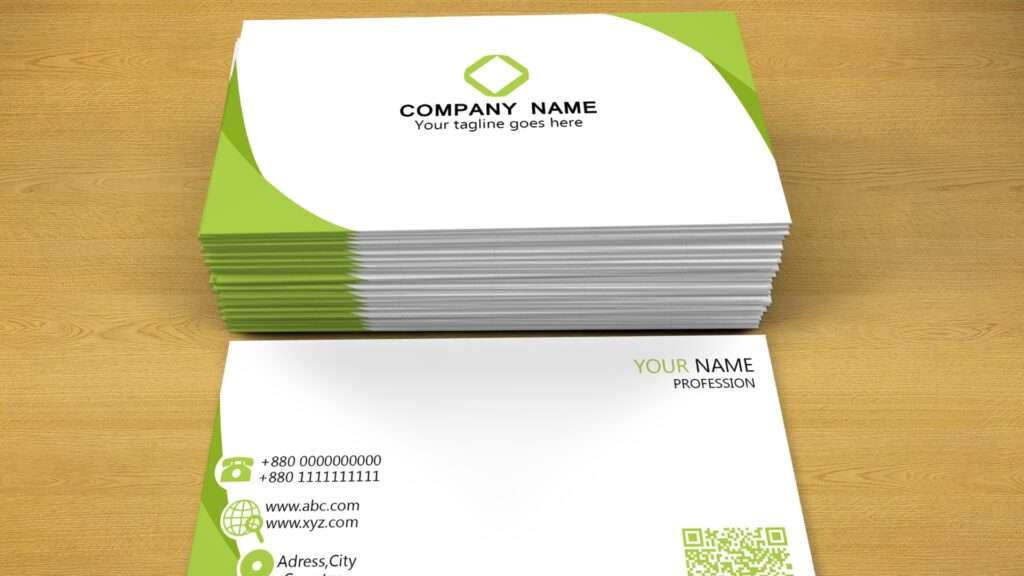
- Consider back-of-card uses: appointment times, QR code linking to digital catalogues, or brief service lists.
These design choices are important for small-business marketing materials, event promotions, and even school contact cards. If you produce accompanying materials like brochures or booklets, coordinate the palette and typography to strengthen brand recognition. For brochure design and print, see our brochure printing services for complementary approaches: Brochure printing services.
How should I prepare print-ready files for business card printing?
Submitting correct print-ready files saves time and avoids costly delays. Typical file prep guidelines include:
- File format: PDF/X-1a or high-resolution PDF with embedded fonts and images.
- Bleed: 3 mm beyond trim on all sides; keep important text inside a 3–5 mm safe zone.
- Colour: CMYK for process printing; specify Pantone colours only when using spot inks or foil colour matching.
- Resolution: 300 dpi for images and raster elements.
If you’re printing business cards alongside training manuals, textbooks, catalogues, or booklets, maintaining consistent file standards across collateral reduces production risk. For print projects tied to education or training, check file specs early to align with term preparation deadlines: Training manual printing, Textbook printing, Books printing, Catalogue printing, Booklet printing.

How can I optimise distribution and delivery across South Africa?
Print delivery across South Africa is straightforward when you work with a supplier experienced in national logistics. Key considerations include:
- Consolidate shipments for multiple branches or schools to reduce freight costs.
- Schedule deliveries around events, school terms, or promotional dates.
- Use reliable couriers with tracking and proof of delivery for high-value batches.
If you require fast turnaround printing and distribution for events or promotions, ask your print partner about express services and bulk educational printing options. According to Statista, efficient logistics and local print-on-demand services have helped reduce lead times for printed materials in many markets, improving campaign responsiveness.
Which additional services should I expect from a commercial printer in South Africa?
Full-service printing partners often provide design support, digital proofs, finishing, variable-data printing, and distribution. They may also coordinate print runs across collateral types — from brochures to business cards — ensuring colour and material consistency. For small businesses and educational institutions, these integrated services can simplify large projects like school term preparation or multi-item promotional packs.
When evaluating suppliers, ask about quality control procedures, sample approvals, and turnaround guarantees. A professional printer will gladly show samples of previous work, from marketing brochures to custom business card finishes, and advise on the most cost-effective approach depending on your industry needs.
How do I get started with a business card print order?
Start by defining your objective: is the goal to hand out cards at a conference, include them in a brochure mailing, or supply staff with uniform contact cards? Gather logos and contact details, choose a stock and finish, and request a quote with estimated lead time. Ask for a hardproof where critical colours are involved.
Working with a print partner experienced in both commercial and educational printing helps ensure your order aligns with broader marketing or school communication strategies. Whether you need a single batch for an event, ongoing print-on-demand for a small business, or bulk educational printing that includes business cards as part of a stationery pack, plan early and leverage expert advice to achieve the right balance of cost, quality, and delivery across South Africa.
Frequently asked tips and troubleshooting for business card printing
Some common pitfalls include low-resolution artwork, forgetting bleed, and choosing a finish incompatible with your design. Before approving print:
- Double-check phone numbers and email addresses; changes after setup can be costly.
- Request a printed proof when using special finishes or critical colour matching.
- Consider ordering a small pilot run to confirm look and feel before a large offset order.
When in doubt, consult your printer for a preflight check. Their experience across brochure printing services, booklet printing and catalogue projects can provide practical insights that save time and costs during production.
Closing thoughts: balancing cost, quality and sustainability
Choosing the right business card options in South Africa requires a balance of budget, tactile impression, and environmental considerations. Whether you’re a small business owner, a school coordinator managing educational printing needs, or a marketing manager preparing event packs, the right print partner will guide you through size selection, stock choices, finishes and delivery to ensure your cards work as effective marketing tools.
According to industry sources, quality printed materials remain a trusted touchpoint in networking and institutional communication — a reminder that even in a digital age, a well-crafted business card still opens doors.
Contact Print It ZA today, for a Free Quote and Speedy Service.
Print It ZA, we deliver Printing Best!