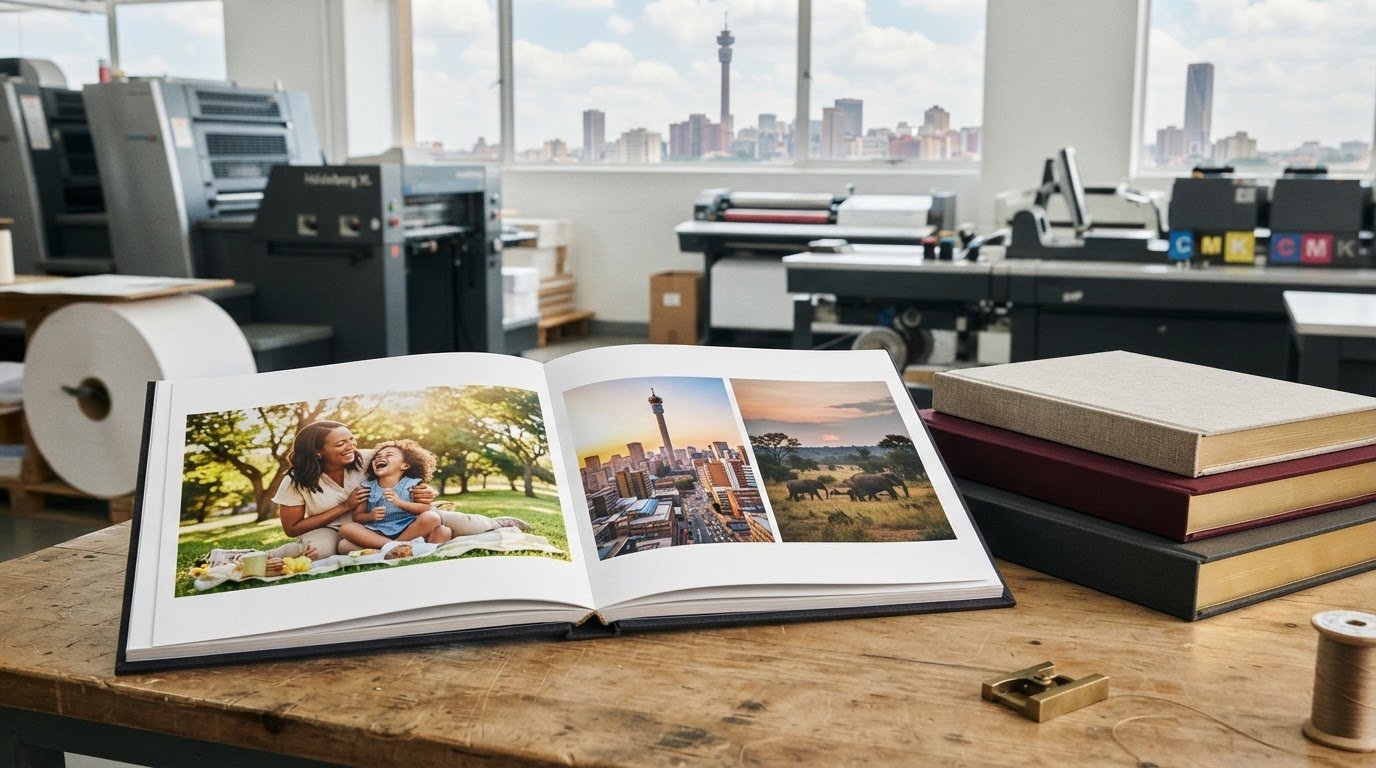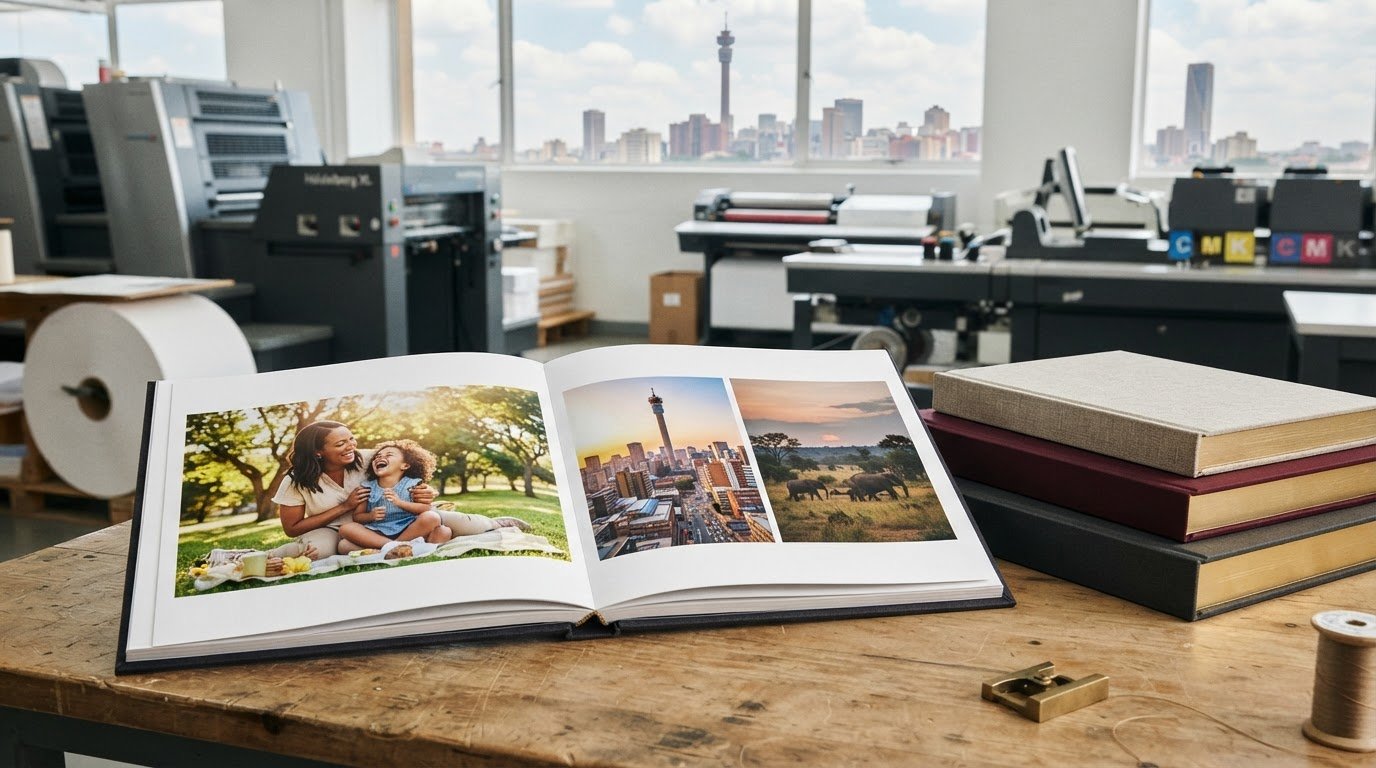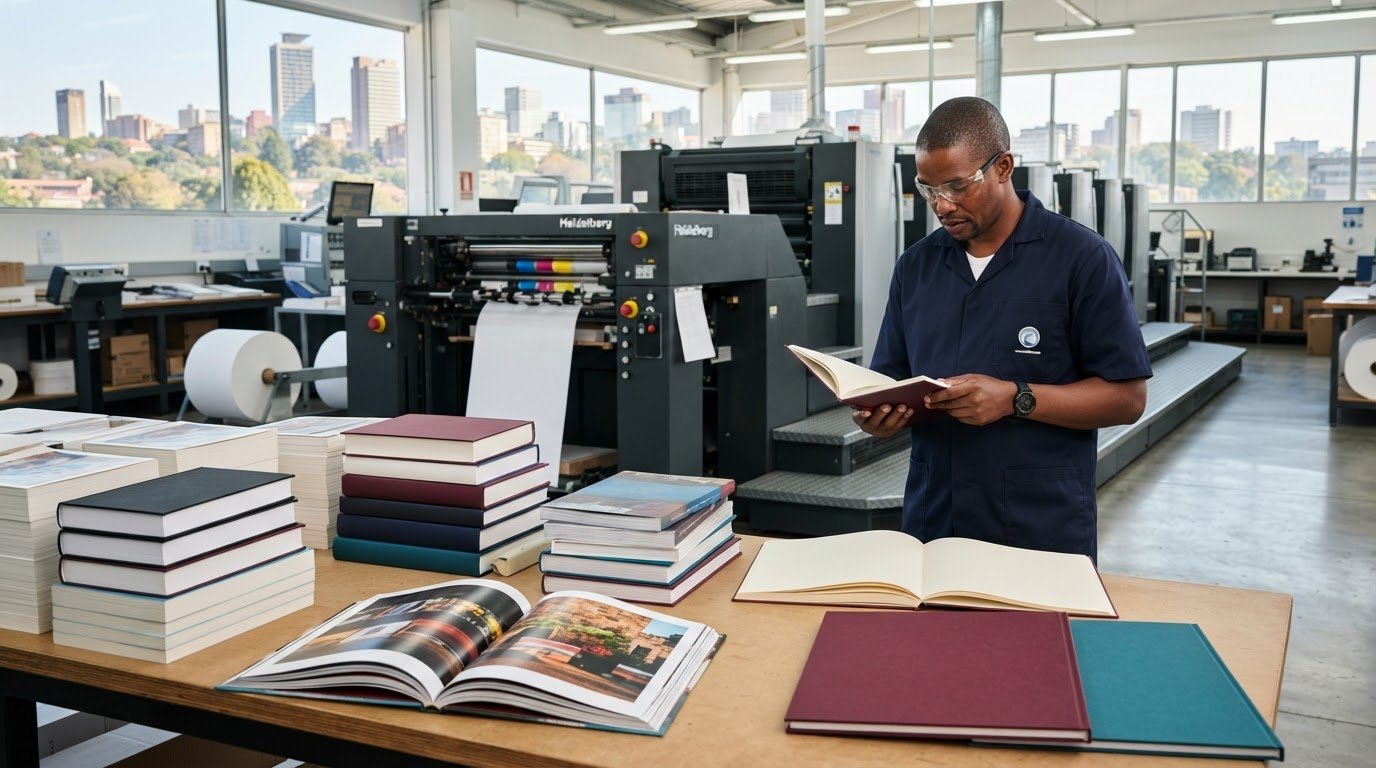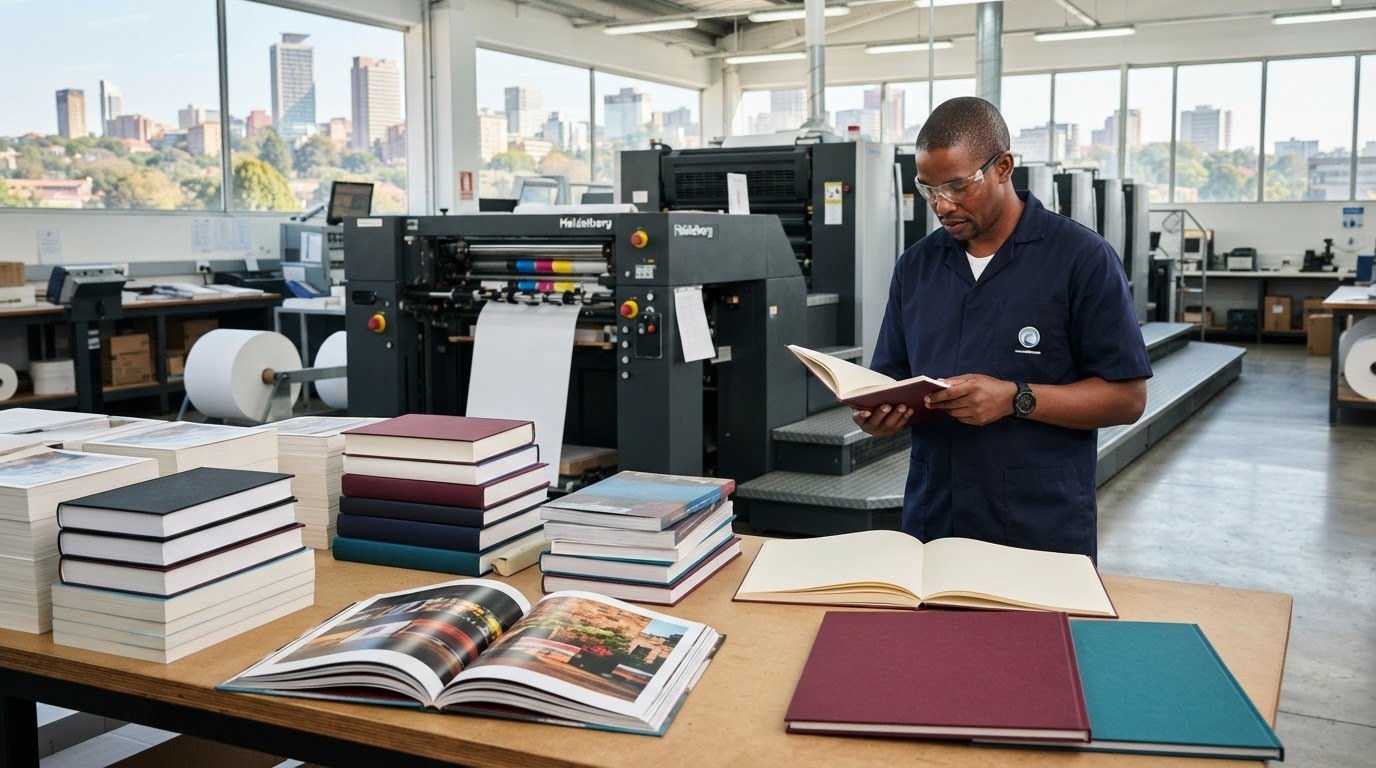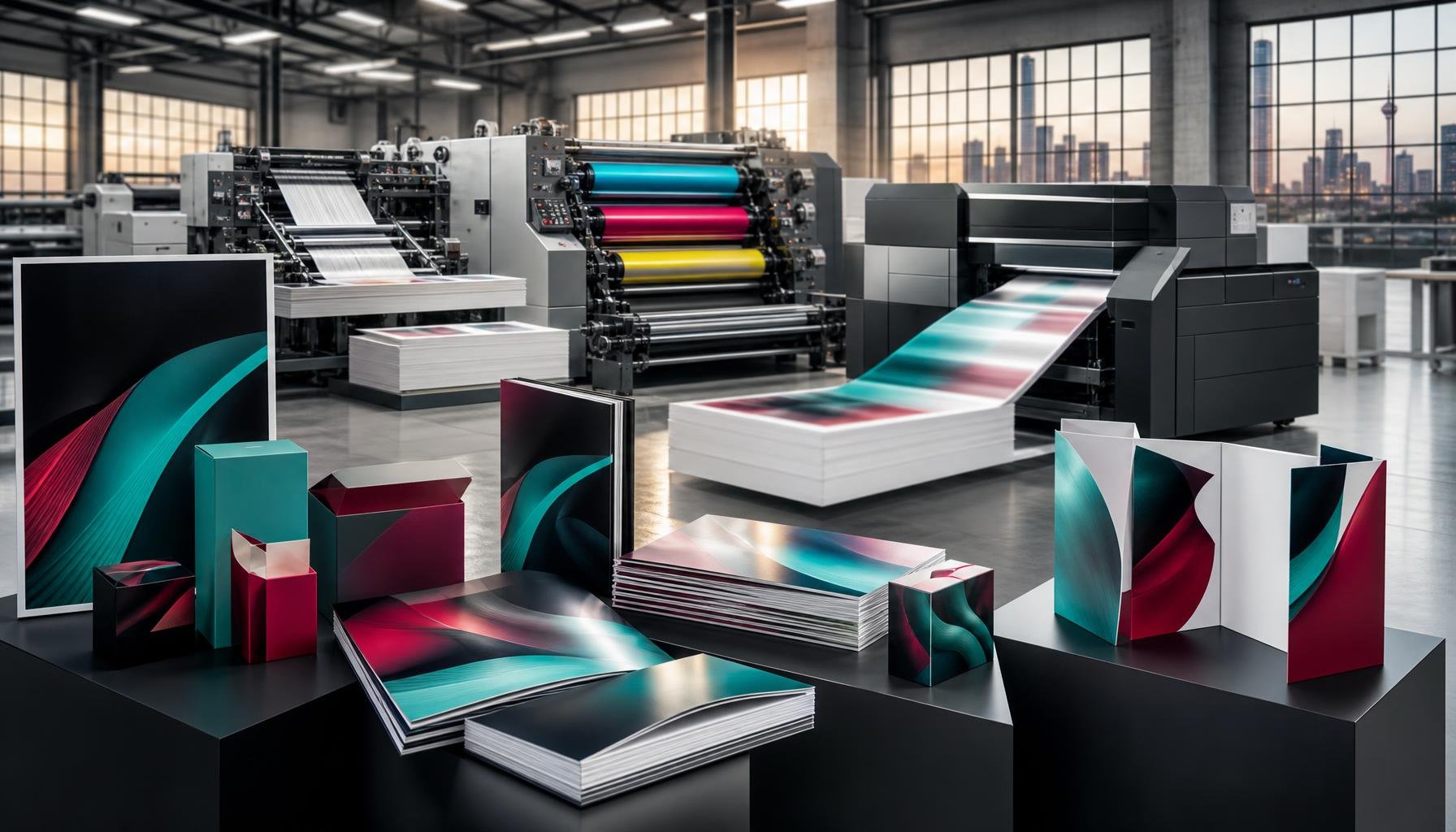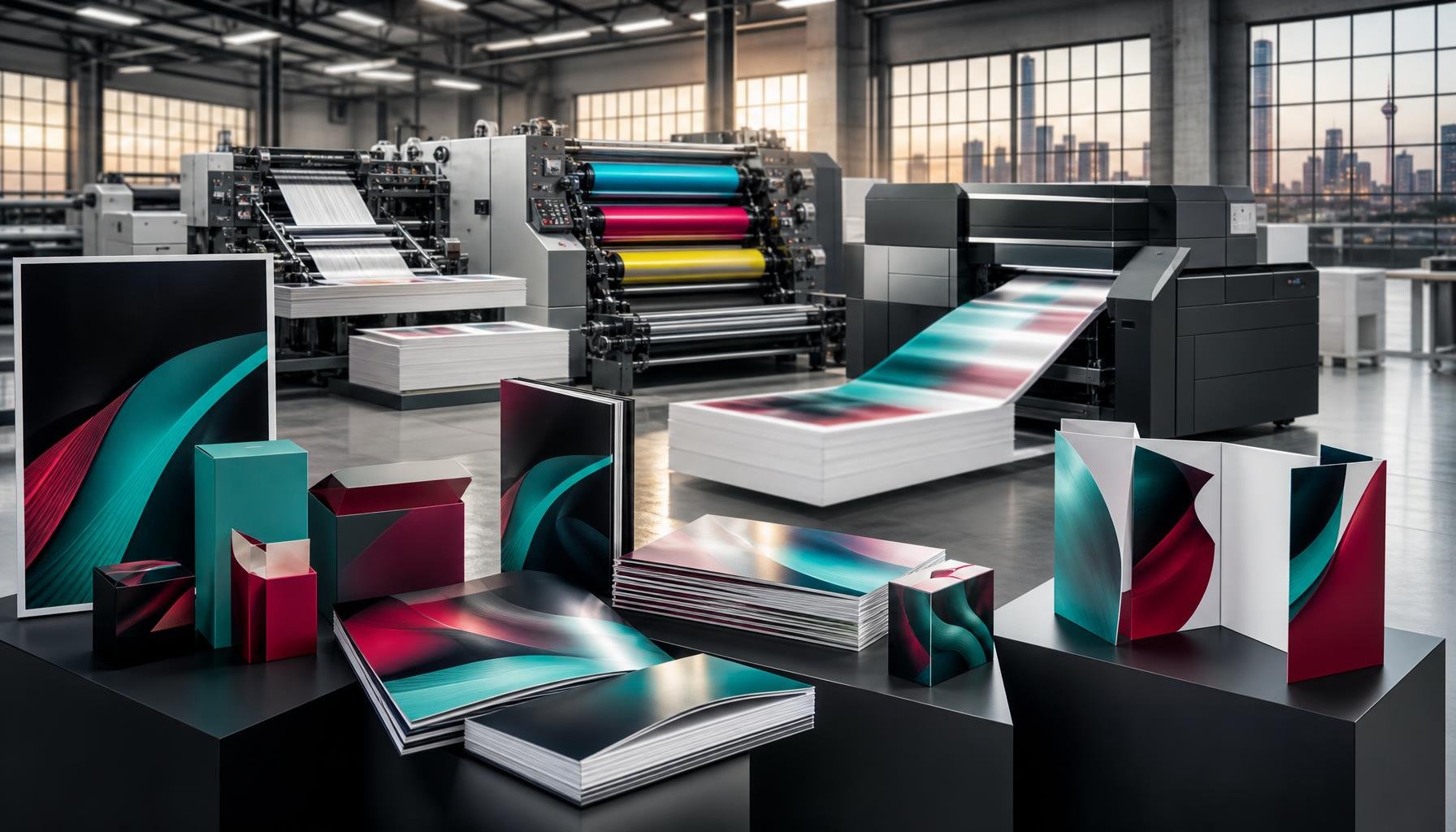

A single loose page or a faded brand logo can turn a premium marketing tool into a missed opportunity in seconds. When you’re looking for reliable Catalogue and Booklet printers in Johannesburg, you need more than just a machine; you need a partner that ensures your vision survives the journey from the press to the retail floor. You’ve likely felt the frustration of distribution delays or inconsistent colors that don’t match your digital proofs. It’s a common headache for local businesses trying to maintain high standards while managing tight deadlines in a fast-paced market.
We agree that your marketing materials should be as hardworking and professional as your team. This article will show you how to master the technical and logistical essentials of high-quality printing with South Africa’s leading 24/7 print partner. We’ll explore how to choose the best binding for durability, how to ensure consistent color across large runs, and how to optimize paper weight to save on postage costs. You’ll get expert advice on navigating the logistics of Johannesburg’s busiest retail hubs so your project lands on time, every time.
Key Takeaways
- Distinguish between high-impact retail catalogues and detailed informational booklets to align your print strategy with your marketing goals.
- Learn how to select the right binding and paper weights to balance professional aesthetics with postage and distribution costs.
- Understand the critical differences between Litho and Digital printing to scale your production efficiently based on run size and urgency.
- Discover how partnering with expert Catalogue and Booklet printers ensures seamless distribution across Gauteng through centralized logistics and kitting services.
- Leverage over 20 years of local expertise and in-house design support to turn complex file specifications into high-impact finished products.
What defines a professional Catalogue and Booklet printing service?
Choosing the right Catalogue and Booklet printers is a decision that directly impacts your brand’s physical presence in the market. It’s about more than just the machinery; it’s about a creative partnership that understands the South African retail environment. A professional service doesn’t just print files. They manage a complex workflow that bridges the gap between a digital design and a high-impact physical product that lands on a customer’s desk or a retail shelf.
In the South African FMCG and retail sectors, high-quality print remains a vital sales driver. A well-produced catalogue serves as a silent salesperson, guiding consumers through product ranges with clarity and vibrant color. For example, a specialist brand like My Wellness relies on clear, vibrant print to showcase their range of natural health products and supplements to a discerning audience. While digital marketing has its place, the tactile nature of a printed booklet creates a level of engagement and trust that screens often lack. This is why local Johannesburg production is so critical. By printing in Midrand rather than relying on international imports, you eliminate the risks of port delays and high shipping costs, ensuring your marketing materials are ready for the precise moment your campaign launches.
The end-to-end process should be seamless. It begins with expert advice on file specifications and paper weights, moves through high-speed production on either litho or digital presses, and concludes with professional finishing and kitting. This holistic approach ensures that every page reflects your brand’s commitment to quality.
Catalogues vs. Booklets: Which do you need?
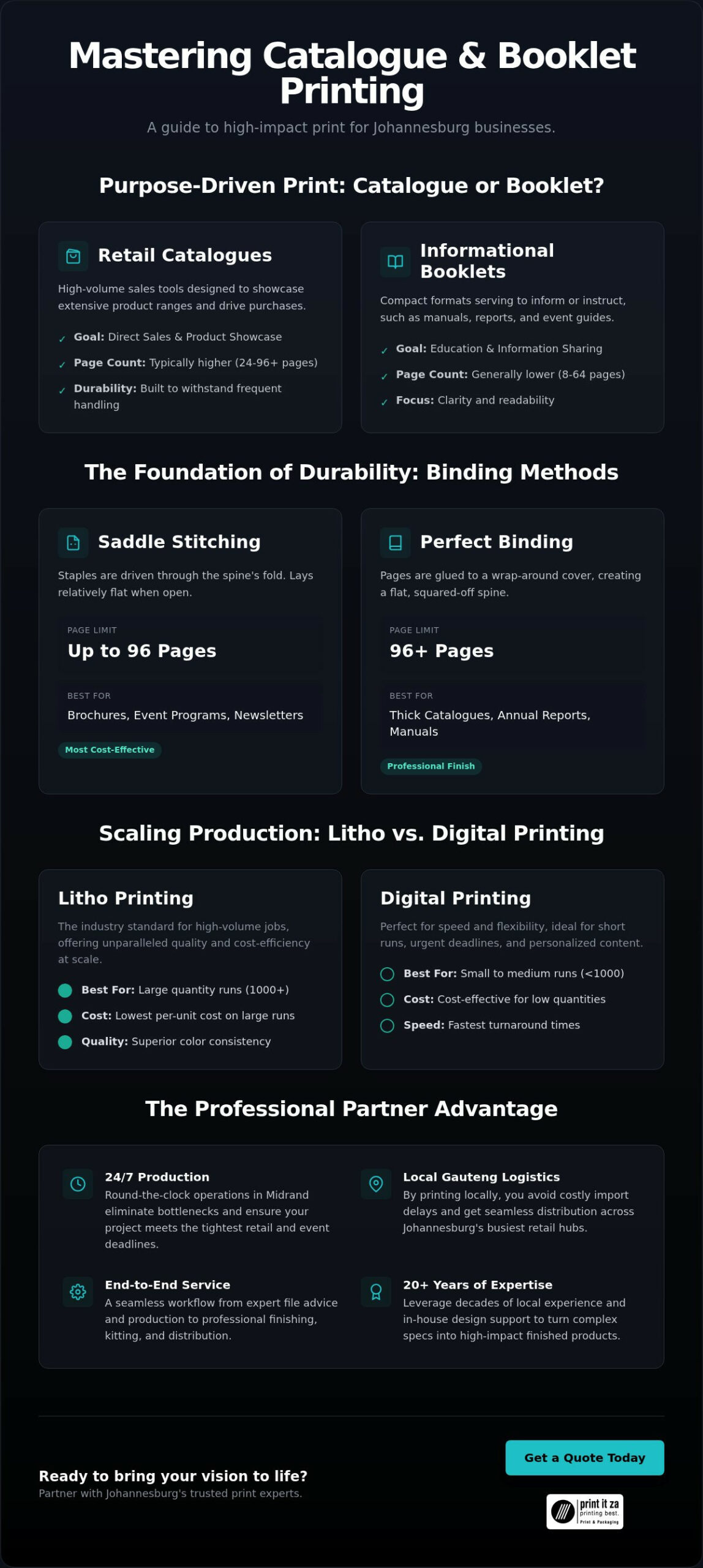
Understanding the difference between these two formats helps you allocate your budget more effectively. Catalogues are typically high-volume sales tools designed to showcase extensive product ranges. They often feature higher page counts and require durable binding to withstand frequent handling. Booklets are generally more compact and serve informational purposes, such as training manuals, annual reports, or instruction guides. The choice of bookbinding methods often depends on these page counts. A thick retail catalogue might require perfect binding for a flat, professional spine, while a slim instruction manual works perfectly with cost-effective saddle stitching.
The importance of 24/7 print production for Gauteng businesses
Johannesburg is a city that never stops, and your print partner shouldn’t either. Operating 24/7 in Midrand allows us to eliminate the traditional bottlenecks that delay large-scale projects. This round-the-clock schedule is essential for meeting the tight deadlines of event-based marketing and retail launches where even a one-day delay can impact your bottom line. Reliability is the true cornerstone of corporate print procurement. When you work with Catalogue and Booklet printers that maintain constant production, you gain the peace of mind that your project is moving forward while you sleep, ready for distribution across the Gauteng province exactly when you need it.
Choosing the right binding and paper for your project
The physical properties of your marketing material speak louder than the words on the page. When you partner with Catalogue and Booklet printers, your choice of binding and paper stock shouldn’t be an afterthought. These decisions affect everything from the durability of a workshop manual to the postage costs of a nationwide retail mailer. Getting this balance right ensures your project looks premium while remaining within your operational budget.
Saddle Stitching vs. Perfect Binding
Saddle stitching is the most common and cost-effective method for smaller documents. It involves driving staples through the fold of the spine, allowing the booklet to lay relatively flat when opened. This is ideal for brochures, event programs, and newsletters. However, there is a physical limit to how many pages staples can hold securely. Once your project exceeds 96 pages, perfect binding becomes necessary to ensure the spine remains secure and the document presents a clean, flat edge. Perfect binding uses a strong thermal glue to attach a wrap-around cover to the internal pages, creating a professional look similar to a paperback book. You can explore a detailed breakdown of these professional binding methods to see which fits your specific page count and usage requirements. For high-traffic manuals that need to survive daily handling, the structural integrity of the binding is just as important as the ink on the paper.
Self Cover vs. Plus Cover strategies
A common way to manage production costs in the South African market is choosing between a "Self Cover" and a "Plus Cover" layout. A Self Cover project uses the same paper weight for every page, including the front and back. This is a pragmatic choice for high-volume informational booklets where speed and cost-per-unit are the primary drivers. If you want to make a more significant impact, a Plus Cover strategy uses a heavier, more durable cardstock for the exterior. This protects the internal pages and provides a premium tactile experience from the moment a client picks it up. When looking for professional printing services in Johannesburg, it’s worth discussing how these choices impact your final weight, as even a few extra grams per unit can significantly increase your bulk postage rates. We often suggest adding a lamination or UV coating to a Plus Cover for extra retail impact, ensuring your catalogue doesn’t scuff during transit. If you’re unsure which stock will work best for your distribution plan, reach out for a collaborative consultation to see physical samples of our local paper options.
Litho vs. Digital: Scaling your Catalogue production
Deciding between digital and litho printing isn’t just a technical choice; it’s a strategic move that dictates your project’s ROI. As experienced Catalogue and Booklet printers, we’ve seen many clients struggle to find the ‘tipping point’ where one method becomes more economical than the other. Digital printing now accounts for 68% of all print jobs in South Africa, reflecting a massive shift toward agility. However, litho remains the undisputed king when your campaign scales to a national level.
The difference in cost can be substantial depending on your volume. For instance, while digital is perfect for short runs, a high-volume litho run can be significantly cheaper per unit once you cross the 500 to 2,000 copy threshold. We often see this in flyer production, where a digital run of 3,000 units might cost R4,500, whereas the same run using litho could be as low as R1,200. This same logic applies to your catalogues. Choosing the right technology ensures you aren’t overpaying for scale or under-utilizing your budget on small, targeted batches.
When to choose Digital for booklets
Digital printing is your best friend for targeted marketing and niche publications. It offers low minimum order quantities, which is a lifesaver for small businesses or specialized training centers. One of its greatest strengths is Variable Data Printing (VDP). This tech allows you to personalize each marketing catalogue with unique names or localized offers without stopping the press. If you need urgent training manual updates or a small batch of event booklets, digital’s near-zero setup time ensures you meet those impossible deadlines. It’s fast, flexible, and keeps your inventory lean.
The Litho advantage for retail catalogues
When you’re preparing for a massive retail launch, high-volume litho printing is essential. It provides a level of image quality and color depth that toner-based digital systems can’t quite match. This is because litho uses actual liquid inks, allowing for smoother gradients and precise Pantone matching for brand-critical assets. For those managing massive projects, our high-volume book printing services in Johannesburg provide the necessary scale for retail giants and national educational publishers.
Many of our clients now favor hybrid solutions to get the best of both worlds. They might use a large litho run for their primary product catalogue to save on costs, then use digital printing for regional inserts or personalized booklets. This approach ensures maximum reach while maintaining a personal touch. By leveraging both technologies, you can ensure your Catalogue and Booklet printers are delivering the most efficient production path for every single page of your project.
Logistics and Distribution: Beyond the print shop
Getting the print right is only half the battle. If your catalogues don’t reach the store floor before your promotion starts, the entire investment loses its impact. Professional Catalogue and Booklet printers in Johannesburg understand that distribution is just as critical as the ink on the paper. Our strategic location in Midrand serves as a high-speed gateway to the rest of Gauteng. We sit at the heart of South Africa’s transport network, allowing us to move your marketing collateral from our floor to your retail hubs with zero friction.
Many international competitors offer generic shipping that stops at your doorstep. We take a more hands-on approach. Because we operate printing 24/7, our production and logistics teams work in total sync. This round-the-clock presence means we can handle late-night production finishes and have your materials loaded for early-morning delivery windows. It’s about ensuring your time-sensitive projects never sit idle on a warehouse shelf when they should be in your customers’ hands.
Kitting and bespoke retail packaging
Large-scale retail campaigns often require more than just a single stack of booklets. You might need your catalogues bundled with point-of-sale displays, posters, or flyers for a coordinated launch. We manage this entire kitting process in-house, ensuring that every store receives a complete, ready-to-use marketing kit. To ensure these high-value materials survive the journey, we provide specialized protection through our expertise as custom packaging manufacturers in Johannesburg. This bespoke packaging prevents scuffing and corner damage, so your brand looks pristine the moment the box is opened.
Nationwide delivery and export logistics
Our reach extends far beyond the borders of Johannesburg. We manage daily distribution to Cape Town, Durban, and smaller regional centers across South Africa. This nationwide capability is backed by 24/7 print operational support, allowing us to manage logistics emergencies or last-minute reruns in real-time. We make sure your Catalogue and Booklet printers aren’t just a vendor, but a partner that understands the complexities of trade. Streamline your distribution today and let us handle the heavy lifting from press to shelf.
Why Print It ZA is Johannesburg’s trusted partner for Catalogues
With years of experience in the South African printing landscape, Print It ZA has become a cornerstone for businesses that value precision and speed. We’ve built our reputation on being more than a service provider; we’re a hardworking regional partner that takes pride in every page we produce. Having both litho and digital technology under one roof in Midrand means we don’t have to outsource your project. This keeps quality high and costs low for our clients. As specialized Catalogue and Booklet printers, we understand that your marketing materials represent your brand’s standards. Our facility is equipped with state-of-the-art machinery that allows us to switch between short-run digital and massive litho runs without missing a beat.
Our commitment to high-energy, solution-oriented partnerships means we’re always looking for ways to add value to your project. We don’t just take orders; we offer expert advice on how to optimize your print specs for better results. Whether it’s suggesting a specific laminate to make your colors pop or advising on paper weights to lower your distribution costs, we act as a mentor throughout the process. This pragmatic approach has made us the go-to choice for corporate and retail clients who need a reliable partner they can trust with their most critical assets.
From creative development to final delivery
Our in-house design team works directly with you to ensure your artwork is print-ready for high-volume production. They don’t just look at the files; they help you avoid common pitfalls like incorrect file specs or poor image resolution that can stall a project. This consultative approach is part of our commitment to a solution-oriented partnership. We help you choose the most cost-effective paper weights and finishes that don’t compromise on impact. By catching technical issues early, we ensure that your 24/7 print production schedule stays on track. If you’re still researching your options, check out our essential guide to finding the best print shop in Johannesburg for more expert tips.
Requesting a quote for your next project
Requesting a quote for your next project is a streamlined process designed for busy corporate and retail procurement teams. To give you the most accurate high-volume quote, we’ll need to know your page count, preferred binding style, and whether you require kitting for multi-point distribution. We’re ready to assist with any technical questions to ensure your final product exceeds expectations. Our high-energy team is always available for a collaborative consultation to walk you through physical samples and production timelines. We value your time and vision, which is why we move quickly from identifying your needs to providing a clear, action-oriented solution. Contact Print It ZA today for a bespoke catalogue and booklet printing quote.
Take the Next Step Toward High-Impact Marketing
Mastering the technical details of your print project ensures that every rand spent delivers maximum value. By selecting the right binding for durability and choosing the most efficient printing method for your volume, you set the stage for a professional result. When you partner with experienced Catalogue and Booklet printers, you’re not just buying ink on paper; you’re securing a logistical advantage that keeps your brand moving. We’ve refined this process as litho and digital experts since 2005, helping businesses across South Africa achieve aesthetic excellence without the stress of missed deadlines.
Operating 24/7 printing in Midrand allows us to handle high-pressure projects with ease. Our nationwide delivery support ensure your catalogues reach their destination, whether that’s a local retail hub or an international market. We’re ready to help you turn your vision into a high-impact reality that resonates with your audience. Request a custom Catalogue and Booklet quote from Print It ZA and let’s start building your next success story together. Your brand deserves a partner that works as hard as you do.
Frequently Asked Questions
What is the minimum order quantity for booklet printing in Johannesburg?
Our digital printing technology allows us to handle very small orders, starting from as few as 10 units for specialized booklets. This flexibility is perfect for niche marketing or small training sessions where high volume isn’t necessary. If you’re scaling up to a larger run for better cost-per-unit benefits, we usually recommend litho printing for orders exceeding 500 copies. We’ll always suggest the most pragmatic production path based on your specific volume needs.
How long does it take to print 5,000 retail catalogues?
Most high-volume catalogue projects take between 7 to 10 working days once you’ve approved the final proofs. Because we operate 24/7 printing in Midrand, we can often compress these timelines to meet urgent retail launch dates that other shops might miss. The exact duration depends on your choice of binding and finishing touches like lamination or UV coating. We provide a clear production schedule at the start so your team can plan their distribution with total confidence.
Can you help with the layout and design of my catalogue?
Yes, our in-house creative team is ready to assist you with everything from initial layout to final file specifications. We don’t just print your files; we ensure they’re optimized for high-volume production to avoid technical errors that cause delays. This collaborative approach helps you choose the best placement for products and text to maximize reader engagement. We’ll work closely with your vision to create a professional result that truly stands out on the retail shelf.
What is the difference between saddle stitch and perfect binding for booklets?
Saddle stitching uses staples along the spine and is the best choice for booklets up to 64 pages. It’s highly cost-effective and allows the document to lay relatively flat when opened. Perfect binding uses a strong adhesive to create a flat, squared-off spine, which is the gold standard for thicker catalogues. This method provides a premium, bookstore-quality finish that is highly durable for frequently handled materials. We’ll help you decide the best fit based on your page count.
Do you offer nationwide delivery for large print orders from Midrand?
We manage daily nationwide distribution from our centralized Midrand facility to Cape Town, Durban, and all major South African hubs. Our logistics team handles the complexities of moving large-scale orders so you don’t have to worry about the heavy lifting. Whether you need a single drop-off or multi-point retail delivery, we ensure your materials arrive safely and on time. We also provide kitting services to bundle your catalogues with other marketing assets for store-ready displays.
Is digital or litho printing better for high-volume catalogues?
Litho printing is the superior choice for high-volume catalogues due to its exceptional cost-per-unit efficiency and color precision. While digital printing is excellent for short runs and personalization, litho provides the speed and scale required for national retail campaigns. As leading Catalogue and Booklet printers, we use high-speed litho presses to ensure consistent image quality across thousands of copies. This ensures your brand remains vibrant and professional from the first copy to the very last one off the press.
What paper weight is best for a professional-looking corporate booklet?
For a premium corporate feel, we recommend using a 128gsm to 150gsm silk or gloss stock for the internal pages. Pairing this with a heavier 250gsm or 300gsm "Plus Cover" adds a tactile sense of quality and extra durability. This combination creates a sturdy document that feels substantial and impressive in a client’s hands. We’ll provide physical samples of local South African paper stocks to help you find the perfect balance between aesthetic impact and bulk distribution weight.
Can you handle international exports for printed materials?
Yes, we manage international export logistics for clients looking to reach African and global markets. Our team understands the documentation and packaging standards required for cross-border trade to ensure your materials clear customs without unnecessary delays. We’ve helped many regional businesses expand their reach beyond South Africa by providing reliable export support. From our Midrand base, we coordinate the entire journey from the printing press to your international destination with full tracking and support.
Contact Print It ZA today, for a Free Quote and Speedy Service.
Print It ZA print and packaging, we deliver Printing Best!