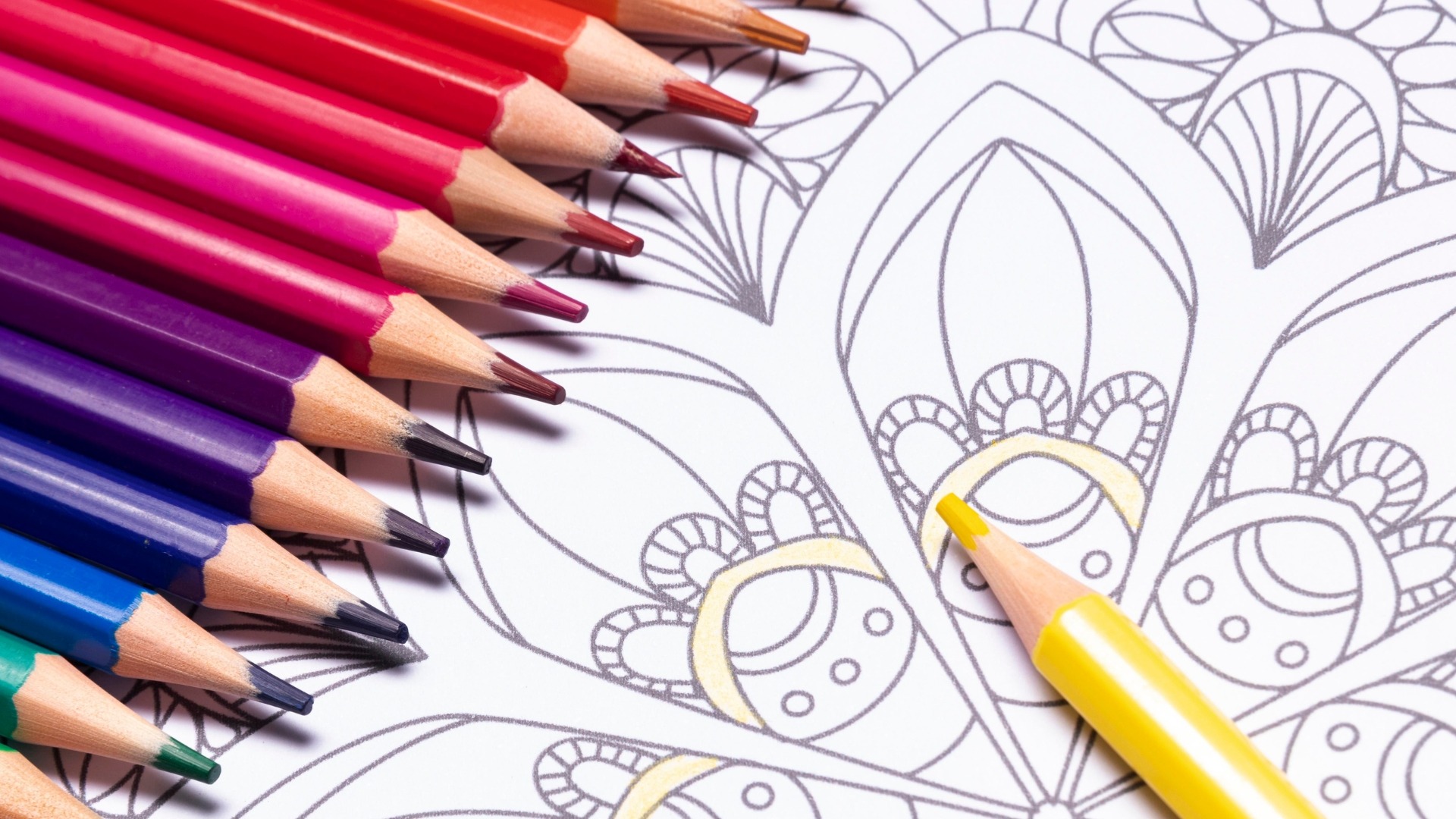
Colouring book printing gives creators, schools, brands, and parents a practical way to turn ideas into interactive printed books. Although digital content is everywhere, colouring books still hold real value because they encourage hands-on engagement, support learning, and create a physical activity people can enjoy away from screens. As a result, colouring book printing works well for educational projects, branded promotions, children’s activities, events, and custom publishing.In South Africa, colouring books can support schools, authors, businesses, churches, tourism campaigns, and family-focused brands. For example, a school may print a colouring activity book for learners, while a company may create a branded colouring book for a product launch or community event. If you already use services such as books printing, booklet printing, education printing, or textbook printing, then colouring book printing fits naturally into the same print category.
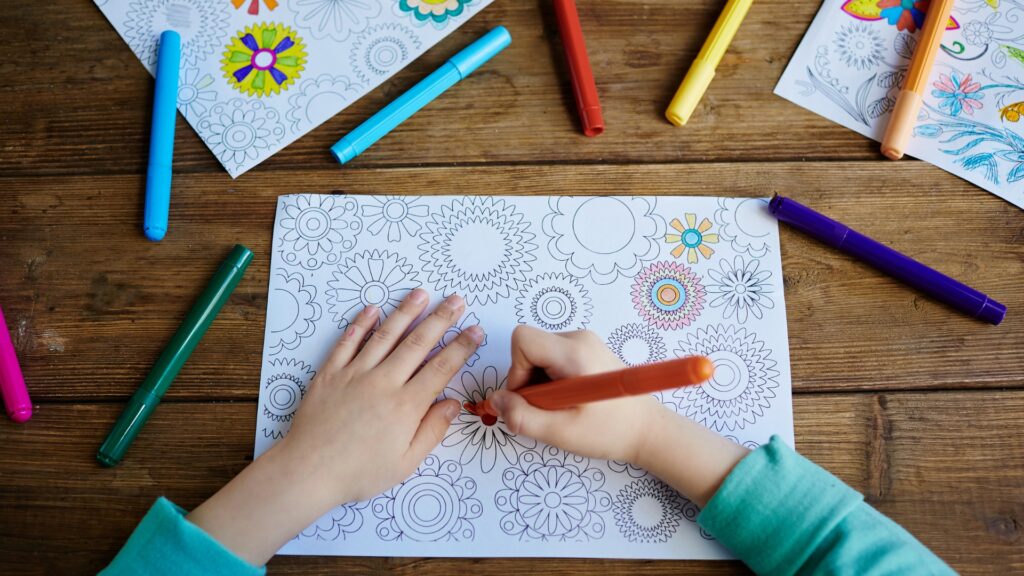
What is colouring book printing?
Colouring book printing is the process of turning illustrated pages into a printed book designed for colouring, drawing, creativity, or simple educational activities. Usually, the book includes black line artwork on uncoated inner pages so crayons, pencils, or markers can work properly. Depending on the project, the final product may be saddle stitched, perfect bound, or wire bound.
Because colouring books are interactive, the printing choices matter more than many people expect. The paper must suit colouring use, the binding must fit the page count, and the cover should support the purpose of the book. Therefore, a colouring book should be designed as a usable printed product, not just as a collection of illustrations.
Why is colouring book printing still popular?
Colouring book printing remains popular because it combines entertainment, creativity, and practical use. Children enjoy the activity, parents value the screen-free engagement, and schools appreciate how colouring books support structured learning. At the same time, businesses use them as promotional tools because they are memorable, useful, and easier to keep than many throwaway handouts.
In other words, colouring books do more than entertain. They can teach, promote, engage, and extend the life of a message long after an event or campaign ends.
| Why Colouring Books Work | Benefit |
| Hands-on interaction | Keeps children and users actively engaged |
| Screen-free activity | Offers a break from phones, tablets, and TVs |
| Educational value | Supports learning, fine motor skills, and focus |
| Brand retention | Keeps a company or campaign visible for longer |
| Custom content | Can be tailored to a school, event, or business theme |
Who uses colouring book printing?
Colouring book printing works for more than children’s publishers. In fact, schools, tutors, churches, non-profits, tourism brands, family restaurants, clinics, and corporate brands all use colouring books for different reasons. Some use them for teaching. Others use them for customer engagement, event giveaways, or community outreach.
| User | How Colouring Books Help |
| Schools and tutors | Support lessons, activities, and learner engagement |
| Authors and creators | Turn original artwork into a sellable printed product |
| Businesses | Create branded giveaways and family-friendly marketing tools |
| Churches and community groups | Support activities for children during events and programmes |
| Tourism and hospitality brands | Keep children engaged while promoting locations or services |
So, although the format looks simple, the use cases are actually broad. That is why colouring books can sit alongside brochure printing, booklet printing, and books printing as part of a wider project.
What paper is best for colouring book printing?
Paper choice matters because colouring books need to be usable, not just attractive. Most colouring books work best with uncoated inner pages because crayons and pencils grip the page better on that surface. By contrast, heavily coated paper may look smooth, but it can make colouring less enjoyable and less practical.
Meanwhile, the cover usually needs a heavier stock so the finished book feels more durable and more professional. Therefore, it often makes sense to use lighter uncoated inner pages and a stronger cover stock.
| Paper Area | Best Direction | Why It Works |
| Inner pages | Uncoated paper | Allows crayons and pencils to work properly |
| Cover | Heavier card stock | Improves durability and presentation |
| Premium books | Stronger cover with quality text paper | Makes the book feel more substantial |
| Activity books for schools | Practical uncoated stock | Keeps the book usable and cost-effective |

What size should a colouring book be?
The right size depends on the age group, artwork style, and purpose of the book. For example, younger children often benefit from larger, simpler page layouts, while older children and niche creative books may suit more compact or detailed formats. At the same time, schools and brands may prefer a practical size that is easy to stack, distribute, and store.
Because of that, the size decision should support the actual user experience, not just the design on screen.
| Goal | Best Size Direction | Reason |
| Early childhood activity book | Larger page layout | Gives children more room to colour |
| School handout book | Practical medium format | Easier to print, store, and distribute |
| Retail colouring book | Balanced book size | Looks professional and easy to handle |
| Branded giveaway | Compact or medium | Keeps production and distribution practical |
Which binding works best for a colouring book?
The best binding depends on the page count and how the book will be used. Saddle stitching works well for shorter colouring books. However, a thicker colouring book may need perfect binding or wire binding depending on the layout and expected use. In some cases, wire binding can help the book open flatter, which makes colouring easier.
As a result, the binding choice should support the user experience just as much as the page design does.
| Binding Type | Best For | Main Advantage |
| Saddle stitch | Shorter colouring books | Cost-effective and clean for lower page counts |
| Perfect binding | Thicker retail-style books | Looks more like a standard book |
| Wire binding | Activity or workbook-style use | Opens flatter for easier colouring |
If your project overlaps with school or workbook-style content, it also makes sense to review booklet printing and education printing.
How much does colouring book printing cost?
The cost depends on several factors. First, the page count affects how much paper and finishing the job needs. Next, the book size, print quantity, cover stock, binding type, and colour use on the cover all change the final quote. Therefore, a short saddle-stitched colouring book for an event will not cost the same as a thicker retail-style colouring book designed for resale.
| Cost Factor | How It Affects Price |
| Page count | More pages increase print and finishing cost |
| Book size | Larger pages use more paper |
| Binding method | Different bindings change finishing cost |
| Cover stock | Heavier covers cost more but improve durability |
| Print quantity | Larger runs may reduce cost per unit |
| Artwork prep | Layout work or file fixes may add to the quote |
So, if you want accurate pricing, the smartest move is to define the size, page count, binding style, and quantity before requesting a quote.
How can businesses use colouring books for marketing?
Businesses can use colouring books as branded giveaways, event handouts, restaurant table activities, family campaign tools, or educational promotional items. For example, a dental practice may create a colouring book that teaches children about brushing. Likewise, a tourism business may produce a local-themed colouring book for visitors. In both cases, the book gives the brand longer visibility than a normal flyer would.
Because colouring books are useful and interactive, people often keep them longer. Therefore, they can become a smarter branded tool than many short-life printed handouts.
How do colouring books support education?
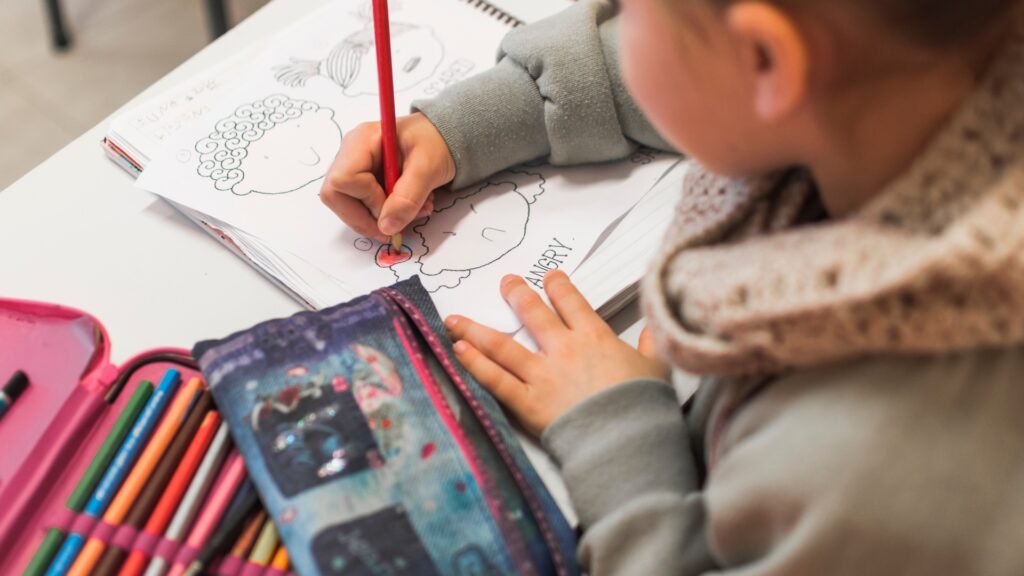
Colouring books support education by making lessons more visual, more practical, and easier to engage with. Teachers can use them to reinforce concepts, improve fine motor skills, and make learning more enjoyable for younger learners. In addition, activity-based printed material often helps children stay focused for longer than passive content alone.
That is why colouring book printing fits well with education printing and textbook printing for schools and learning providers that want more than standard worksheets.
What should you look for in a colouring book printer?
You should choose a printer that understands books, activity formats, and practical paper choices. In addition, the printer should help you decide on the best binding, stock, and production route for the final use of the book. A colouring book is not just a standard brochure, so the setup needs to suit the product properly.
| What to Check | Why It Matters |
| Book printing experience | Helps ensure the final product is built correctly |
| Paper advice | Important for colouring usability |
| Binding options | Lets you match the finish to the page count |
| Artwork and layout support | Helps avoid setup mistakes |
| Related education or booklet services | Useful for schools and mixed-format projects |
A good place to start is with services such as Books Printing, Booklet Printing, Education Printing, and the Contact Us page for quote requests.
Where can you order colouring book printing in South Africa?
If you need colouring book printing in South Africa, first decide who the book is for, how many pages it needs, what paper suits the activity, and which binding will work best. Then choose a printer that already handles books, booklets, and educational material rather than treating the job like a basic flyer or handout.
You can start by reviewing Print It ZA’s books printing, booklet printing, education printing, and textbook printing pages, then use the contact page to request a quote for your colouring book project.
Colouring books still matter because they combine creativity, learning, and real-world use in one practical format. More importantly, when the paper, size, and binding are chosen properly, a colouring book becomes more than a fun activity. It becomes a useful printed product that people actually spend time with.
Frequently asked questions about colouring book printing
What is colouring book printing used for?
Colouring book printing is used for education, custom publishing, branded giveaways, children’s activities, school material, and event engagement.
What paper is best for colouring books?
Most colouring books work best with uncoated inner pages because crayons and pencils grip the page more effectively.
What binding works best for a colouring book?
Saddle stitching works well for shorter books, while perfect binding or wire binding may suit thicker colouring books or workbook-style formats.
Can businesses use colouring books for marketing?
Yes. Businesses can use colouring books as branded giveaways, event handouts, educational tools, and family-friendly promotional items.
Where can I order colouring book printing in South Africa?
You can order colouring book printing in South Africa through a printer that already handles books, booklets, and educational material, such as Print It ZA’s related book printing services.
Contact Print It ZA today, for a Free Quote and Speedy Service.
Print It ZA print and packaging, We deliver Printing Best!