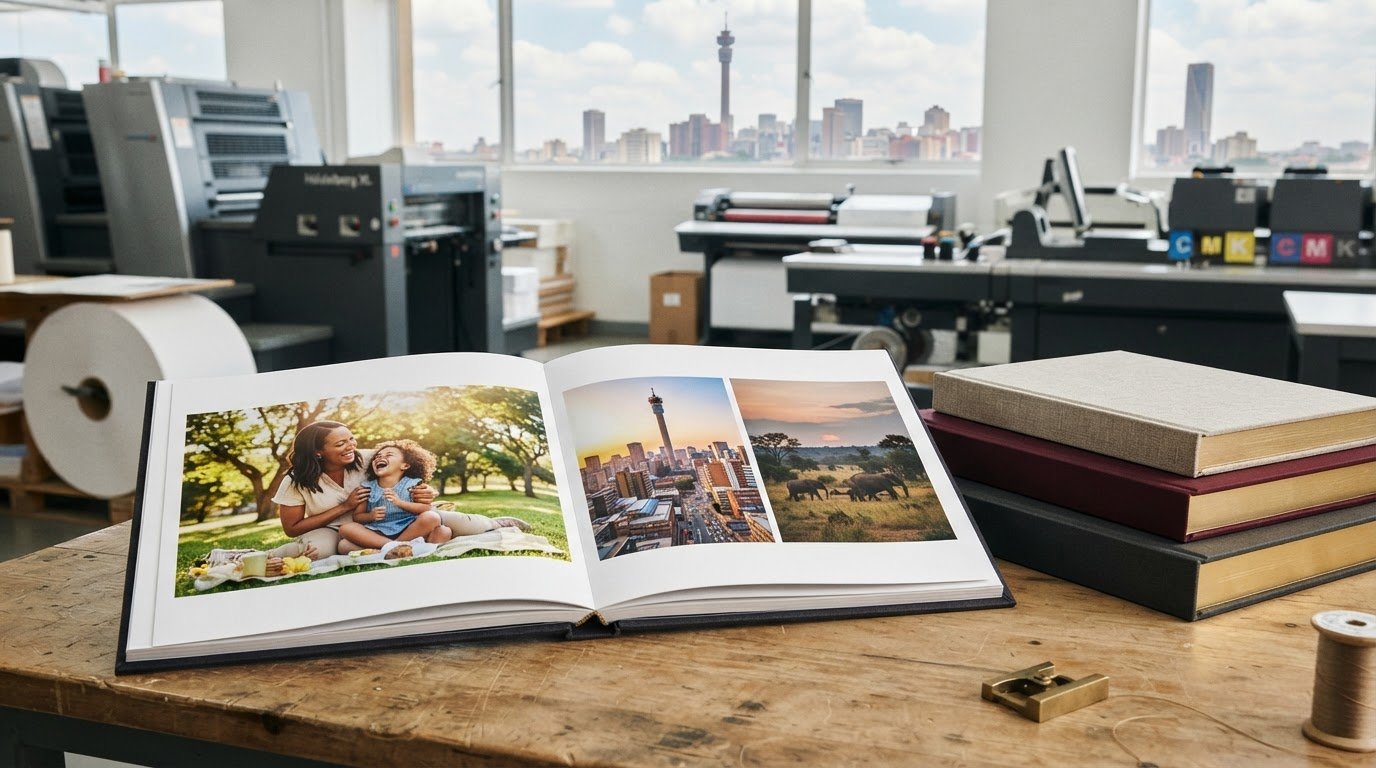
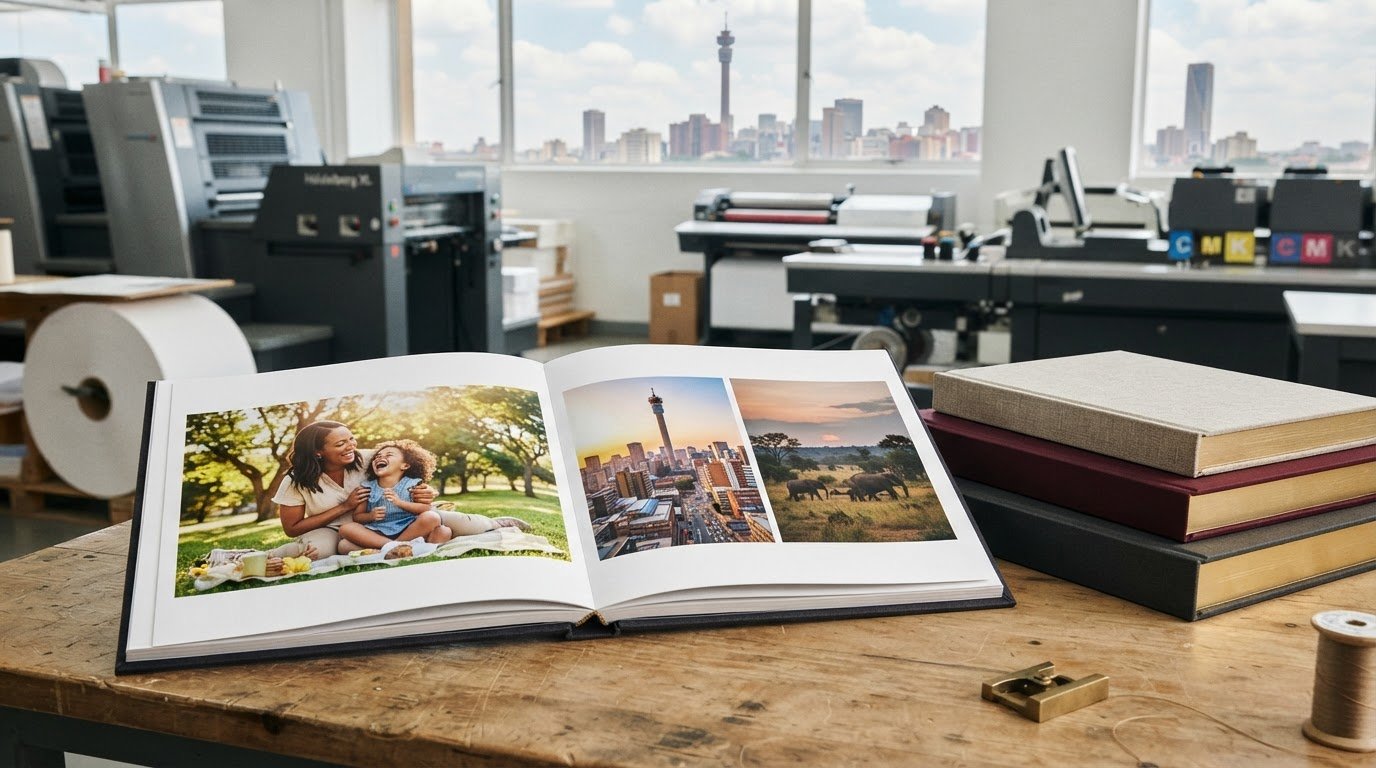
A lower print bill means little if stores, offices and campuses receive inconsistent materials. Corporate print procurement brings supplier selection, ordering, delivery, spending and brand checks into one coordinated process, so local teams can order what they need within clear central controls. For businesses in Gauteng and Johannesburg, it offers a practical way to improve visibility and consistency in print buying.
When orders are spread across departments, comparing costs, managing invoices and keeping every item on-brand can be harder. A shared approach helps, without taking useful ordering flexibility away from branches, retail locations or schools.
This article explains how to coordinate suppliers and local orders, track spending and invoices, and maintain brand standards across retail, corporate and education settings. It also shows how central oversight and local access can work together, and how to choose printed materials for a well-managed procurement approach.
Key Takeaways
- Connect approved suppliers to a clear ordering process to reduce manual work and improve visibility over delivery and quality.
- Centralise print rules while giving branches and departments local ordering access within defined permissions and approval paths.
- Track orders by department, location and supplier to make spending, invoices and budget responsibilities easier to follow.
- Protect brand consistency with approved templates that keep core design elements consistent while allowing relevant details to change.
- Match print products to each setting, from retail catalogues and packaging to corporate brochures and educational prospectuses.
Direct supplier connections and automated order processing
Direct supplier relationships route approved print orders to the right production partner, while automated workflows can reduce manual handling. Together, these controls help South African businesses coordinate marketing materials, quality checks and delivery.
Supplier Selection Criteria
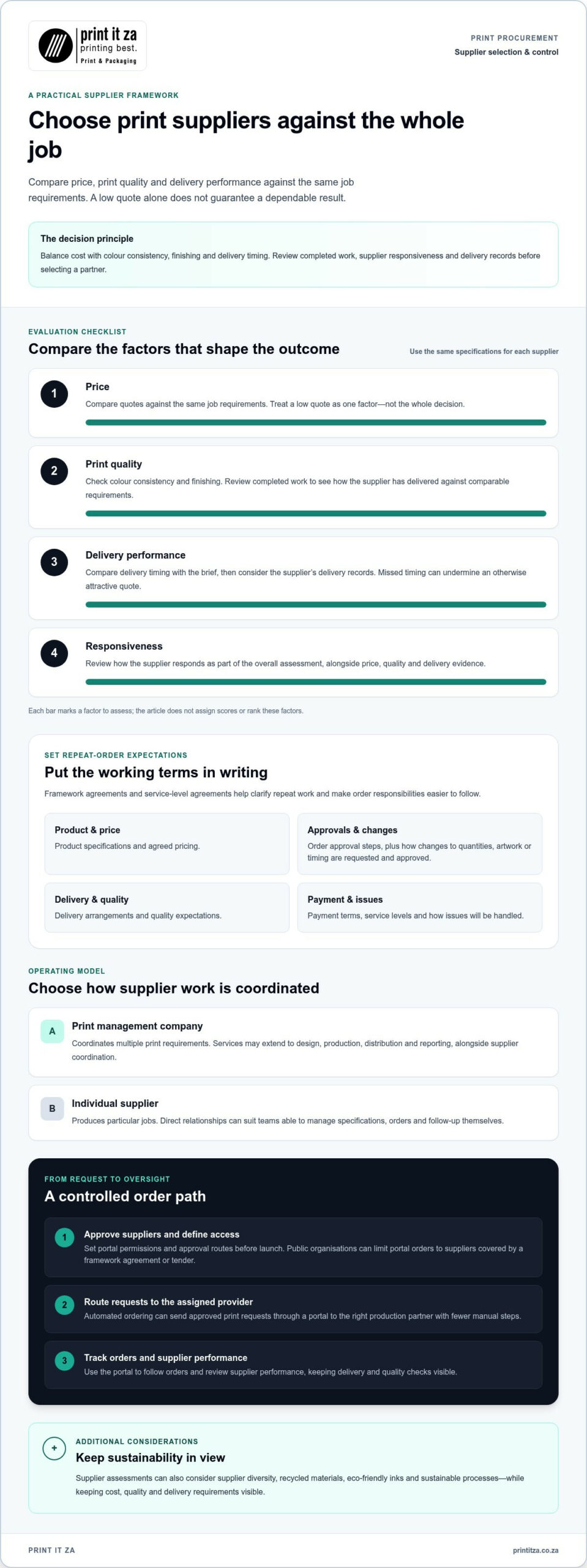
Supplier selection compares price, print quality and delivery performance with each job’s requirements. A low quote matters less if colour consistency, finishing or delivery timing misses the brief. Compare suppliers against the same specifications, then review completed work, responsiveness and delivery records. This gives procurement teams a clearer basis for balancing cost and dependable outcomes.
Using different suppliers for similar jobs can add complexity. Separate specifications, order processes and delivery schedules may lead to delays, inconsistent quality and duplicated administration. A retailer, for example, can coordinate seasonal point-of-sale displays through defined supplier routes instead of letting each store source them independently. This makes ordering and delivery responsibilities easier to trace.
Framework Agreements and Preferred Suppliers
A framework agreement sets agreed terms for repeat print purchases, while preferred suppliers are selected to handle specified work. These arrangements can simplify recurring orders and support consistent pricing and production expectations. Terms may cover product specifications, pricing, payment, delivery and service levels. Public organisations can restrict portal orders to suppliers covered by a framework agreement or tender.
A South African print procurement contract or service-level agreement should describe the print specification, agreed price, order approval process, delivery arrangements, quality expectations and how issues will be handled. Clear terms help both sides understand each order, from artwork approval to delivery and invoice details. For recurring work, define how changes to quantities, artwork or timing are requested and approved.
Print Management Companies and Individual Suppliers
A print management company coordinates multiple print requirements, while an individual supplier produces particular jobs. Management services may also cover design, production, distribution and reporting, beyond procurement’s focus on purchasing, supplier selection and contracts. A central coordinator can simplify oversight across varied work. Direct supplier relationships can suit teams able to manage specifications, orders and follow-up themselves. Similarly, for businesses managing regional equipment needs in East Africa, managed print and technology partners such as boldprint.co.ug demonstrate how hardware leasing, maintenance, and ongoing print solutions can be coordinated centrally.
Automated ordering connects approved suppliers to a portal, allowing requests to reach the assigned provider with fewer manual steps. Set permissions and approval routes before launch, then use the portal to track orders and supplier performance. Businesses can also assess supplier diversity and consider recycled materials, eco-friendly inks and sustainable processes. These choices help align supplier selection with environmental goals while keeping cost, quality and delivery requirements visible.
Centralised print governance with local ordering
A central framework sets the rules, while local teams place orders for their own needs. Mapping how requests move between departments, approvers and suppliers shows where fragmented processes slow work or obscure responsibility.
Trace a typical request from need to delivery. For example, record whether a branch manager emails artwork, a head office buyer approves quantities and a supplier receives the final file. Compare that route with a school ordering prospectuses or a retailer requesting seasonal displays. The map can reveal repeated approvals, duplicate orders and unclear hand-offs.
Older systems can split one order across email threads, spreadsheets and phone calls. A changed quantity might reach the buyer but not the production contact, leaving teams with conflicting instructions. Centralise order details in a shared workflow, including the requester, approved artwork, quantity, delivery location and status. Staff then have one record to consult instead of reconstructing decisions from messages.
Budget and Order Traceability
Budget and order traceability link each print request to its requester, branch, supplier and cost centre. Finance teams can then see which department is using its allocated budget and what each order covers.
For example, a corporate office can tag training manuals to a department, while a store records point-of-sale displays against its branch. A central report can group orders by user, location or supplier, helping teams spot repeat purchases and explain invoice lines. Connecting order records with invoice workflows can also make approvals and payment tracking easier to follow.
Print Order Consolidation
Print order consolidation combines similar requirements into coordinated orders instead of treating every request as a separate job. It can reduce duplicated administration, shipping costs and fragmented production schedules.
A business with several branches might combine requests for the same brochure when specifications and timing align. The central team can compare demand before approving a combined run, while each branch still receives its own delivery allocation. Consolidation should reflect actual use: excess stock can create storage pressure and leave materials unused.
Local ordering works best when central rules define approved templates, access rights and quantity limits. A branch user, for instance, could order an approved brochure, while a brand authority controls changes to the master artwork. Approval routes can reflect roles: a manager reviews a larger request, while routine replenishment follows a simpler path. These controls streamline work without removing local visibility.
Reviewing business print requirements alongside branch demand can help teams identify which materials suit coordinated ordering and which need local handling. The result is a clearer connection between each request, its approval and its destination.
Cost visibility, invoicing and ledger synchronisation
Strategic print purchasing connects each order to its production requirements, invoice and budget owner. Clear records help finance teams understand spending patterns and procurement teams identify where consolidated demand may improve purchasing efficiency.
Start with order-level information: record the department, supplier, print specification, quantity, delivery destination and approval status. When an invoice arrives, match it to the order and agreed details before routing it for payment. For example, a marketing brochure order should show which team requested it, what quantity was approved and which budget covers the work. This creates a practical trail from request to production and payment.
Automated reporting can group spending by department, supplier or order, making recurring costs easier to interpret. If one department regularly orders the same training manual in separate batches, the pattern may indicate an opportunity to consolidate. Finance staff can compare actual purchasing with planned budgets, while procurement can review whether order volumes, specifications or timing need adjustment. Reports are most useful when every request uses consistent categories.
Corporate print systems can support order-level costing, automated invoicing, payment tracking and ledger synchronisation. Integration with finance or accounting platforms can reduce repeated data entry between procurement and accounts teams. For instance, an approved order can carry its cost centre into the invoice workflow, helping staff trace a charge without searching separate spreadsheets and email threads. HR systems and authentication tools may also connect to procurement systems where organisational workflows require them.
Consolidating similar print jobs can help organisations negotiate better pricing, reduce shipping costs and coordinate production schedules. A company can compare upcoming brochure or catalogue demand across departments, then combine orders when specifications and timing align. Consider the full job, including delivery and storage, rather than unit price alone. Larger combined orders may not suit every need if local demand differs or materials risk going unused.
Accurate demand forecasting supports efficient print runs and waste reduction. Review current stock, planned campaigns and prior usage before setting quantities to avoid ordering materials that may remain unused and eventually be discarded. Smaller batches can suit uncertain demand or frequently changing content. For variable-data work, such as personalised direct mail, production planning should account for changing content rather than treating every item as identical.
Centralised purchasing information also helps identify inventory and process improvements. If reports show repeated rush orders for an item, teams can examine replenishment timing and forecast demand more accurately. If invoices repeatedly differ from approved order details, review the approval and hand-off points. Linking purchasing records, invoices and ledger entries gives each team a shared view of what was ordered, produced and paid.
Brand consistency across printed materials
A consistent print system keeps a brand recognisable across branches, departments and customer touchpoints. A retailer, for example, can align brochures, packaging and point-of-sale displays with the same approved logo, colours and typography, even when different teams place orders.
Start with written brand and quality guidelines defining how logos, colour schemes, fonts and layouts should appear. Include approved artwork files, usage rules and examples of acceptable variations. A brochure might allow local store details to change while retaining the same logo placement, type styles and core colours. Clear guidance helps staff and production teams work from the same reference rather than interpreting brand assets differently for each job.
Digital templates can make those rules easier to follow. Lock core elements such as the logo, colours and fonts, then make only required fields editable. A branch employee could update an address or contact detail without changing the design. Set access so authorised users can edit or approve assets, while others can order approved versions. This reduces the risk of outdated artwork circulating in email attachments or saved desktop files.
Business cards are a useful example of controlled personalisation. Employees need accurate names, roles and contact details, but the card should follow the organisation’s approved layout. A template can keep the logo and visual style fixed while allowing those details to vary. The same principle applies to branded brochures and packaging: preserve the shared identity and allow only changes that support a specific team or location.
Brand consistency also depends on production quality checks. Before approving a job, compare the supplied proof with the current artwork and guidelines. Review logo proportions, text accuracy, image placement and colour appearance in the finished design. For a catalogue and matching brochure, using the same approved files and review criteria can help create a coherent customer experience across formats.
Visibility matters in competitive markets, where printed materials may be the first brand interaction a customer encounters. A retail display that uses different colours or an old logo can appear disconnected from the packaging beside it. Keep a clear record of approved versions, their owners and intended uses. When a brand update is approved, replace obsolete files in ordering systems so staff select current artwork for future work.
Review the guidelines whenever a campaign, product range or corporate identity changes. A new campaign, for example, may introduce a temporary design element while the organisation’s core logo and typography remain unchanged. Define which assets are campaign-specific and which are permanent. This lets teams create fresh marketing materials without weakening brand recognition across locations and customer channels.
What print products and services do South African businesses typically procure?
South African organisations procure print for customer communication, daily operations, staff support and education. The mix depends on the audience and setting: a retailer may need catalogues and point-of-sale displays, while a corporate office may order brochures, business cards and training manuals. Schools and other educational institutions often plan prospectuses, student guides and learning materials around their academic needs.
Retail print supports product discovery and promotions in stores and through customer-facing materials. Catalogues present product ranges, while point-of-sale displays highlight campaigns or seasonal offers. Retail packaging also carries product information and brand identity at the point of purchase. Procurement teams can group these requirements by campaign and location, then coordinate artwork and delivery so each store receives materials suited to its promotion.
Corporate print spans marketing and internal operations. Brochures explain services to customers, business cards provide contact details, and training manuals support staff instruction. Annual reports and presentation folders serve formal business communication. A procurement plan can separate recurring materials from campaign-specific work, helping teams manage approved artwork, order quantities and delivery destinations without treating every print request as identical.
Education has distinct timing and content requirements. Prospectuses and student guides help institutions share information with prospective and current students. Textbooks, workbooks, instruction booklets and school diaries support teaching and administration. Coordinated bulk purchasing for prospectuses and student guides can help institutions plan larger print runs while maintaining quality. Schools can also plan yearbooks around their community’s content, approval and distribution needs.
The production method should suit the job’s quantity and purpose. Offset printing is generally suggested for large runs, while digital printing suits shorter runs. Digital short-run production can also support location-specific fulfilment, such as sending different quantities to separate branches. For a large catalogue run, procurement teams can compare consolidated demand; for a small event booklet, they can prioritise the version and quantity needed for that event.
Before placing an order, define the product, audience, approved artwork, quantity, delivery locations and required timing. A retailer ordering displays for stores needs location allocations; a school preparing guides needs approved, accurate content. These details help suppliers plan production and reduce errors caused by missing specifications. Reviewing stock and expected demand also helps avoid printing more materials than teams can use.
Match each order to its purpose, from customer-facing packaging to staff manuals and educational books. Discuss your organisation’s print requirements to plan suitable materials for its audience and use.
Print It ZA print and packaging: Books
Print It ZA supports organisational print needs with Book Printing, Catalogue Printing, Brochure Printing and packaging. These services suit coordinated procurement plans, from educational books and customer-facing catalogues to packaging for retail products.
Share each item’s purpose, intended audience, approved artwork, quantity and delivery requirements. These details help shape a print brief and keep production aligned with your organisation’s specifications and brand standards. Consistent specifications also make recurring orders easier to compare across departments and locations.
For a considered print project, contact Print It ZA print and packaging to discuss your requirements.
Make your next print brief the starting point
Make procurement an active part of planning, not a final administrative step. Before the next campaign or internal project, bring the requester, budget owner and print specifications together. A clear brief connects what the team needs with the intended audience, approved artwork and delivery plan.
For a new project, Print It ZA offers Book Printing, Catalogue Printing and Brochure Printing. Share the material’s purpose and the requirements your team has defined. That gives the conversation a practical starting point, whether you’re planning a customer publication or materials for everyday business use.
Build a print approach that fits your organisation and its goals. Contact Print It ZA print and packaging to discuss your next project and how corporate print procurement can support it. A thoughtful brief is a strong first step towards print that works for your team.
Frequently Asked Questions
What is corporate print procurement?
Corporate print procurement is the coordinated purchase of printed materials, from defining requirements to selecting suppliers and managing orders. It connects print needs with purchasing controls and business priorities. For example, a company can treat staff manuals, customer brochures and retail packaging as distinct categories, each with its own specifications and budget owner. Procurement focuses on buying print; broader print management may also coordinate design, production, distribution and reporting.
How do companies create a corporate print procurement strategy?
Build the strategy around expected demand, print categories, approval responsibilities and business objectives. Start with a calendar of known needs, such as a retailer’s seasonal promotions or a school’s prospectus planning cycle. Define which requirements recur, which need campaign-specific approval and who owns each budget. Set measures for supplier quality, delivery and spending, and review the plan when campaigns, locations or materials change.
What are the steps for requesting and evaluating print supplier quotes in South Africa?
Prepare one consistent request for quotation, or RFQ, so suppliers price the same job. Describe the finished item, quantity, artwork status, paper and finishing requirements, delivery locations and required date. Ask for itemised pricing and relevant production milestones. Compare submissions with the brief, not just the headline amount. Review proofs, delivery terms and exclusions, then document the selected quote and approval in the order record.
How can businesses compare print suppliers on quality, cost, turnaround time and service?
Use the same comparison criteria for every supplier and examine supporting evidence. A sample or production proof can show colour, image clarity and finishing; a detailed quote can clarify what the price covers. Compare the proposed production schedule with your required delivery date, including proof approval and dispatch. Record communication quality during the quotation process, then review completed jobs against the original specification and agreed milestones.
How can companies reduce print procurement costs and waste?
Reduce avoidable spending by matching print quantities to likely use and checking existing stock before reordering. Consider whether content changes could make stored materials obsolete, especially price lists, event details or product information. Where content changes often, a shorter digital run may limit unused stock; larger, stable requirements may suit offset production. Organise artwork versions so teams don’t accidentally reorder an outdated design.
What risks should businesses manage when outsourcing printing?
Print procurement can face delivery disruption, quality differences, unclear responsibilities and obsolete stock. A job may also stall if artwork approval, production specifications or delivery instructions are incomplete. Reduce these risks with a written brief, an approved proof, named order owners and clear delivery arrangements. For sensitive files, define who can access artwork and how approved versions are shared. Keep a contingency plan for essential materials with time-sensitive use.
What questions should businesses ask when choosing a corporate print supplier?
Use the evaluation to determine whether a supplier’s proposal fits the actual job. Can the submitted proof meet the required visual standard? Does the quote clearly cover specifications, finishing and delivery? Are production milestones compatible with the planned launch or distribution date? Who manages changes and resolves order issues? Review these answers alongside relevant completed work and documented delivery performance, then record the reasons for your selection.
What tax, procurement and compliance rules apply to corporate printing in South Africa?
Public organisations may restrict portal orders to suppliers covered by a framework agreement or tender. South African print contracts should set out specifications, pricing, approvals, delivery, quality expectations and issue handling. Tender material cites rules against collusive bidding and requirements for steps to prevent supply-chain abuse.