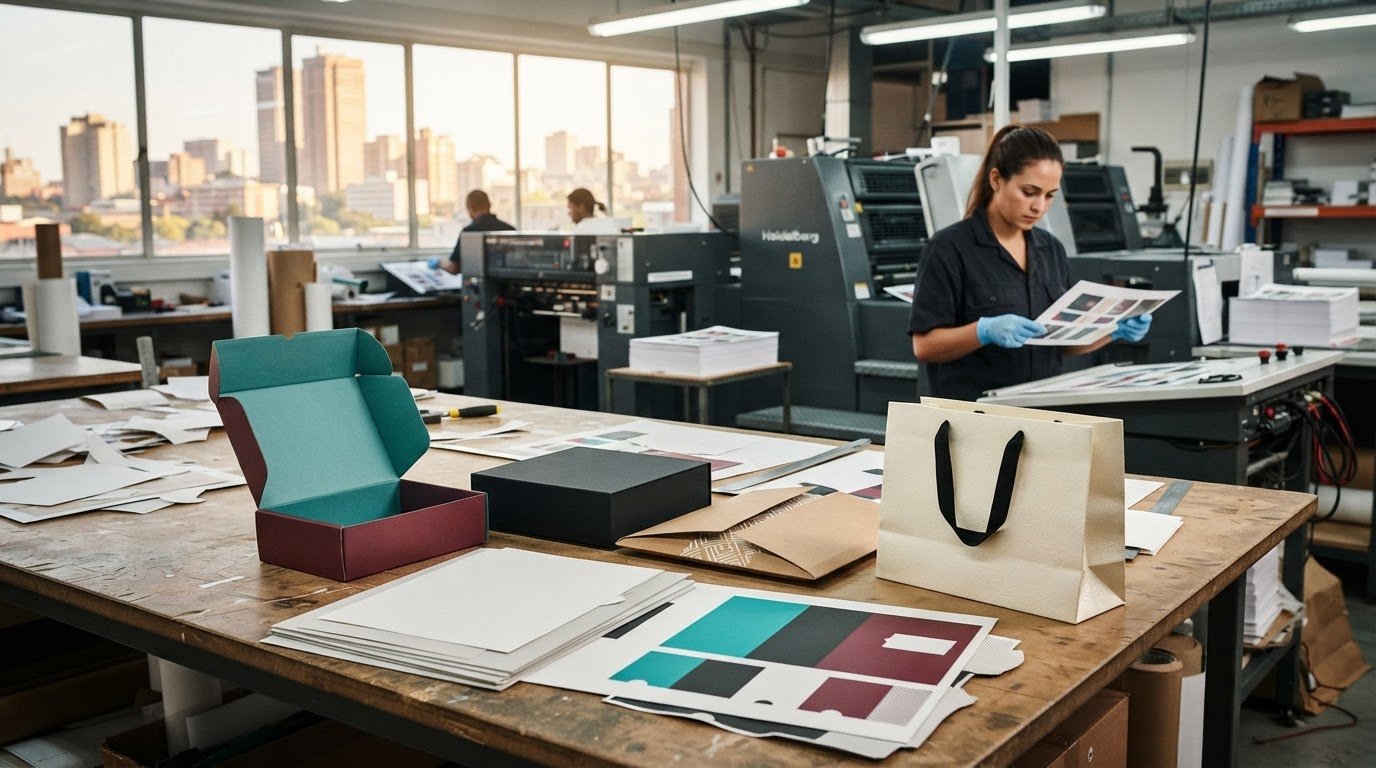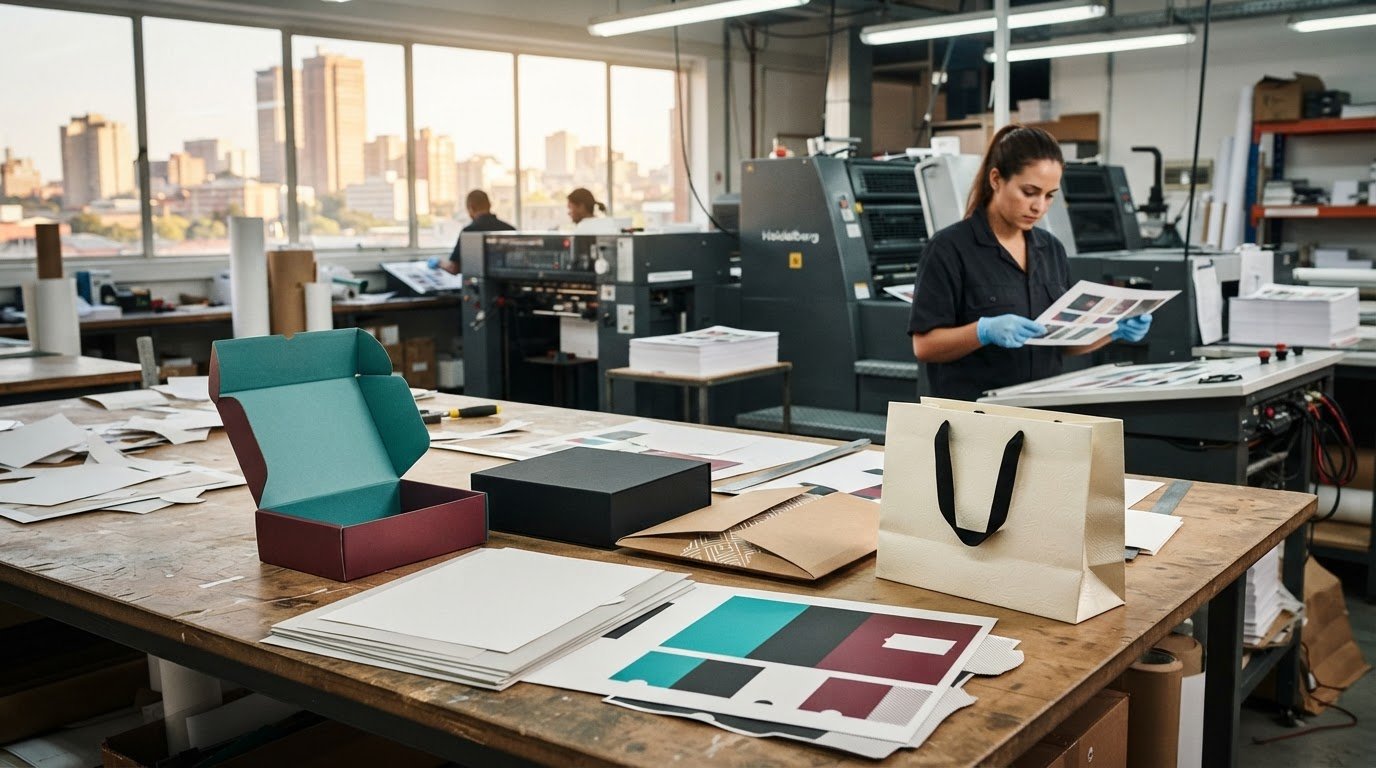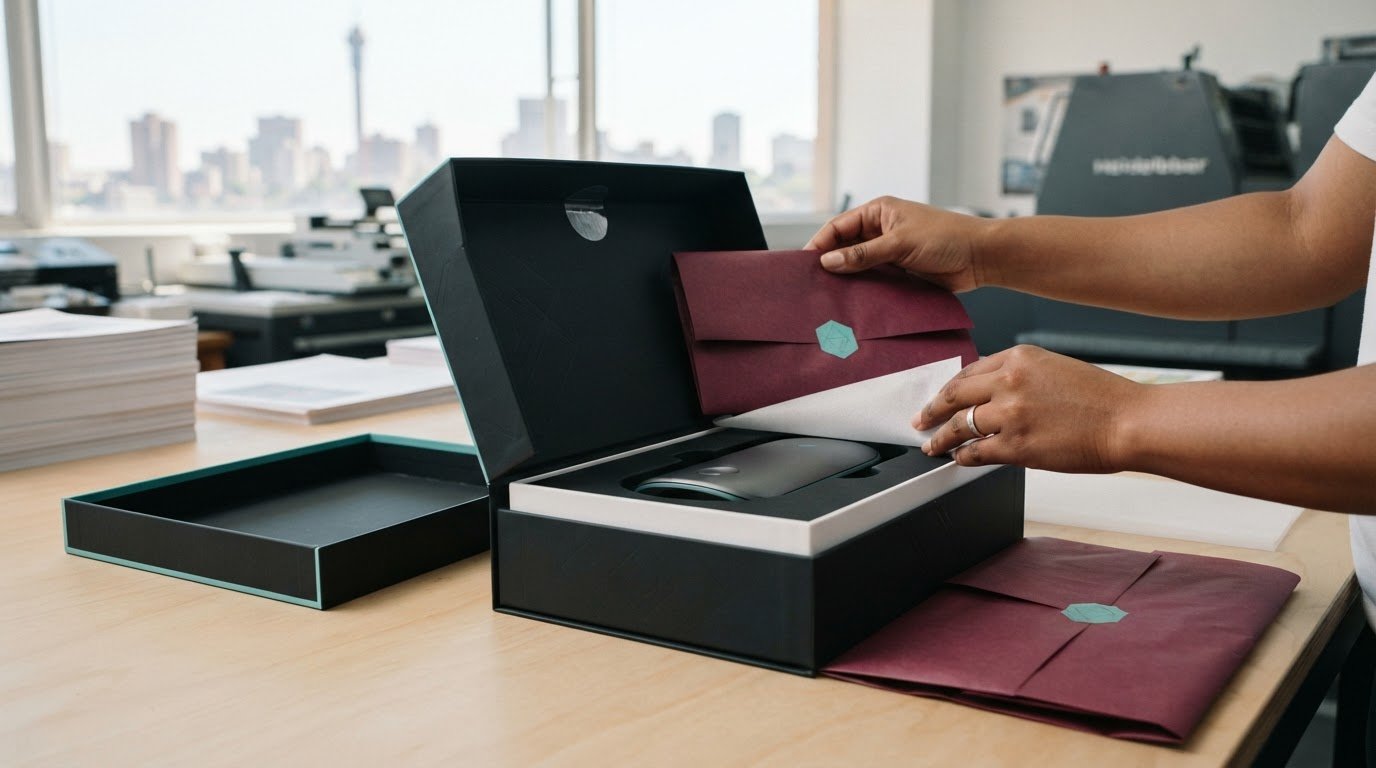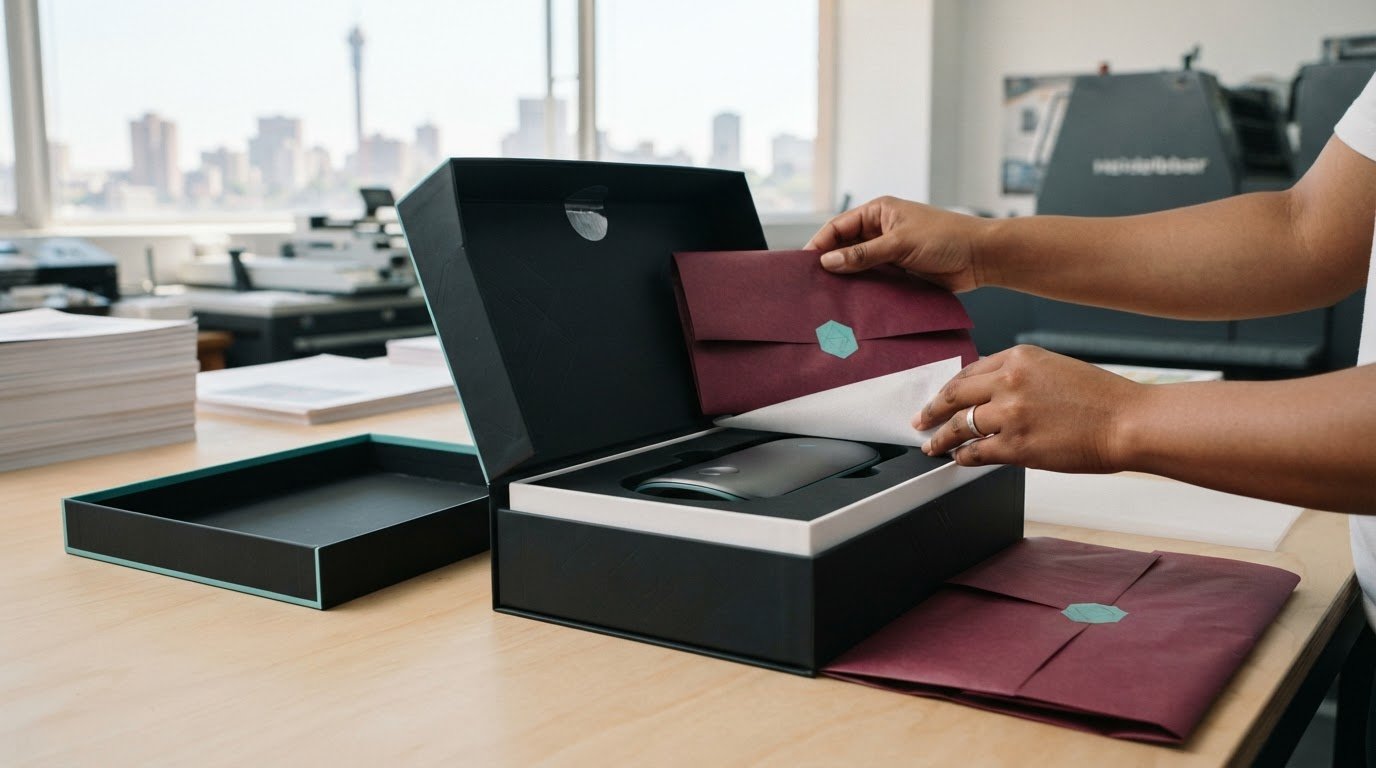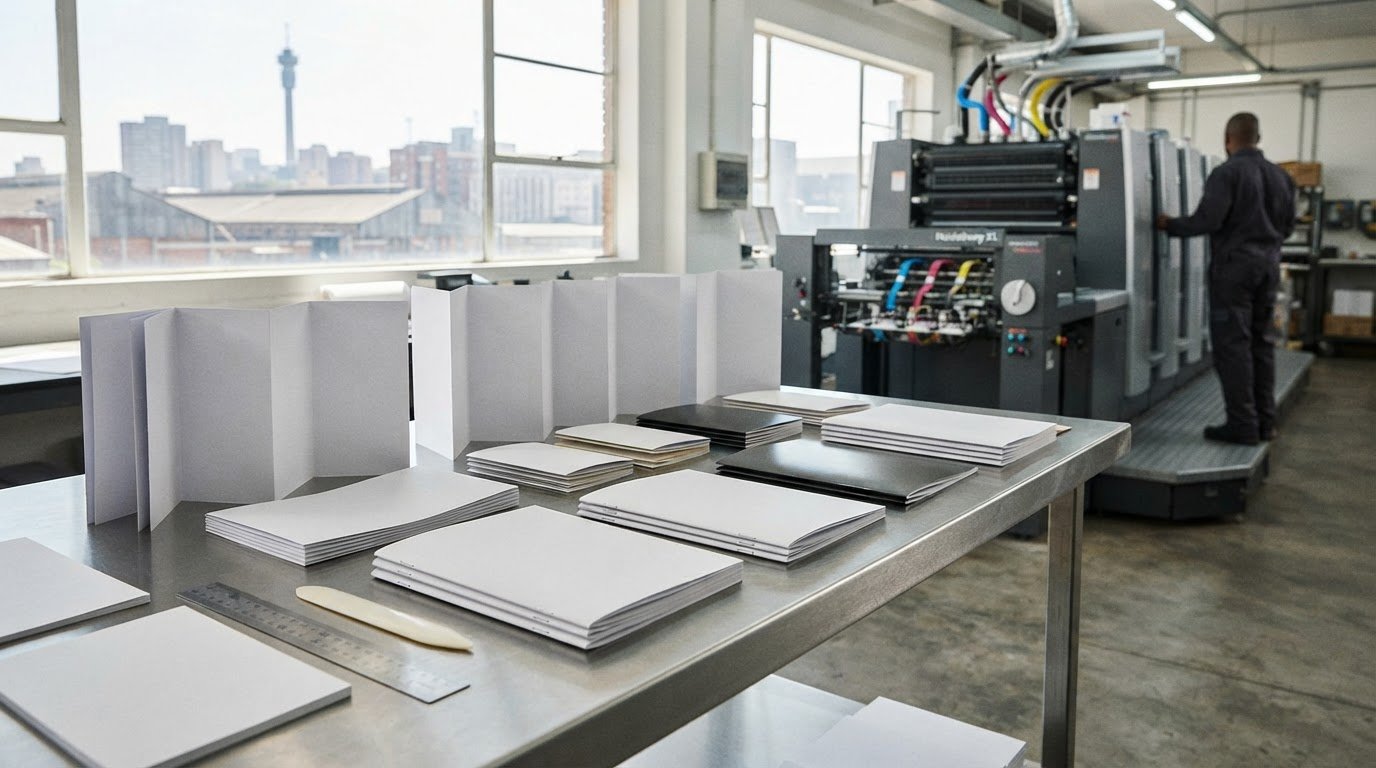

Printing a book is one of the most exciting steps in the publishing journey. It is the moment your story, research, training material, recipe collection or creative idea becomes something real that readers can hold, page through and keep. One of the most common questions people ask before starting is simple: how much does book printing cost in South Africa?
The answer depends on the details of your project. Page count, paper type, binding, colour, quantity, cover finish and delivery all influence the final price. This guide explains what affects the cost of book printing in South Africa in 2026, so you can plan your project with more confidence and request a clearer quote.
Understanding What Affects Book Printing Prices
Several factors impact the final price of printing a book. By understanding how each one works, you can make better decisions around your budget, print quality and production timeline.
1. Print Quantity
The number of copies you print has a direct effect on the cost per book. Smaller print runs are useful when you are testing demand, printing proof copies or producing a limited edition. Larger quantities usually reduce the unit cost because setup and production are spread across more copies.
- Short-run printing: Useful for proof copies, limited releases, self-publishing tests and small batches.
- Medium print runs: Suitable for authors, schools, businesses or organisations that need a practical number of copies.
- Larger print runs: Better suited to distribution, retail sales, training programmes or ongoing book supply.
Digital printing is often a good choice for smaller quantities, while larger print runs may need a different production approach. The best option depends on the size, purpose and quantity of your book project.
2. Binding Type
Your binding choice affects both the price and the final presentation of your book. A simple softcover book will usually cost less than a premium hardcover book with additional finishing.
- Softcover book printing: A practical option for novels, manuals, guides, workbooks and self-published books.
- Hardcover book printing: A premium option for coffee table books, keepsakes, photo books, collectors’ editions and professional publications.
- Booklet or saddle stitch binding: Often used for shorter documents, event programmes, guides and compact publications.
- Spiral or wire binding: Useful for workbooks, manuals, training material and documents that need to lie flat when open.
3. Page Count and Book Size
The number of pages and the physical size of your book influence paper usage, print time, trimming, binding and packaging. A short A5 novel will usually have a different cost structure from a large full-colour workbook or photography book.
Common book sizes include:
- A5: Popular for novels, memoirs, poetry books and many self-publishing projects.
- A4: Often used for workbooks, manuals, reports, children’s books and training material.
- Square formats: Common for art books, photo books, design projects and premium visual publications.
- Custom sizes: Useful when your book has a specific creative, educational or branded purpose.
4. Paper and Finish Options
Paper plays a major role in the look, feel and durability of your book. A text-heavy novel may use a lighter paper, while a photo book, children’s book or recipe book may need thicker paper that handles colour and images better.
- Text-weight paper: Suitable for novels, memoirs, poetry and general reading books.
- Heavier paper: Useful for workbooks, children’s books, recipe books and books with more handling.
- Coated paper: Often used for image-heavy books where colour and detail need to stand out.
- Uncoated paper: Suitable for softer, more natural page finishes or text-focused projects.
- Cover finishes: Lamination, embossing, foil or spot UV can add a premium look, but may increase the final price.
5. Colour vs Black-and-White Printing
Colour printing is usually more expensive than black-and-white printing because it uses more ink, setup and production resources. However, colour may be essential for children’s books, cookbooks, art books, photo books, catalogues and branded publications.
For novels, memoirs, poetry and many text-based books, black-and-white printing is often the more cost-effective option. For visual projects, full colour may be worth the added investment because it improves the reader experience and presentation.
Book Printing Cost Factors at a Glance
| Cost factor | How it affects pricing | What to consider |
|---|---|---|
| Quantity | Higher quantities can reduce the unit cost | Decide whether you need proof copies, a short run or bulk printing |
| Page count | More pages increase paper, print and binding requirements | Finalise your manuscript before requesting a quote |
| Book size | Larger formats use more material | Choose a size that suits your audience and content |
| Paper type | Premium or thicker paper can increase cost | Match the paper to the purpose of the book |
| Binding | Hardcover and specialist binding usually cost more | Select binding based on durability and presentation |
| Colour | Full-colour books cost more than black-and-white books | Use colour where it adds value to the reader experience |
| Finishing | Foil, embossing, lamination and other finishes add cost | Use premium finishes for books that need stronger shelf appeal |
We Provide Transparent Book Printing Quotes
At Print It ZA, our team provides upfront quotes based on your project details. A proper quote helps you understand what you are paying for, where the main costs come from, and which print options are best suited to your budget.
To get a more accurate book printing quote, it helps to send your page count, quantity, book size, binding preference, paper choice, cover requirements and any finishing details. The more information you provide, the easier it is to quote correctly.
Why Print Your Book Locally in South Africa?
Printing locally can make the process easier to manage, especially when you need communication, proofing, changes, quality checks and delivery support. For many authors, businesses, schools and organisations, local book printing offers practical advantages.
1. Faster Turnaround Times
Local production can help reduce delays caused by international shipping, customs and long-distance supplier communication. This is especially useful when you are working toward a launch date, event, school deadline or distribution plan.
2. Support from Real People
Book printing involves many choices, and it helps to speak to a team that can guide you through paper, binding, cover finish, file setup and quantity. This support can reduce mistakes before production begins.
3. Better Control Over the Final Product
When you work with a local printing team, it is easier to ask questions, review requirements and clarify details before your book goes into production. This can help your printed book better match your expectations.
4. Flexible Printing for Different Needs
Not every project needs a large print run. Local book printing can support short runs, proof copies, repeat orders and larger quantities depending on your publishing or business goals.
5. Delivery Across South Africa
Once your books are printed and packed, delivery support can help get your order to the right location. This is useful for authors, schools, businesses and organisations working across different parts of South Africa.
How to Get Started
Creating your own book may feel overwhelming at first, but the process becomes much simpler when your project details are clear. Before requesting a quote, prepare as much information as possible so the printing team can guide you accurately.
- Prepare your file – Export your book as a print-ready PDF where possible.
- Confirm your book details – Note your page count, size, binding preference, paper choice and quantity.
- Request a quote – Send the details to Print It ZA so the team can advise on suitable options.
- Review your proof – Check the file, layout and specifications before production begins.
- Print, finish and deliver – Once approved, your books can be printed, bound, packed and prepared for delivery.
For related services, you can also explore:
- Book Printing Services
- Hardcover Book Printing
- Softcover Book Printing
- Self-Publishing Book Printing
What Makes Print It ZA Different?
Book printing is not only about machines, paper and ink. It is also about understanding what the finished book needs to achieve. A novel, workbook, company publication, children’s book and coffee table book all require different production decisions.
Print It ZA supports customers by helping them choose practical print options for their project, budget and intended use. Whether your book is for personal publishing, education, business, training or creative presentation, the team can guide you through the key decisions before production begins.
- Guidance on book size, paper, binding and finish.
- Support with short-run and custom book printing projects.
- Options for softcover, hardcover and other binding styles.
- Clear quote support based on your book specifications.
- Printing and delivery support for customers across South Africa.
Ready to Print Your Book?
If you are planning to print a book in 2026, start by preparing your files and gathering the details needed for an accurate quote. The cost of book printing in South Africa will depend on your quantity, page count, paper, binding, colour and finishing choices.
Whether you need affordable book printing, custom covers, short-run self-publishing support or a professionally finished publication, Print It ZA can assist with practical print guidance and quote support.
Contact Print It ZA today to discuss your book printing project and request a custom quote.