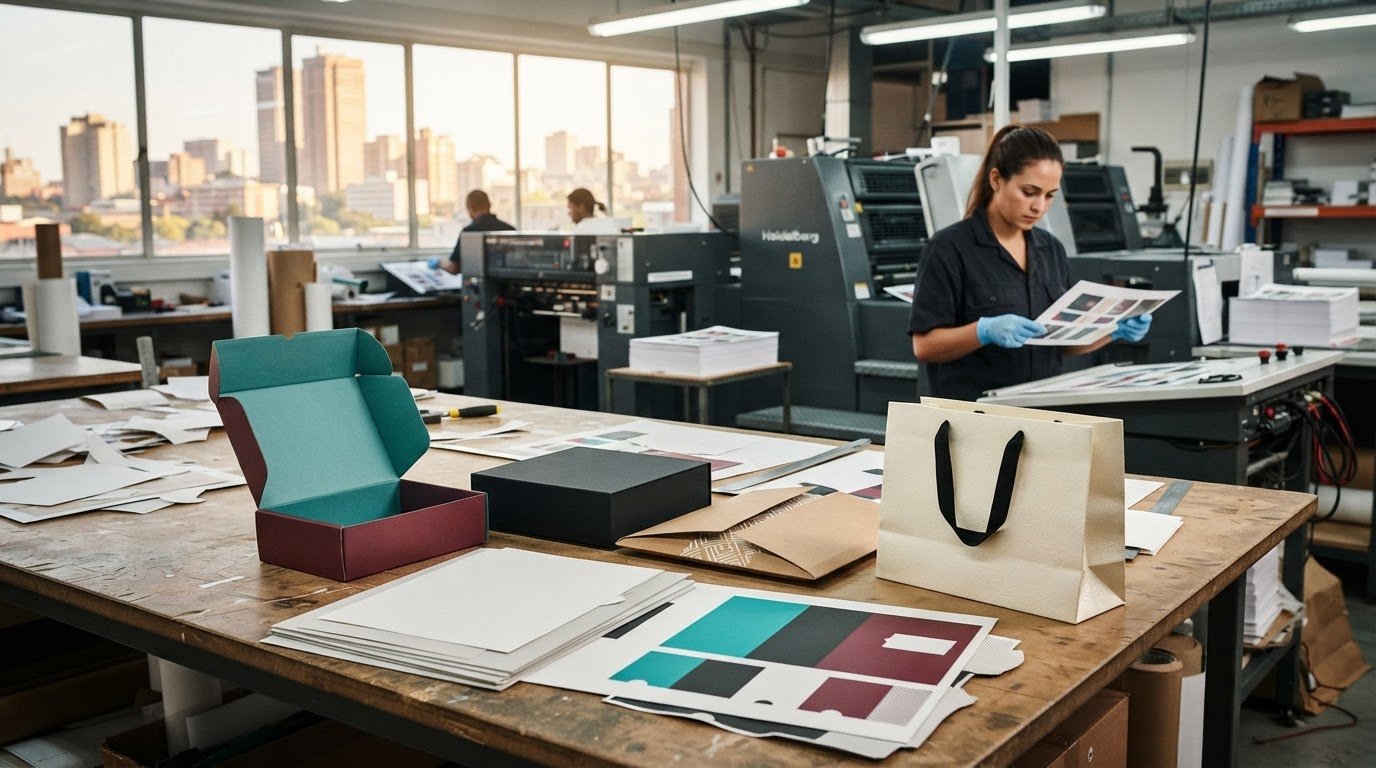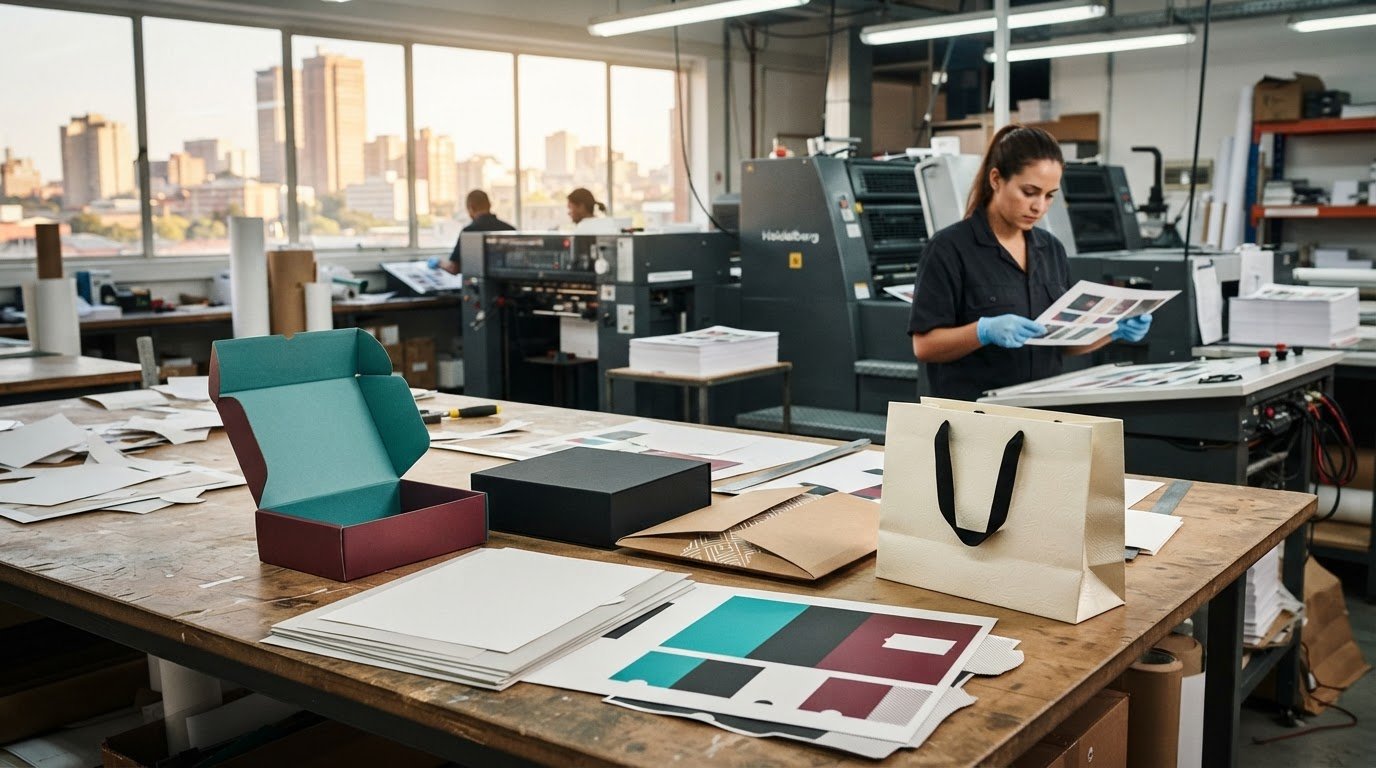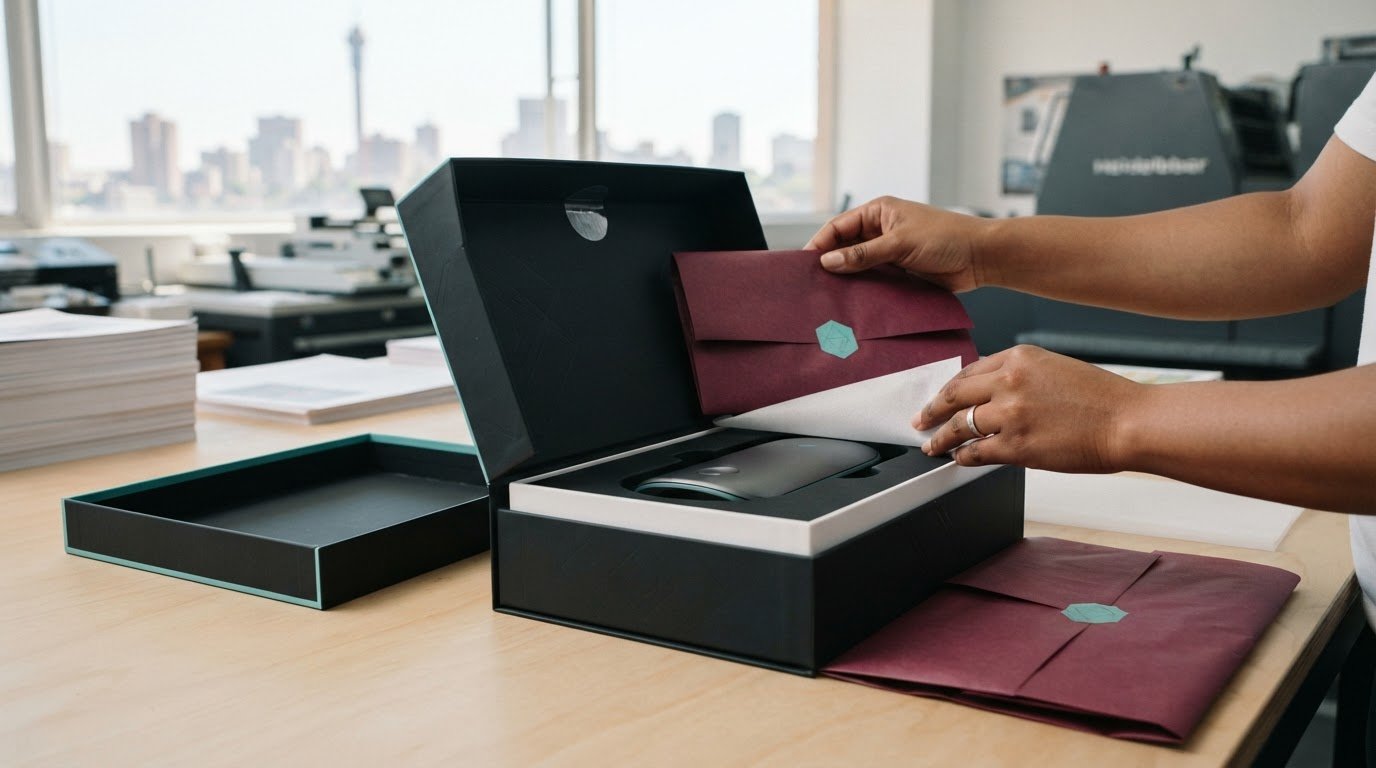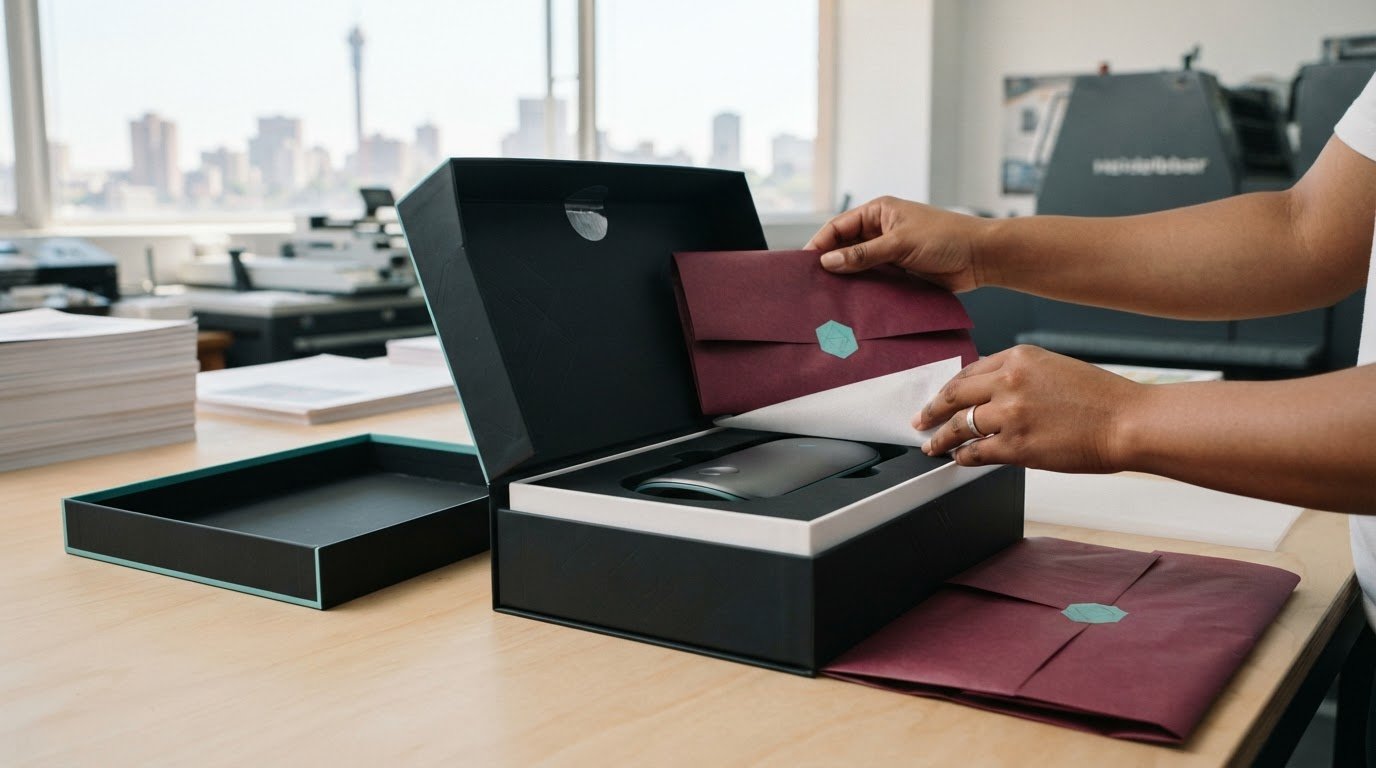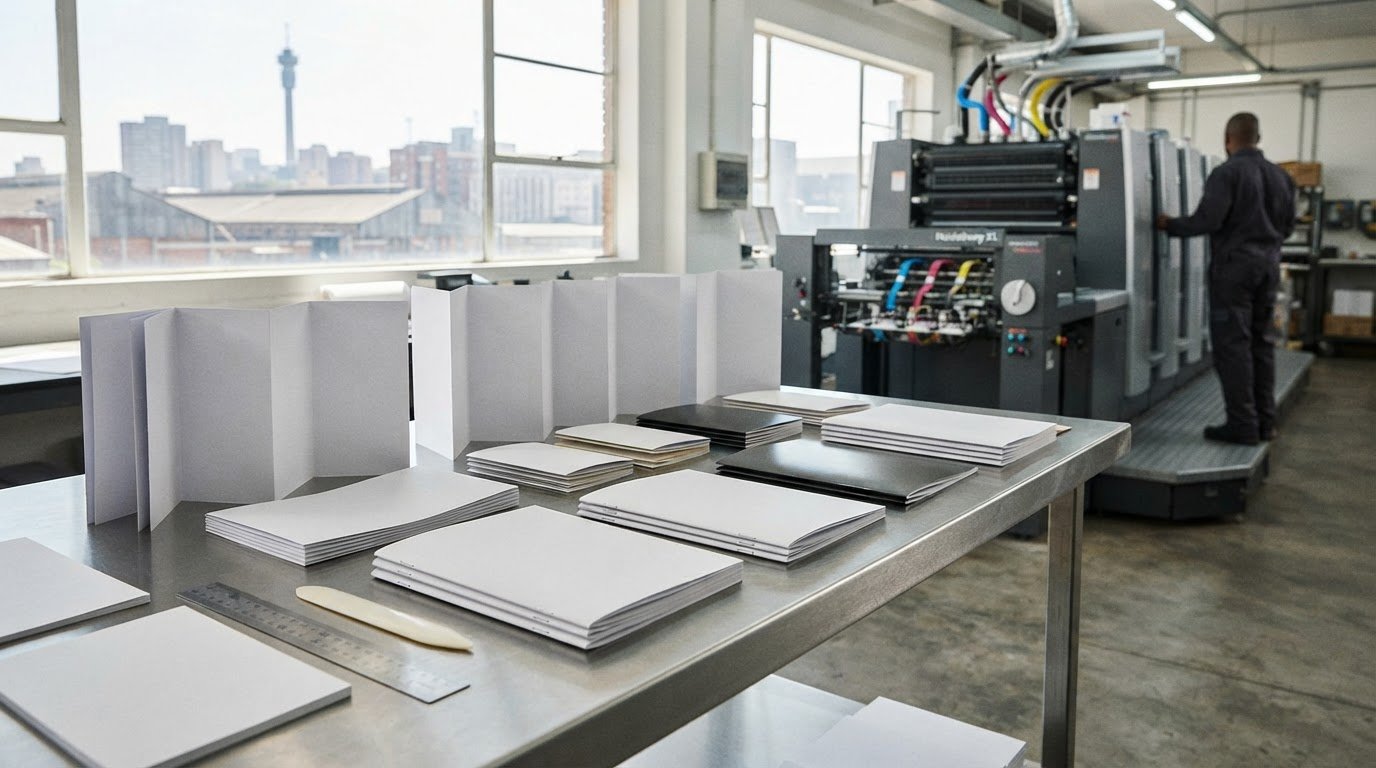

For high-end catalogue printing for luxury brands, the strongest impression comes from choices that work together: colour reproduction, paper stock, binding and how the catalogue reaches its audience. The most expensive paper or a striking finish won’t create a luxurious result on its own. Getting the details aligned can feel daunting, especially when print proposals list specifications without explaining how they support your brand.
Look beyond the headline price or paper weight. A premium catalogue should reflect your brand in the hand as well as on the page, and approved colours need careful attention throughout production. For teams tracking consumer expectations across South African business and lifestyle news, this guide will help you compare litho and digital printing, assess materials, binding and finishing, and ask practical questions about proofs, project support and delivery before you commit.
Print It ZA supports print projects, offering litho and digital printing, catalogue production and in-house design support from creative development to delivery. Whether you’re coordinating a project in Johannesburg or planning distribution further afield, the right production partner can help turn your creative direction into a considered, well-made catalogue.
High-end catalogue printing for luxury brands: what to plan
Start with the experience you want the catalogue to create, then make production decisions that serve that purpose. A clear brief helps you compare proposals and discuss the right format, paper, print method and finishing for your audience and distribution plan.
Key Takeaways
- Match your catalogue’s format and production choices to your brand, audience and intended distribution.
- Compare litho and digital printing against your project brief, and assess how paper affects image reproduction, readability and handling.
- Look beyond sample images: check colour consistency, image detail, binding and finish quality, and ask about proofing and production coordination.
- Prepare a clear brief covering quantity, finished format, page count, artwork readiness and distribution.
- Consider how a printer’s capabilities and in-house design support can help coordinate your project from creative development through production.
What makes high-end catalogue printing feel right for a luxury brand?
High-end catalogue printing combines content, format and production choices to create a physical brand experience suited to its audience and purpose. A premium result doesn’t come from adding one impressive feature at the end. It comes from making what readers see, read and handle feel consistent with the brand.
That’s the principle behind high-end catalogue printing for luxury brands. A beautifully styled cover won’t feel convincing if the catalogue is awkward to use, product information is unclear or photography doesn’t meet the brand’s visual standards. Each decision should support the experience you want to create.
Start with the brand experience the catalogue must create
Think about where and how readers will encounter the catalogue. A copy displayed in a retail setting may need different handling priorities from one presented during a private appointment, handed out at an event or sent directly to selected customers. Explain the context to your printer so recommendations respond to actual use, rather than assumptions about what looks luxurious.
Turn the catalogue’s purpose into production priorities
Translate the intended experience into a practical brief. Consider the finished format and how readers will hold, browse or store the catalogue. If it will be passed around or referred to repeatedly, discuss durability with your printer. Ask which stocks, binding methods and finishes are available for your project rather than assuming a particular option will work.
Content also shapes the physical result. Product photography may need space to show detail, typography needs to remain easy to read, and the printed colour palette should support the approved design. Offset printing is one method to consider, but the method alone doesn’t make a catalogue premium. Offset printing describes how the process transfers ink to paper. Your project requirements will help determine whether it’s appropriate.
Before requesting proposals, establish the quantity, audience and distribution plan, along with the content and artwork status. This gives printers a shared starting point and makes recommendations easier to compare. It also keeps decorative choices purposeful: a finish should reinforce the brand experience, not distract from it.
Which print choices shape a luxury catalogue’s look and feel?
Paper, print method, binding and finishing affect how a catalogue looks and handles. For high-end catalogue printing for luxury brands, consider these elements together: choose stock suited to the images, a print process that fits the brief, and construction that works for how readers will use the catalogue.
Litho or digital printing: what should a brand compare?
Litho printing transfers ink through printing plates, while digital printing produces pages from digital artwork without that plate-making step. Neither method is automatically right for every luxury project. Compare them against your quantity, artwork, colour expectations and the production options confirmed for the job. Ask the printer to explain its recommendation for your brief rather than relying on a general rule about which method suits a particular run size.
Use these questions to guide the conversation:
| Criterion | Ask the printer | Consider for your project |
|---|---|---|
| Quantity and method | Which method best fits this quantity, and why? | Choose based on the job’s requirements and available production options. |
| Artwork and colour | How will the artwork be prepared and checked? | Flag important brand colours, fine details and image-heavy pages. |
| Paper | Which available stocks suit these images and this use? | Balance appearance, readability, opacity and handling. |
| Binding and finish | Which options are available for this format and page count? | Consider how the catalogue should open, feel and withstand handling. |
Paper, colour and finishing: make each choice earn its place
Paper affects more than the catalogue’s weight in the hand. Its surface and appearance can change how photographs reproduce, while opacity matters when content on one side of a page might show through from the other. For image-led pages, ask to review suitable stock with representative artwork. For text-heavy spreads, check that the paper supports comfortable reading.
A physical proof, if available for the project, can help you assess printed colour and material together. Compare it with the approved design, paying attention to brand colours, fine image detail and the feel of the stock. A screen preview can’t show how the paper feels in the hand.
Binding and finishing are both functional and visual decisions. They affect how a catalogue opens, how its pages stay together and the impression its cover makes. Ask which options are available for your project before including them in the specification. Print It ZA offers litho and digital printing, and its team can discuss which confirmed options suit your brief. Explore catalogue printing support.
How can you judge a catalogue printer beyond the sample images?
A polished sample can catch your eye, but it won’t show how a printer will manage your artwork, approvals or delivery. For high-end catalogue printing for luxury brands, assess the working process as carefully as the finished piece. A clear process helps you understand what’s included, who is responsible at each stage and how decisions will be confirmed.
What should a luxury brand request before choosing a printer?
Ask to see catalogue examples relevant to your project, then find out how they were produced. Were the format, artwork, binding and finish similar to what you’re considering? A sample is most useful when the printer can explain its context, rather than simply presenting it as proof of general capability.
Use a simple scorecard to compare proposals and conversations:
- Relevant work: Can the printer show examples related to your catalogue’s format, content or production needs?
- Communication: Who will handle questions, artwork handover and approvals, and how will updates be shared?
- Proofing and file checks: Which checks and approval stages are available for this project? Confirm them before production begins.
- Production coordination: How will the printer manage the agreed specifications and final delivery arrangements?
- Documented proposal: Are specifications, responsibilities, inclusions and project commitments clearly recorded?
Compare like with like. If proposals describe different specifications or approval processes, ask for clarification before weighing them against each other. For wider supplier-evaluation context, see this Johannesburg printing services guide.
How to review proofs and samples with confidence
Use your agreed priorities as a checklist. Inspect image detail and colour consistency, check that text is legible, and handle the sample to assess the paper, binding and finish. If a particular colour or image is especially important to the brand, identify it before approving the proof and ask how it will be checked during production.
Keep feedback specific and consolidated. Instead of saying a page “doesn’t feel right,” identify the page and describe the concern, such as a colour difference or a detail that’s difficult to read. Confirm which version is approved and ask whether requested revisions affect the project schedule or specifications.
Treat a sample as evidence of that particular piece and its production choices, not as a guarantee that every catalogue will be identical. Ask what the sample represents, which agreed specifications it reflects and what will guide your own job. That makes expectations clearer before production begins.
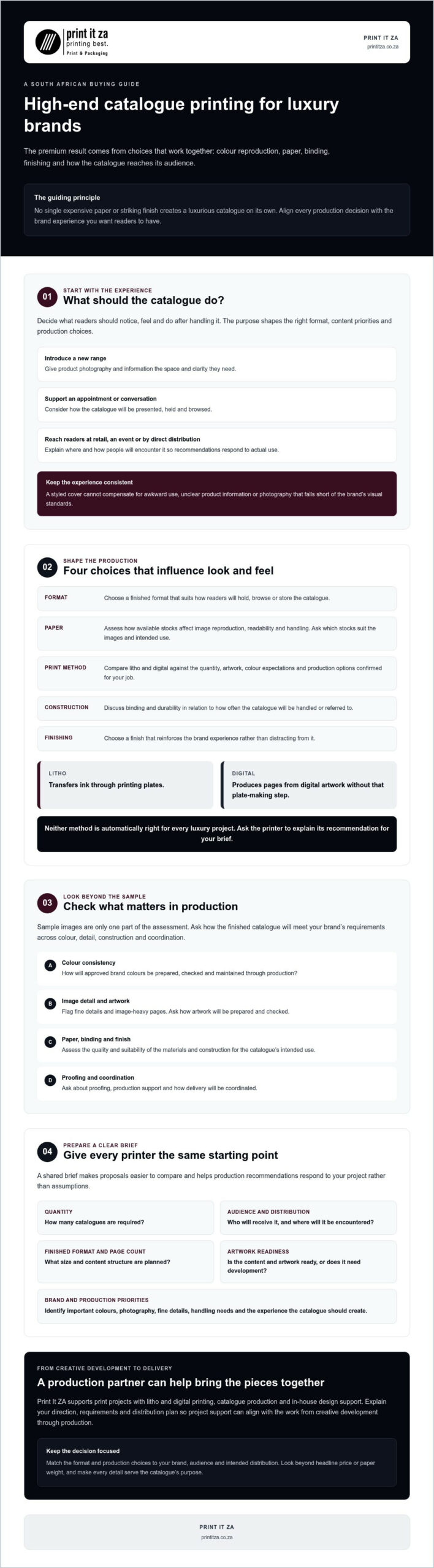
How should you prepare a luxury catalogue printing brief?
A clear brief gives the printer the information needed to recommend production choices and prepare a proposal you can assess. For high-end catalogue printing for luxury brands, it also keeps the approved brand experience at the centre of decisions, from artwork handover through to delivery.
What information belongs in the catalogue print brief?
Start with the catalogue’s purpose and the response you want from readers. Explain who the audience is, where readers will encounter the catalogue and how it will be distributed. Then outline the content and production requirements. If some details are undecided, mark them as provisional rather than leaving room for assumptions.
- Project goals: Describe the brand, audience, catalogue purpose and what you want readers to do after browsing.
- Content and artwork: Share the available content, approximate page count and artwork status. Note whether design is complete or still in development.
- Quantity and format: State the required quantity and preferred finished format, or ask the printer to advise if either is undecided.
- Physical preferences: Describe the paper feel, binding and finishing you have in mind. Ask the printer to confirm what’s available for the project.
- Distribution: Explain where copies need to go and whether collection or delivery in Johannesburg or elsewhere in Gauteng matters.
How to move from artwork to approved production
Once you’ve selected a printer, confirm how files should be supplied and who is responsible for file checks and prepress preparation. Ask which proof stages are planned, what each proof is intended to show and who must approve it. This helps your team know when to review artwork and when production can proceed.
- Confirm the brief and proposal. Check that quantity, finished format, page count, print method and agreed material choices are recorded. Ask the printer to confirm any open specifications.
- Agree on artwork and approvals. Clarify file requirements, prepress responsibilities, proof stages and who will collect feedback from your team.
- Review proofs against the brief. Check approved brand assets, image details, text and agreed production choices. Provide clear, consolidated comments, then confirm which version is approved.
- Confirm production and delivery details in writing. Before production begins, check the final specifications, project commitments and delivery plan. If copies are being collected or delivered in Johannesburg or Gauteng, verify the arrangements directly with the printer.
A project-specific conversation can help turn your catalogue requirements into a workable production brief. Discuss your catalogue printing brief.
Why consider Print It ZA print and packaging for high-end catalogue printing?
High-end catalogue printing for luxury brands involves more than choosing a production method. You need a partner who can understand the creative direction, discuss practical requirements and explain how the project will move from artwork to finished catalogue. Print It ZA is a South African print and packaging company offering catalogue production alongside litho and digital printing.
Its in-house design support may be useful if your artwork is still developing or you want to coordinate creative development with production. The company offers support from creative development through to final delivery and distribution. Discuss your artwork readiness, proofing needs and production requirements early, then confirm which options are available for your project.
A connected design-to-delivery conversation
A joined-up conversation can bring creative and production questions into the same discussion. If a catalogue’s layout is still being refined, ask how design support and production planning might fit together. If the artwork is ready, clarify file handover, approvals and next steps. Confirm details such as available paper, finishing, binding and project timelines directly, since these depend on the job.
Packaging expertise may also be useful if your campaign needs both a catalogue and retail packaging. Discuss how the pieces should work together visually and confirm the requirements for each separately. If your project only needs a catalogue, keep the brief focused on its audience, format, content and intended distribution.
For brands coordinating locally, a Johannesburg-area production partner can make project discussions more convenient. Confirm practical details such as meetings, collection or delivery arrangements rather than assuming they’re included. Print It ZA also states that it provides nationwide delivery and supports international exports. Check how delivery would work for your particular project.
Plan your next step with a print partner
Before requesting a proposal, gather the essentials: your catalogue’s purpose and audience, approximate page count, required quantity, preferred format, artwork status and distribution plans. Add any preferences for paper, binding or finishing, and identify what still needs confirmation. This gives the printer a useful starting point without locking you into specifications that may not suit the job.
For a broader local supplier overview, read this Johannesburg print shop guide. If Print It ZA may suit your requirements, discuss your catalogue printing project and confirm production options, the proofing process and delivery details for your brief.
Bring your catalogue vision into focus
A luxury catalogue feels considered when its print method, materials and construction support the brand and the way readers will use it. A clear brief helps you compare proposals beyond headline specifications, while agreed proofs and production details keep the team aligned from artwork through to delivery.
For high-end catalogue printing for luxury brands, choose a production partner whose capabilities match your project and who can explain the options available for your brief. Print It ZA offers litho and digital printing, catalogue and book printing, and custom retail packaging. Its in-house design support can assist from creative development through to final delivery.
Ready to explore the next steps? Discuss your luxury catalogue printing project and share your goals, artwork status, quantity and distribution plans. With the right details in place, you can move forward with clarity and shape a catalogue that feels true to your brand.
Frequently Asked Questions
What makes a printed catalogue feel luxurious?
A printed catalogue feels luxurious when its content, design and physical details work together to express the brand. Consider how photography, typography and colour support the identity, then choose a format, paper and binding that suit how readers will use it. Decorative finishes can add interest, but they should have a clear purpose. A consistent, considered experience matters more than adding effects simply to make the catalogue feel premium.
Is litho or digital printing better for a luxury catalogue?
Neither method is automatically better. The right fit depends on your brief, quantity, artwork and the printer’s confirmed production options. Litho printing uses plates to transfer ink, while digital printing produces the job from digital artwork. For high-end catalogue printing for luxury brands, explain your colour priorities and image requirements, then ask the printer to recommend a method for your project. Compare the reasoning and specifications, not just the method name.
How do I choose paper for a luxury brand catalogue?
Choose paper with the catalogue’s images, text and intended use in mind. Ask how available stocks may affect image appearance, readability, opacity and the feel or weight in the hand. Image-heavy pages may need a stock that presents photography as intended, while text-heavy pages should remain comfortable to read. Request samples of the options under consideration and confirm availability with the printer before specifying a stock in your brief.
Can I request a proof before printing my catalogue?
Ask whether a proof is available for your project, what it will show and when you’ll need to approve it. A proof can help you review colour, image details, text and layout against the approved design before production proceeds. Confirm whether it represents the chosen materials and production method, and how to submit corrections. Proofing options vary by project, so agree on the stages with your printer rather than assuming a particular proof is included.
What should I include in a catalogue printing brief?
Include the catalogue’s purpose, audience, intended reader action and distribution plan. Add the required quantity, finished format, approximate page count, content readiness and artwork status. Note preferences for paper feel, binding and finishing, but mark unconfirmed choices as preferences. Ask the printer to confirm file requirements, the recommended print method, proof and approval stages, production responsibilities and delivery arrangements. A clear brief helps suppliers recommend suitable options and makes proposals easier to compare.
How can a luxury brand ensure printed colours match its identity?
Share approved brand assets and identify the colours that matter most before artwork is prepared for print. Ask the printer how colour will be checked and whether a project-specific proof is available for review. Assess the proof in suitable lighting and compare it with your approved references, while remembering that screens and printed materials can display colour differently. Record requested adjustments clearly, and approve the final proof and specifications in writing before production.
Should I use one printer for catalogues and retail packaging?
One printer may be worth considering if your campaign needs both, since you can discuss catalogue and packaging requirements in the same production conversation. Check that the supplier has relevant capabilities for each item, and confirm materials, specifications, approvals and delivery arrangements separately. Print It ZA offers catalogue printing and retail packaging, with a focus on Johannesburg and Gauteng. Whether one partner suits your project depends on the brief and confirmed options.
Contact Print It ZA today, for a Free Quote and Speedy Service.
Print It ZA print and packaging, South Africa/ ZA.