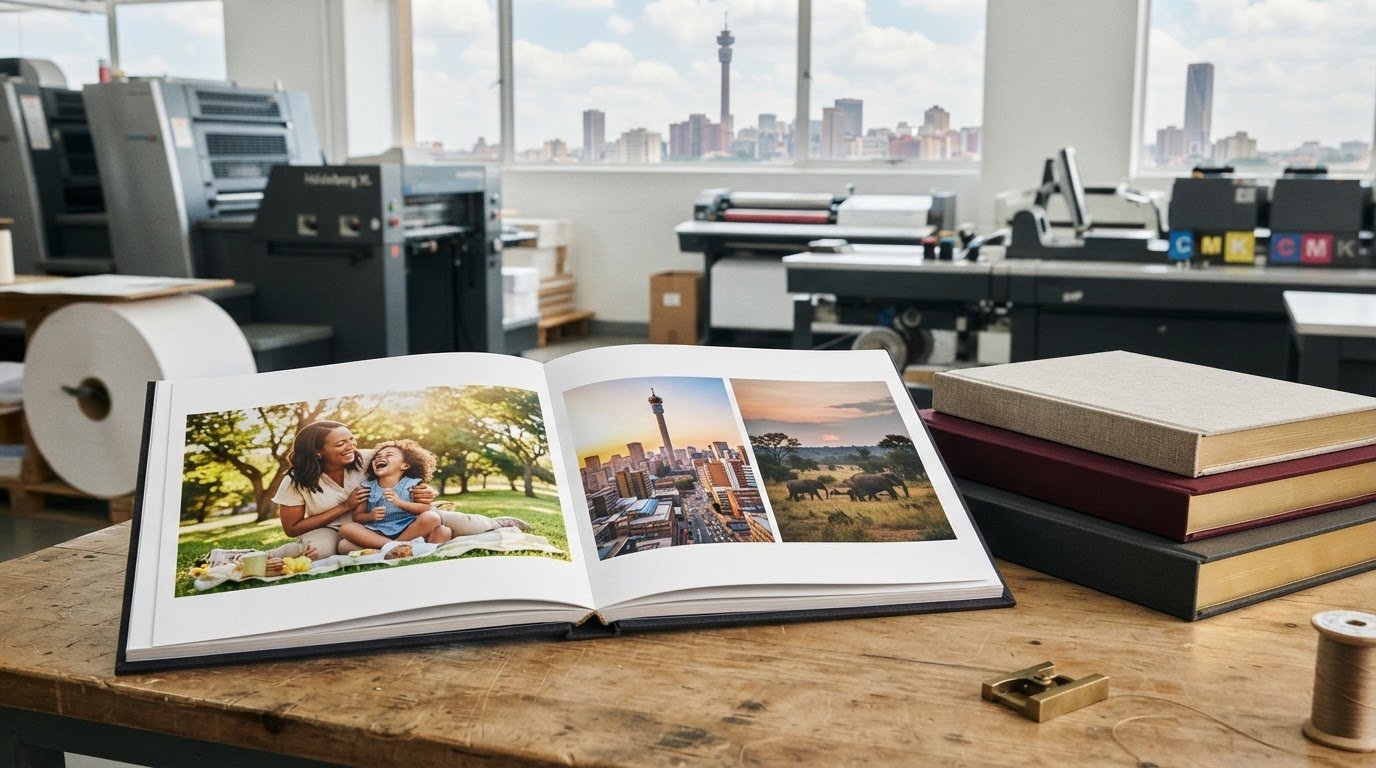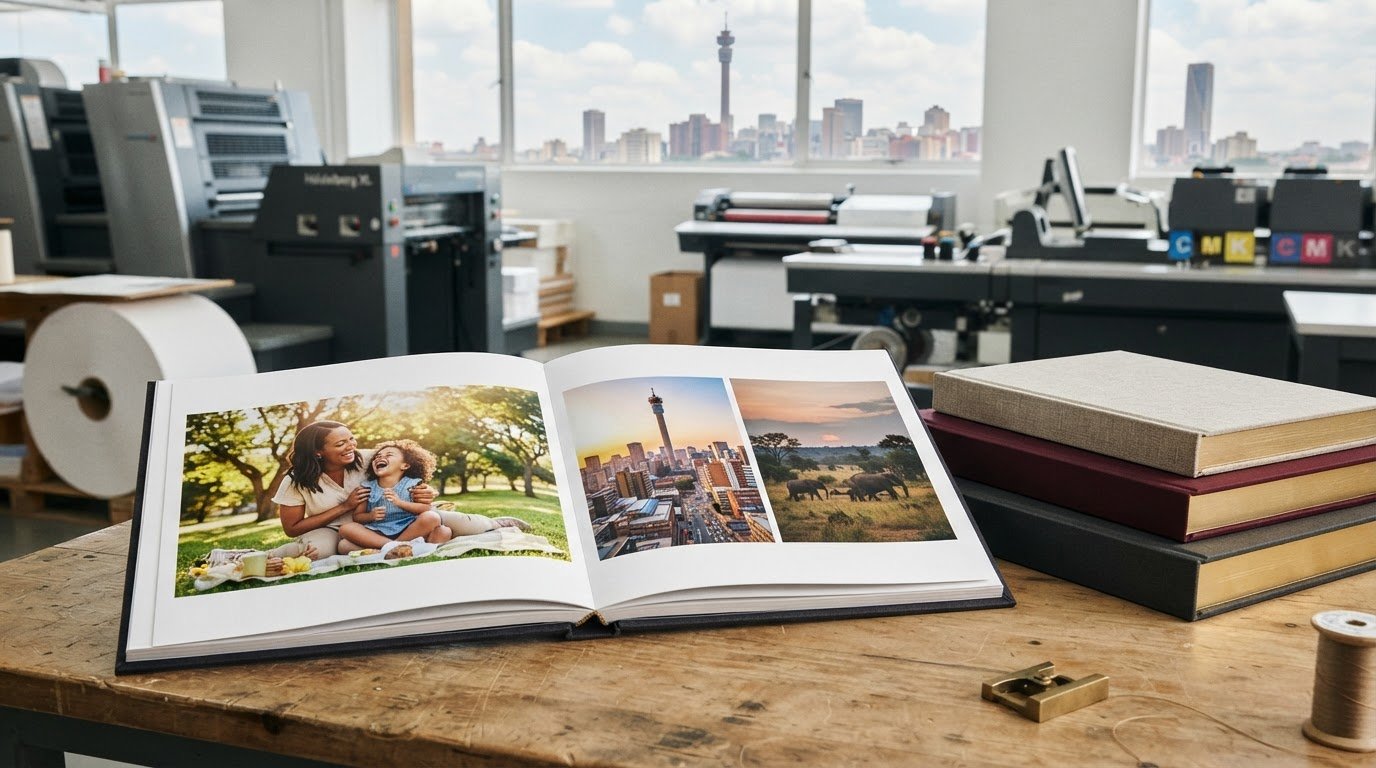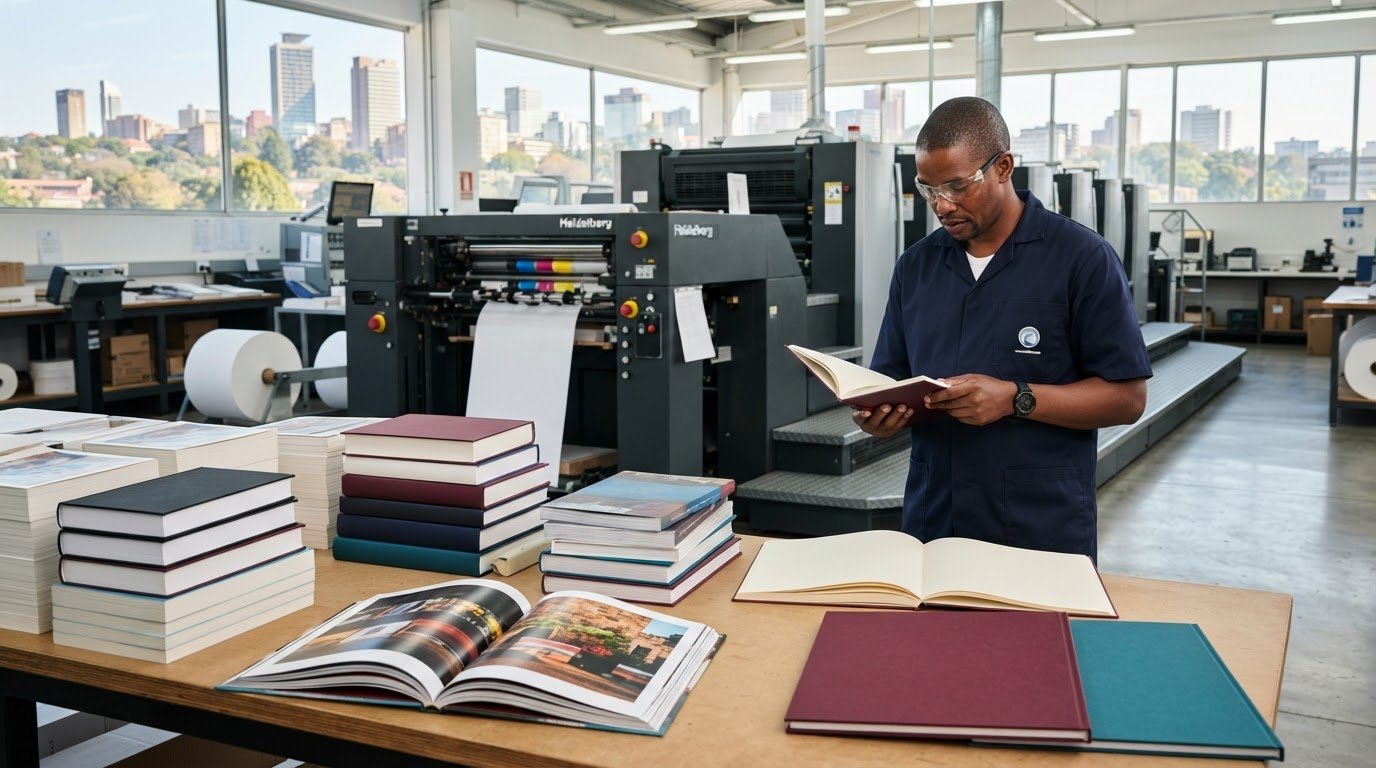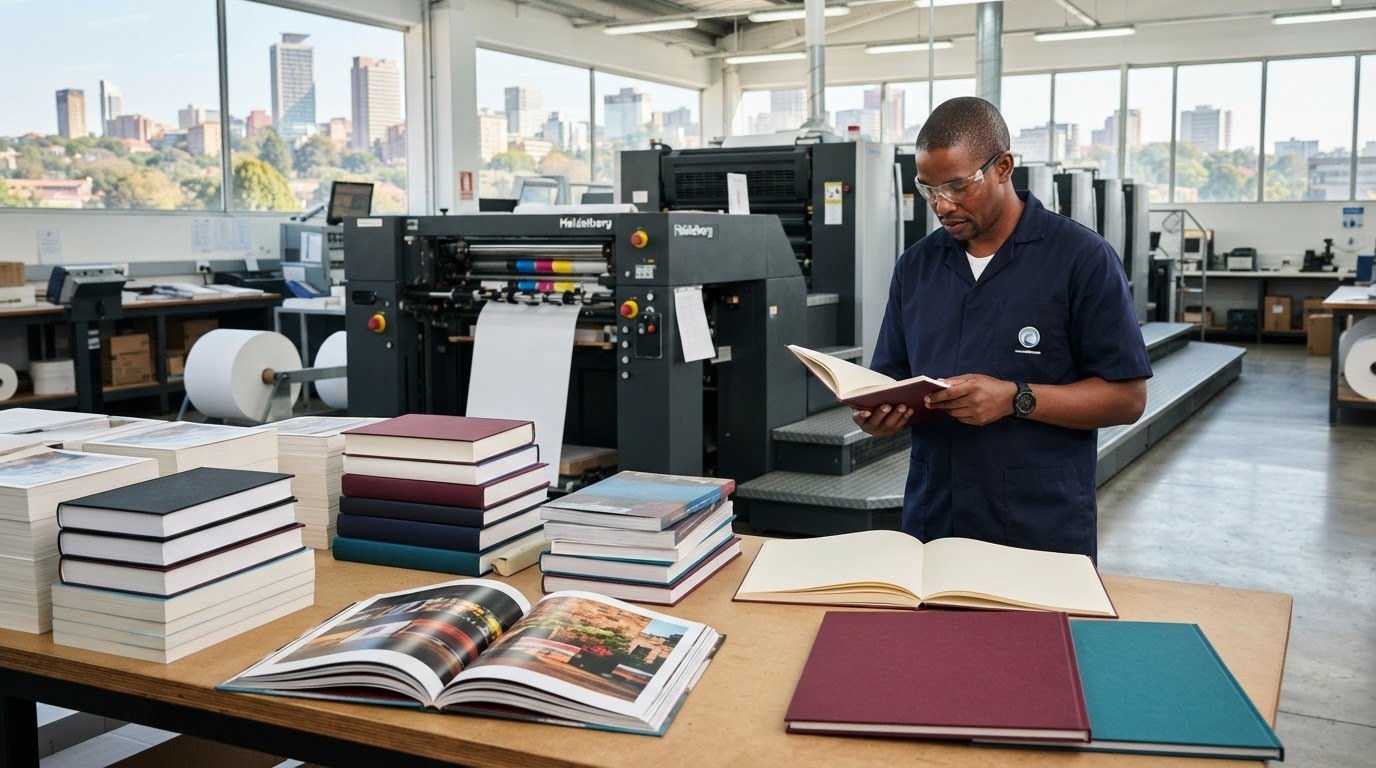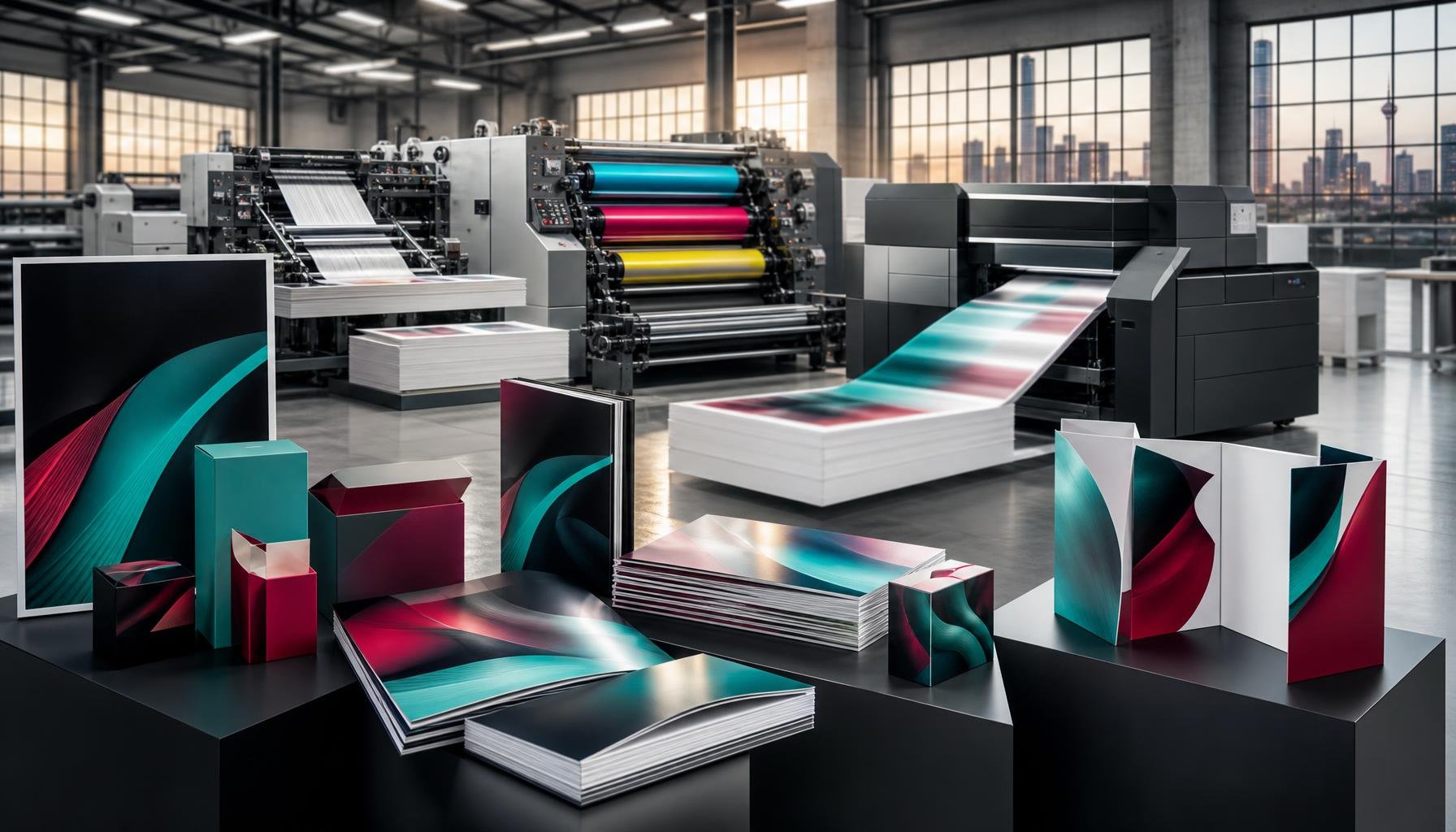

What if your user manual could actually eliminate half of your customer support calls before they even happen? You likely already know that a frustrated customer struggling with a blurry diagram or a flimsy, falling-apart booklet is more than just a support headache; it’s a direct threat to your brand’s hard-earned reputation. In a fast-paced market like Johannesburg, your documentation needs to be as professional and reliable as the product itself.
This 2026 guide is designed to help you master instruction booklet printing by breaking down technical specifications, cost-saving strategies, and the professional standards required for high-quality South African production. We understand the pressure of long lead times and the confusion over binding types, so we’ve simplified the process to ensure your next launch is seamless. We’ll preview the best paper weights for durability, compare saddle-stitching versus perfect binding, and show you how our 24/7 Midrand facility keeps your project on track. By the end of this article, you’ll have a clear roadmap to creating booklets that look great, last longer, and save you money.
Key Takeaways
- Learn how high-quality documentation reduces customer support calls and builds long-term brand trust with your users.
- Master the technical side of instruction booklet printing by selecting the ideal binding methods and paper weights for your specific page count.
- Discover file preparation techniques for bleeds, margins, and diagrams to ensure your technical illustrations are sharp and easy to follow.
- Identify cost-saving strategies like maximizing press sheets and choosing between bulk litho or digital print-on-demand services.
- See how 24/7 operations and a strategic Midrand location help you meet tight product launch deadlines with efficient, local distribution.
Why Professional Instruction Booklet Printing is Critical for Your Brand
The consumer journey doesn’t end at the checkout; it truly begins when the customer opens the box. A professional instruction booklet acts as the final piece of the product experience. It bridges the gap between a high-tech purchase and a satisfied user. When instructions are clear, support calls drop. It’s that simple. Instead of waiting on hold, your customer is successfully using your product. This efficiency saves your business time and money while keeping your support team focused on complex issues rather than basic setup questions.
First impressions matter. When a customer unboxes a premium product only to find a photocopied, stapled sheet of paper, the perceived value of the brand immediately plummets. Professional instruction booklet printing ensures that the tactile experience matches the quality of the item inside. High-quality paper, crisp ink, and sturdy bookbinding techniques signal that you care about the details. This isn’t just paperwork; it’s a critical touchpoint that reinforces the customer’s decision to buy from you.
Enhancing User Safety and Reducing Liability
Legibility is a safety requirement. In South Africa, meeting SABS standards often involves specific warnings and symbols that must be unmistakably clear. If a warning is smudged or the text is too small to read due to poor print quality, you face significant liability risks. While QR codes are popular, they aren’t always accessible in every South African context. Physical manuals ensure that safety information is always available, even without an internet connection. Documenting installation steps clearly prevents costly usage errors that could lead to product returns or damage. It’s about protecting your customer and your business simultaneously.
Strengthening Brand Trust through Quality Print
A durable manual stays with the product for years. If the binding fails or the pages tear easily, your brand starts to look unreliable. We see this often in the retail environment; products with professional manuals stand out as more established and trustworthy. Flimsy, home-printed inserts suggest a “fly-by-night” operation. By investing in professional printing, you’re telling your customer that you are a reliable partner who supports them long after the sale. This builds the kind of trust that leads to repeat business and positive word-of-mouth. Our team in Midrand sees daily how a well-executed manual transforms a standard product into a premium offering.
Technical Specifications: Choosing the Right Format and Binding
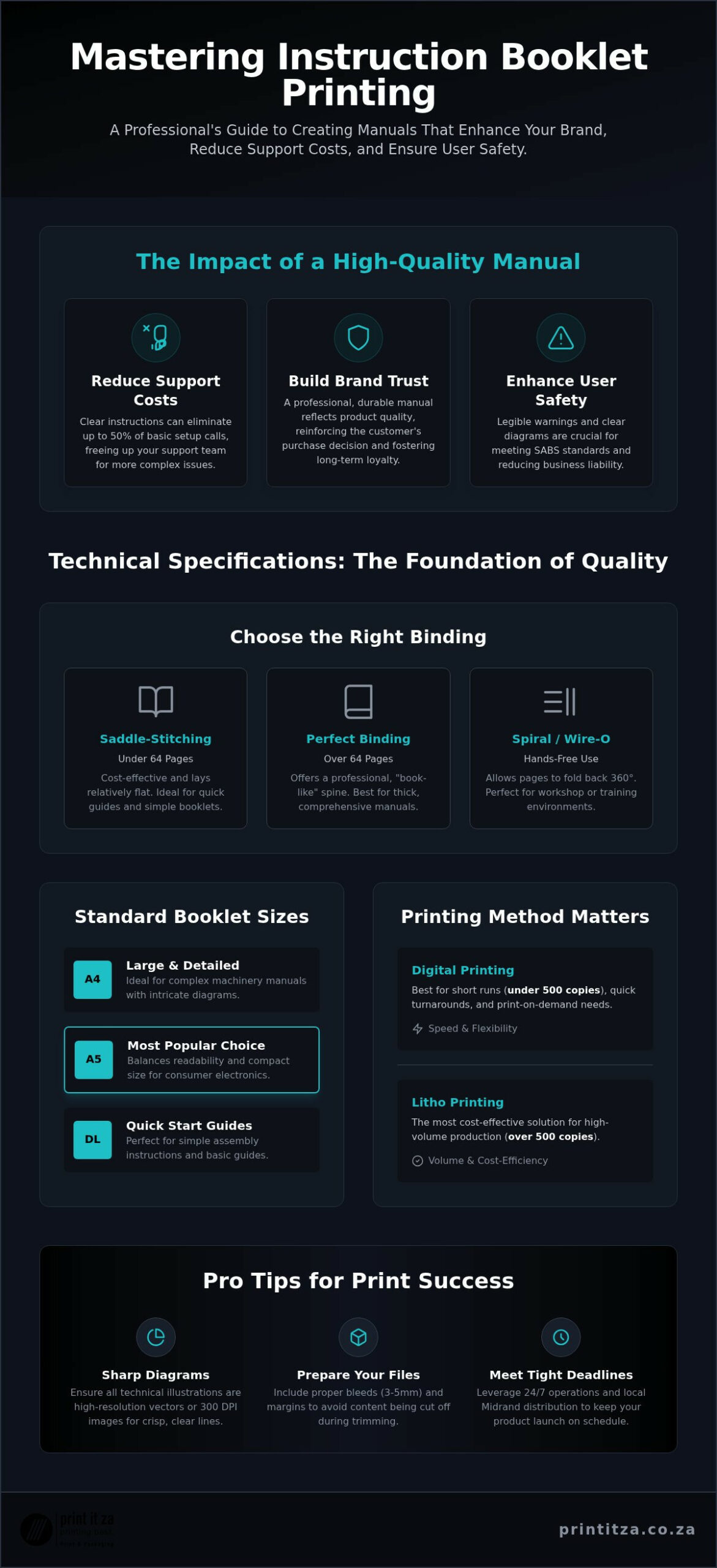
Choosing the right technical specs is where your instruction booklet printing project either becomes a success or a budget drain. In Johannesburg, we usually work with A4, A5, and DL formats. A5 is a local favorite because it balances readability with compact packaging. If you’re printing for heavy industrial machinery, A4 provides the necessary space for intricate, high-resolution diagrams. Here’s how the standard sizes typically break down for South African businesses:
- A4: Ideal for complex technical manuals with large, detailed diagrams.
- A5: The most popular choice for consumer electronics and household goods.
- DL: Perfect for quick-start guides and simple assembly instructions.
The choice between litho and digital printing depends entirely on your volume and timeline. Digital printing is perfect for quick product launches or short runs under 500 copies. However, when you hit high-volume production, litho printing becomes the clear winner for cost-effectiveness. This is the “tipping point” that savvy procurement managers look for to maximize their budget without sacrificing the quality of their instruction booklet printing.
Binding Styles for Durability and Use Case
Your binding choice affects how the user interacts with the manual. Saddle-stitching is the most cost-effective option for booklets under 64 pages. It uses two staples along the fold, allowing the booklet to lay relatively flat. For thicker, more complex guides, perfect binding offers a professional “book” feel with a glued spine. If your manual is used in a workshop or training center, consider spiral or Wire-O binding. These allow the pages to turn 360 degrees, which is vital for hands-free operation. Using the right binding is a key part of product liability prevention, as it ensures the user doesn’t struggle to find the right page during a critical step.
Selecting Paper Stocks and Finishes
Balancing durability with shipping costs comes down to paper weight, or GSM. For inner pages, 80gsm to 115gsm is standard. Uncoated paper is often better for technical diagrams because it doesn’t reflect light, making it easier to read under bright workshop lamps. If your product is used in environments with grease or moisture, we recommend cover lamination. A matte or gloss laminate adds a protective layer that keeps the manual looking new. For high-volume, budget-conscious runs, a “self-cover” is a smart way to reduce costs. If you’re unsure which stock fits your brand, our team can help you choose the perfect materials for your specific use case.
Designing for Clarity: Preparing Your Booklet for the Press
Design for technical documentation requires a different approach than standard marketing material. For successful instruction booklet printing, you need to look beyond the aesthetics and focus on the technical layout of the file. Proper setup includes bleeds, margins, and gutters. These elements ensure that no vital information is lost in the fold or trimmed off during the final finishing stages. If you’re using perfect binding, your inner margins (gutters) must be wider to account for the glued spine. For saddle-stitched booklets, we account for “creep,” which is the slight shift in margins that occurs as pages are folded together. Getting these basics right prevents the frustration of text disappearing into the spine.
A professional pre-press check is the final safety net before your project hits the plates. We don’t just hit “print” and hope for the best. We review your files for resolution issues, font embedding, and color profiles. This proactive approach prevents costly reprints and ensures your launch stays on schedule. We treat every project as a creative partnership, making sure the final result is something we both can be proud of. Our Midrand facility is geared for this level of precision, ensuring that your technical documentation looks as good as the product it supports.
Optimizing Diagrams and Technical Illustrations
Technical drawings are the heart of a manual. Using vector graphics instead of raster images is the best way to keep these diagrams crisp. Raster images rely on pixels and often look blurry or “pixelated” when resized. Vector art uses mathematical paths, meaning it stays sharp at any scale. We recommend high-contrast black and white for small text to ensure legibility under various lighting conditions. For critical safety warnings, adding a spot color can make life-saving information stand out immediately. This level of detail is what separates a basic manual from a professional guide.
Multilingual Layout Challenges
South Africa’s 12 official languages present a unique design challenge for local businesses. When you translate English into languages like isiZulu or Setswana, the text often expands significantly. This “text expansion” can take up to 25% more space, which can easily throw off your entire layout. You need a strategy that uses logical sectioning to keep the information digestible. Some brands prefer side-by-side columns for trilingual guides, while others use dedicated sections for each language. Print It ZA print and packaging employs an in-house design team that specializes in these complex layout optimizations. We help you balance icons and text so your manual remains accessible to every user, regardless of their primary language.
Cost-Saving Strategies for High-Volume Instruction Booklet Printing
High-volume production requires a shift in mindset from design aesthetics to manufacturing efficiency. One of the most effective ways to lower your unit cost is by maximizing press sheets. When you choose standard sizes like A4 or A5, your booklets fit perfectly onto large-format litho sheets with minimal paper waste. This small decision at the design stage leads to significant savings across a large run. Additionally, consolidating print runs for multiple product variants allows you to share setup costs. Instead of treating each manual as a separate project, we help you group them to take advantage of bulk paper purchasing and streamlined press time.
Instruction booklet printing at scale often comes down to the choice between a dedicated cover and a “self-cover.” A self-cover booklet uses the same paper weight for both the interior pages and the outer cover. This allows the entire project to be printed and folded in a single pass, which reduces labor and material costs. While a heavy laminated cover feels premium, a self-cover is a pragmatic, high-value choice for technical documentation where utility is the priority. It’s a smart way to keep your budget lean without sacrificing the professional look your customers expect.
Optimizing Your Print Run
Understanding price breaks is essential for any procurement manager. In litho printing, the initial setup is the most expensive part; once the plates are on the press, the cost per unit drops sharply as the volume increases. We typically see major price breaks when moving to 1,000 copies or more. If your technical diagrams don’t require color to be understood, choosing black-only interiors is another massive cost-saver. It reduces ink costs and simplifies the printing process without compromising the clarity of your instructions. Standardizing these specs across your entire product range further reduces setup fees and keeps your brand look consistent.
Logistics and Kitting as Cost-Savers
True cost efficiency goes beyond the press. By centralizing your print and packaging needs with a single partner, you eliminate unnecessary transport legs that eat into your margin. Our 24/7 operation in Midrand is strategically located to serve Gauteng businesses with lightning-fast turnaround times, preventing the “hidden” costs of missed product launch deadlines. We also offer warehouse and distribution support, allowing for just-in-time delivery that saves you money on long-term storage. If you want to see how these strategies can work for your next project, contact our team for a custom quote and let’s optimize your production together.
Why Gauteng Businesses Choose Print It ZA print and packaging for Manuals and Booklets
Choosing a partner for instruction booklet printing involves more than just comparing quotes. It’s about finding a team that understands the local landscape and the unique pressures of the South African market. Our Midrand facility serves as a high-tech hub for businesses across Gauteng, providing the perfect balance of technical expertise and personal, approachable service. Print It ZA print and packaging has invested in state-of-the-art litho and digital equipment to ensure we can scale with your business. Whether you need a small batch of manuals for a niche launch or a massive run for a national retail rollout, we deliver the same high standards of precision and reliability.
We’re proud of our regional roots and our commitment to the high standards that Gauteng businesses expect. We don’t just act as a vendor; we position ourselves as your creative partner. This means Print It ZA print and packaging is as invested in the success of your product launch as you are. Our streamlined communication rhythm and logical flow of information reassure you that your project is being handled with speed and precision at every stage. From the first consultation to the final delivery, we focus on making complex industry processes feel accessible and straightforward.
The 24/7 Midrand Advantage
Deadlines don’t sleep, and neither do we. Our 24/7 operation is specifically designed to meet those “impossible” turnaround times that often come with time-sensitive product launches. Being located in Midrand puts Print It ZA print and packaging right at the heart of the province’s logistics network. This central position allows for rapid, reliable delivery to both Johannesburg and Pretoria, ensuring your stock arrives exactly when it’s needed. For brands looking beyond our borders, our international export capabilities mean your printed matter can reach global markets with the same efficiency we offer locally. We’re a hardworking, tech-savvy business that keeps South African industry moving around the clock.
A Partner in Product Development
We assist you in achieving professional results by acting as a mentor throughout the product development phase. The team at Print It ZA print and packaging consults on structural design to ensure your manual fits perfectly within its box, saving you from frustrating last-minute adjustments. We also offer a collaborative proofing process that aims for zero-error documentation, which is vital for maintaining your brand’s reputation for quality. Since manuals are rarely used in isolation, we often help clients integrate their print needs with their broader strategy. If you’re looking for a comprehensive solution, we’re also recognized as leading Custom Packaging Manufacturers in Johannesburg. This end-to-end approach simplifies your procurement and ensures your instruction booklet printing and packaging are perfectly aligned.
Elevate Your Next Product Launch with Professional Documentation
Your product deserves documentation that reflects its quality. Mastering the technical side of instruction booklet printing means choosing the right binding and paper weights to balance durability with your specific budget. Clear diagrams and smart multilingual layouts don’t just look professional; they actively reduce customer support overhead and build long-term trust with your users. By standardizing your sizes and optimizing your print runs, you can achieve a premium result without unnecessary costs.
We’re ready to help you streamline the entire process from start to finish. From our 24/7 operational facility in Midrand, we provide an in-house creative design team to perfect your layouts and ensure reliable nationwide delivery across South Africa. Whether you’re a local Gauteng startup or a global brand, we’re here to ensure your technical manuals are produced with speed and precision. Don’t let long lead times or complex specifications hold your project back.
Get an Instant Quote for Your Instruction Booklets today and let’s build something exceptional together. We look forward to being your creative partner and helping you deliver a flawless unboxing experience for every customer.
Frequently Asked Questions
What is the best binding for an instruction booklet?
The ideal binding depends on your page count and how the user will interact with the guide. Saddle-stitching is often the best choice for instruction booklet printing when your page count is low. It’s cost-effective and allows the booklet to lay relatively flat. For thicker manuals, perfect binding provides a premium look. If your users need to use the guide hands-free in a workshop, spiral or Wire-O binding is the superior option.
What is the minimum order quantity for instruction manual printing?
We cater to both small startups and large corporations by offering flexible production volumes. Digital printing allows us to handle short runs efficiently, while our high-speed litho presses are perfect for high-volume orders. This dual approach ensures you get the best value regardless of your project’s size. Whether you need fifty copies or fifty thousand, we have the technology to handle your request with precision and speed.
Can I print my instruction booklets in full colour?
You can absolutely print your manuals in full, vibrant colour. While many technical guides use black-and-white interiors to save costs, full-colour printing is essential for complex diagrams where colour-coding improves safety and clarity. Our state-of-the-art digital and litho equipment ensures that every image is crisp and every hue is accurate. We’ll work with you to decide if full colour or a mix of spot colours fits your budget.
How long does it take to print a high-volume run of manuals?
Our 24/7 operational facility in Midrand is designed for speed. High-volume runs that might take weeks elsewhere are often completed much faster here because our presses never stop. While exact timelines depend on the complexity and binding type, our around-the-clock production schedule helps us meet tight product launch deadlines. We prioritize efficiency to ensure your documentation is ready exactly when your products are set to hit the retail shelves.
Do you offer design services for technical booklets?
Yes, we have a talented in-house creative design team ready to assist you. Creating a clear layout for instruction booklet printing requires technical expertise to manage bleeds, margins, and multilingual text expansion. We don’t just print your files; we act as a creative partner to ensure your diagrams are legible and your instructions follow a logical flow. This collaborative approach helps prevent errors and ensures a professional result for your brand.
What paper weight is best for a durable user guide?
For a balance of durability and shipping costs, we recommend an 80gsm to 115gsm paper for internal pages. This weight feels substantial without adding unnecessary bulk to your packaging. For the cover, a heavier stock between 150gsm and 300gsm with a laminate finish provides the best protection against heavy use. We’ll help you select the right GSM to ensure your manual survives in environments ranging from home kitchens to industrial workshops.
Can you deliver instruction booklets nationwide in South Africa?
We provide nationwide delivery across South Africa and even offer international export capabilities for global brands. Our strategic location in Midrand allows us to coordinate logistics efficiently for quick distribution to Johannesburg, Pretoria, and beyond. Whether your distribution center is in Cape Town or Durban, we ensure your booklets arrive safely and on time. We handle the logistics so you can focus on managing your product launch and growing your business.
What file format do I need to provide for printing?
A high-resolution, print-ready PDF is the industry standard and our preferred format. It ensures that your fonts, images, and layouts remain exactly as you intended. Please ensure your file includes a 3mm bleed and that all images are set to at least 300 DPI for maximum clarity. If you’re unsure about your file setup, our pre-press team is happy to review your artwork and provide guidance to ensure a perfect print result.