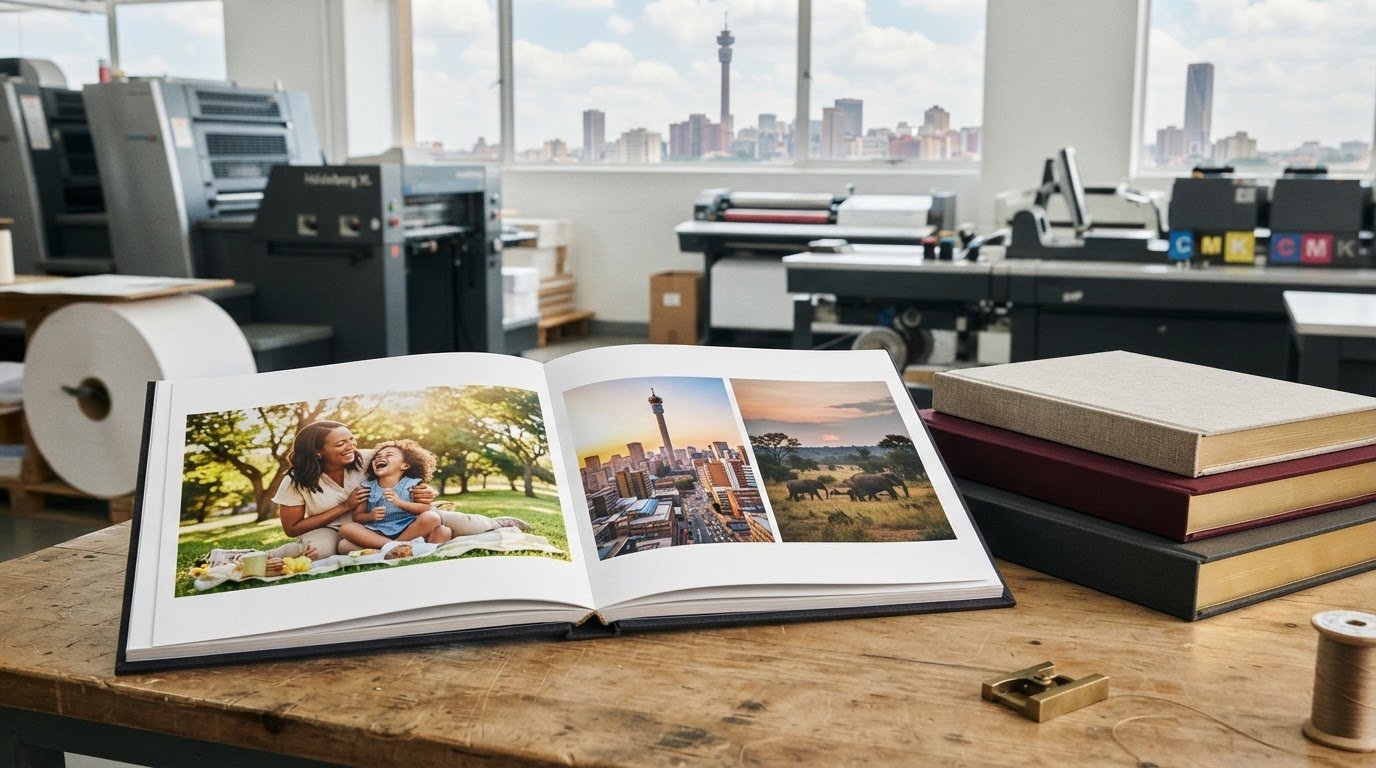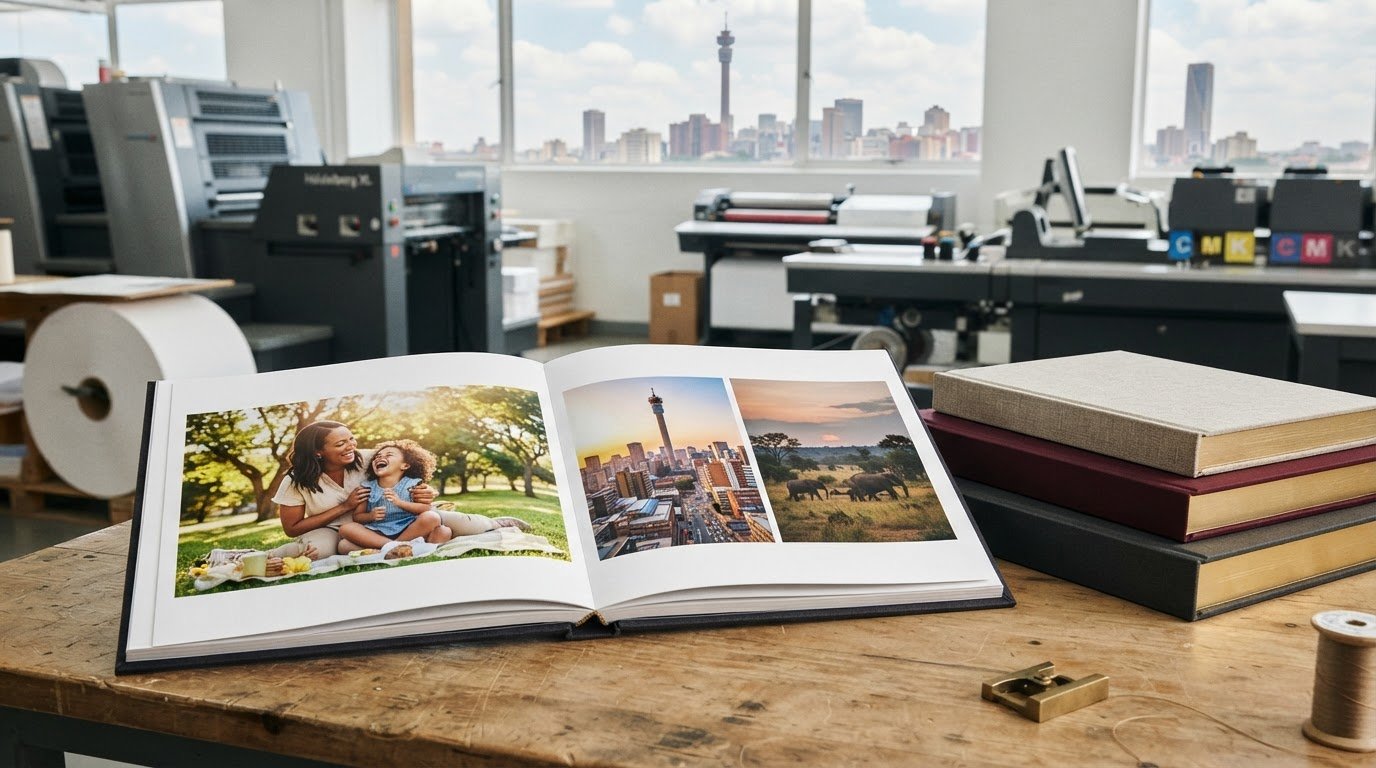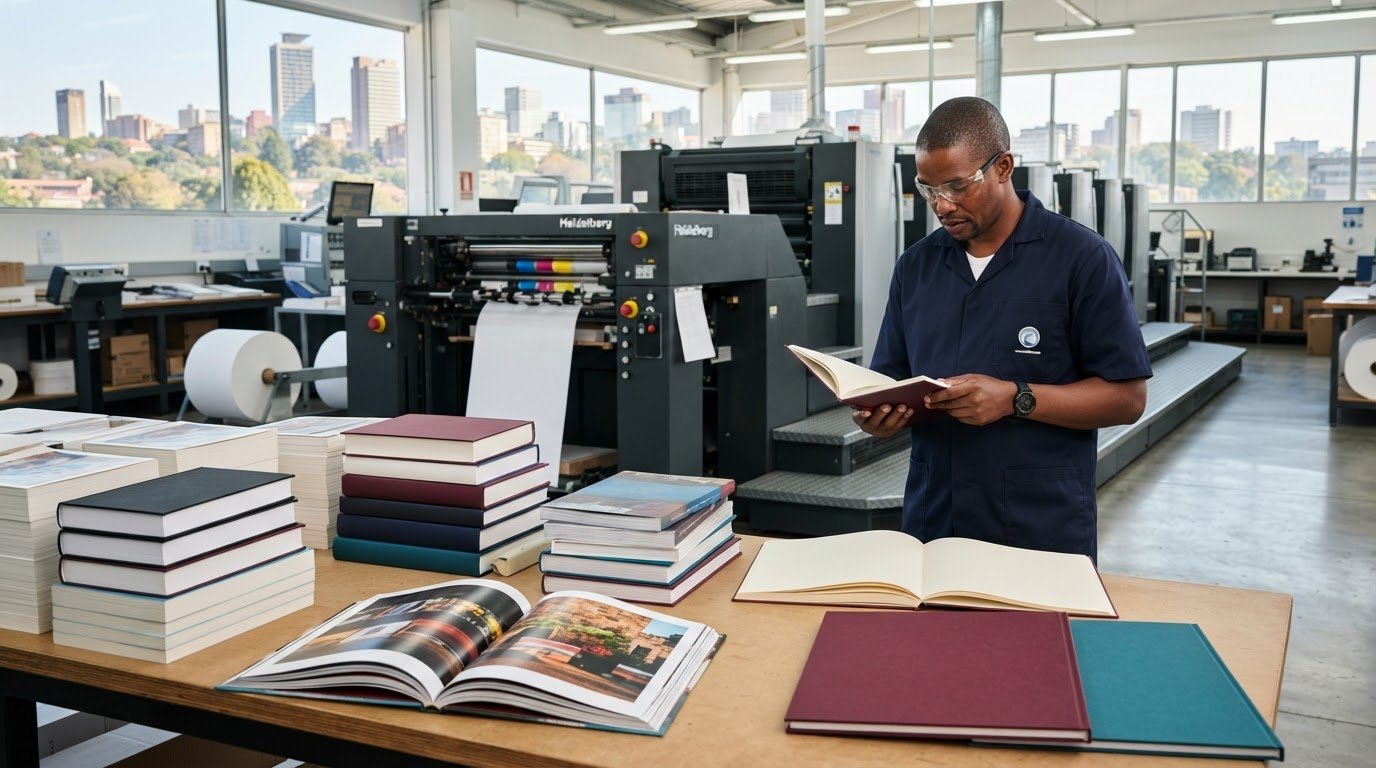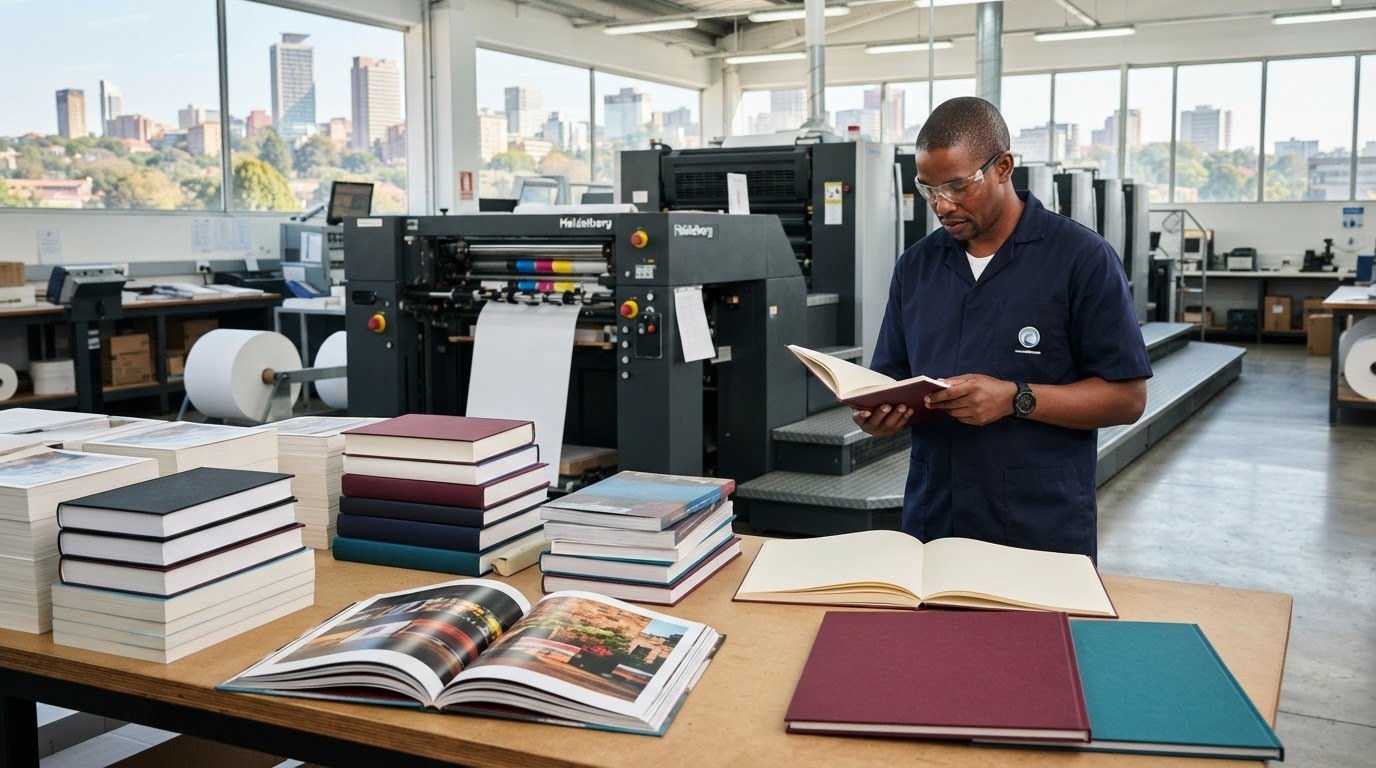

What if the secret to a successful launch isn’t just the writing, but knowing exactly how to navigate the paperback book printing cost South Africa offers in 2026? You’ve spent months pouring your heart into your manuscript. Now, you’re likely facing a wall of technical terms like GSM, PUR binding, and digital versus litho printing. It’s natural to feel overwhelmed by the fear of hidden shipping fees or the risk of poor quality from a "cheap" provider.
We believe every local author deserves a creative partner who makes complex processes feel simple. You want a book that feels premium without breaking the bank. This guide will help you master the variables of book printing costs and show you how to optimize your budget for professional results. You’ll gain a clear understanding of what actually drives prices, from page counts to binding styles. We’ll preview the most efficient ways to manage your print run so you can focus on what matters most: sharing your story with the world. By the end of this guide, you’ll have the confidence to make informed decisions that ensure reliable delivery and aesthetic excellence.
Key Takeaways
- Understand why softcover binding is the most cost-effective choice for self-publishers and how it balances professional aesthetics with budget management.
- Master the technical tipping points between digital and litho printing to ensure you get the best paperback book printing cost South Africa can offer for your specific run size.
- Learn how to slash production waste by standardizing your book’s trim size and aligning your page count with traditional printing signatures.
- Discover the financial benefits of local printing in Johannesburg, from avoiding volatile international shipping fees to securing faster turnaround times.
- Identify the ideal paper weights and specifications that give your book a premium feel without inflating your final quote.
Table of Contents
-
Digital vs. Litho Printing: Finding Your Cost-Efficiency Tipping Point
-
Strategic Ways to Lower Your Printing Costs Without Sacrificing Quality
-
Why Local Printing in Johannesburg Offers the Best Value for SA Authors
What Defines Paperback Book Printing Cost in South Africa?
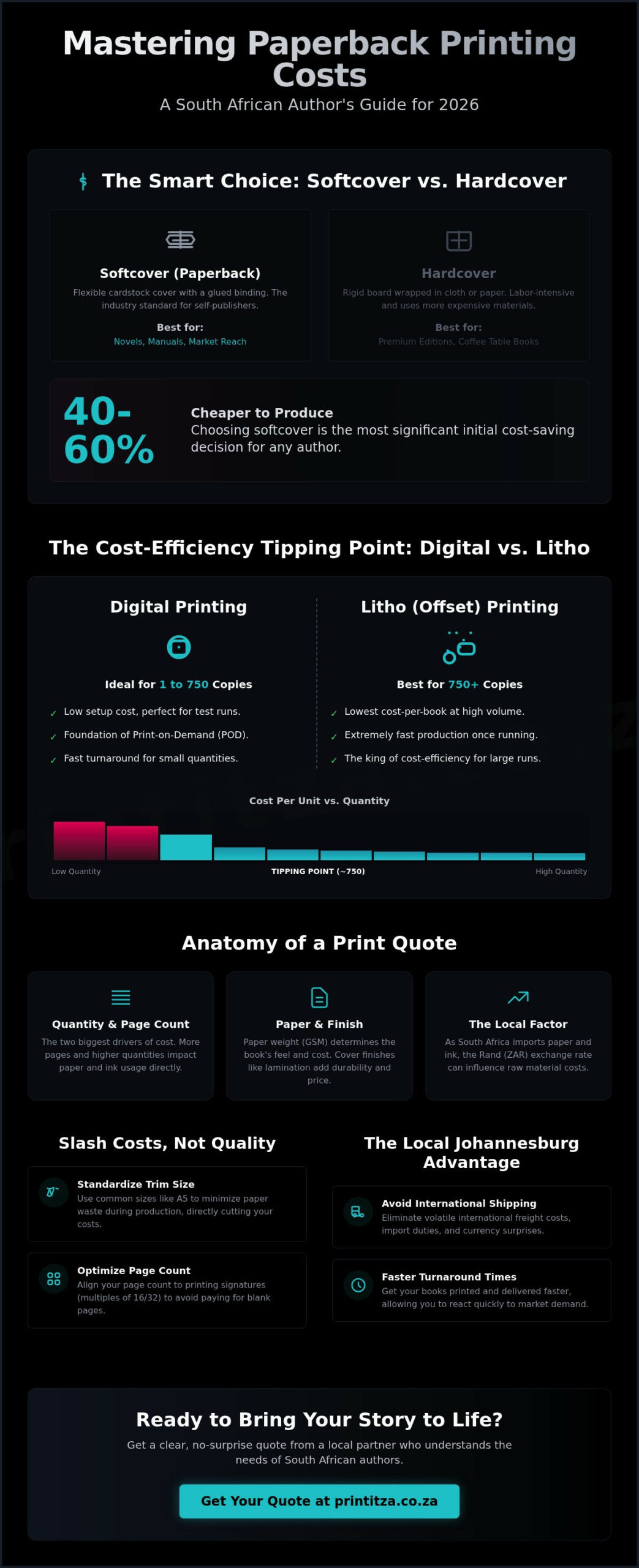
Paperback printing, often called softcover printing, is the industry standard for everything from gripping novels to essential training manuals. This process involves a flexible cardstock cover that’s typically laminated for durability and attached to the inner pages using a strong, glued binding. In 2026, this remains the most cost-effective choice for South African authors. It offers a professional look that fits comfortably on retail shelves while keeping production expenses significantly lower than hardcover alternatives. It’s a pragmatic choice for those who want to maximize their reach without overextending their budget.
Understanding the paperback book printing cost South Africa authors encounter requires looking at three primary pillars: quantity, page count, and finish. These factors dictate the bulk of your quote. However, there’s a unique local factor to consider. Because South Africa imports a large portion of its high-quality paper and specialized inks, the local exchange rate plays a significant role in pricing. When the Rand fluctuates against major currencies, the cost of these raw materials can shift. We work hard to manage these variables, but it’s a reality of the local manufacturing landscape that every author should keep in mind.
The Base Components of a Print Quote
Every print project begins with setup fees. These costs cover the technical preparation of your files, machine calibration, and the creation of a physical proof. This is why the first copy of your book is always the most expensive; it carries the weight of all that initial labor. Beyond setup, you’re paying for consumables like ink and paper. A text-heavy novel uses less ink than a vibrant photobook, and a heavier paper weight (GSM) will naturally increase the price. Finally, there’s the human element. Skilled technicians handle the binding, trimming, and quality control to ensure your finished product meets professional standards. Modern technology like Print on demand (POD) has helped streamline these components for shorter runs, making it easier than ever to get started.
Softcover vs. Hardcover: The Price Gap
Choosing a softcover format is one of the most effective ways to manage your paperback book printing cost South Africa. Generally, paperbacks are 40% to 60% cheaper to produce than hardcovers in the local market. This massive price gap exists because hardcover books require a process called case binding. This involves wrapping a rigid board in cloth or printed paper, a task that’s far more labor-intensive and requires more expensive materials. While hardcovers are beautiful for premium coffee table books, softcovers offer the best market reach. They’re lighter, cheaper to ship, and more affordable for your readers, which is vital for building a loyal audience in a competitive market.
Digital vs. Litho Printing: Finding Your Cost-Efficiency Tipping Point
Choosing between digital and lithographic (offset) printing is the most critical decision for your budget. Digital printing is the go-to choice for short runs, typically between 1 to 200, even 500 copies on certain printing presses. Lithographic printing, or litho, is the powerhouse of the industry, designed for high-volume production. Insights into the global book printing market show that while digital technology is advancing rapidly, litho remains the king of cost-efficiency for large orders. This is because litho presses are incredibly fast once they’re running, though they require significant time and cost to set up initially.
The question every author asks is: where is the tipping point? When calculating the paperback book printing cost South Africa authors face, that magic number is generally around 750 to 1,000 copies. If you’re printing fewer than 750 books, digital is almost always your best bet. Once you cross that 1,000-copy threshold, the per-unit price on a litho press drops so sharply that it becomes the clear winner. You don’t have to sacrifice quality either. By 2026, digital print quality has caught up to litho, meaning your readers will see crisp, professional results regardless of the method you choose.
Digital Printing for Self-Publishers
Digital printing offers a low-risk entry point for authors testing the local market. It’s the foundation of Print on Demand (POD), which allows you to print exactly what you need without a massive upfront investment. While the cost per book is higher than litho, you won’t be stuck with unsold inventory. It’s also incredibly fast. If you have a time-sensitive launch in Gauteng or Midrand, digital can get your books ready in a fraction of the time required for traditional offset setup.
Litho Printing for Commercial Success
For textbooks, corporate manuals, or novels with a guaranteed audience, litho offers the best value. The economy of scale is staggering; for example, the cost per book for a run of 1,000+ copies can be as low as half the cost of a short run of 50 copies. This method also opens the door to premium features like spot UV or foiling, which are much more cost-effective when spread across a large batch. If you’re aiming for a wide retail release, you can compare printing options to find the perfect balance between volume and value.
Key Specifications That Influence Your Final Print Quote
Your print quote isn’t a shot in the dark. It’s a precise calculation based on the physical choices you make for your manuscript. Sticking to standard trim sizes like A5 or A4 is the simplest way to keep your paperback book printing cost South Africa manageable. Industrial paper sheets are manufactured in dimensions that fit these sizes perfectly. When you choose a non-standard or "custom" size, you’re effectively paying for the paper we have to cut off and discard. It’s a waste of material and money that can be easily avoided by aligning with local industry standards.
Interior color remains the most significant cost driver in any print project. A book filled with vibrant, full-color illustrations requires specialized machinery and more expensive ink than a standard black-and-white novel. If your content doesn’t rely on color, sticking to black ink will significantly lower your per-unit price. Don’t forget the cover finish either. Lamination is a non-negotiable for professional results. A gloss finish makes colors look punchy and bright, while a matt finish offers a sophisticated, velvety feel. Both options provide a vital protective layer against the South African climate, ensuring your book doesn’t curl or scuff on the shelf.
Choosing the Right Paper Stock in SA
In the local market, you’ll primarily choose between bond and bookish paper. Bond paper is a crisp, bright white often used for manuals or educational printing. Bookish paper has a subtle cream tint that’s easier on the eyes, making it the preferred choice for novels and journals. By 2026, we’ve seen a surge in high-quality, eco-friendly recycled stocks that allow authors to stay green without losing that premium feel. For the cover, 250gsm SBS board is the standard, high-end weight to your project.
Binding Methods and Their Costs
-
Perfect Binding: This is the gold standard for paperbacks. It uses a strong adhesive to create a clean, square spine that looks great in any bookstore.
-
PUR Binding: If your book is particularly thick or destined for heavy use in classrooms, PUR binding is worth the extra investment. It uses a specialized polyurethane glue that’s incredibly flexible and durable.
-
Saddle Stitching: For thin booklets, manuals, or instruction booklets under 64 pages, this is your most budget-friendly option. It uses staples along the fold for a fast, efficient finish.
Strategic Ways to Lower Your Printing Costs Without Sacrificing Quality
Saving money on your project doesn’t mean you have to settle for a subpar product. It’s about making smart, technical choices before the first page even hits the press. One of the most effective strategies is to optimize your page count to fit standard "signatures." In the printing world, books are usually printed in blocks of 16 or 32 pages. If your manuscript ends on page 161, you’re effectively paying for a full 176-page signature. By tightening your layout or editing slightly to hit those 16-page increments, you can significantly reduce your paperback book printing cost South Africa.
Another powerful tactic is to limit colour usage. We always recommend a vibrant, full-color cover to grab attention on the shelf, but keeping the interior black and white is a massive cost-saver. If you’re printing a novel or a training manual, your readers don’t need color on every page. Consolidating your print runs is also vital. Instead of ordering 50 copies every month, try to forecast your needs for the quarter. Ordering in larger batches allows you to take advantage of bulk shipping rates and lower per-unit production costs. It’s a pragmatic approach that keeps your cash flow healthy.
Designing with the Budget in Mind
Your design choices have a direct impact on your final bill. A font that’s slightly too large or line spacing that’s too generous can easily add 20 or 30 pages to your total count. Over a run of 500 books, those extra pages represent a lot of paper and ink. We suggest using a professional layout artist who understands these nuances. Always ensure you provide a "Print-Ready" PDF that meets our technical specifications. This prevents expensive file correction fees and ensures your project moves straight to production without delays. Ready to see how these strategies affect your project? You can get a tailored printing quote to see the difference for yourself.
Hidden Costs: ISBNs and Barcodes
Many first-time authors are surprised by "service fees" for ISBNs and barcodes. In South Africa, you don’t need to pay for these. The National Library of South Africa provides ISBNs for free to local authors and publishers. You can apply for one online through their portal. Once you have your ISBN, you can use free online generators to create your barcode. Just make sure it’s high resolution and placed correctly on the bottom right of your back cover. This ensures your book is retail-ready and can be scanned at any bookstore without you having to pay unnecessary administrative markups.
Why Local Printing in Johannesburg Offers the Best Value for SA Authors
Choosing a local partner is about more than just convenience. It’s a strategic move to avoid the "Import Trap" that catches many first-time authors who look abroad. When you print overseas, you’re at the mercy of customs duties and volatile international shipping fees. These hidden expenses can quickly inflate your paperback book printing cost South Africa, turning a perceived bargain into a financial burden. By keeping your production in Johannesburg, you pay exactly what’s on your quote. There are no surprises at the border and no waiting weeks for a container to clear the port. It’s a transparent, predictable process that protects your profit margins.
Speed is a massive advantage in the fast-paced publishing world. Our centralized location in Midrand means we can get your books to Cape Town or Durban in just a few days. This reliability is crucial for scheduled book launches or training sessions where timing is everything. Beyond speed, local printing offers superior quality control. You have the ability to request a physical proof before the full run begins. Holding a real copy of your work allows you to check the binding and color accuracy with your own eyes; it’s a luxury you don’t get with distant international providers. Plus, you’re actively supporting the local economy and the South African publishing industry.
Logistics and Distribution in South Africa
Gauteng serves as the heartbeat of South African distribution. Our facilities are designed to handle urgent book launches without missing a beat. Centralized printing in this region naturally reduces nationwide distribution costs, making it easier to reach readers in every province. For our corporate partners, we offer more than just ink on paper. We integrate our printing with kitting and distribution services. This allows you to manage your inventory and distribution from one central hub, ensuring your manuals or reports are delivered exactly when and where they’re needed.
Partnering with Print It ZA print and packaging
We take immense pride in being a reliable creative partner for authors across the country. At Print It ZA print and packaging, our commitment to high-quality litho and digital solutions ensures your book looks as good as it reads. We don’t just facilitate a transaction; we assist you in achieving a professional result that matches your vision. If you’re worried about technical specifications, our in-house designers are here to help you optimize your print-ready files for seamless execution. We value your time and your creative goals above all else. Get a custom paperback printing quote for your project today and let’s bring your story to life with precision and care.
Ready to Bring Your Manuscript to Life?
You’ve now mastered the essentials of budgeting for your publishing journey. By standardizing your trim sizes and identifying the tipping point between digital and litho technology, you’ve taken the most important step toward a cost-effective launch. We’ve explored how local production in Johannesburg eliminates the hidden risks of international shipping and customs. Successfully managing the paperback book printing cost South Africa requires a partner who understands the local landscape and values your creative vision.
Our team is ready to assist you. With 24/7 printing operations in Midrand and reliable nationwide SA delivery, we ensure your project moves with speed and precision. We are specialists in both litho and digital printing, offering the technical expertise needed for everything from short-run novels to bulk educational manuals. It’s time to turn your digital file into a professional reality that readers will love to hold. Request a Professional Book Printing Quote and let’s get started. Your story deserves a finish that reflects your hard work, and we can’t wait to help you share it with the world.
Frequently Asked Questions
How much does it cost to print a single paperback book in South Africa?
Printing a single copy is possible through digital technology, though it carries the highest per-unit price. This happens because setup tasks like file preparation and machine calibration are the same whether you print one book or one hundred. It’s an excellent option for personal keepsakes or a final physical proof before committing to a larger production run.
Is it cheaper to print books in bulk or use Print on Demand?
Bulk printing is significantly cheaper per unit once you cross the threshold where lithographic presses become efficient. Print on Demand is better for authors who want to avoid upfront costs and storage issues. Your choice depends entirely on your sales forecast and how much initial capital you’re willing to invest in your inventory.
What is the most common book size for novels in South Africa?
A5 is the most common and cost-effective size for novels in the local market. Sticking to this standard ensures your paperback book printing cost South Africa stays low by minimizing paper waste during the trimming process. It also ensures your book fits perfectly on standard retail bookshelves alongside other popular titles.
How long does it take to print a run of 500 paperback books?
A run of 500 paperback books typically takes between five and ten working days to complete. This timeline covers the entire process from digital file preparation to the final binding and trimming. Factors like specialized cover finishes or high demand periods at the facility can influence the exact delivery date for your project.
Can I print a paperback book with colour photos on a budget?
You can manage costs for colour photos by grouping them into a specific section or limiting colour to the cover alone. Printing a full-colour interior is the most expensive path you can take. For budget-conscious projects, many authors use high-quality black and white imagery for the interior while keeping the cover vibrant and eye-catching.
Does the page count significantly change the printing price?
Page count is a primary driver of the final price because it dictates the amount of paper and ink required for every copy. It also affects the thickness of the spine and the complexity of the binding process. Aligning your total page count with 16-page signatures helps us optimize the production process and reduce material waste.
What kind of paper should I use for a self-published novel?
Most self-published authors choose 75gsm cream paper for a classic novel feel . This paper has a slight tint that’s easy on the eyes and provides a professional, high-end look. If you’re printing a training manual or a textbook, a bright white bond 80gsm paper is often a more practical and cost-effective alternative.
Are there any hidden fees in book printing quotes?
Reputable printers are transparent, but you should always watch for fees related to file corrections or multiple physical proofs. To ensure your paperback book printing cost South Africa remains accurate, always provide a print-ready PDF that meets all technical specifications. This prevents the need for manual adjustments that can lead to extra administrative charges.
Contact Print It ZA today, for a Free Quote and Speedy Service.
Print It ZA print and packaging, we deliver Printing Best!