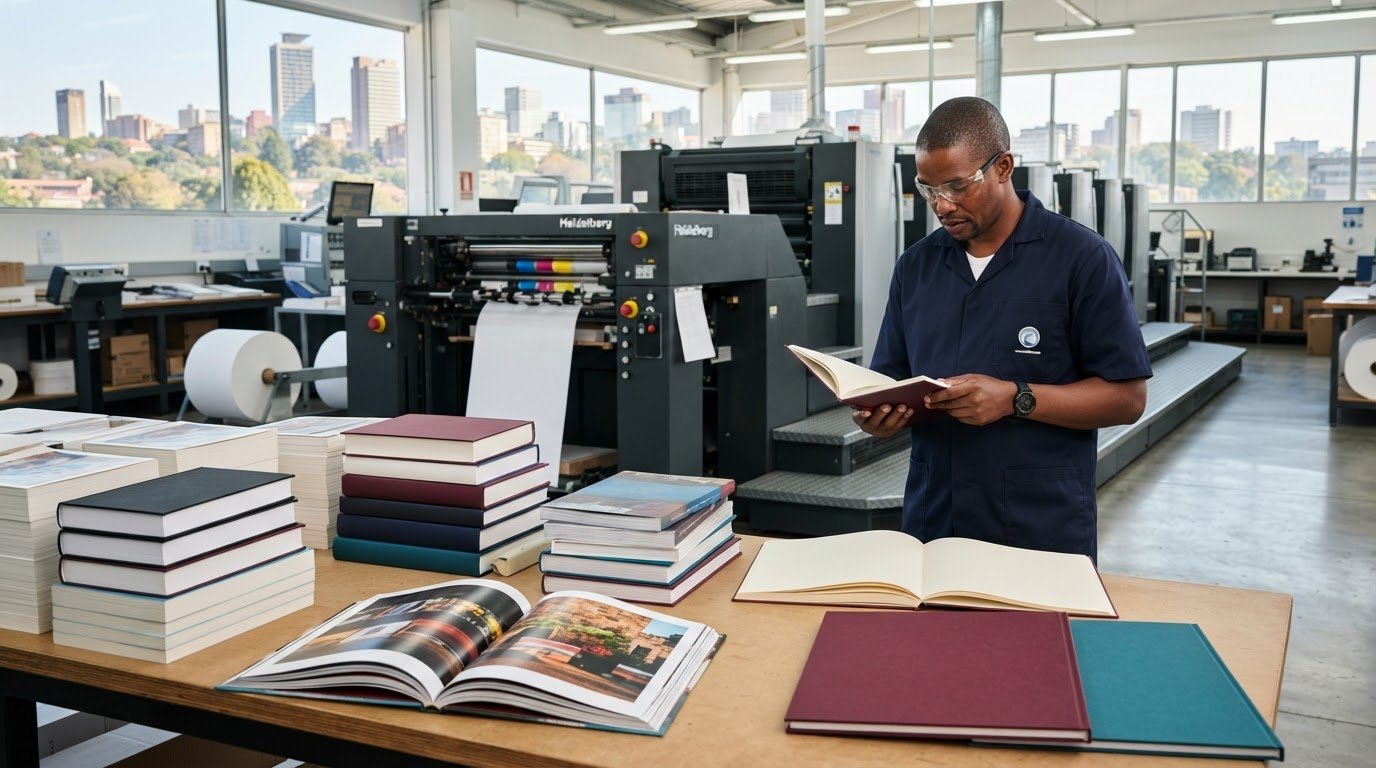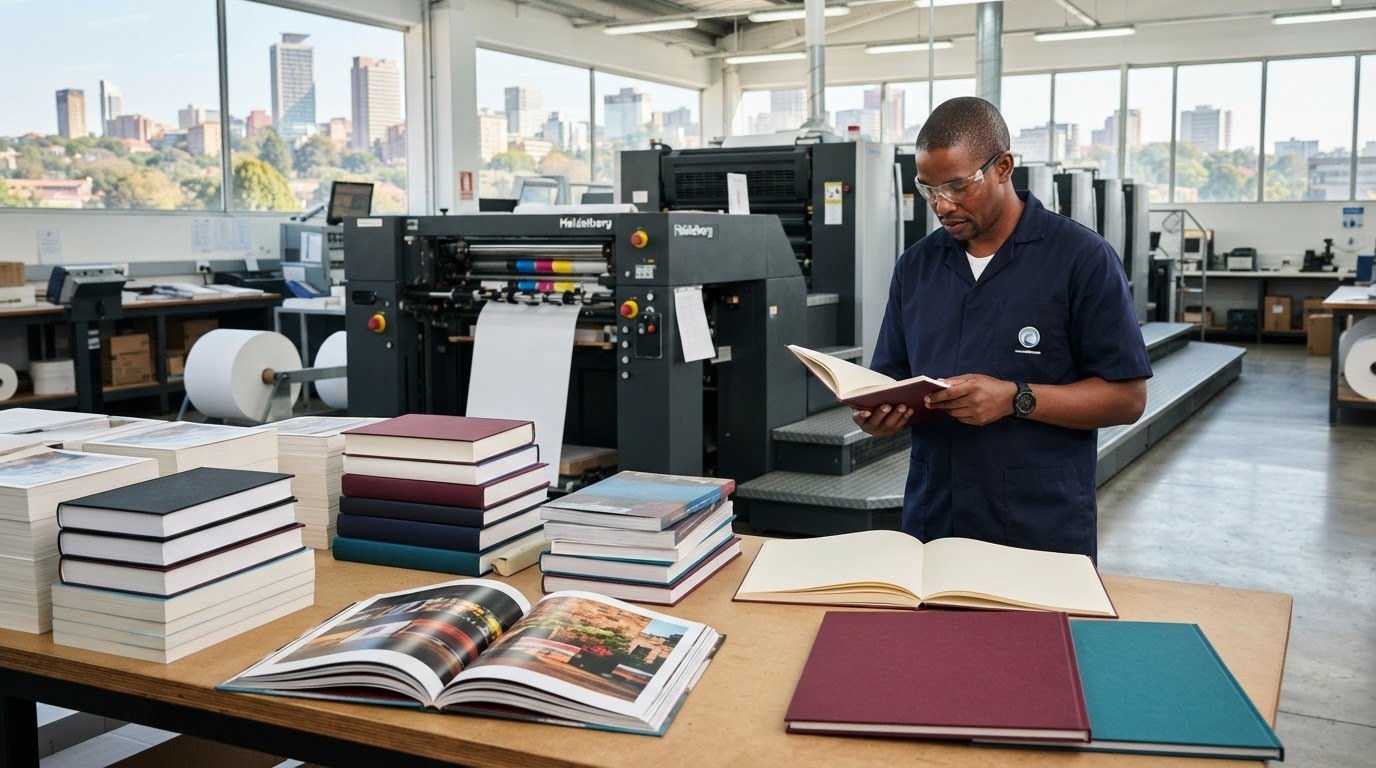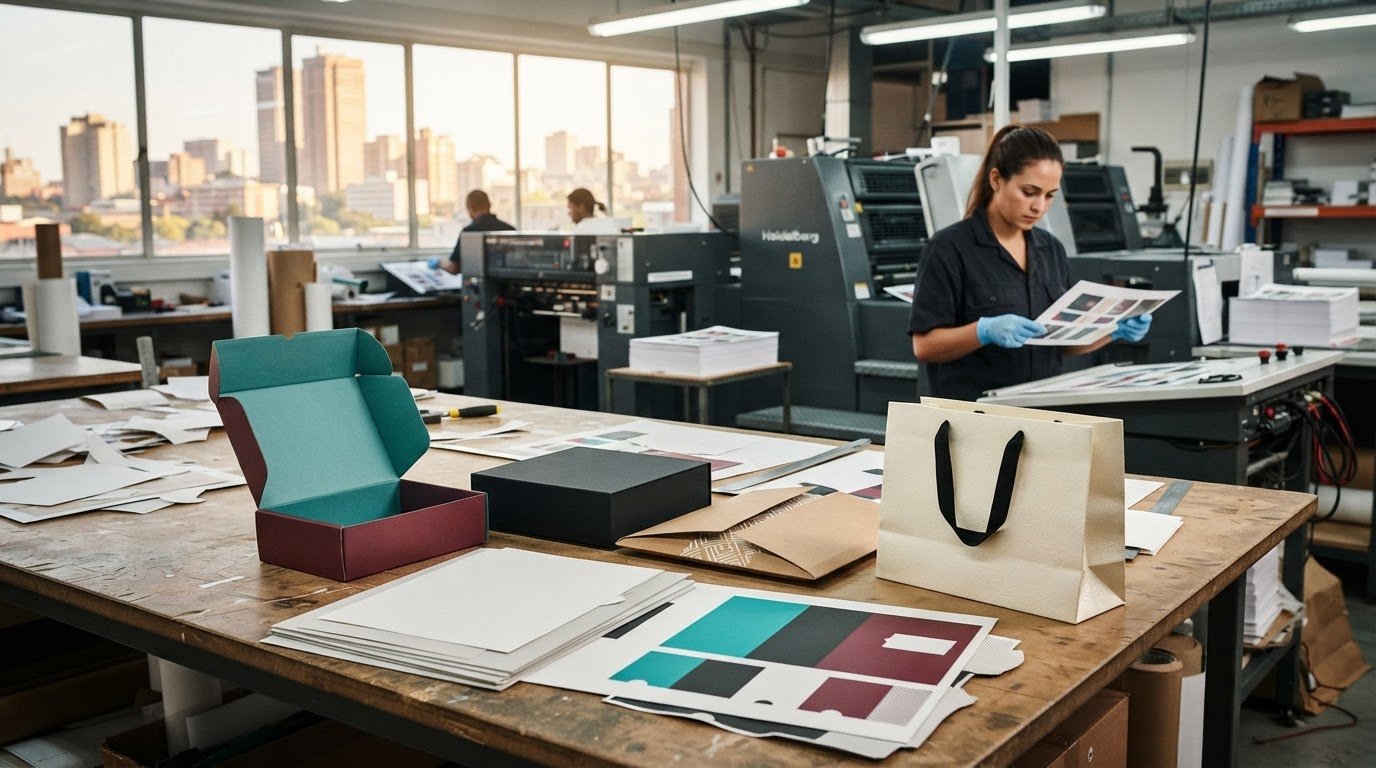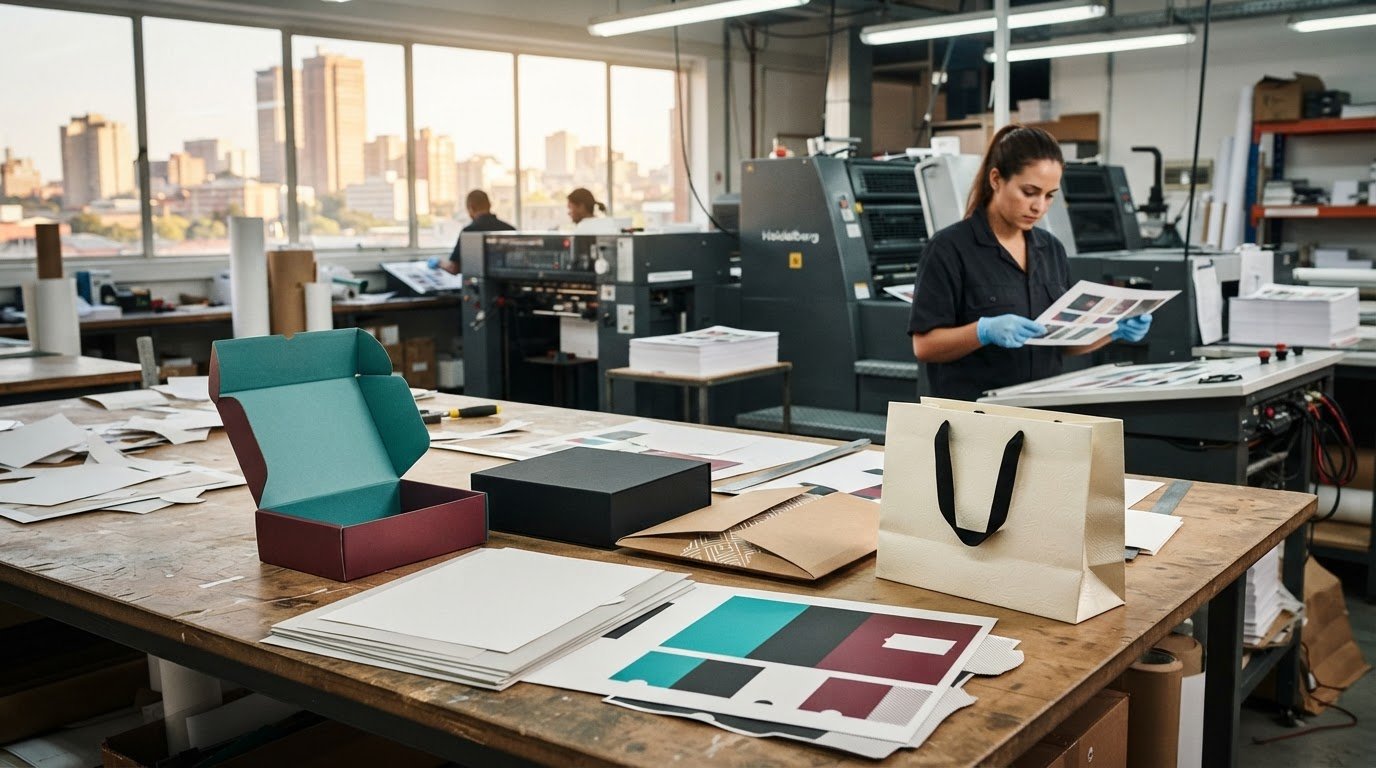
Paperback printing remains one of the most practical and popular ways to produce books because it balances affordability, professional presentation, and ease of distribution. Although hardcover books can feel more premium, paperback books are often the smarter choice for authors, schools, publishers, businesses, and training providers that want a polished printed book without pushing production costs too high.In South Africa, paperback printing works well for novels, educational books, manuals, workbooks, guides, religious books, company publications, and self-published titles. Because of that, paperback books fit naturally into services such as books printing, booklet printing, graphic design services, and the broader book-binding and print categories already available on the Print It ZA site.
What is paperback printing?
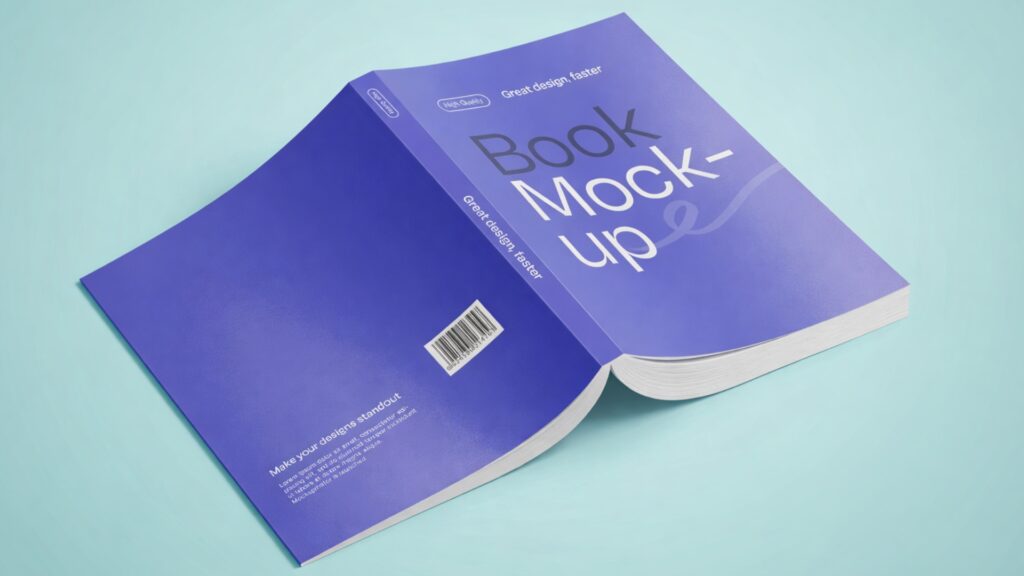
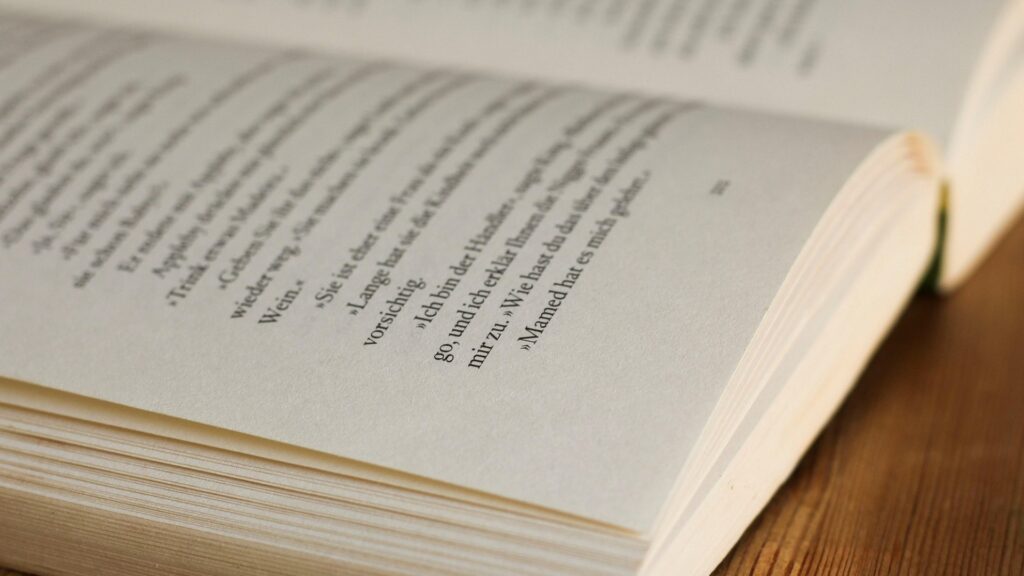
Paperback printing is the production of books with a flexible soft cover instead of a rigid hard cover. Usually, the inside pages are printed on text stock, then bound together with a printed cover using a binding method such as perfect binding or PUR binding. As a result, the final book feels lighter, more flexible, and more cost-effective than a hardcover version.
Paperback books are widely used because they suit many types of content. For example, an author may print a paperback novel, while a business may print a training guide or branded publication in the same basic format. Therefore, paperback printing is one of the most adaptable book-printing options available.
Why is paperback printing so popular?
Paperback printing stays popular because it offers a strong balance between quality and cost. First, paperback books are cheaper to produce than many hardcover books. Next, they are lighter and easier to distribute. Finally, they still look professional when the cover, layout, and binding are done properly.
That balance makes paperback printing especially useful for authors, schools, and organisations that need practical print runs without sacrificing presentation.
| Why Paperback Printing Works | Benefit |
| Lower production cost | Makes books more affordable to print |
| Lighter format | Easier to handle, ship, and store |
| Professional appearance | Still looks polished when designed well |
| Flexible use | Works for novels, manuals, guides, and education |
| Scalable production | Suitable for short runs and larger print jobs |
Who uses paperback printing?
Paperback printing helps a wide range of users. Authors use it for fiction and non-fiction titles. Schools and colleges use it for educational content. Businesses use it for manuals, branded books, and internal guides. Training providers also use paperback books when they need something more durable and professional than a stapled handout.
Because the format is so flexible, paperback books can support both commercial publishing and practical internal use.
| User | Why Paperback Printing Helps |
| Authors | Creates a professional printed book at a manageable cost |
| Schools and educators | Supports structured printed learning material |
| Businesses | Works for manuals, branded publications, and guides |
| Training providers | Offers a stronger format than loose printed handouts |
| Publishers | Supports efficient production across many titles |
If the project is more educational or workbook-focused, it may also connect well with education printing, textbook printing, or training manual printing.
What binding is used for paperback printing?
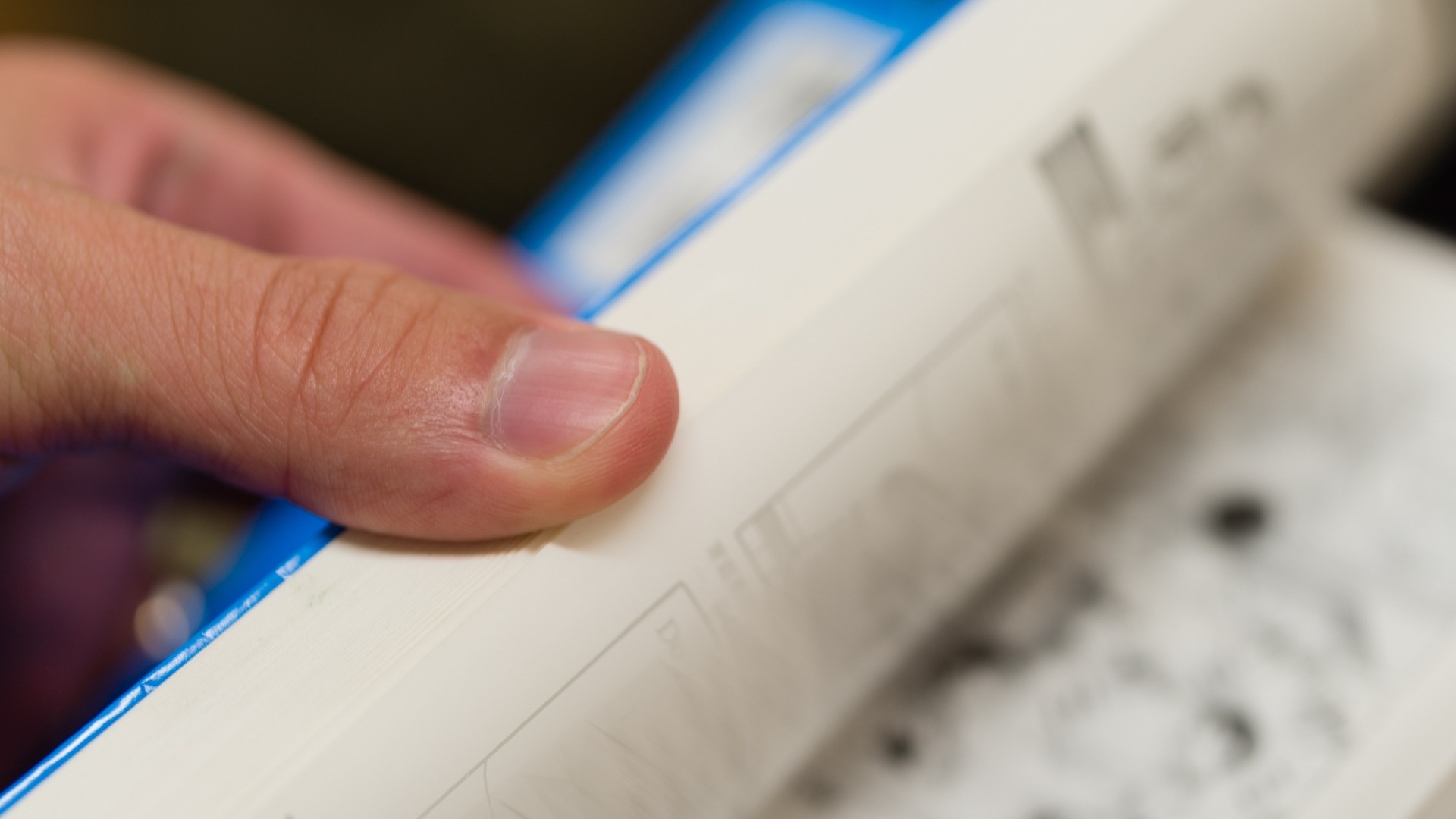
Paperback books usually use perfect binding or PUR binding. Both methods attach the inside pages to a flexible cover with adhesive, which creates a clean square spine. As a result, the book looks more like a retail-ready publication than a simple stapled booklet.
However, the right binding still depends on the page count, intended use, and expected durability. Shorter publications may suit booklet-style formats, while thicker books usually need stronger adhesive binding.
| Binding Type | Best For | Main Advantage |
| Perfect binding | Most standard paperback books | Professional square spine and clean finish |
| PUR binding | Books needing stronger durability | Improved binding strength and flexibility |
| Saddle stitch | Shorter booklets and smaller page counts | Cost-effective for lighter publications |
If you need to compare shorter multi-page formats, it also helps to review booklet printing alongside paperback production.
What paper works best for paperback books?
The best paper depends on the purpose of the book. For instance, novels and text-heavy books usually benefit from practical inner pages that read comfortably and keep the book from becoming unnecessarily heavy. By contrast, visual books or premium publications may need a different stock choice. Meanwhile, the cover usually needs a heavier stock to protect the inside pages and improve presentation.
Therefore, paperback printing should always balance reading comfort, production cost, and final feel.
| Book Area | Best Direction | Why It Matters |
| Inner pages | Readable text stock | Supports comfort and practical book weight |
| Cover | Heavier printed cover stock | Protects the book and improves appearance |
| Educational books | Durable practical stock | Supports repeated handling |
| Branded publications | Balanced text and cover spec | Keeps the book professional without excess cost |

How does paperback printing differ from hardcover printing?
Paperback printing uses a flexible cover, while hardcover printing uses a rigid board-based outer cover. Because of that, paperback books are usually lighter and more affordable. On the other hand, hardcover books often feel more premium and more durable. So, the better option depends on the goal of the project.
If cost, portability, and shorter-run flexibility matter most, paperback printing often makes more sense. If prestige, shelf impact, or gift-style presentation matters more, hardcover may be the stronger route.
| Format | Paperback | Hardcover |
| Cover type | Flexible soft cover | Rigid hard cover |
| Weight | Lighter | Heavier |
| Cost | Usually lower | Usually higher |
| Portability | Easier to carry and ship | Less flexible for bulk movement |
| Presentation | Professional and practical | Premium and more formal |
How does paperback printing affect book design?
Paperback printing affects design because the cover, spine, and inside layout all need to match the final print format. First, the spine width depends on page count and paper thickness. Next, the cover needs the correct dimensions for the front, back, and spine. Finally, the inside layout needs proper margins and page structure so the book reads comfortably once bound.
That is why paperback printing connects closely with graphic design services and with careful interior book setup. A weak file setup can easily create problems in production, even when the content itself is strong.
How much does paperback printing cost?
Paperback printing cost depends on several factors. First, page count changes the amount of paper and the spine size. Next, the book size, print quantity, binding choice, cover finish, and stock selection all affect the quote. Therefore, a short paperback guide will not cost the same as a long paperback novel or a branded business book with heavier cover treatment.
As a result, the best way to price a paperback book properly is to define the trim size, page count, print run, and binding before requesting a quote.
| Cost Factor | How It Affects Price |
| Page count | More pages increase material and binding requirements |
| Book size | Larger formats use more paper and cover stock |
| Binding choice | Different binding methods change finishing cost |
| Cover finish | Extra finishing can raise the total price |
| Print quantity | Larger runs may reduce cost per unit |
| File setup or design work | Preparation and corrections may add to the project cost |
What should you look for in a paperback printer?
You should choose a printer that understands books properly, not just general print jobs. In addition, the printer should be able to advise on binding, file setup, cover preparation, and the most suitable production method for the final book. That matters because paperback printing relies on both design accuracy and production quality.A practical starting point is to review services such as books printing, graphic design services, booklet printing, and the contact page for direct quote requests.
Where can you order paperback printing in South Africa?
If you need paperback printing in South Africa, first decide what kind of book you are producing, how many pages it needs, what trim size makes sense, and whether the project needs design support as well as printing. Then choose a printer that already handles books, covers, and binding rather than treating the job like a simple flyer order.
You can begin with Print It ZA’s books printing, graphic design services, booklet printing, and contact page to plan the project properly.
Paperback printing remains one of the strongest choices for practical book production because it gives you a professional format without the extra weight and cost of hardcover production. More importantly, when the binding, cover, and interior layout all work together, a paperback book can look polished, read comfortably, and perform well in the real world.
Frequently asked questions about paperback printing
What is paperback printing?
Paperback printing is the production of books with a flexible soft cover instead of a rigid hardcover.
What binding is used for paperback books?
Paperback books usually use perfect binding or PUR binding, depending on the page count and durability needs.
Why is paperback printing popular?
Paperback printing is popular because it balances affordability, professional appearance, and easier distribution.
What is the difference between paperback and hardcover printing?
Paperback printing uses a flexible soft cover, while hardcover printing uses a rigid board-based cover and usually costs more.
Where can I order paperback printing in South Africa?
You can order paperback printing in South Africa through a provider that already handles books, binding, and print-ready file support, such as Print It ZA’s book-printing services.
Contact Print It ZA today, for a Free Quote and Speedy Service.
Print It ZA print and packaging, We deliver Printing Best!