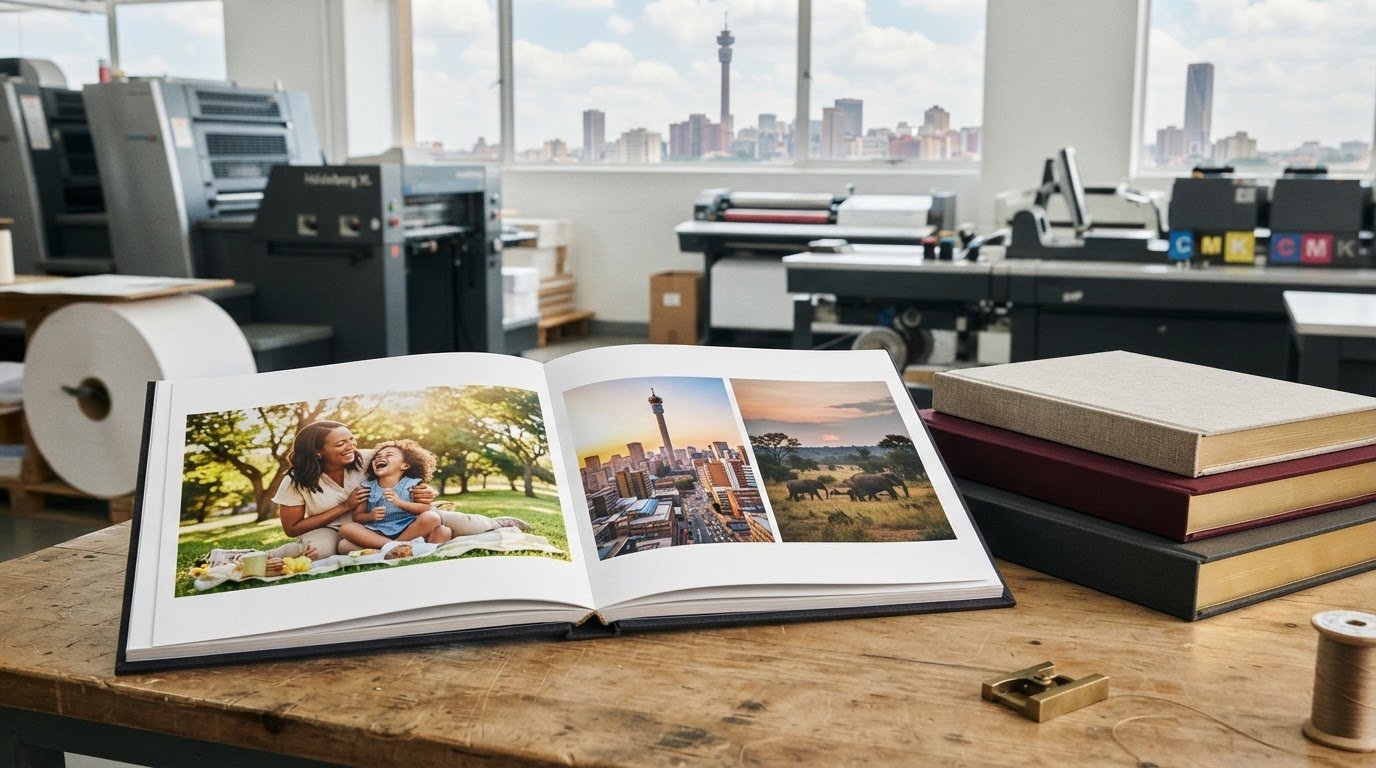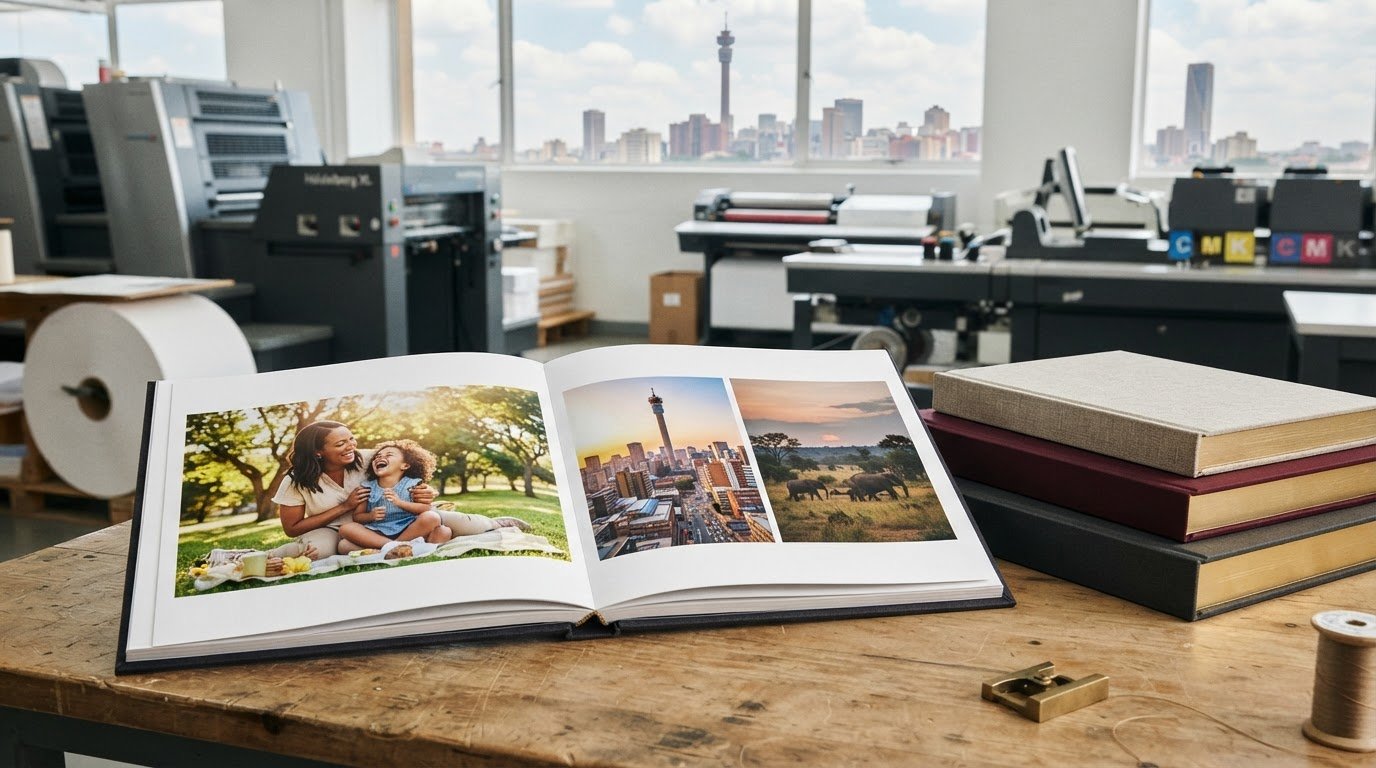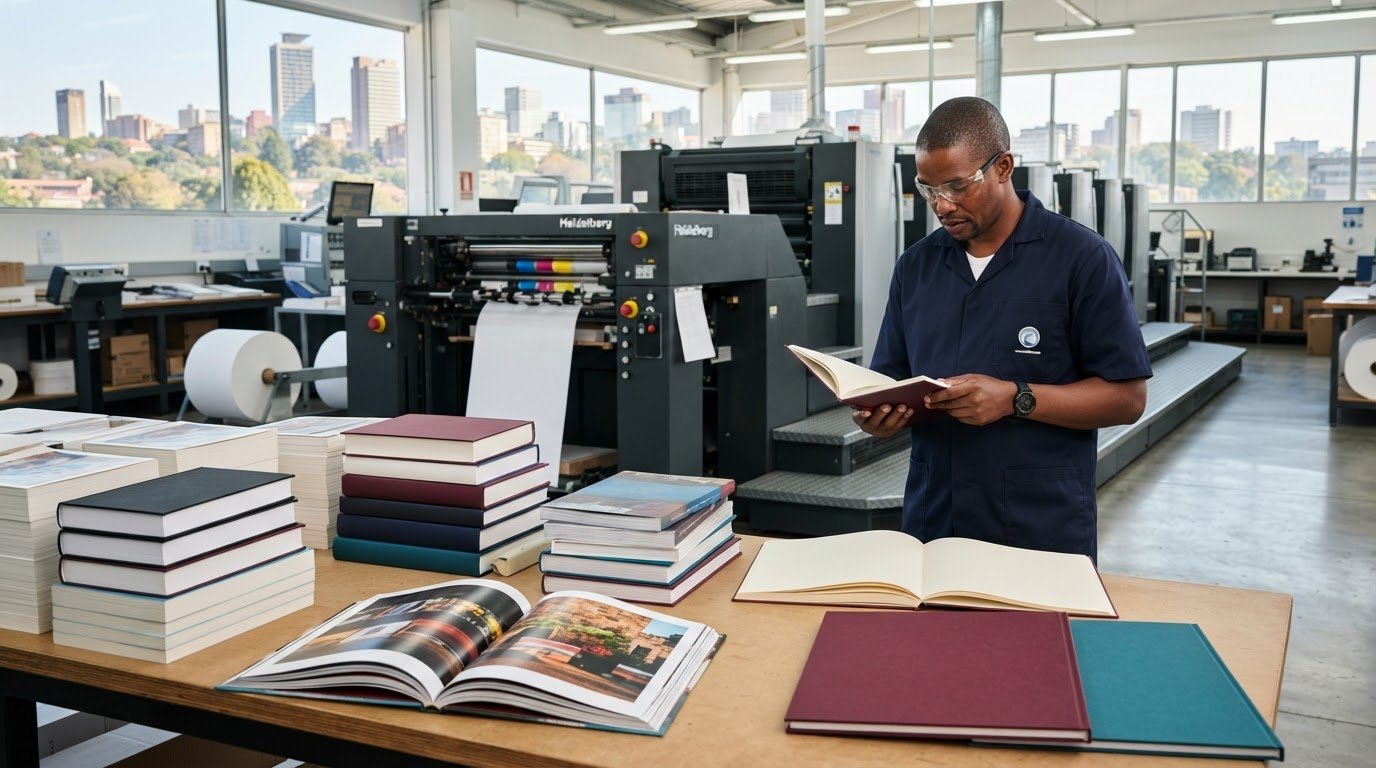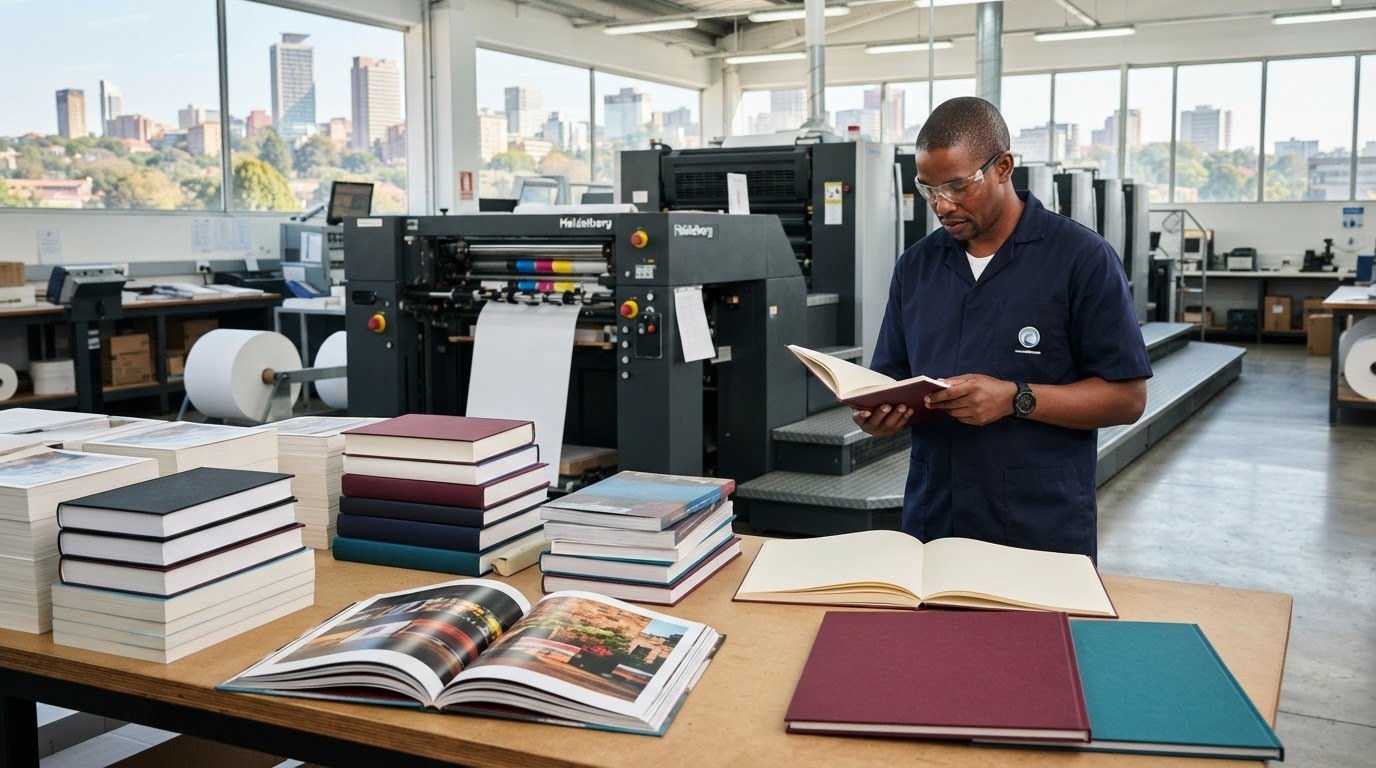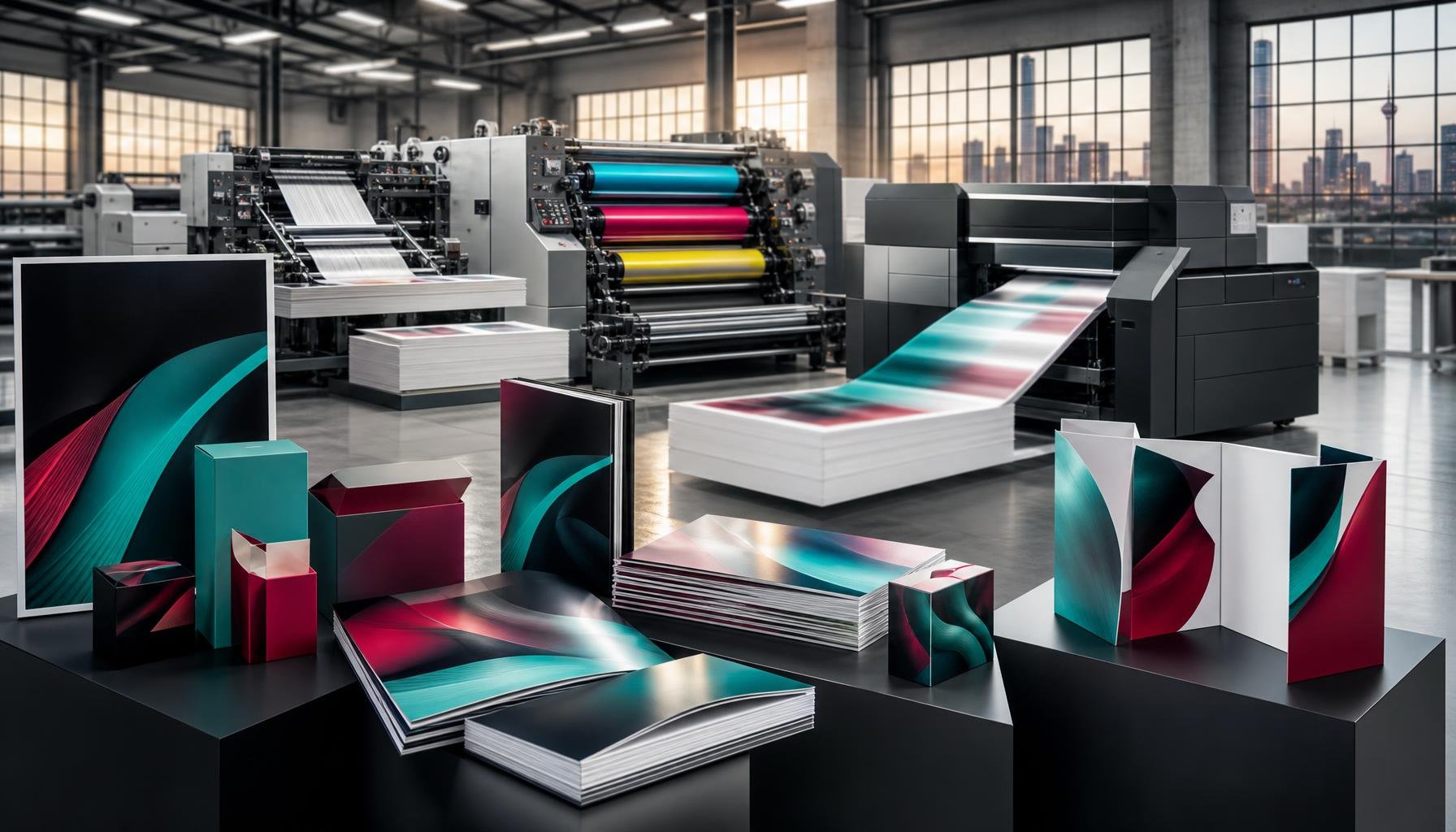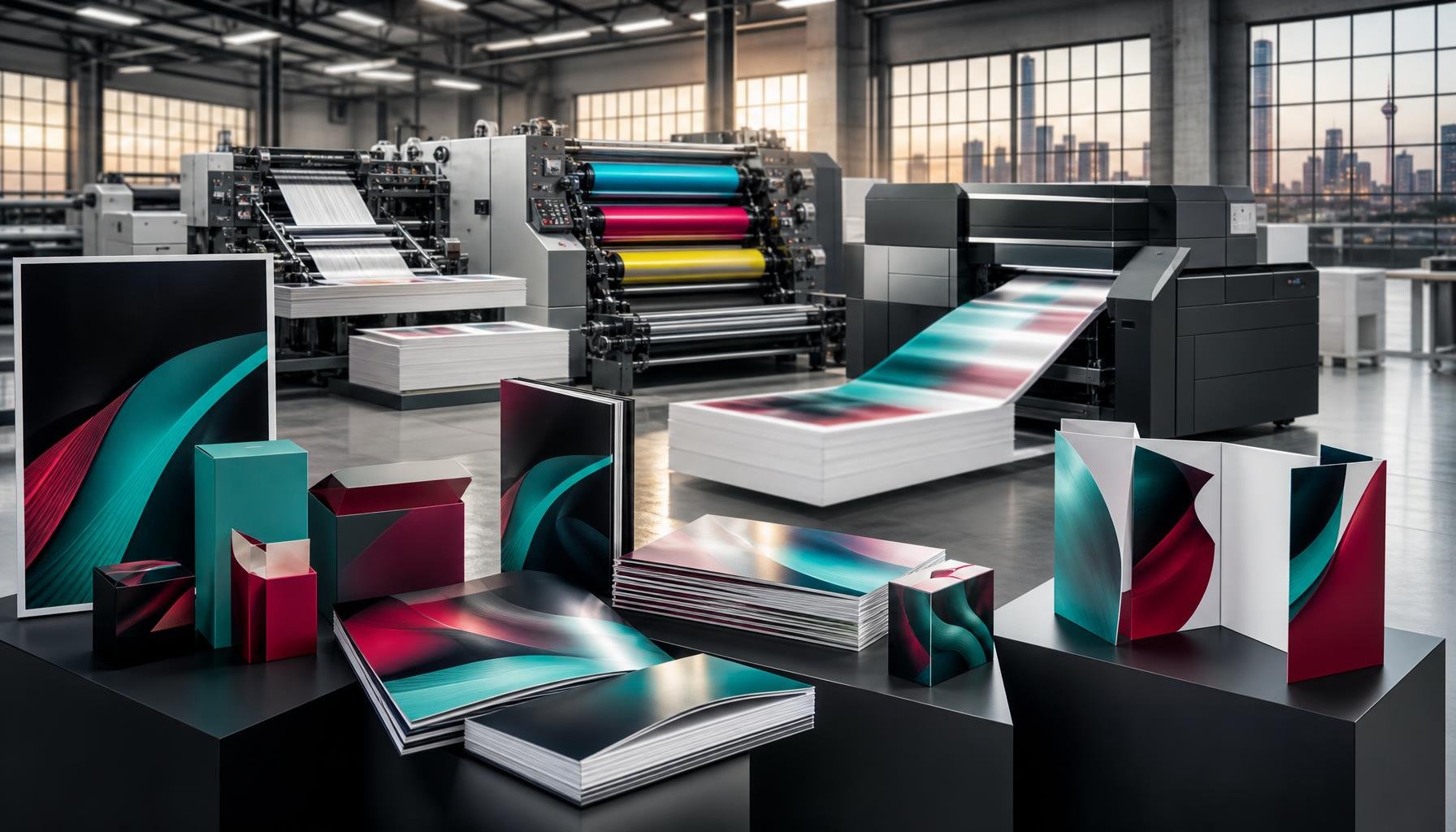

What Does it Mean to Print Brochures Online in 2026?
Ordering brochures online has evolved far beyond a simple file upload. In 2026, it represents a sophisticated fusion of digital convenience and master-printer precision. It’s about leveraging technology for real-time proofing and colour management, ensuring what you see on your screen is exactly what you get in your hands. For South African businesses, from bustling B2B enterprises to dynamic retail stores, the brochure remains a powerful, high-ROI marketing tool. A professionally printed brochure offers a tangible connection with your audience that digital ads simply can’t replicate.
However, there’s a crucial distinction between "cheap" online prints and truly professional services. A premium online printer acts as a partner, guiding you through the technicalities to produce a marketing asset that reflects the quality of your brand. It’s not just about putting ink on paper; it’s about creating a lasting impression.
To better understand the technical standards that define a premium print product, you can learn more about Booklets and Brochures to see how these assets are crafted for professional impact.
The Role of Brochures in a Multi-Channel World
- Why physical touchpoints matter: A well-crafted brochure engages multiple senses, creating a physical connection that significantly boosts brand recall compared to fleeting digital advertisements.
- Bridging the physical and digital: By embedding QR codes, you can seamlessly guide your audience from the printed page to your website, online store, or social media platforms, creating a cohesive brand experience.
- The tactile advantage: The weight and texture of the paper—its tactile quality—can subconsciously influence a customer’s perception of your brand, building trust and conveying a sense of quality.
Key Terminology You Need to Know
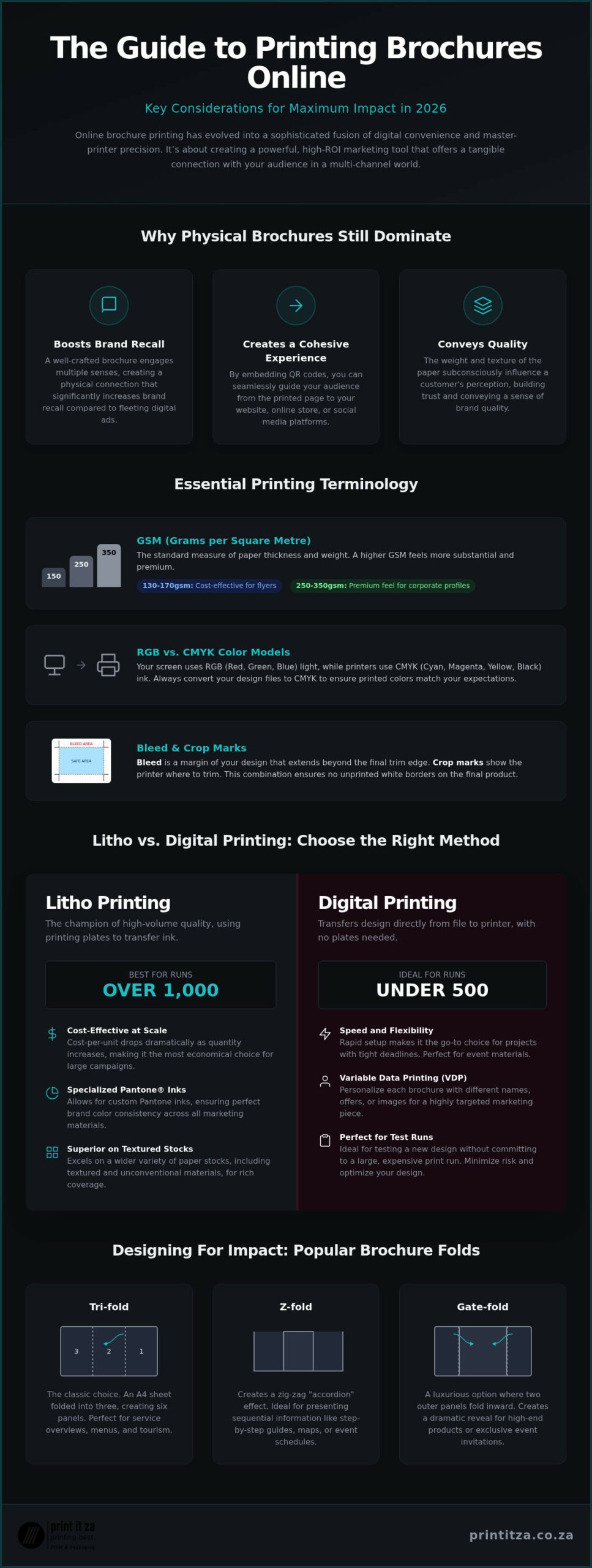
- GSM explained: "Grams per Square Metre" is the standard measure of paper thickness. A higher GSM (e.g., 250-350gsm) feels more substantial and premium, ideal for corporate profiles, while a lower GSM (e.g., 130-170gsm) is cost-effective for high-volume flyers or informational leaflets.
- CMYK vs. RGB: Your screen displays colours in RGB (Red, Green, Blue), but professional printers use CMYK (Cyan, Magenta, Yellow, Key/Black). Converting your design files to CMYK is essential to ensure the final printed colours match your expectations.
- Bleed and Crop Marks: "Bleed" is a small margin of your design that extends beyond the final trim edge. This ensures that when the paper is cut, there are no unprinted white borders. Crop marks are the lines that show the printer where to trim the page.
Litho vs. Digital: Choosing the Right Method for Your Run
Understanding the difference between lithographic (litho) and digital printing is key to maximising your budget and achieving the best results. While both methods produce high-quality brochures, they are designed for different needs. The right choice depends entirely on your project’s volume, timeline, and specific requirements. We help you move past the "analysis paralysis" of having endless options by providing clear guidance on which method delivers the best return on investment for your specific job.
When to Choose Litho Printing
Litho printing is the undisputed champion of high-volume quality. It uses printing plates to transfer ink onto paper, a setup process that makes it incredibly efficient for large quantities.
- Best for runs over 1,000 units: The initial setup cost is higher, but the cost-per-unit drops dramatically as the quantity increases, making it the most economical choice for large-scale marketing campaigns.
- Specialised inks and Pantone matching: For brands with strict colour guidelines, litho is superior. It allows for the use of custom Pantone inks, ensuring perfect colour consistency across all your marketing materials.
- Superior results on textured stocks: Litho printing excels on a wider variety of paper stocks, including textured and unconventional materials, delivering rich, consistent coverage every time.
The Benefits of Digital Brochure Printing
Digital printing transfers your design directly from a digital file to the printer, eliminating the need for plates. This makes it a fast, flexible, and cost-effective solution for smaller, more targeted projects.
- Perfect for short runs (under 500): With minimal setup, digital printing is ideal for small events, targeted mailers, or testing a new design without committing to a large, expensive run.
- Variable Data Printing (VDP): This is a key advantage of digital. VDP allows you to personalise each individual brochure with different names, offers, or images, creating a highly targeted and effective marketing piece.
- Speed and flexibility: Need brochures for an event tomorrow? Digital printing is the answer. Its rapid setup makes it the go-to choice for projects with tight deadlines.
Designing for Impact: Folds, Finishes, and Paper Stocks
A great brochure is more than just a beautiful design; it’s a carefully constructed physical object. The way it folds, the texture of its finish, and the weight of the paper all contribute to its overall impact. While many online services offer a simple dropdown menu, we believe in guiding you to the options that best suit your industry and marketing goals, transforming a simple leaflet into a powerful sales tool.
Popular Brochure Folding Techniques
- The Tri-fold: The classic choice. A standard A4 sheet is folded into three panels, creating six distinct sections for content. It’s perfect for tourism, restaurant menus, and general service overviews. For a deep dive into this popular format, explore our guide to expert trifold brochure printing in Johannesburg.
- The Z-fold: This fold creates a zig-zag or accordion effect, with three panels that open out. It’s ideal for presenting information that needs to be seen in a sequence, such as step-by-step guides, maps, or event schedules.
- The Gate-fold: A more luxurious option where two outer panels fold inward to meet in the middle, like a gate. This creates a dramatic reveal, making it perfect for high-end product launches or exclusive event invitations.
Finishing Touches that Sell
- Lamination: A thin protective film applied to the brochure. A gloss lamination makes colours pop, while a matt lamination offers a sophisticated, non-reflective look. Soft-touch lamination provides a unique, velvety texture that invites touch.
- Spot UV: A high-gloss varnish applied to specific areas of your design (like a logo or image). This creates a striking contrast against a matt background, adding a touch of luxury.
- Die-cutting: This process allows you to cut your brochure into a custom shape, helping it stand out from a stack of standard rectangular marketing materials.
Step-by-Step: How to Print Brochures Online Successfully
Ordering professional brochures online should be a seamless and confident process. Many platforms oversimplify it, leading to critical errors in the final product. We believe in a transparent, step-by-step approach that includes crucial pre-flight checks to guarantee a perfect print run every time. Follow these steps for a successful outcome.
- Define Your Goal and Quantity: First, clarify the purpose of your brochure. Is it for a trade show, a direct mail campaign, or an in-store handout? Your goal will influence the design, and your required quantity will help determine whether litho or digital printing is more cost-effective.
- Select Your Paper, Fold, and Finish: Choose the paper stock (GSM and coating), folding style (tri-fold, z-fold, etc.), and any special finishes (lamination, spot UV) that align with your brand’s image and budget.
- Prepare Your Artwork Correctly: This is a critical step. Ensure your design files are set up with the correct bleed, trim marks, and are saved in a high-resolution format (at least 300 DPI).
- Upload and Perform a Digital Pre-Flight Check: Once you upload your artwork, our system performs an automated check for common issues. We also encourage a manual review to catch anything the software might miss.
- Review Your Proof and Confirm: You will receive a digital proof showing exactly how your brochure will look. Carefully check it for any errors in text, layout, or colour before giving your final approval. Once approved, we’ll confirm the production and delivery schedule.
Pre-Flight Checklist for Perfect Prints
- Resolution Check: All images and graphics must be at least 300 DPI (Dots Per Inch) at their final print size to avoid a blurry or pixelated result. This is a non-negotiable standard for professional quality.
- Font Embedding: Ensure all fonts used in your design are embedded or converted to outlines. This prevents the fonts from being substituted during the printing process, which can completely alter your layout.
- Colour Mode: Double-check that your entire document is in CMYK colour mode, not RGB. This ensures accurate colour reproduction on the printing press.
Logistics and Delivery in South Africa
Getting your brochures printed is only half the battle; they need to arrive on time and in perfect condition. We manage the entire logistics process from our Johannesburg production hub to your door, anywhere in the country. Whether you’re preparing for a major event in Gauteng or a product launch in Cape Town, our streamlined delivery system provides peace of mind. You can track your order every step of the way, ensuring your marketing materials are ready when you need them. For a broader look at our capabilities, see our ultimate guide to business printing and packaging.
Why Print It ZA is Johannesburg’s Choice for Online Brochures
In a world of automated platforms, we position ourselves as your creative partner. We combine the ease of online ordering with the hands-on expertise of a dedicated team of print professionals. Our focus is not just on fulfilling an order, but on helping you create a brochure that achieves your business objectives. From our state-of-the-art production facility to our in-house design team, every part of our service is built to deliver exceptional quality and reliability.
The Johannesburg Advantage: Local Speed, Global Quality
- Central Location for Rapid Distribution: Being based in Johannesburg allows us to offer incredibly fast and efficient distribution across Gauteng and to all major centres nationwide.
- State-of-the-Art Equipment: Our facility houses both advanced litho and digital printing presses, giving us the flexibility to handle any project, regardless of size, complexity, or deadline.
- Local Expertise, World-Class Standards: We understand the unique demands of the South African market and combine this local knowledge with a commitment to global quality standards.
A Partner, Not Just a Platform
- Collaborative Consultations: For complex projects, our experts are available for one-on-one consultations to help you choose the right stocks, finishes, and printing methods.
- Integrated Solutions: Our expertise extends beyond brochures. We offer synergistic services, including premium corporate folder printing, to ensure all your marketing collateral is cohesive and professional.
- Ready for Anything: Our high-capacity facility is structured to handle urgent print runs for major expos, conferences, and time-sensitive marketing campaigns, ensuring you never miss an opportunity.
Frequently Asked Questions (FAQs)
What is the standard size for a brochure in South Africa?
The most common size is an A4 sheet (297mm x 210mm) folded into a DL size (99mm x 210mm), typically as a tri-fold brochure. However, we can produce brochures in a wide variety of custom sizes.
How long does it take to print brochures online and have them delivered?
Turnaround time depends on the printing method and quantity. Digital and Litho print runs can often be completed within 3-5 working days. Delivery time varies based on your location in South Africa.
Can I get a physical proof before the full print run?
Yes. While digital proofs are standard and very accurate, we can provide a physical "hard copy" proof upon request, especially for large or colour-critical projects. This may add to the overall timeline and cost.
What is the best paper weight for a professional corporate brochure?
For a premium corporate feel, we recommend a paper weight between 170gsm to 250gsm with a matt or soft-touch lamination. This provides a durable, high-quality finish that reflects professionalism.
Do you offer design services if I don’t have artwork ready?
Absolutely. Our in-house creative design team can work with you to create a professional, print-ready brochure design from scratch or refine your existing concepts.
Is there a minimum order quantity for online brochure printing?
For digital printing, there is often no strict minimum, making it suitable for very small runs. For litho printing, a minimum quantity (typically 500 or 1,000 units) is required to make it cost-effective.
What is the difference between a bi-fold and a tri-fold brochure?
A bi-fold brochure is a single sheet folded in half, creating four panels (front cover, back cover, and two internal panels). A tri-fold brochure is a single sheet folded into thirds, creating six panels.
Can I include special finishes like foiling on an online order?
Yes. Special finishes like foiling, embossing, and spot UV can be included in your order. These typically require a custom quote, which you can easily request through our platform or by contacting our team.
Contact Print It ZA today, for a Free Quote and Speedy Service.
Print It ZA print and packaging, South Africa/ ZA.