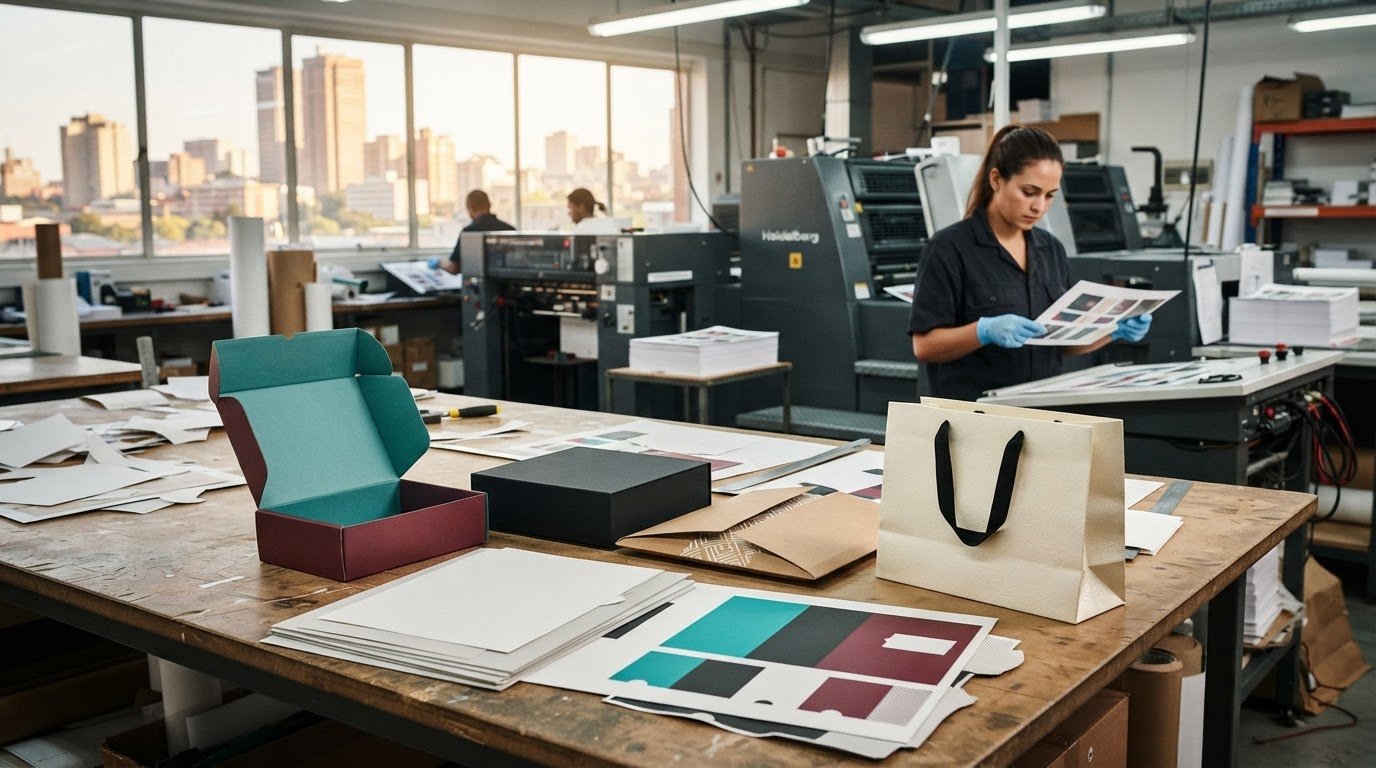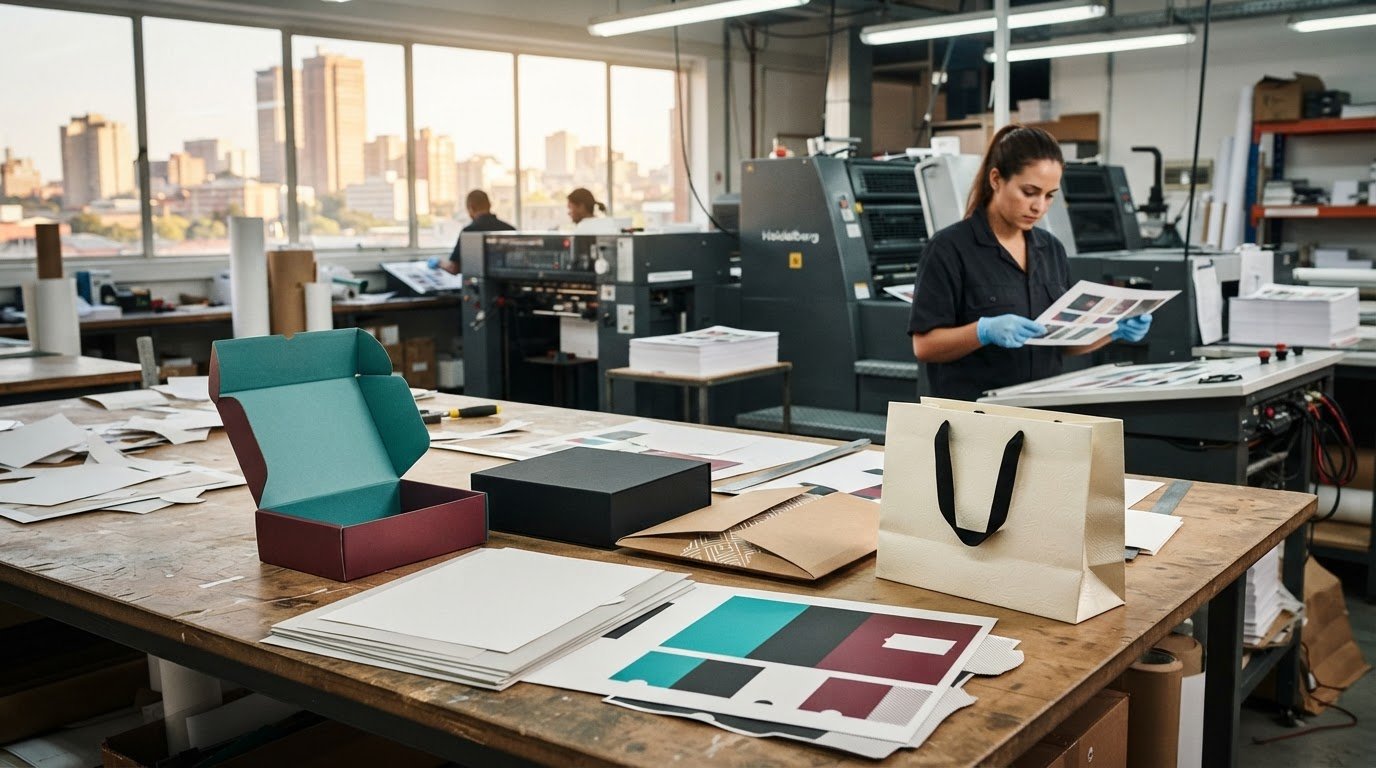
The financial stakes for your marketing materials have never been higher. It’s frustrating when you invest in a major print run only to face hidden production costs or poor colour reproduction that doesn’t do your products justice. You want a premium, tactile sales tool that represents your brand’s commitment to quality without blowing your budget on inefficiency.
This guide will help you master product catalogue printing Johannesburg so you can drive high-volume sales while staying ahead of 2026’s shifting regulatory landscape. We’ll show you how to navigate technical essentials like paper stock selection and binding while managing new Extended Producer Responsibility (EPR) compliance costs effectively. You’ll also learn how local infrastructure upgrades in Midrand, are streamlining logistics to ensure your seasonal retail launches are delivered with speed and precision. We’re here to help you turn your next catalogue into a high-conversion engine that justifies every cent of the print cost.
Key Takeaways
- Understand the “tactile trust” factor and how physical media drives longer consumer engagement than digital banners.
- Choose between A4, A5, or modern square layouts to match your brand’s aesthetic and product range requirements.
- Master the balance between digital and litho production to get the best value for your product catalogue printing Johannesburg project.
- Ensure your product photos are print-ready by avoiding the RGB trap and maintaining a non-negotiable 300 DPI resolution.
- Utilize Gauteng’s strategic logistics hubs to guarantee fast turnarounds and seamless distribution for time-sensitive retail launches.
Table of Contents
-
Beyond Digital: Why Product Catalogue Printing Still Drives Sales in Johannesburg
-
Specifying Your Success: Choosing the Right Sizes, Paper, and Binding
-
Litho vs. Digital Printing: Finding the Sweet Spot for Your Catalogue Volume
-
The Midrand Advantage: 24/7 Operations and Gauteng Logistics
Beyond Digital: Why Product Catalogue Printing Still Drives Sales in Johannesburg
In a city that never stops moving, capturing a customer’s attention for more than a few seconds is a massive win. While digital ads are everywhere, they’re often swiped away and forgotten in an instant. Physical media creates what we call "Tactile Trust." When a customer holds a beautifully finished book in their hands, your brand feels real, established, and dependable. Product catalogue printing Johannesburg isn’t just about ink on paper; it’s about creating a sensory experience that digital banners simply can’t replicate. South African consumers tend to engage with physical catalogues for significantly longer periods, often keeping them on coffee tables or desks for weeks.
Think of your catalogue as a silent salesperson that never takes a day off. After a high-stakes meeting in Sandton or a site visit in the East Rand, leaving behind a professional catalogue ensures your products stay top-of-mind. It’s a tangible reminder of your value proposition. For luxury goods and high-end retail, high-resolution print is non-negotiable. You can’t fully appreciate the texture of a fabric or the precision of a watch on a low-res mobile screen. The history of product catalogues shows they’ve always been essential for bridging the gap between a seller’s inventory and a buyer’s imagination, especially in industrial sectors where technical specs require careful study.
Print vs. Digital: The ROI Comparison for 2026
A social media ad might have a lifespan of a few hours, but a well-produced catalogue has a shelf-life of months. By integrating QR codes on your pages, you can drive offline readers directly to your e-commerce store, combining the trust of print with the convenience of online shopping. Physical catalogues offer a welcome break from screen glare, allowing B2B buyers to focus on technical details without the distraction of incoming notifications.
Targeting the Johannesburg Market Effectively
The "Joburg hustle" demands efficiency. Local buyers appreciate high-quality, quick-reference lists they can flip through during a busy workday. If you’re exhibiting at the Gallagher Convention Centre or the Sandton Convention Centre, a premium catalogue is your most powerful tool for turning a brief booth visit into a long-term contract. Success in the Gauteng market relies on:
-
Portability: Ensuring your catalogue fits easily into a briefcase or laptop bag.
-
Clarity: Using logical layouts that help busy procurement officers find what they need fast.
-
Distribution: Aligning your print runs with local Gauteng delivery networks to reach your audience exactly when they’re ready to buy.
By focusing on the strategic needs of the local market, you turn a simple list of items into a high-conversion sales engine. Our proximity to major business hubs means we understand the pace of Johannesburg commerce and the standards expected by its leading industries.
Specifying Your Success: Choosing the Right Sizes, Paper, and Binding
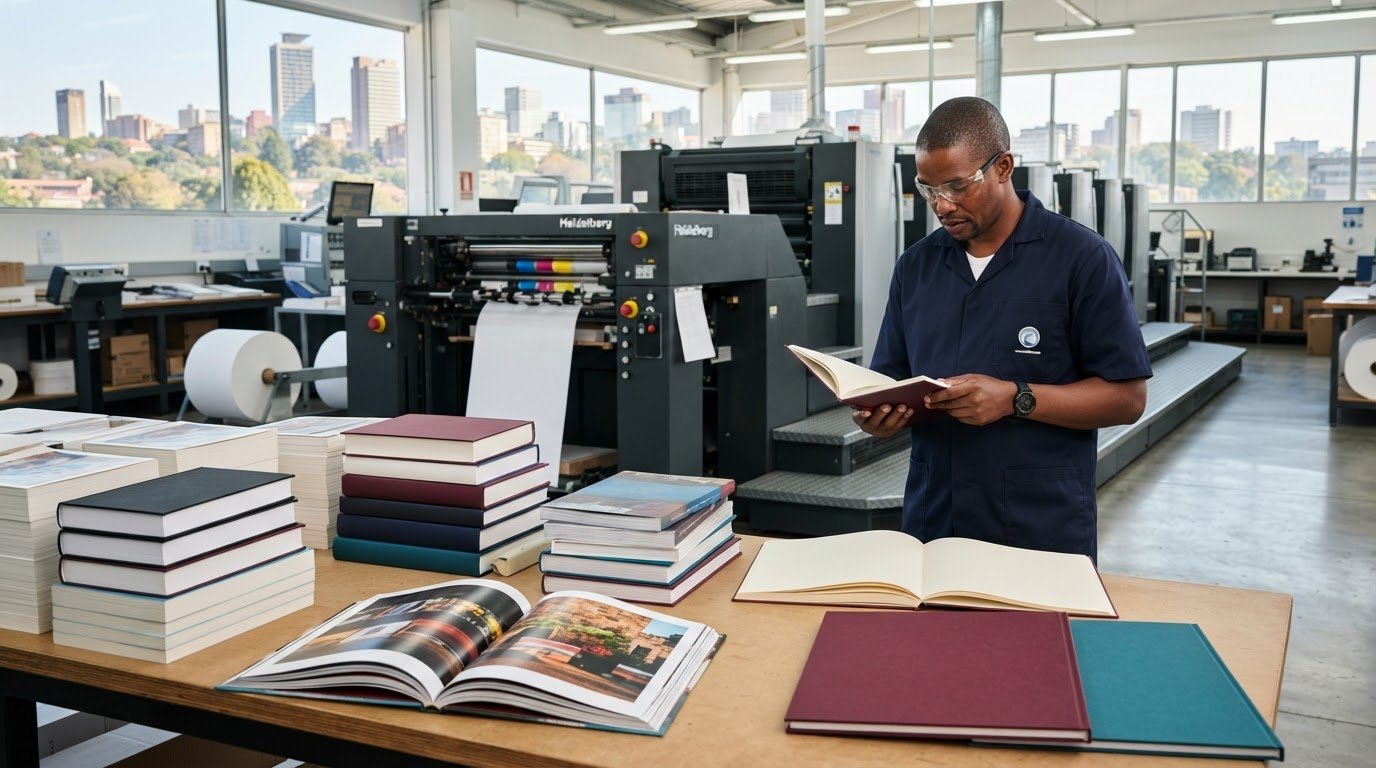
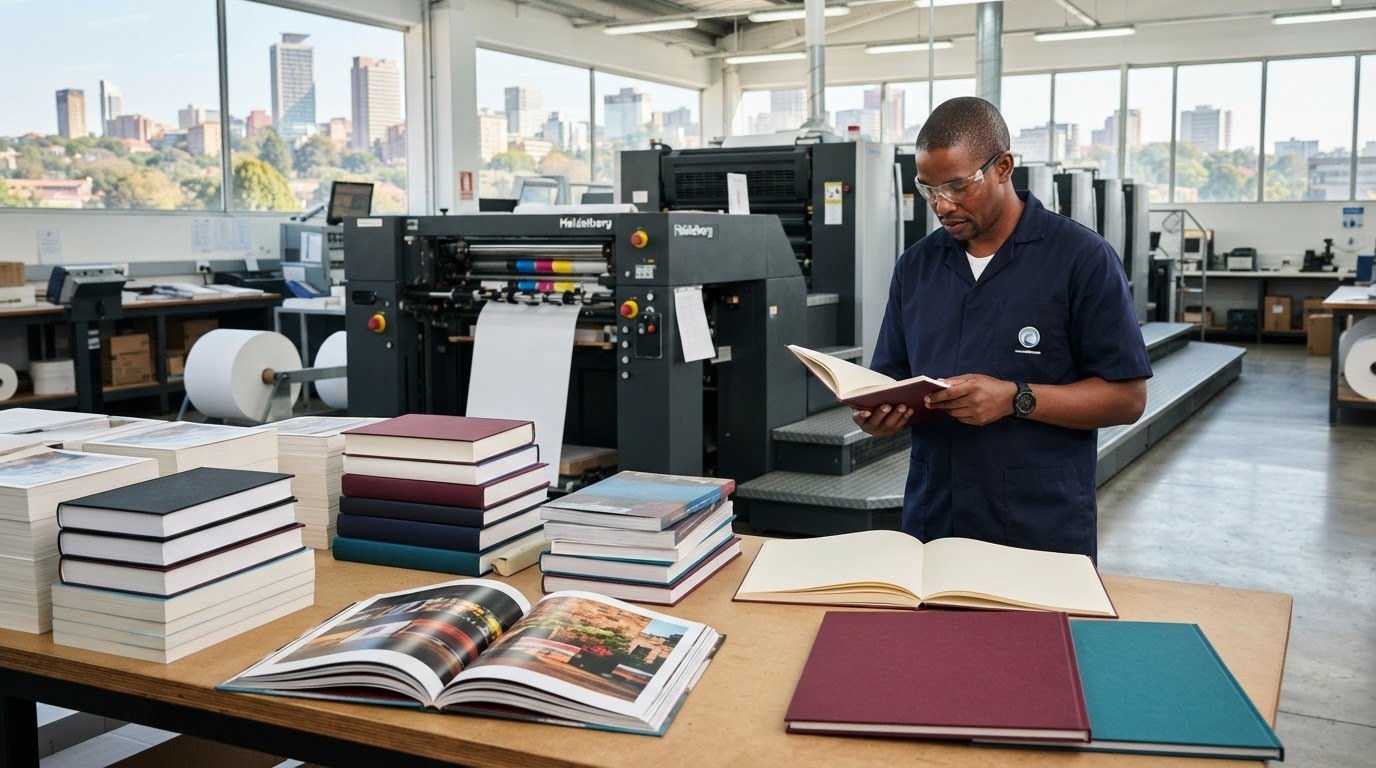
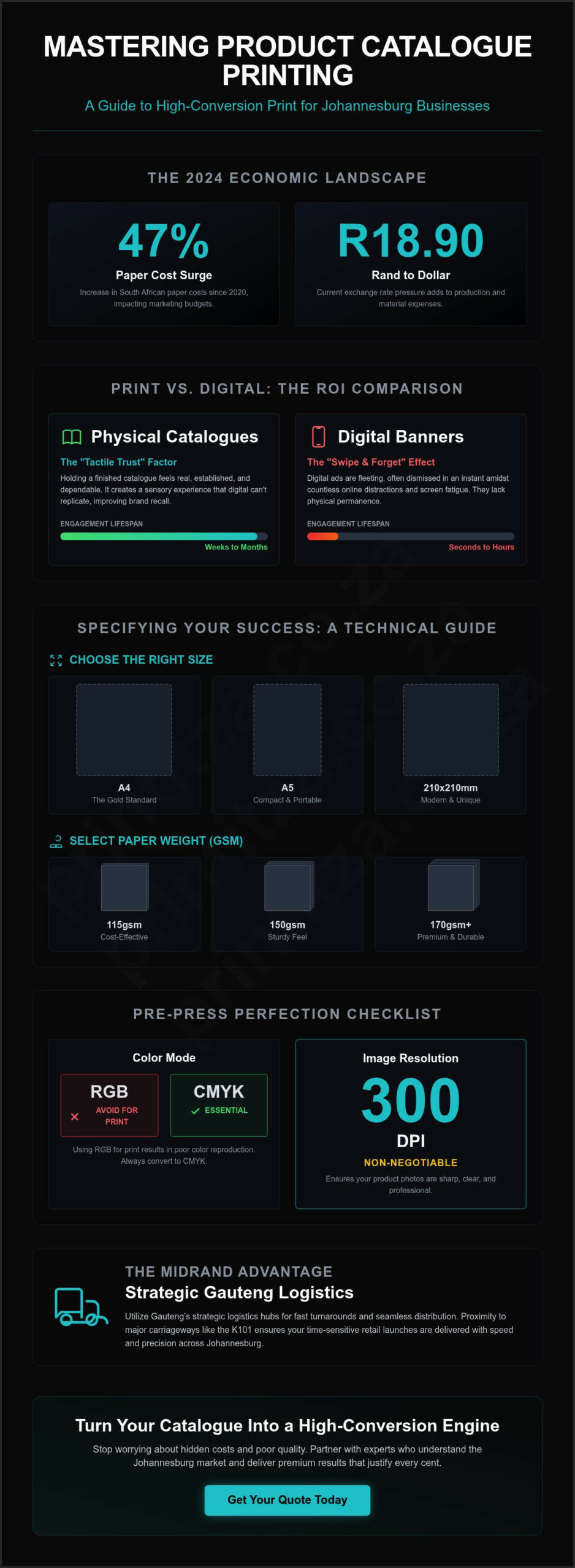
Choosing the right dimensions is the first step in your product catalogue printing Johannesburg journey. A4 remains the gold standard for comprehensive product ranges where technical specs and large imagery need room to breathe. If you’re creating a high-frequency lookbook or a compact guide for sales reps on the move, A5 is a fantastic, portable choice. For brands aiming for a modern, "boutique" aesthetic, square 210x210mm layouts offer a unique edge that stands out on any desk in Sandton or Rosebank. These choices aren’t just about looks; they’re about how your customer interacts with your brand.
The weight of your paper, measured in Grams per Square Metre (GSM), determines the "heft" and perceived value of your catalogue. Think of GSM as the thickness of the sheet; the higher the number, the more substantial the page feels. For internal pages, 115gsm is a lightweight, cost-effective choice for high-volume retail mailers. Stepping up to 150gsm or 170gsm adds a premium, sturdy feel that resists show-through and tearing. Research into the neuroscience of print marketing suggests that these tactile sensations actually improve brand recall and emotional connection. A heavier page doesn’t just feel better; it makes your products feel more reliable.
Binding Methods: From Saddle Stitch to PUR
Saddle stitching is the go-to for catalogues under 48 pages. It uses staples along the spine and is highly cost-effective for quick-turnaround projects. If your catalogue is a thicker, comprehensive directory, Perfect Binding or PUR (Polyurethane Reactive) is essential. PUR binding is incredibly durable and creates a clean, square spine that looks like a high-end book. For technical manuals or price lists used in Gauteng’s industrial sectors, Wiro-binding is the superior choice because it allows the pages to lay completely flat during reference.
Paper Stocks and Texture in the South African Climate
Your choice between coated and uncoated paper changes the entire visual impact. Coated paper, available in Gloss or Matt, keeps ink on the surface so colours appear vibrant and sharp. Uncoated paper absorbs more ink, resulting in a softer, more organic look that’s popular for minimalist or eco-conscious brands. With South Africa’s 2026 focus on sustainability, many businesses are now opting for FSC-certified or recycled stocks to meet consumer demand for green products. To finish your project, consider Matt Lamination for a sophisticated touch or Spot UV to make specific product images pop. These small details transform a basic list into a high-end business catalogue that commands respect from the first touch.
Litho vs. Digital Printing: Finding the Sweet Spot for Your Catalogue Volume
Deciding between digital and lithographic methods is the most critical financial decision you’ll make for your product catalogue printing Johannesburg project. It’s about finding the perfect balance between upfront setup costs and long-term unit value. Digital printing is your best friend when you need a few hundred copies fast. It requires no plates, meaning you can go from digital file to finished product in a fraction of the time. If you’re a boutique brand in Parkhurst launching a limited-edition range, digital is the obvious winner because it eliminates the waste of over-printing.
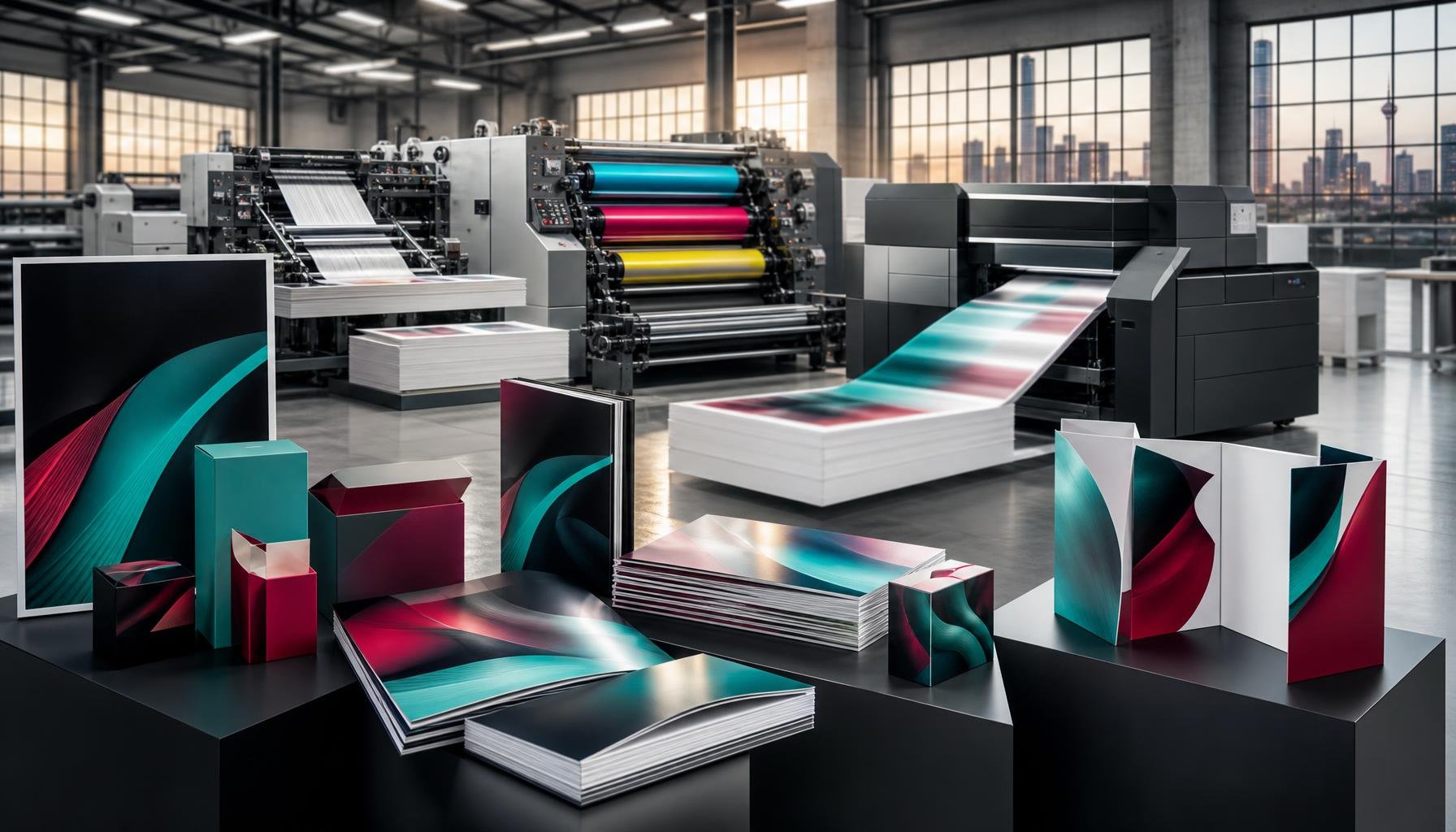
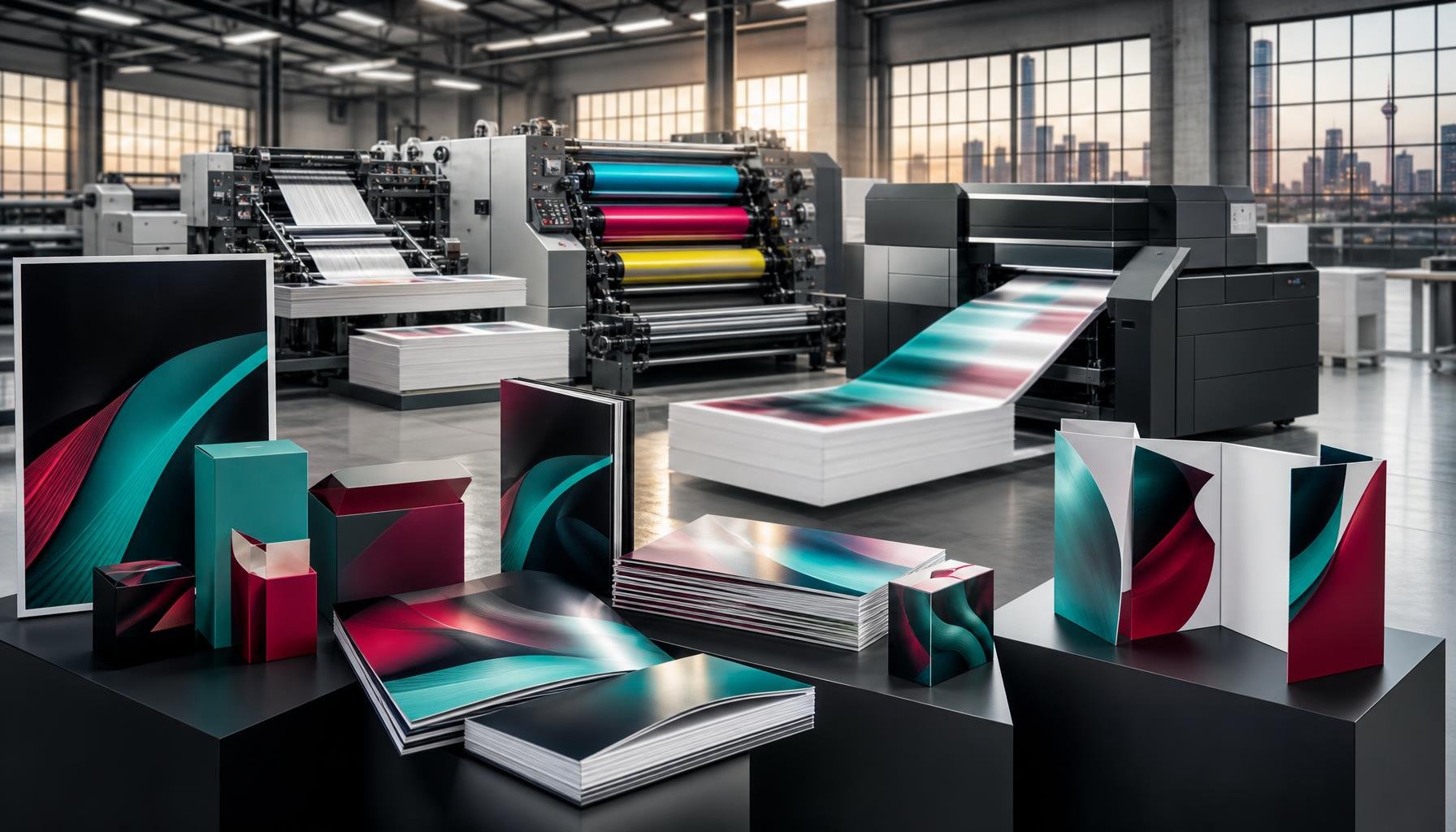
Lithographic printing, or litho, is where the real magic happens for large-scale operations. It uses metal plates to transfer ink onto paper with incredible speed and precision. While the initial setup takes more time, the cost per unit plummets as your volume increases. The "tipping point" where litho becomes more affordable than digital usually occurs around the 500 to 1,000-copy mark, depending on your page count. If your business is scaling up, litho is the gold standard for maintaining brand-critical product colors across every single copy.
Short-Run Digital for Seasonal Launches
Digital printing excels at agility. Using Print on Demand (POD), you can reduce storage costs by only printing what you need for a specific month or event. Variable Data Printing (VDP) even allows you to customize catalogues for specific Johannesburg regions or VIP clients, changing prices or featured products on the fly. Many of our clients use digital for "test runs" to gauge customer response before committing to a massive litho rollout. It’s a low-risk way to keep your marketing fresh and responsive.
High-Volume Litho for Nationwide Retailers
When you’re handling runs of 10,000 copies or more, scalability is everything. Litho presses are built for this kind of volume, ensuring that the quality of the last page matches the first. This method also allows for the use of specialized Pantone inks, which are essential for exact brand matching that standard CMYK digital processes can’t always hit. For businesses ready to dominate the market, utilizing high volume book printing services provides the infrastructure needed for nationwide distribution. We help you manage these large-scale projects with a focus on efficiency and output standards that reflect your brand’s commitment to excellence.
Pre-Press Perfection: How to Design a Print-Ready Catalogue
Setting up your files correctly is the difference between a professional sales tool and a costly mistake. When you start your project for product catalogue printing Johannesburg, the pre-press stage is where your vision becomes a reality. It’s easy to overlook technical details, but these small adjustments ensure your brand looks its best on every page. We want your products to shine, and that starts with a file that’s built for the press from day one.
One of the most common errors is the CMYK vs. RGB trap. Your computer screen displays images using Red, Green, and Blue light, but our presses use Cyan, Magenta, Yellow, and Black ink. If you don’t convert your product photos to CMYK before sending them to us, you’ll likely see a shift in color vibrancy that looks muddy on paper. Along with color, resolution is non-negotiable. Every image in your catalogue must be at least 300 DPI at its final size. Low-resolution images might look okay on your phone, but they’ll appear blurry and unprofessional once they’re printed on high-quality paper.
To avoid the "white-edge disaster," you must include bleed and crop marks in your design. Bleed is essentially an extra 3mm of image that extends beyond the final trim line, ensuring that your background colors and photos go right to the edge of the page. Don’t forget about font legibility either. While a thin, elegant typeface might look great in a digital mockup, it can lose its crispness on textured or uncoated paper stocks. Stick to typefaces that remain clear and readable even at smaller point sizes for your product descriptions.
Designing for the Gutter: Binding Considerations
Your choice of binding dictates how you should set up your margins. In saddle-stitched booklets, you have to account for "creep," which happens when the inner pages are pushed out further than the outer pages after folding. For perfect-bound catalogues, you need to set safe zones to ensure your text doesn’t disappear into the spine, also known as the gutter. Bleed is essential for edge-to-edge color images because it provides a safety margin for the mechanical trimming process.
Professional Design Tools vs. Amateur Software
While web-based design tools are popular for quick social media posts, they often struggle with high-resolution litho print requirements. Adobe InDesign remains the industry standard because it handles multi-page layouts and complex color profiles with ease. If you’re feeling overwhelmed by the technical specs, you can always utilize our in-house design services at Print It ZA. We offer a seamless "file-to-finish" experience to ensure your product catalogue printing Johannesburg project is perfect from the first proof to the final delivery. Start your design consultation today to make sure your files are ready for the press.
The Midrand Advantage: 24/7 Operations and Gauteng Logistics
Midrand sits at the heart of the Gauteng business corridor. It’s the perfect bridge between Johannesburg and Pretoria, offering a strategic location that simplifies provincial distribution. This means your product catalogue printing Johannesburg project isn’t just printed well; it’s delivered on time. We leverage our position in this tech hub to provide a faster, more responsive service that smaller, isolated shops simply can’t match. Our proximity to major highways and OR Tambo International Airport ensures your materials move from the press to the shelf in record time.
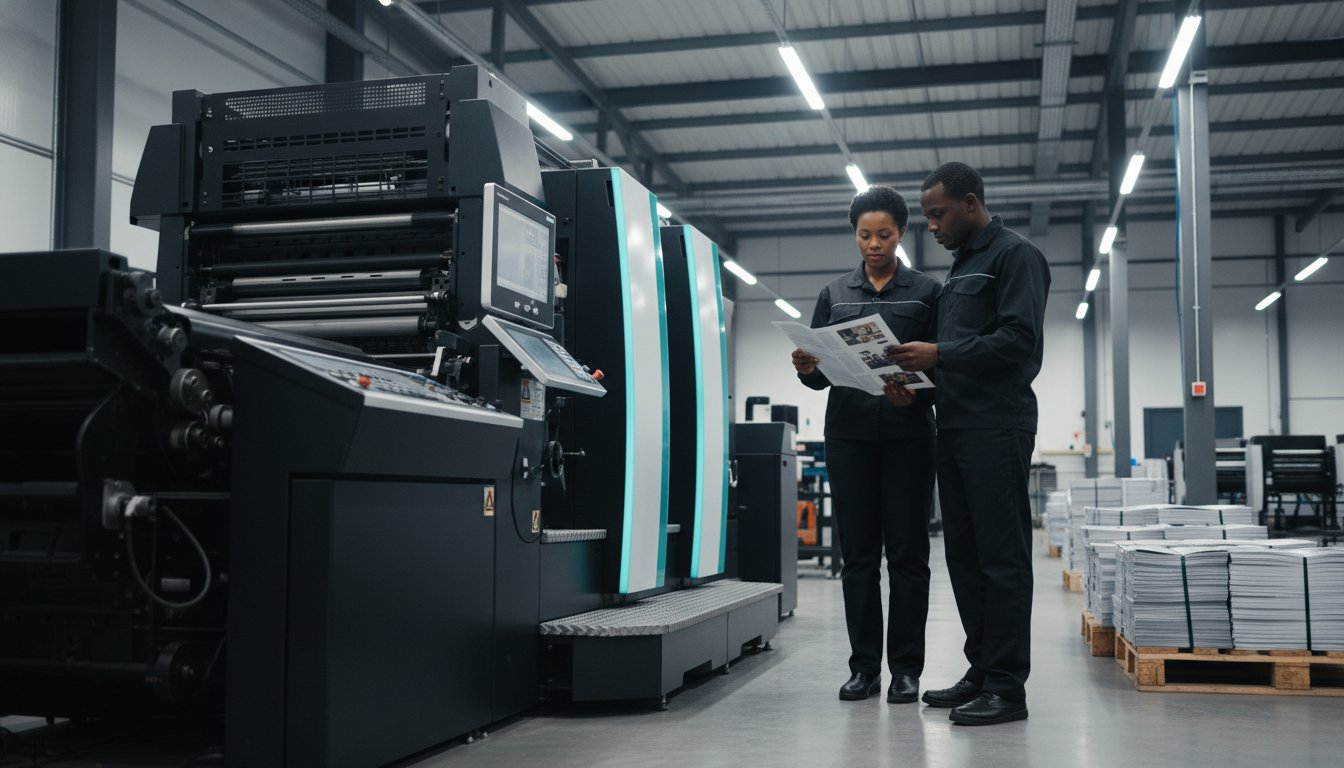
Business doesn’t sleep, and neither do our presses. We operate with round-the-clock shifts to ensure that tight retail deadlines are always met. This 24/7 print production model isn’t just about speed; it’s about reliability. You can rest easy knowing that while you’re preparing for a launch, our team is working through the night to finalize your project. We’ve built our reputation on being a hardworking partner that values your vision and your time. By running 24/7 printing, we effectively double the production capacity of a standard print shop, ensuring high-volume runs are completed without cutting corners on quality.
Meeting Impossible Deadlines
Our workflow is streamlined to move from proof approval to final delivery without any hiccups. We understand that in the retail world, an emergency is often just part of the job. Whether it’s a last-minute price change or an urgent reprint for a major event at the Sandton Convention Centre, we have the capacity to pivot quickly. By utilizing our professional printing services in Johannesburg, you gain access to a facility that scales with your needs, no matter how ambitious your project is.
End-to-End Logistics Management
We offer more than just ink on paper. Our facility handles the entire backend, including bulk packing and custom kitting for complex distributions. If you need your catalogues delivered directly to B2B clients across South Africa or exported to SADC countries, we manage the logistics from start to finish. This end-to-end approach simplifies your supply chain and reduces the risk of delays. Ready to scale your business? Contact Print It ZA today for a custom quote on your next catalogue project and let’s get your brand moving.
Elevate Your Brand with Precision Catalogue Printing
Your business deserves a sales tool that works as hard as you do. By choosing the right paper weights and binding methods, you create a lasting impression that digital ads simply can’t match. Mastering the technical side of pre-press ensures your product photos look stunning and professional. When you combine high-resolution design with the right volume strategy, your marketing materials become a powerful engine for growth and customer trust.
We’re here to help you navigate every technical and strategic detail of product catalogue printing Johannesburg. With our 24/7 operational print facility in Midrand, we provide the reliability and speed needed for demanding retail deadlines. Our in-house creative design team is ready to polish your files; meanwhile, our nationwide distribution networks ensure your brand reaches customers across South Africa and the SADC region. It’s time to turn your product list into a premium marketing asset. Get a Professional Catalogue Printing Quote today and let’s start building something exceptional together.
Frequently Asked Questions
What is the best paper weight for a high-quality product catalogue?
High-quality catalogues typically use 130gsm, 150gsm or 170gsm for internal pages to balance durability with a premium feel. For the cover, we suggest a heavier 300gsm stock to provide structural integrity and a professional first impression. These weights ensure your pages don’t tear easily and prevent "show-through" from imagery on the reverse side of the sheet.
How long does catalogue printing in Johannesburg typically take?
Turnaround times for product catalogue printing Johannesburg depend on the specific volume and the printing method you choose. Digital short runs are often ready in 2 to 3 working days after you approve the final proof. Larger lithographic projects usually require 5 to 7 working days to allow for plate setup, high-speed production, and proper ink drying times before binding.
What is the difference between saddle stitching and perfect binding for catalogues?
Saddle stitching uses staples along the fold and is the most cost-effective choice for booklets with lower page counts. Perfect binding uses a strong adhesive to create a flat, square spine similar to a paperback book or high-end magazine. We recommend perfect binding for catalogues over 48 pages to ensure a professional finish that sits perfectly on a client’s desk or bookshelf.
Can I print a small batch of catalogues before committing to a large run?
You can absolutely print a small digital batch to test your layout or gauge market response before committing to a high-volume litho run. This approach helps you catch any last-minute edits or design tweaks without the cost of a full production setup. It’s a pragmatic way to ensure your final large-scale investment is perfect and ready for your target audience.
Do you offer design services if I don’t have a print-ready file?
Our in-house creative design team is available to help you transform your raw product data into a polished, print-ready layout. If you don’t have experience with technical pre-press requirements, we’ll guide you through every step of the process. We make sure your images meet the 300 DPI standard and that your files are correctly formatted for a seamless transition to our presses.
What are the standard catalogue sizes available in South Africa?
The most common catalogue sizes in the South African market are A4 and A5. A4 provides ample space for detailed technical specifications and large-scale product photography. A5 is a popular, portable choice for compact lookbooks or high-frequency retail mailers. We also produce square 210x210mm formats for brands that want a modern, boutique aesthetic that stands out from the competition.
How do I ensure my product colours are accurate in the final print?
Ensuring color accuracy starts with converting all your design files and product photos to the CMYK color profile before submission. For brand-critical colors, we use Pantone matching in our litho process to guarantee exact consistency across every single copy. We also provide digital proofs for your final approval to ensure the colours on the page match your brand’s vision perfectly.
Does Print It ZA offer nationwide delivery from its Midrand facility?
We provide comprehensive nationwide delivery and shipping to SADC countries directly from our strategic Midrand hub. Our location near major Gauteng highways and logistics centers allows us to manage distribution efficiently for B2B clients across South Africa. Your product catalogue printing Johannesburg project is handled with precision from the moment it leaves the press until it reaches your doorstep.
Contact Print It ZA today, for a Free Quote and Speedy Service.
Print It ZA print and packaging, we deliver Printing Best!