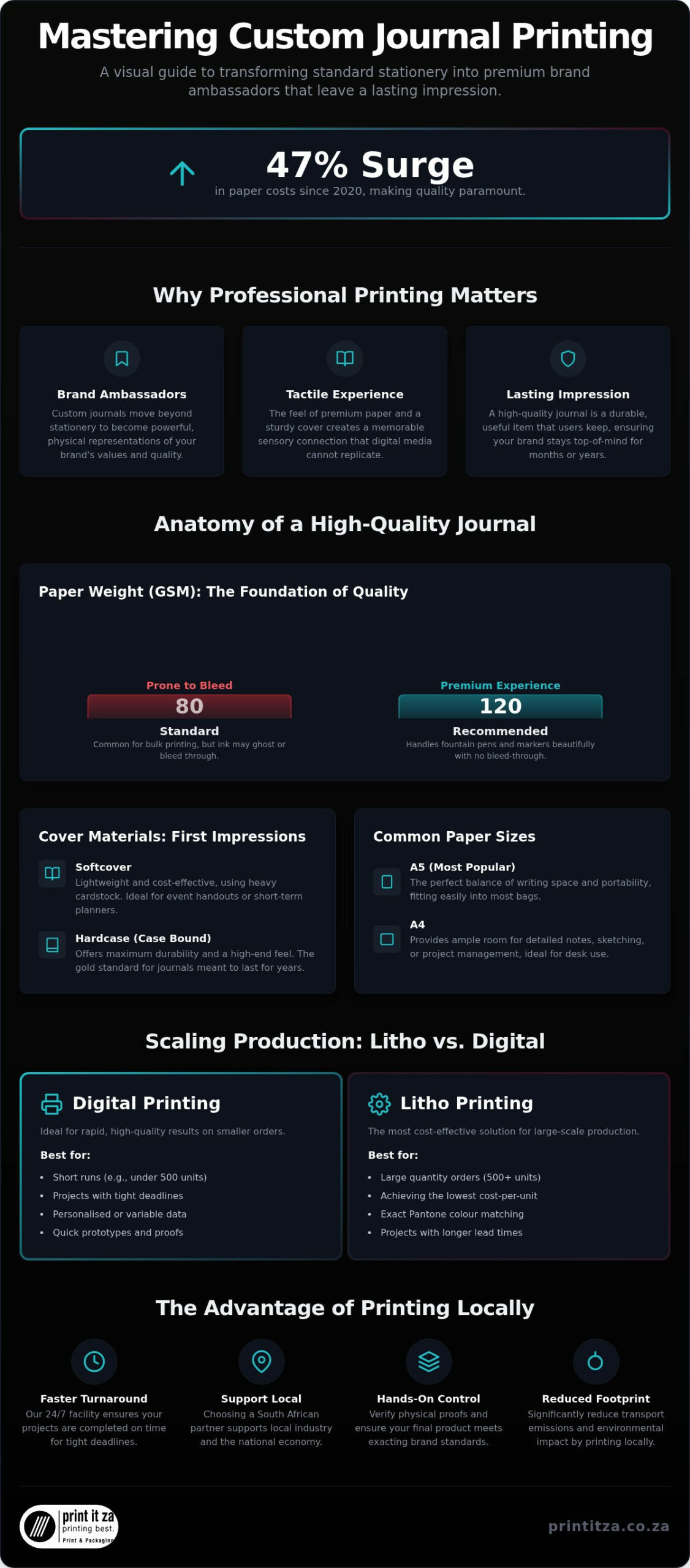
With paper costs surging by 47% since 2020, every page of your custom journal needs to earn its keep through superior quality and purpose. You want a piece of stationery that feels premium and looks professional, but the technical jargon of GSM and binding types often makes the process feel more complicated than it should be. It’s natural to worry about ink bleeding through thin paper or being stuck with high minimum order quantities that don’t fit your project needs.
We’re here to help you master journal printing by turning those technical hurdles into creative opportunities. You’ll learn exactly how to design and specify a high-quality journal that users love, whether you’re planning a corporate event in Johannesburg or a creative launch nationwide. This guide breaks down how to manage your budget against rising electricity costs and explains why choosing between digital and litho printing is the secret to getting the best value for your South African business. Let’s get your vision onto paper.
Key Takeaways
- Learn how to transform standard stationery into “brand ambassadors” that reflect your professional identity and creative vision.
- Understand the technical difference between paper weights to ensure a premium, no-bleed writing experience for your users.
- Discover which binding methods offer the best balance of durability and ease-of-use for daily journals and diaries.
- Explore premium finishing touches like metallic foiling and spot UV to give your project an unmistakable “wow-factor.”
- Master the cost-efficiency of digital versus litho journal printing to scale your production perfectly for any order size.
What is Professional Journal Printing and Why Does it Matter?
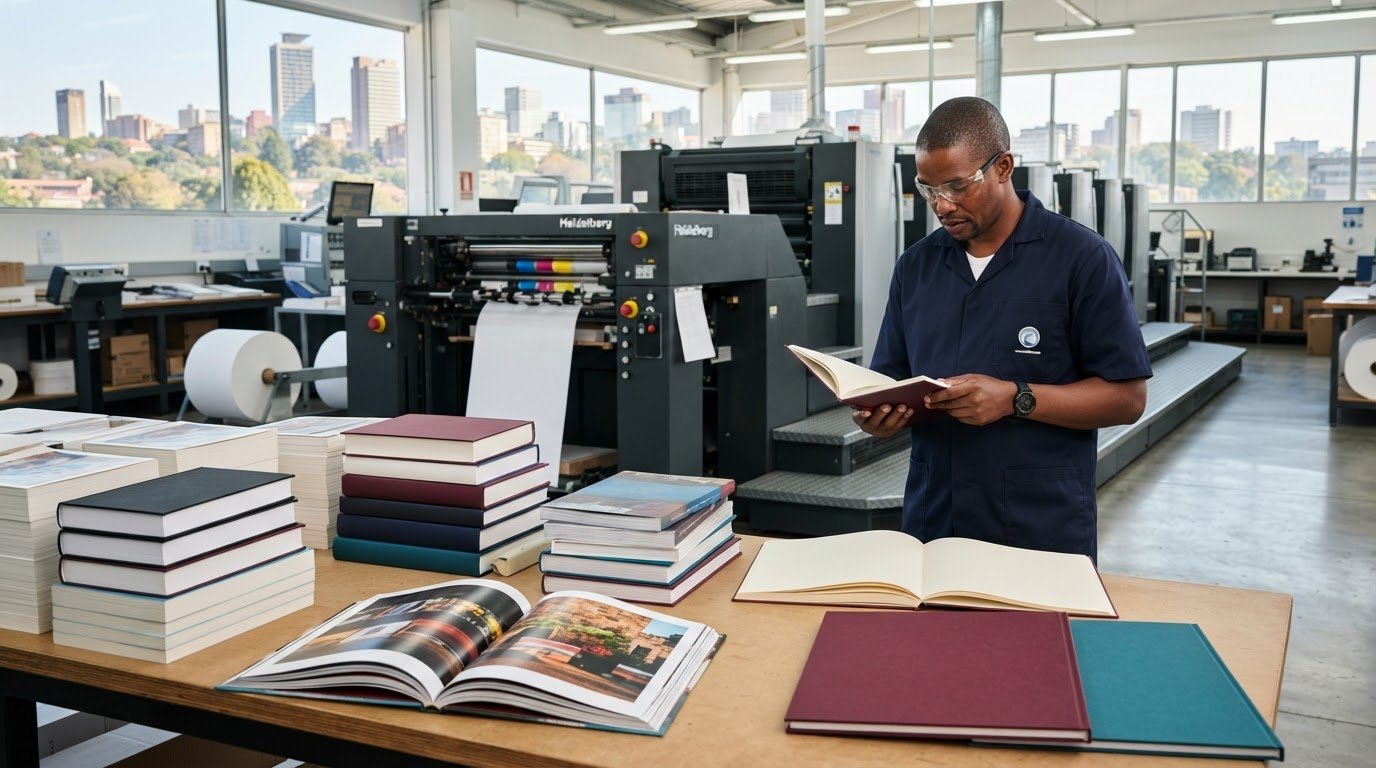
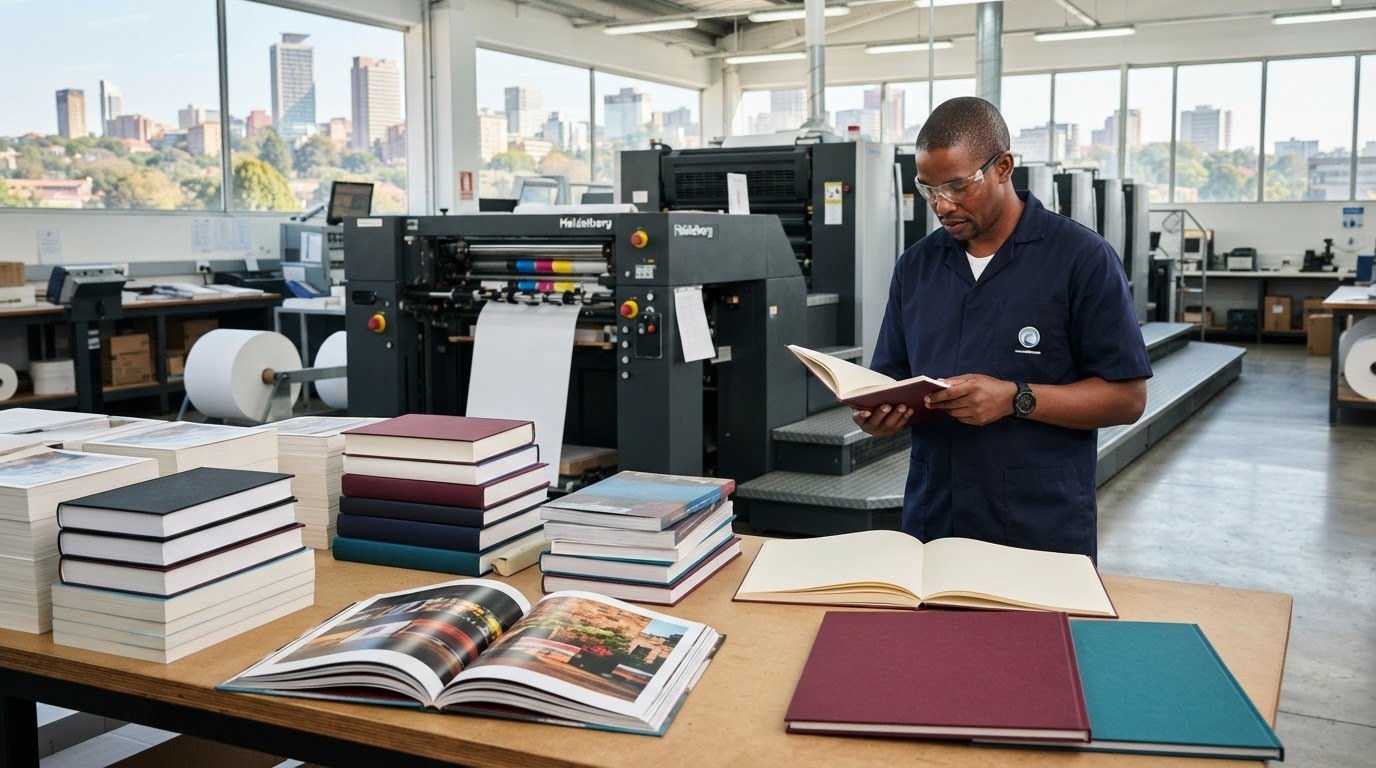
Professional journal printing is the bespoke manufacturing of multi-page bound volumes designed specifically for writing, planning, or record-keeping. It’s far more than just a notebook; it’s a carefully engineered tool. As we move through 2026, we’re seeing a distinct shift in how businesses and creators approach stationery. Generic, mass-produced pads are being replaced by custom-designed “brand ambassadors” that carry a company’s values in every stitch and page.
The tactile experience of a physical journal has a profound psychological impact. High-quality, heavy-weight paper creates a sensory connection that digital screens simply can’t match. When a user feels the texture of a premium cover or the smooth glide of a pen across 120gsm paper, their engagement with the content increases. This is why professional journal printing has become a cornerstone for brands looking to leave a lasting, physical impression. It’s about creating something that people want to keep, not just use and discard.
The versatility of these products is immense. You’ll find them serving as high-end corporate gifts that foster loyalty, academic publications for rigorous research, or retail-ready planners that help people organise their lives. Each use case requires a different approach to design and manufacturing, but the goal remains the same: a durable, aesthetic product that serves its purpose perfectly.
The Three Main Categories of Custom Journals
Your choice of journal depends entirely on your end goal. Corporate and branded journals are powerful tools for employee appreciation or high-end client gifting. They often feature subtle branding and professional layouts. Creative and self-published planners push the boundaries with vibrant colours and unique finishes for the retail market. Finally, academic and professional journals prioritise durability and readability, ensuring that critical research or meeting notes remain intact for years to come.
The Value of Printing Locally in South Africa
Choosing a local partner in Gauteng offers advantages that international suppliers can’t beat. Our 24/7 operational facility in Midrand ensures faster turnaround times, which is vital when you’re working against tight event deadlines. By keeping production within South Africa, you’re supporting local industry and significantly reducing the carbon footprint of your project. Local production also allows for hands-on quality control. You can see physical proofs and verify various Bookbinding methods before the full run begins. This level of oversight ensures your final product meets the high standards your brand deserves. It’s about reliable delivery and a partner who understands the local market needs.
Designing Your Journal: Paper, Size, and Layout
Choosing the right dimensions is your first big decision. A5 remains the most popular choice for journal printing because it balances writing space with portability. It fits easily into laptop bags and handbags, making it ideal for people on the move. If your users are likely to use their journals at a desk for detailed sketching or project management, A4 provides that extra breathing room. We also handle custom sizes if you want something that truly stands out on a retail shelf.
Your interior layout sets the tone for how the journal is used. Lined pages are classic for journaling, while dot grids have become the gold standard for bullet journaling and creative planning. If you’re designing for a specific corporate workflow, bespoke inserts allow you to include calendars, habit trackers, or meeting templates. To ensure your brand looks its best, always provide artwork at a minimum of 300 DPI. High-resolution files prevent blurry logos and keep your journal printing project looking sharp.
Understanding Paper Stocks and GSM
The feel of the page is where the quality is truly felt. GSM stands for Grams per Square Metre, which is the standard measure of paper density. While 80gsm is common for bulk printing, it often allows ink to bleed through to the other side. For a premium feel, we recommend 100gsm to 120gsm. This weight handles fountain pens and markers beautifully without “ghosting.” You can choose between crisp white bond paper, elegant cream stocks, or even coated papers for a modern finish. If you’re looking for sustainable options, we can help you prepare for the 2028 recycled content targets with our eco-friendly paper selections.
Cover Materials: From Softcover to Hardcase
Your cover is the first thing a user touches. Softcovers made from heavy cardstock are lightweight and cost-effective; they are perfect for event handouts or short-term planners. For something meant to last years, a hardcase (case bound) cover provides maximum durability and a high-end shelf presence. You aren’t limited to just plain board either. We offer specialty materials like linen textures and faux leather to give your project a unique tactile edge. If you’re unsure which material fits your brand, our in-house design team can guide you through the best options for your specific run.
Choosing the Right Binding for Durability
Binding is the silent partner of journal printing. It determines whether your journal sits proudly on a shelf or falls apart after a month of heavy use. If you’ve ever struggled to write near the spine of a notebook, you know how much the wrong binding can ruin the user experience. At our Midrand facility, we offer a range of in-house binding styles to ensure your project is both functional and beautiful. We understand that a journal is a tool, and a tool must be reliable.
The longevity of a daily-use diary depends entirely on how the pages are secured. For planners and art journals, a “lay-flat” requirement is often non-negotiable. Users want to be able to open their journal on a desk and have it stay open without using their elbows to hold the pages down. Our team helps you select the method that matches your specific use case, balancing aesthetic appeal with rugged durability across Gauteng and beyond.
Perfect Bound vs. Case Bound Journals
Perfect binding gives you that sleek, professional paperback style. It’s cost-effective and works perfectly for lightweight journals or corporate newsletters. However, for a premium product intended to last years, case binding is the gold standard. This method creates a rigid hardcover that protects the pages inside from wear and tear. We frequently recommend the “PUR binding” advantage for these projects. PUR adhesive is significantly stronger than traditional hot-melt glues. It provides superior page retention, meaning your pages won’t fall out even with aggressive, daily use. This is essential for journal printing projects that serve as long-term records or keepsakes.
Wiro and Spiral Binding for Functionality
When your users need a journal that stays completely flat, Wiro binding is the undisputed king. It allows for 360-degree folding. This is perfect for people who write on their laps, use small desks, or need to flip pages quickly. This functionality makes it the ideal choice for training manuals, workbooks, and desk-based planners. You don’t have to settle for basic silver or black wires either. We can customise the wire colours to match your brand aesthetics, ensuring the hardware of the journal is as much a part of the design as the cover itself. It’s these small details that turn a simple notebook into a professional piece of branded stationery that people actually enjoy using every day.
Premium Finishes and Customisation Options
Lamination is your first line of defense and your first opportunity to set a specific mood. A matte finish offers a sophisticated, velvety feel that reduces glare, while gloss lamination makes colours pop with high-energy vibrancy. For journals that will be tossed into bags or used on job sites, scuff-free lamination is a game-changer. It maintains that “fresh from the press” look for months by protecting your investment against the daily grind. These finishes are the final touch that elevates journal printing from a simple notebook to a luxury item.
If you want to add immediate “wow-factor,” metallic foiling is the answer. While gold and silver remain timeless, copper foiling has seen a massive surge in popularity across Johannesburg in 2026. Pairing this with spot UV, a clear glossy coating applied to specific areas, creates a stunning contrast between textures. You can also add practical features that users appreciate, such as ribbon markers to keep their place, elastic closures to keep the pages tidy, and back pockets for loose notes or receipts.
Tactile Branding: Debossing and Embossing
Texture creates a lasting memory. Debossing presses your logo into the cover material, creating a subtle, high-end “sunken” effect that feels incredible to the touch. Embossing does the opposite, raising your design above the surface for a bold, 3D look. These techniques are particularly effective on faux leather or linen covers. When you integrate these with our professional printing services, you’re creating a retail-ready product that competes with international stationery brands.
Eco-Friendly Journal Printing
Sustainability is no longer a niche request in the South African corporate sector; it’s a requirement. We use FSC-certified papers and vegetable-based inks to ensure your project aligns with global environmental standards. You don’t have to sacrifice quality for ethics. Modern recycled paper stocks offer excellent opacity and a smooth writing surface that rivals traditional bond paper. As we look toward the 2028 recycled content targets, we’re already implementing eco-friendly lamination alternatives that are biodegradable. If you’re ready to start your next sustainable project, chat with our creative team to see our latest eco-conscious samples.
Scaling Your Production: Litho vs. Digital Printing
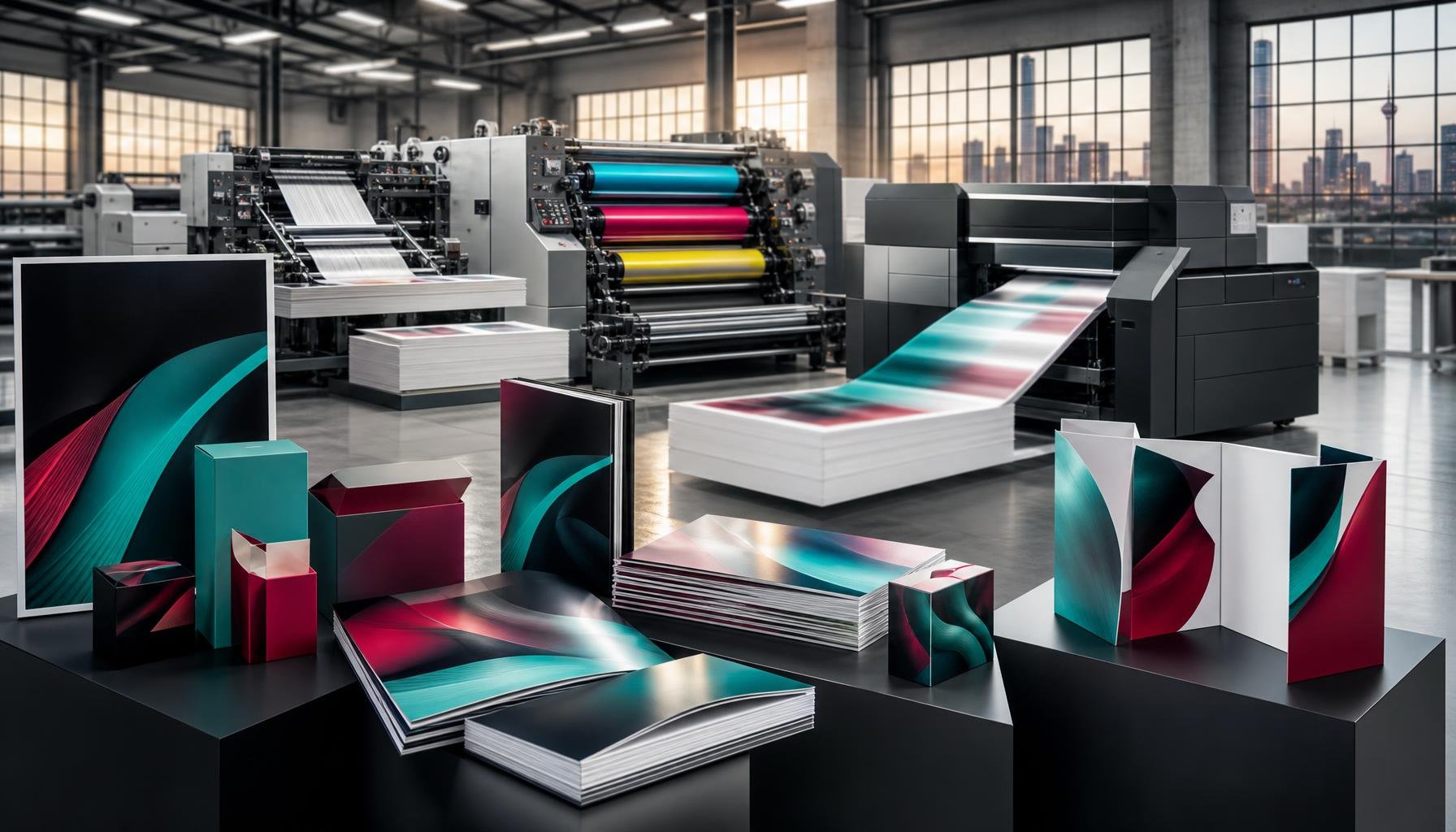
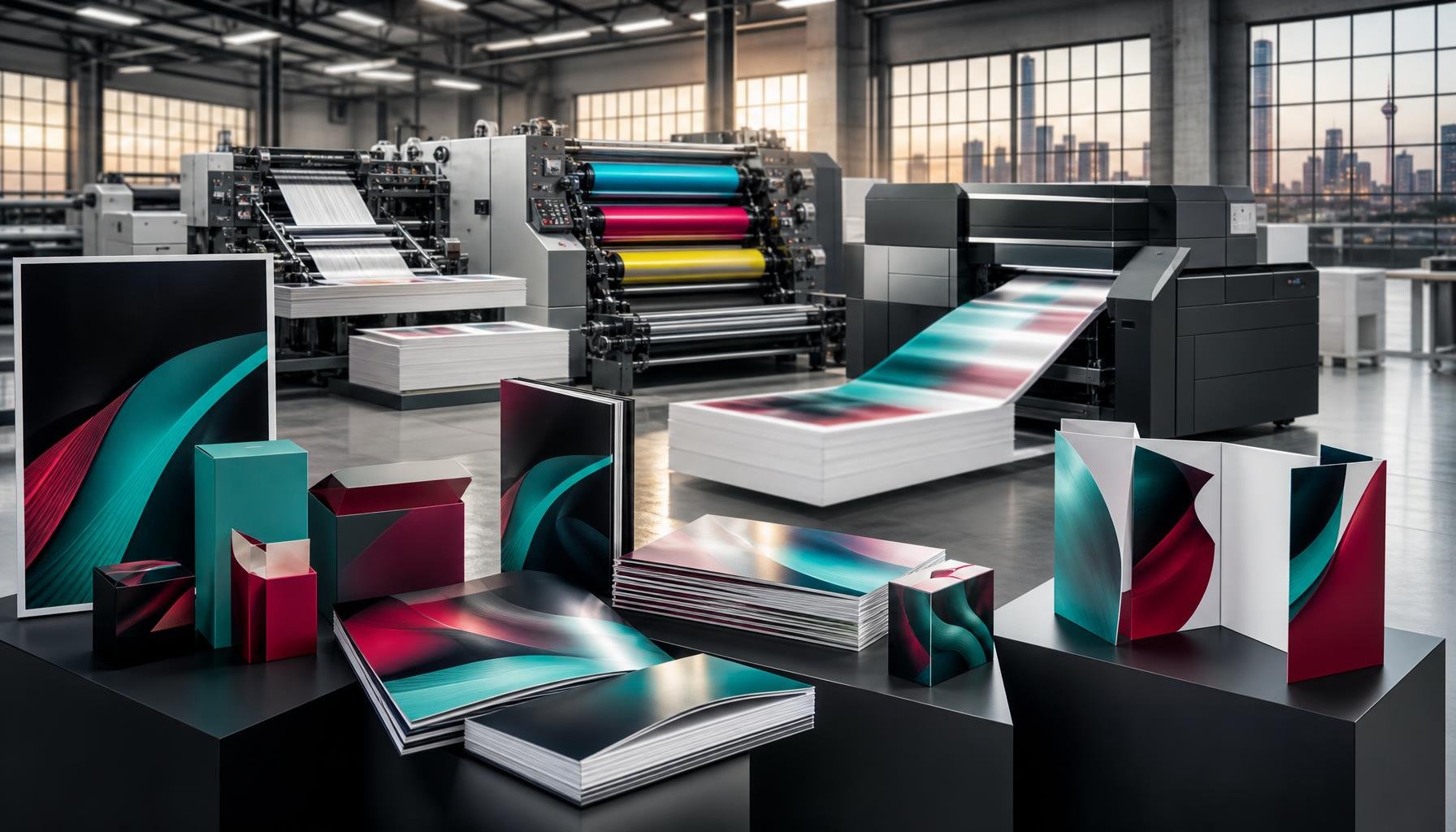
Choosing the right production method is the final step in bringing your vision to life. The decision between litho and digital printing usually comes down to your specific volume and how much personalisation you need. Our 24/7 facility in Midrand is equipped to handle both; ensuring that your project stays on track regardless of the scale. We don’t just print and leave it there. Our logistics team manages nationwide delivery from our Gauteng hub, so your journals arrive exactly where they need to be, whether that’s a local office or a retail outlet across the country.
Understanding the technical break-points between these methods helps you manage your budget effectively. With paper costs having risen by 47% since 2020, selecting the most efficient run size is critical for maintaining a healthy bottom line. Whether you are a self-publisher starting with a small batch or a procurement manager overseeing a national rollout, we provide the technical expertise to ensure your journal printing project is executed with precision and speed.
When to Choose Digital for Journals
Digital printing is the perfect solution for “Print on Demand” or short-run projects. If you need fewer than 200 units for a specific team event or a limited creative launch, this method offers the best value. One of the biggest advantages here is variable data printing. This tech allows us to print individual names or unique codes on every single journal cover, making each piece feel truly personal. For more insights into how modern technology is changing the game, check out our print shop guide for Johannesburg businesses.
The Litho Advantage for High Volume
When your requirements move into the thousands, litho printing becomes the clear winner for cost-efficiency. While there is a higher initial setup cost for creating plates, the unit price drops significantly as the volume increases. Verified industry data shows that litho is the most cost-effective solution for runs of 500 units or more. It also offers superior colour consistency, which is vital for large-scale brand rollouts where your corporate colours must be exact across every page. To create a complete brand experience, you might consider a custom packaging quote to bundle your journals in branded boxes. This adds a layer of professionalism that retail customers and high-value clients appreciate. We’re ready to help you scale your journal printing from a single prototype to a massive commercial success.
Bring Your Vision to Life with Local Expertise
Your custom journal is more than a collection of pages; it’s a physical extension of your brand or creative vision. By selecting the right paper density, a binding style that facilitates a “lay-flat” experience, and finishes that protect your investment, you ensure that your project stands out in a crowded market. Whether you’re scaling up with high-volume litho or starting small with personalized digital runs, the technical choices you make today define the user experience of tomorrow.
At Print It ZA, we act as your creative partner to make these complex decisions simple. Our 24/7 production facility in Midrand is ready to handle your journal printing needs with speed and precision. From our expert in-house design support to reliable nationwide South African delivery, we’ve got every stage of your project covered. Ready to see your designs on paper?
Get a custom journal printing quote from Print It ZA today and let’s build something your audience will love to use every day.
Frequently Asked Questions
What is the best paper weight for a writing journal?
The ideal paper weight for a professional writing journal is between 100gsm and 120gsm. This density provides a premium feel and prevents ink from bleeding through to the other side, which is a common issue with standard 80gsm bond paper. If your users typically use fountain pens or heavy markers, sticking to the higher end of that range ensures a smooth, high-quality writing experience.
Can I print a small batch of journals for a one-off event?
Yes, you can easily print small quantities using our digital printing services. This method is perfect for quantities under 200 units, making it an excellent choice for corporate retreats, workshops, or boutique launches. Since digital printing doesn’t require the extensive setup of traditional litho plates, it’s a cost-effective way to get high-quality results for smaller, time-sensitive projects.
What is the difference between wiro binding and perfect binding?
Wiro binding uses a metal coil that allows the journal to lay completely flat or fold 360 degrees, which is perfect for workbooks. Perfect binding uses an adhesive to create a clean, square spine similar to a paperback book. While perfect binding looks sleek and professional on a retail shelf, it doesn’t offer the same “lay-flat” functionality as wiro or case-bound options.
How do I prepare my artwork for professional journal printing?
You should prepare your artwork as a high-resolution PDF with a minimum of 300 DPI to avoid blurry or pixelated results. It’s also vital to include a 3mm bleed on all edges to ensure your design reaches the very edge of the page after trimming. Our in-house design team is always available to help you double-check these technical specifications before the journal printing process begins.
Do you offer custom journal printing for self-publishers in South Africa?
We certainly do, and we take great pride in being a reliable creative partner for local authors and designers. We assist self-publishers with everything from selecting durable cover materials to choosing specialized finishes like debossing or metallic foiling. Our Midrand facility handles the entire production cycle, including nationwide distribution to help you get your product into the hands of your readers.
What is the typical turnaround time for a custom journal order in Gauteng?
Most standard orders are completed within a few business days, though the exact timeline depends on the complexity of your finishes and the volume of the run. Because we operate a 24/7 facility in Midrand, we’re able to maintain high-energy production speeds and meet tight deadlines for local clients. We’ll always provide a confirmed delivery date once we’ve reviewed your specific project requirements.
Can I add a ribbon marker or elastic closure to my journals?
Yes, you can add various practical extras like ribbon markers, elastic closures, or even back pockets for loose notes. These custom features are particularly popular for high-end corporate gifts and retail-ready planners because they significantly enhance the user’s daily experience. These small details transform a simple notebook into a sophisticated tool that people genuinely value and keep.
Is it possible to print journals using eco-friendly or recycled paper?
We offer several sustainable options, including FSC-certified and recycled paper stocks that don’t compromise on writing quality. With the South African industry moving toward 2028 targets for recycled content, choosing eco-friendly materials for journal printing is a smart way to align your brand with modern environmental standards. We can also discuss vegetable-based inks and biodegradable lamination alternatives during your consultation.